
La luz táctil: Dominando las texturas de los materiales en la iluminación interior moderna.
ENCuando entramos en una habitación que parece lujosa o diseñada por un profesional, nuestra mirada suele percibir una capa oculta de complejidad: la textura. En el ámbito de la iluminación interior, la textura es el lenguaje silencioso que une una casa con un hogar. No basta con que una lámpara se encienda; debe poseer una esencia material que armonice con las superficies que la rodean.
Como estratega digital en la industria de la iluminación, he visto pasar muchas tendencias, pero el enfoque en la "materialidad" —la cualidad táctil de un objeto— sigue siendo el factor diferenciador clave. La iluminación es única porque es a la vez un objeto físico y una fuente de energía. Los materiales que elegimos para nuestras luminarias determinan cómo la luz es captada, reflejada y percibida por quienes se encuentran en la habitación.
La elegancia industrial del metal
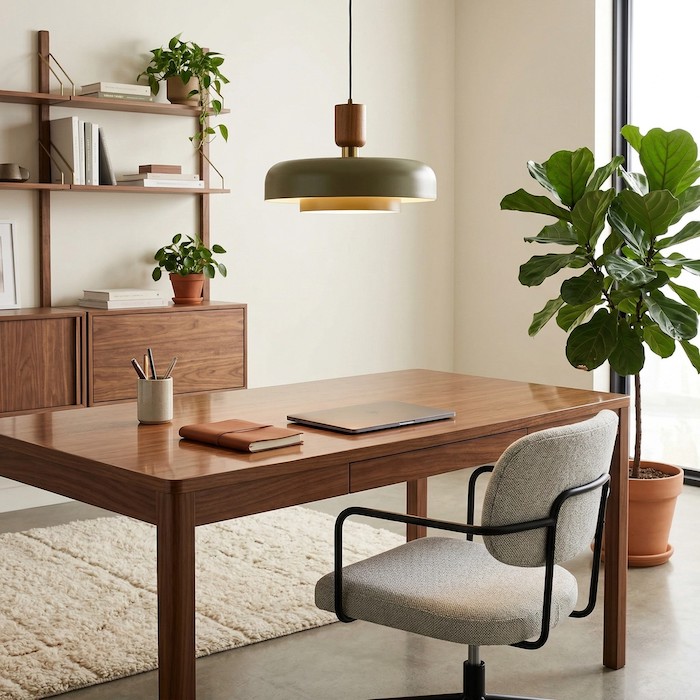
El metal ha sido durante mucho tiempo la base del diseño de iluminación moderno, y con razón. Ofrece una integridad estructural y un nivel de precisión que otros materiales simplemente no pueden igualar. En los interiores estadounidenses contemporáneos, observamos una tendencia hacia los acabados mate y cepillados. A diferencia del cromo brillante, que puede resultar anticuado o frío, los metales mate absorben parte de la luz que emiten, creando una presencia más suave y natural.
Al introducir un elemento metálico, se aporta una textura "dura". Esto es esencial en espacios como cocinas u oficinas en casa donde se busca comunicar eficiencia y resistencia. Sin embargo, una habitación compuesta enteramente de superficies duras puede resultar poco acogedora. Esto nos lleva al principio de diseño más crucial de la década: la búsqueda del equilibrio. Lograr esta armonía depende en gran medida de Cómo coordinar la iluminación con los materiales del mobiliario..
El poder suavizante de la madera orgánica
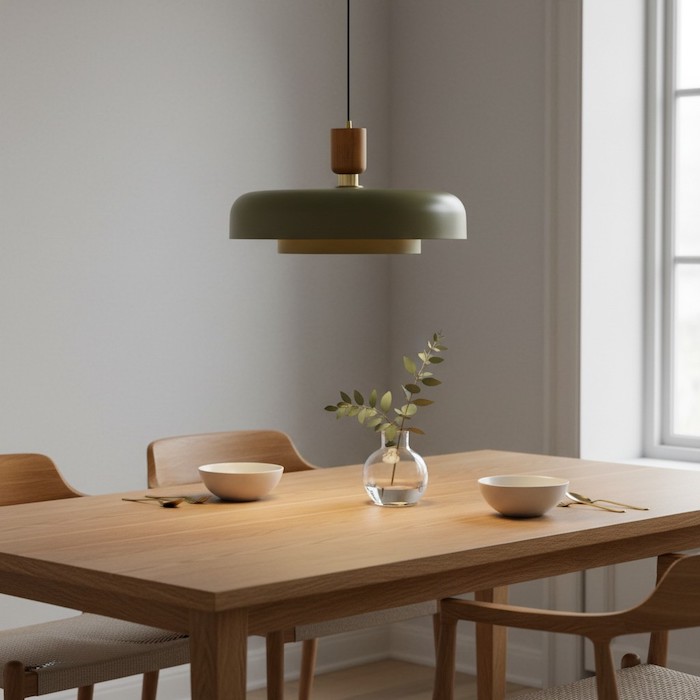
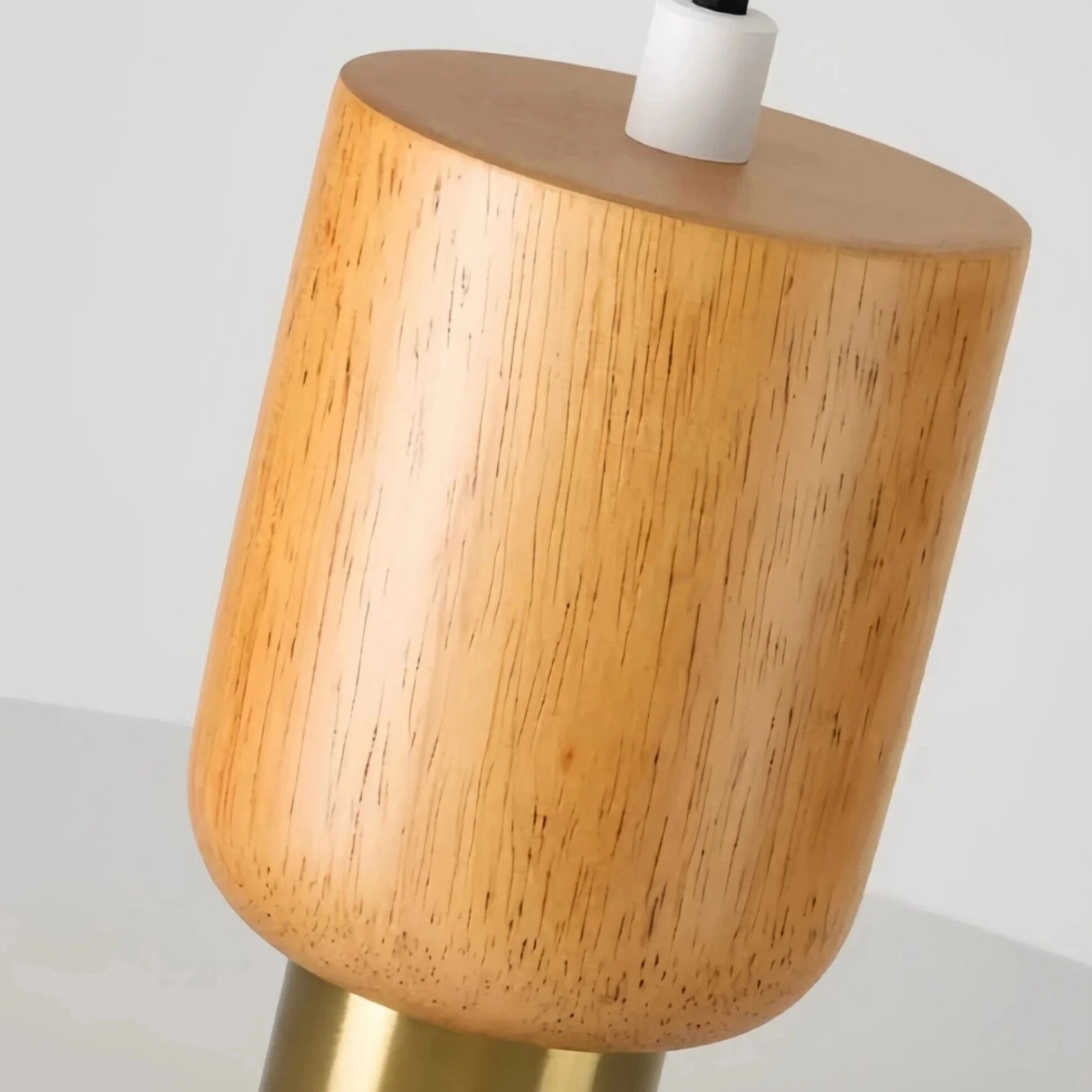
La madera es el antídoto contra la frialdad de la arquitectura moderna. Su textura es dinámica: presenta vetas, sutiles variaciones de color y una calidez natural que cambia según la hora del día. Al integrar la madera en el diseño de iluminación, invitamos a la naturaleza al interior. Esto resulta especialmente efectivo en la estética nórdica y wabi-sabi, donde se busca la belleza en la simplicidad natural.
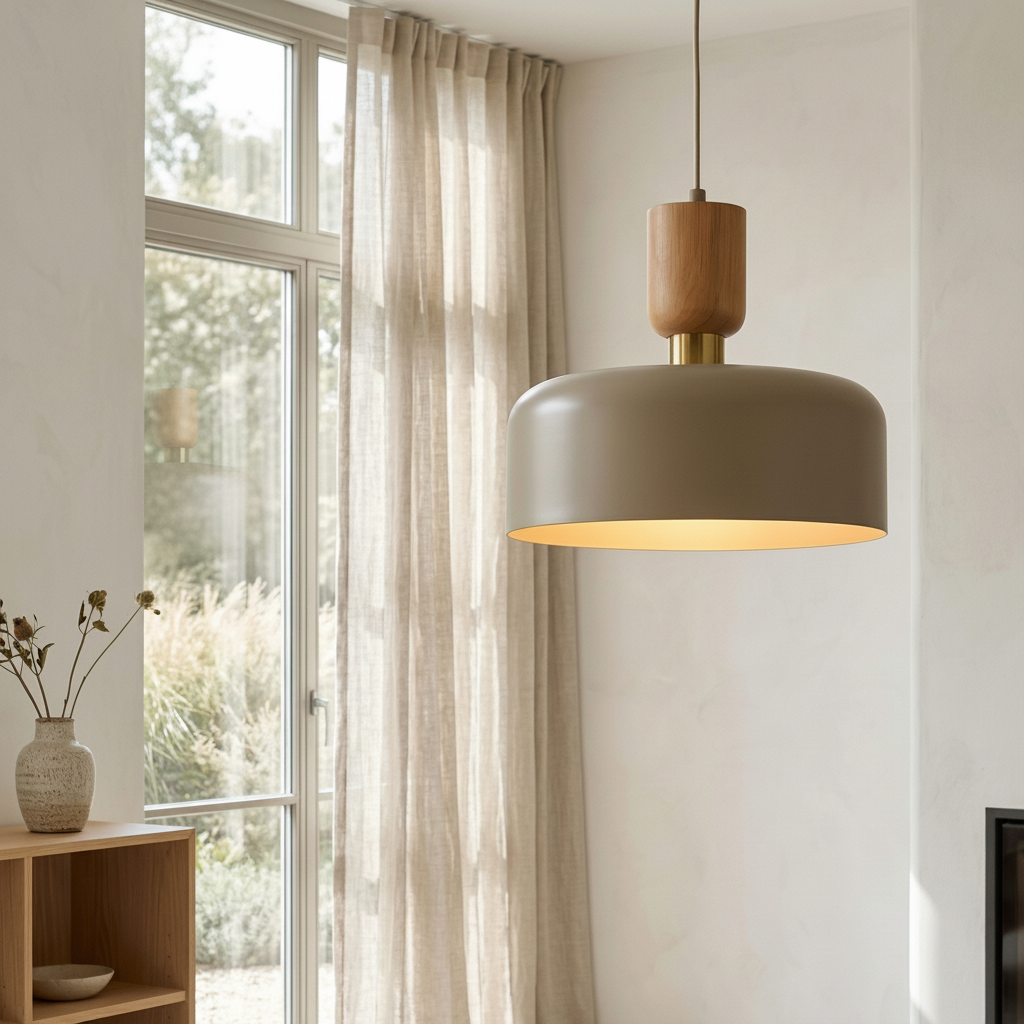
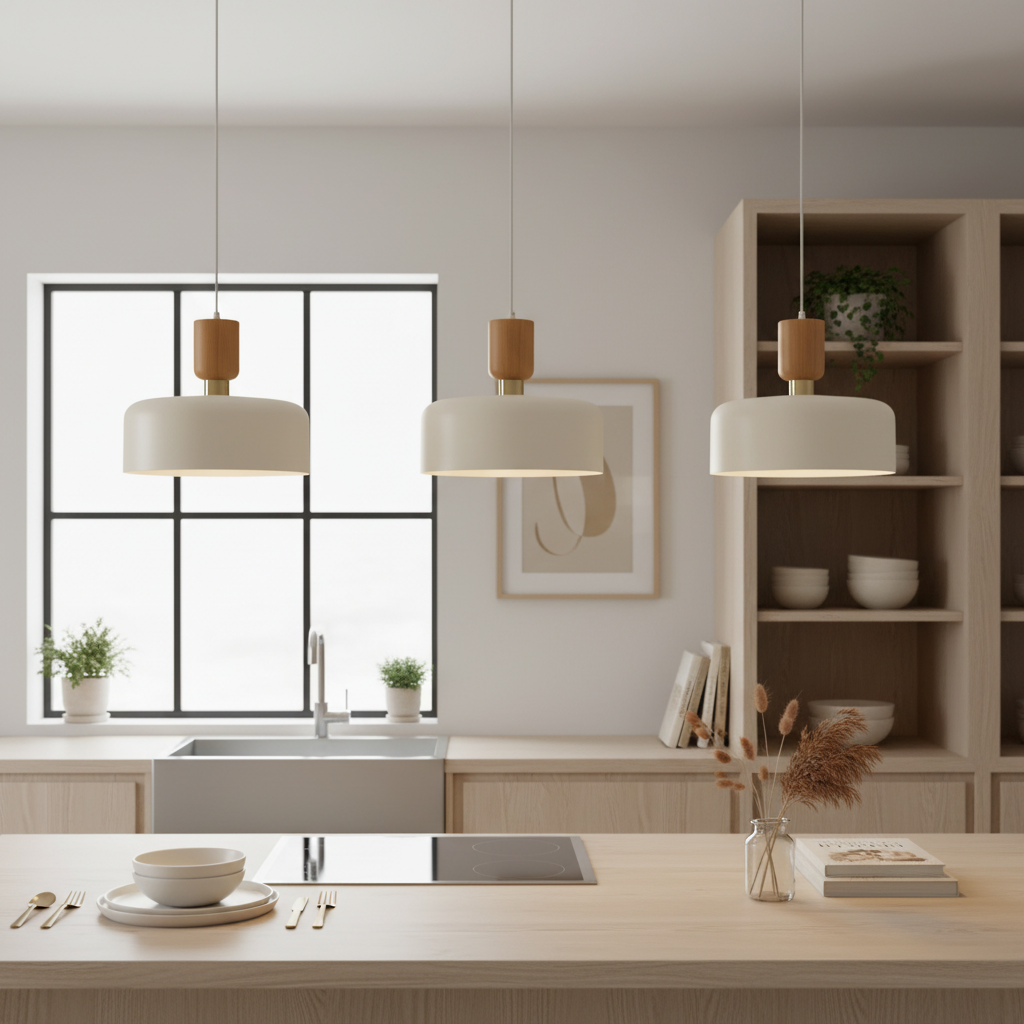
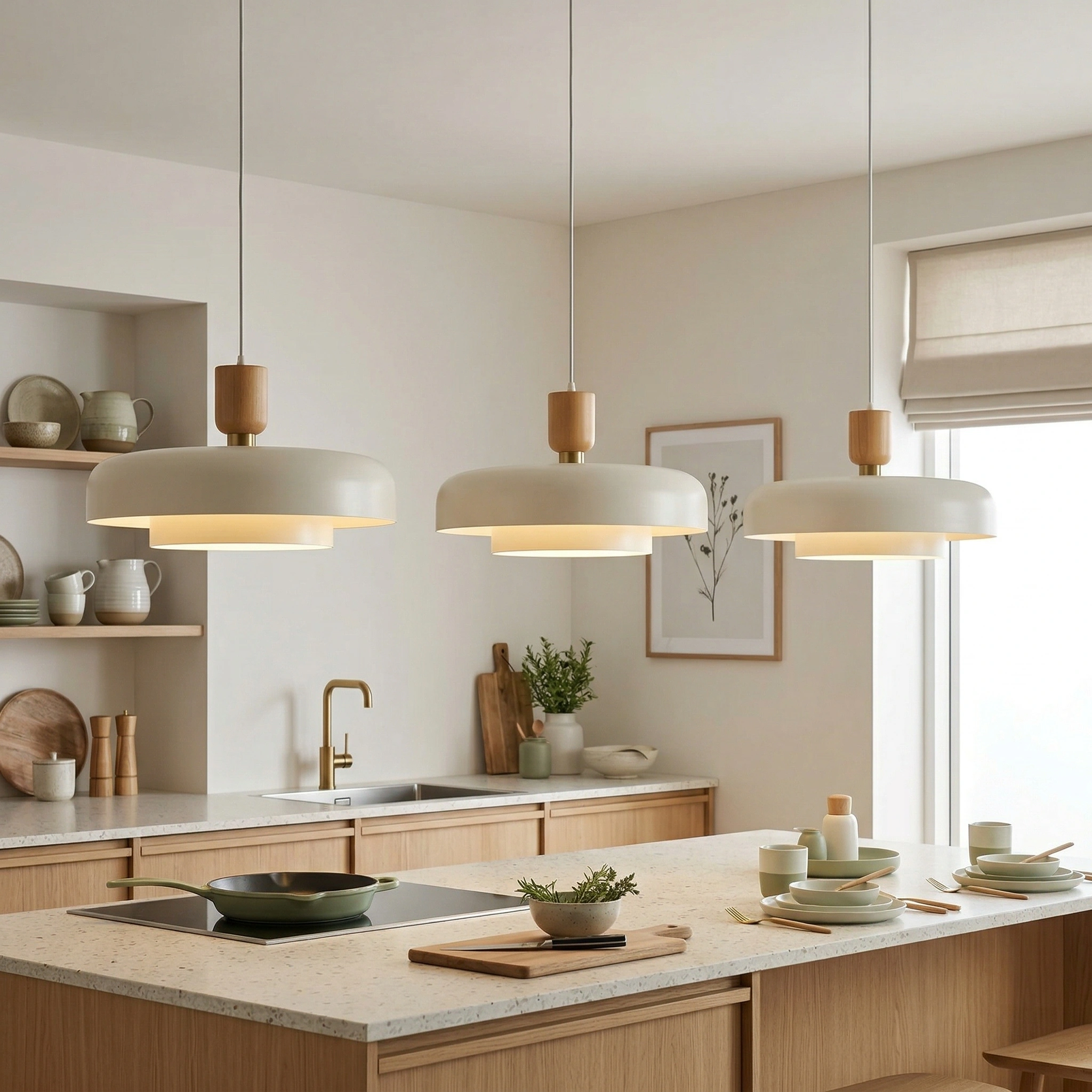
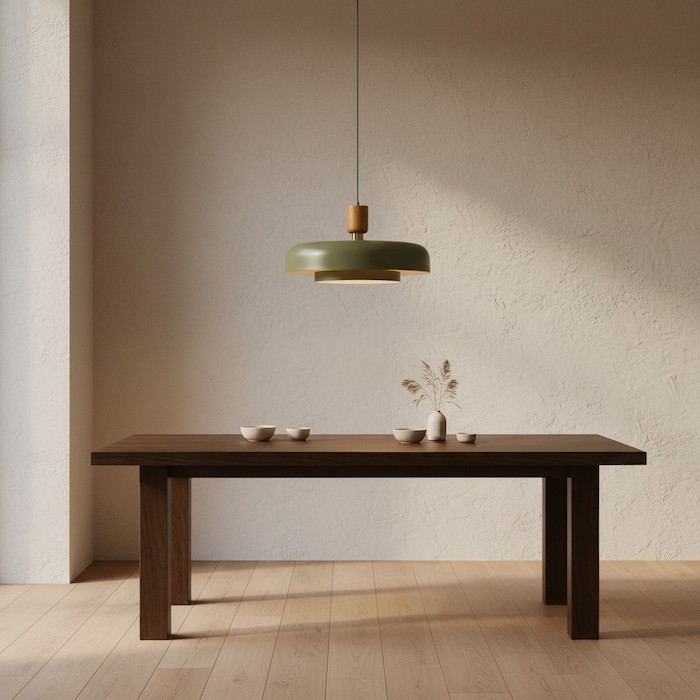
Un toque de madera en una lámpara colgante actúa como un "apretón de manos" visual entre el techo y el mobiliario inferior. Atrae la mirada hacia arriba y conecta la iluminación con el suelo de madera, la mesa del comedor o los armarios. Es esta repetición intencionada de texturas la que aporta cohesión a una estancia, en lugar de crear una sensación de caos.
"La iluminación es la joya de una habitación, pero los materiales, el metal y las piedras, son los que definen su valor."
La sinergia de los materiales mixtos: la filosofía de Dixon
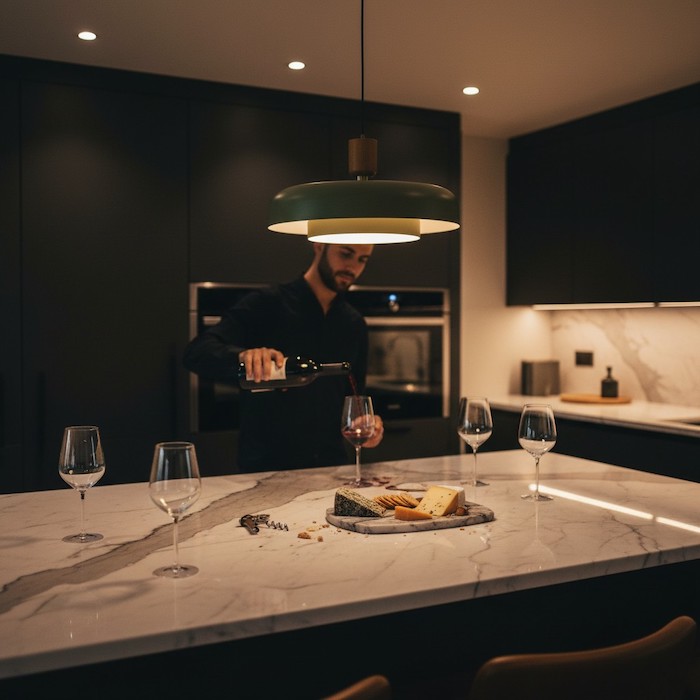
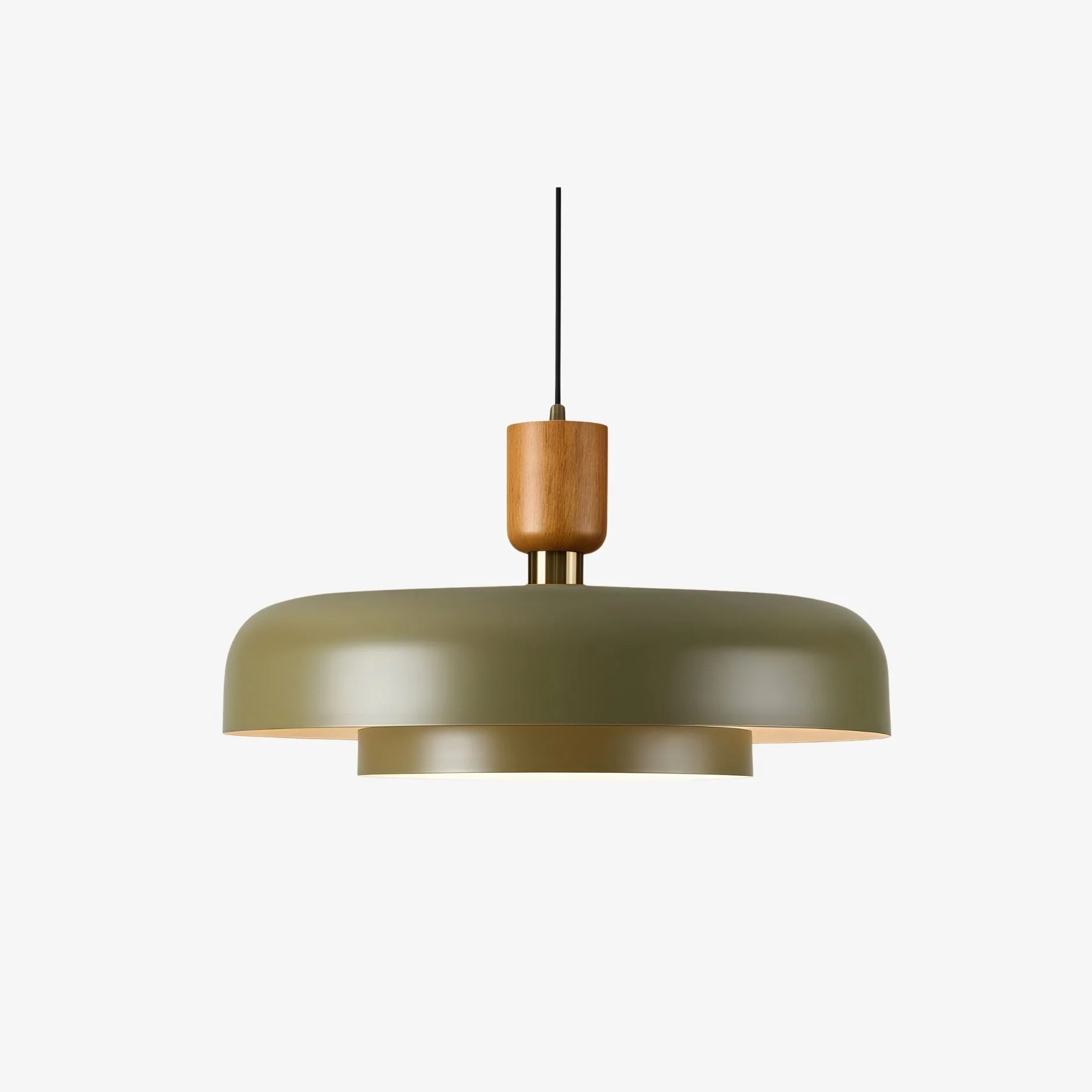
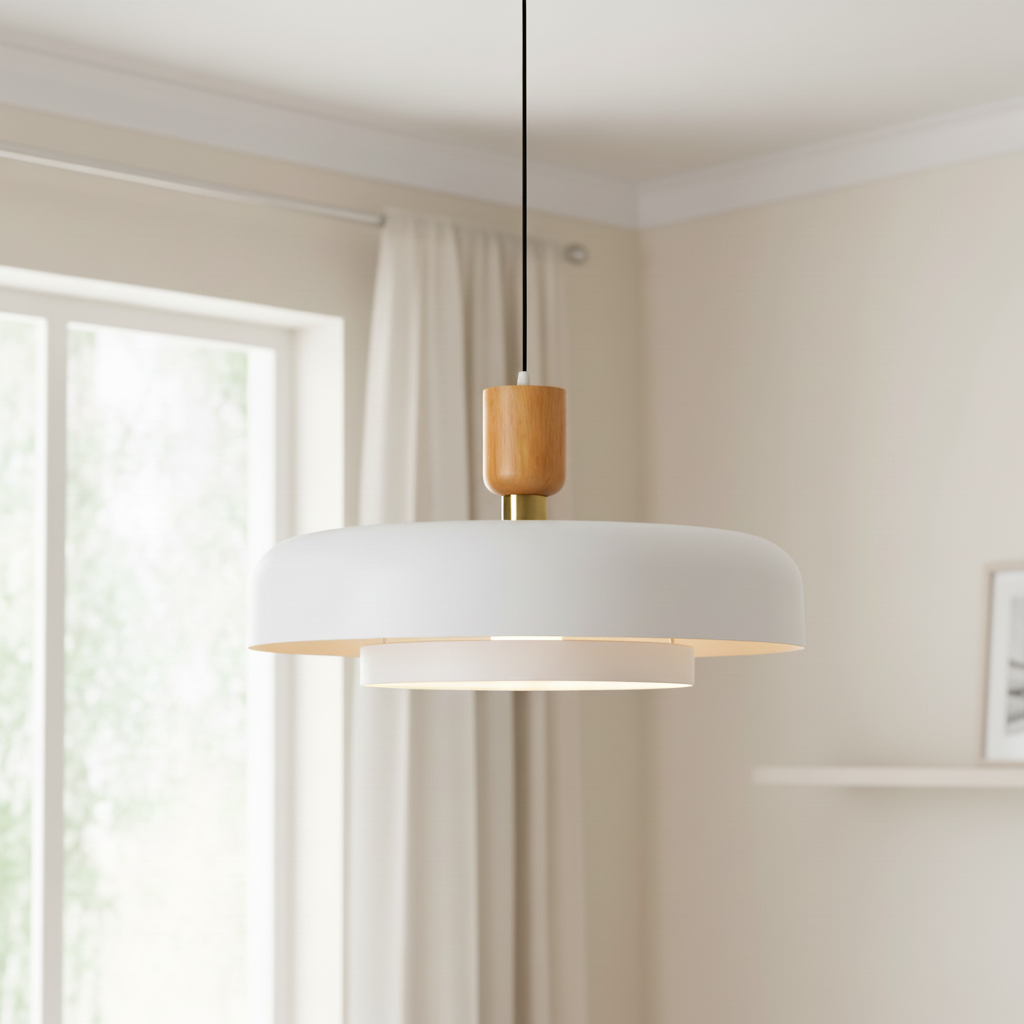
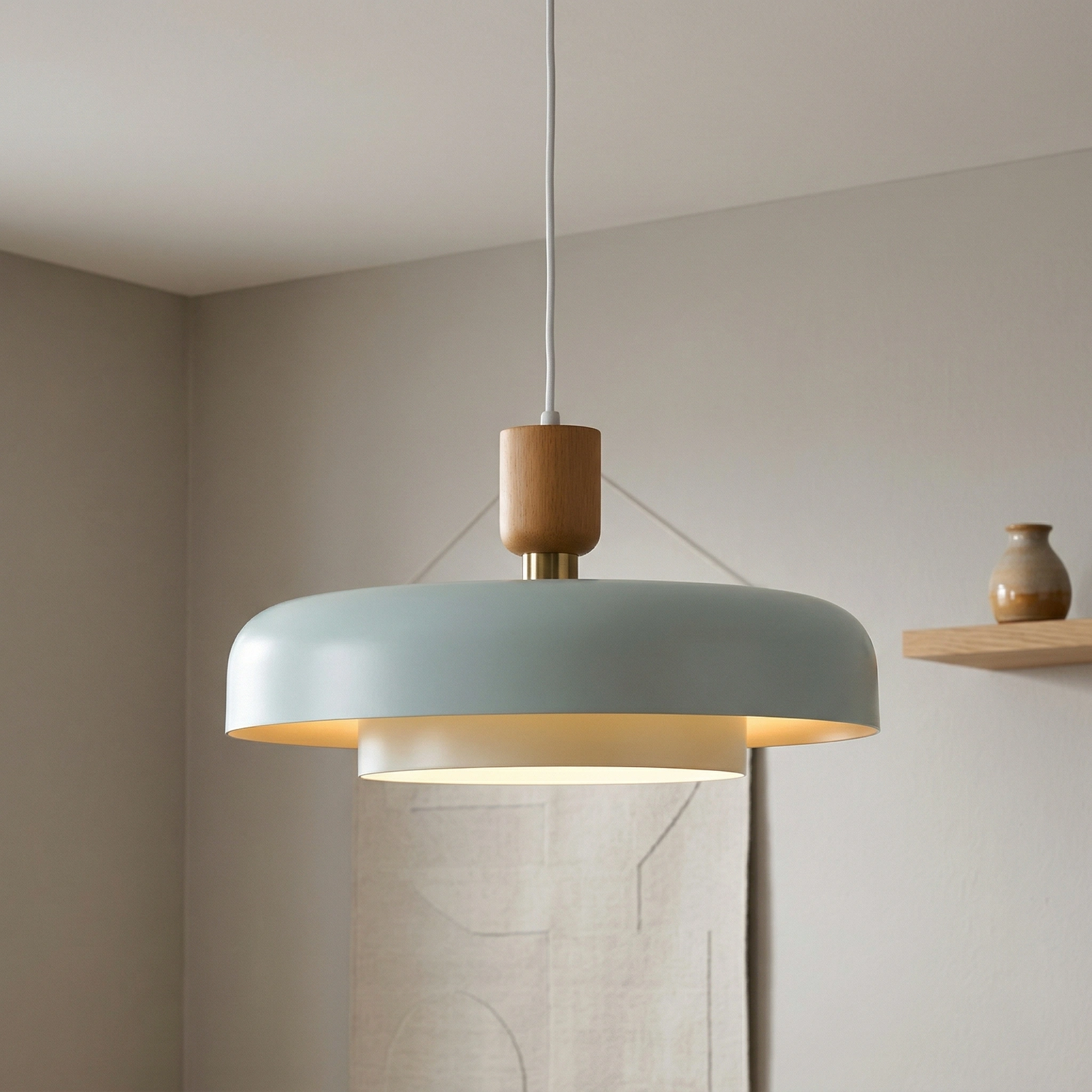
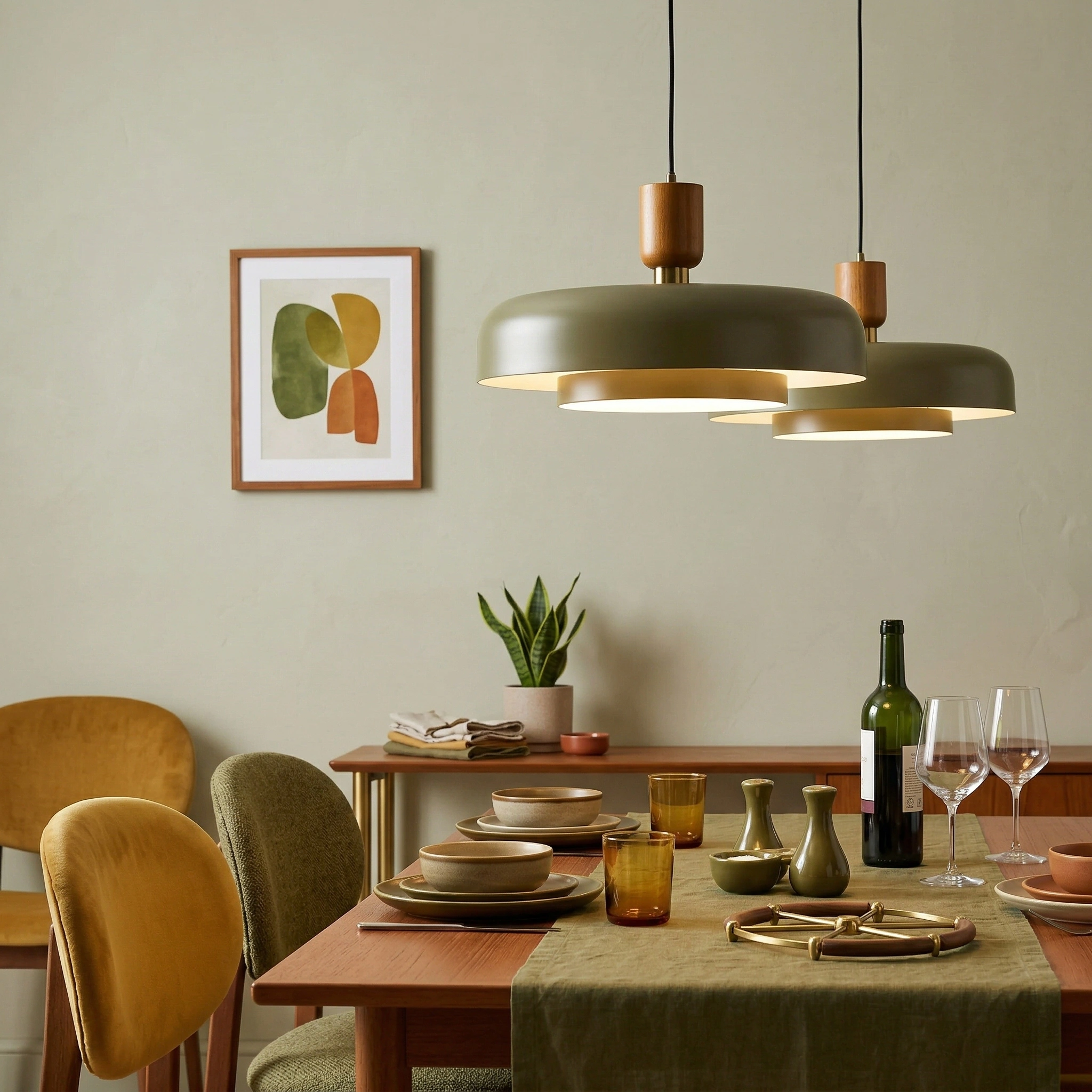
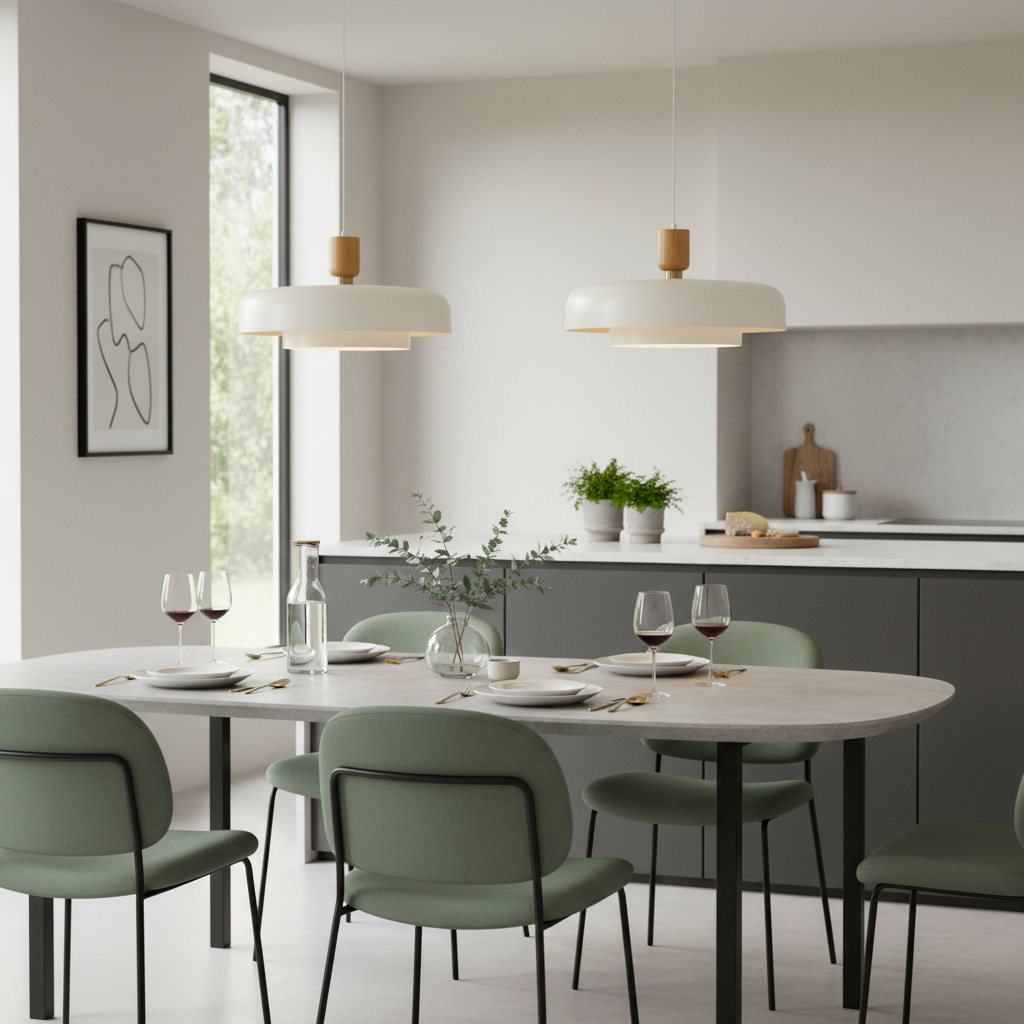
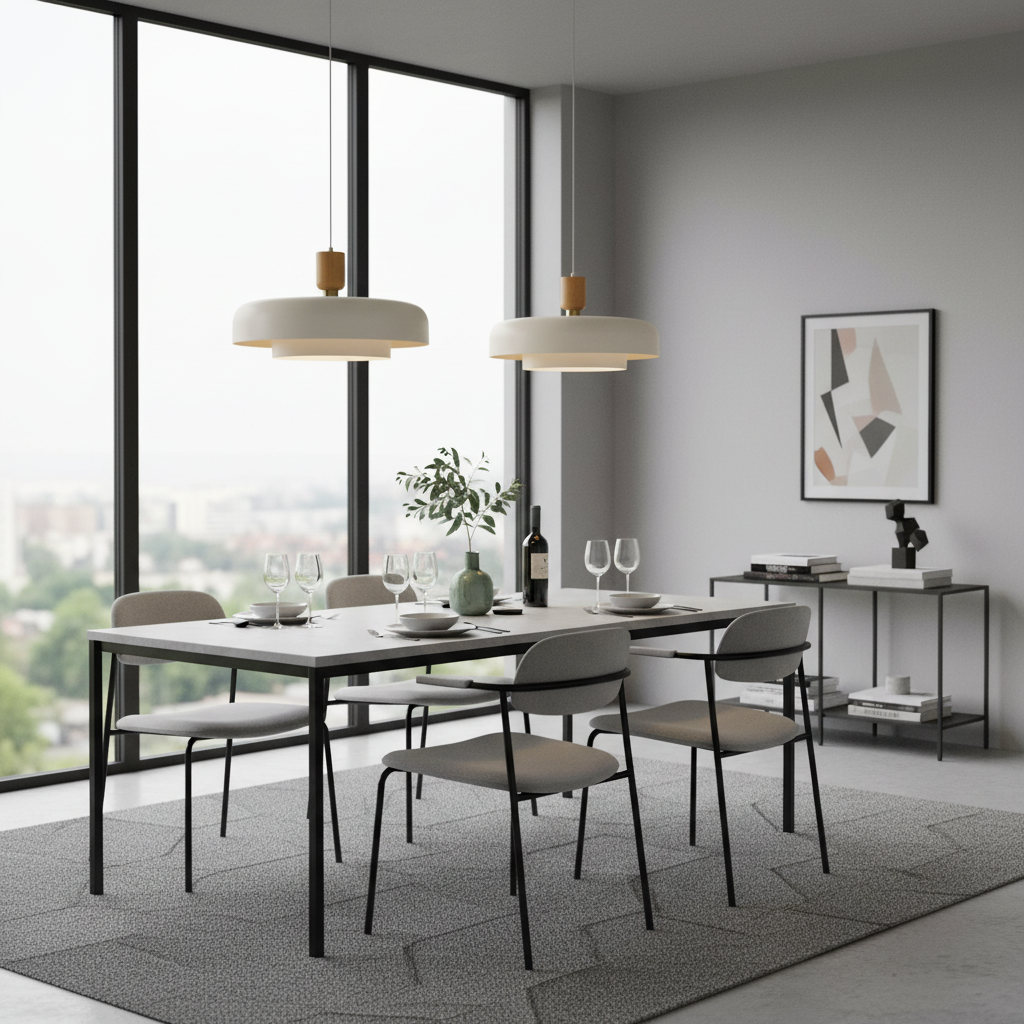
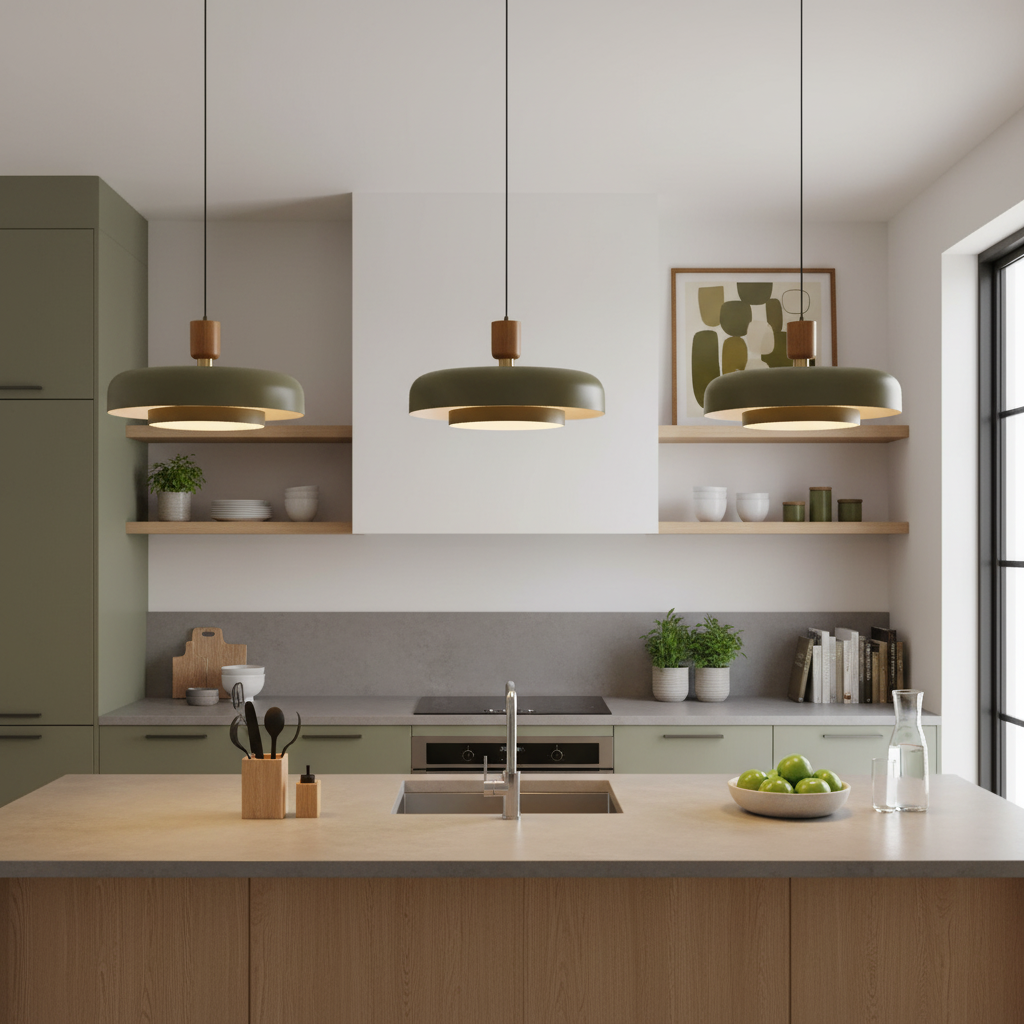
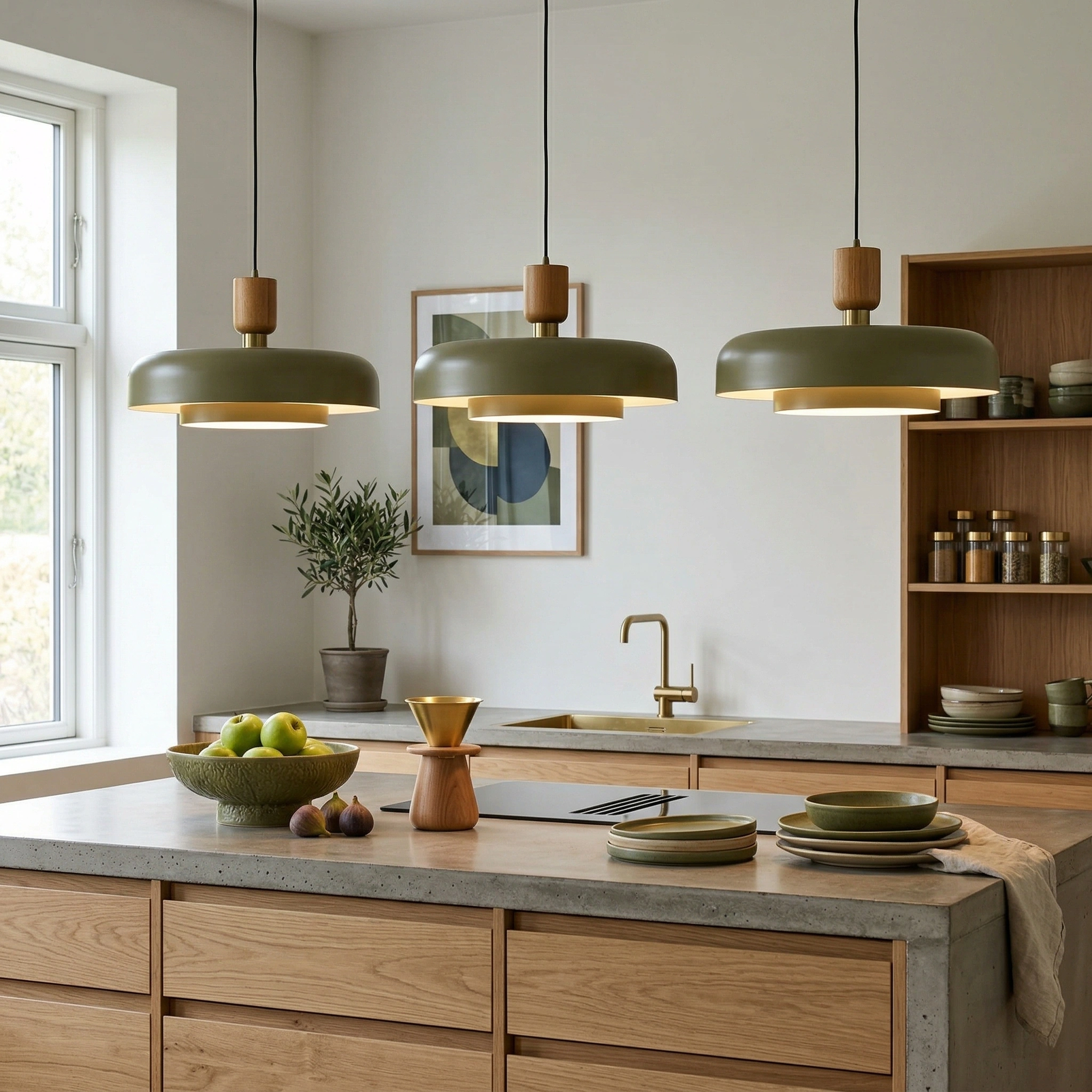
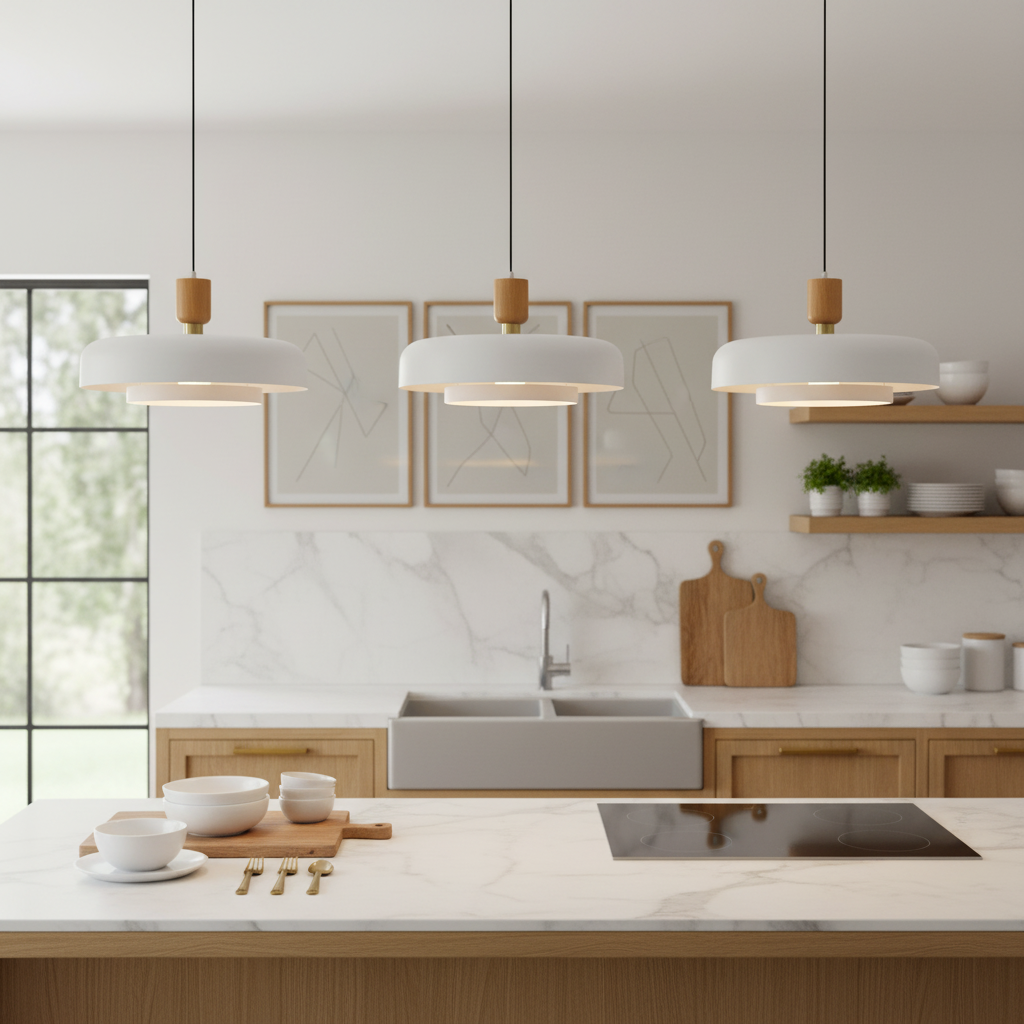
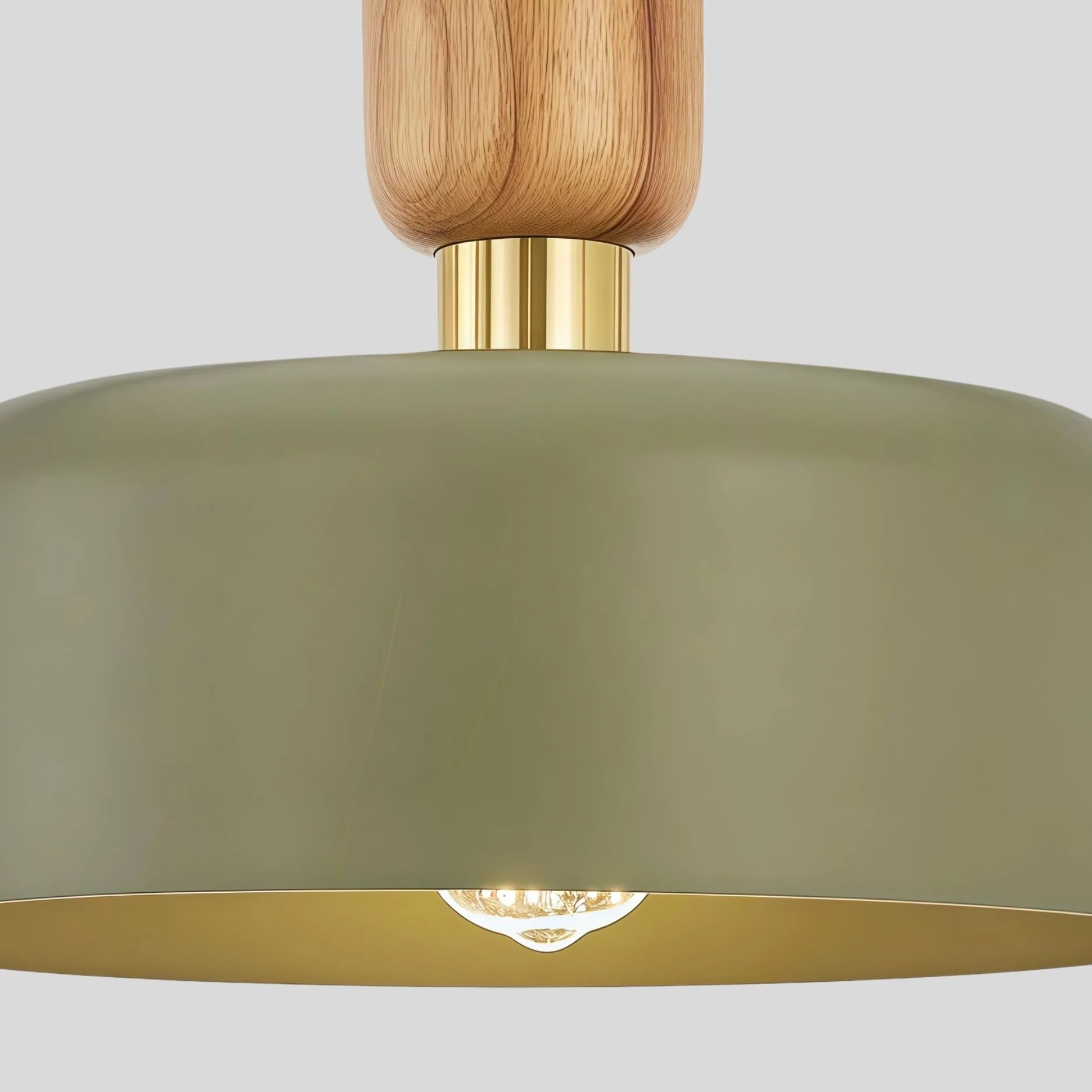
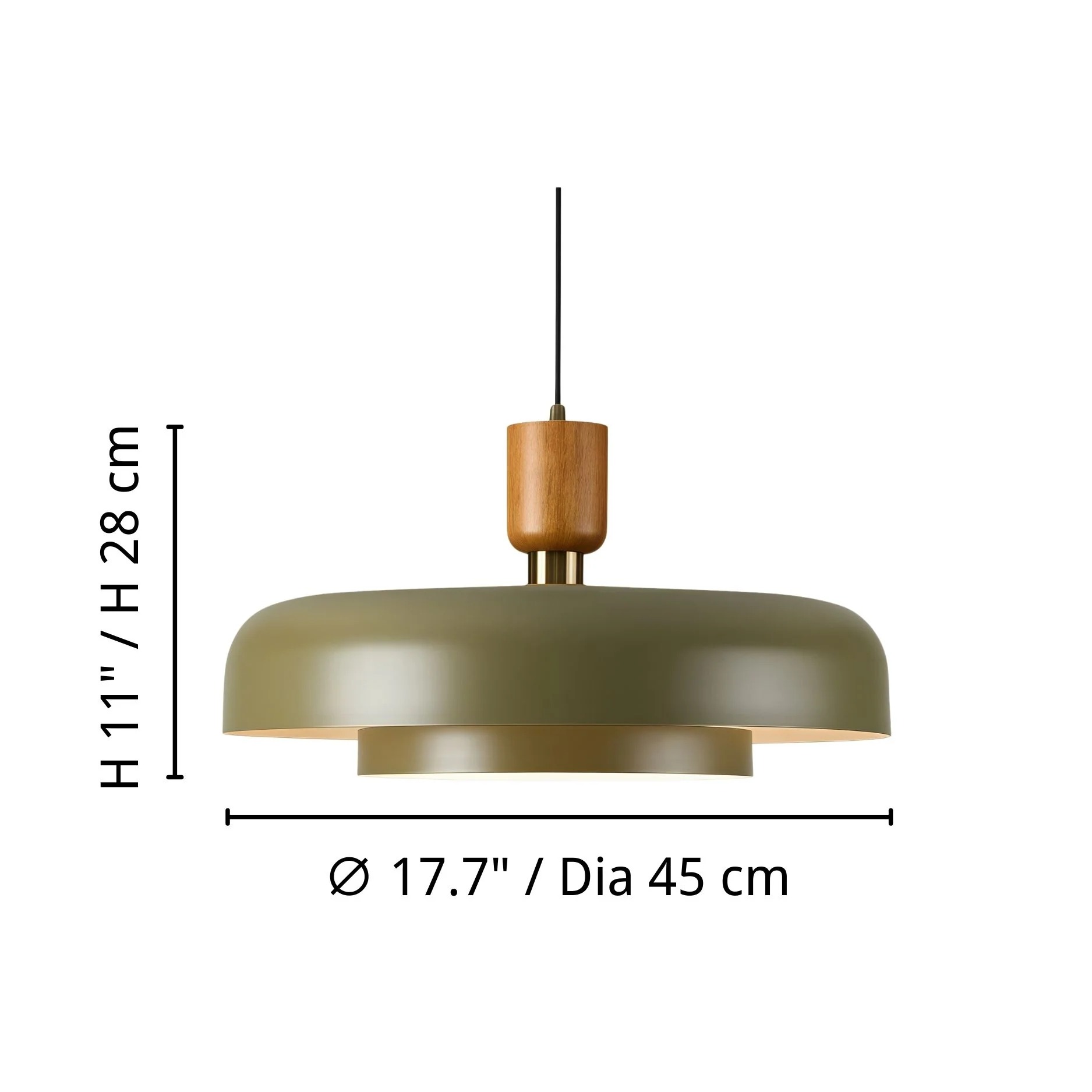
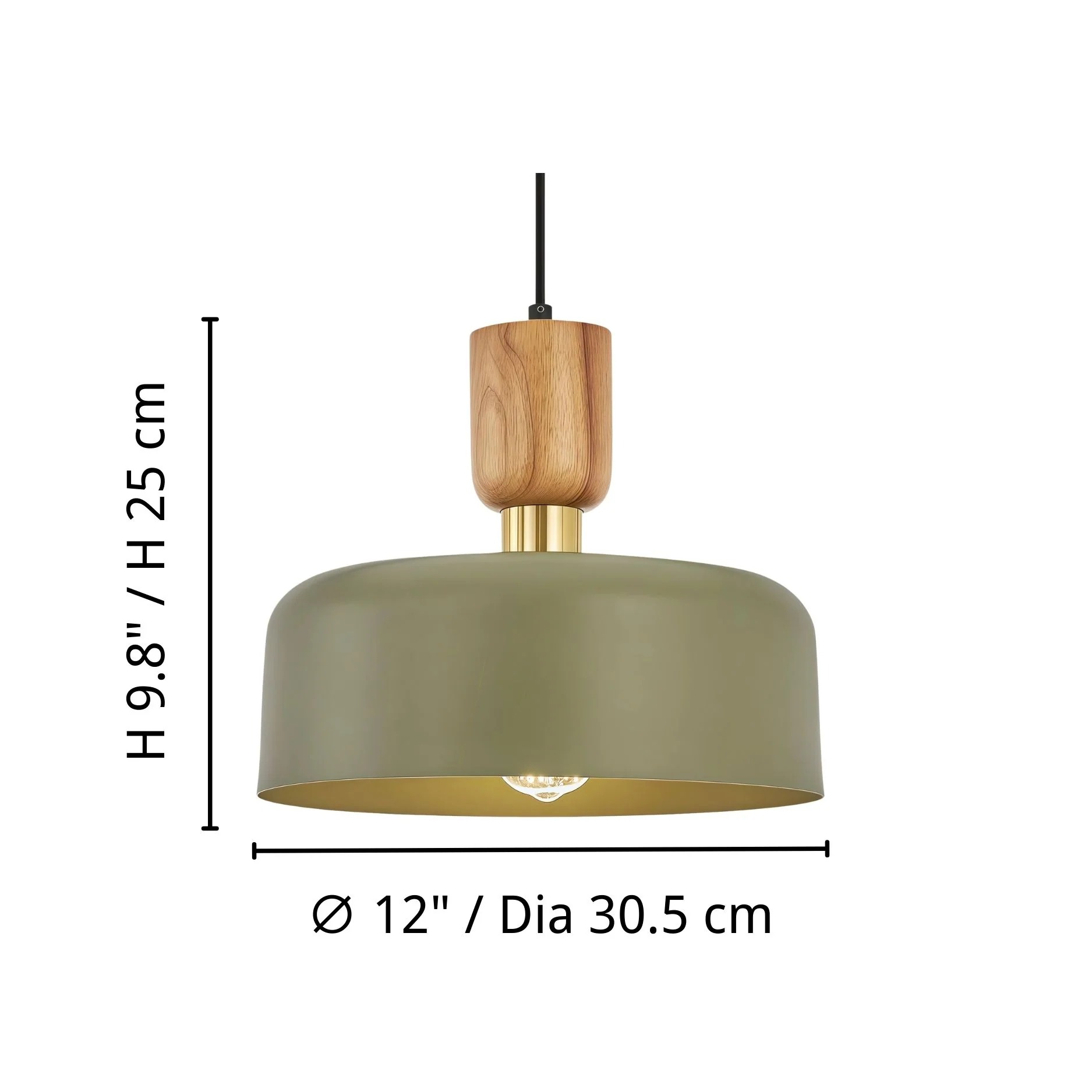
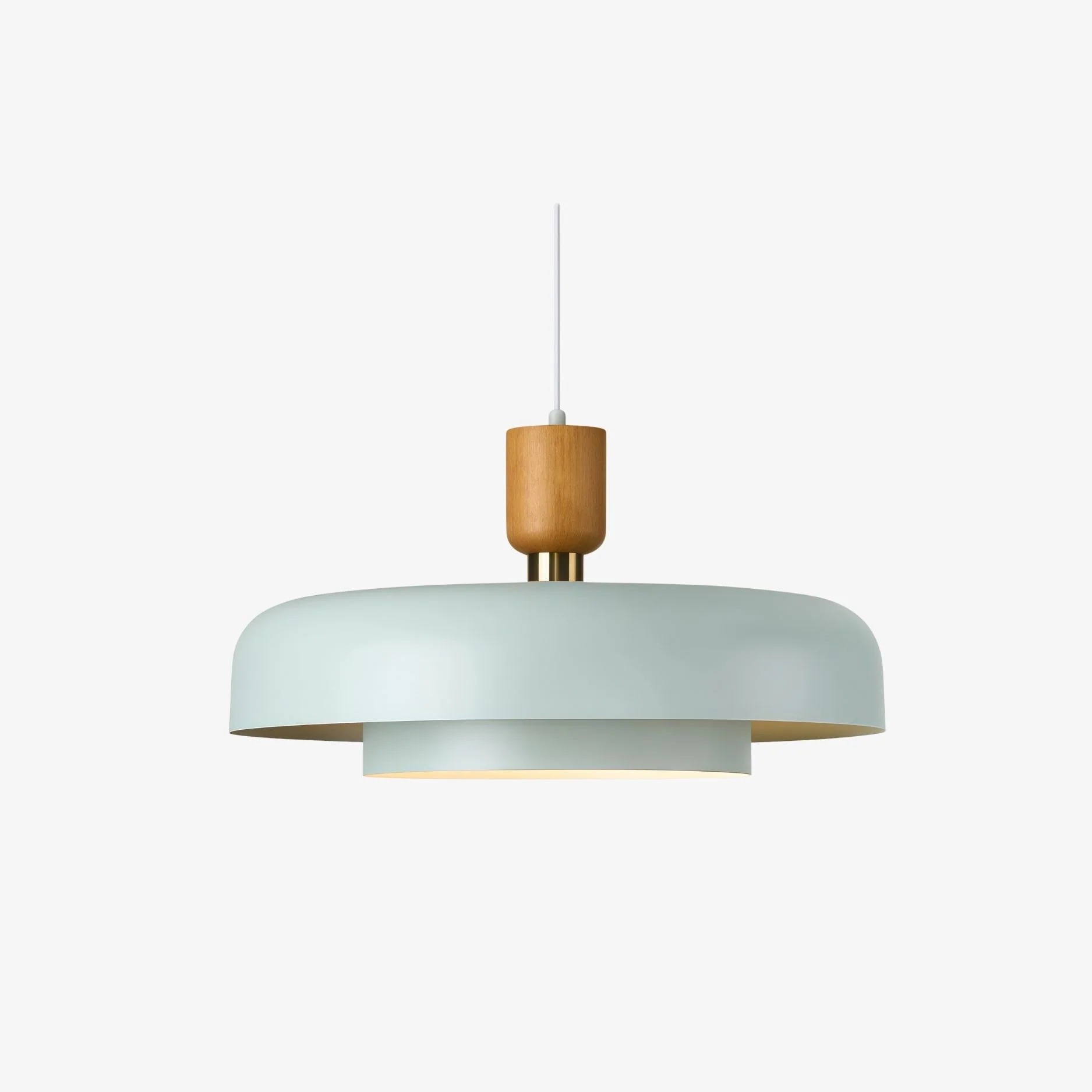
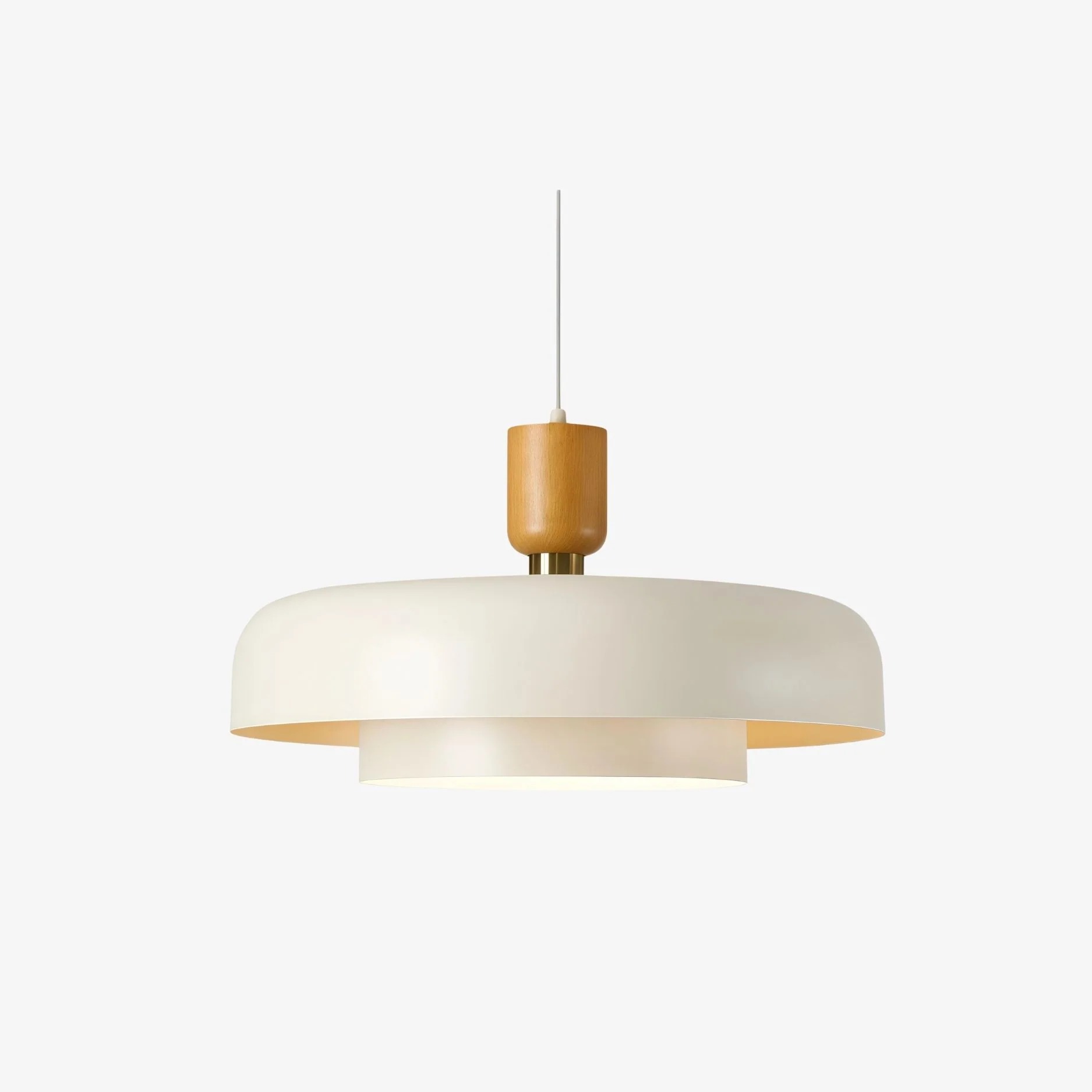
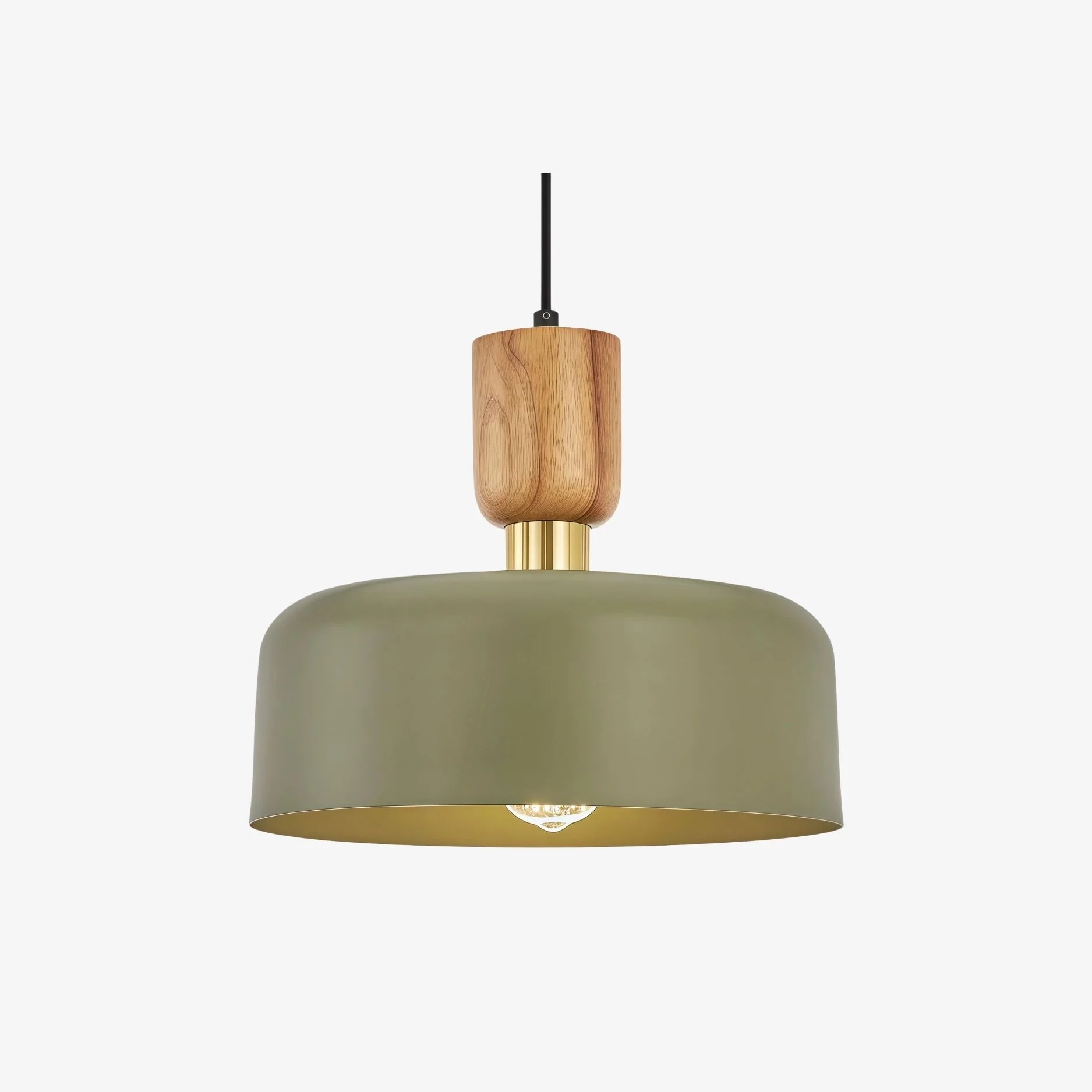
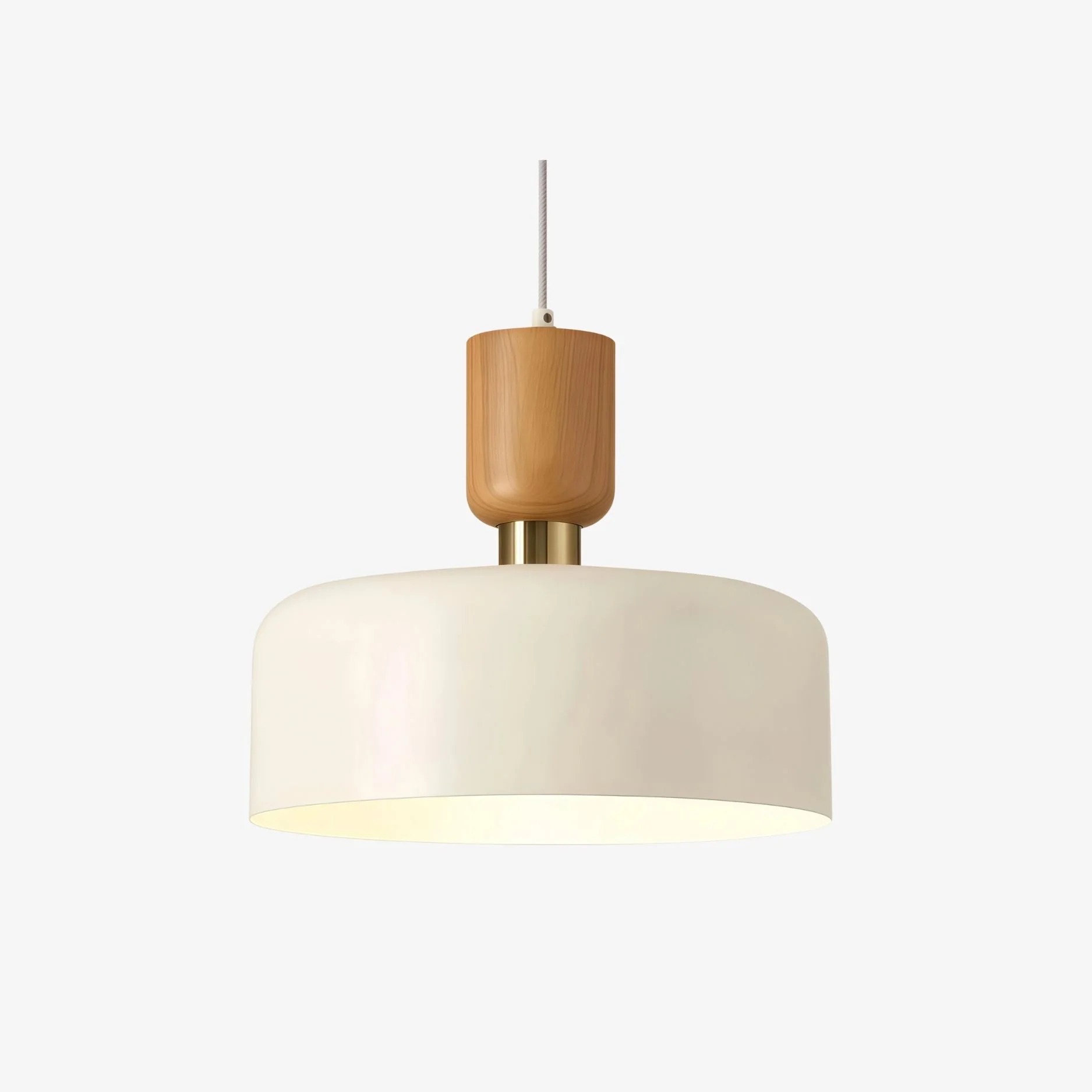
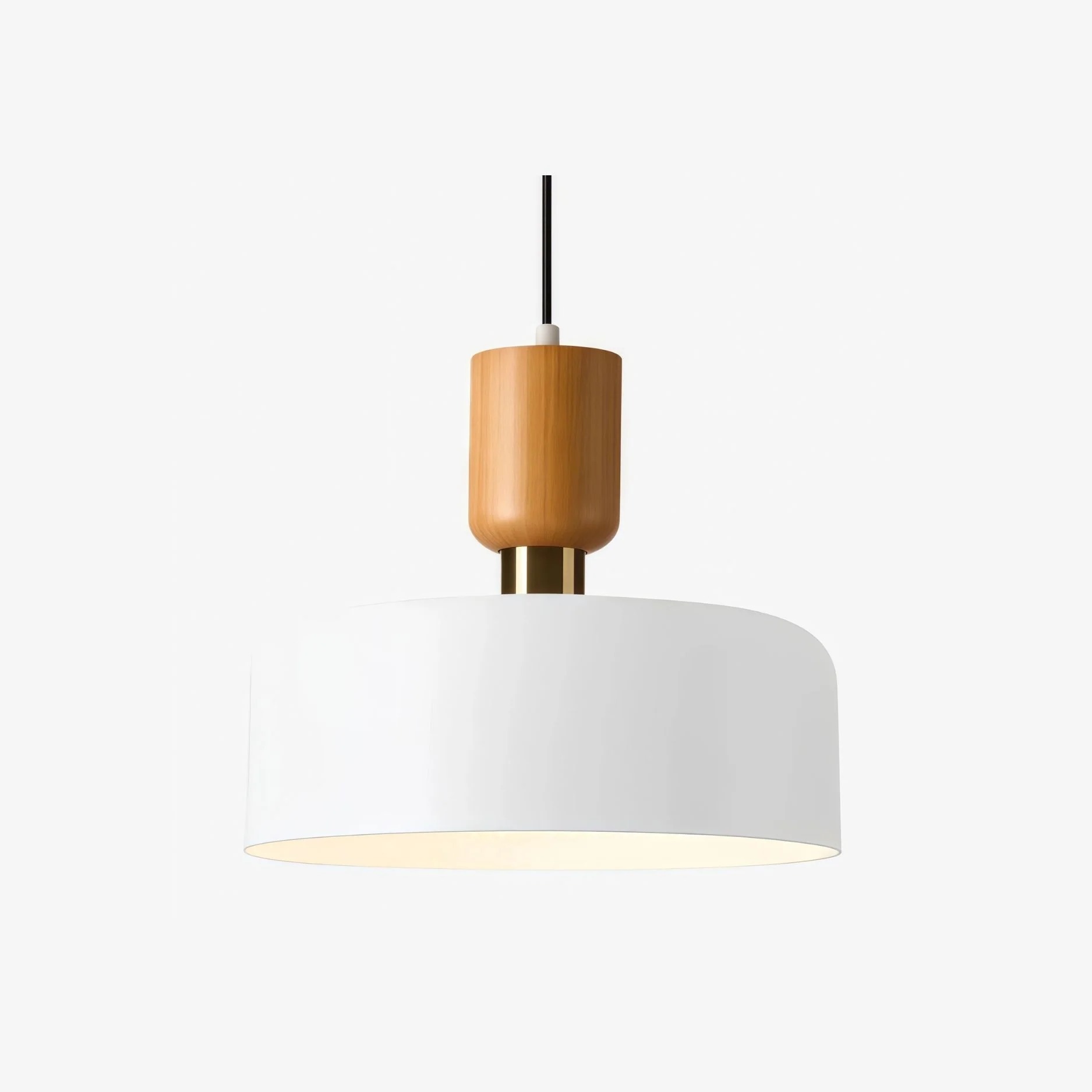
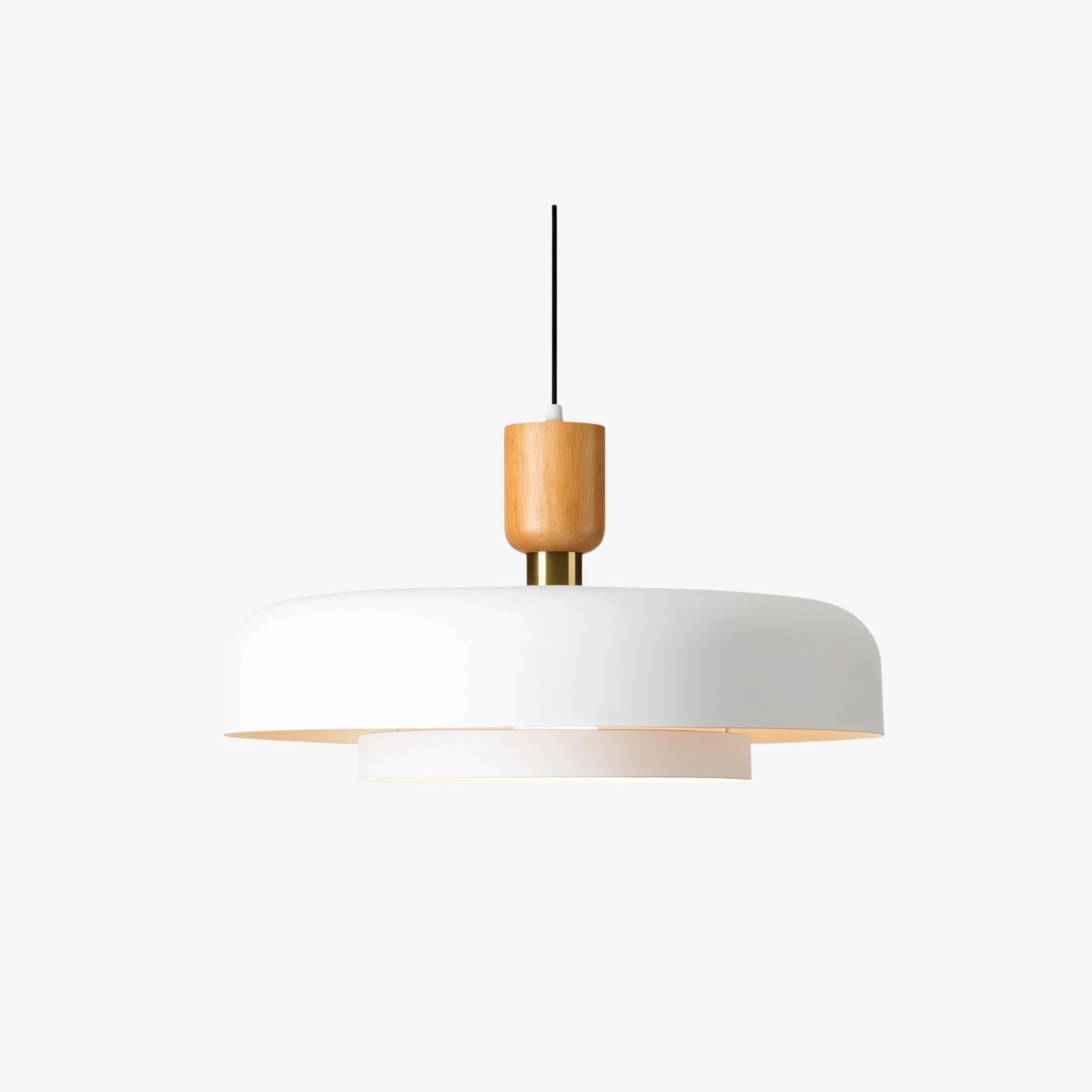
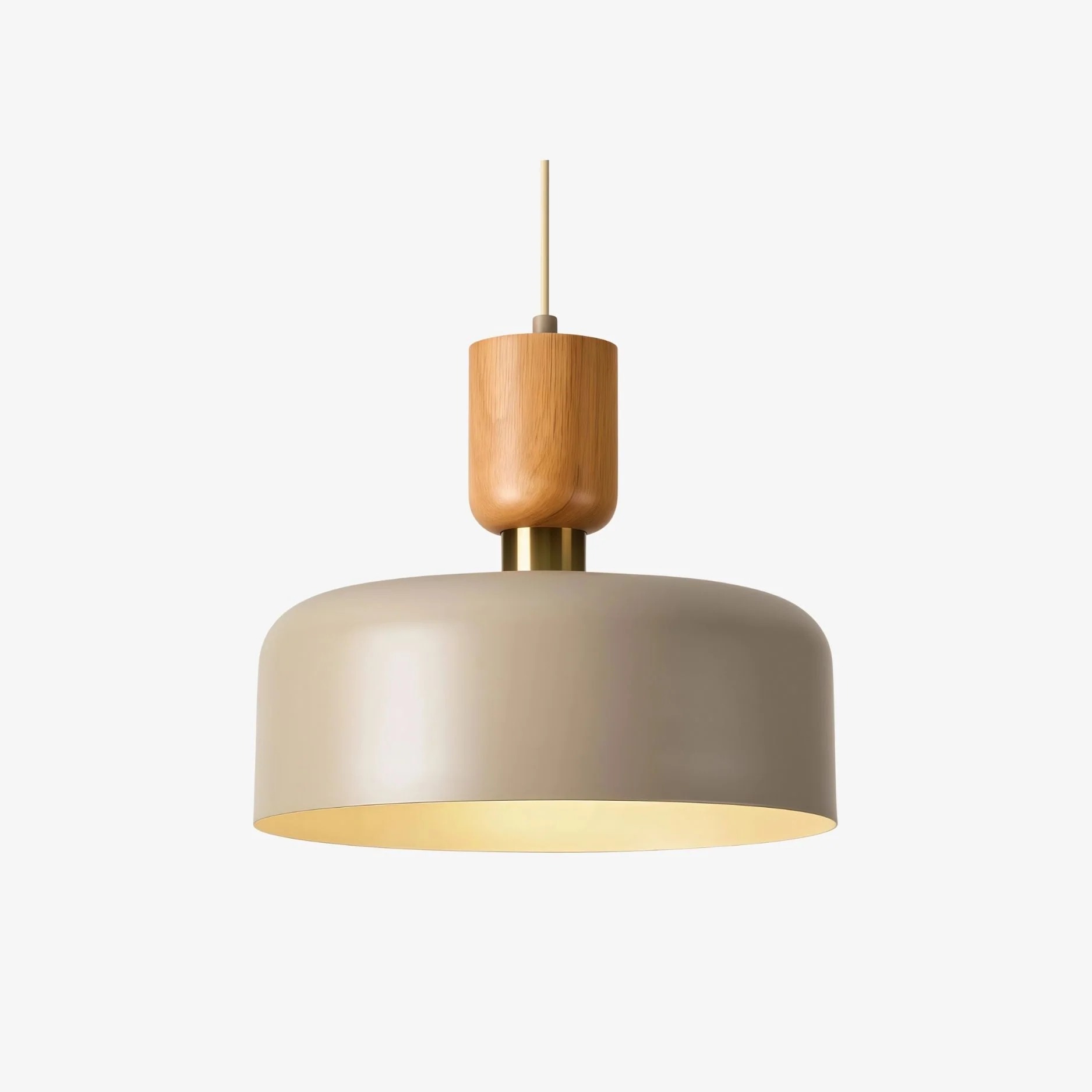
Los diseños de iluminación más exitosos no te obligan a elegir entre luz dura y suave. Acogen ambas. Por eso, Lámpara colgante minimalista moderna Dixon Se ha convertido en un elemento básico en los círculos del diseño de alta gama. Al combinar un tambor de metal de ingeniería de precisión con un collar de madera natural, crea un "diálogo de texturas".
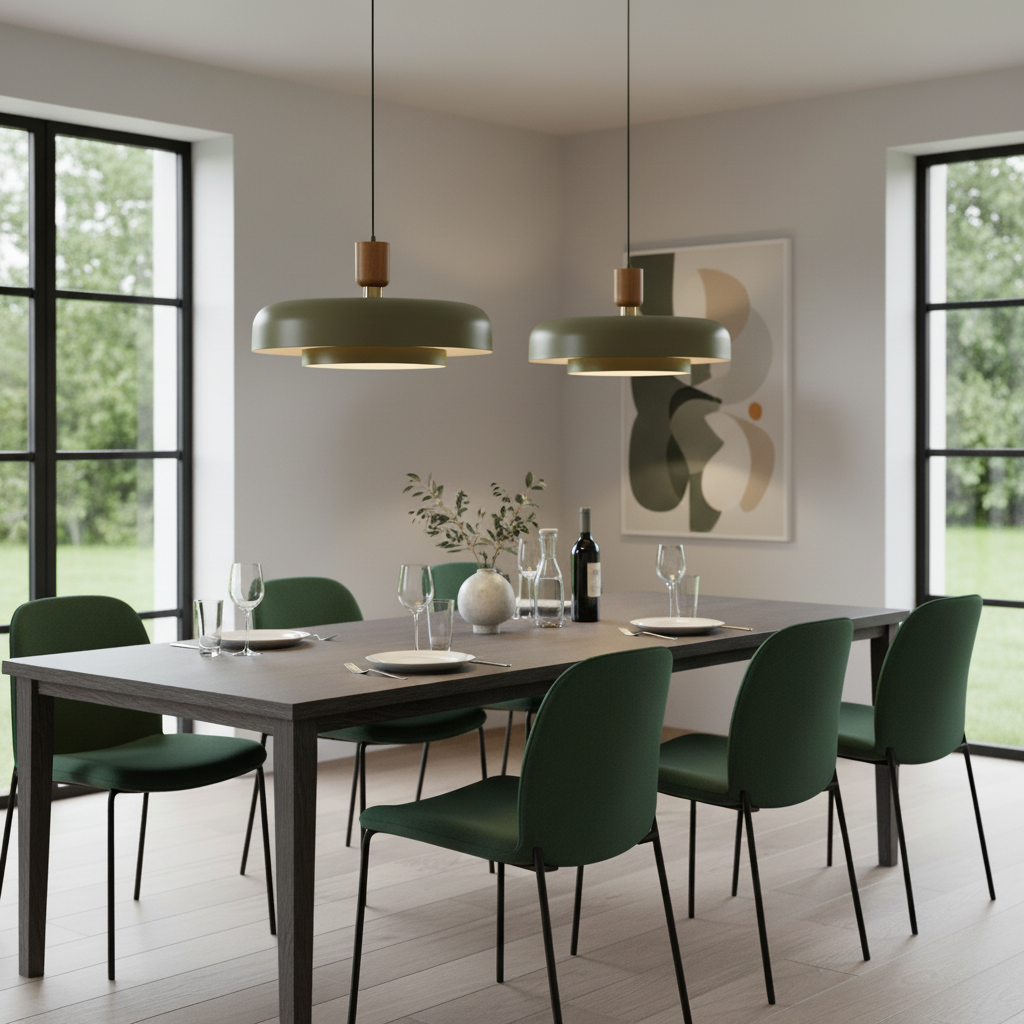
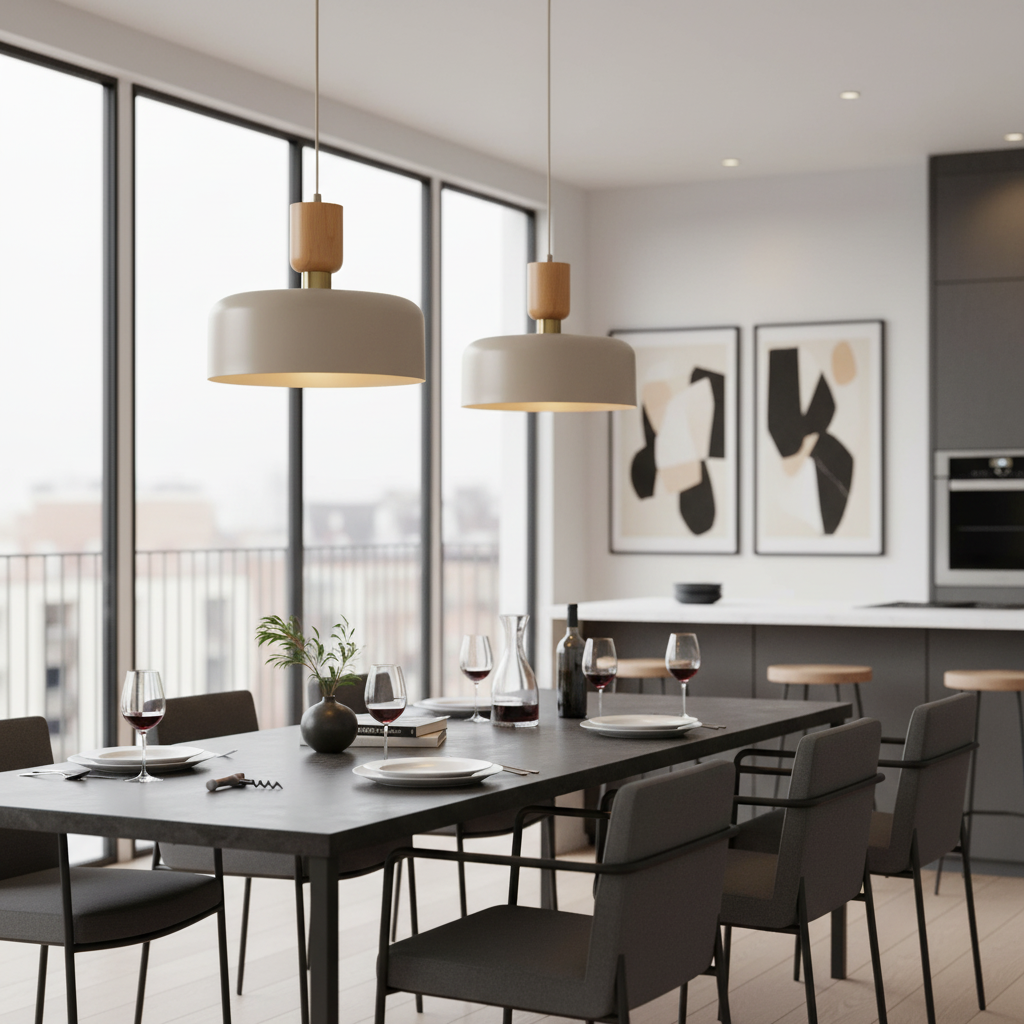
El metal proporciona una iluminación focalizada y una silueta moderna, mientras que la madera aporta calidez. Esta dualidad permite que la pieza se integre a la perfección en un loft de estilo industrial suave o en una cocina de estilo rústico moderno. Es un ejemplo magistral de cómo la combinación de materiales puede solucionar el problema de una habitación que resulta demasiado impersonal o demasiado rústica.
Experimenta la armonía textural
Realza tu espacio con la combinación perfecta de metal mate y madera natural.
Descubre la colección Dixon Modern.Construyendo profundidad a través del contraste
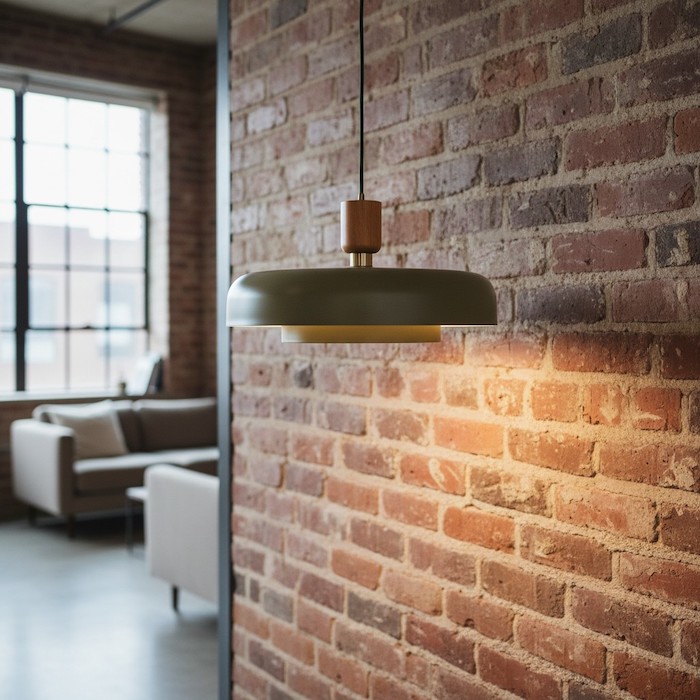
Para dominar la textura de tu espacio, debes pensar en capas. Los diseñadores profesionales siguen una regla simple: si una superficie es lisa, la iluminación debe tener un poco de textura. Si las paredes tienen textura (como ladrillo o yeso), la iluminación debe ser elegante. Aquí te mostramos cómo aplicar esto, teniendo en cuenta El papel de las lámparas colgantes modernas en la estratificación espacial.:
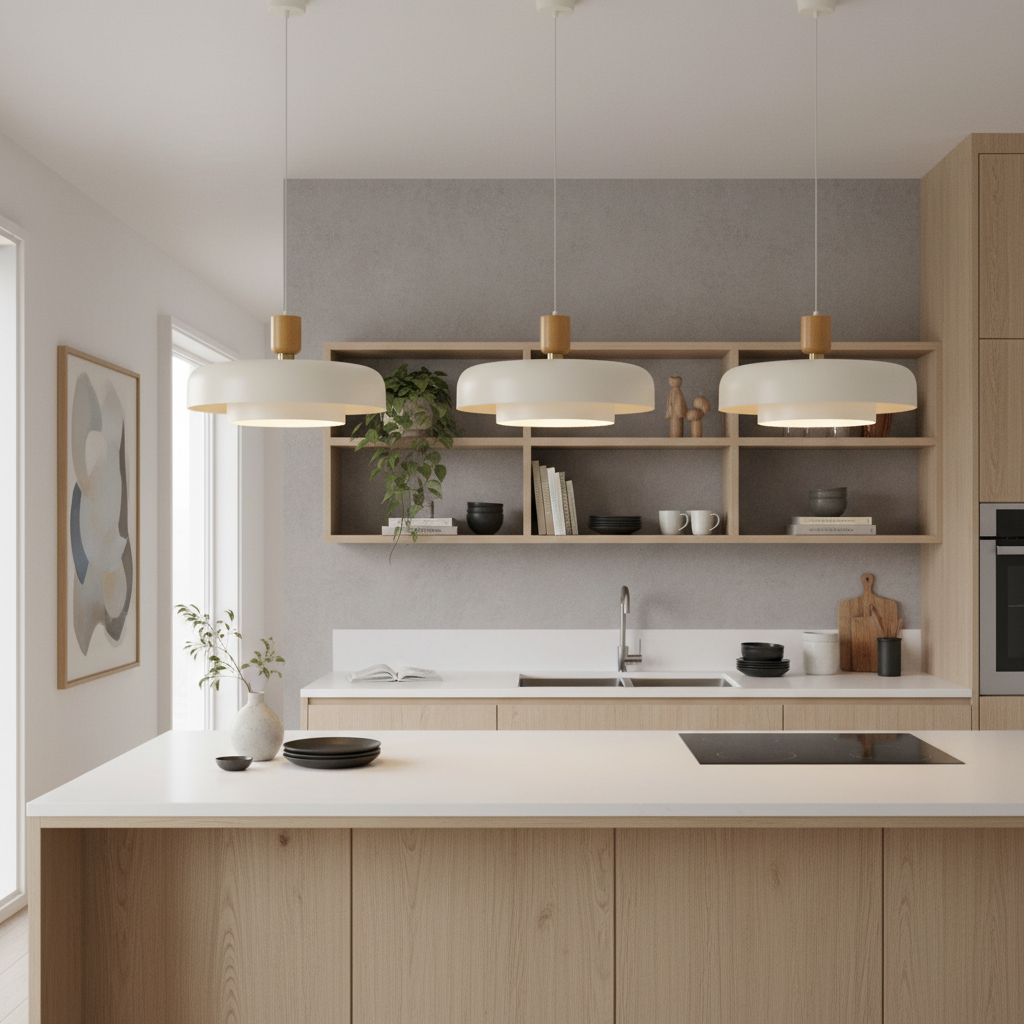
- Para espacios minimalistas: Utiliza lámparas colgantes de metal y madera para romper la monotonía de las grandes superficies blancas o grises. La veta de la madera aporta un toque de frescura que complementa a la perfección la decoración de la habitación.
- Para lofts industriales: Resalta el aspecto metálico de tus accesorios para resaltar la belleza estructural del edificio, pero usa los detalles de madera para que las zonas de estar resulten más íntimas.
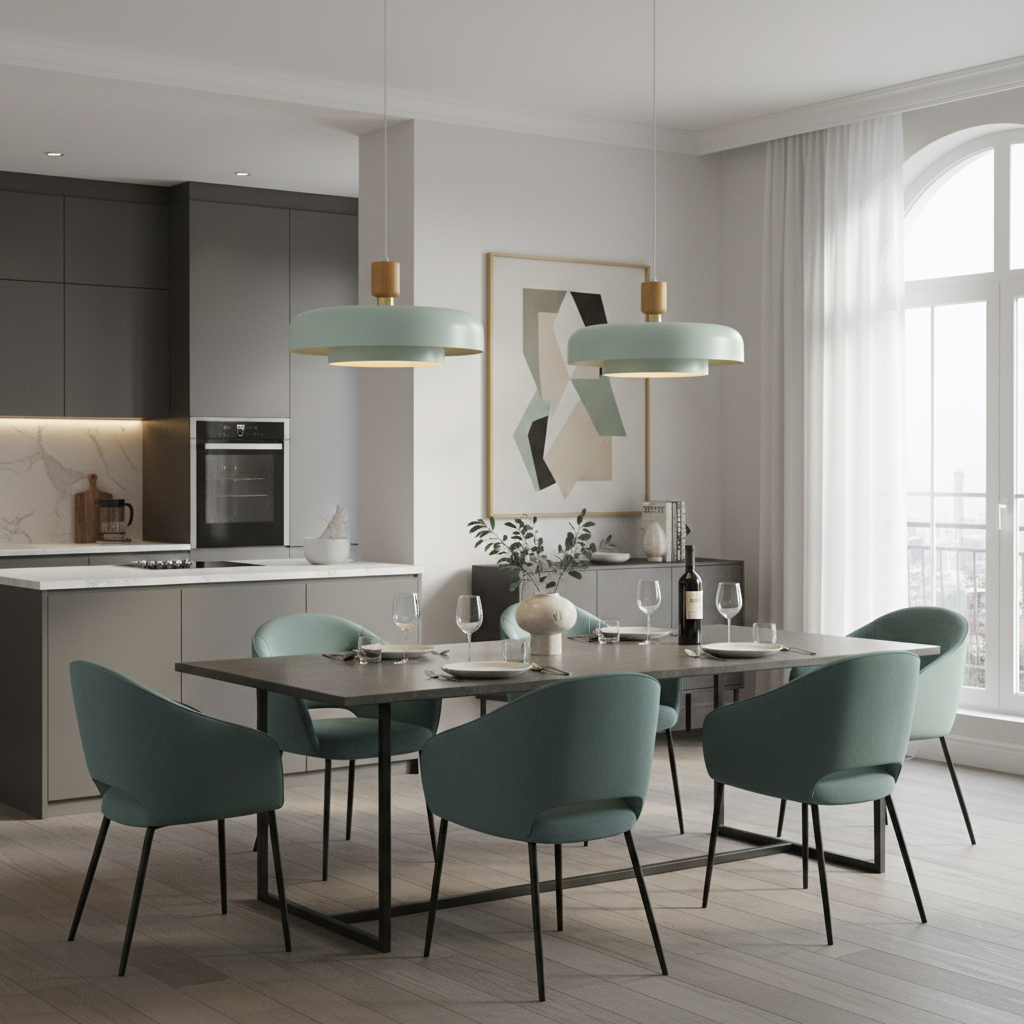
- Para hogares tradicionales: Introduzca estas luminarias minimalistas para proporcionar un contraste "limpio" con las molduras ornamentadas o las telas pesadas.
La longevidad y el movimiento del "lujo discreto".
Finalmente, debemos considerar la calidad táctil de los materiales. En una era de muebles efímeros, se aprecia cada vez más la solidez de los objetos. El metal de alta calidad y la madera maciza poseen un peso y un acabado inconfundibles. Esta es la esencia del "lujo discreto": invertir en piezas que no llaman la atención de forma ostentosa, sino que la imponen gracias a su evidente calidad.
Elegir un accesorio como el Lámpara colgante Dixon Modern Minimalista de Metal y Madera Es una inversión en durabilidad. Es una pieza diseñada no solo para ser vista, sino para ser disfrutada. Sus materiales envejecerán con elegancia, conservando su textura y atractivo a medida que tu estilo evolucione con el paso de los años.
Incorpore hoy mismo a su hogar un diseño de calidad profesional y materiales atemporales.
Ver precios y disponibilidad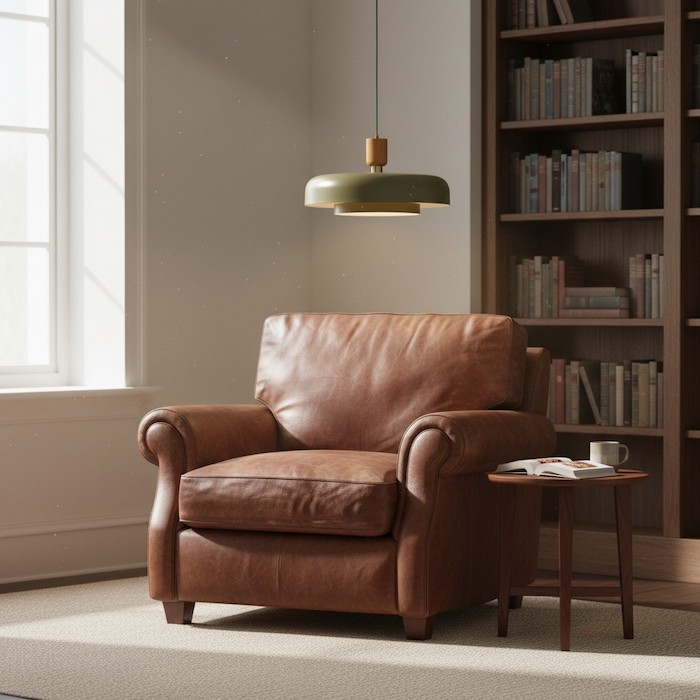
En conclusión, la textura de la iluminación es tan importante como el brillo de las bombillas. Al elegir materiales que ofrezcan un contraste armonioso entre metal y madera, se crea un espacio visualmente atractivo, emocionalmente cálido y estructuralmente sólido. Deja que la luz no solo brille, sino que cuente una historia a través de los materiales que elijas.