
La ciencia del estado de ánimo: cómo la temperatura del color y el brillo transforman tu hogar.
¿Alguna vez has entrado en una habitación y sentido inmediatamente una sensación de calma, o tal vez una repentina explosión de energía? Si bien a menudo atribuimos esto a los muebles o al color de la pared, el verdadero director silencioso de nuestras emociones es la iluminación. Como propietarios de viviendas, con frecuencia nos centramos en la "accesorio" en sí, pero la magia reside en la interacción entre temperatura de color y brillo.
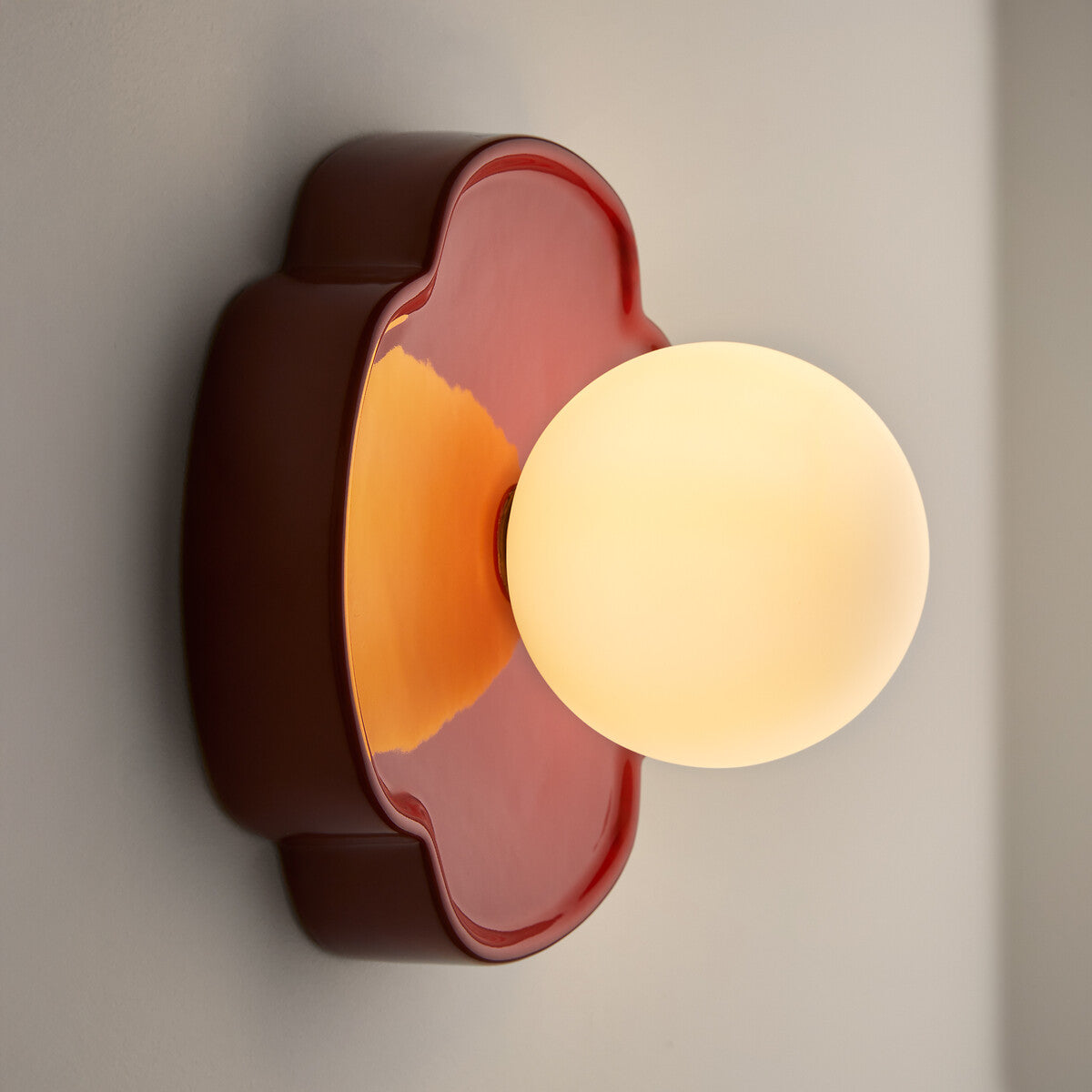
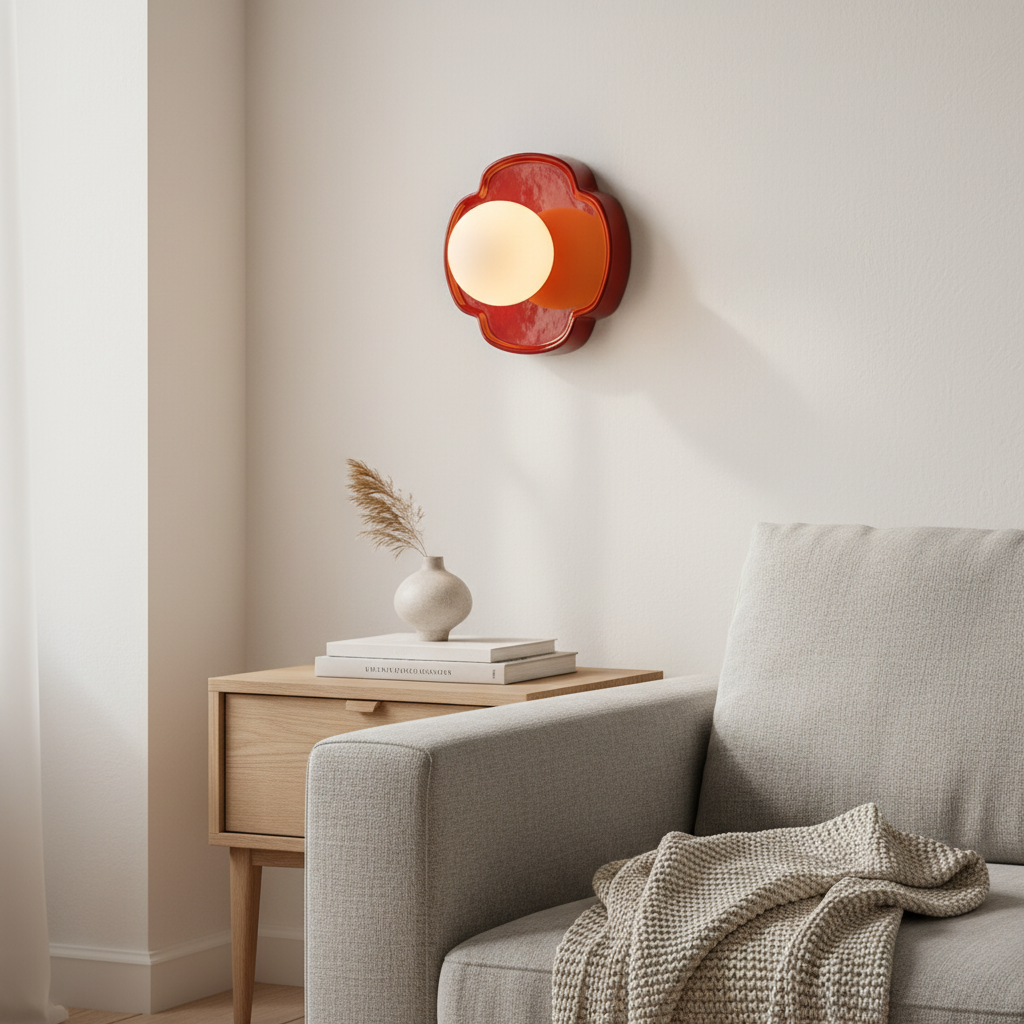
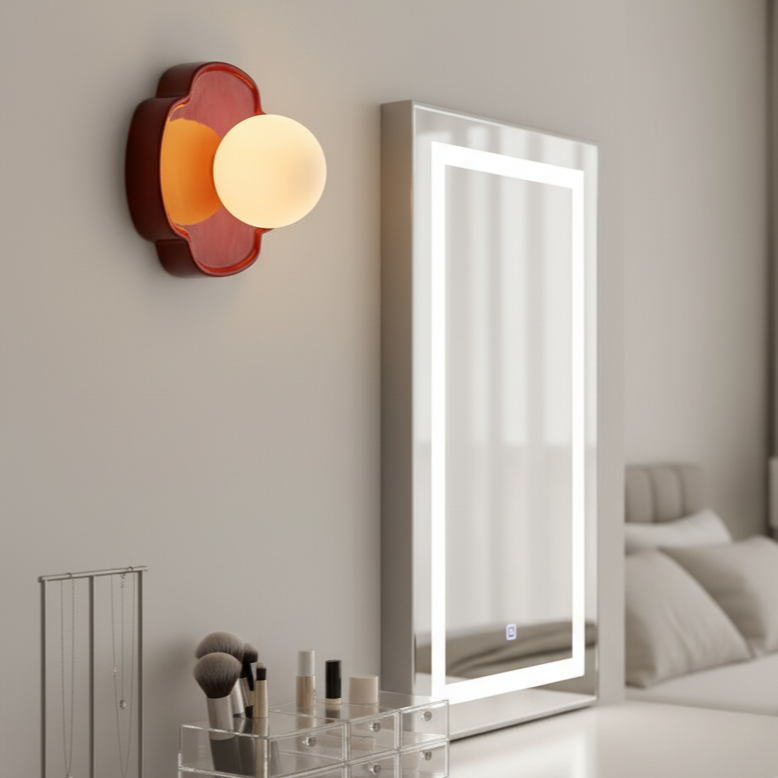
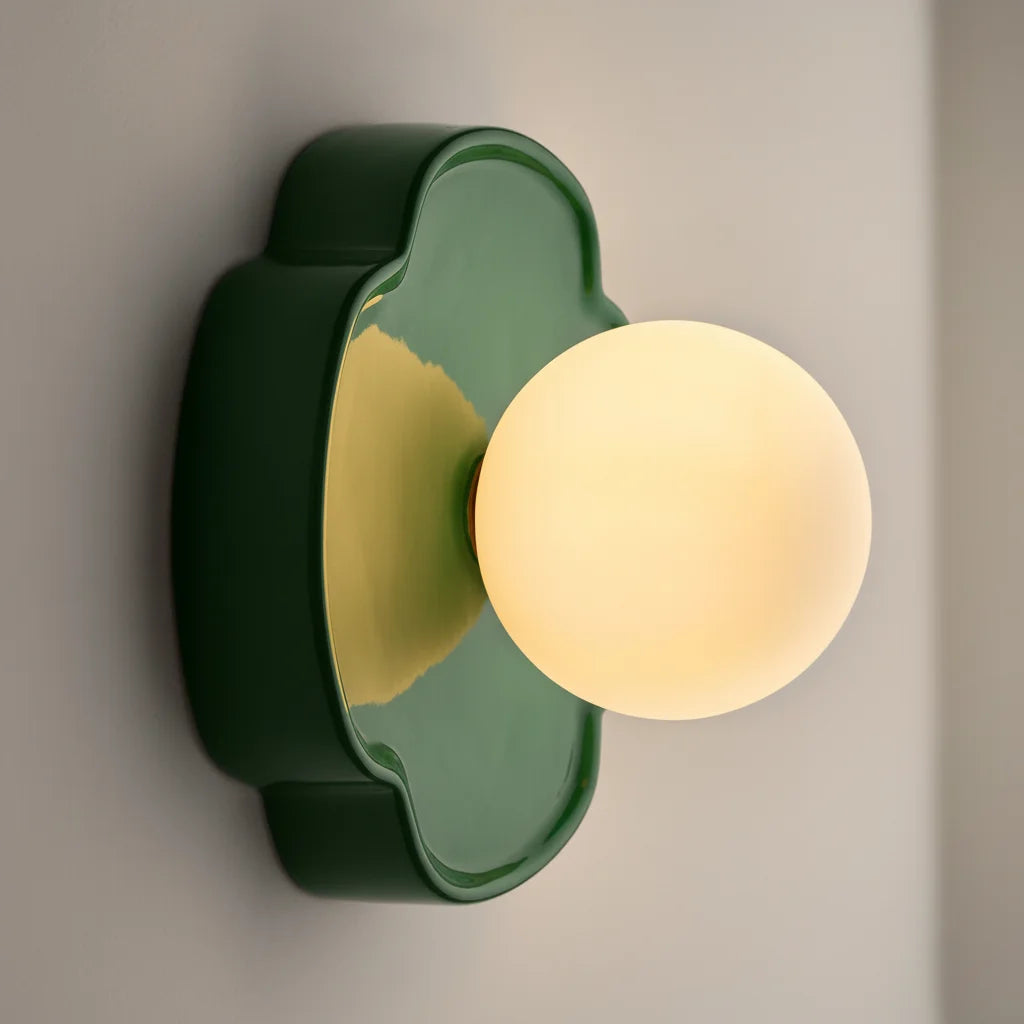
Comprender estos dos pilares del diseño no es solo para profesionales; es la clave para que tu casa se sienta como un hogar cuidadosamente diseñado. Hoy exploramos cómo se comporta la luz y cómo piezas como la Lámpara de pared Dashiell Moderne de cerámica con forma de esfera puede utilizarse para afianzar la identidad visual y emocional de su espacio, centrándose específicamente en Cómo los materiales de iluminación dan forma a la textura interior.Al seleccionar accesorios que enfaticen la belleza táctil, puedes transformar una habitación plana en un santuario multidimensional donde cada superficie se sienta más intencionada.
Desmitificando el brillo: Temperatura de color
La temperatura de color se mide en Kelvin. En el mundo de la iluminación residencial, solemos trabajar dentro de un rango. En el extremo inferior (de 2700 K a 3000 K), encontramos el "blanco cálido": ese brillo amarillento y acogedor que recuerda a una puesta de sol o al crepitar de una chimenea. En el extremo superior (de 4000 K a 5000 K), entramos en el "blanco frío" o "luz diurna", que imita la luz del sol del mediodía.
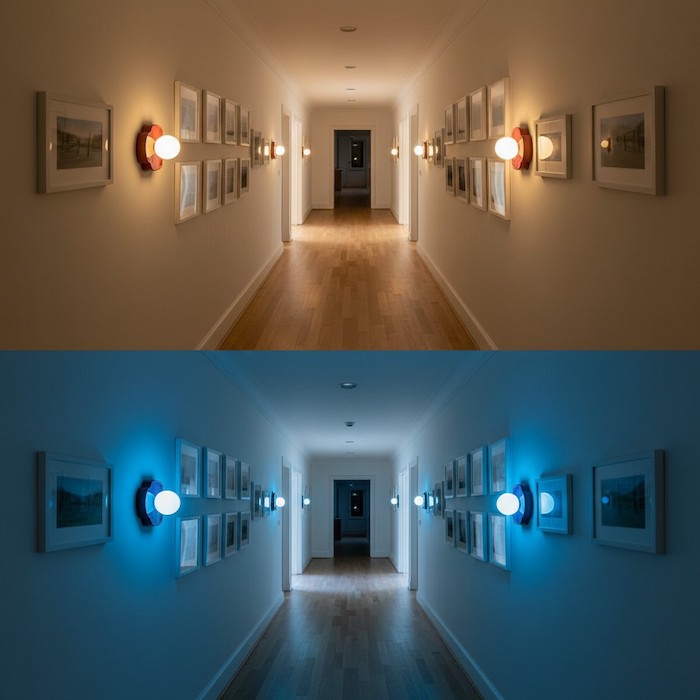
La explicación psicológica es sencilla: la luz cálida estimula la producción de melatonina, la hormona que nos ayuda a relajarnos. Por eso, los restaurantes y spas de lujo nunca utilizan luz azulada. En cambio, la luz fría suprime la melatonina y aumenta la serotonina, lo que nos hace sentir alerta y concentrados. Por eso, en tu oficina o garaje sueles sentirte más lúcido.
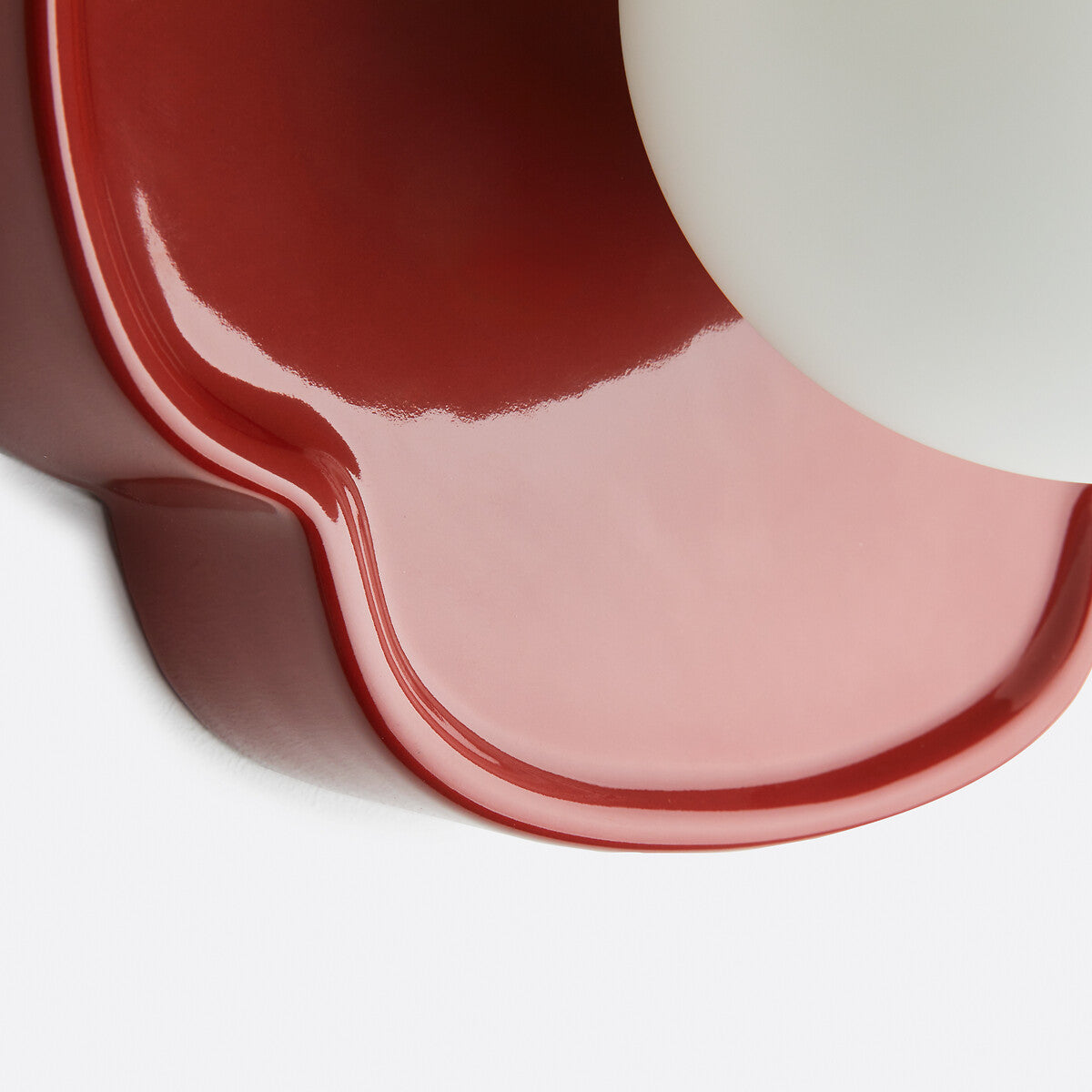
Consejo de experto: El material de la pantalla de la lámpara lo cambia todo. Por ejemplo, la carcasa de cerámica de la Lámpara de pared moderna de cerámica Dashiell Actúa como un difusor natural. A diferencia del vidrio, que puede dejar pasar la luz intensa, la cerámica suaviza el "borde" de cualquier bombilla, haciendo que la luz se sienta más orgánica y menos aséptica.
Brillo: Más que simplemente "brillante"
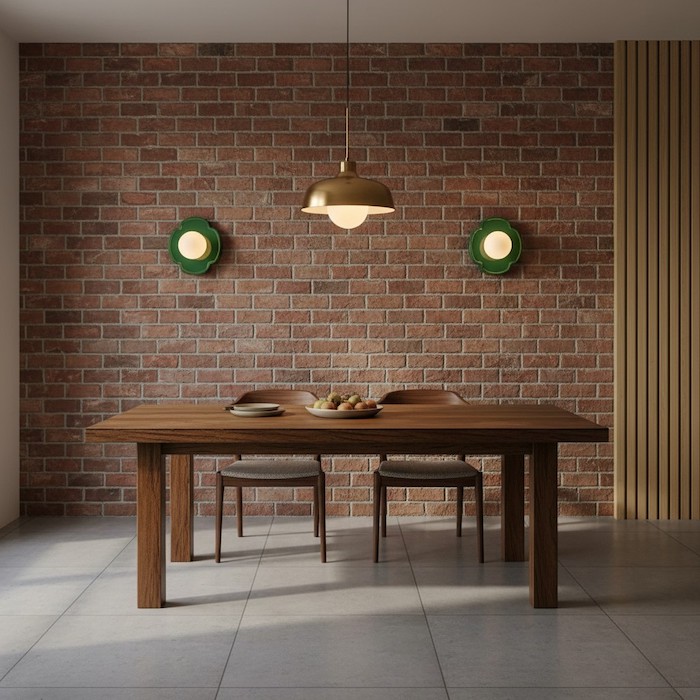
El brillo se refiere a la cantidad de luz, pero en diseño, en realidad se trata de profundidad percibidaUna habitación demasiado iluminada en general se ve plana y poco acogedora, como un supermercado. Una habitación demasiado oscura se ve lúgubre y deprimente. El objetivo es lograr una "luminosidad por capas".
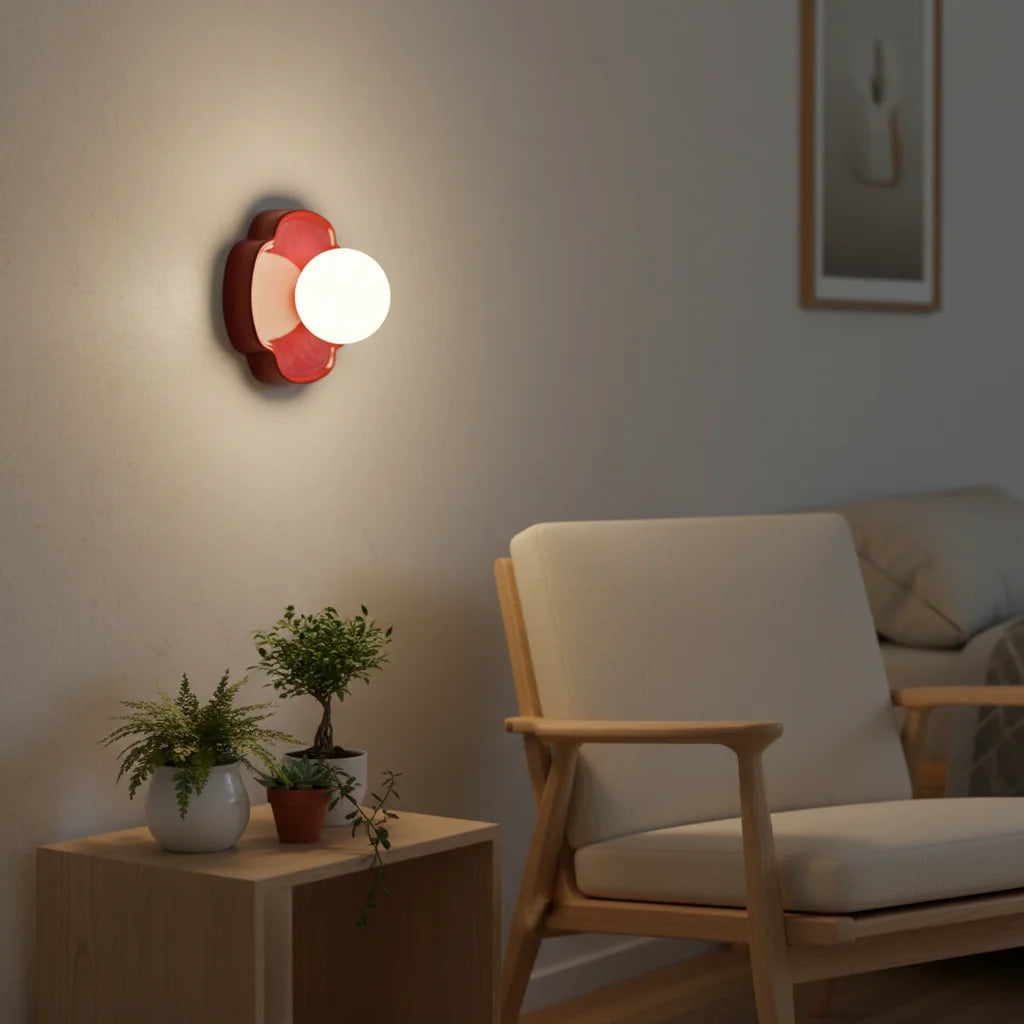
Al usar luminarias de pared, se crean zonas de luz difusas. En lugar de una única fuente de luz cegadora en el techo, múltiples puntos de luz a la altura de los ojos generan sombras y reflejos. Estas sombras son las que dan personalidad a una habitación. Definen la arquitectura y hacen que el espacio se sienta tridimensional e interesante.
Mapeo de la atmósfera por habitación
¿Cómo aplicamos estos conceptos? Analicemos cada uno según la "sensación" que deseas lograr:
1. El Santuario (Dormitorio y Sala de Estar)
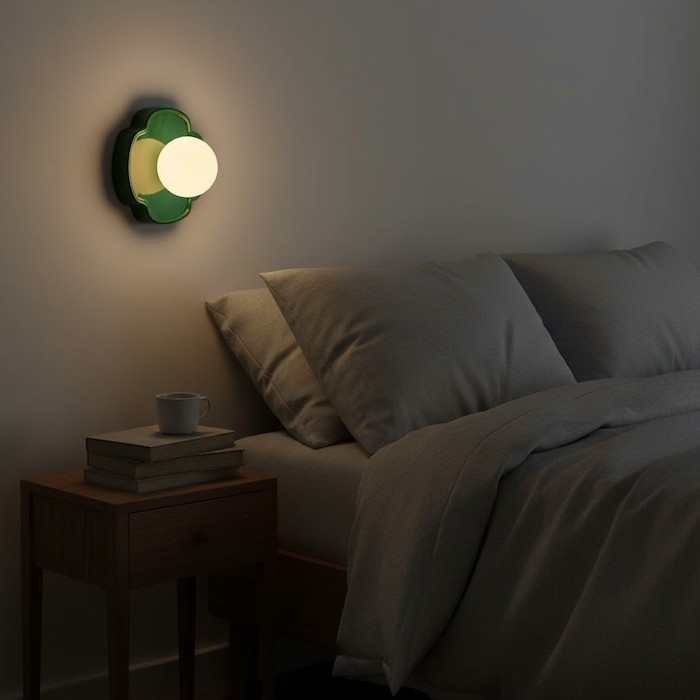
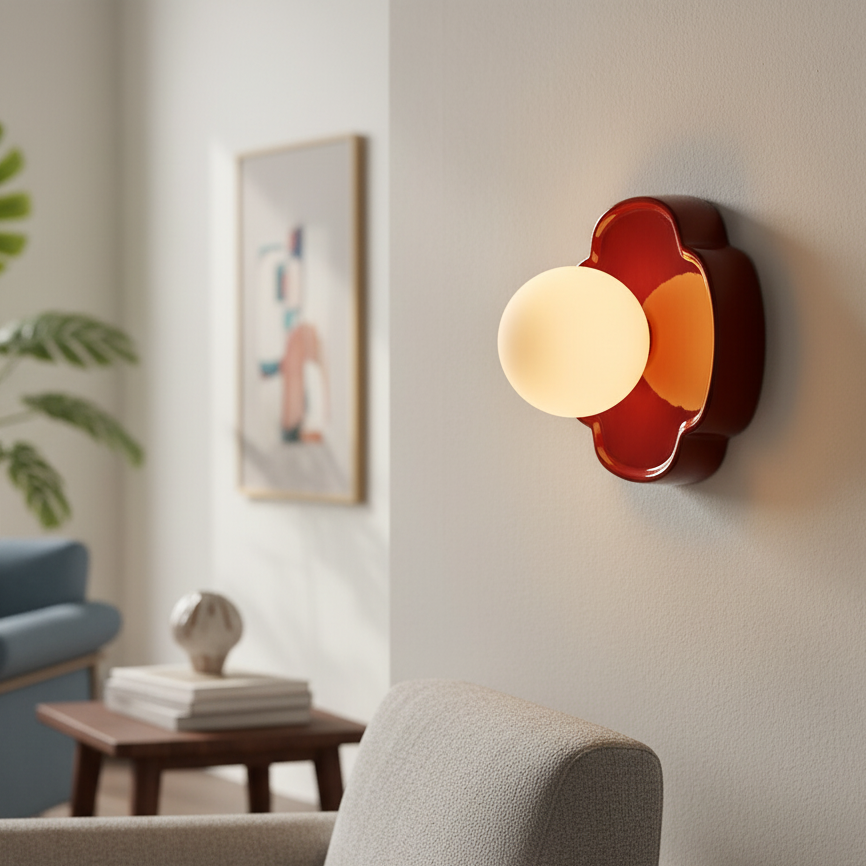
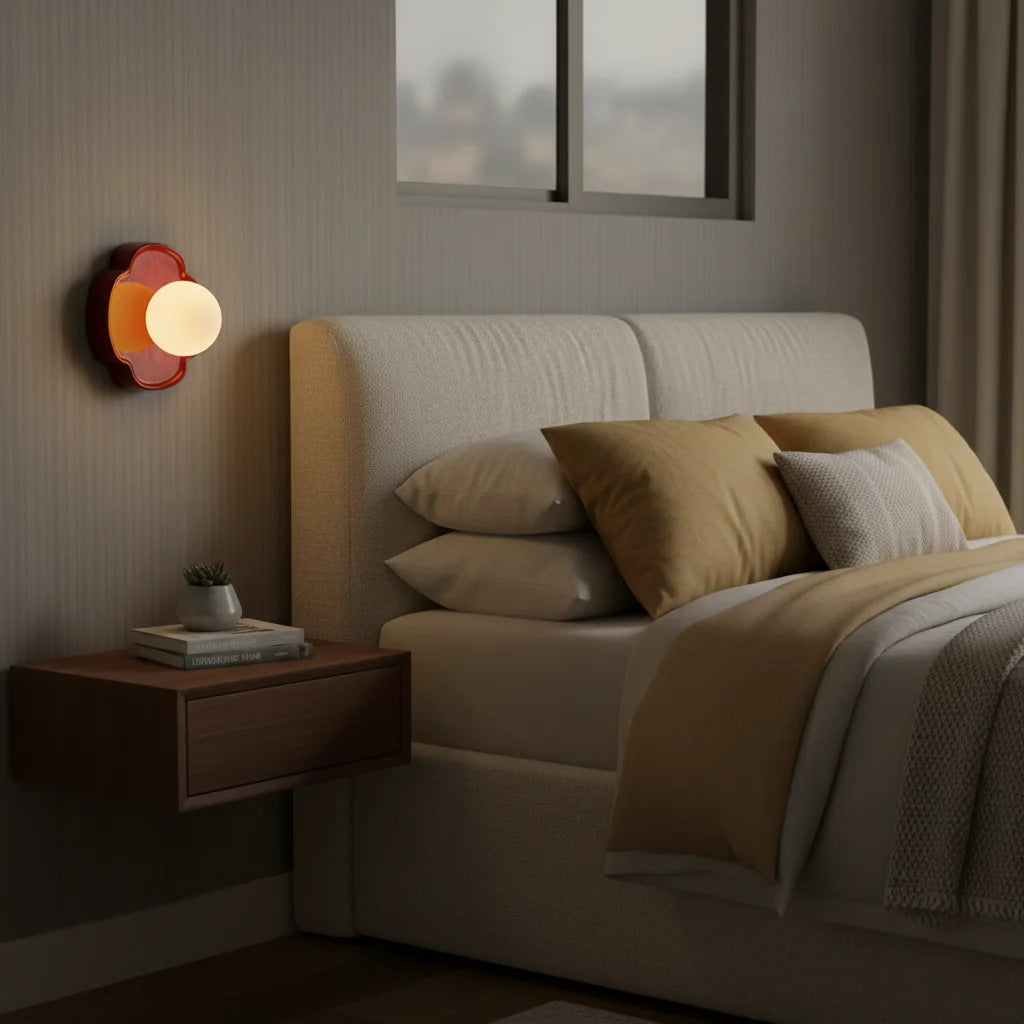
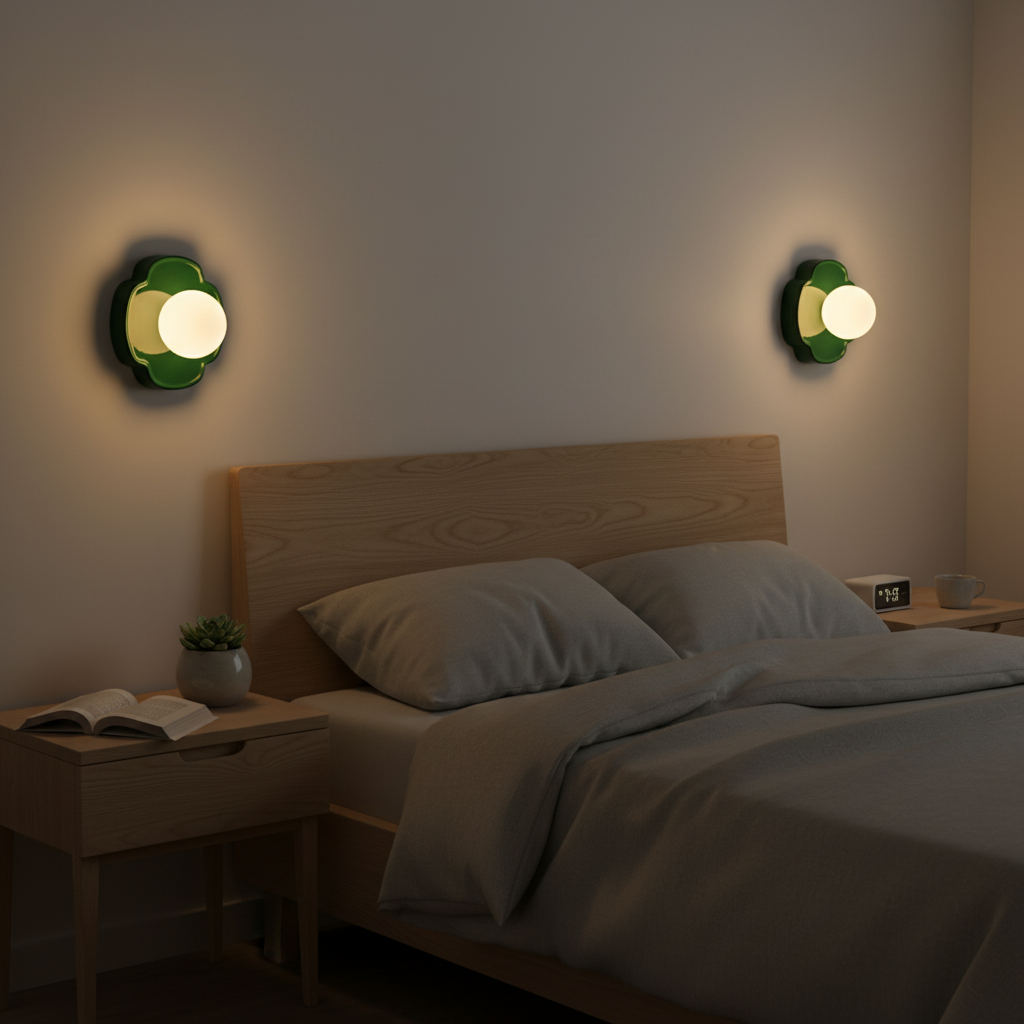
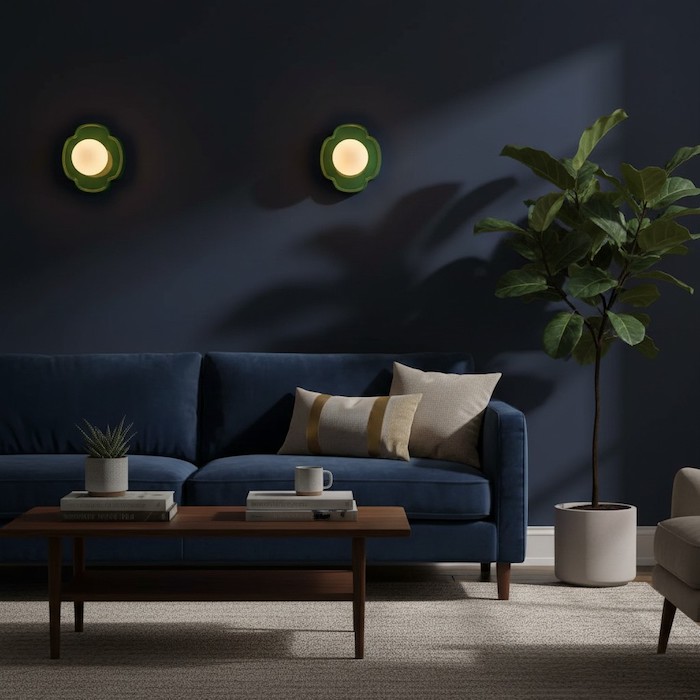
Aquí, se busca un enfoque gradual y sutil. Brillo bajo, temperatura cálida. Colocar una lámpara de esfera de cerámica cerca de un rincón de lectura o junto a la cama proporciona suficiente luz para ver, pero la difusión cálida a través de la cerámica asegura que los ojos puedan descansar. Le indica al cerebro que el día ha terminado. Este sencillo ajuste es la clave para responder a la pregunta esencial del diseño: Cómo equilibrar la comodidad y la practicidad en la iluminación del dormitorioAl priorizar la iluminación suave e indirecta sobre la iluminación cenital intensa, se crea un espacio que sigue siendo funcional para las tareas nocturnas a la vez que resulta profundamente reparador.
2. La transición (pasillos y entradas)
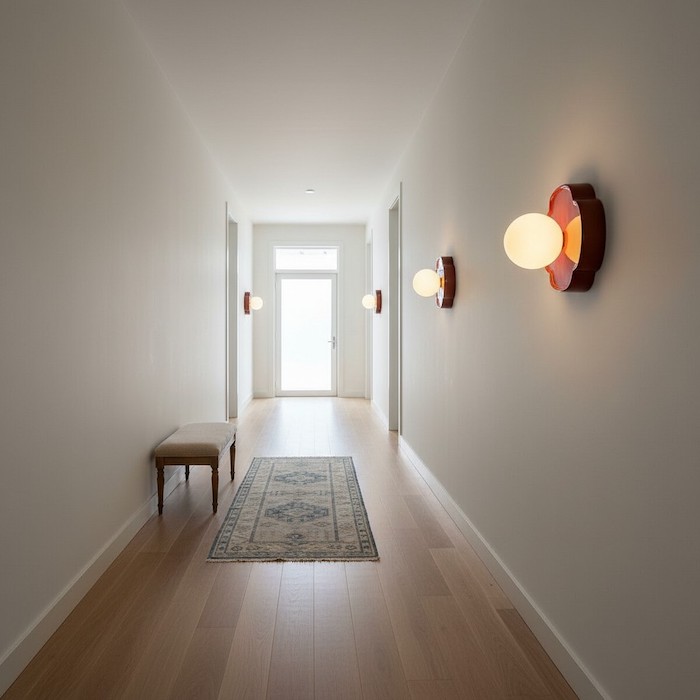
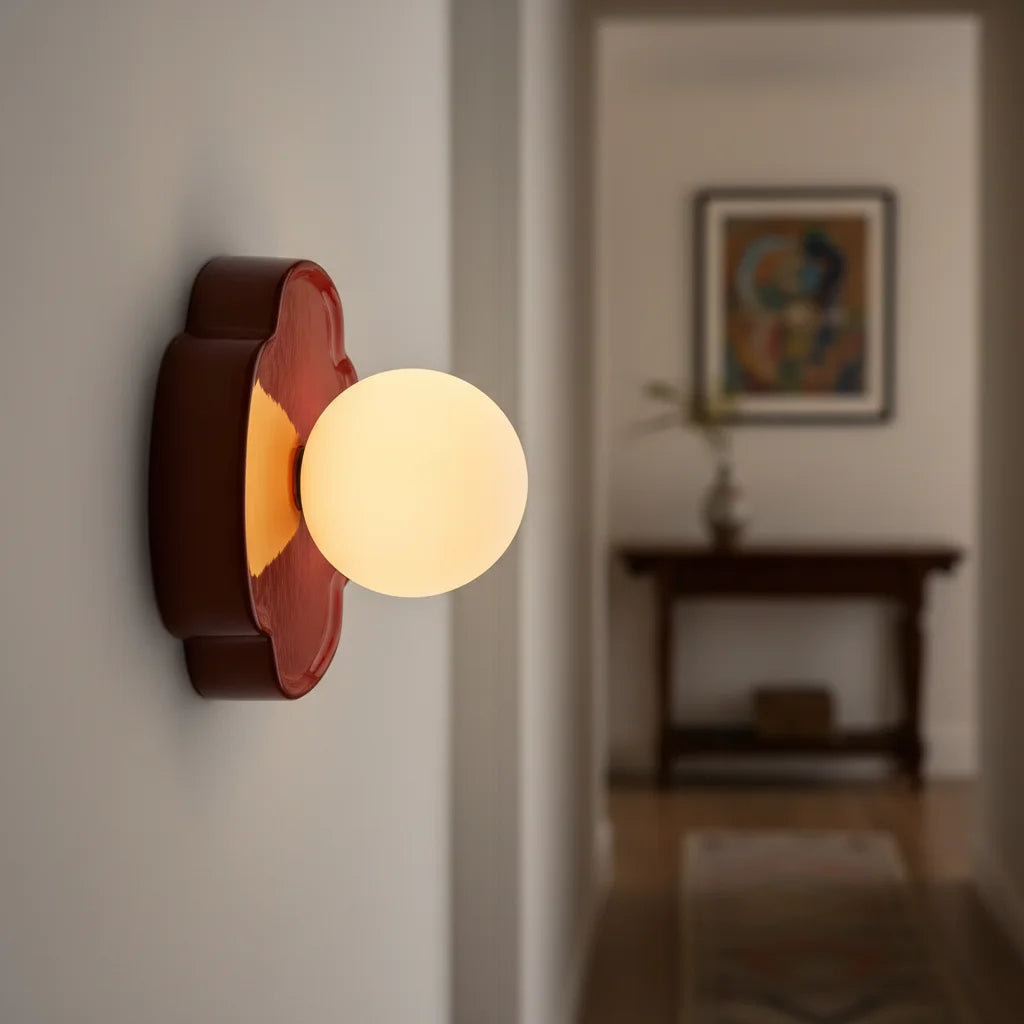
Los espacios de transición deben servir de puente entre diferentes ambientes. No se necesita una luminosidad intensa, pero sí claridad. Una iluminación media con un tono cálido neutro garantiza que las personas se sientan seguras al moverse por la casa, sin el molesto zumbido de una luz fría.
3. Los acentos modernos
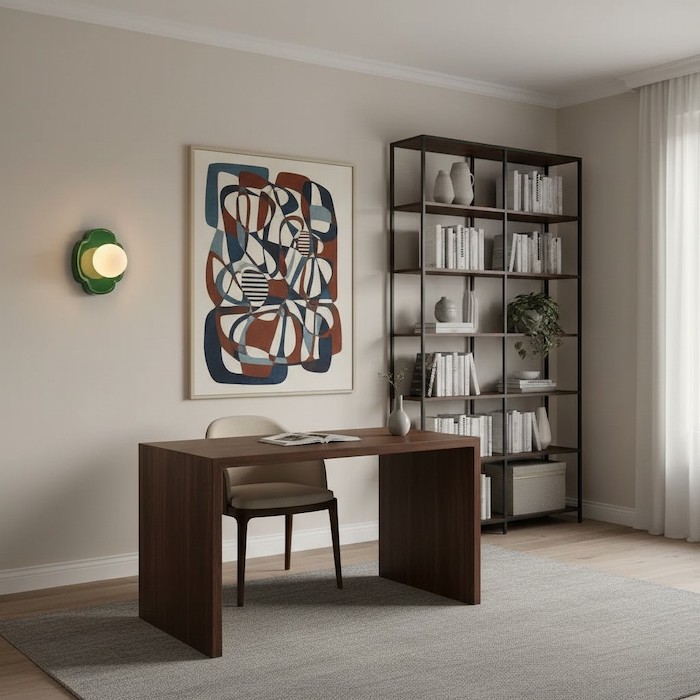
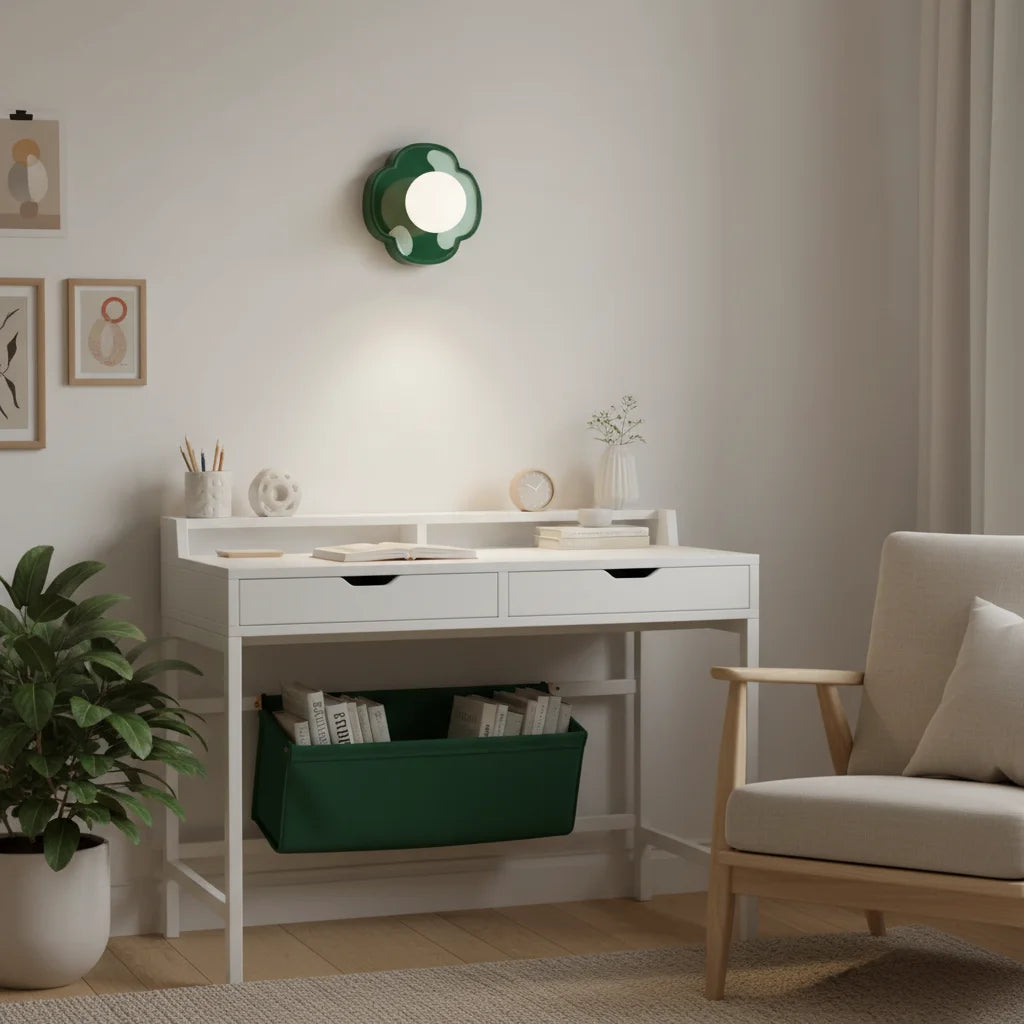
En los hogares modernos, las formas geométricas se utilizan a menudo para lograr equilibrio visual. Una lámpara esférica no es solo una fuente de luz; es una pieza escultórica. Al ajustar su brillo a una luz tenue, la forma esférica se convierte en un punto focal que atrae la mirada hacia arriba, creando la ilusión de techos más altos y habitaciones más amplias.
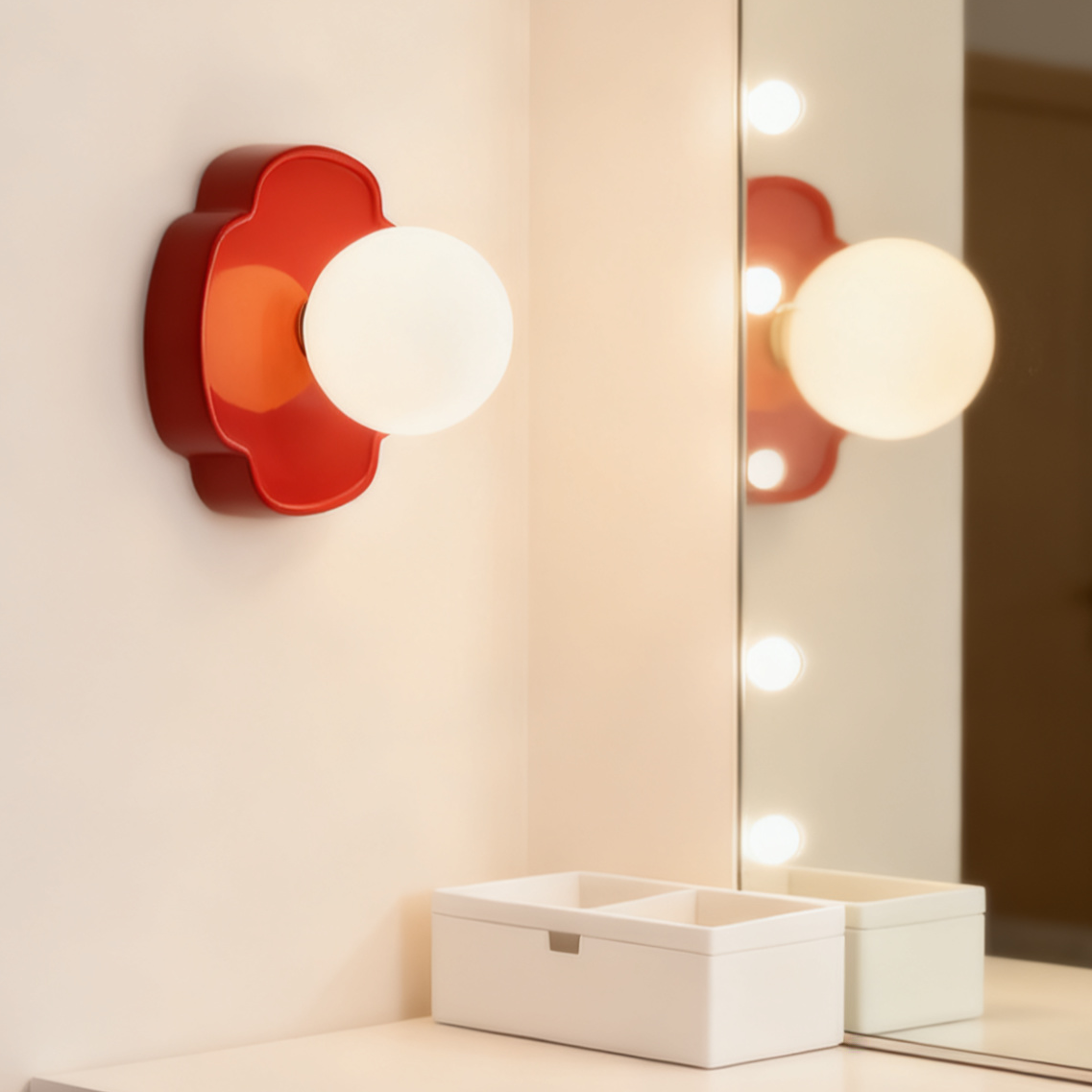
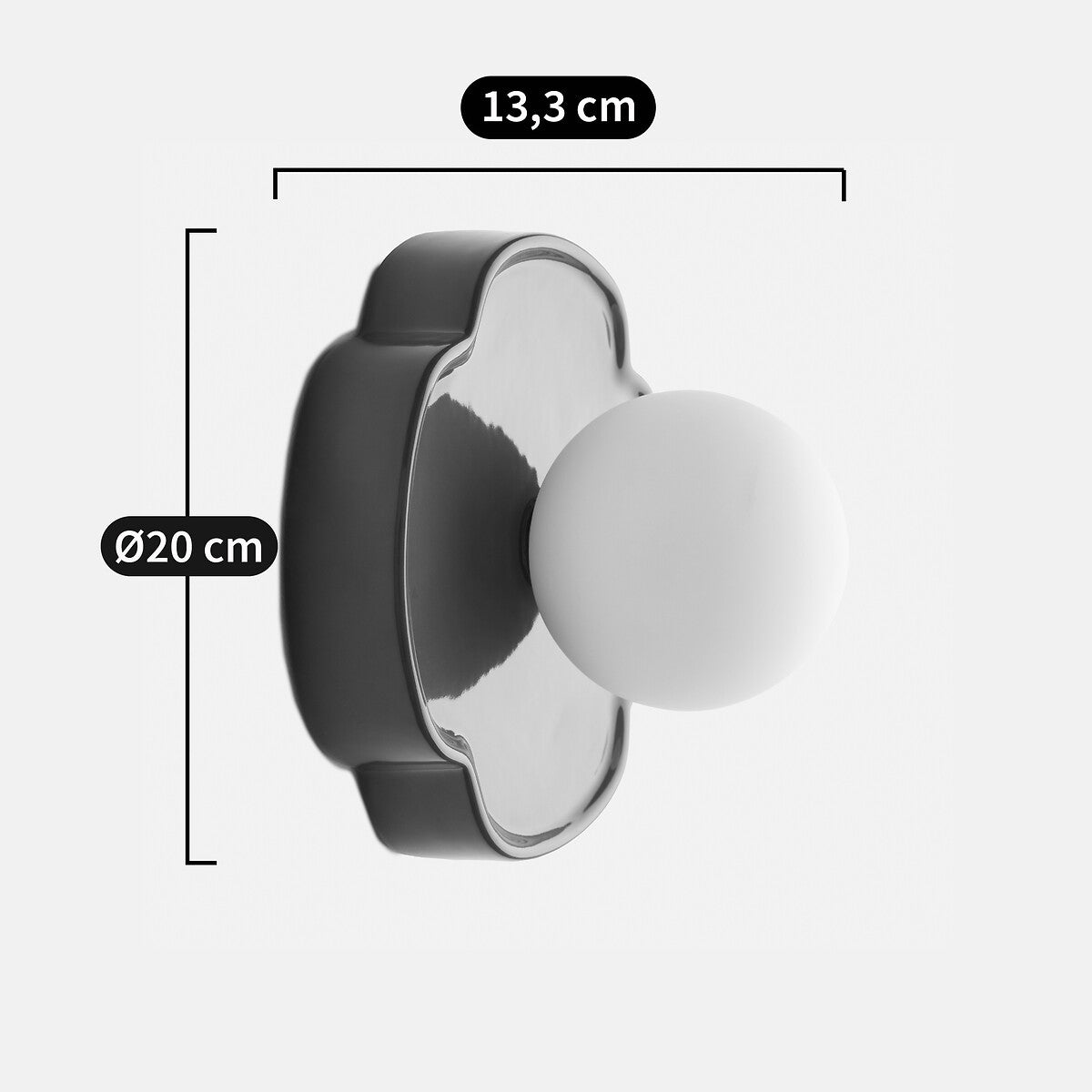
El Lámpara de pared esférica moderna Dashiell Destaca en estos entornos gracias a su acabado mate, que interactúa a la perfección tanto con la luz natural como con su propio brillo interno. Es una pieza versátil que adapta su ambiente según la bombilla que se coloque en su interior.
¿Listo para redefinir la energía de tu hogar? Explora el Colección de esferas de cerámica Dashiell Moderne y encontrar el equilibrio perfecto entre luz y sombra.
Reflexiones finales
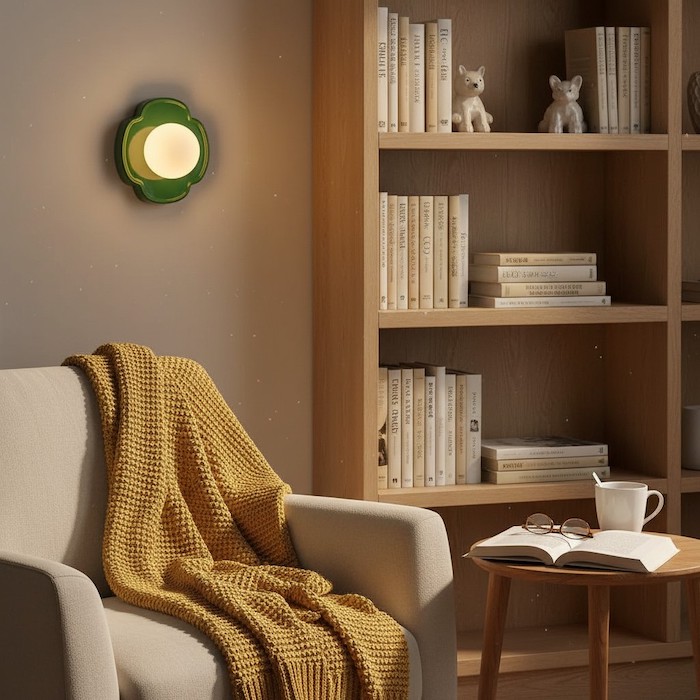
El ambiente no es casualidad; es una elección. Al seleccionar una temperatura de color cálida y niveles de brillo estratégicos, puedes transformar una habitación fría y con eco en un refugio cálido y acogedor. No te limites a encender una luz: crea una experiencia. Empieza con elementos que comprendan la belleza de la difusión y deja que tu hogar brille con luz propia.