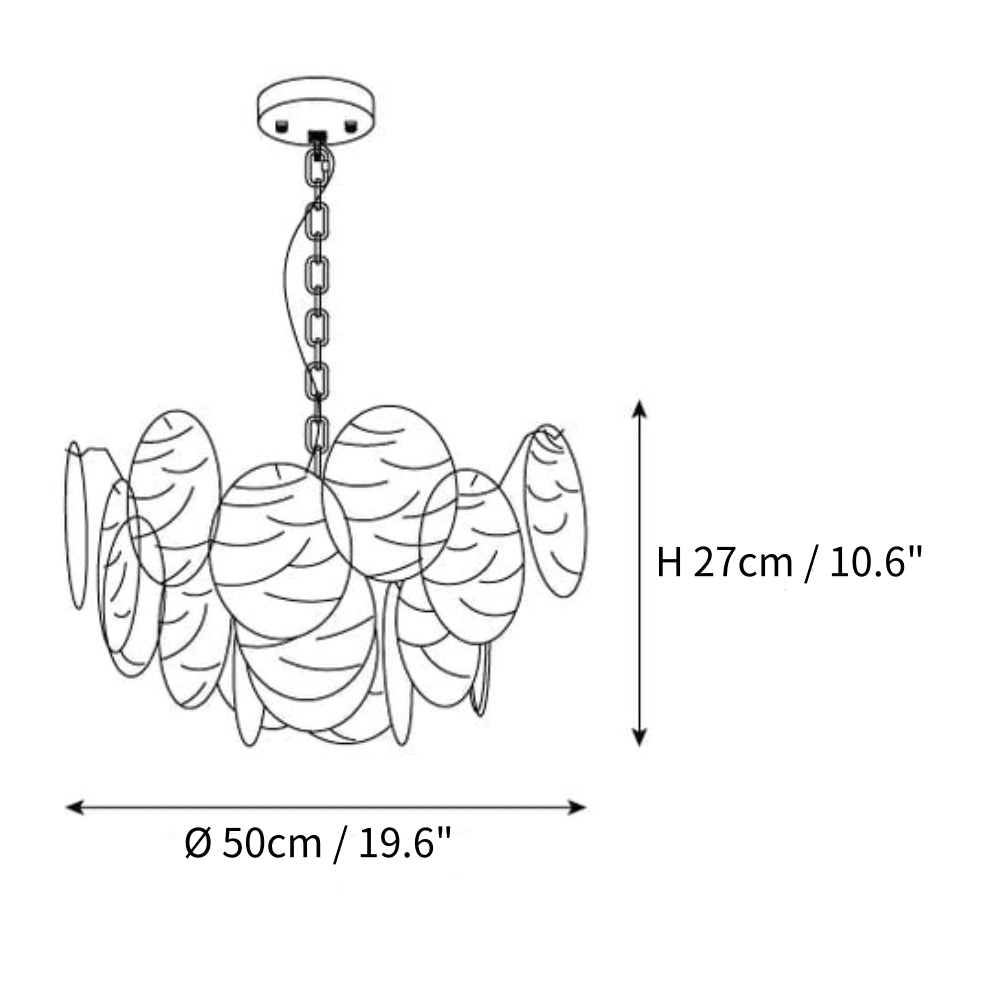

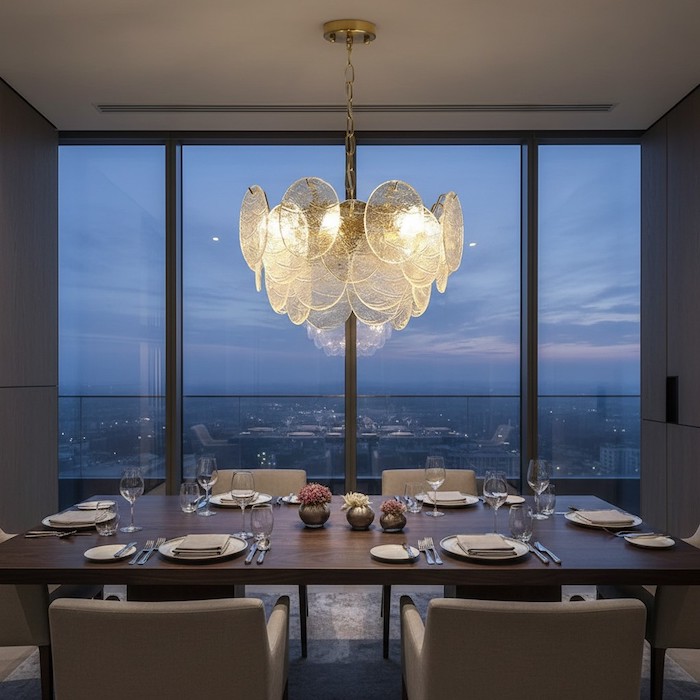
Fluidez espacial: El arte de la expresión por capas en la iluminación moderna
En la jerarquía del diseño de interiores, una lámpara de araña rara vez es solo una fuente de luz. Es un elemento arquitectónico clave, una pieza central que atrae la atención y determina la atmósfera de una habitación. Cuando hablamos de "superposición espacial", nos referimos a la sofisticada práctica de crear profundidad, contraste y movimiento dentro de un entorno tridimensional. En las casas modernas, donde abundan los espacios abiertos y los techos altos, el reto suele ser cómo llenar el espacio vacío sin que se vea recargado. Aquí es donde el concepto de expresión por capas cobra vital importancia.
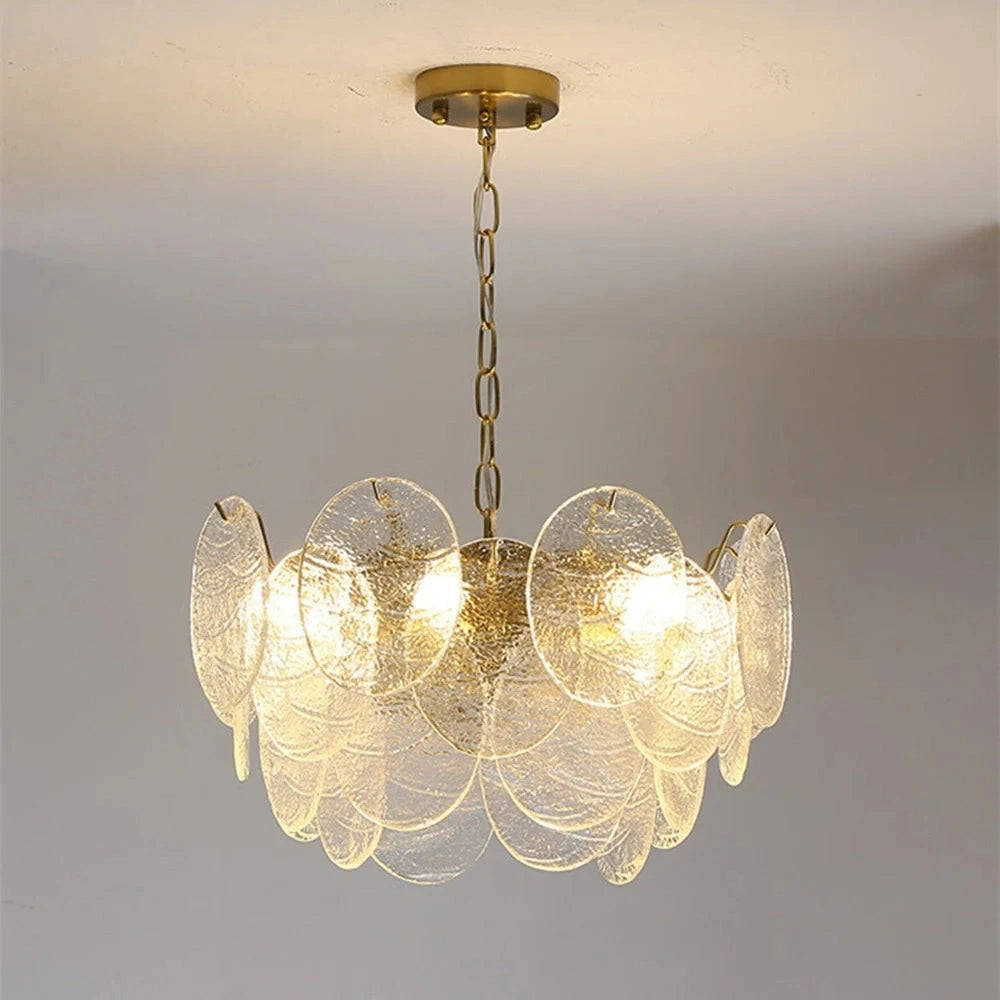
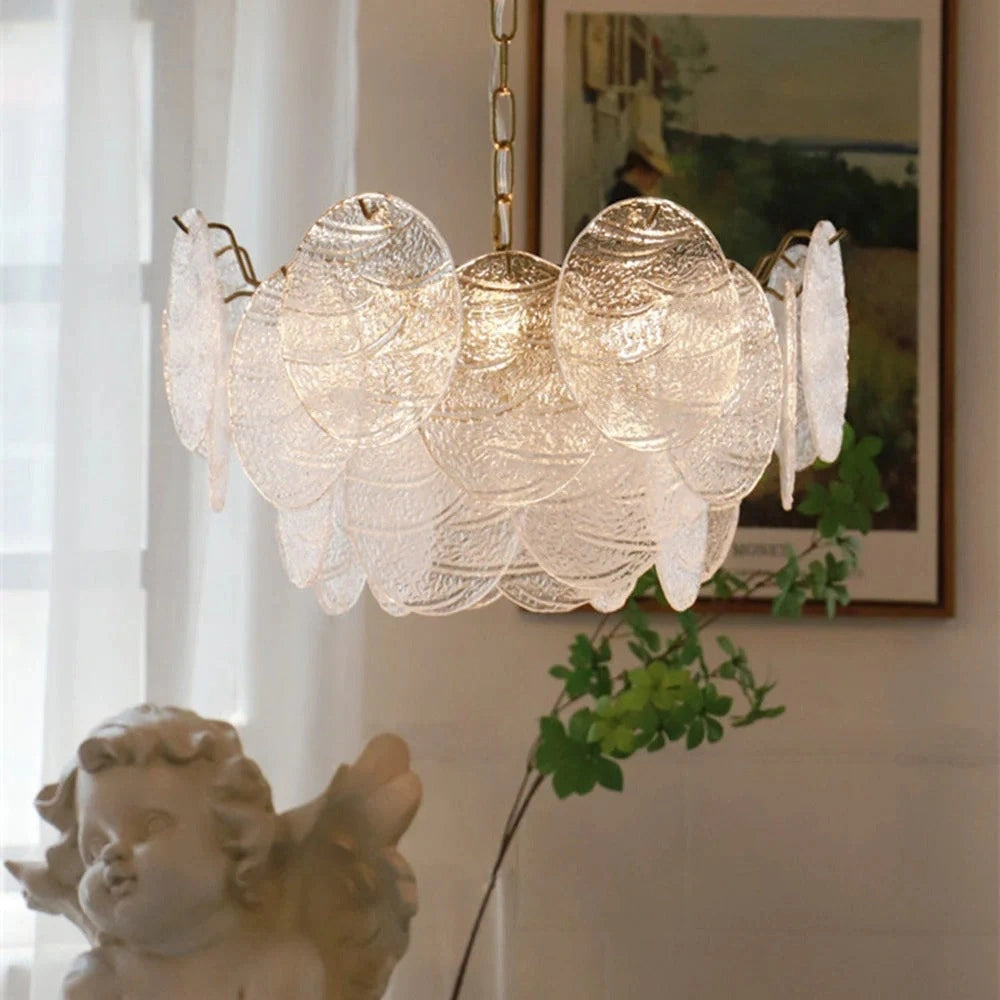
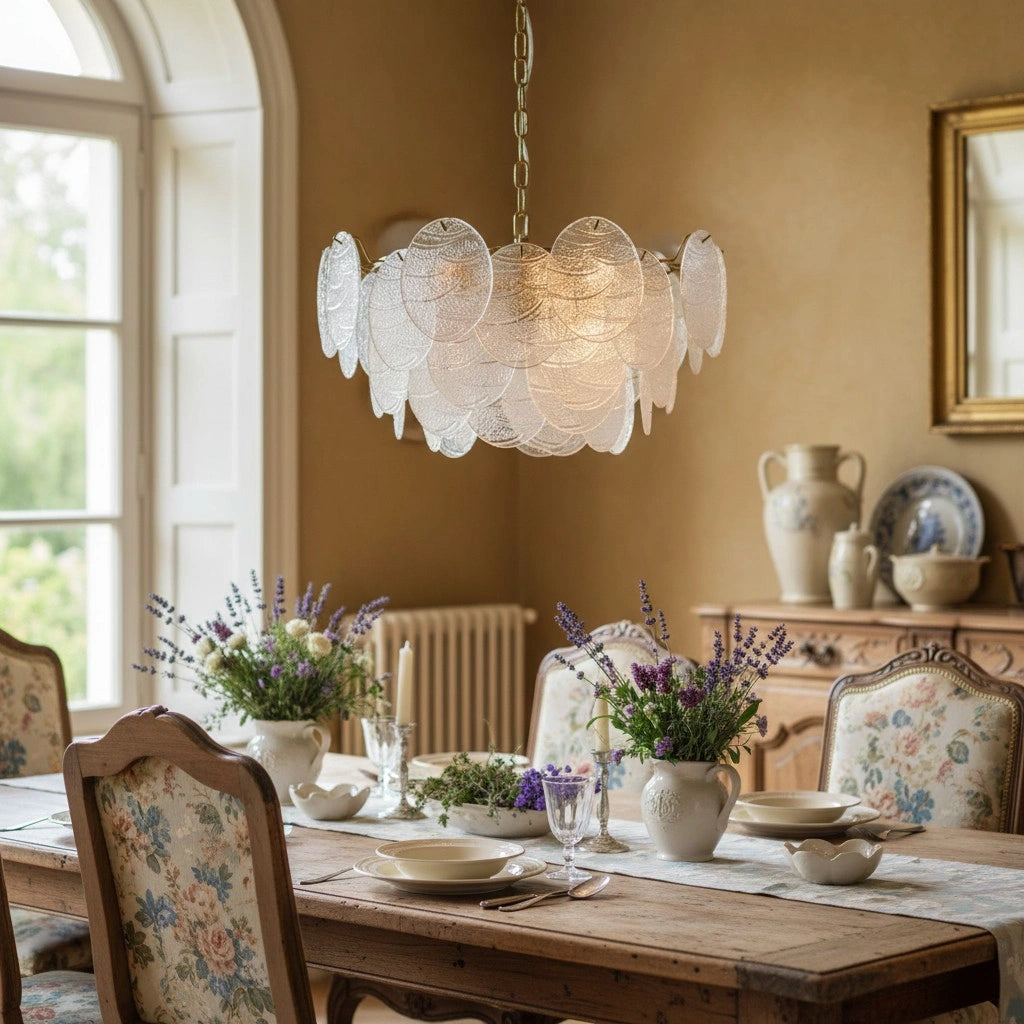
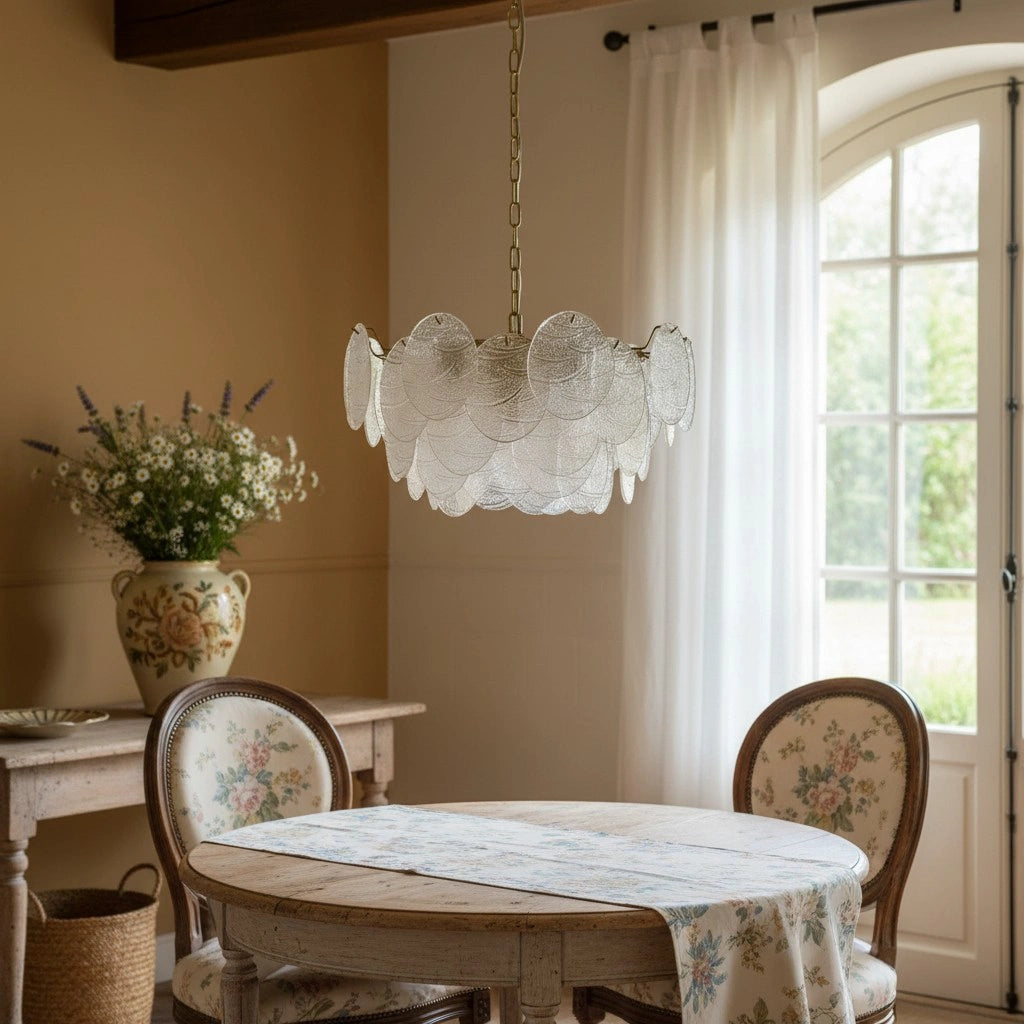
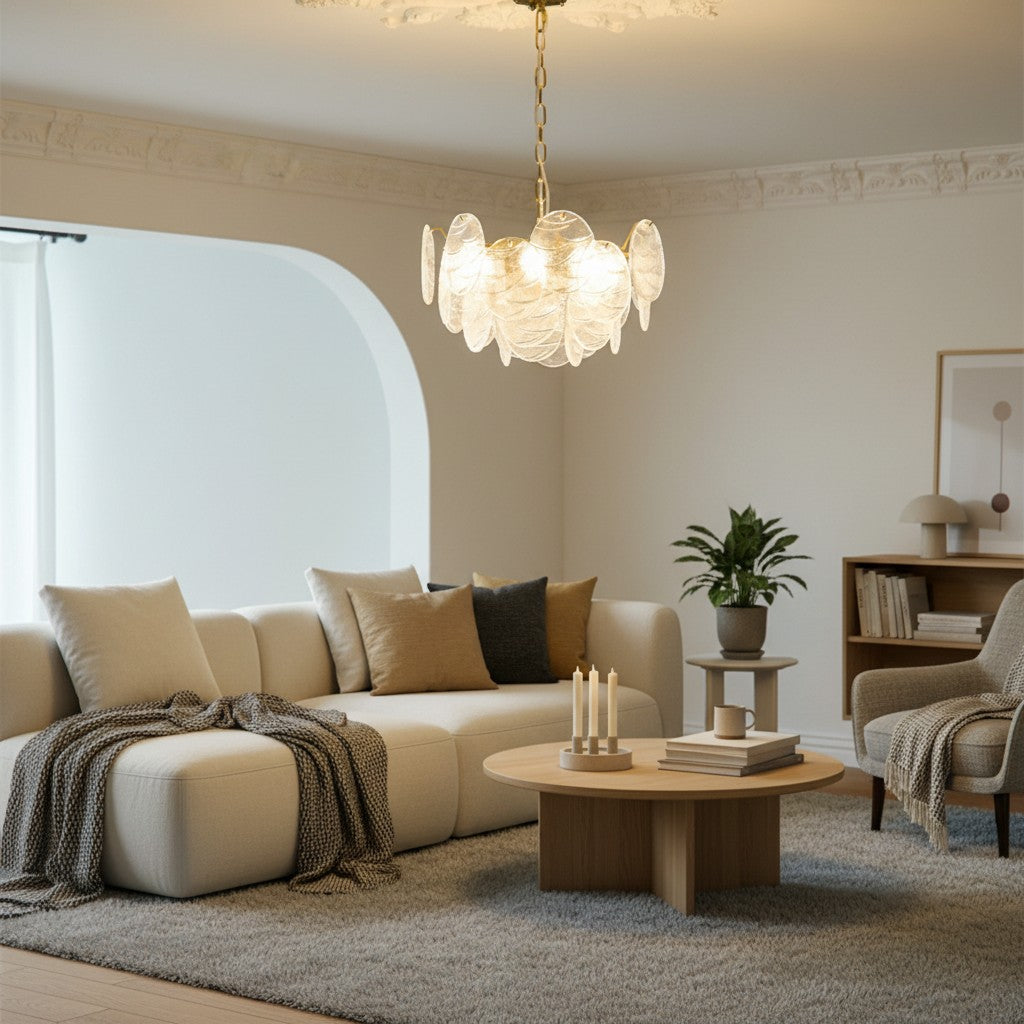
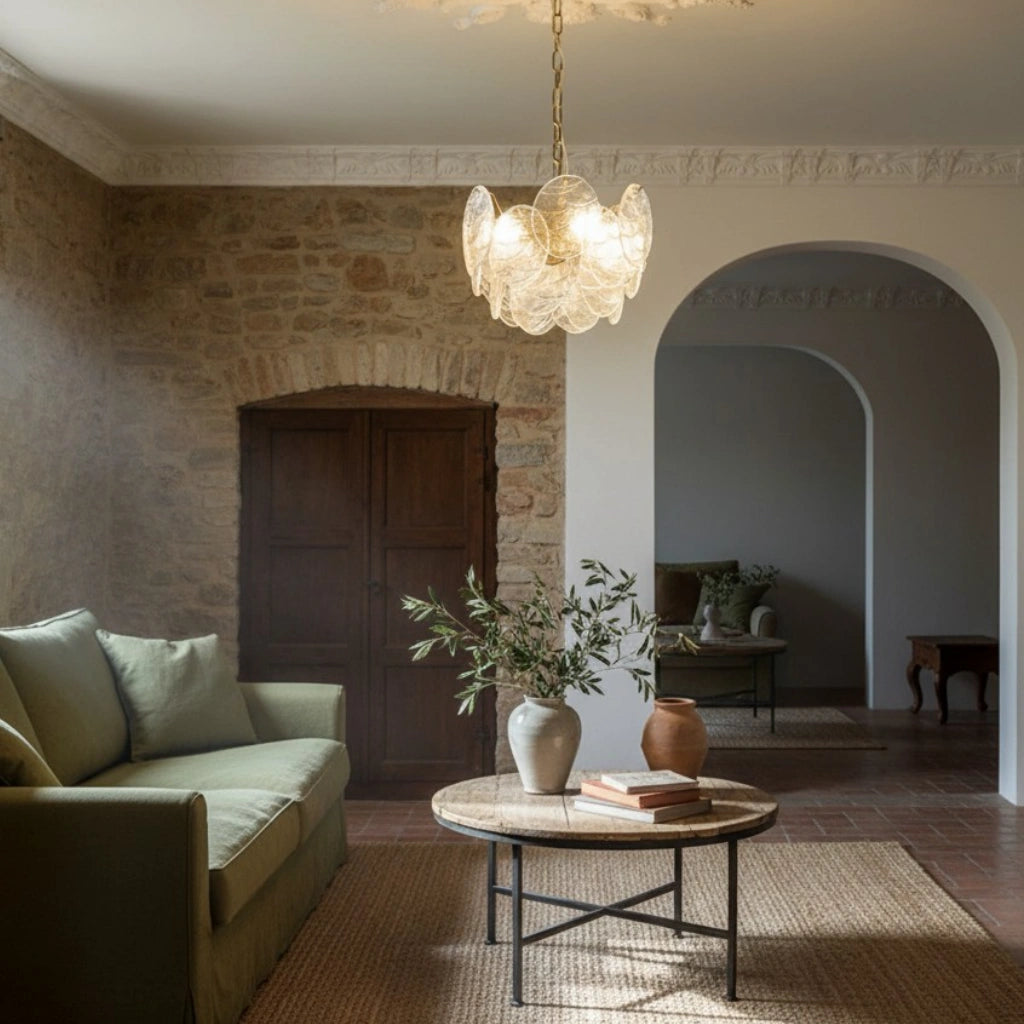
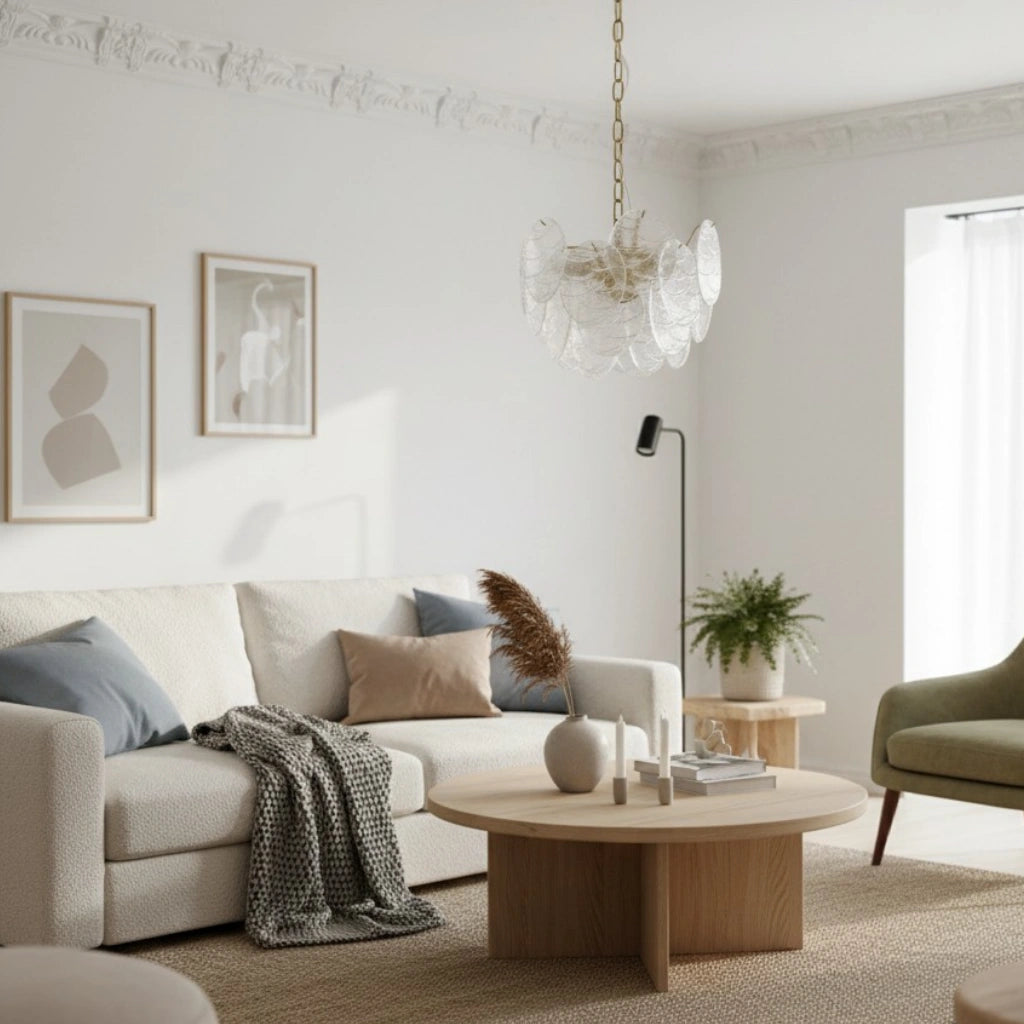
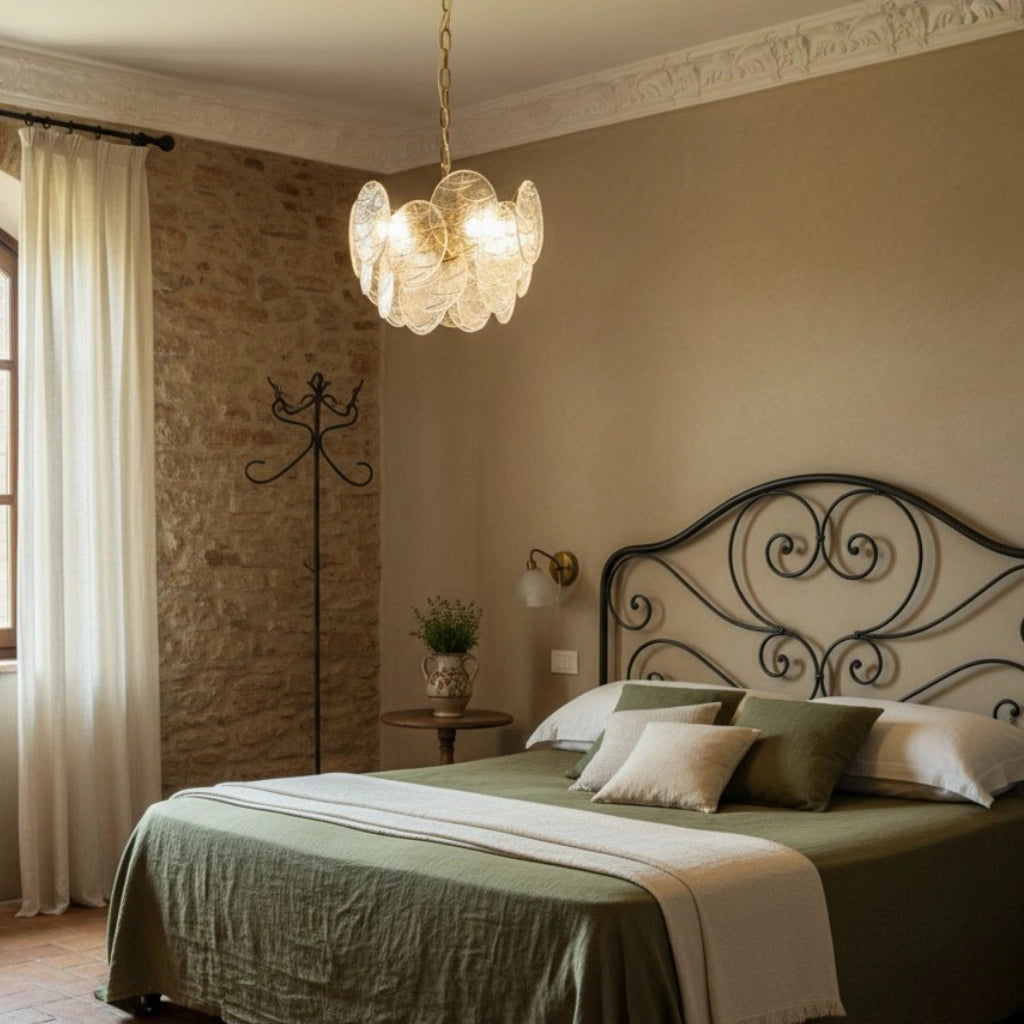
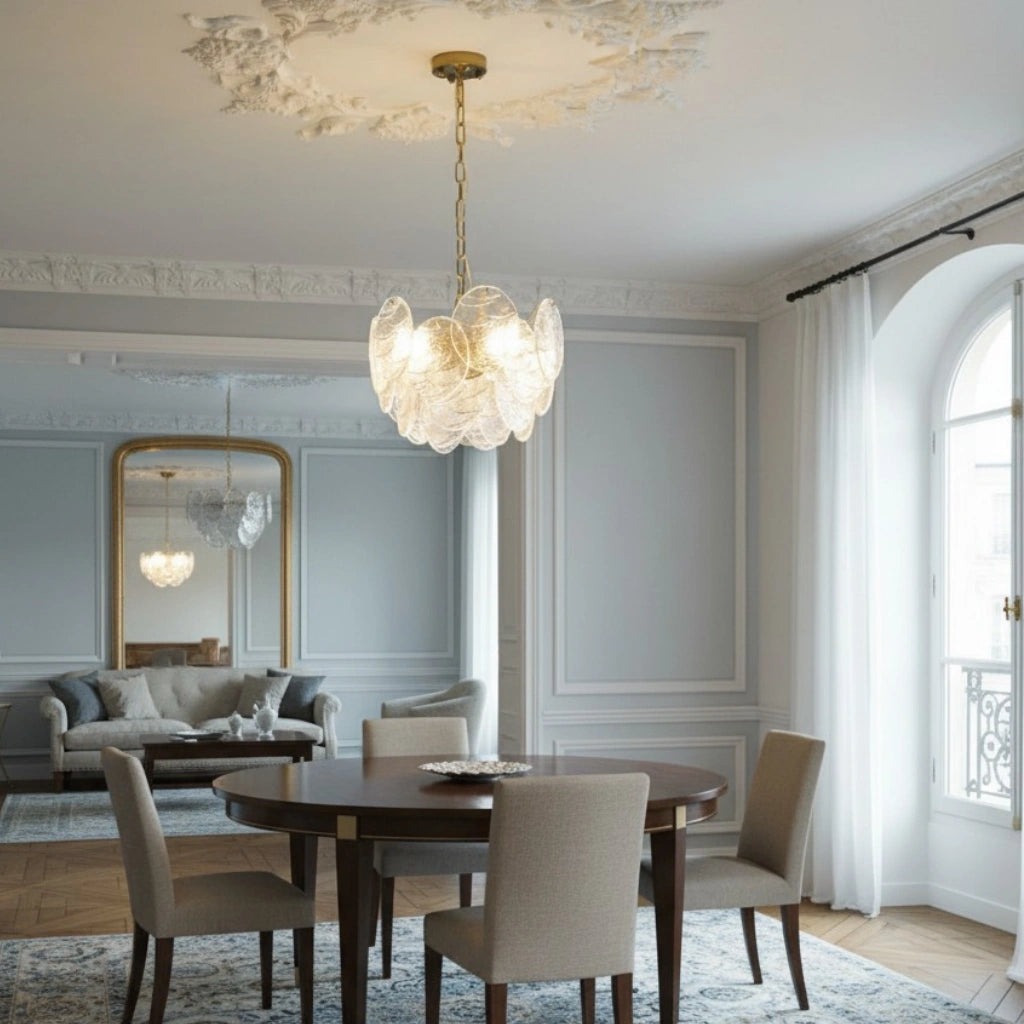
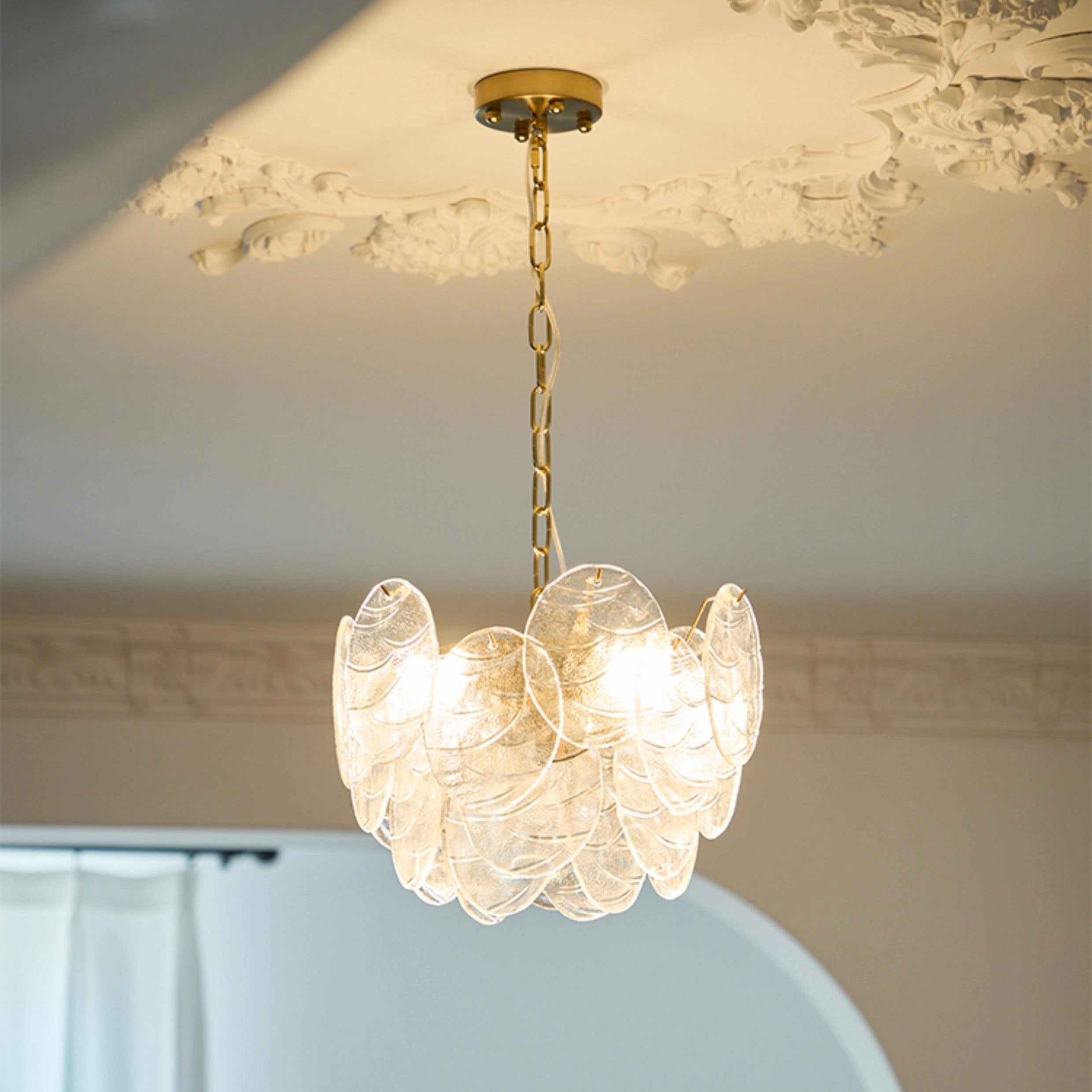
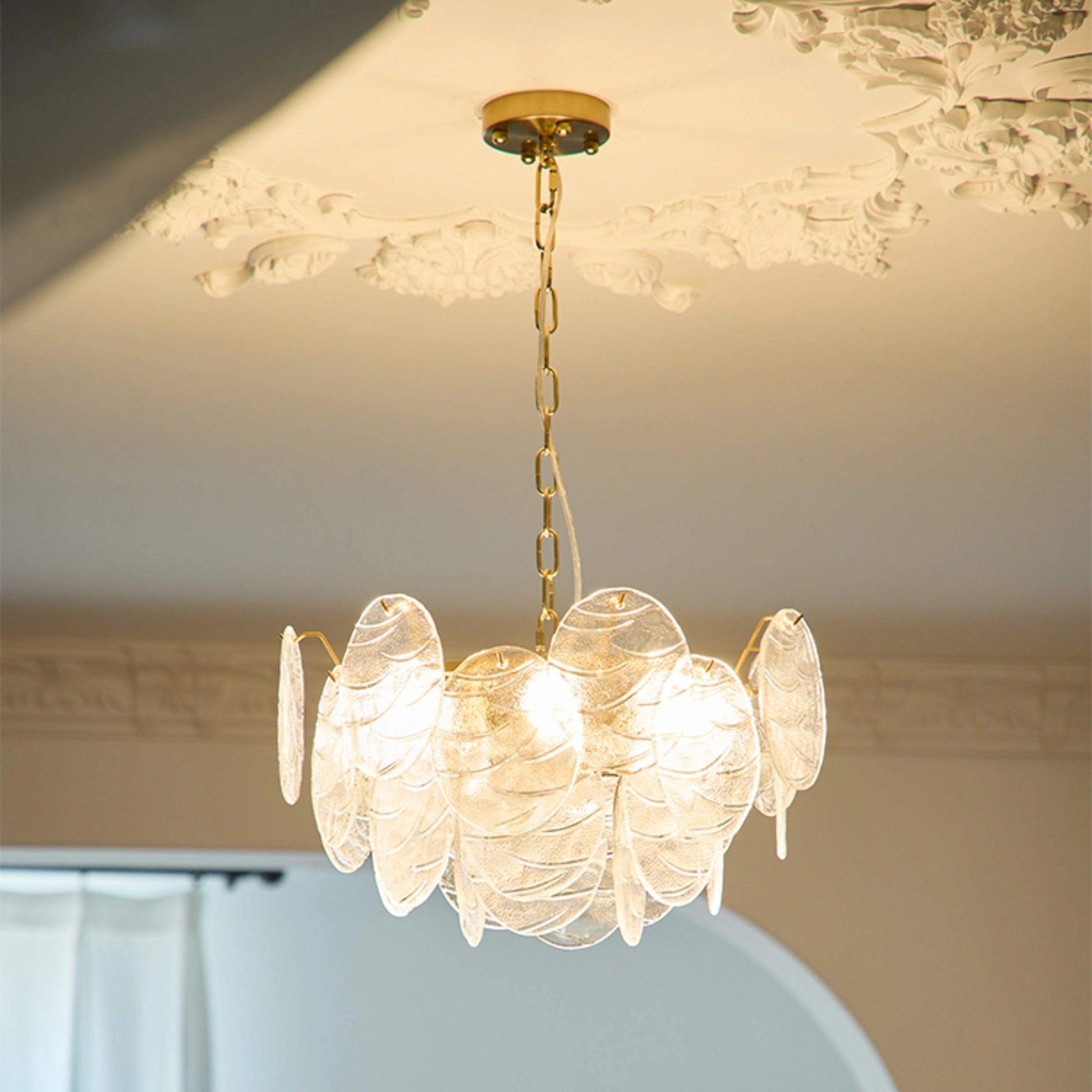
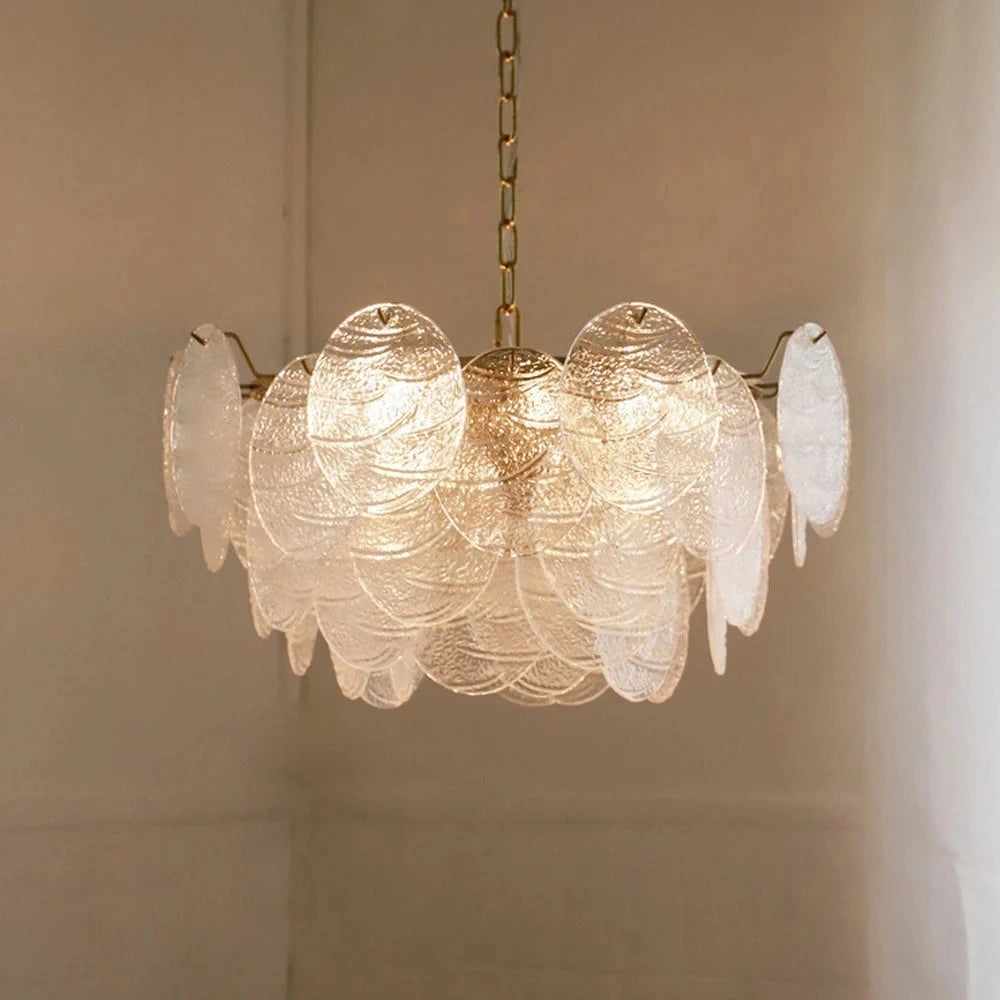
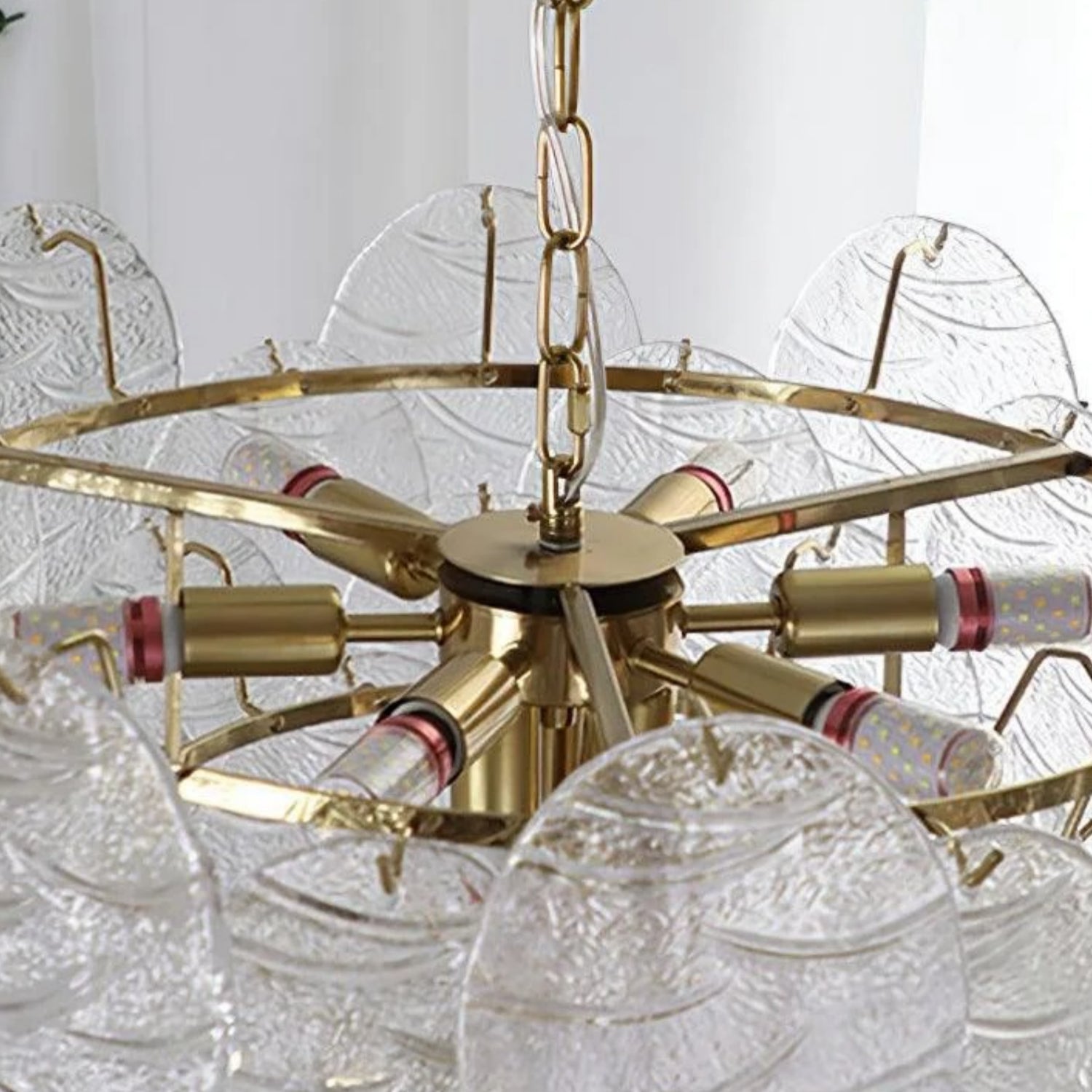
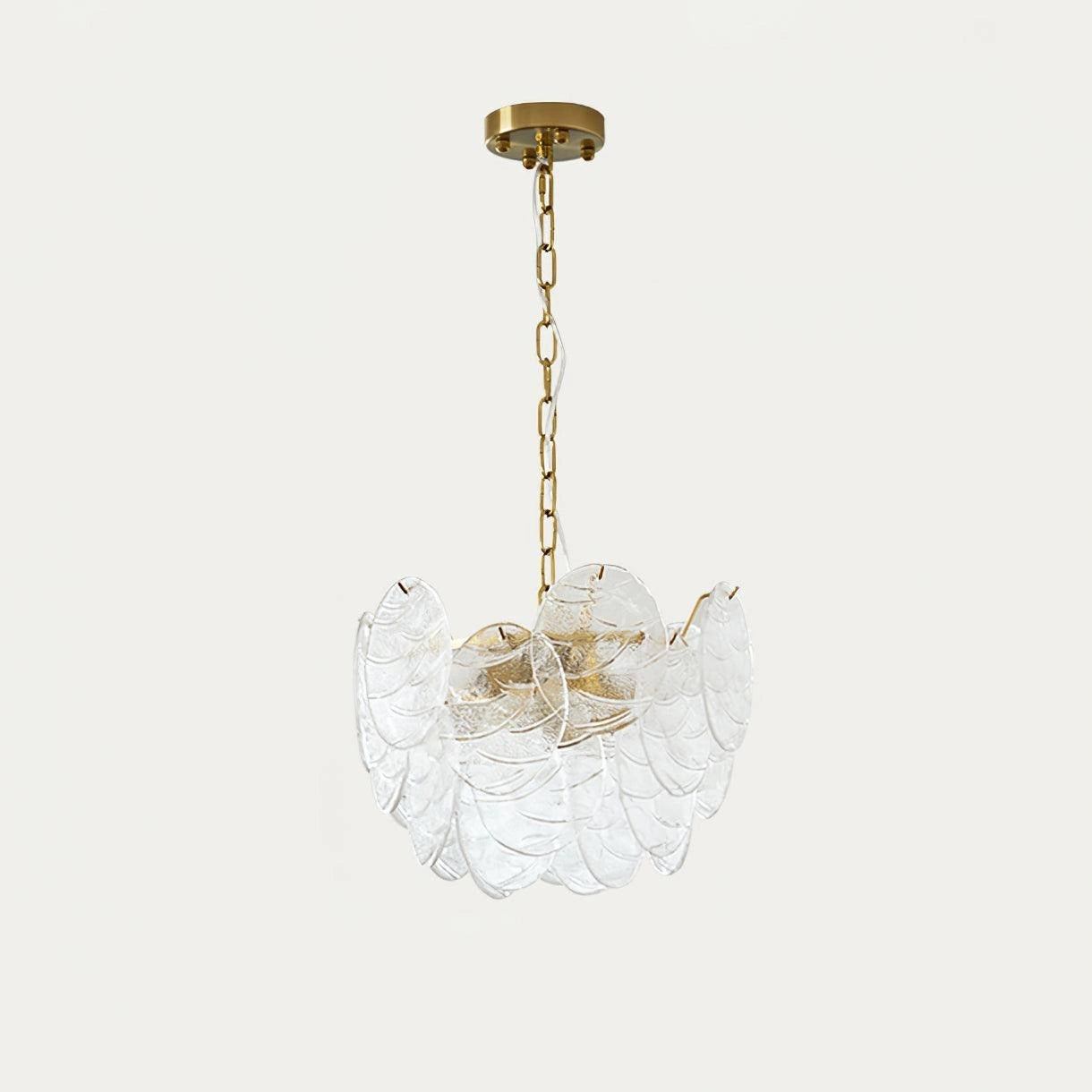
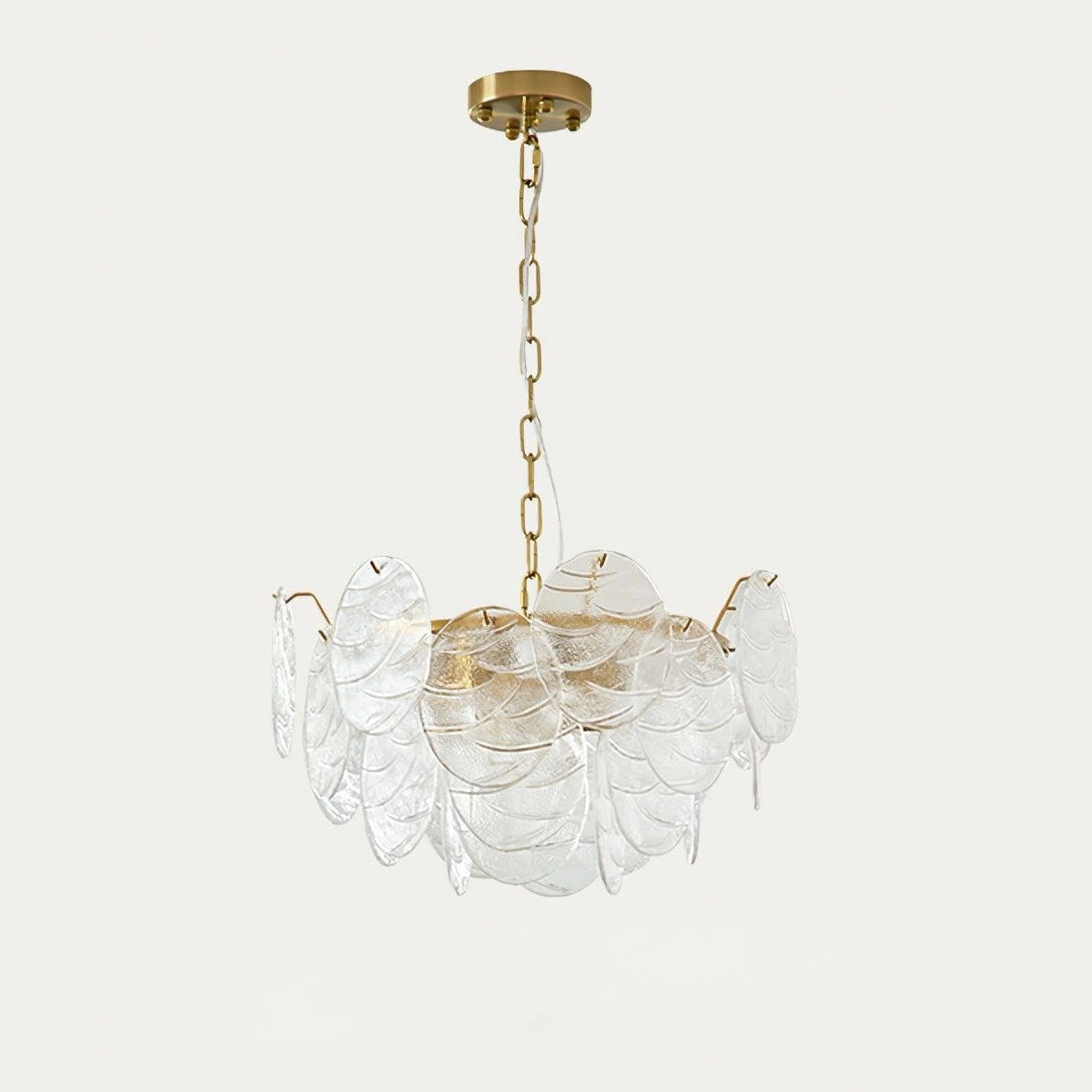
La superposición de elementos va más allá de apilar muebles o colgar obras de arte; se trata de cómo interactúan los elementos en diferentes planos de visión. Una lámpara de araña de diseño magistral, como la Lámpara de araña Bennett Modern Wave Disc de cristalActúa como un puente entre el techo y el espacio habitable, introduciendo una complejidad rítmica que la iluminación empotrada simple nunca podrá lograr.
La dimensión vertical: Rompiendo el horizonte
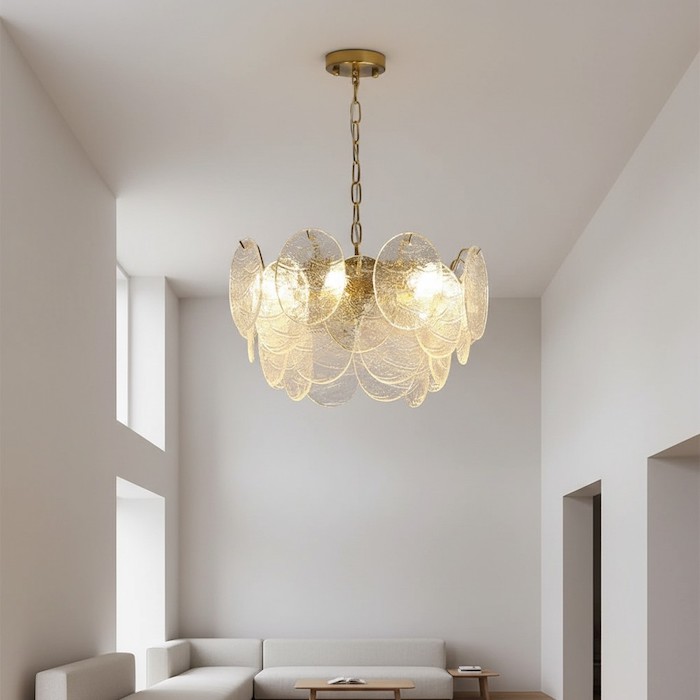
La mayoría de los interiores adolecen de una tendencia a centrarse en la horizontalidad. Nuestros ojos tienden a seguir los muebles, las alfombras y las mesas, que se ubican en la parte inferior de la habitación. Sin una intervención vertical, la parte superior se percibe vacía o desconectada. Una lámpara de araña llamativa rompe eficazmente esta horizontalidad. Al descender en el campo visual, obliga a la mirada a dirigirse hacia arriba, ampliando la percepción del volumen del espacio.
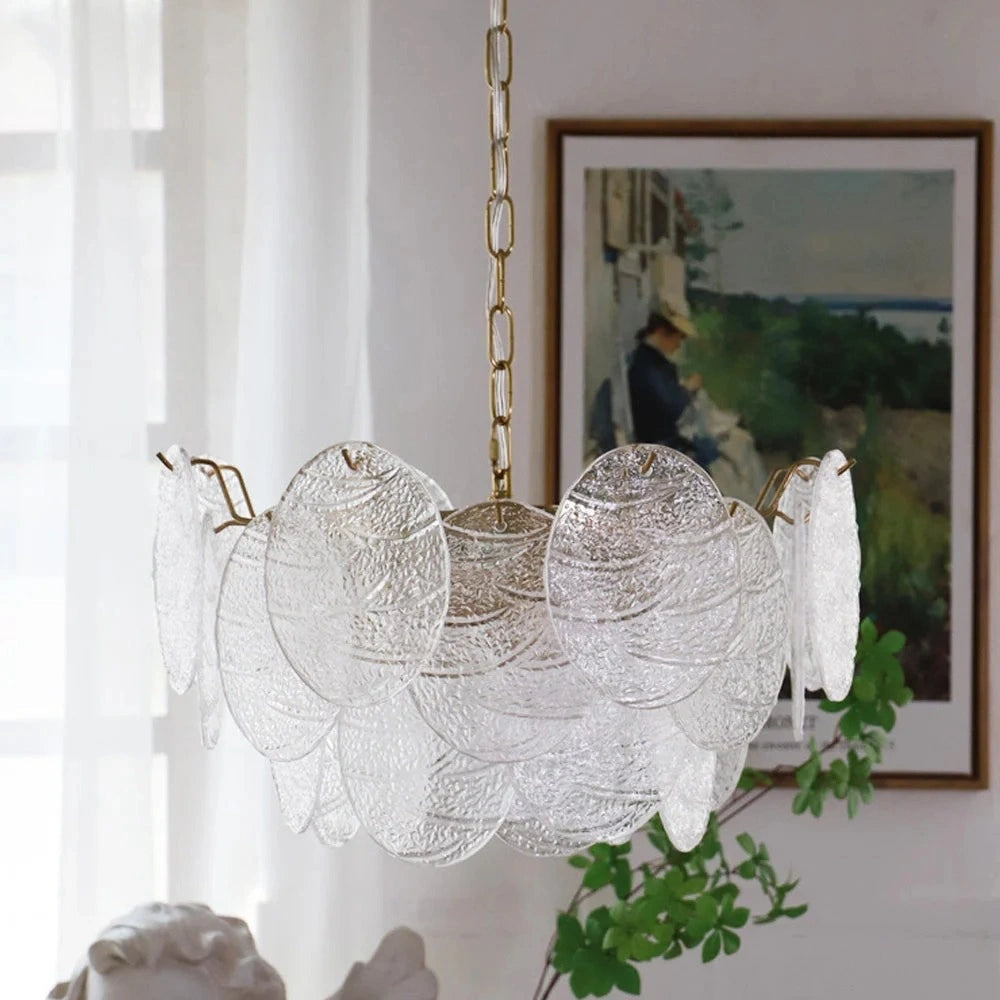
El diseño de "onda" es particularmente efectivo para esta expresión vertical. A diferencia de las cajas geométricas estáticas, un patrón de onda sugiere un estado de flujo. Imita movimientos naturales, como el oleaje del océano o el desplazamiento de las nubes. Esta cualidad orgánica evita que la habitación se sienta demasiado rígida o estéril, especialmente en diseños modernos que dependen en gran medida de esquinas afiladas y acabados industriales. Este enfoque fluido ofrece una alternativa refrescante a lo más tradicional. Elementos geométricos en el diseño de iluminación contemporáneo.
Creación de jerarquía visual a través de la forma
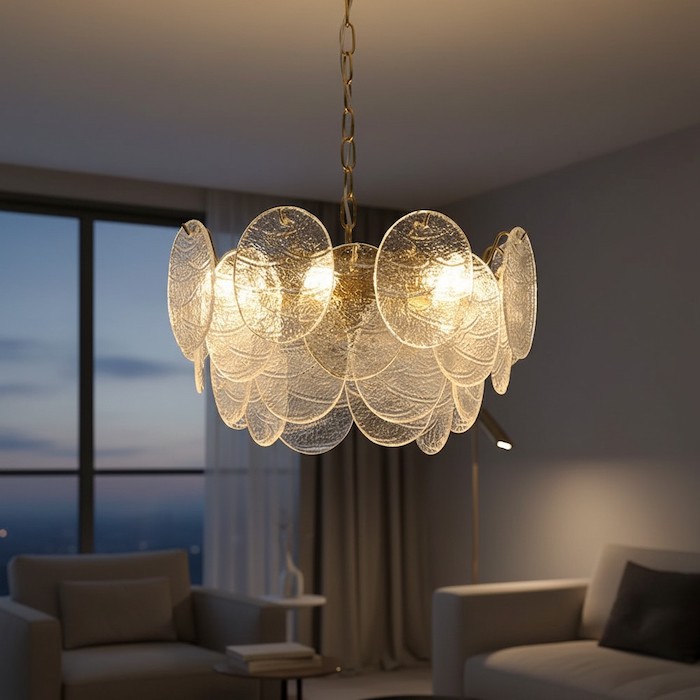
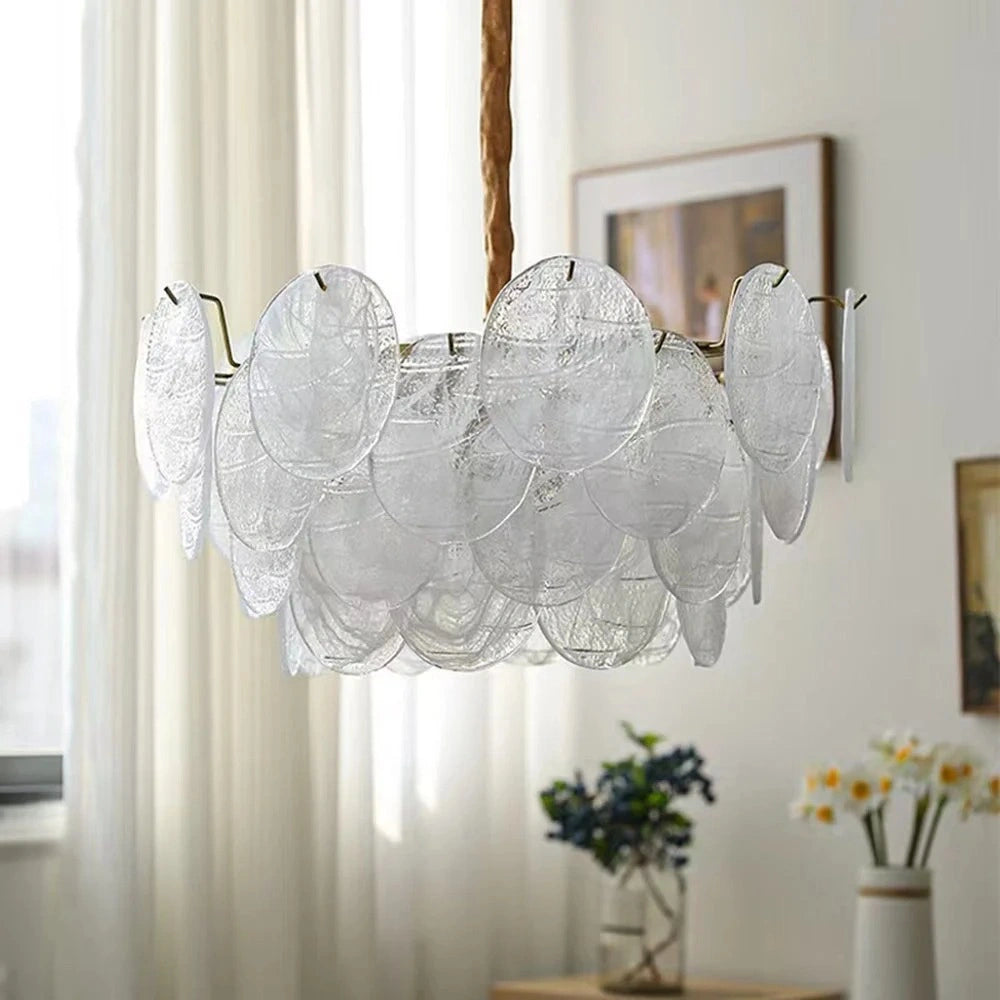
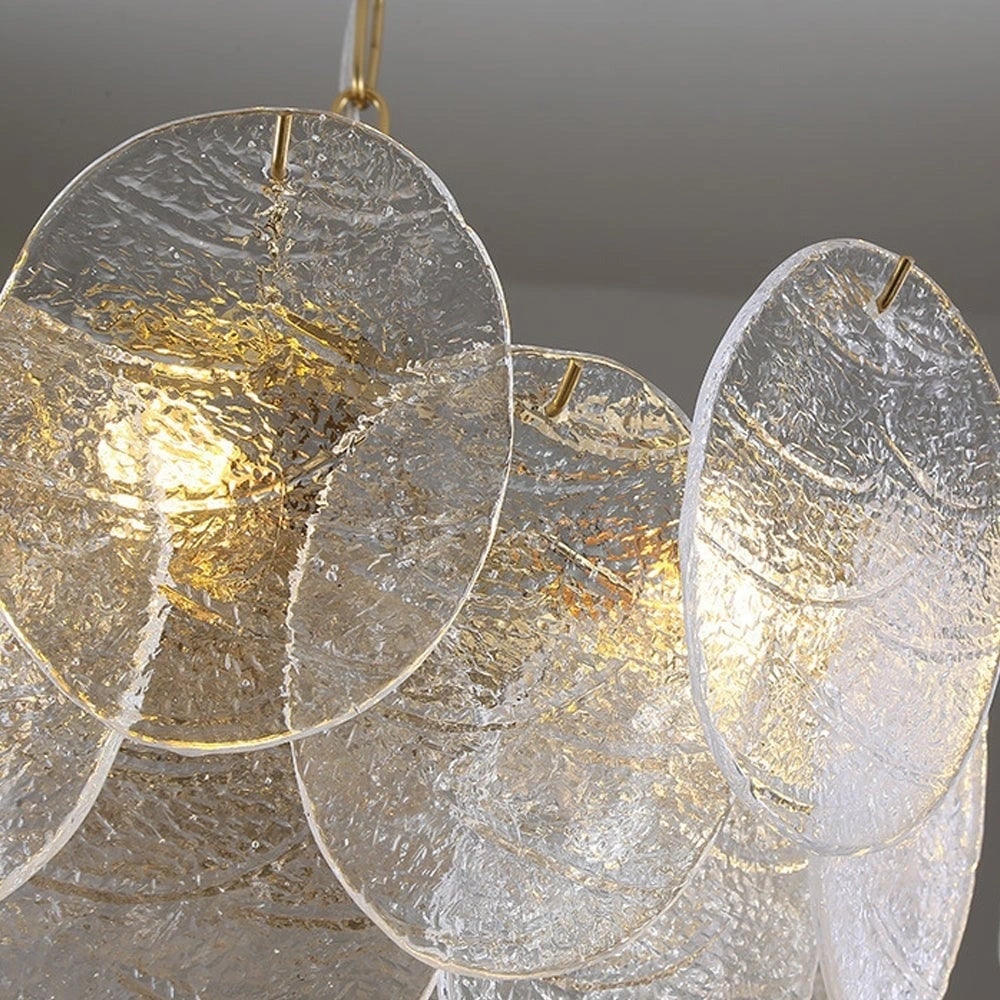
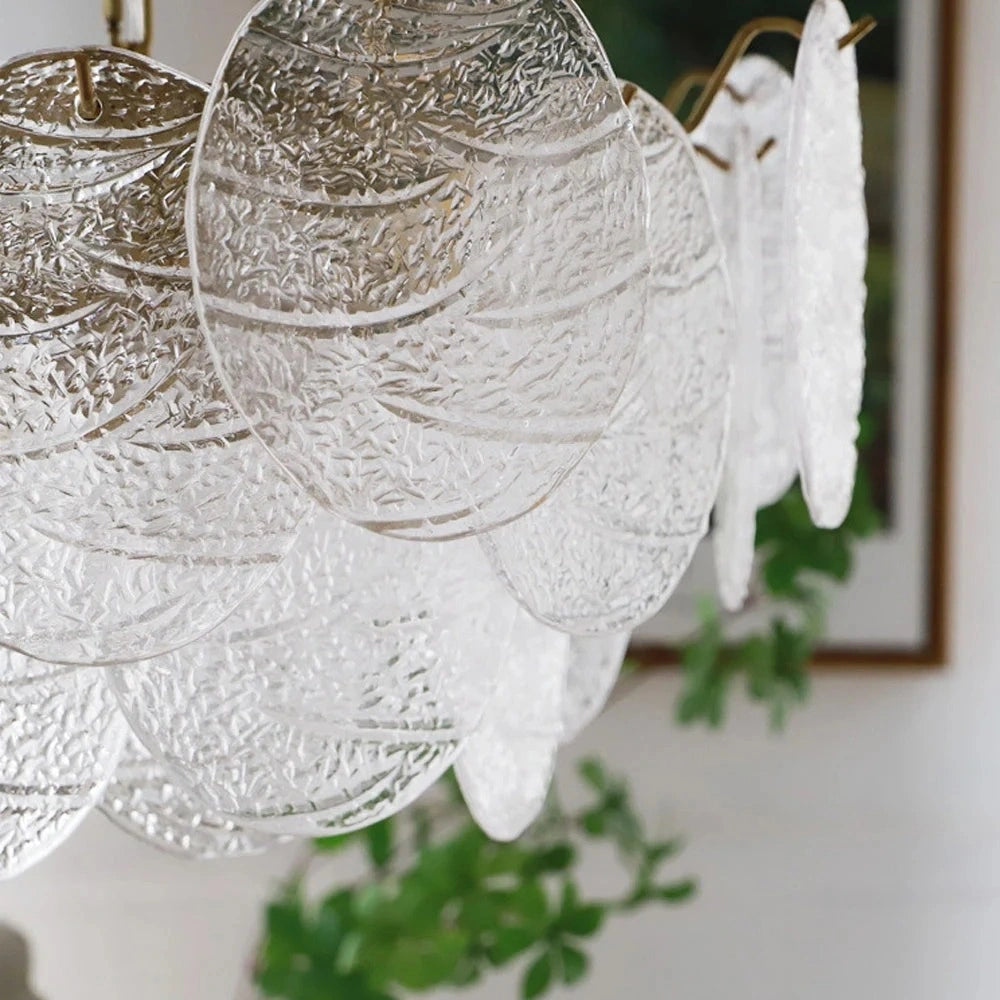
Toda habitación exitosa necesita un "héroe". En un comedor o una sala de estar formal, ese héroe es casi siempre la iluminación. Lámpara de araña Bennett Modern Wave Disc de cristal Utiliza una arquitectura basada en discos que crea un fascinante juego de luces y sombras. A medida que la luz atraviesa las diferentes alturas de las "ondas", crea un brillo en capas: algunas áreas son brillantes y enfocadas, mientras que otras son suaves y ambientales.
Esta variación es la esencia de la iluminación por capas. Si una habitación se ilumina uniformemente desde todos los ángulos, se vuelve plana y poco acogedora. Al centralizar el impacto visual en una luminaria con forma de onda, se crea una jerarquía. La luz se convierte en un punto focal, atrayendo a las personas hacia el centro de la habitación e incitando a la conversación. Actúa como un límite invisible que define la "zona social" de un hogar sin necesidad de paredes físicas.
"Donde el movimiento orgánico se une a la precisión arquitectónica."
Compra la lámpara de araña Bennett Modern Wave DiscLa iluminación por capas resulta más efectiva cuando imita la complejidad de los paisajes naturales. Imagina tu lámpara de araña como la copa de un bosque: crea la atmósfera principal, mientras que los detalles más pequeños simulan la luz del sol que se filtra entre los árboles y llega hasta el suelo.
Ritmo y movimiento: La psicología de la ola
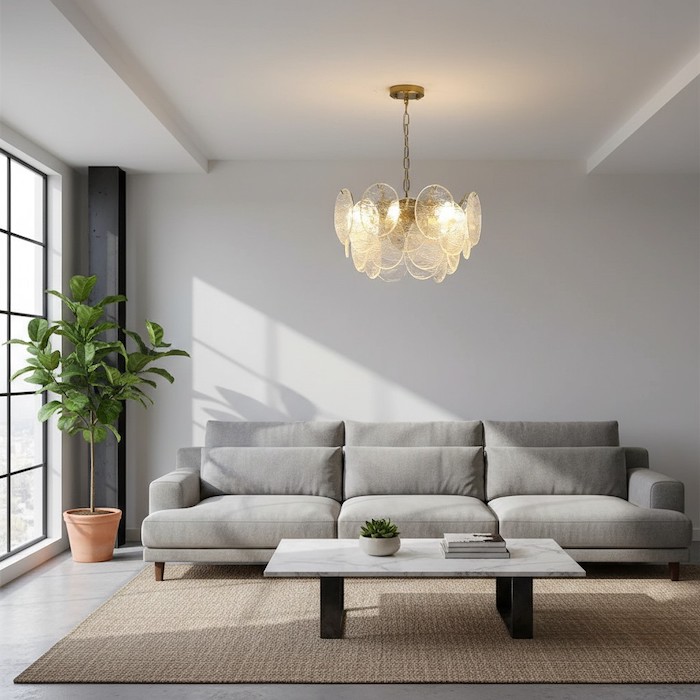
Las curvas transmiten una sensación de bienestar psicológico. Mientras que las líneas rectas representan el orden y la lógica, las curvas simbolizan la vida y la relajación. En el diseño espacial, el concepto de "disco ondulado" introduce una sensación de ritmo. Al igual que una pieza musical tiene notas agudas y graves, la silueta ondulante de una lámpara de araña moderna crea una cadencia visual.
Este ritmo es esencial para espacios amplios y diáfanos. En una casa donde la cocina, el comedor y la sala de estar se integran armoniosamente, una lámpara de araña con forma de onda aporta un elemento unificador. Captura la fluidez del espacio y la refleja en la habitación, creando una sensación de dinamismo y reduciendo la percepción de espacios aislados.
Lograr el equilibrio en las transiciones
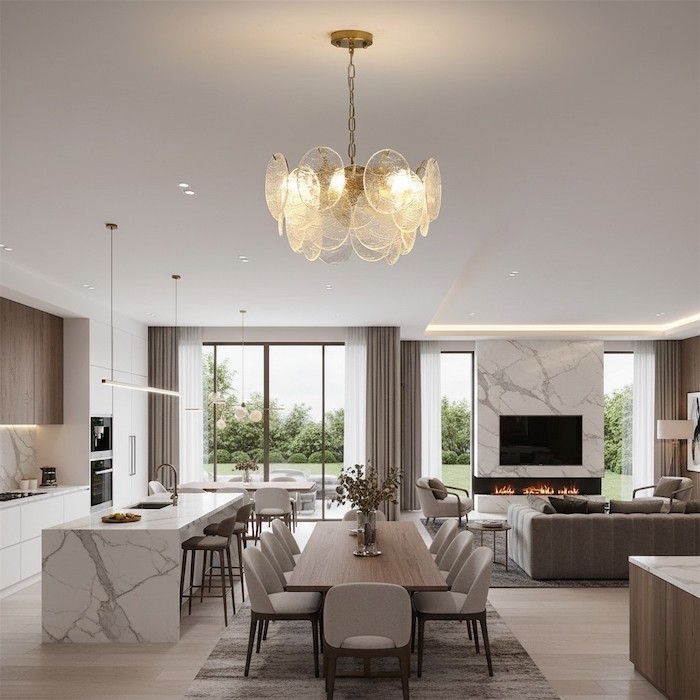
La transición entre habitaciones a menudo puede resultar brusca si el lenguaje de diseño cambia demasiado abruptamente. Una lámpara de araña con una expresión suave y ondulada sirve como una transición delicada. Suaviza los bordes duros de los gabinetes de la cocina o las estanterías de la sala de estar. Al incorporar esta forma orgánica en una habitación de alto contraste, se logra un estilo "moderno y suave" que actualmente domina el diseño editorial de alta gama. Dominar estas transiciones sutiles es una parte clave de La guía definitiva de iluminación moderna: realza tu espacio con elegantes luminarias..
Superposición práctica: Integración con la luz secundaria
Para dominar verdaderamente la expresión por capas, hay que entender cómo interactúa una lámpara de araña central con las fuentes de luz secundarias. Imagina tu habitación en tres capas:
1. La capa atmosférica: Este es el brillo suave y general que proporciona el Lámpara de araña Bennett Modern Wave Disc de cristalEstablece el punto de partida para el ambiente de la habitación.
2. La capa de tareas: Iluminación focalizada procedente de lámparas de pie o tiras de luces bajo los armarios que facilita la lectura o la cocina.
3. La capa de acento: Focos que resaltan obras de arte o elementos arquitectónicos.
La magia surge cuando la capa atmosférica —tu lámpara de araña— es lo suficientemente potente como para dar cohesión a la estancia, pero a la vez lo suficientemente sofisticada como para permitir que las demás capas brillen con luz propia. Un diseño de disco ondulado es perfecto para esto, ya que no solo proyecta luz, sino que la moldea. Crea una suave "envoltura" de luz que hace que las demás capas se sientan más integradas y armoniosas.
Lleva una obra maestra rítmica a tu hogar.
Vea la colección Bennett en Lonzo Design.El impacto emocional de la iluminación escultórica
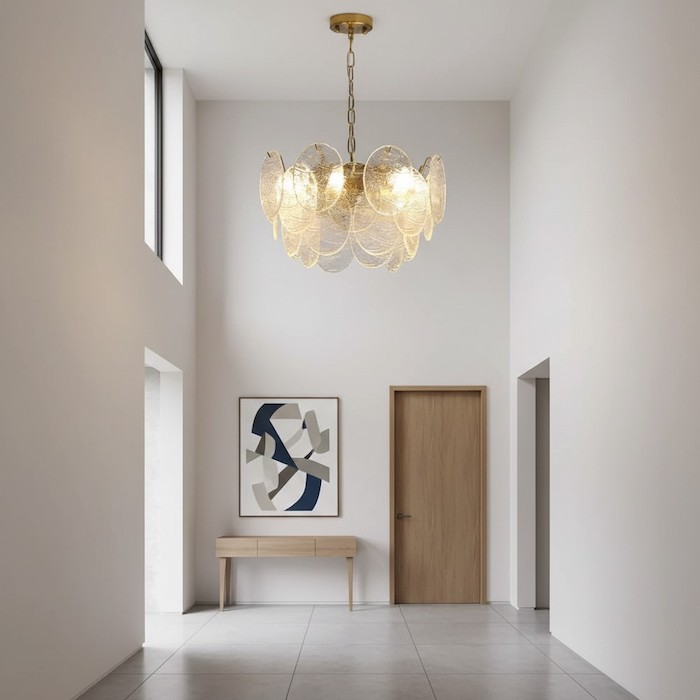
En definitiva, el diseño de interiores se centra en cómo te hace sentir un espacio. Una habitación con iluminación por capas se siente "completa". Da la sensación de ser un espacio que se ha ido creando con el tiempo, en lugar de haber sido amueblado de un día para otro. Al elegir una lámpara de araña que prioriza la expresión y la forma, estás expresando tu aprecio por el valor del arte en la vida cotidiana.
La lámpara de araña Bennett, con sus discos inspirados en las olas, es más que un objeto funcional; es una escultura que, además, brilla. Ya sea que cuelgue sobre una mesa de comedor de madera reciclada o que sirva como pieza central de un gran salón de techos altos, crea una sensación de bienvenida. Les comunica a sus invitados —y se lo recuerda cada día— que este es un hogar diseñado para la belleza, la comodidad y el arte de vivir bien.