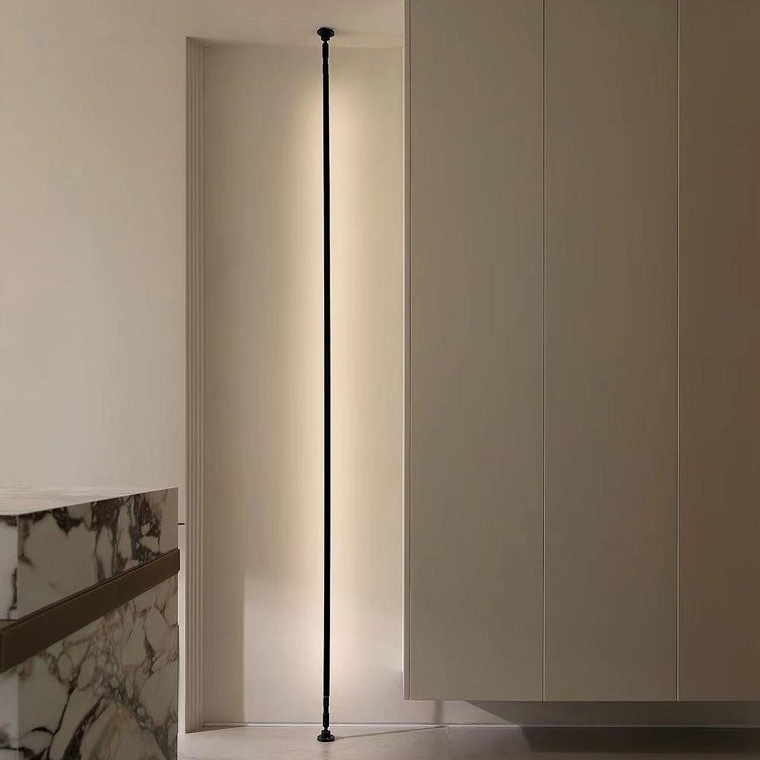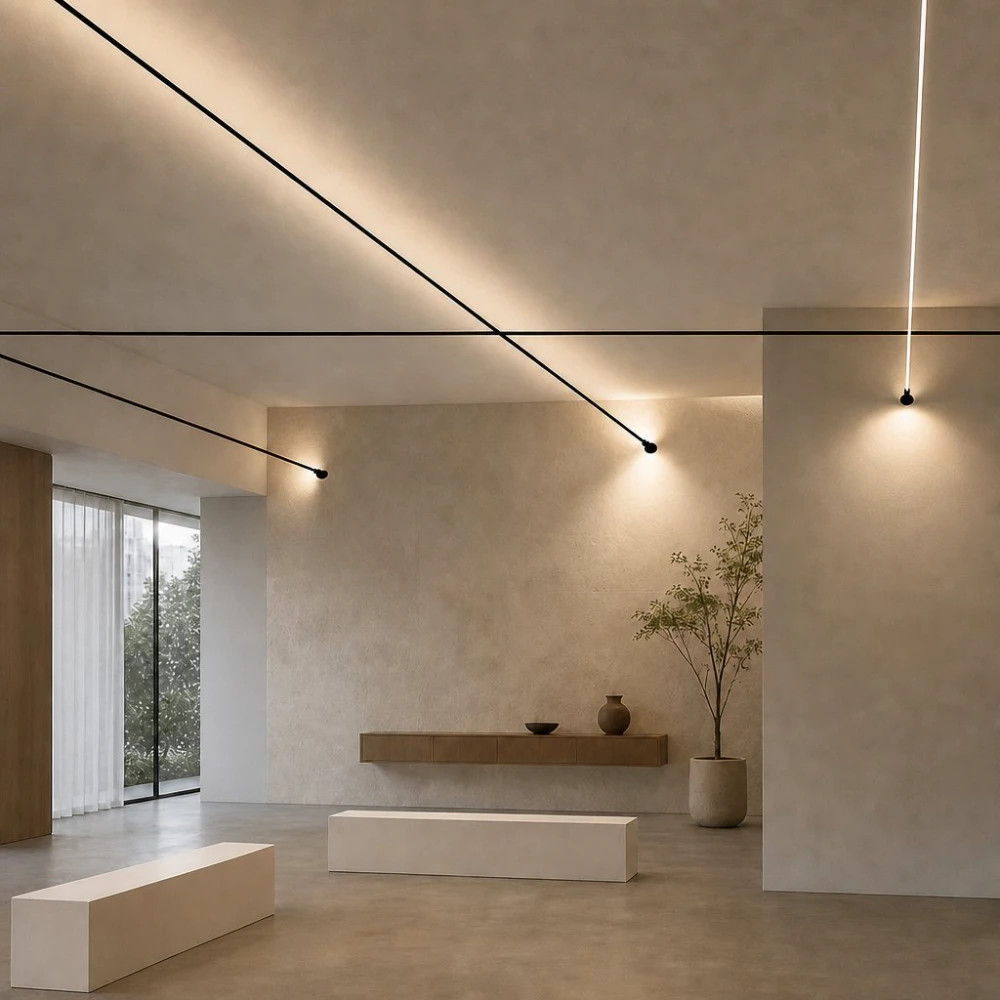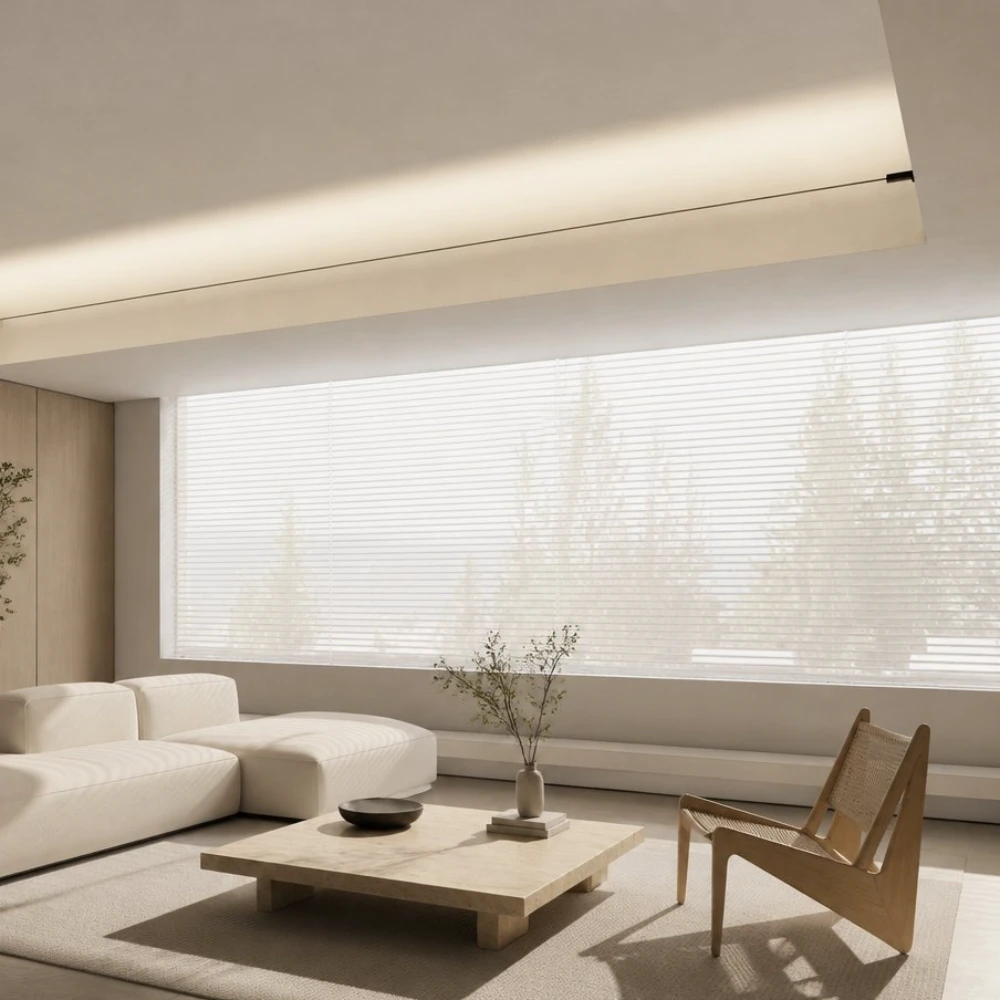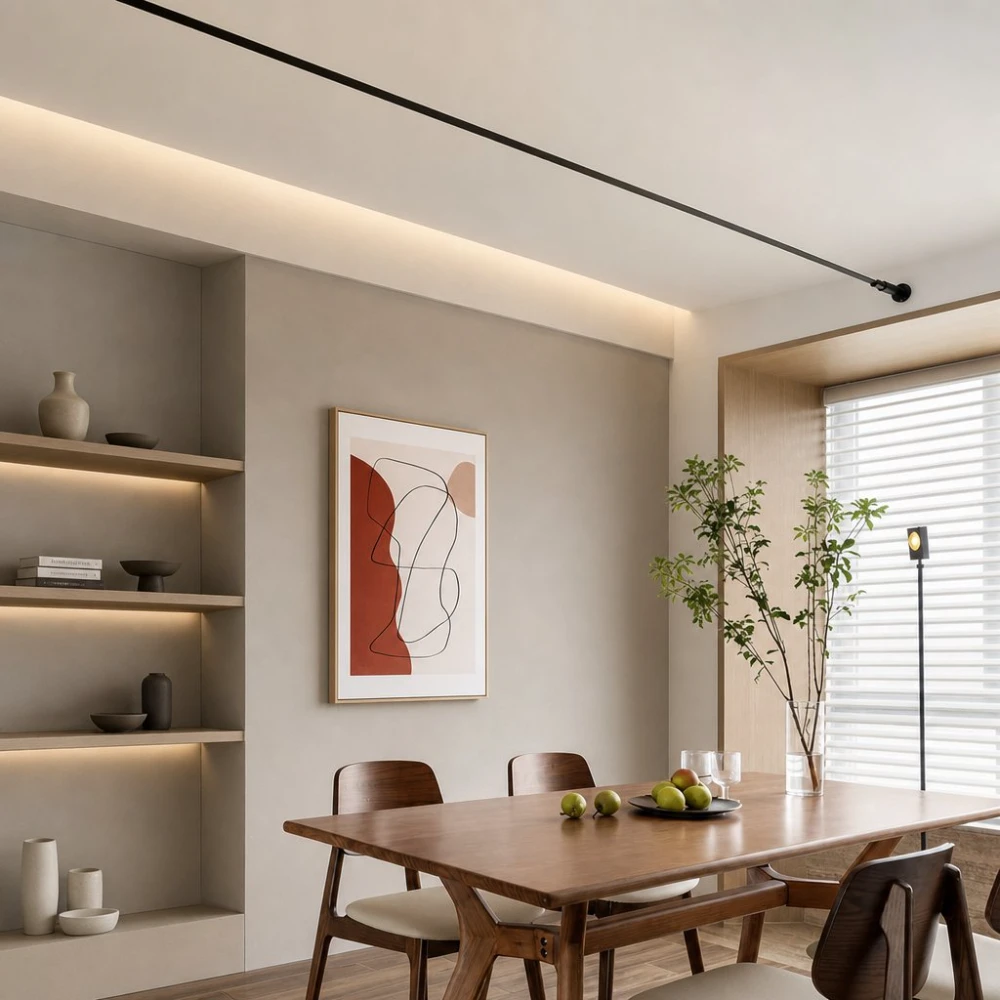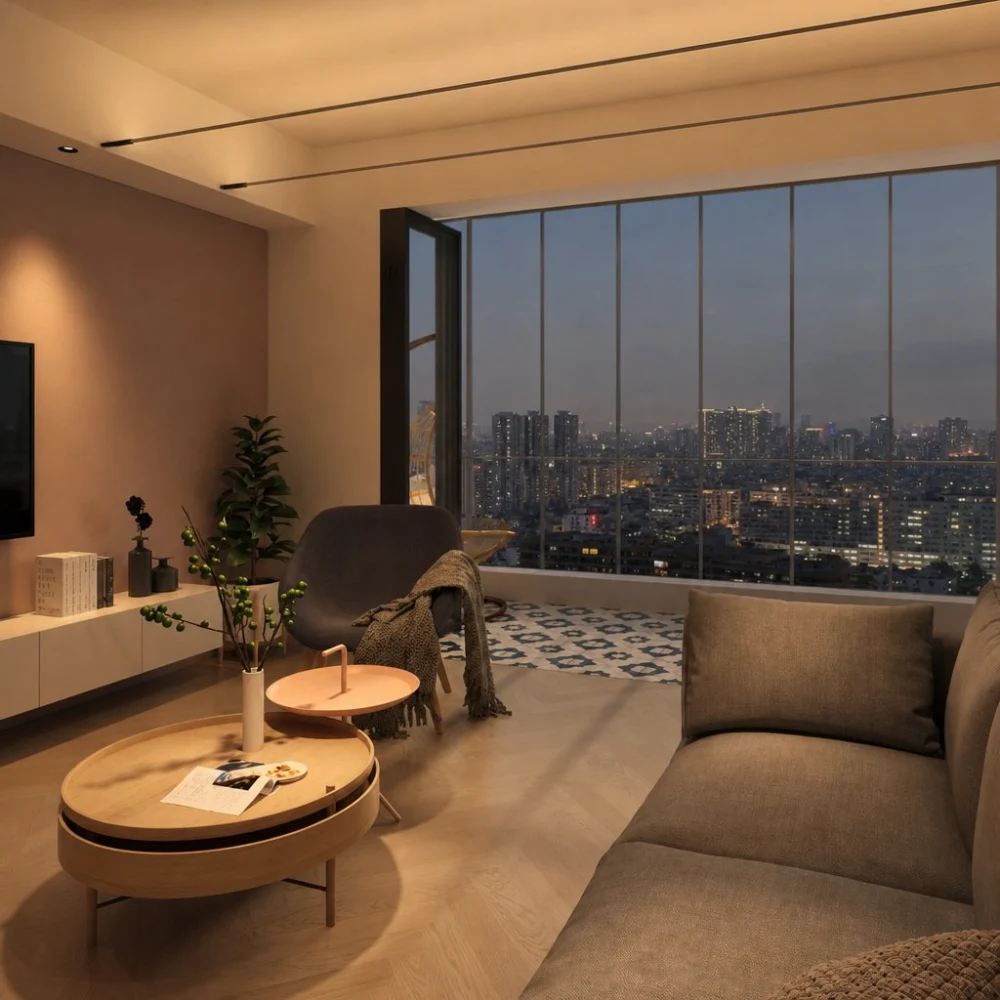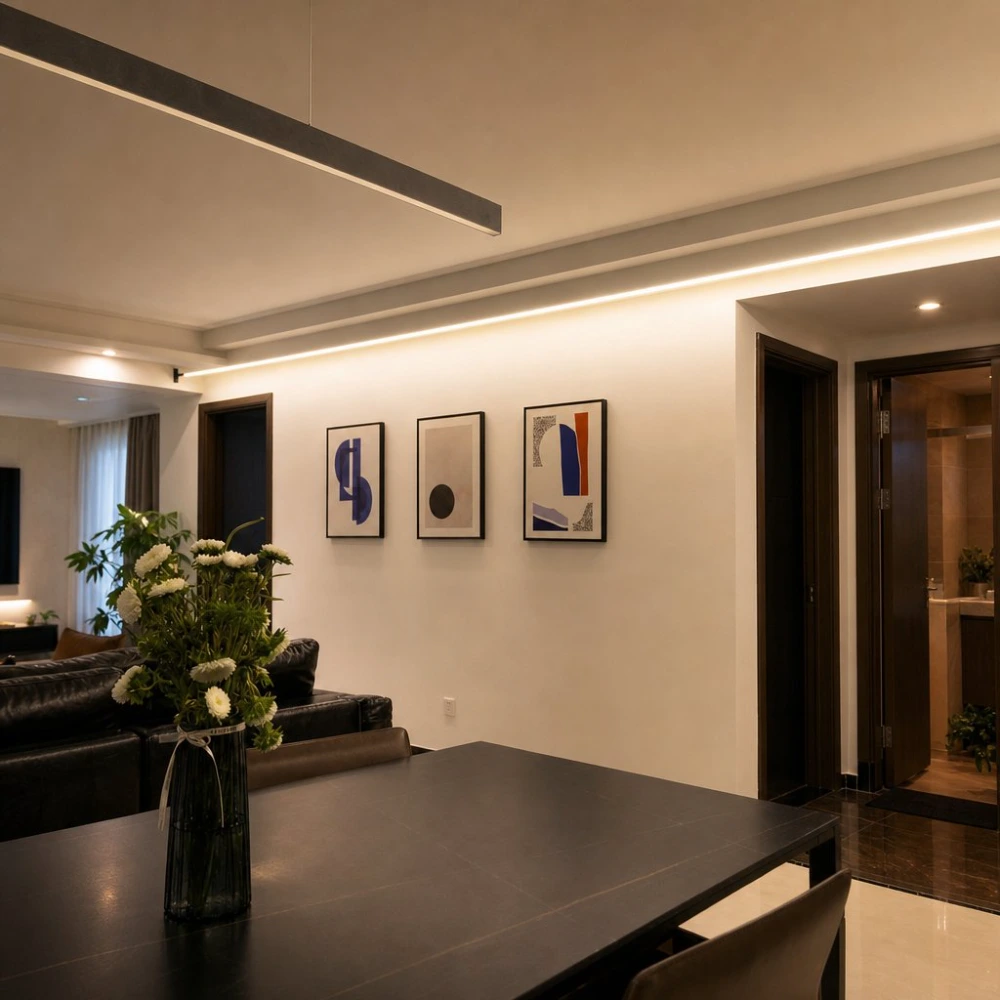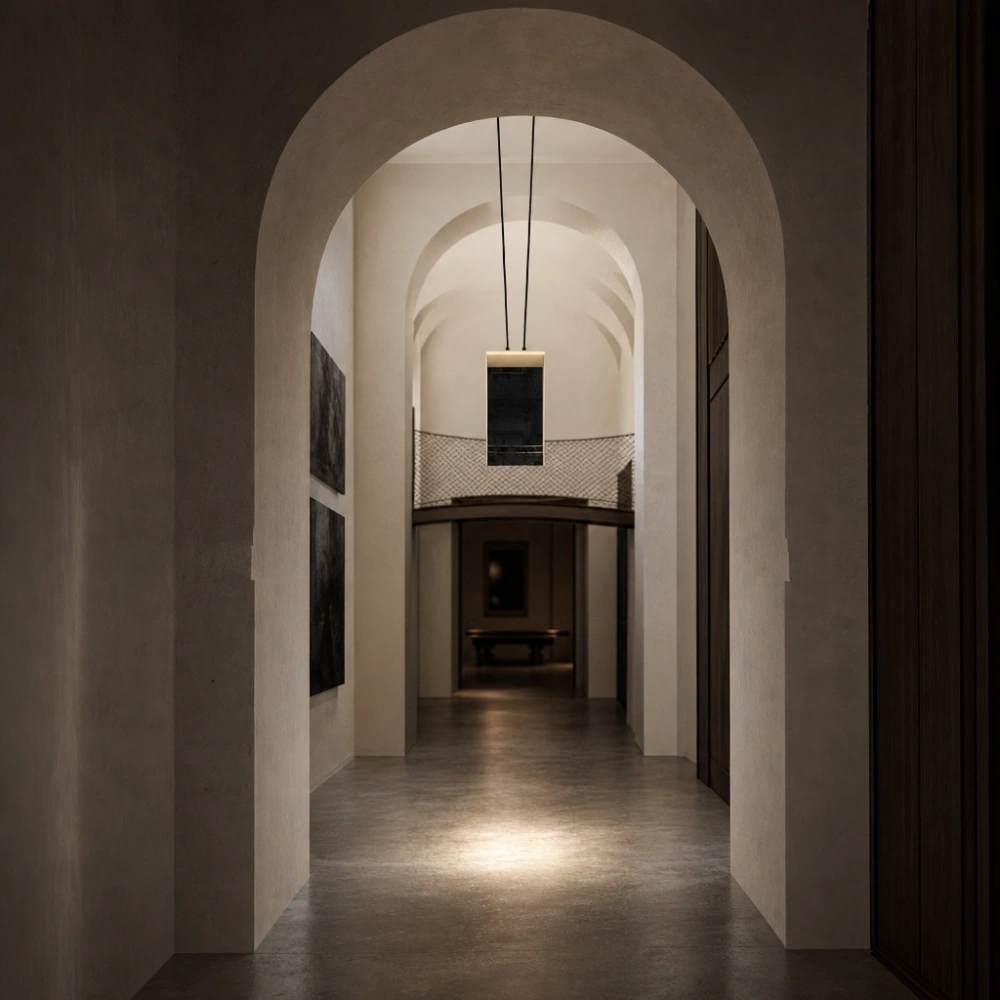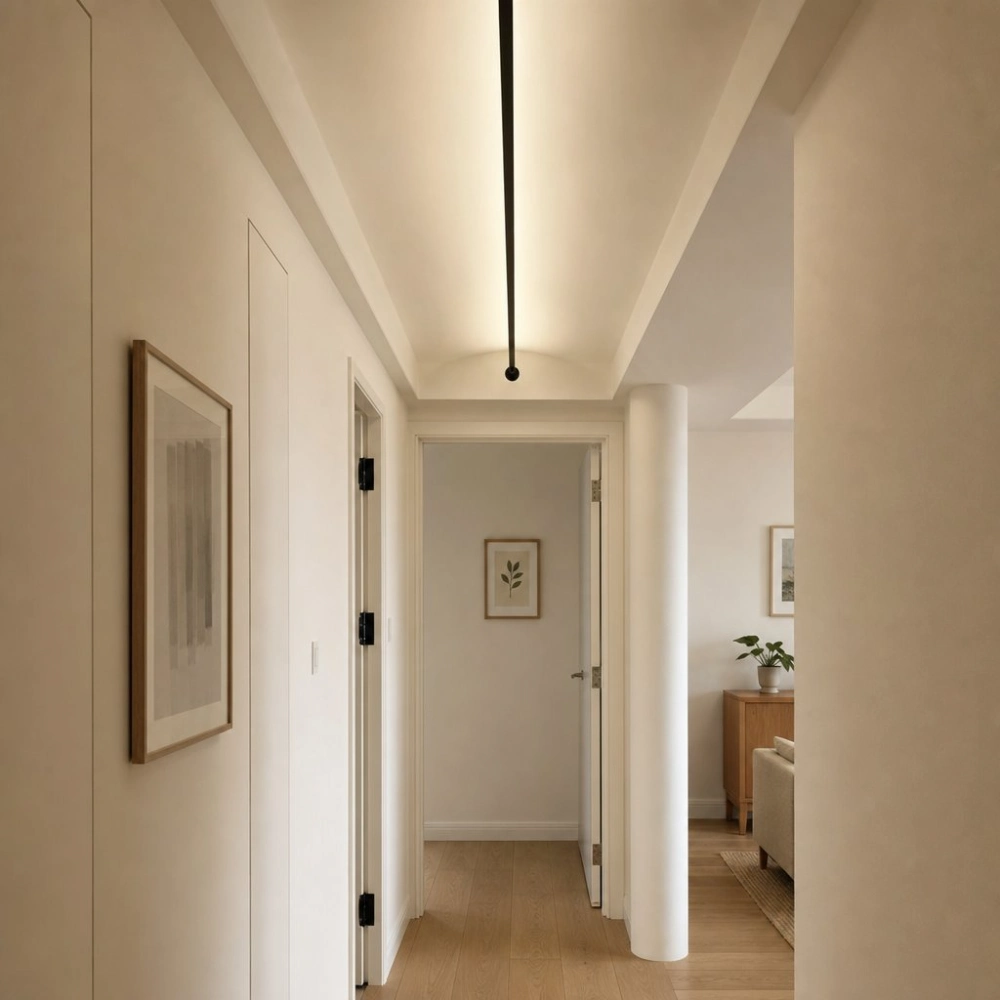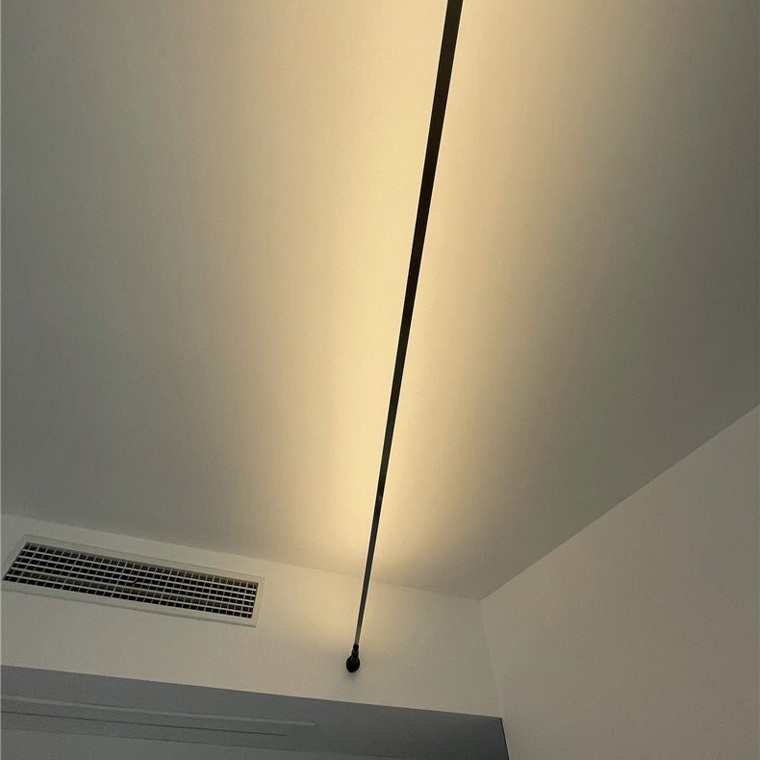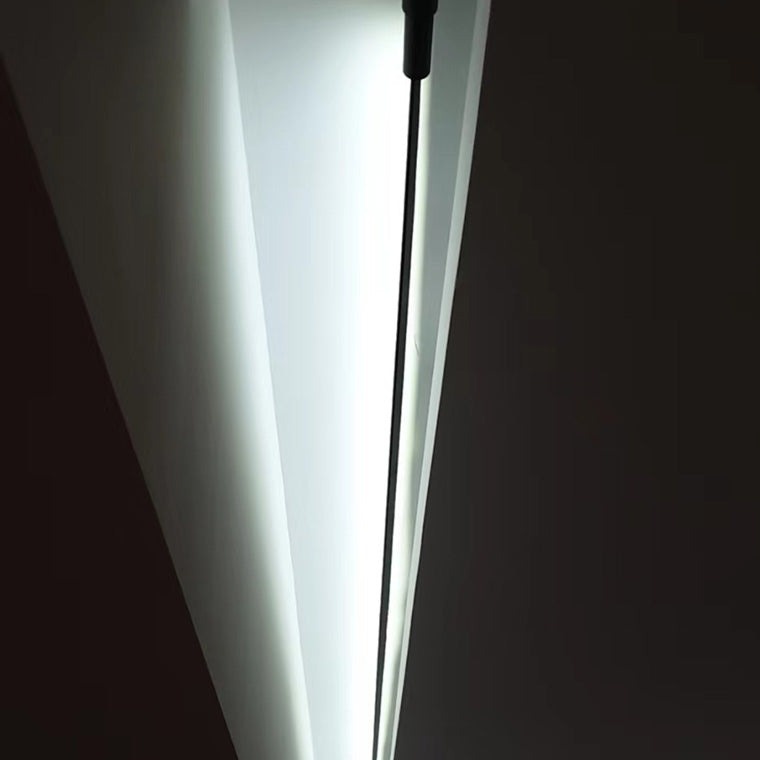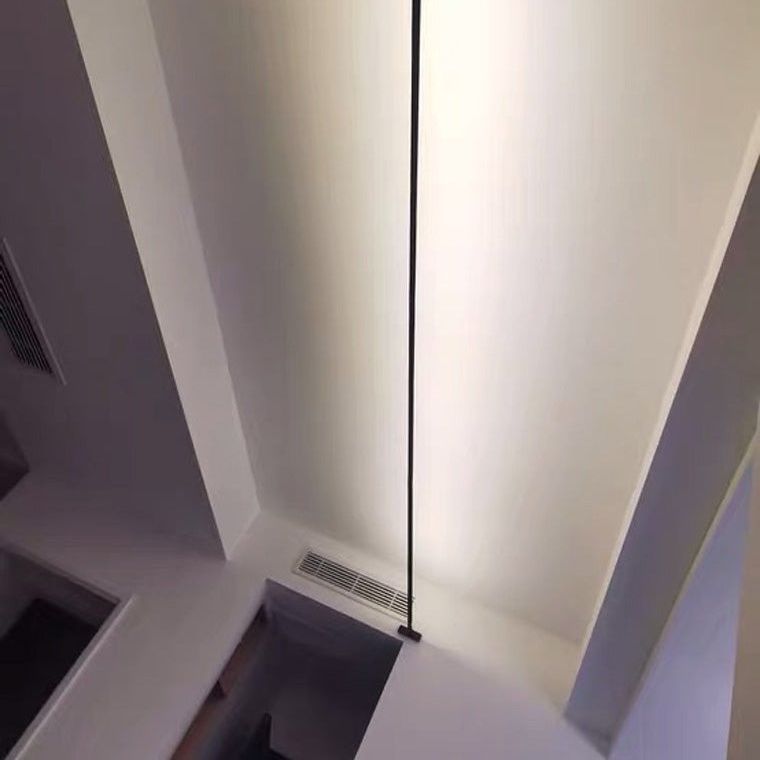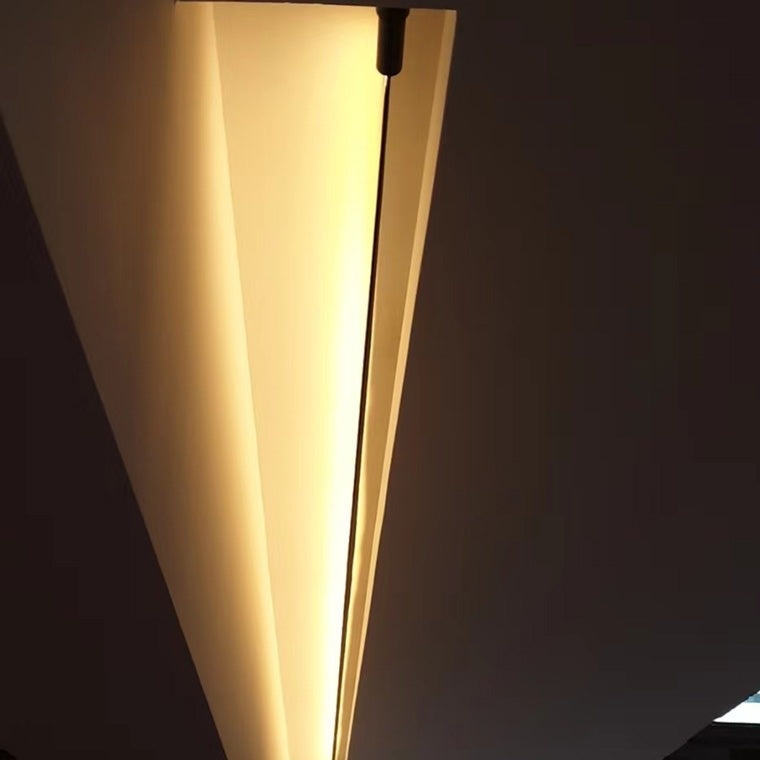

Forma, estructura y adaptación de la iluminación al espacio.
¿Es una lámpara de araña, una línea de luz o ambas cosas? Les presentamos la lámpara de araña lineal Skyline.
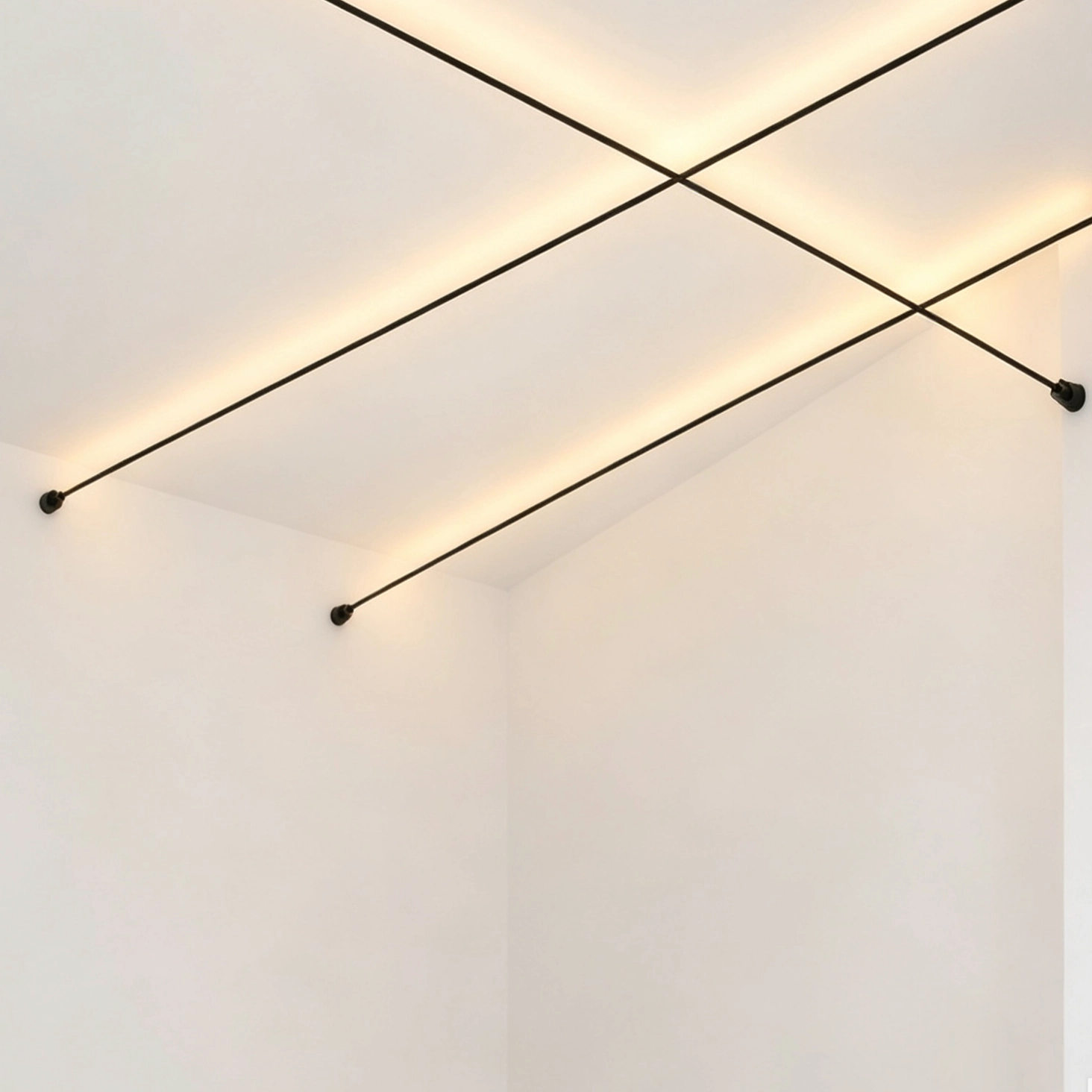
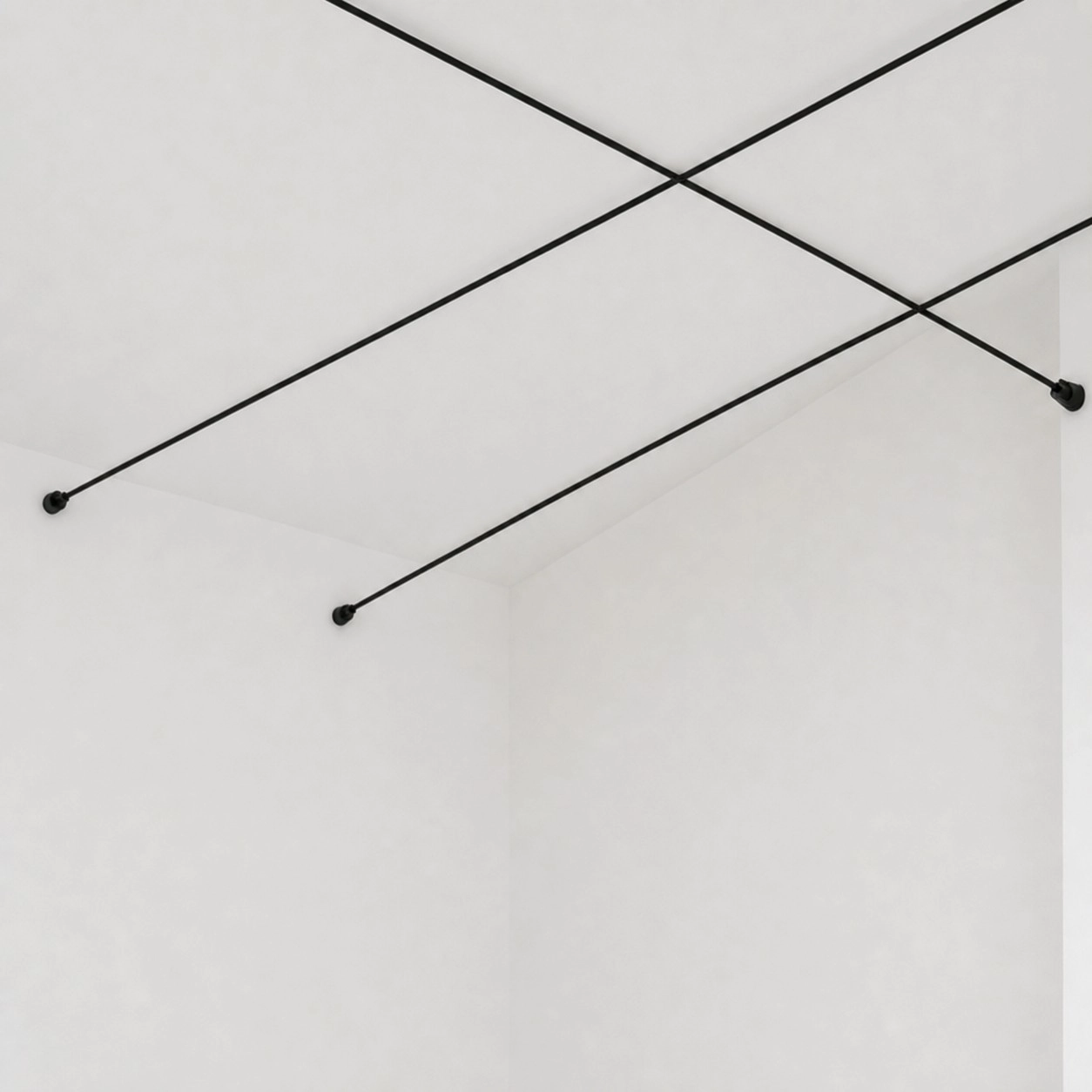
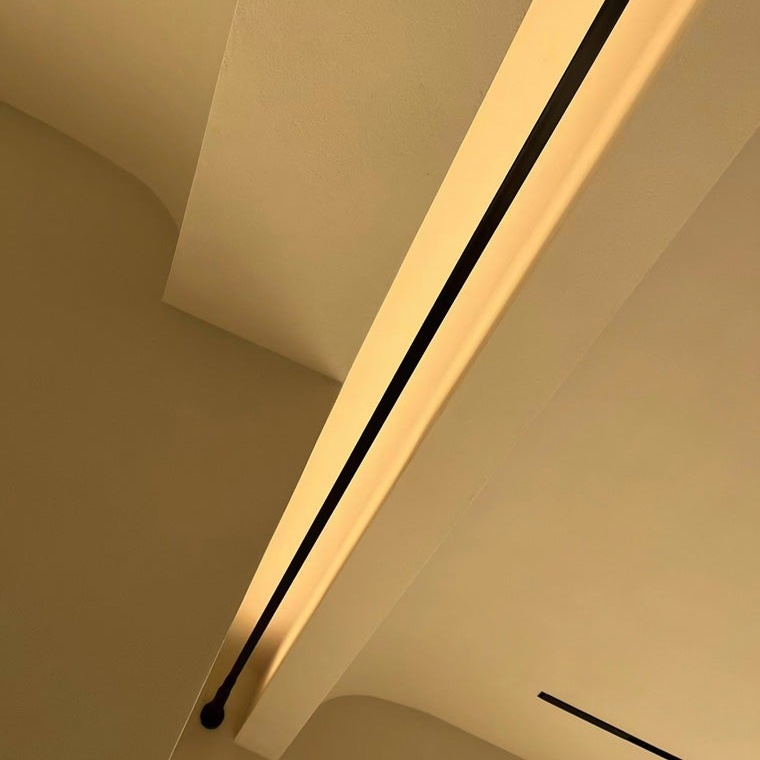
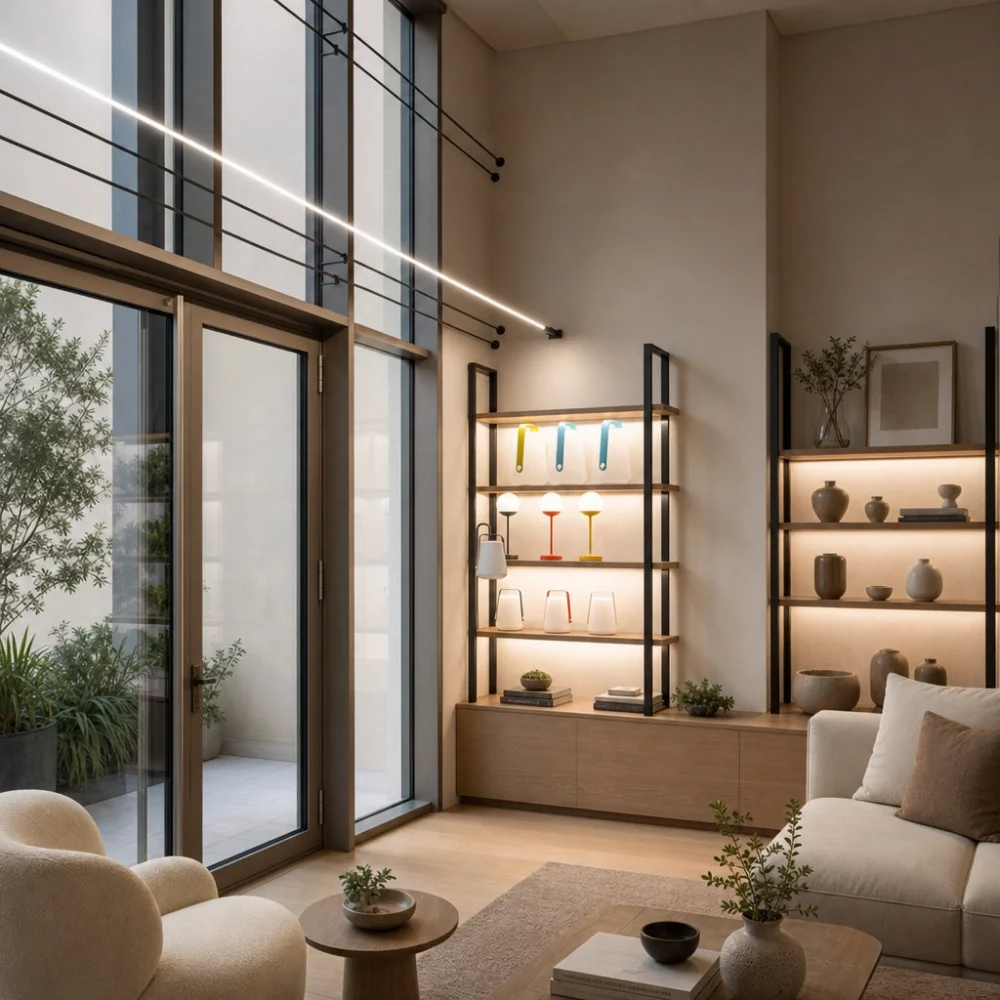
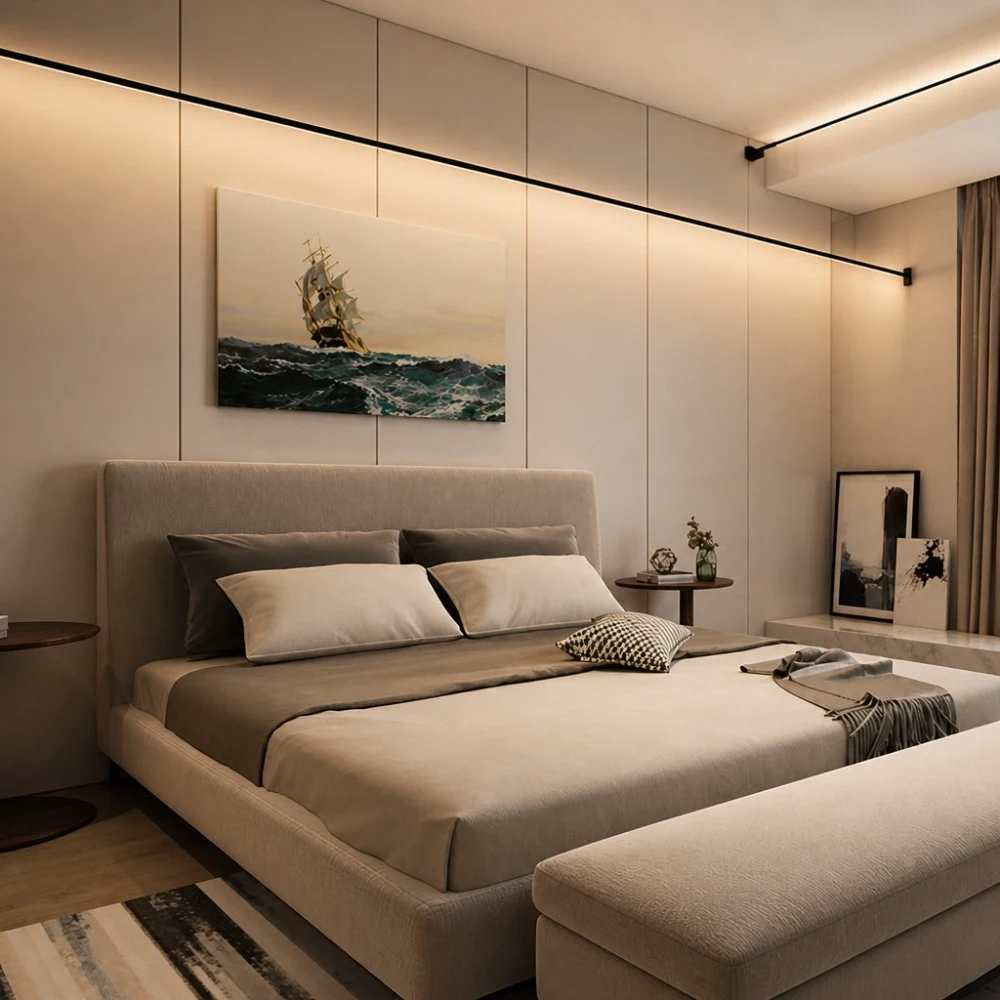
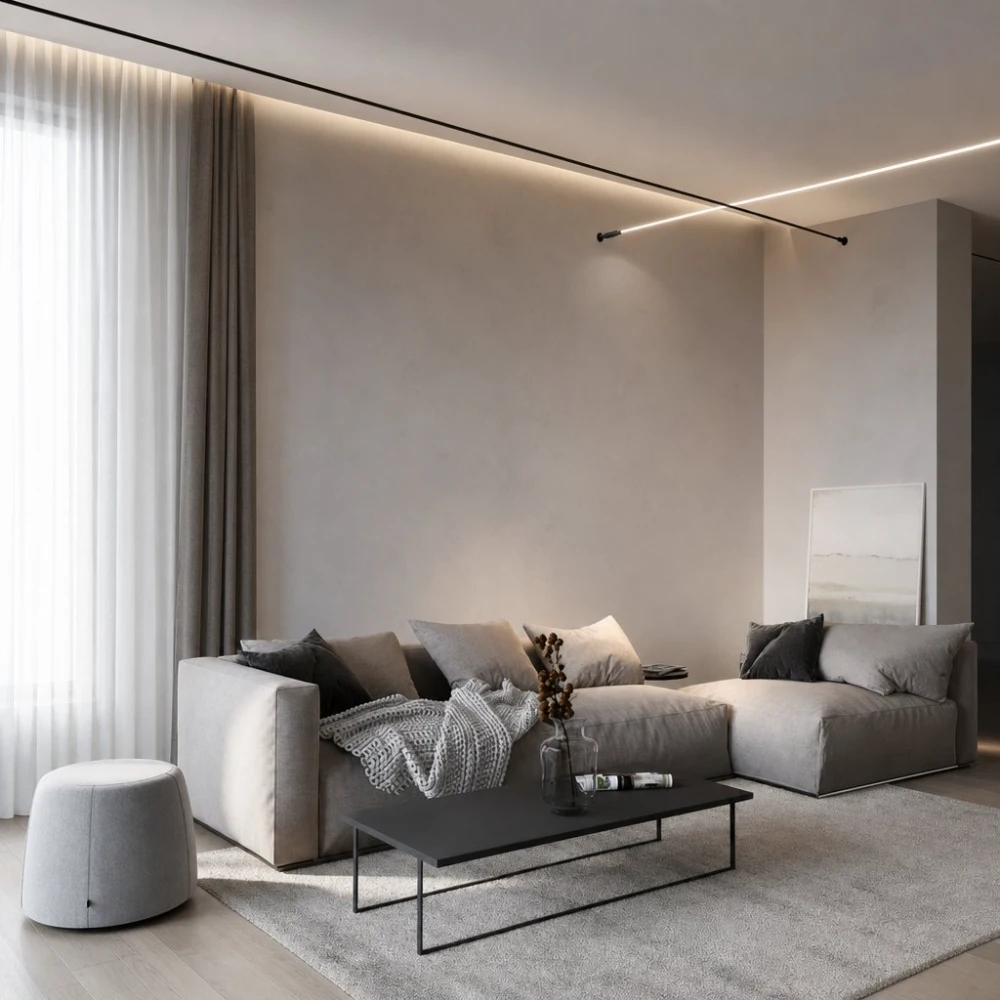
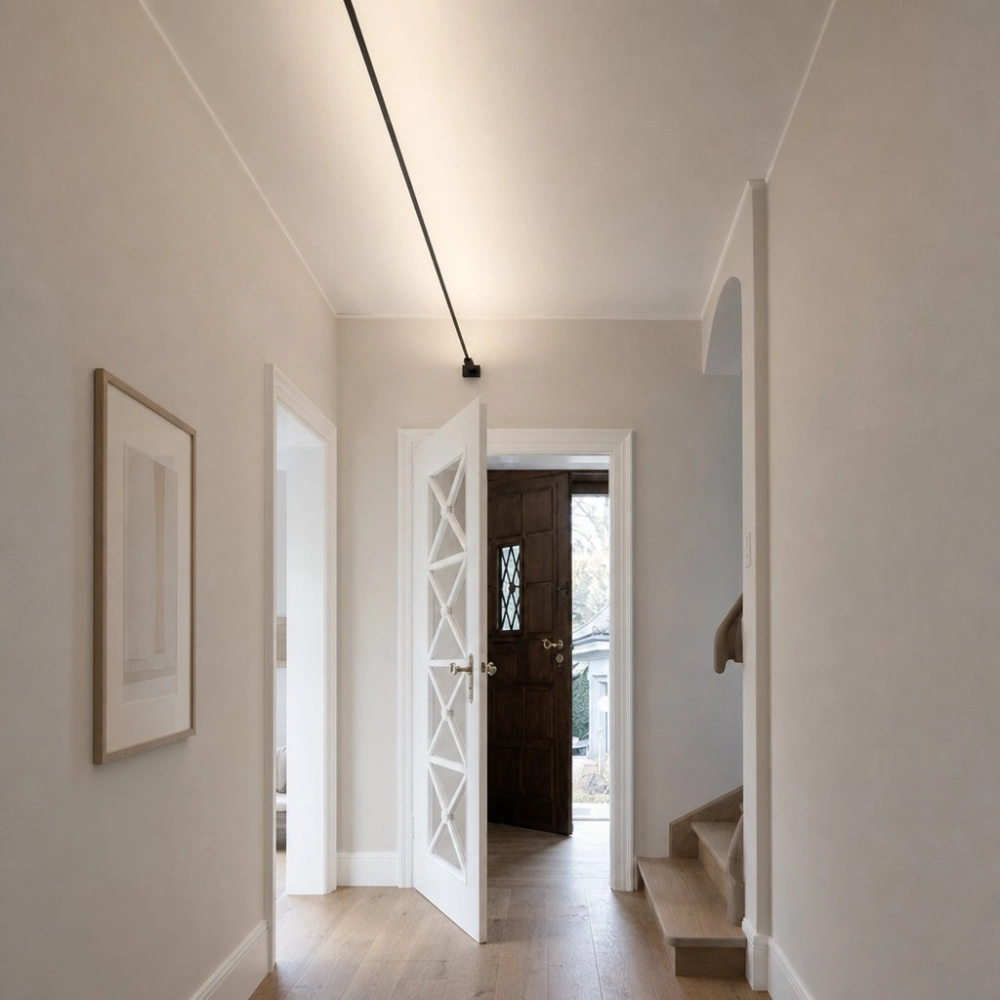
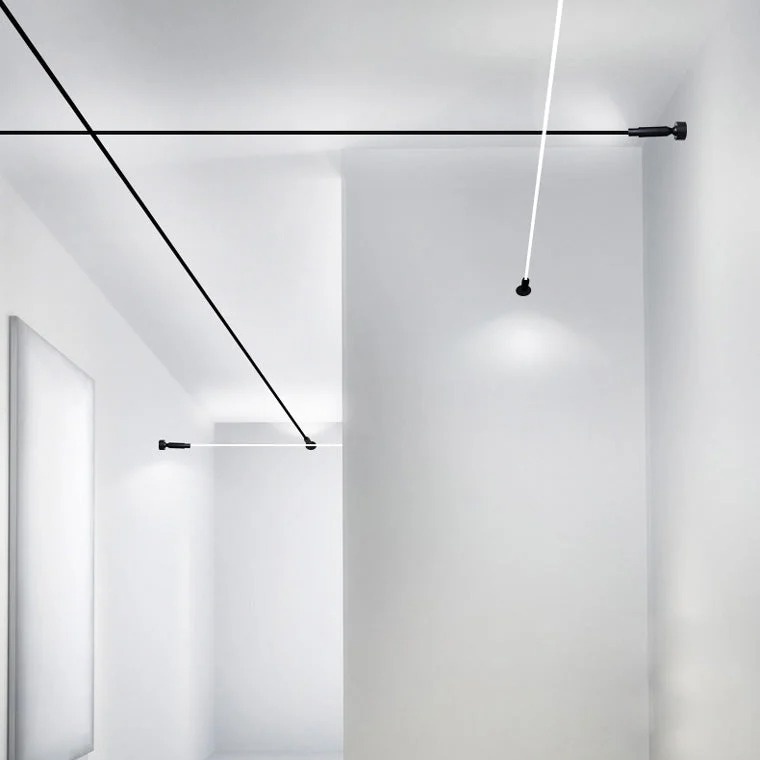
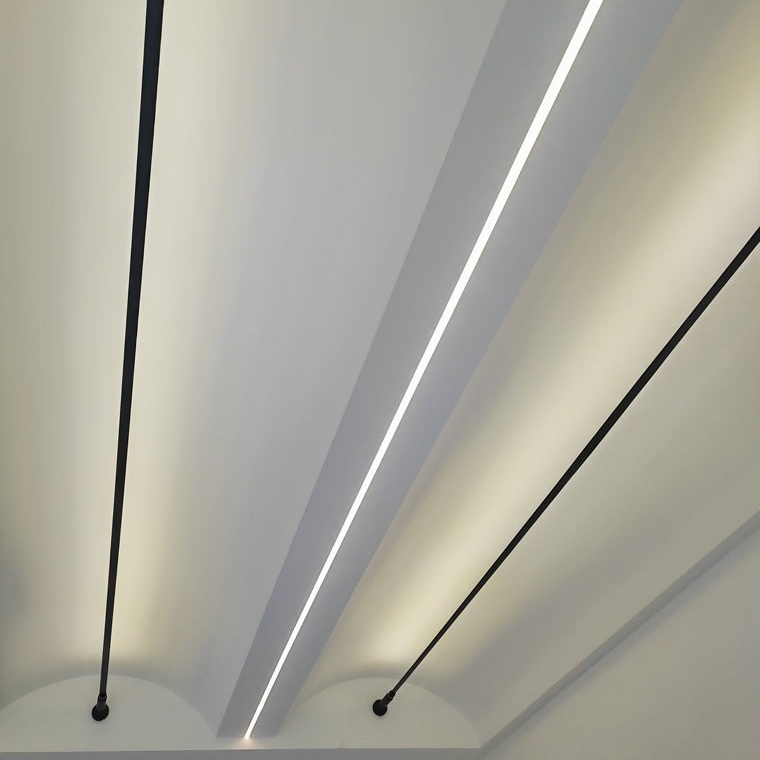
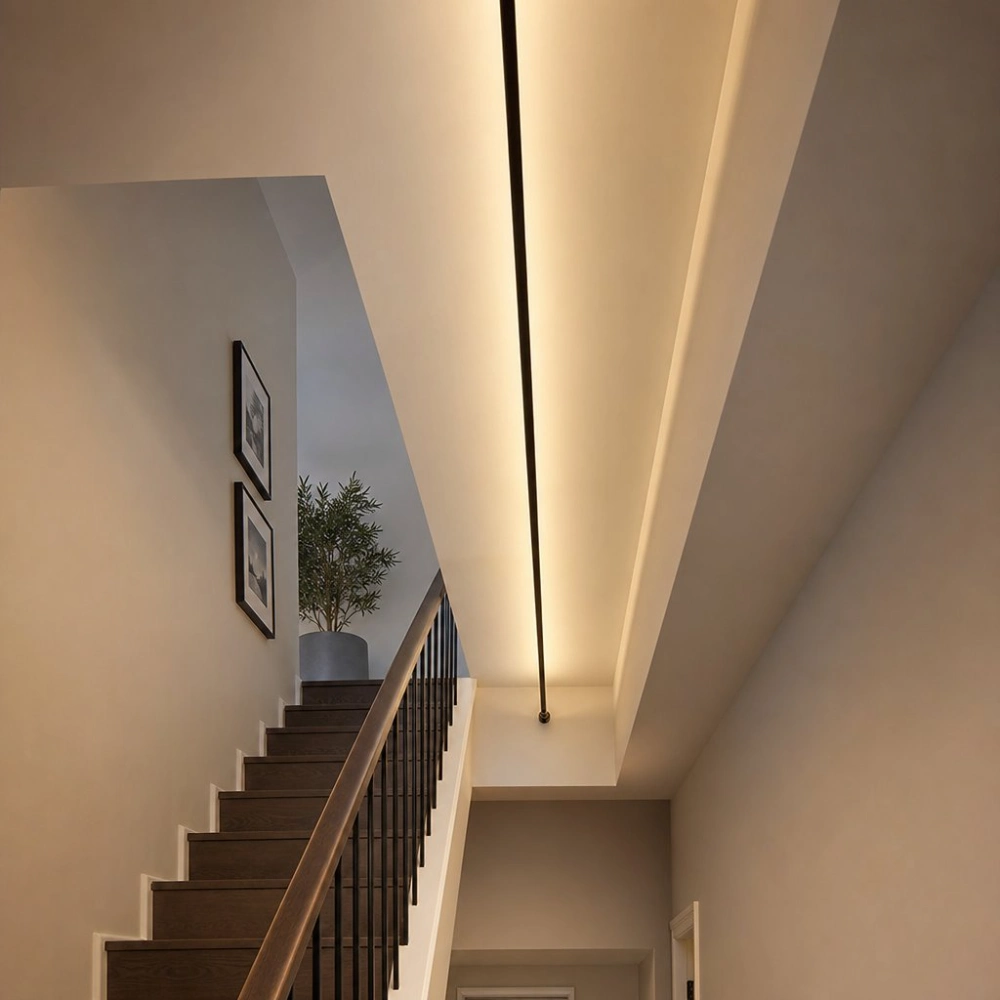
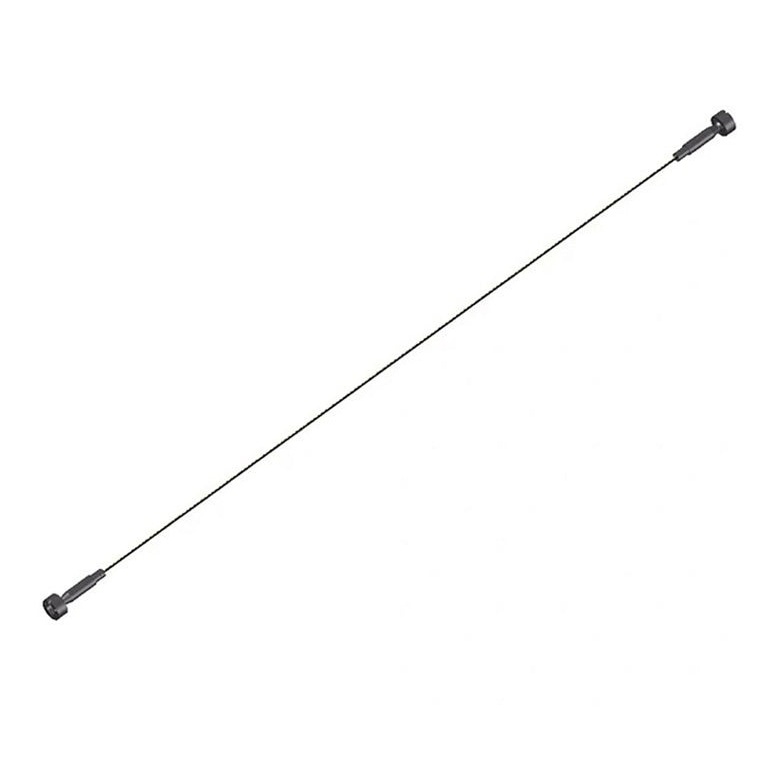
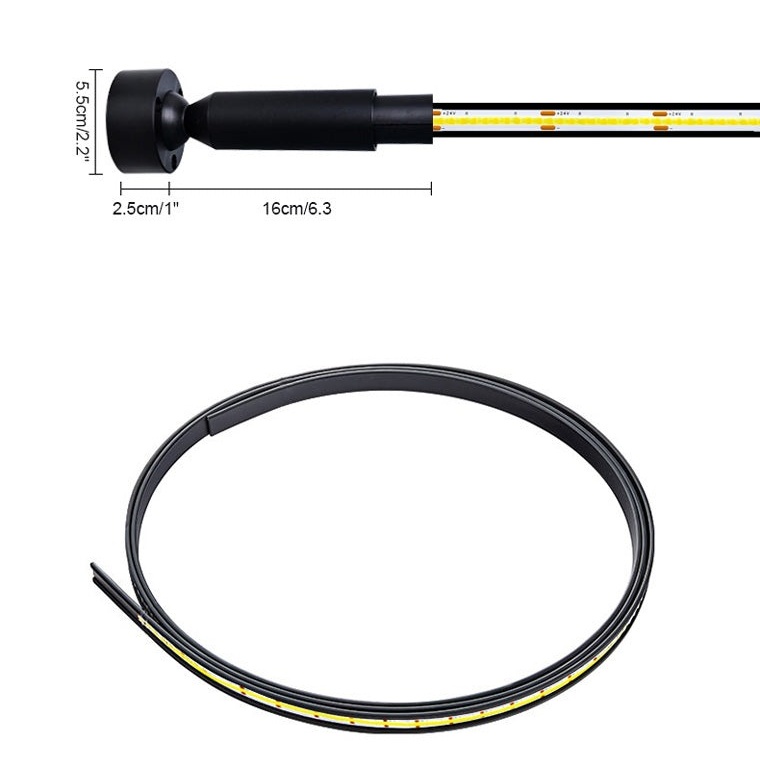
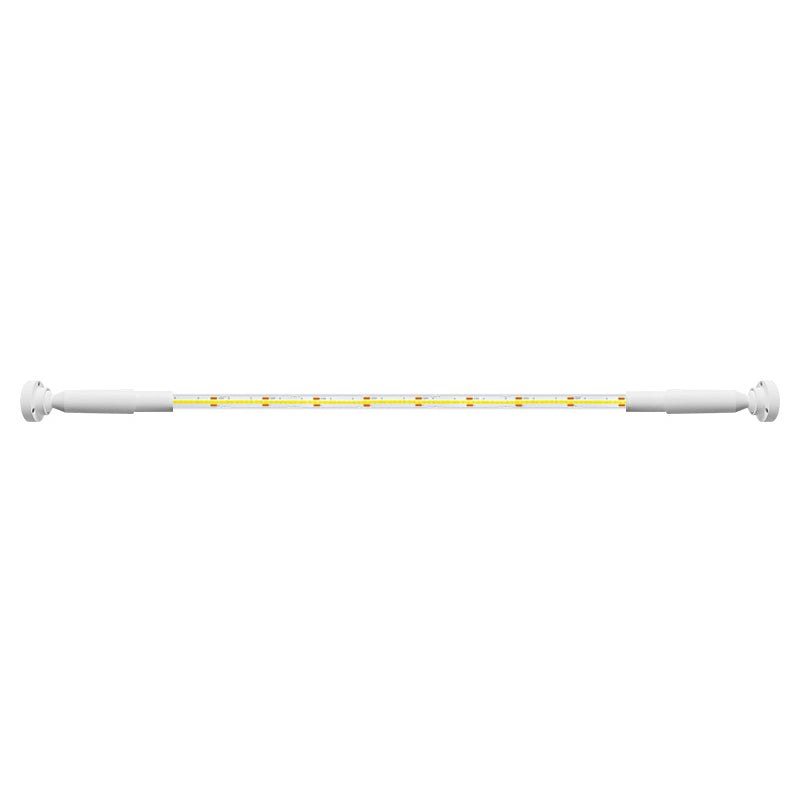
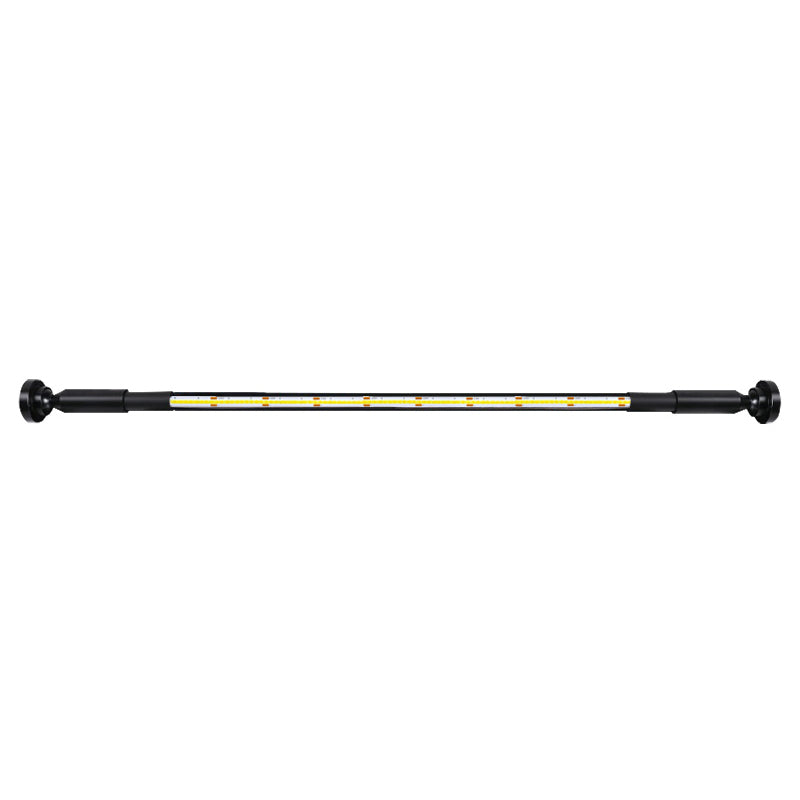
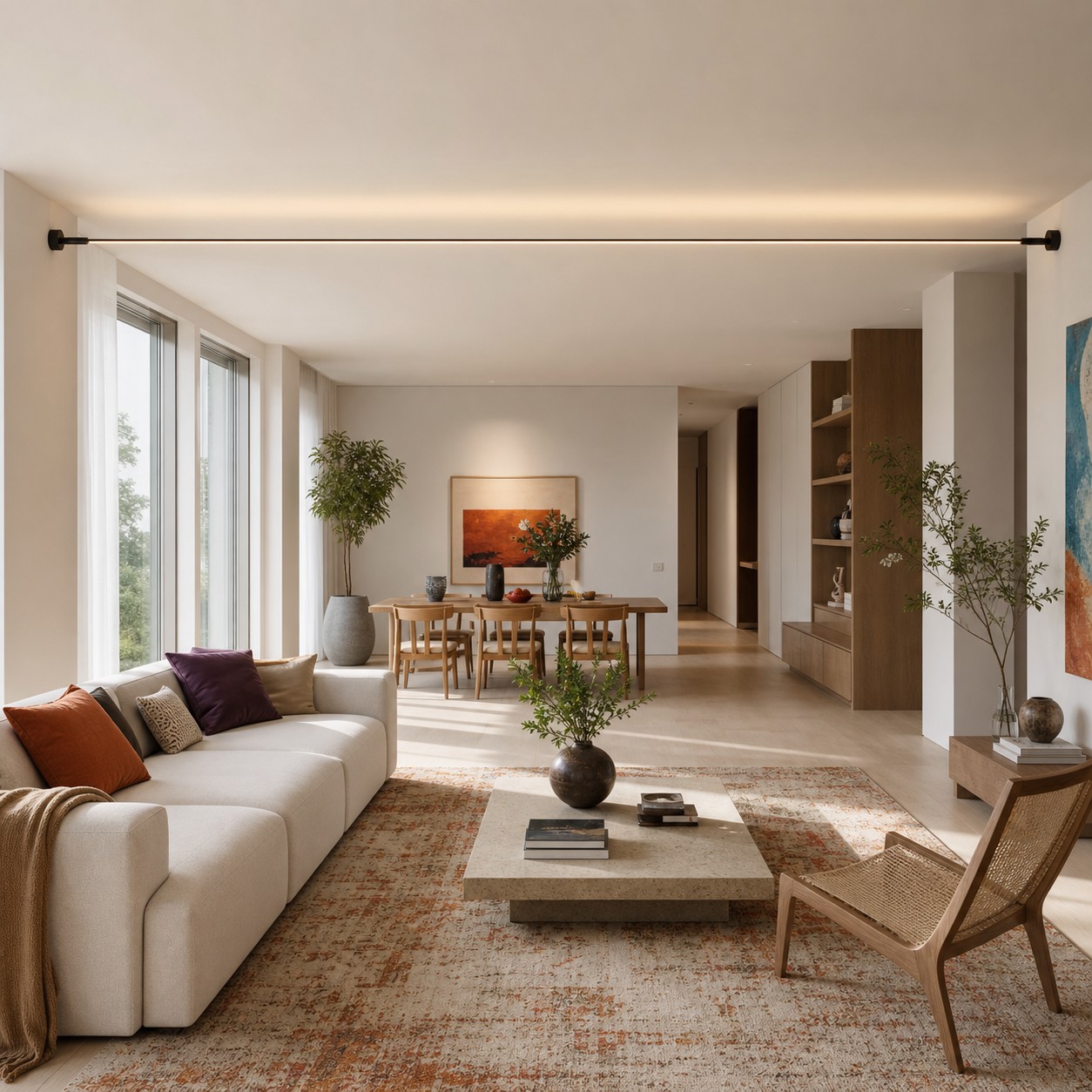
Una lámpara de araña lineal Skyline se entiende mejor como una luminaria decorativa de línea recta, no como una categoría técnica universal. La versión Thalyn crea un tramo delgado e iluminado que atraviesa el espacio abierto, sostenido únicamente por soportes de pared en sus dos extremos. No se apoya a lo largo de la pared, no gira en las esquinas ni se curva para adaptarse a un contorno personalizado. Esta disposición física es la primera y más útil diferencia con muchas lámparas lineales convencionales.
La definición de 30 segundos
Piensa en el término como tres pistas. Horizonte Describe la silueta larga y gráfica. Lineal describe el eje recto dominante. Araña Indica que se trata de un elemento decorativo visible, en lugar de una tira de luz ambiental invisible. El nombre ayuda al comprador a visualizar el efecto, pero el método de montaje indica si el producto es adecuado para la habitación.
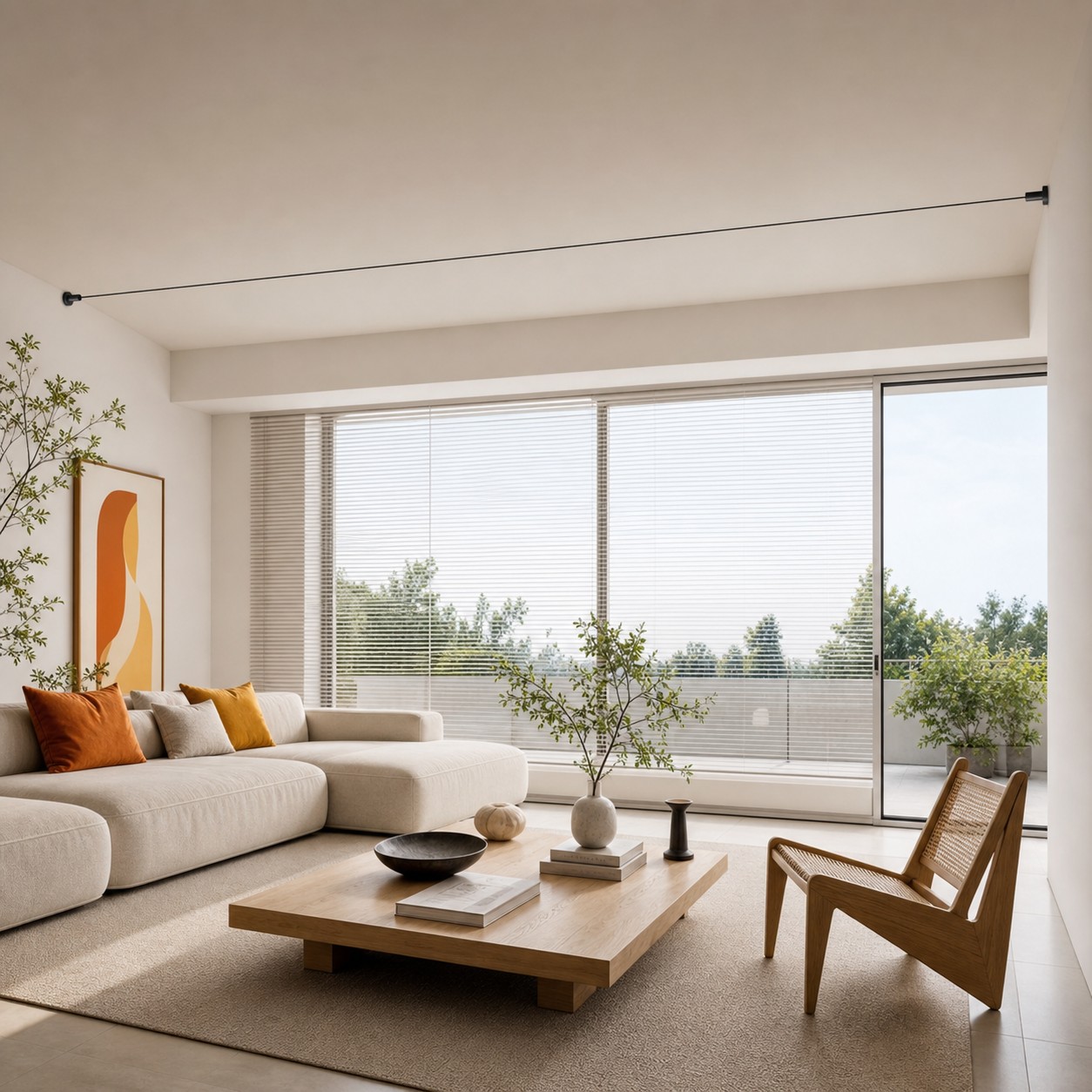
“Skyline” describe el aspecto, no una categoría oficial de equipamiento.
El La Illuminating Engineering Society define una luminaria Se define como una unidad de iluminación completa que incluye la fuente de luz y el controlador correspondiente, junto con las piezas que distribuyen la luz, posicionan o protegen la fuente y la conectan a la alimentación. Esta definición es deliberadamente amplia, abarca diversas formas y no establece la "lámpara de techo" como una clase estándar independiente.
Esta distinción es importante porque los nombres de los productos suelen mezclar la apariencia con el lenguaje comercial habitual. Dos productos pueden llamarse lámparas de araña lineales, aunque una cuelgue del techo y la otra se apoye entre soportes de pared. En lugar de juzgar solo por el nombre, identifique tres aspectos: dónde se encuentran los soportes, dónde se ubica la línea luminosa y si la luminaria está diseñada como un elemento central visible o como una capa arquitectónica oculta.
La prueba de los dos extremos: cómo reconocer la estructura real
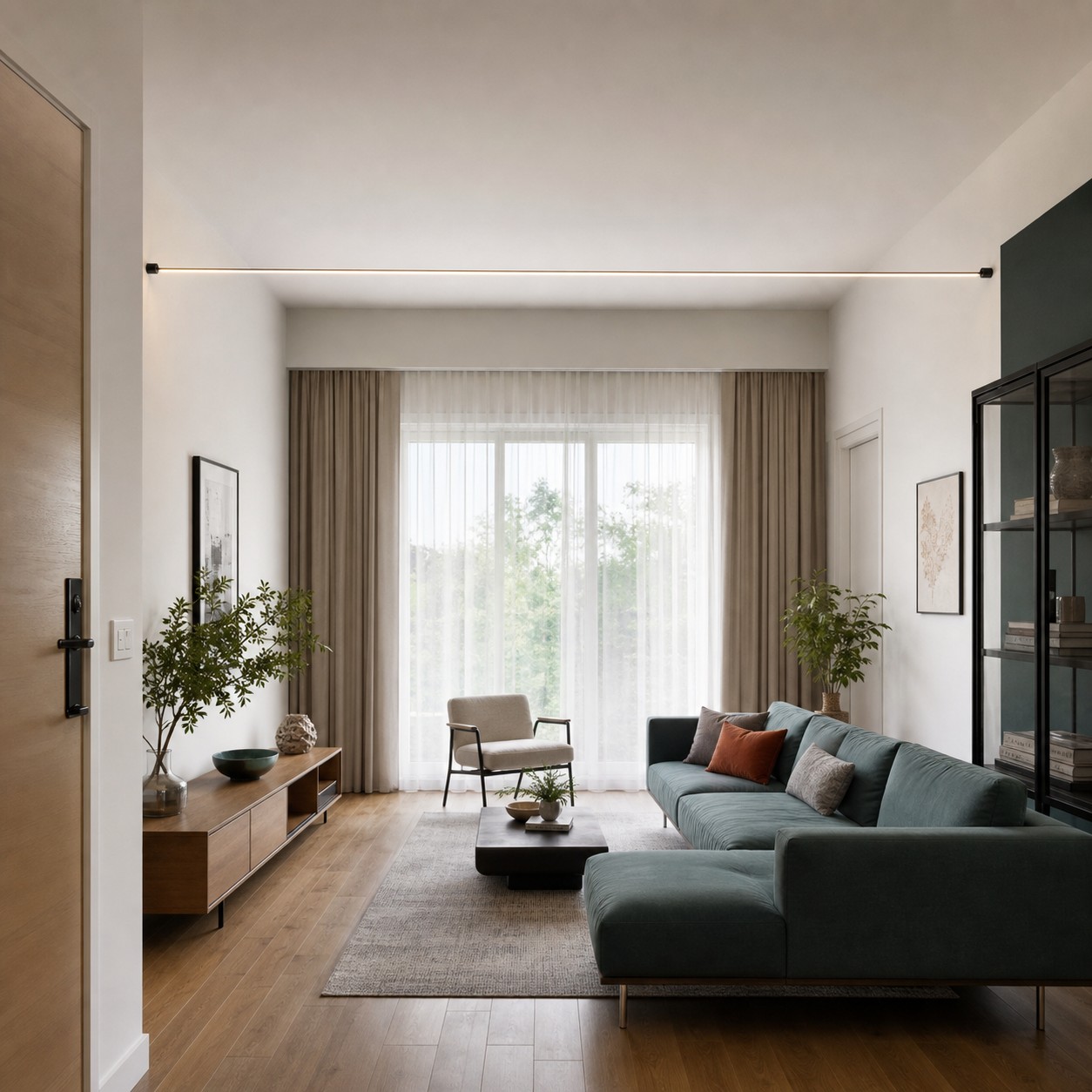
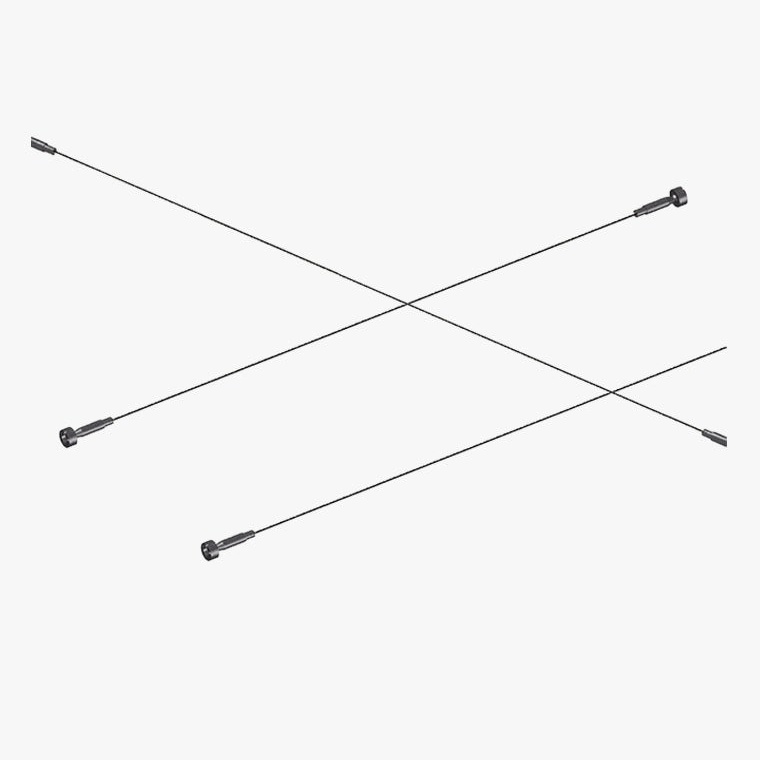
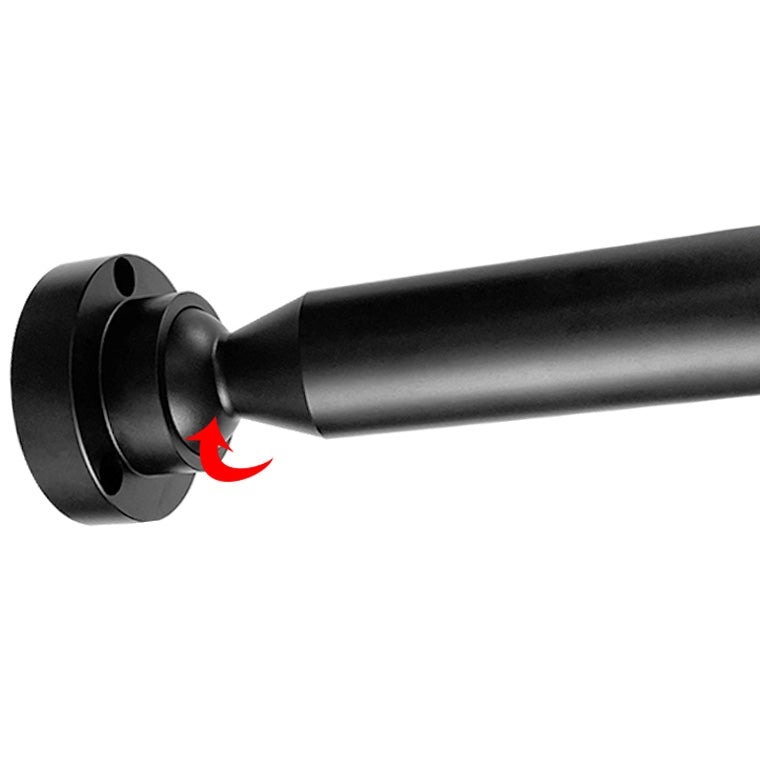
Para el diseño de Thalyn, comencemos con los extremos. El cuerpo iluminado permanece perfectamente recto en el espacio abierto, y cada extremo termina en un soporte de pared. Nada sostiene la parte central desde el techo. Nada fija la línea iluminada a lo largo de la pared. La lámpara tampoco es una tira flexible que se pueda desviar alrededor de una puerta o doblar en una esquina.
Esto permite realizar una prueba práctica antes de la compra: ¿la habitación ofrece dos puntos de montaje adecuados en la misma línea, con espacio libre entre ellos? Compruebe las puertas, las cortinas, los armarios altos, las obras de arte, las rutas de circulación y las vistas principales de la habitación. Un cable extraíble tendido entre los puntos de anclaje propuestos resulta una útil maqueta visual. Si el cable interfiere con el movimiento diario o no guarda relación con el mobiliario, la instalación final no resolverá ese problema de planificación.
Cuando los puntos finales y las líneas de visión funcionan, Vea la lámpara de araña LED lineal Thalyn Custom Skyline Como posible solución de tramo recto, confirme las condiciones del sitio antes de realizar el pedido.
Una línea recta, cuatro trabajos de iluminación muy diferentes.
| Forma lineal | Donde se apoya | Papel visual principal |
|---|---|---|
| Tramo de horizonte en dos extremos | Soportes de pared en ambos extremos | Una línea visible que cruza un espacio abierto |
| Colgante lineal | Dosel de techo y sistema de suspensión | Un ancla centrada sobre los muebles |
| Luminaria lineal empotrada | Integrado en un sistema de techo o pared. | Iluminación arquitectónica de baja visibilidad |
| Iluminación lineal de superficie | Fijado a lo largo de la superficie de un edificio. | Luz directa y práctica sin necesidad de un tramo suspendido. |
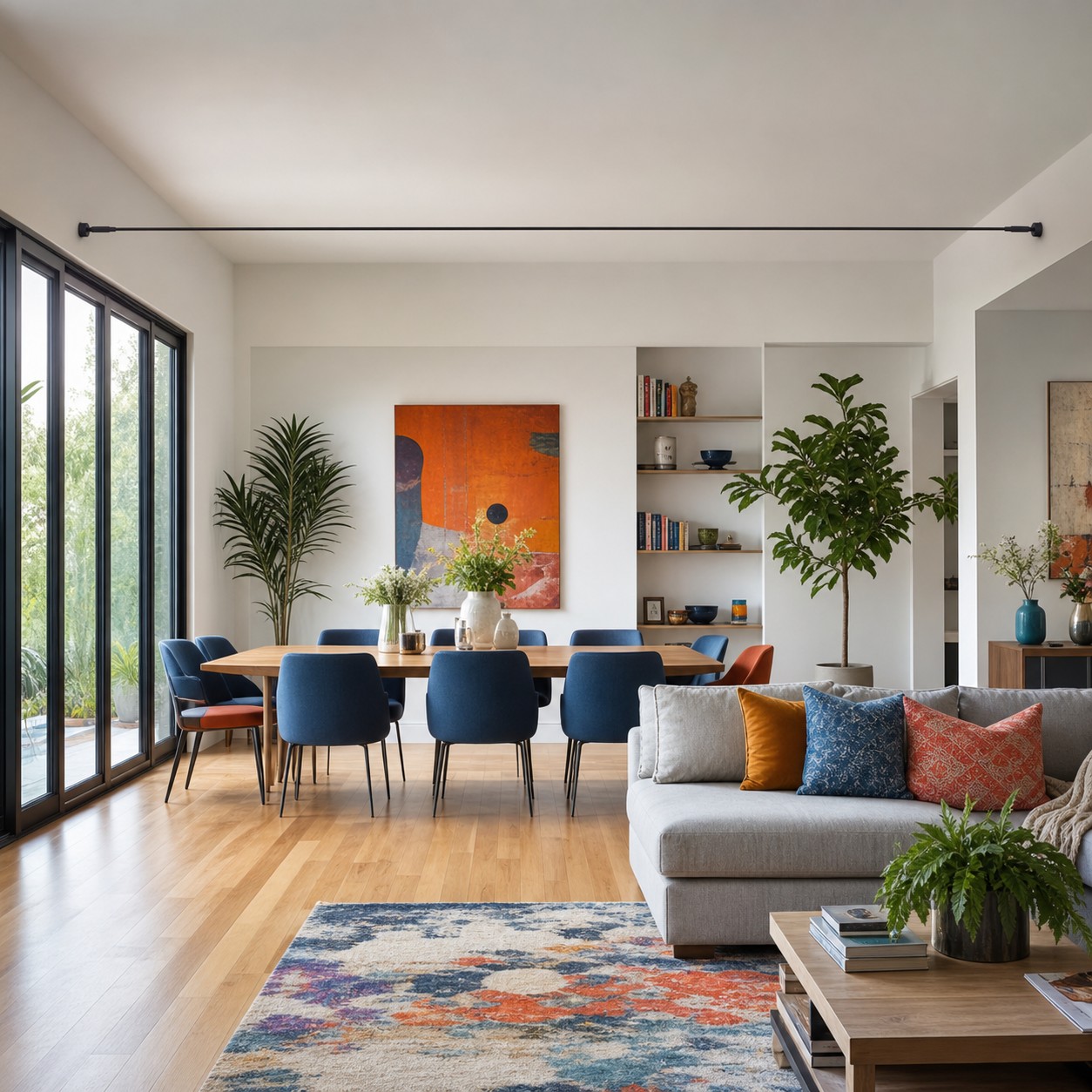
La comparación útil, por lo tanto, no es “luz de diseño versus luz ordinaria”. Es una lógica de soporte versus otra. Si su pregunta principal es cómo se compara esta opción con apliques o iluminación decorativa de pared, Lámpara de araña lineal, aplique de pared o cuadro luminoso: ¿Cuál es la mejor opción para una pared larga? aborda esa decisión más amplia sin cambiar los hechos estructurales mencionados anteriormente.
Lea el ambiente antes de leer la hoja de especificaciones.
Una lámpara colgante lineal de techo convencional suele ser una buena opción cuando una mesa de comedor, una isla de cocina o un escritorio constituyen un punto focal evidente. Una lámpara de techo con dos extremos extendidos tiene un carácter más arquitectónico: puede conectar distintos grupos de muebles, definir el horizonte en una habitación alta o dotar a un espacio alargado de un eje visual definido. Su éxito depende menos de un único objeto situado debajo y más de la relación entre dos puntos de la pared y las vistas a través de la habitación.
Eso también significa que no se le debería pedir que realice todos los trabajos de iluminación. ENERGY STAR lo explica Los LED son fuentes de luz direccionales y su tecnología puede integrarse en bombillas, luminarias, fuentes permanentes o formatos reemplazables. Estas posibilidades de diseño no garantizan que una sola luminaria decorativa proporcione toda la iluminación funcional, ambiental y de circulación que necesita una habitación. Considere la iluminación general como una capa dentro de un plan integral y evalúe las demás necesidades de iluminación por separado.
Lo que realmente te dicen las especificaciones de Thalyn
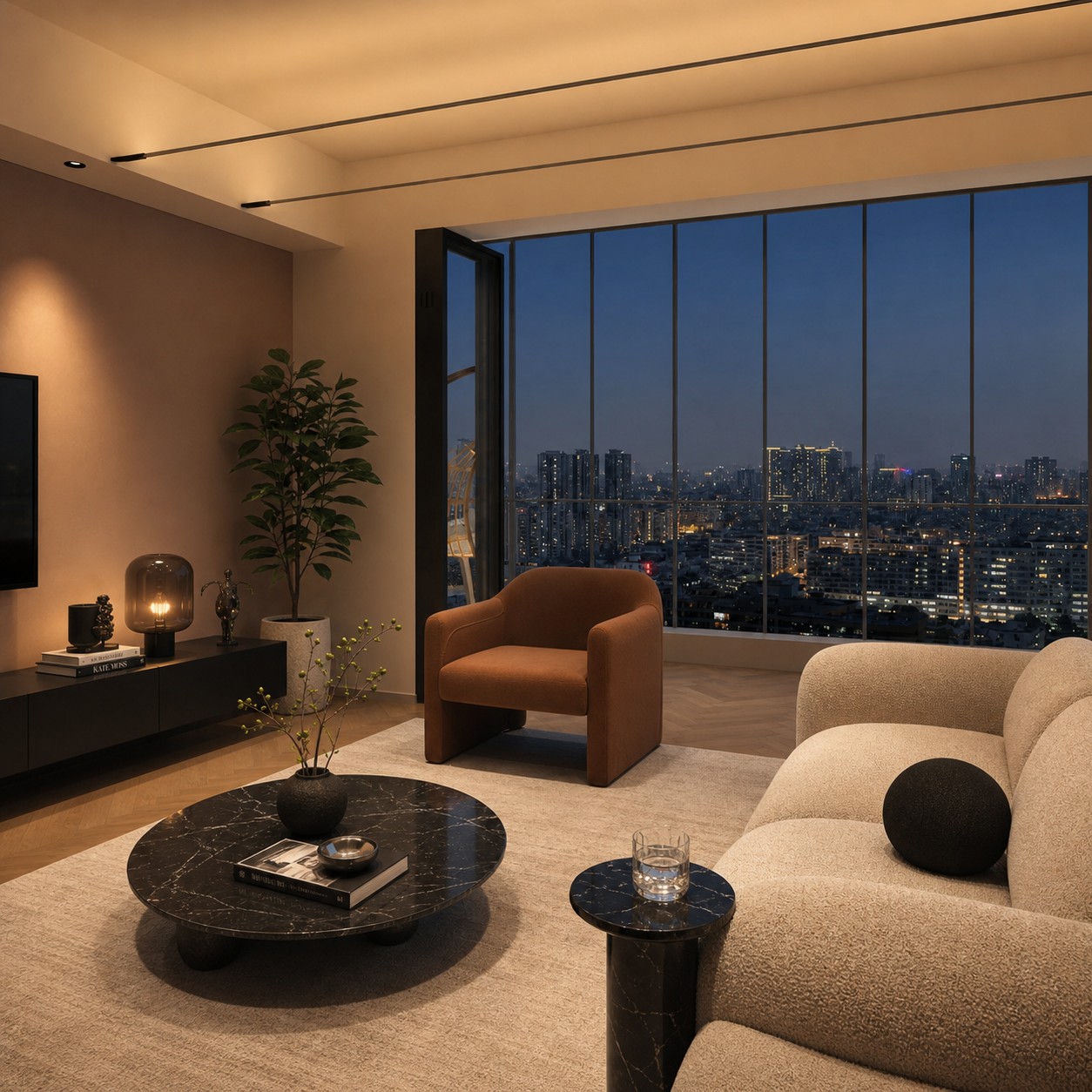
La descripción oficial indica que la lámpara está fabricada en acero inoxidable, disponible en acabado blanco o negro, con bombillas LED reemplazables e incluye LEDs. Ofrece luz blanca cálida de 3000 K, luz blanca fría de 6000 K y una versión regulable a distancia con tres ajustes de color y atenuación del 0 al 100 %. En la misma página se especifica un índice de reproducción cromática (CRI) de 90, alimentación de CA de 110 a 240 V y una garantía de un año.
Estos son datos de la página del producto, no una garantía de que la luminaria se adapte a cualquier interior. El acabado afecta al contraste, el color de la luz modifica la atmósfera y la opción de atenuación cambia el control, pero ninguna de estas opciones soluciona problemas como puntos finales inadecuados o una línea de visión obstruida. Empiece por la geometría; utilice las especificaciones para perfeccionar un plan que ya funciona.
Consulta los acabados y opciones de iluminación disponibles para Thalyn.
Elíjalo cuando la arquitectura pueda soportar la línea.
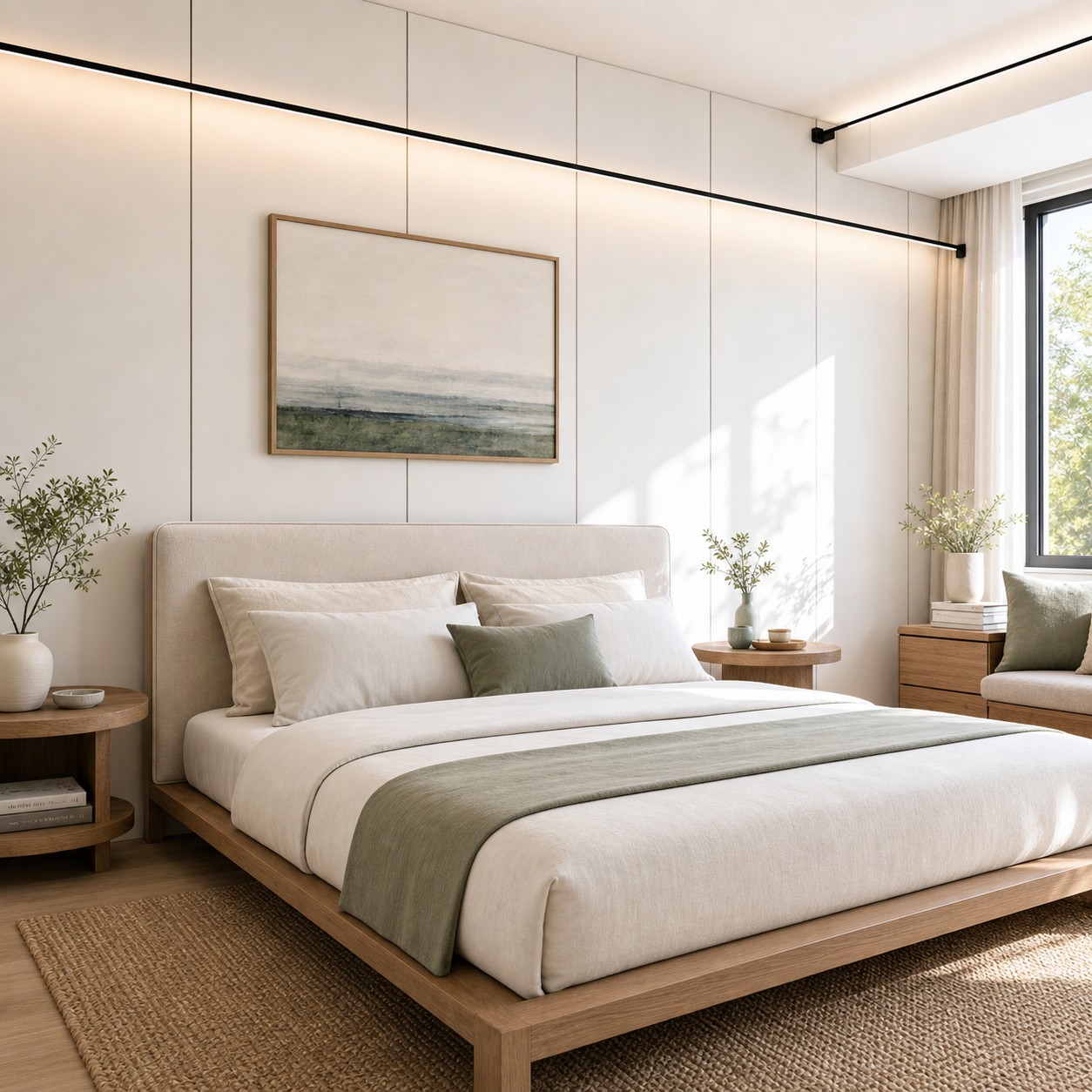
El enfoque de iluminación vertical resulta más efectivo cuando la habitación cuenta con dos extremos de pared despejados, un eje longitudinal sin interrupciones y una iluminación funcional para las actividades. Es ideal para una sala de estar alargada, un comedor-sala de estar abierto o un espacio de circulación alto donde una luminaria central convencional no aprovecharía la longitud de la habitación.
También funciona cuando se desea un carácter visual sin añadir otro objeto voluminoso. El artículo complementario previsto Crea un ambiente sofisticado en tu hogar: ideas de iluminación inspiradas en galerías de arte sin añadir más decoración. Analizaremos con mayor profundidad esa función editorial. Aquí, la regla más sencilla es suficiente: la línea debe organizar lo que ya existe, en lugar de competir con ello.
Cuando una luz lineal regular es la mejor solución
Elija una lámpara colgante de techo cuando el diseño deba centrarse claramente sobre una mesa o isla. Opte por iluminación lineal empotrada o de superficie cuando busque una iluminación más discreta e integrada. Elija una luminaria diferente cuando la habitación carezca de dos soportes de pared adecuados, cuando el recorrido previsto deba girar en una esquina o cuando una abertura interrumpa el tramo.
El error común es considerar que todas las luminarias alargadas son intercambiables. Una silueta similar no implica las mismas exigencias de montaje, distribución de la luz ni relación visual con la habitación. Compare primero el método de soporte, luego la función de iluminación prevista y, por último, el estilo.
Preguntas rápidas antes de comprometerse
¿La "lámpara de araña lineal Skyline" es una categoría oficial de iluminación?
No. Es un término descriptivo del producto; la estructura de montaje y la luminaria completa son más útiles para la comparación.
¿La lámpara Thalyn se fija a la pared?
No. La línea recta iluminada atraviesa un espacio abierto y está fija únicamente en sus dos extremos montados en la pared.
¿Puede doblar una esquina?
No. Planifique un tramo recto y no flexible.
¿Es lo mismo que una lámpara colgante lineal suspendida del techo?
No. Un elemento colgante se sostiene desde arriba; este diseño se basa en dos puntos de apoyo en la pared.
¿Qué debo probar antes de realizar el pedido?
Crea una maqueta de la distribución exacta con un cordón extraíble y comprueba las puertas, las cortinas, los muebles, la circulación y las líneas de visión.