

Equilibrio geométrico: Cómo utilizar la iluminación basada en formas en interiores modernos
El diseño de interiores moderno ha trascendido con creces los rígidos esquemas minimalistas de la década pasada. Hoy en día, los hogares más acogedores son aquellos que juegan con el contraste, en concreto, con la interacción entre líneas definidas y curvas suaves y geométricas. La iluminación es la herramienta principal para lograrlo. No se trata solo de iluminar una habitación, sino de crear un punto de referencia visual que guíe la mirada y defina el estilo de todo el espacio.
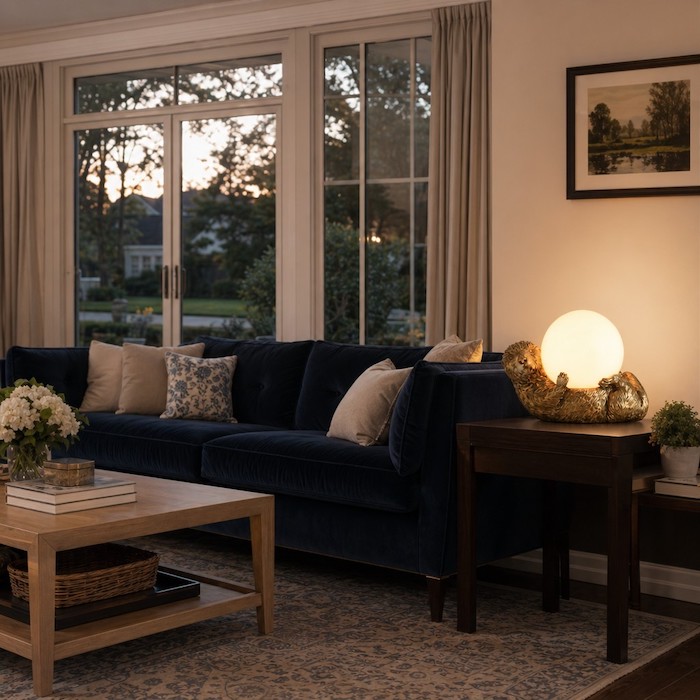
Cuando hablamos de geometría en la iluminación, no nos referimos solo a cuadrados y triángulos. Hablamos de la esfera perfecta, del arco elegante y de cómo estas formas interactúan con el mobiliario que las rodea. Una lámpara bien colocada puede suavizar las líneas rectas de un escritorio rectangular de roble o aportar estructura a un sillón mullido de terciopelo. El objetivo es crear una habitación que se sienta cuidada y con estilo, en lugar de simplemente amueblada.
Consejo de diseño de expertos: Para lograr un aspecto equilibrado, sigue la «Regla de los Opuestos». Si tu habitación está dominada por formas lineales, como un sofá largo y una mesa de centro cuadrada, incorpora una fuente de luz esférica. Esto rompe la monotonía visual y crea un ambiente más dinámico y con mayor profundidad.
El poder de la esfera perfecta
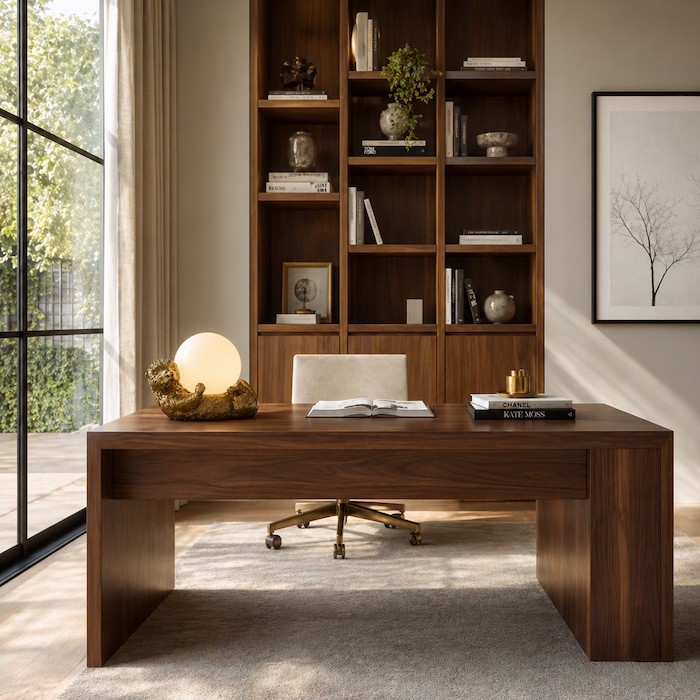
Entre todas las formas geométricas, la esfera es quizás la más poderosa en la decoración del hogar. Representa la plenitud y la tranquilidad. En iluminación, una pantalla de vidrio esmerilado proporciona un brillo suave y difuso que imita la luz natural de la luna. A diferencia de las bombillas expuestas, que pueden resultar duras o industriales, una lámpara de globo oculta la fuente de luz, convirtiendo la propia luminaria en una obra de arte luminosa.
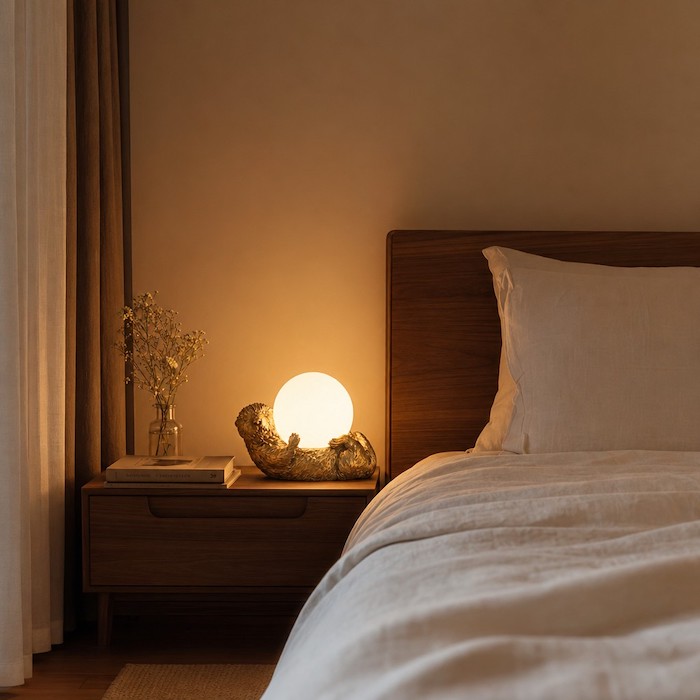
Considere cómo una pieza como la Lámpara de mesa Cedrick Vintage Antigua Dorada con forma de nutria utiliza este concepto. El globo de vidrio esmerilado no es solo una cubierta; es una declaración geométrica. Proporciona un punto focal que es a la vez matemáticamente satisfactorio y visualmente relajante, lo que lo convierte en una opción ideal para espacios donde se desea fomentar la relajación y la conversación, ilustrando perfectamente Cómo los materiales de iluminación dan forma a la textura interior..
Fusionando formas orgánicas y geométricas
La última tendencia en el diseño de interiores de alta gama en Estados Unidos es la "Geometría Biofílica": la fusión de formas naturales y orgánicas con líneas geométricas puras. Aquí, la iluminación pasa de ser funcional a escultórica. Al combinar una base original y esculpida a mano con una esfera de cristal perfecta, se crea una historia. Ya no es solo una lámpara; es un tema de conversación.
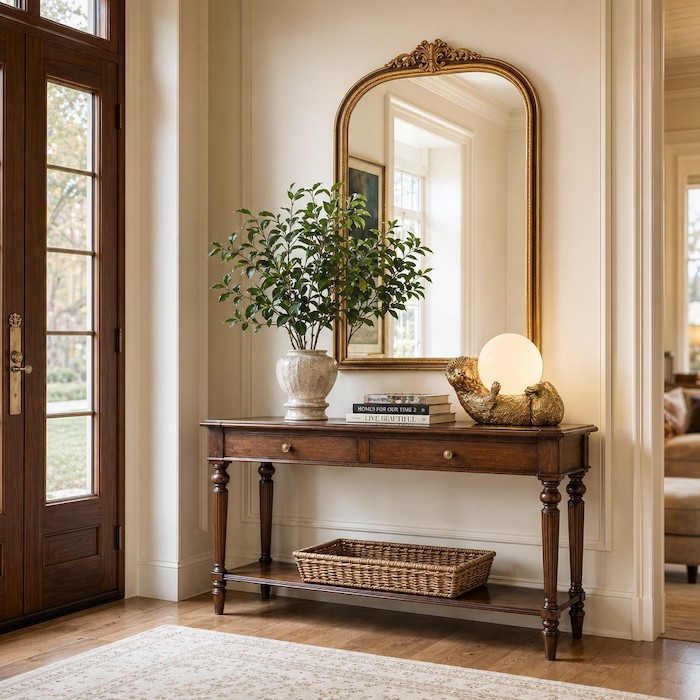
Imagina una oficina en casa o un acogedor rincón de lectura. Tienes estanterías de líneas sencillas y una silla ergonómica. Al añadir una lámpara con acabado dorado antiguo y un motivo animal, a la vez divertido y sofisticado, que sostiene una esfera luminosa, rompes al instante con la estética corporativa de la habitación. Añade un toque de personalidad que sugiere que el propietario valora tanto la precisión como la creatividad.
Este enfoque funciona excepcionalmente bien en las casas tradicionales estadounidenses de estilo "transicional", donde la arquitectura clásica se encuentra con las sensibilidades modernas. Los tonos dorados vintage brindan una sensación cálida y atemporal, mientras que la lámpara esférica mantiene el aspecto fresco y contemporáneo. Se trata de encontrar ese "punto dulce" donde la herencia se encuentra con el futuro, estableciendo verdaderamente La iluminación como elemento arquitectónico.
Ubicación estratégica para lograr el máximo impacto.
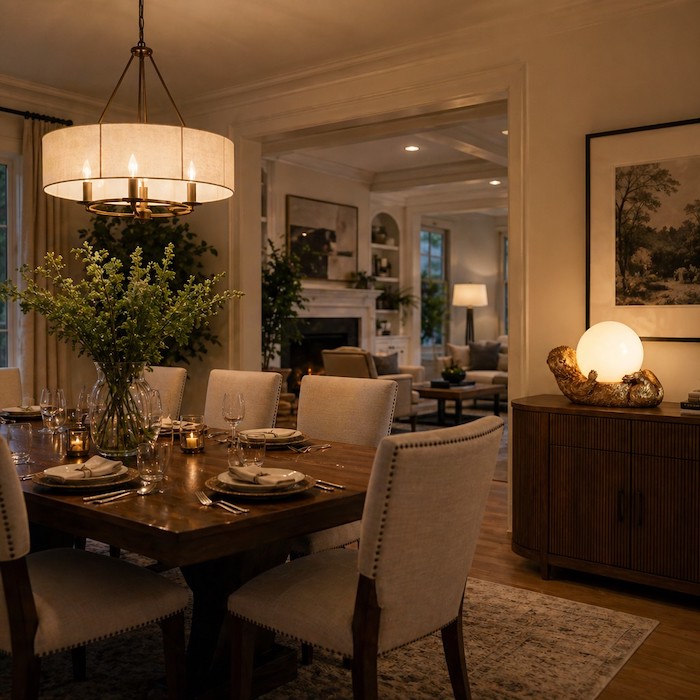
La ubicación de estos elementos geométricos es tan importante como las formas en sí. Para realzar la estética de tu hogar, piensa en la iluminación por capas. Una lámpara de techo proporciona la base, mientras que las lámparas de mesa aportan el toque distintivo que resalta las decisiones de diseño específicas.
Una lámpara de globo colocada sobre una consola de madera oscura crea un hermoso contraste. La luz se refleja en los detalles dorados, creando un cálido efecto de halo que atrae a los visitantes a la habitación. Para aquellos que buscan agregar un toque de encanto vintage sin sacrificar el rendimiento moderno, la Lámpara Cedrick Vintage Antigua Dorada con forma de nutria Sirve como el elemento escultórico perfecto para unir estos dos mundos. Es una prueba de cómo la simplicidad geométrica y los detalles vintage pueden convivir en armonía.
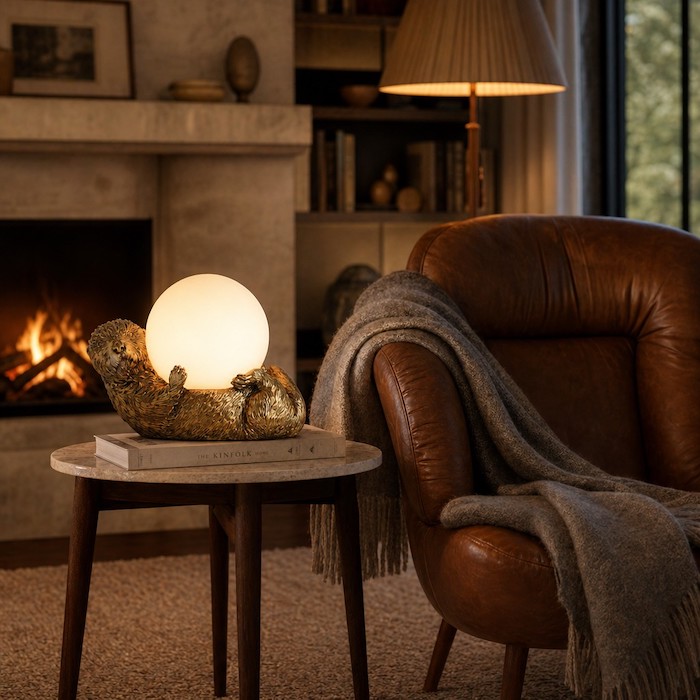
En definitiva, la iluminación moderna transmite confianza. Se trata de elegir piezas que destaquen incluso con la luz apagada. Al priorizar el equilibrio geométrico, consigues que tu hogar transmita sofisticación, personalidad y, sobre todo, un estilo único.


