
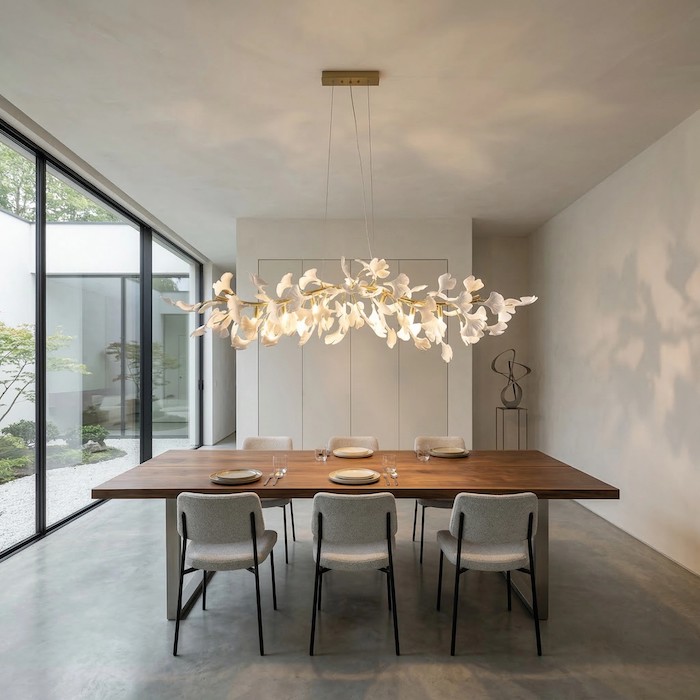
Das Geheimnis des Architekten: Licht nutzen, um Ihren Raum zu definieren und zu gestalten
In der professionellen Innenarchitektur wird Licht oft als das „unsichtbare Material“ bezeichnet. Obwohl wir es nicht berühren können, besitzt es die Kraft, die wahrgenommenen Grenzen eines Raumes zu verschieben, seine Proportionen zu verändern und die Bewegungsabläufe zu lenken. Wenn man Licht als architektonisches Element und nicht nur als dekoratives Accessoire betrachtet, eröffnet sich die Möglichkeit, ein gewöhnliches Haus in ein sorgfältig gestaltetes Meisterwerk zu verwandeln.
Architektonische Lichtplanung ist die Kunst, die strukturelle Schönheit eines Hauses hervorzuheben. Es geht darum, die „Geometrie des Lichts“ zu verstehen. In der modernen Architektur, wo offene Wohnkonzepte und hohe Decken üblich sind, hat sich lineare Beleuchtung zum wichtigsten Werkzeug für Designer entwickelt, um Ordnung und Struktur zu schaffen. Durch die Verwendung länglicher Leuchten lassen sich Linien in den Raum zeichnen, die Funktionszonen definieren und ein Gefühl von durchdachter Raumaufteilung erzeugen.Die Rolle moderner Pendelleuchten in der räumlichen Schichtung.
Schaffung von „Räumen ohne Wände“
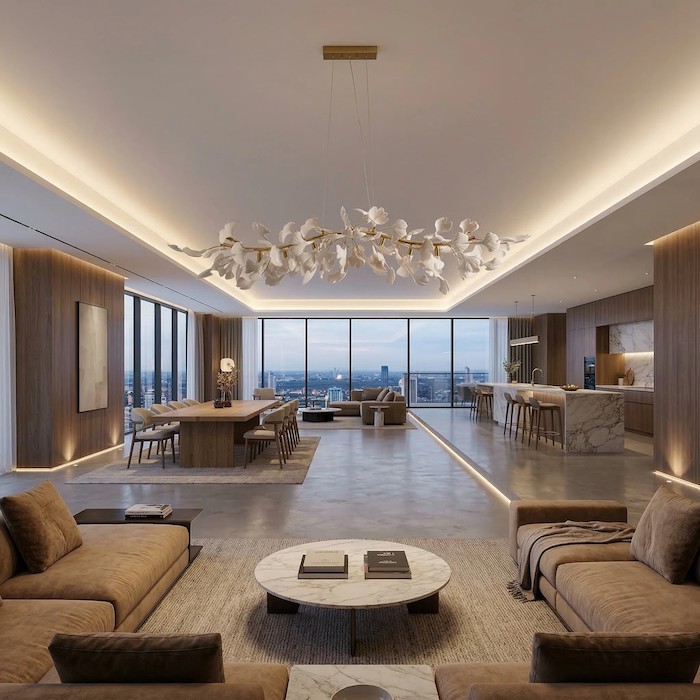
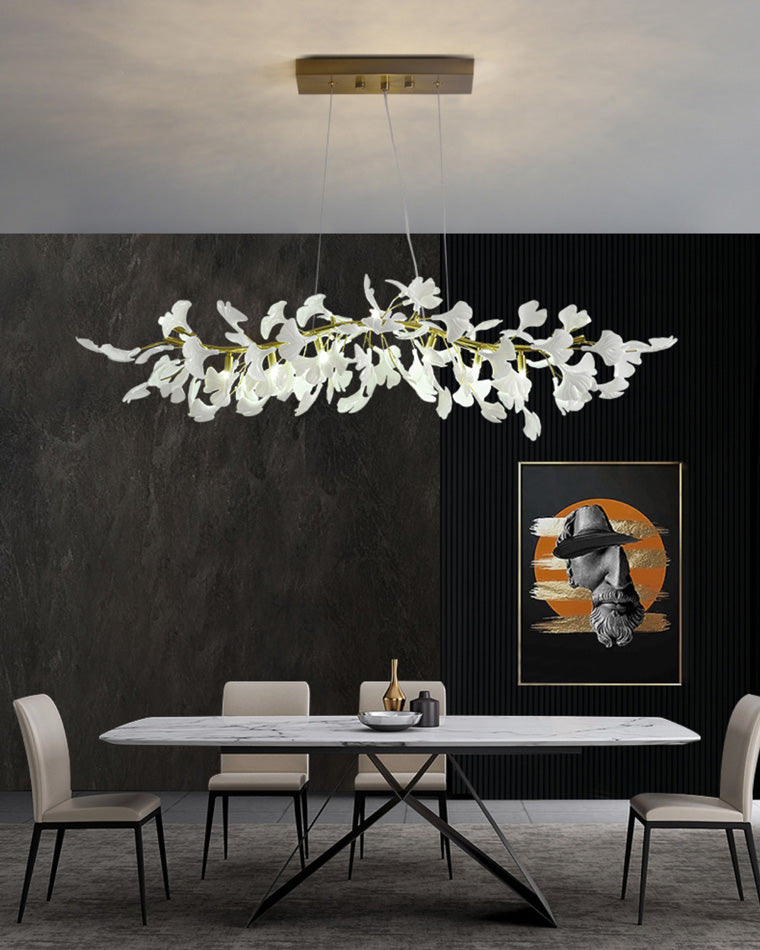
Eine der größten Herausforderungen im modernen Wohndesign ist die offene Raumgestaltung. Fehlen Wände, die Küche und Esszimmer oder Esszimmer und Wohnzimmer trennen, kann ein Raum weitläufig und unstrukturiert wirken. Hier erweist sich lineare Beleuchtung als ideale architektonische Abgrenzung. Durch die Anbringung einer langen Leuchte über dem Esstisch entsteht ein „vertikaler Anker“. Dieser Anker definiert den darunter liegenden Bereich als separaten Raum und schafft so ein Gefühl von Privatsphäre und Gemütlichkeit, ohne die Aussicht zu versperren.
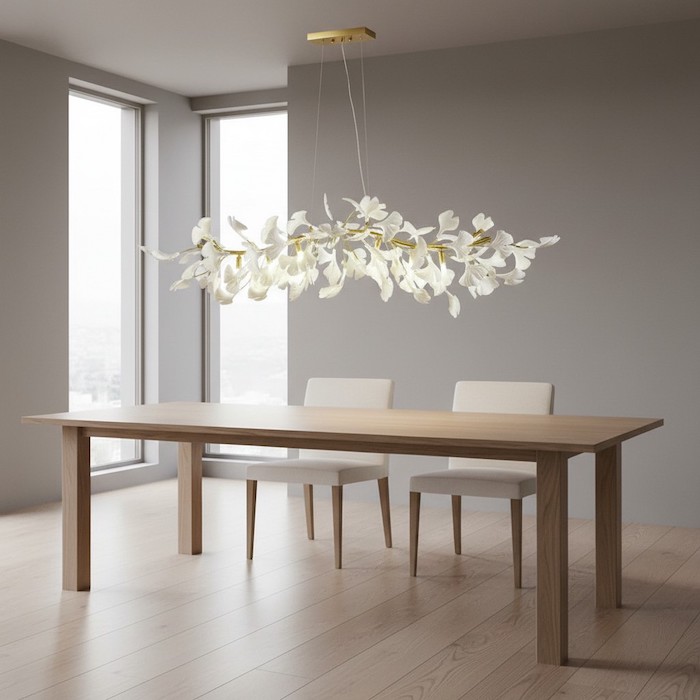
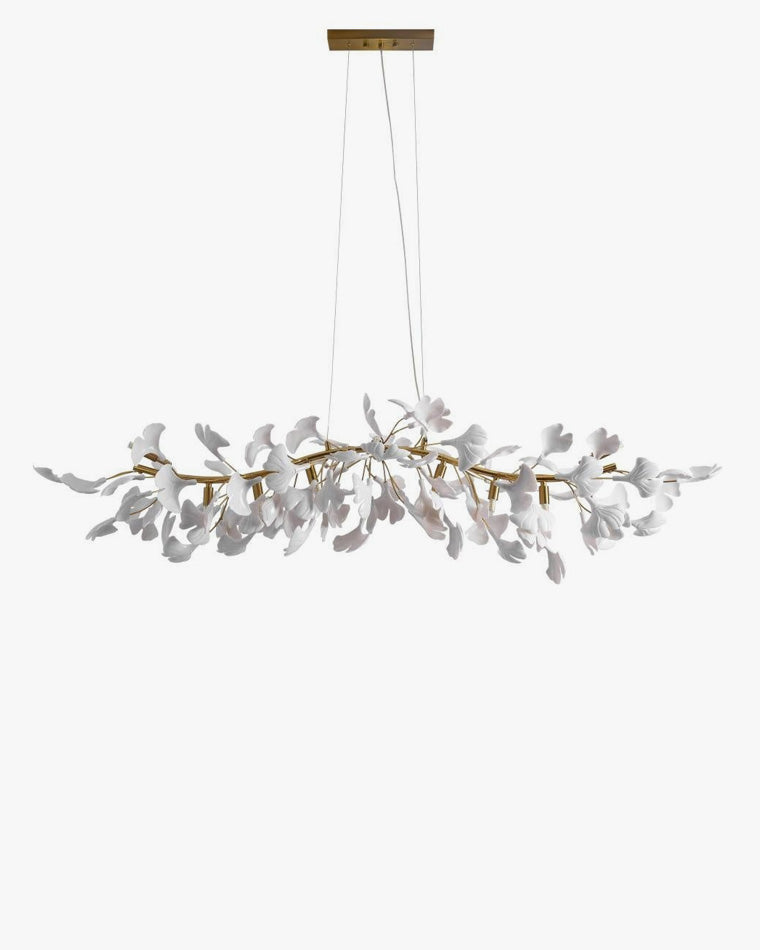
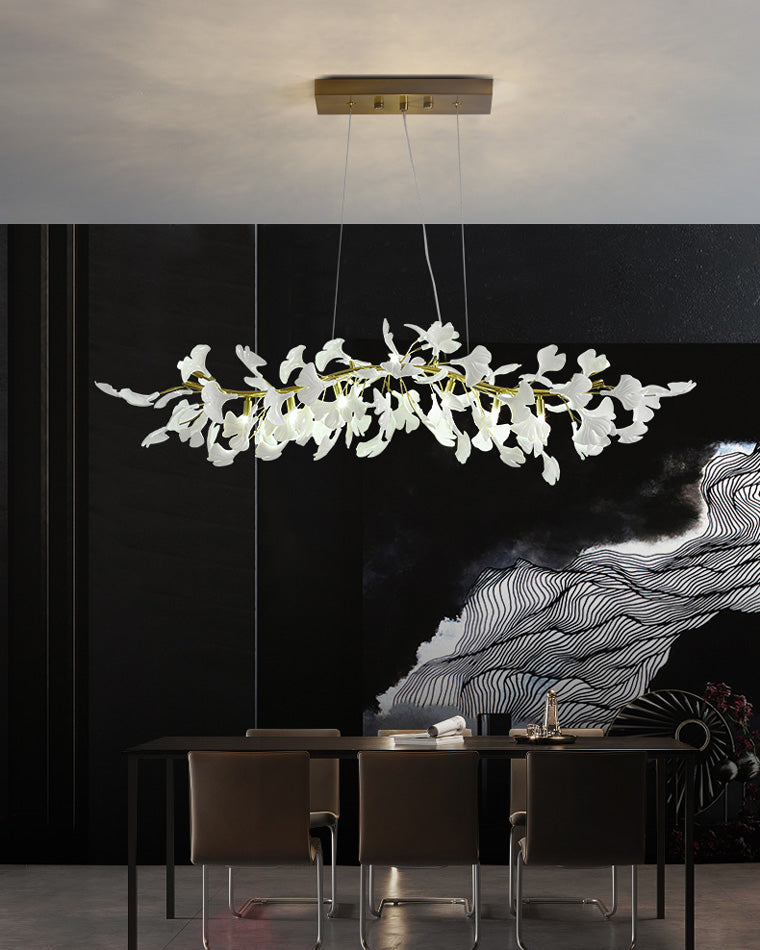
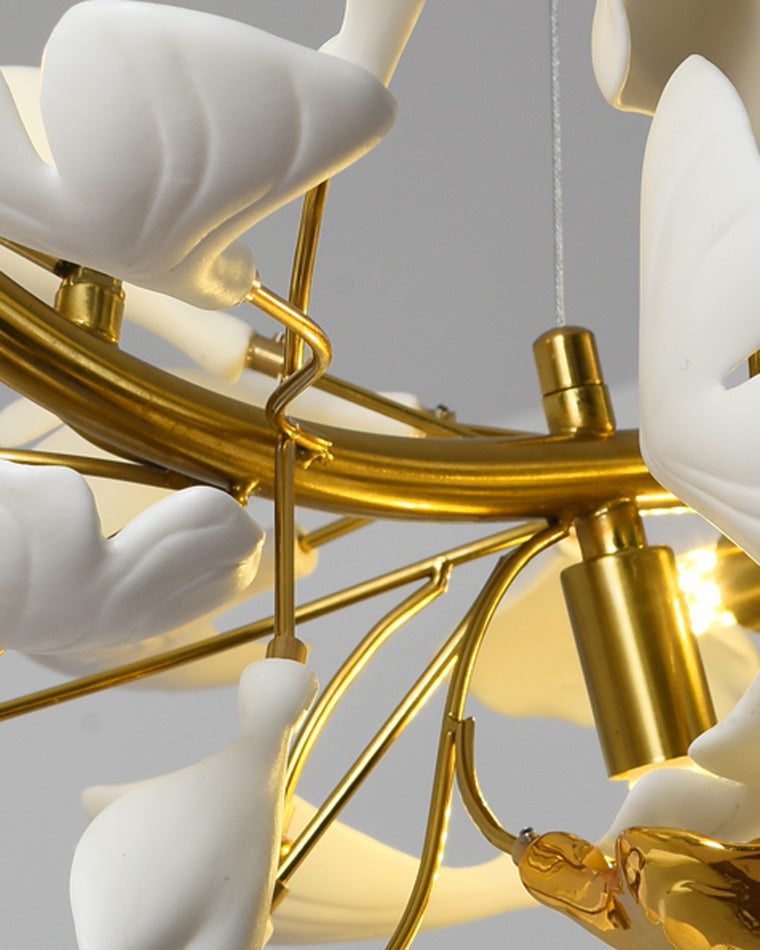
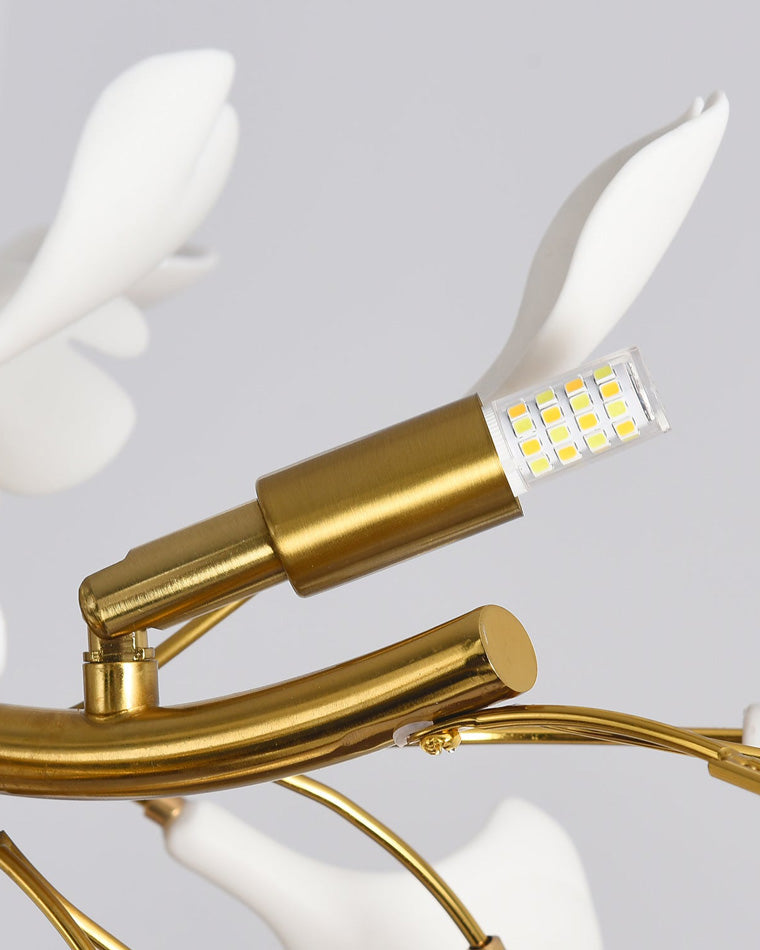
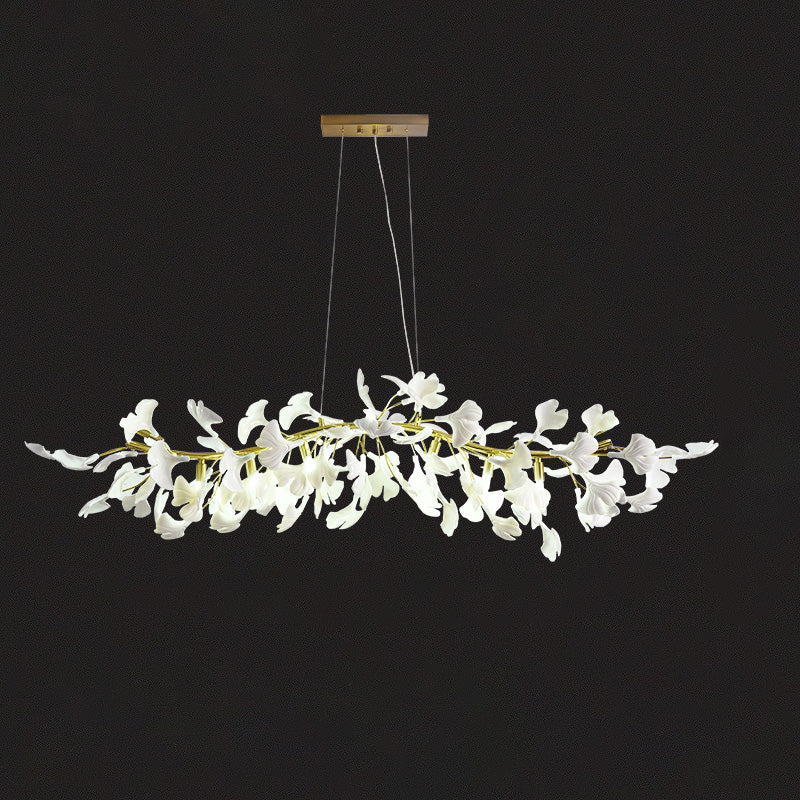
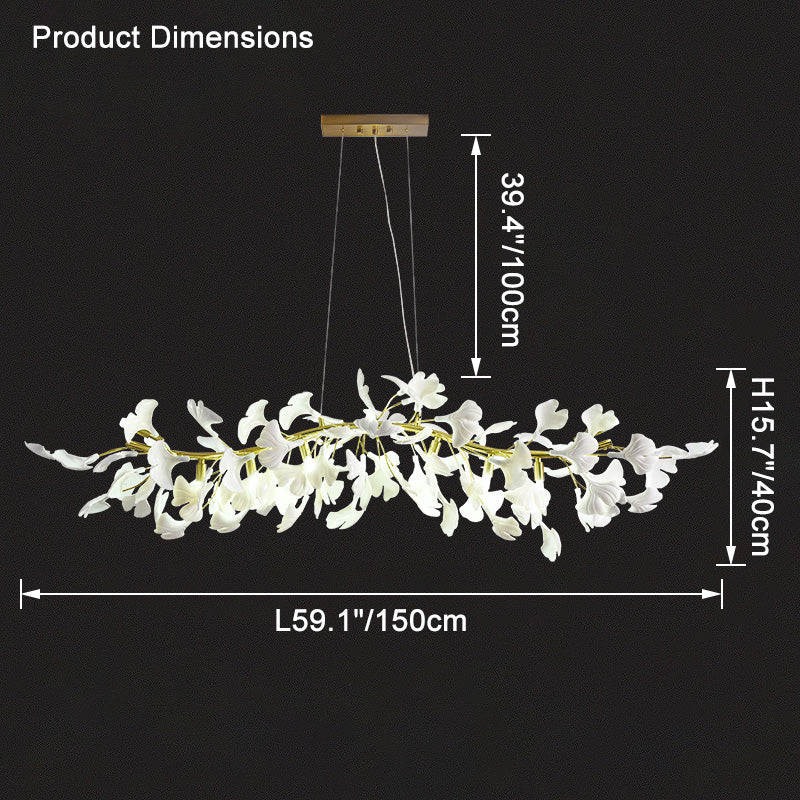
Der Gingko Linear Kronleuchter-WM2433 Diese Leuchte ist für diesen Zweck eine hervorragende Wahl. Ihre weitläufige, horizontale Ausdehnung spiegelt den darunter stehenden Tisch wider und schafft so einen harmonischen „Raumblock“, der dem Essbereich Struktur verleiht. Sie ist nicht nur eine Leuchte, sondern ein architektonisches Statement, das signalisiert: „Hier kommen wir zusammen.“ Diese psychologische Trennung ist entscheidend dafür, dass sich ein großes Haus behaglich und gut durchdacht anfühlt.
Die Macht der Richtung und der Sichtlinien
Unser Blick folgt instinktiv Linien. In der Architektur bezeichnet man als „Sichtlinien“ die Blickachsen, die den Blick durch ein Haus lenken. Mit linearer Beleuchtung lassen sich diese Sichtlinien verstärken und die Aufmerksamkeit der Gäste auf einen schönen Ausblick aus dem Fenster, ein Kunstwerk oder einen repräsentativen Flur lenken. Richtet man eine lineare Leuchte an der Hauptachse eines Raumes aus, betont man dessen Länge und Größe und verleiht ihm so eine imposantere Atmosphäre.
Umgekehrt kann die senkrechte Anordnung linearer Leuchten in einem Raum einen schmalen Korridor breiter wirken lassen. Diese gezielte Raumgestaltung unterscheidet professionelles Design von Heimwerkerprojekten. Es geht darum, die Leuchte als Wegweiser zu nutzen. Besitzt Ihr Zuhause einen zentralen Bereich oder einen zentralen Durchgang, so bietet die Beleuchtung dieses Weges mit linearen Elementen eine klare, rhythmische Orientierung, die intuitiv und imposant wirkt – eine Schlüsseltechnik fürVisuelle Ausgewogenheit mit länglichen Leuchten schaffen.
Licht als skulpturales Statement
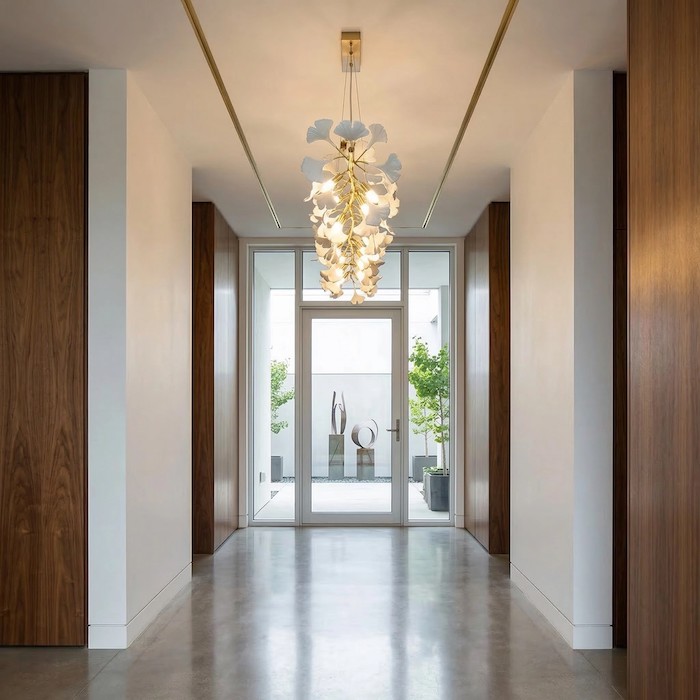
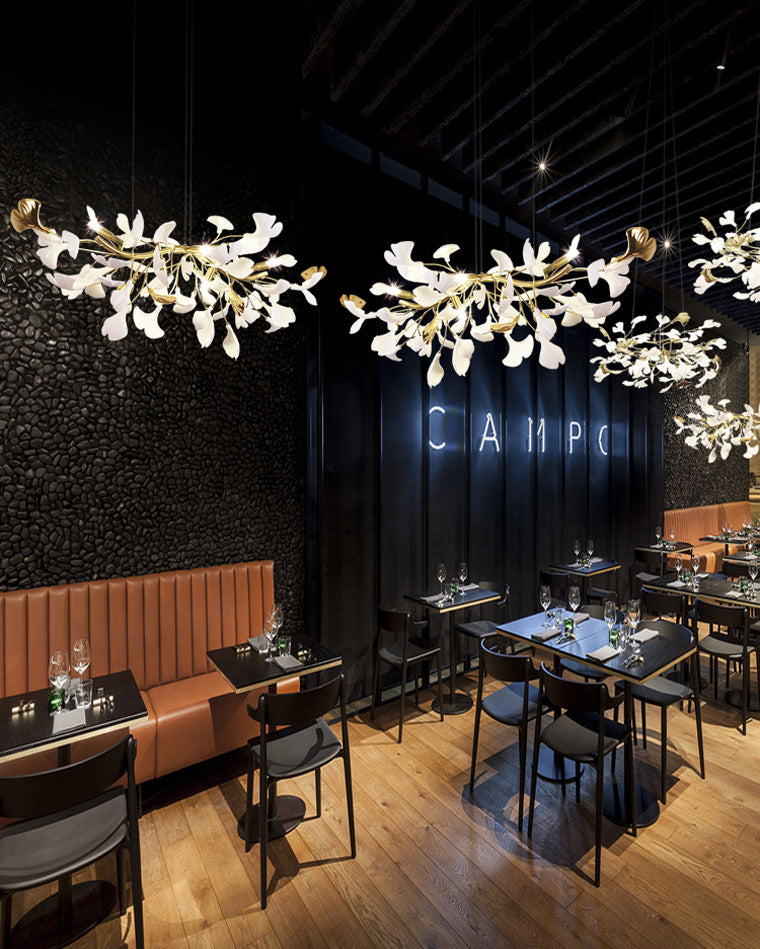
In einem minimalistischen Zuhause, wo das Motto „Weniger ist mehr“ gilt, muss jedes Objekt eine starke Präsenz haben. Architektonische Beleuchtung nimmt oft die Form einer funktionalen Skulptur an. Die Schönheit eines solchen Stücks liegt in der Art der Beleuchtung. Gingko Linear Kronleuchter-WM2433 Es verleiht einem Raum eine organische Komplexität, ohne ihn überladen wirken zu lassen. Seine Silhouette vor einer schlichten Wand oder einer hohen Decke erzeugt visuelle Tiefe und Schatten, die wesentlich dazu beitragen, dass ein Raum „fertig“ wirkt.
Schatten sind in der Architektur genauso wichtig wie Licht. Eine Leuchte, die interessante Muster an die Decke wirft, schafft eine Art „fünfte Wand“ aus Textur. Dadurch wirkt ein Raum vielschichtig und dreidimensional. Statt eines flachen, gleichmäßig beleuchteten Raumes entsteht eine dynamische Umgebung, in der sich die Schatten verändern, je nachdem, wie man sich im Raum bewegt. Das ist die Essenz von Luxus – es sind die subtilen Details, die einen Raum hochwertig und durchdacht wirken lassen.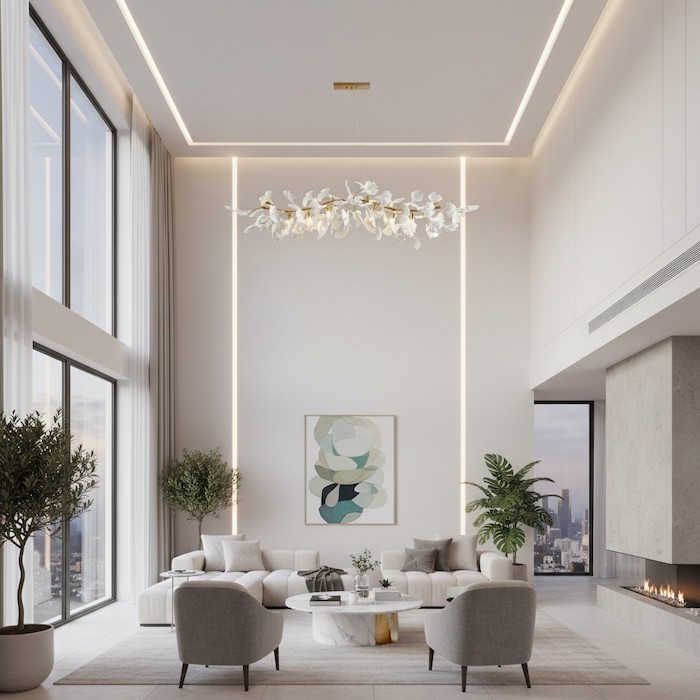
Abschließende Umsetzung: Der letzte Schliff
Um Licht als architektonisches Element wirkungsvoll einzusetzen, müssen die Proportionen Ihrer Möbel und die Deckenhöhe berücksichtigt werden. Eine lineare Leuchte sollte sich harmonisch einfügen, nicht aufgesetzt wirken. Wird eine Leuchte wie die Gingko Linear präzise installiert, wird sie – ähnlich wie ein Einbauregal oder ein Kamin – zu einem festen Bestandteil der Raumarchitektur.
Wenn Sie Ihre nächste Renovierung oder Umgestaltung planen, sollten Sie Beleuchtung nicht länger als bloßen Kauf, sondern als Projekt betrachten. Mit hochwertigen, designorientierten Leuchten prägen Sie den Charakter Ihres Zuhauses von der Decke abwärts. So schaffen Sie einen Wohnraum, der nicht nur hell, sondern auch architektonisch ansprechend und optisch beeindruckend ist.