
De wetenschap van sfeer: hoe kleurtemperatuur en helderheid je huis transformeren
Ben je wel eens een kamer binnengelopen en voelde je meteen een gevoel van kalmte, of misschien juist een plotselinge energieboost? Hoewel we dat vaak toeschrijven aan het meubilair of de kleur van de muur, is de ware stille regisseur van onze emoties de verlichting. Als huiseigenaren focussen we ons vaak op het armatuur zelf, maar de magie schuilt in de wisselwerking tussen licht en armatuur. kleurtemperatuur En helderheid.
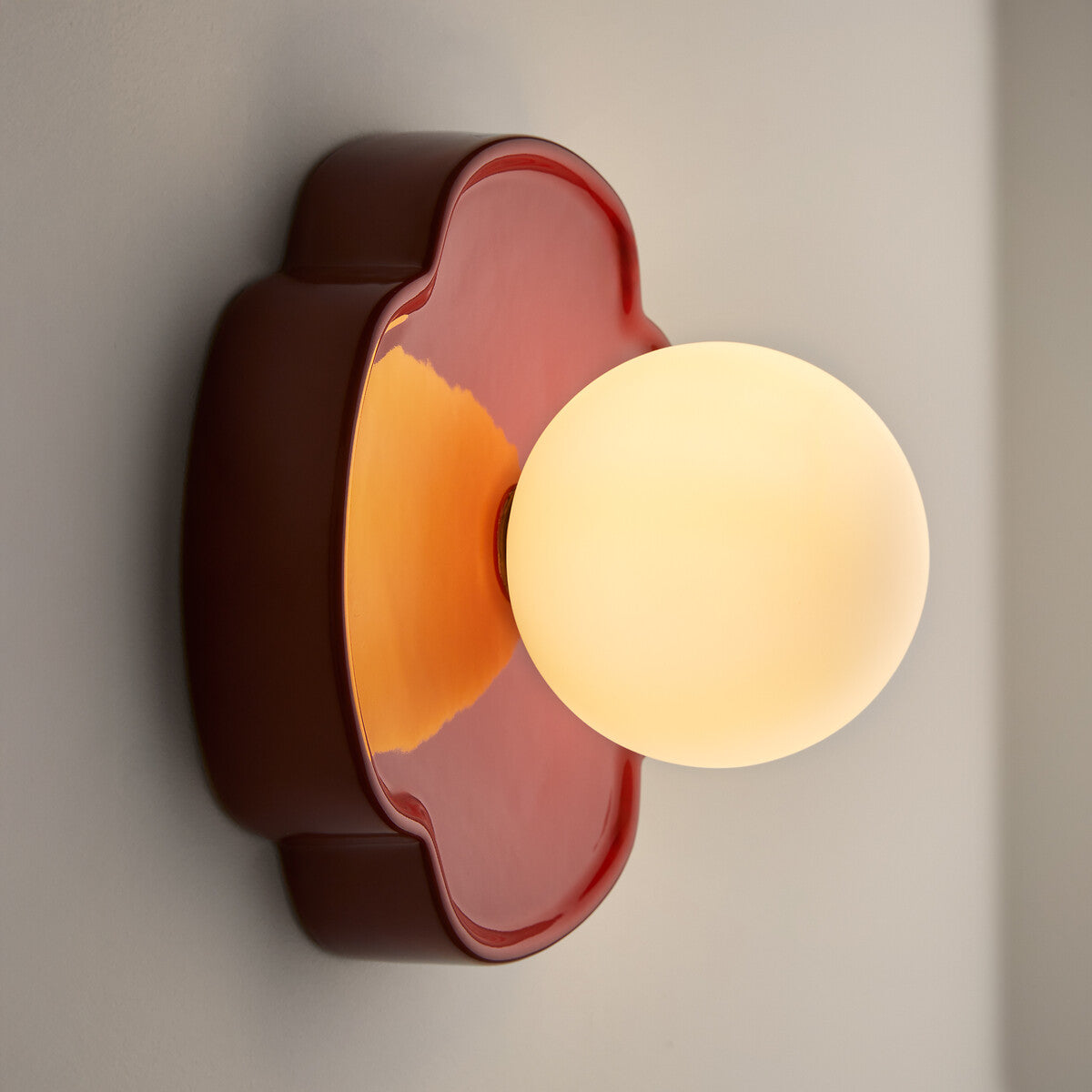
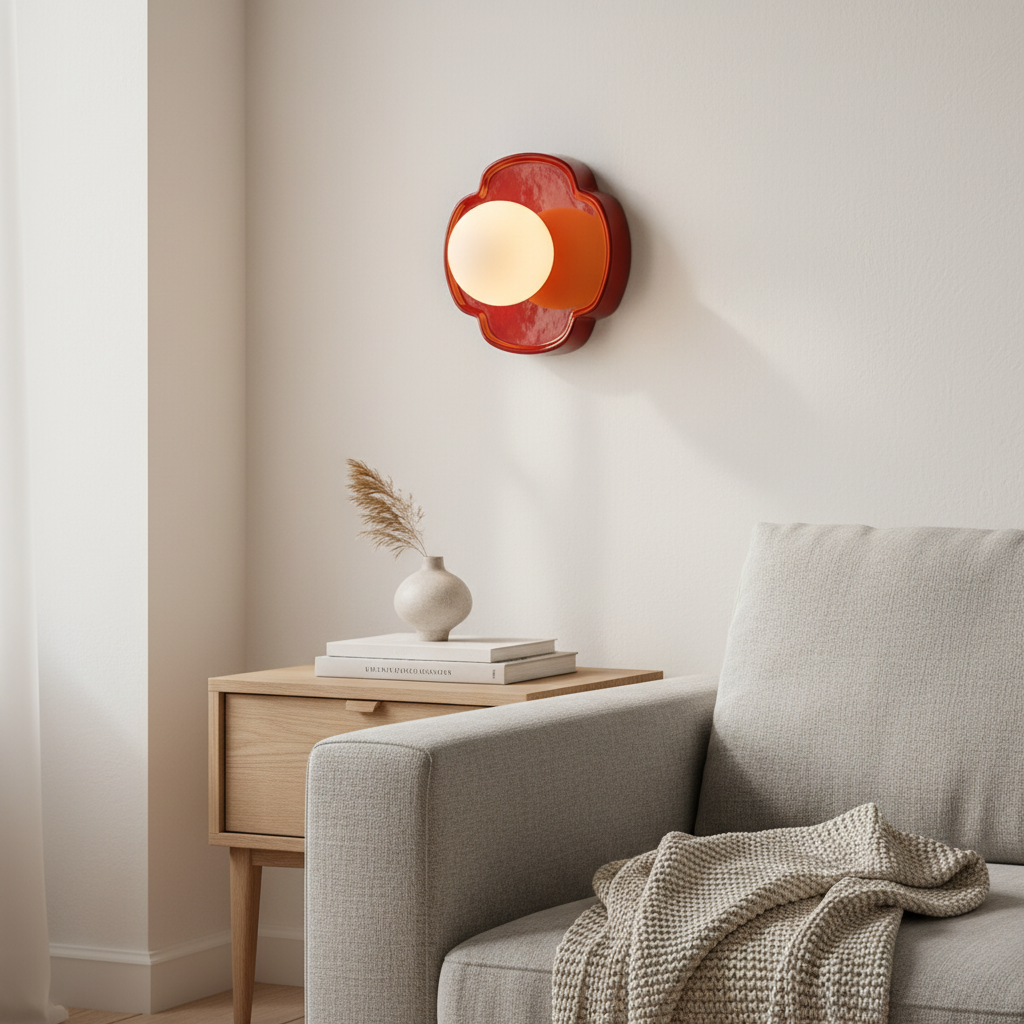
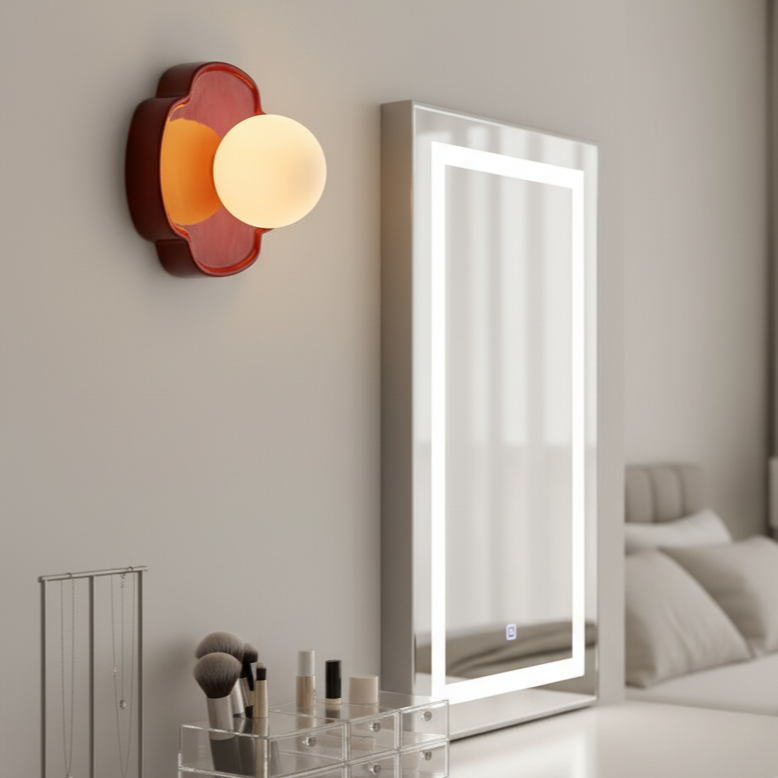
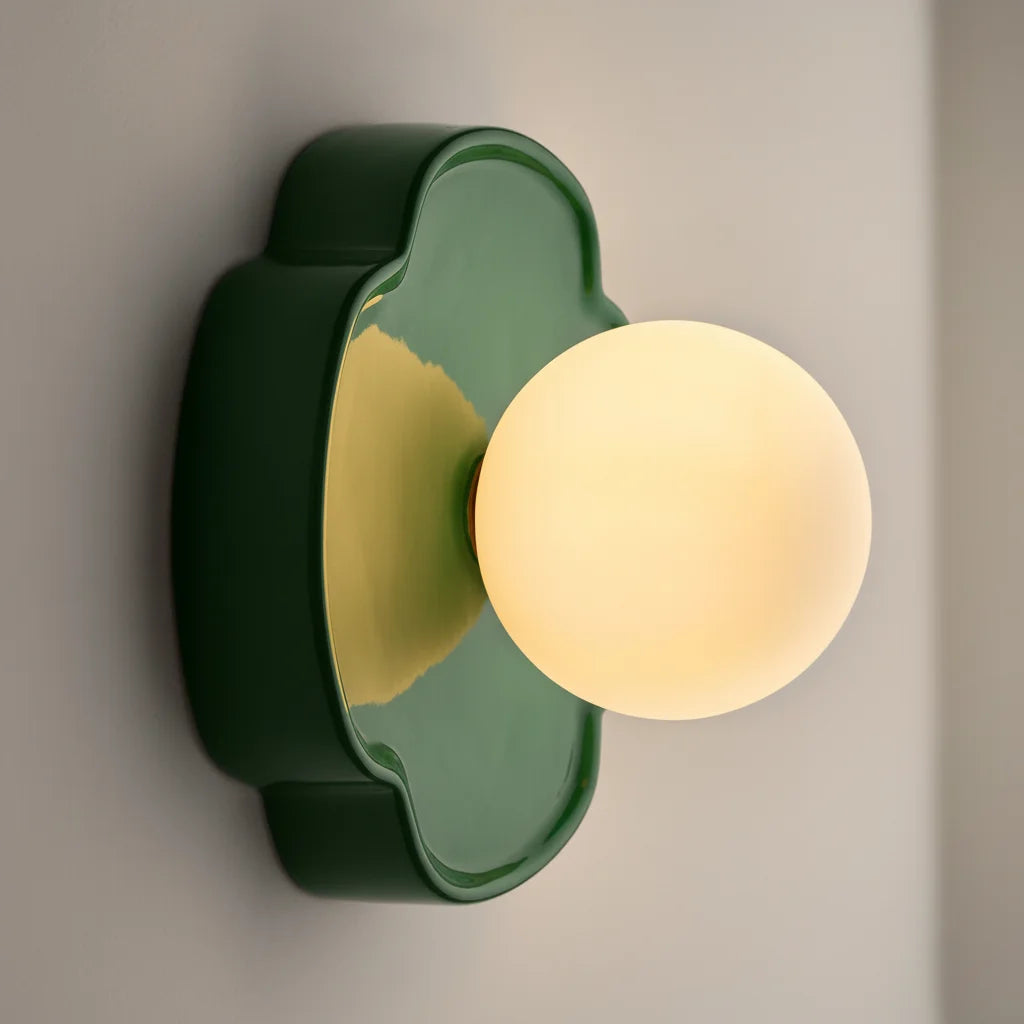
Het begrijpen van deze twee pijlers van design is niet alleen voor professionals; het is de sleutel tot het creëren van een huis dat aanvoelt als een zorgvuldig samengestelde woning. Vandaag onderzoeken we hoe licht zich gedraagt en hoe elementen zoals de Dashiell Moderne keramische bolvormige wandlamp kan worden gebruikt om de visuele en emotionele identiteit van uw ruimte te verankeren, met name door te focussen op Hoe verlichtingsmaterialen de interieurtextuur beïnvloedenDoor armaturen te kiezen die de nadruk leggen op tactiele schoonheid, kunt u een vlakke ruimte transformeren in een multidimensionaal toevluchtsoord waar elk oppervlak een doelbewuste uitstraling heeft.
De gloed ontrafeld: kleurtemperatuur
Kleurtemperatuur wordt gemeten in Kelvin. In de wereld van residentiële verlichting werken we doorgaans binnen een bepaald bereik. Aan de onderkant (2700K tot 3000K) vinden we 'warm wit' – de gezellige, gelige gloed die doet denken aan een zonsondergang of een knisperend haardvuur. Aan de bovenkant (4000K tot 5000K) komen we bij 'koel wit' of 'daglicht', dat de felle middagzon nabootst.
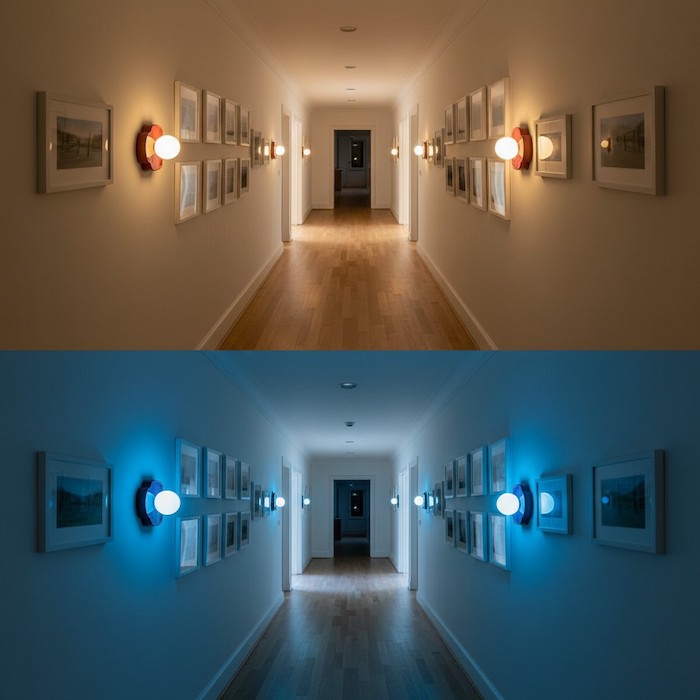
De psychologie hierachter is simpel: warm licht stimuleert de aanmaak van melatonine, het hormoon dat ons helpt ontspannen. Daarom gebruiken luxe restaurants en spa's nooit blauw licht. Omgekeerd onderdrukt koel licht de aanmaak van melatonine en stimuleert het de serotonineproductie, waardoor we ons alert en geconcentreerd voelen. Dit is waarom uw kantoor of garage doorgaans "scherper" aanvoelt.
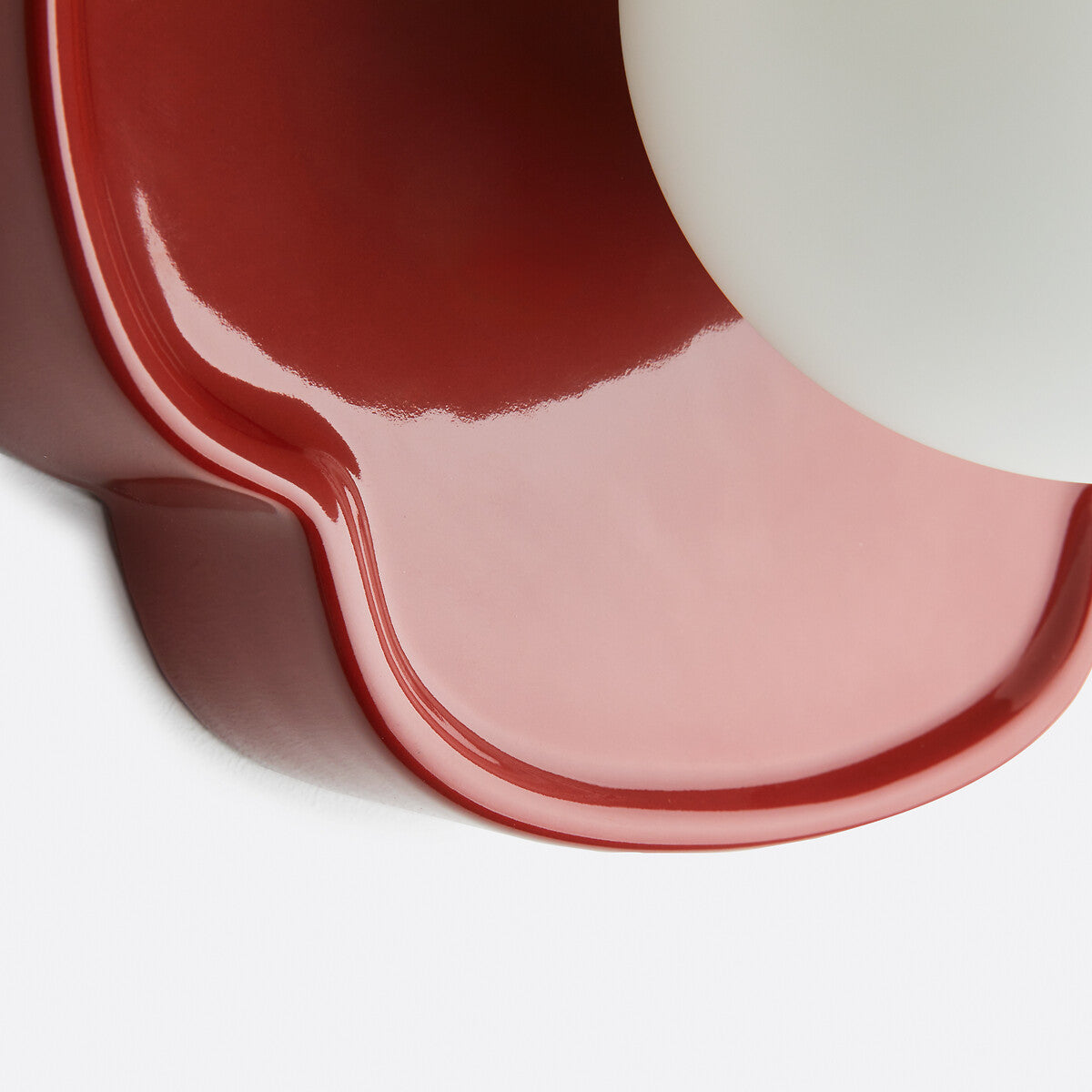
Experttip: Het materiaal van je lampenkap maakt alles uit. De keramische behuizing van de lampenkap bijvoorbeeld... Dashiell moderne keramische bolvormige wandlamp Het werkt als een natuurlijke diffuser. In tegenstelling tot glas, dat hard licht doorlaat, verzacht keramiek de scherpte van elke lamp, waardoor het licht natuurlijker en minder klinisch aanvoelt.
Helderheid: meer dan alleen "helder"
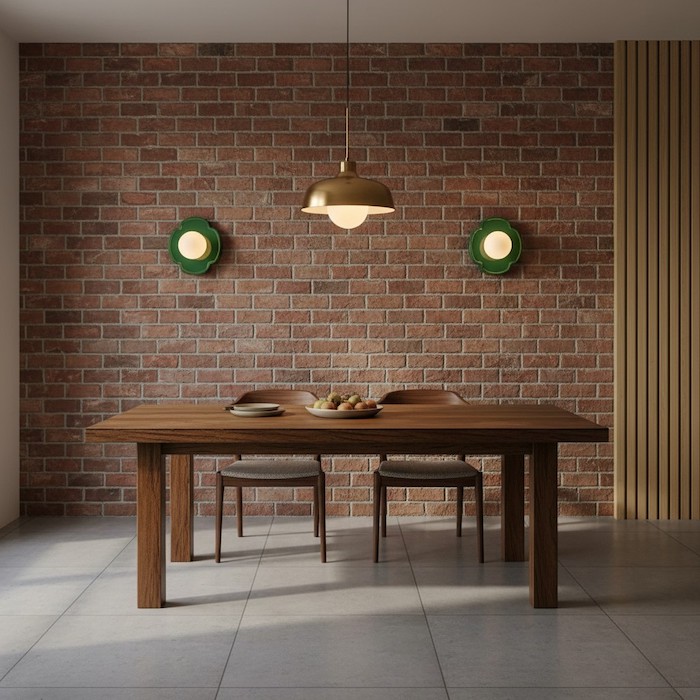
Helderheid gaat over de hoeveelheid licht, maar in design draait het eigenlijk om... waargenomen diepteEen ruimte die overal te licht is, voelt vlak en ongezellig aan – zoals een supermarkt. Een ruimte die te donker is, voelt grotachtig en deprimerend aan. Het doel is "gelaagde lichtinval".
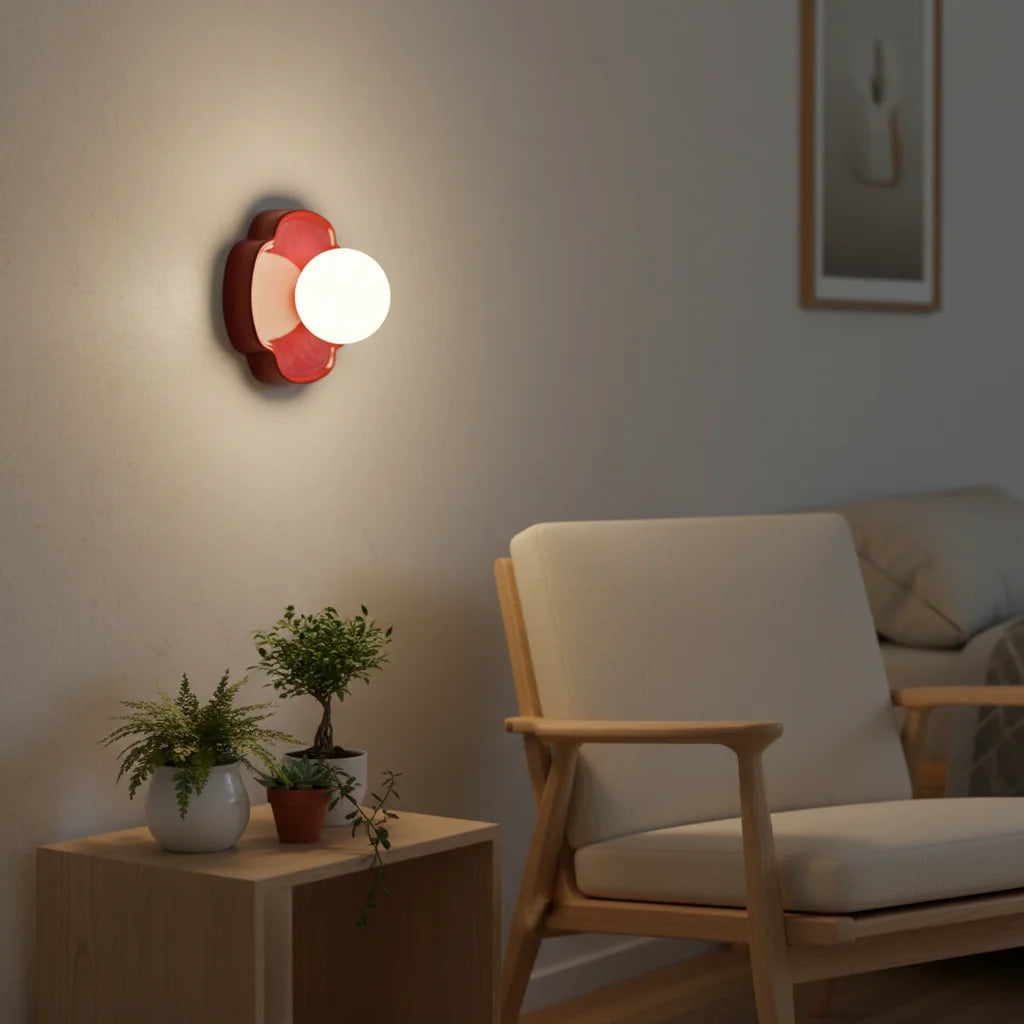
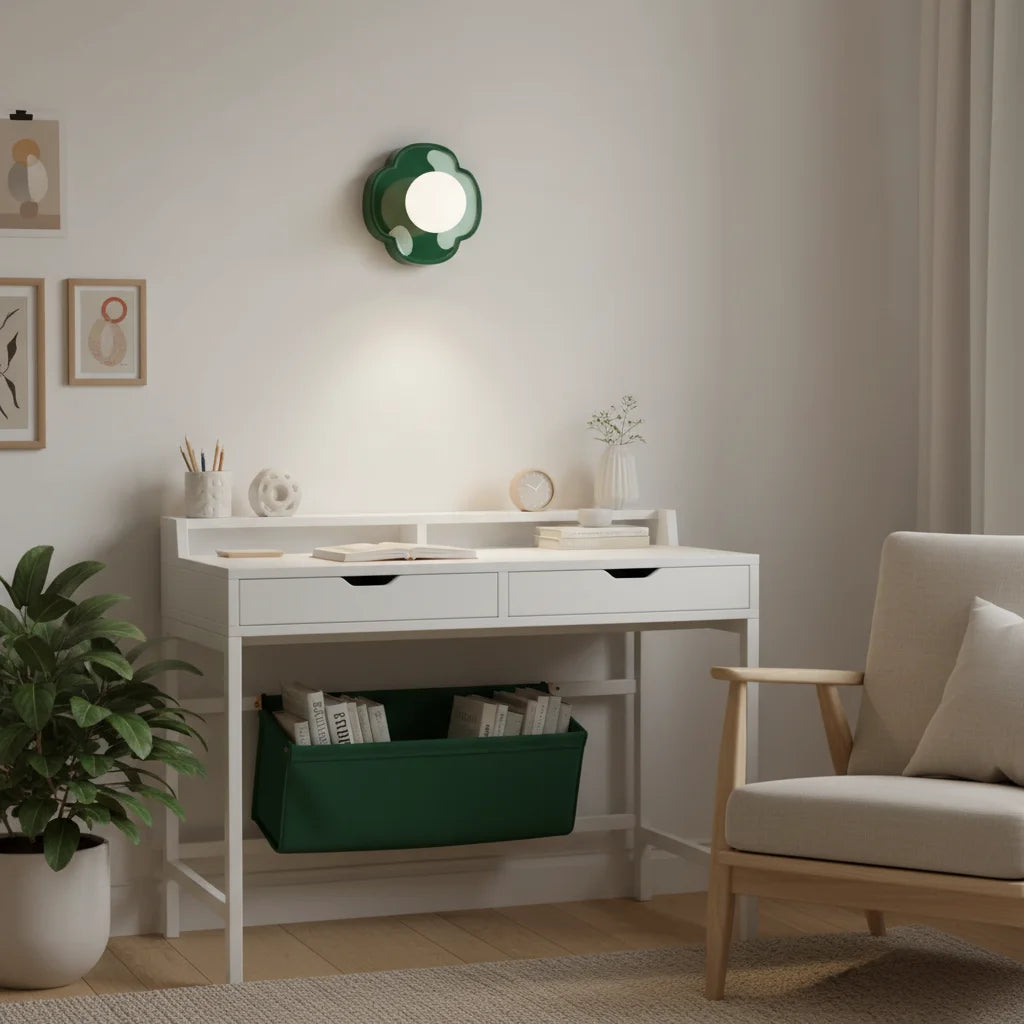
Door wandarmaturen te gebruiken, creëer je 'lichtvlekken'. In plaats van één verblindende lichtbron boven je hoofd, zorgen meerdere lichtpunten op ooghoogte voor schaduwen en highlights. Deze schaduwen geven een ruimte zijn 'ziel'. Ze definiëren de architectuur en zorgen ervoor dat de ruimte driedimensionaal en interessant aanvoelt.
De atmosfeer in kaart brengen per kamer
Hoe passen we deze concepten toe? Laten we het eens bekijken aan de hand van het "gevoel" dat je wilt bereiken:
1. Het heiligdom (slaapkamer en woonkamer)
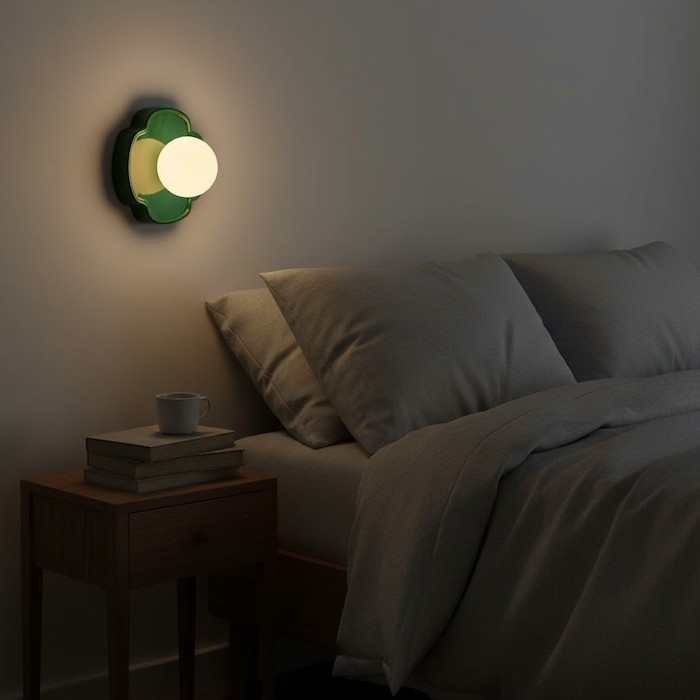
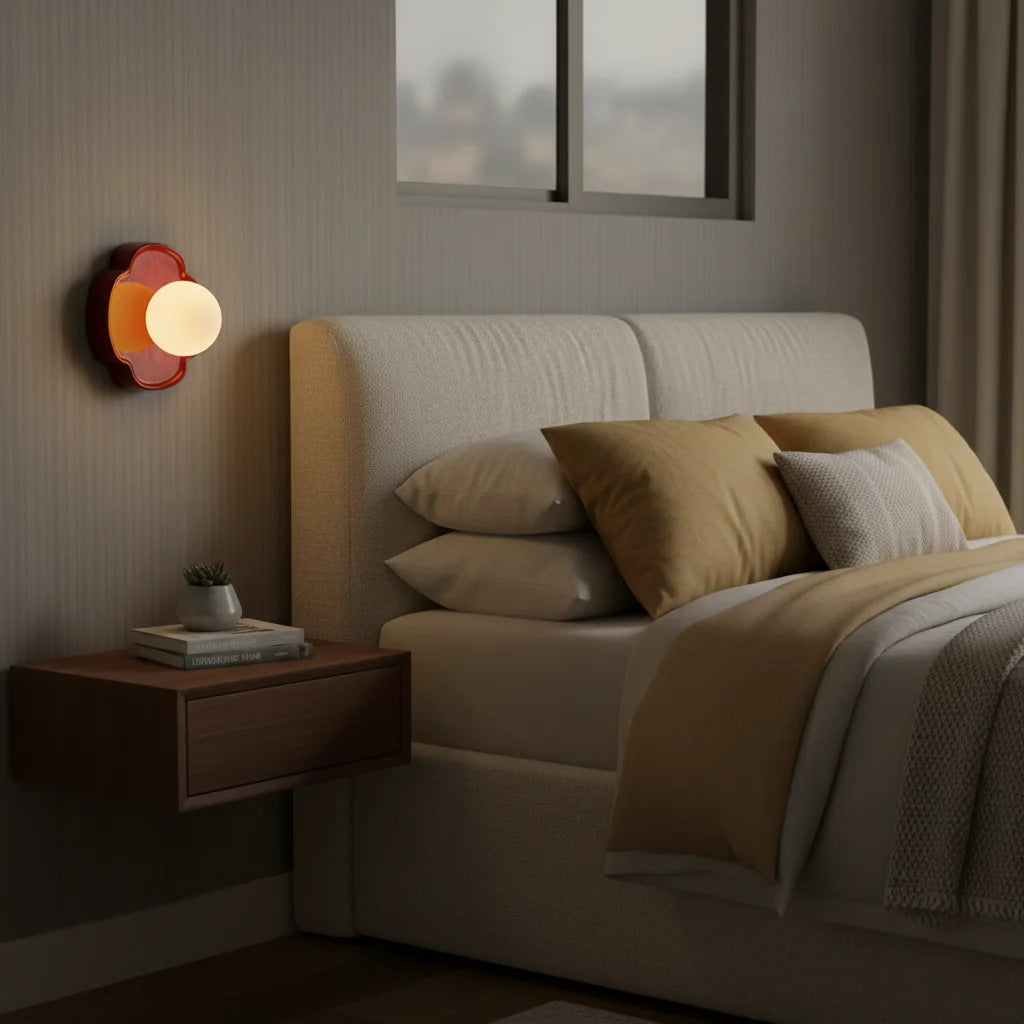
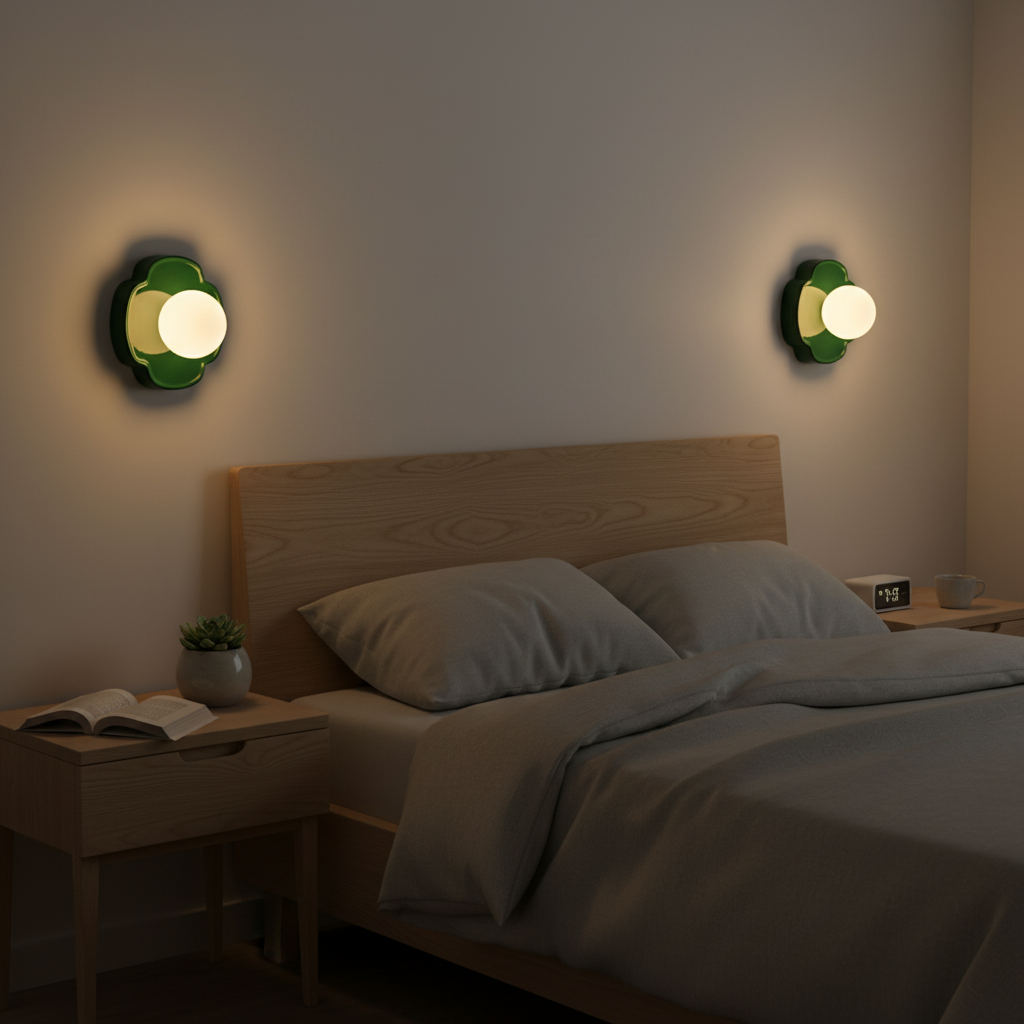
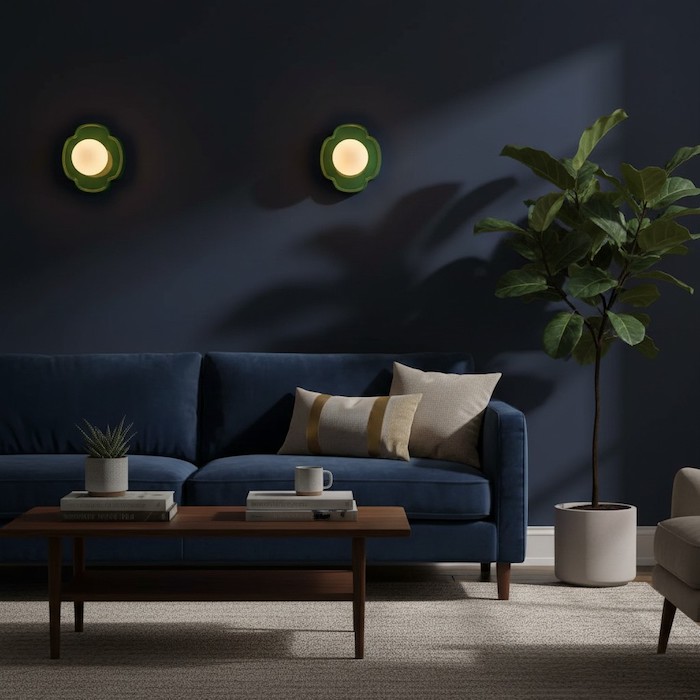
Hier is een "rustige en geleidelijke" aanpak gewenst. Weinig helderheid, warme kleurtemperatuur. Door een keramische bolvormige lamp in de buurt van een leeshoekje of naast je bed te plaatsen, krijg je voldoende licht om te kunnen zien, maar de warme lichtverspreiding door het keramiek zorgt ervoor dat je ogen kunnen rusten. Het geeft je hersenen het signaal dat de dag voorbij is. Deze eenvoudige aanpassing is de sleutel tot het beantwoorden van de essentiële ontwerpvraag: Hoe combineer je comfort en functionaliteit in je slaapkamerverlichting?Door zachte, indirecte verlichting te verkiezen boven fel plafondlicht, creëer je een ruimte die functioneel blijft voor avondactiviteiten en tegelijkertijd een diep ontspannende werking heeft.
2. De overgang (gangen en ingangen)
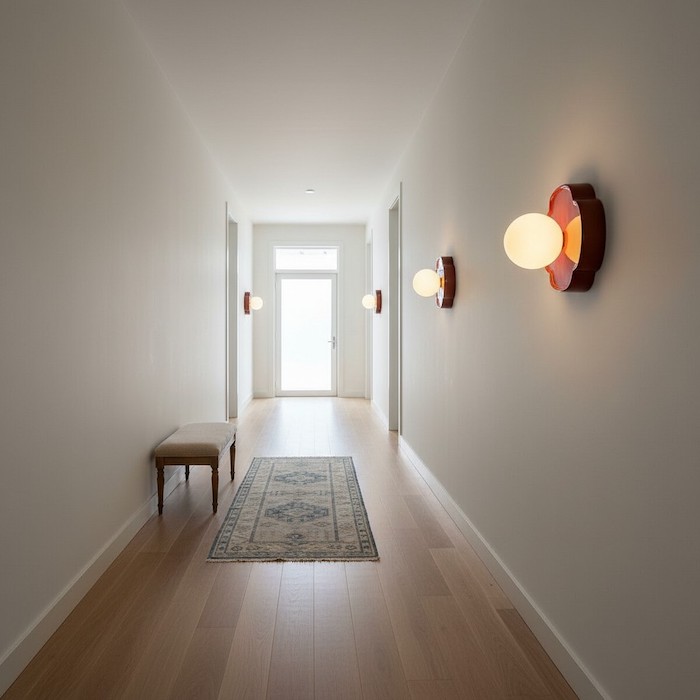
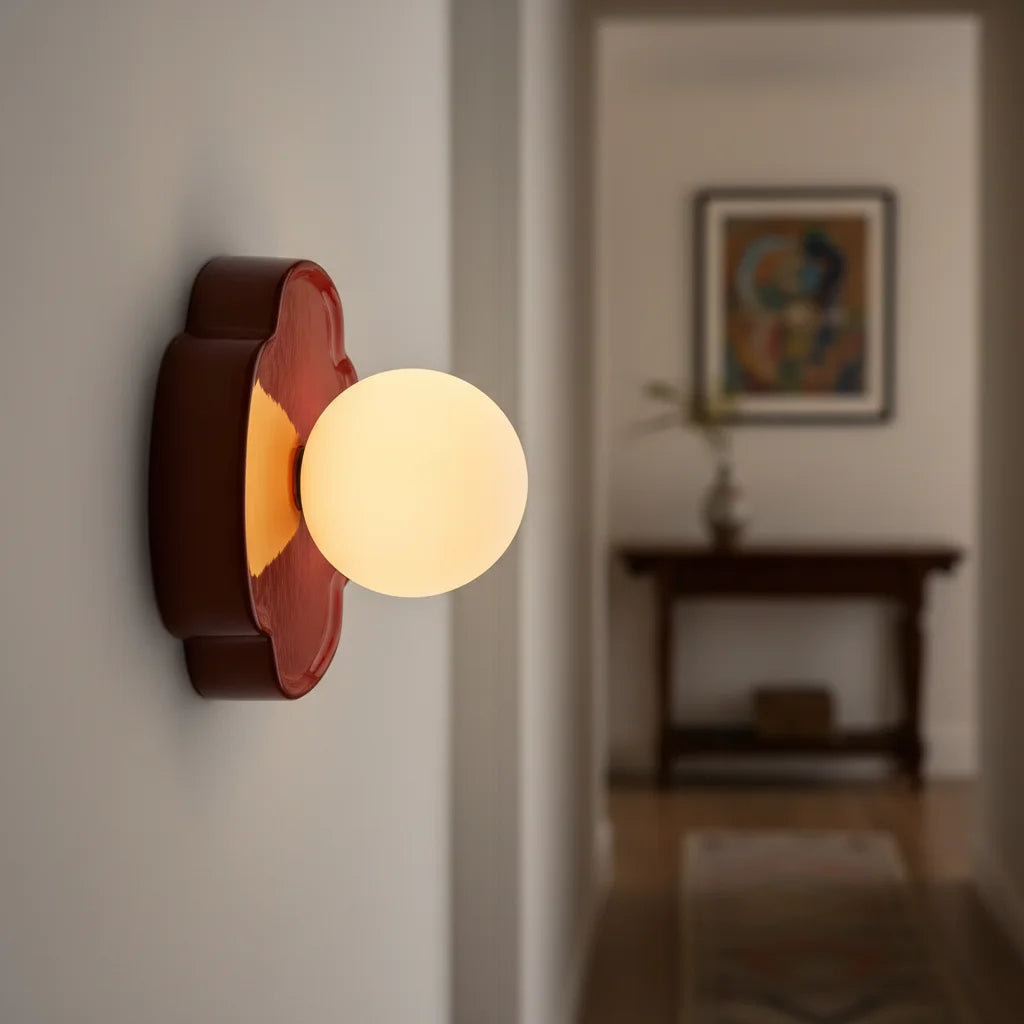
Overgangsruimtes moeten de kloof overbruggen. Je hebt hier geen intense helderheid nodig, maar wel duidelijkheid. Een gemiddelde helderheid met een neutrale, warme tint zorgt ervoor dat mensen zich veilig voelen als ze door het huis bewegen, zonder de storende 'zoem' van koud licht.
3. De moderne accenten
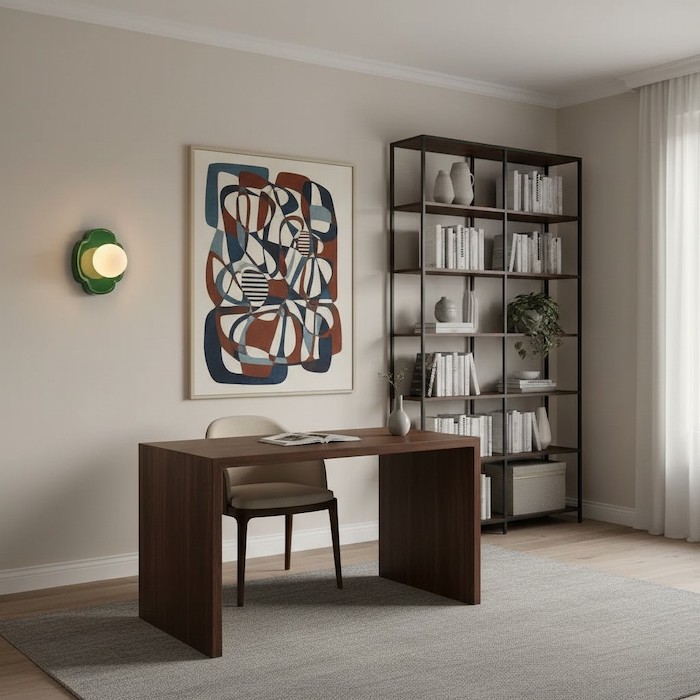
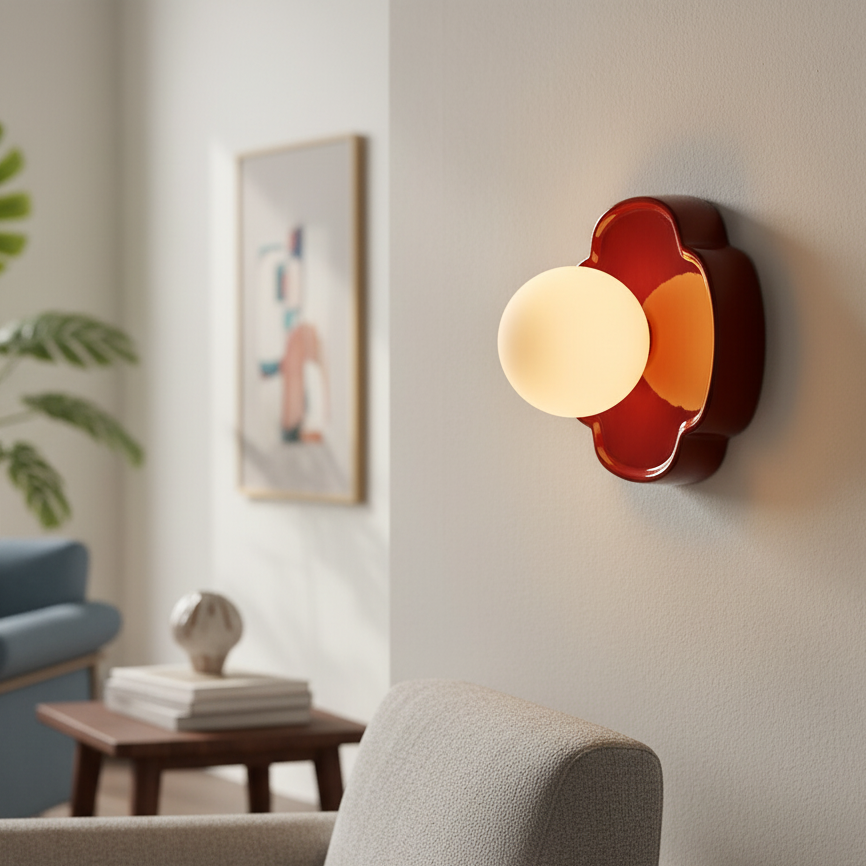
In moderne woningen worden geometrische vormen vaak gebruikt om visuele balans te creëren. Een bolvormige lamp is niet zomaar een lichtbron; het is een kunstwerk op zich. Wanneer de helderheid is ingesteld op een zachte gloed, wordt de bolvorm een blikvanger die de aandacht naar boven trekt, waardoor plafonds hoger lijken en kamers ruimer aanvoelen.
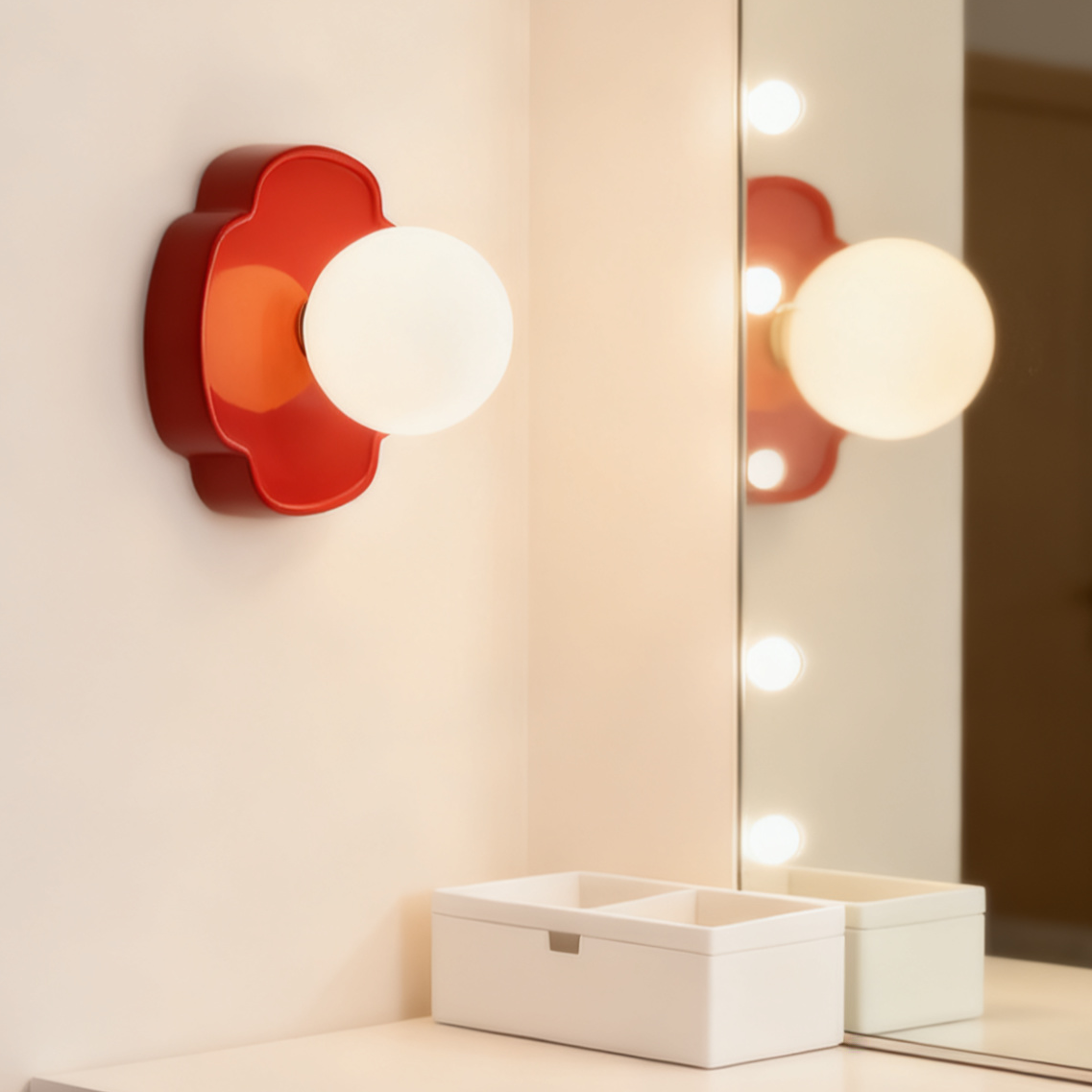
De Dashiell moderne bolvormige wandlamp Het product komt in deze omgevingen uitstekend tot zijn recht omdat de matte afwerking prachtig samenspeelt met zowel natuurlijk daglicht als de eigen interne gloed. Het is een veelzijdig product dat zijn "sfeer" aanpast aan de lamp die je erin plaatst.
Klaar om het energieverbruik van uw huis te herzien? Ontdek de Dashiell Moderne Keramische Bol collectie en de perfecte balans tussen licht en schaduw vinden.
Slotgedachten
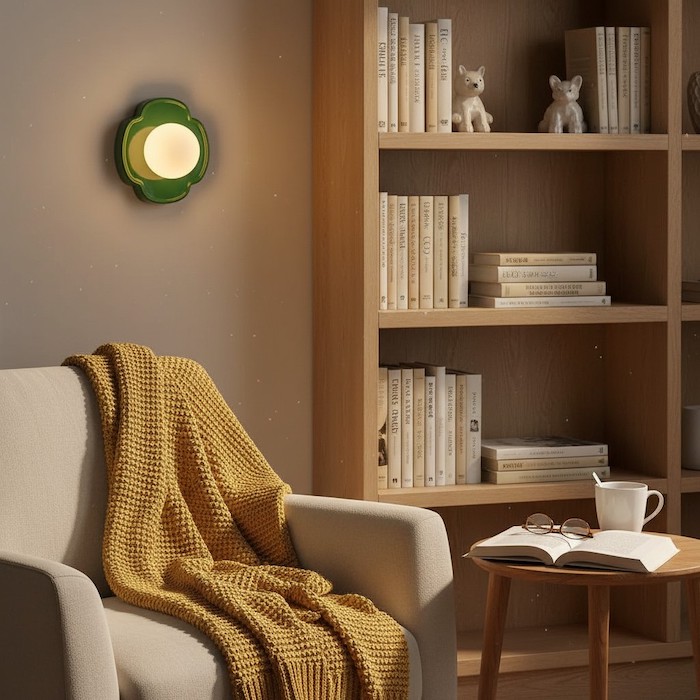
Sfeer ontstaat niet per ongeluk; het is een bewuste keuze. Door een warme kleurtemperatuur en strategisch gekozen helderheidsniveaus te selecteren, kun je een koude, galmende ruimte omtoveren tot een warme, uitnodigende plek. Doe niet zomaar een lamp aan, maar creëer een beleving. Begin met elementen die de schoonheid van diffuus licht begrijpen en laat je huis stralen in het beste licht.