
The Art of the Layer: How Wall Sconces Transform Modern Residential Spaces
Walking into a professionally designed home often feels different than walking into a standard house. You can’t quite put your finger on it, but the space feels "richer," deeper, and more comfortable. The secret isn't usually the furniture or the paint color—it is the lighting. Specifically, it is the mastery of Layered Lighting. In a world where most rooms are flattened by a single, harsh overhead light, wall sconces act as the essential middle layer that breathes life into your architecture.
Layered lighting is the practice of combining three distinct types of light: Ambient, Task, and Accent. While ceiling lights handle the "ambient" (general) light, wall-mounted fixtures are the bridge that connects the ceiling to the floor. They fill the "dead space" at eye level, creating a sense of volume and warmth that makes a home feel truly lived-in.
Eliminating the "Flat" Room Effect
Most people rely too heavily on "downlighting"—lights that point straight from the ceiling to the floor. This creates a high-contrast environment with deep shadows under the eyes and nose of everyone in the room. It makes spaces feel clinical and cold. Wall sconces solve this by providing "lateral lighting."
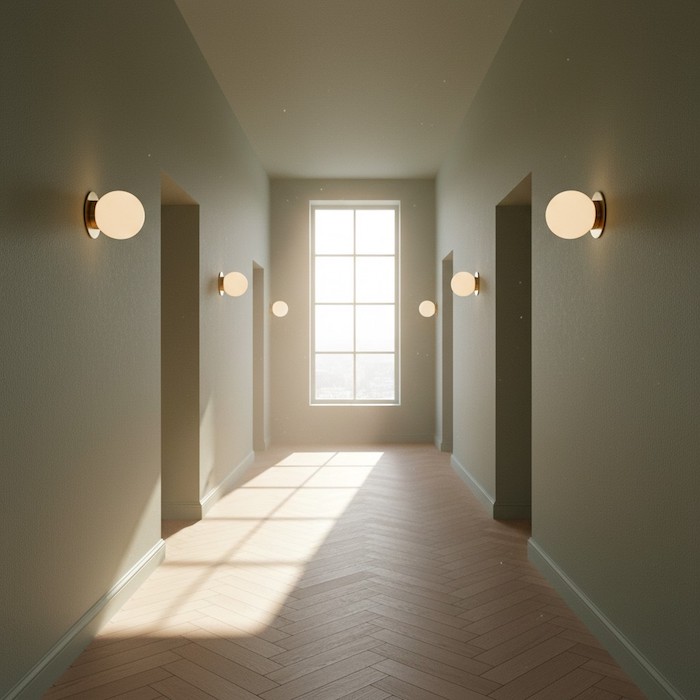
By casting light horizontally across the room, sconces fill in those harsh shadows. They soften the transition between light and dark, giving the walls a gentle wash of brilliance. This is particularly effective in high-traffic areas like hallways or living rooms, where the goal is to create an inviting, approachable atmosphere. A simple globe fixture on a wall can turn a cold corridor into a glowing gallery, demonstrating the subtle art of Using Modern Wall Lights to Enhance Vertical Space.
Create a sophisticated wash of light in your home with the
Arlo Minimalist Globe Glass Wall Sconce
Building Depth in the Living Room
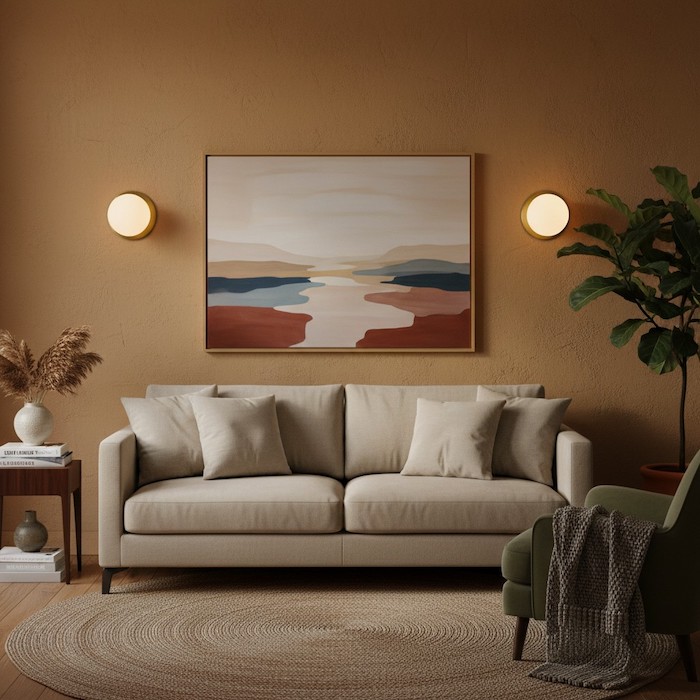
The living room is the primary theater for layered lighting. Here, the sconce serves two roles: it acts as an accent and a mood-setter. When placed on either side of a fireplace or a large piece of art, sconces draw the eye toward the room's best features. They create a "visual hierarchy," telling the observer where to look first.
Designer’s Secret: The Eye-Level Glow
Professional designers often place sconces at roughly 60 to 66 inches from the floor. Why? This is approximately eye level. By placing the light source here, you create a warm, human-centric glow that makes conversations feel more intimate and the architecture feel more substantial.
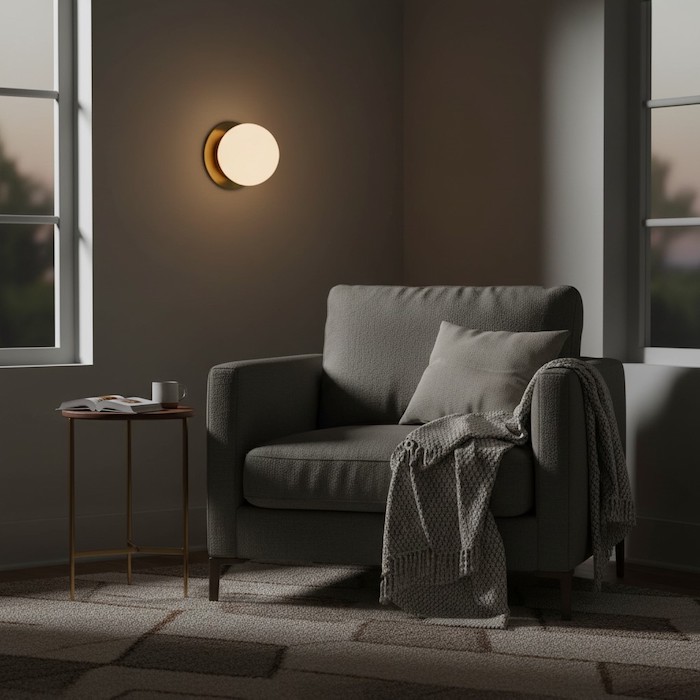
In the evening, when you want to relax, you can turn off the overhead lights and rely solely on your wall fixtures. This lower level of light signals to your nervous system that it is time to wind down. The soft refraction of light through a glass sphere creates a peaceful environment that no ceiling pot-light can replicate.
Functional Beauty in Transitions
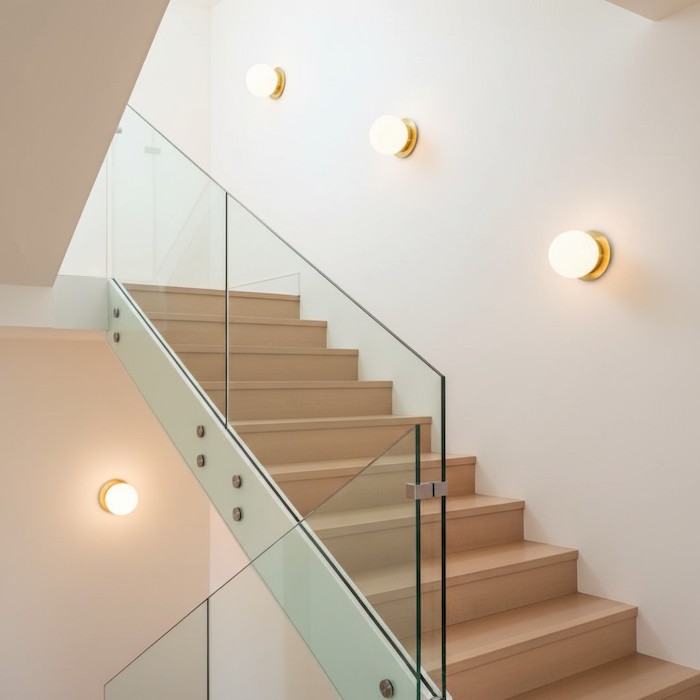
Transitions—the spaces between rooms, like staircases and hallways—are often neglected in home design. These areas are the perfect canvas for wall-mounted lighting. Because these spaces are usually narrow, floor lamps or bulky furniture aren't practical. A sleek, wall-mounted globe fixture provides the necessary safety and visibility without taking up a single inch of floor space.
Furthermore, in a bathroom or vanity area, wall sconces are actually superior to overhead lighting. Light coming from the side (at face level) is much more flattering for grooming and skincare, as it illuminates the face evenly. This is the ultimate merger of high-end aesthetics and daily functionality, a principle of balanced illumination that also applies when selecting Glass Wall Lamps for Elegant Dining Room Lighting Design.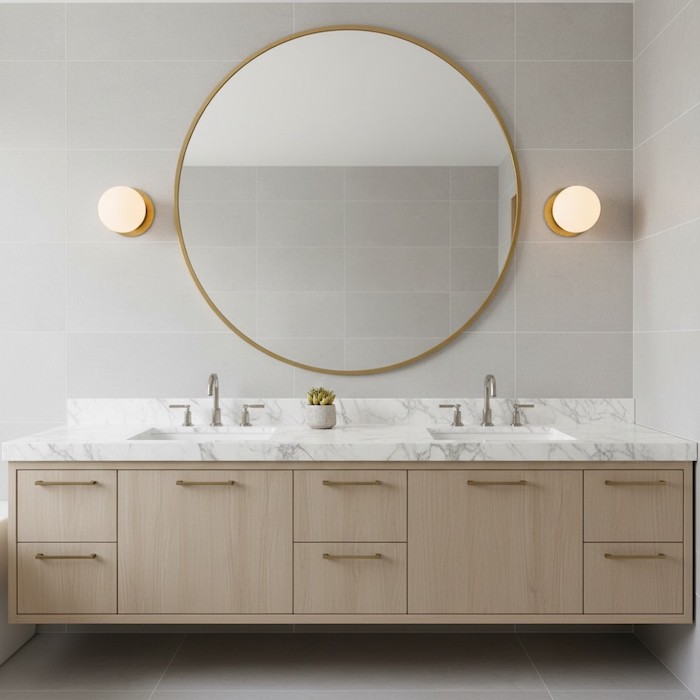
The Architectural Statement of Minimalism
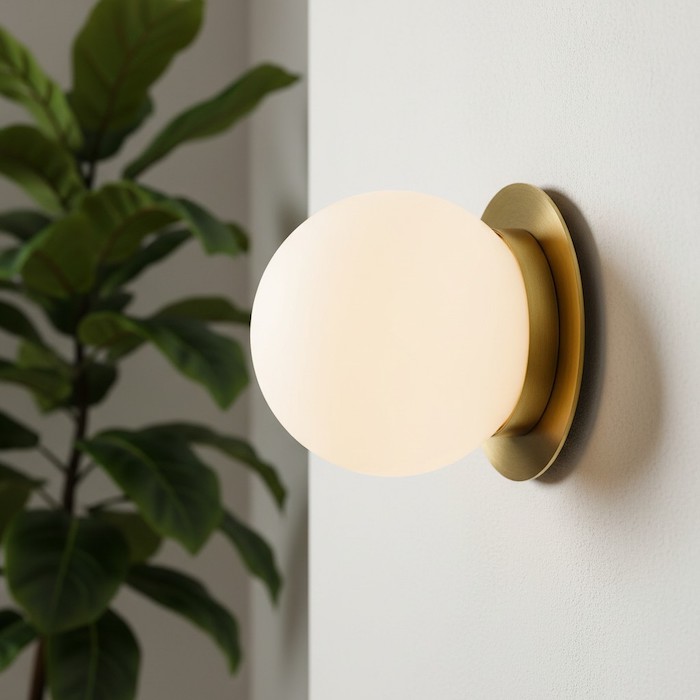
Modern design values the "uninterrupted line." Every time you add a cord or a base to a room, you break that line. Wall sconces are essentially "hidden" lighting—the wiring is tucked away behind the drywall, leaving only the beautiful silhouette of the fixture visible. This creates a "floating" effect that feels futuristic and clean.
When you choose a fixture with a simple, geometric form—like a sphere—you aren't just adding a light; you are adding a sculptural element. During the day, the fixture acts as a piece of wall art. At night, it becomes a beacon of warmth. This dual purpose is the hallmark of thoughtful, expert-level home styling.
Ready to add depth and soul to your interior design?
Explore the Arlo Collection Today
Conclusion: Lighting for the Way You Live
A home should adapt to your needs throughout the day. It should be bright and energetic in the morning, and soft and layered in the evening. Wall sconces are the key to this flexibility. By moving away from "flat" lighting and embracing the vertical layers of your walls, you create a space that feels expensive, curated, and above all, comfortable.


