
Oltre la lampadina: quando l'illuminazione lineare supera le prestazioni degli apparecchi tradizionali.
L'arredamento d'interni è spesso un gioco di proporzioni. Dedichiamo settimane alla scelta del divano giusto o del tavolo da pranzo perfetto, ma l'illuminazione viene spesso considerata un elemento secondario: un singolo punto luce posizionato al centro della stanza. Sebbene i lampadari tradizionali e le lampade a sospensione rotonde abbiano il loro posto, la casa moderna richiede spesso soluzioni più strategiche. L'illuminazione lineare si è affermata non solo come tendenza, ma anche come necessità funzionale per gli spazi che privilegiano sia la fluidità che la focalizzazione.
Se vi è mai capitato di sedervi a un lungo tavolo da pranzo dove le persone alle estremità si trovano in ombra, o di lavorare in piedi davanti a un'isola in cucina, ritrovandovi nella vostra controluce, avete sperimentato i limiti dell'illuminazione "puntiforme". È qui che il passaggio al design lineare cambia tutto. Estendendo la sorgente luminosa lungo un asse orizzontale, allineiamo l'illuminazione al nostro modo reale di vivere e lavorare.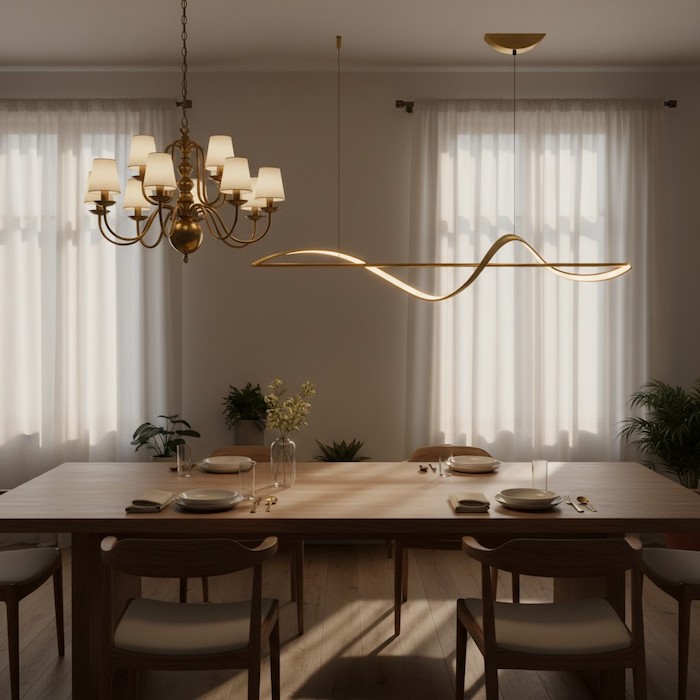
La geometria dell'isola della cucina
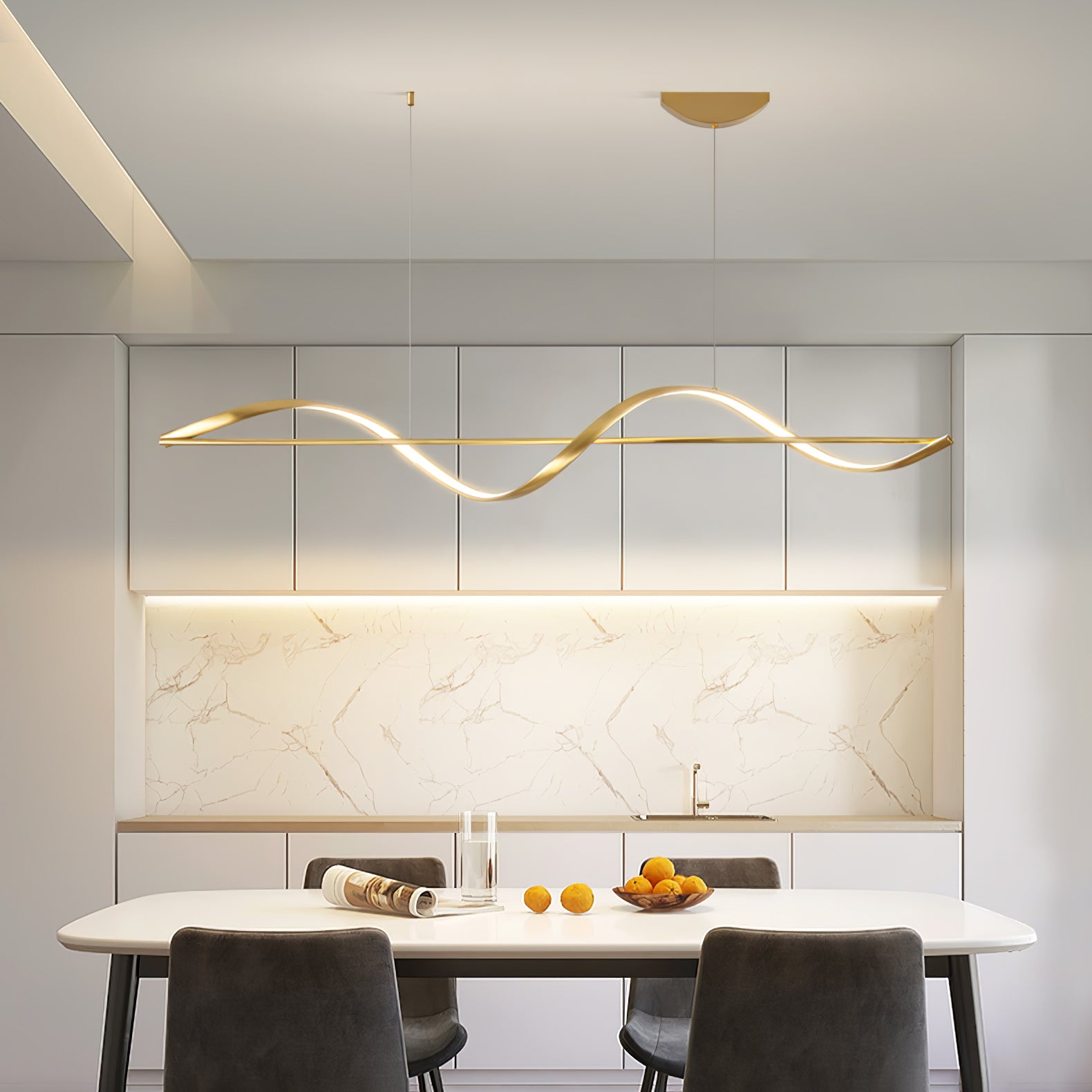
L'isola della cucina è il cuore pulsante della casa americana moderna. È il luogo dove si fa colazione di fretta, si finiscono i compiti e si versa il vino agli amici. Le tradizionali lampade a sospensione rotonde, pur essendo belle, spesso creano "punti caldi": cerchi di luce intensa con zone d'ombra al centro. Per illuminare un'isola di due o tre metri, potrebbero essere necessarie tre lampade a sospensione separate, il che può portare a un effetto disordinato e a una vera e propria "foresta" di cavi penzolanti.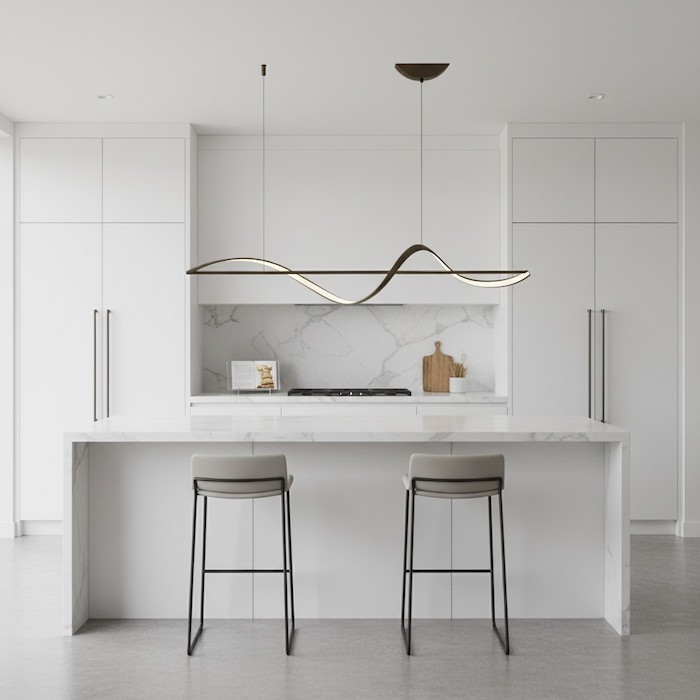
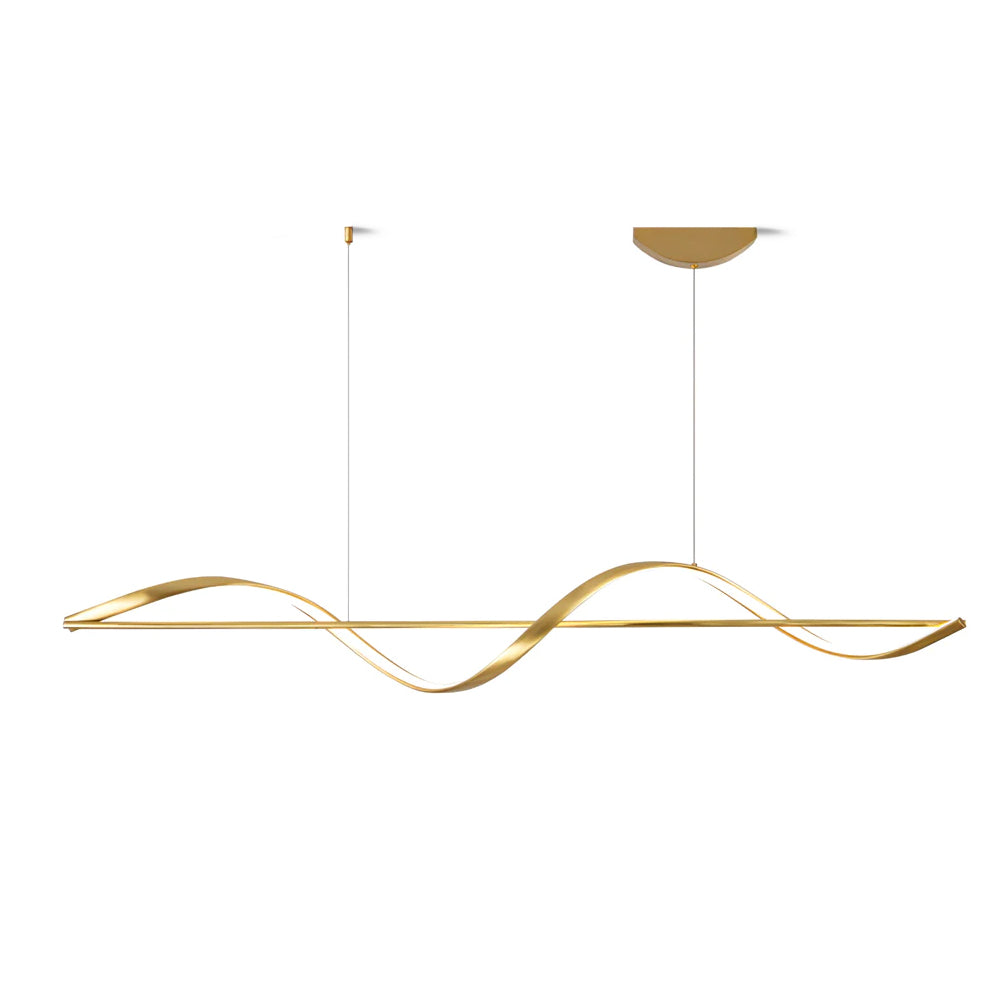
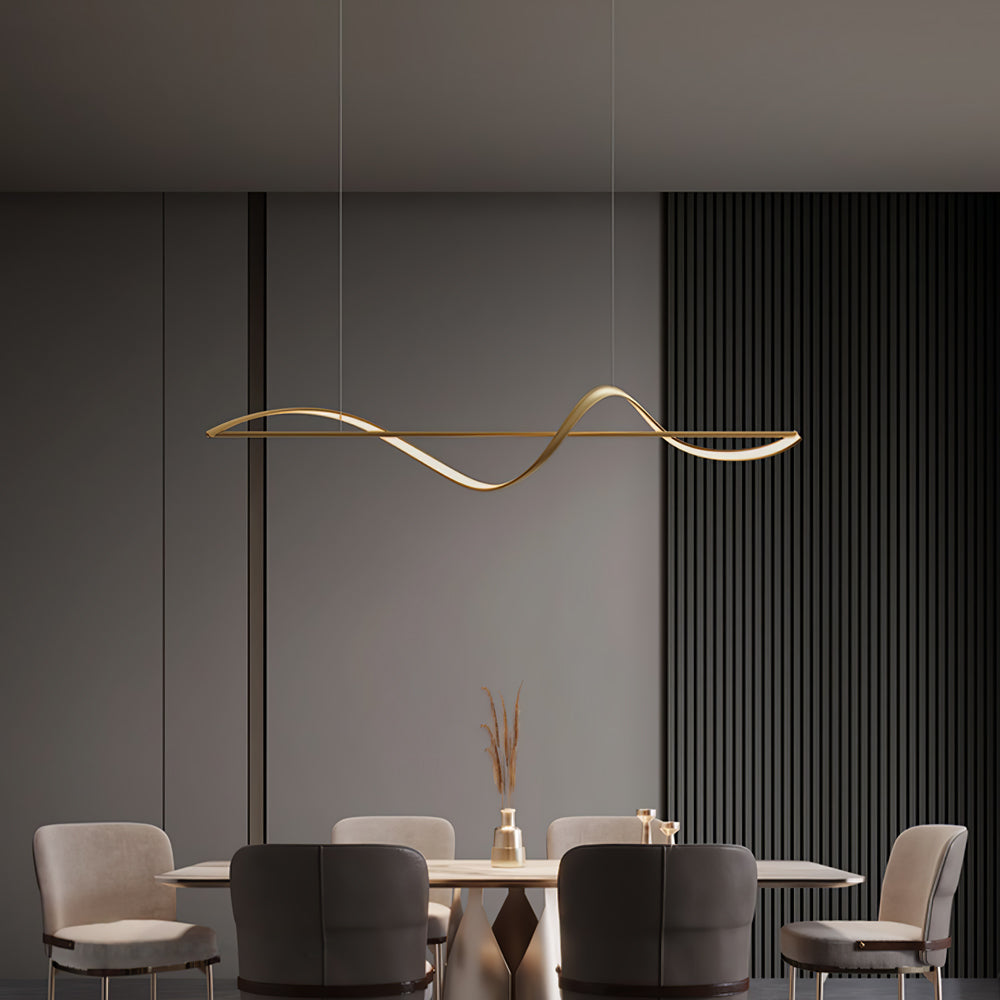
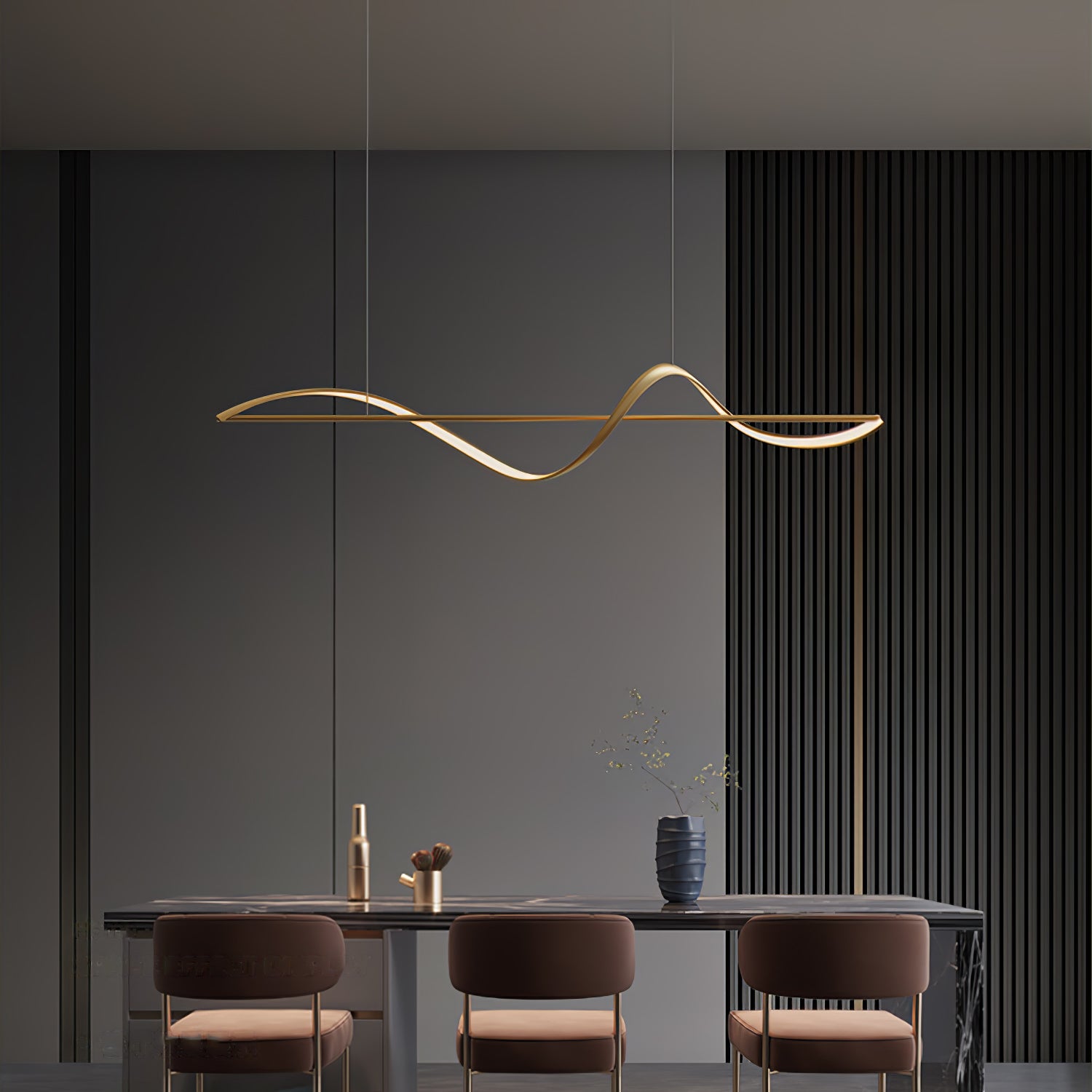
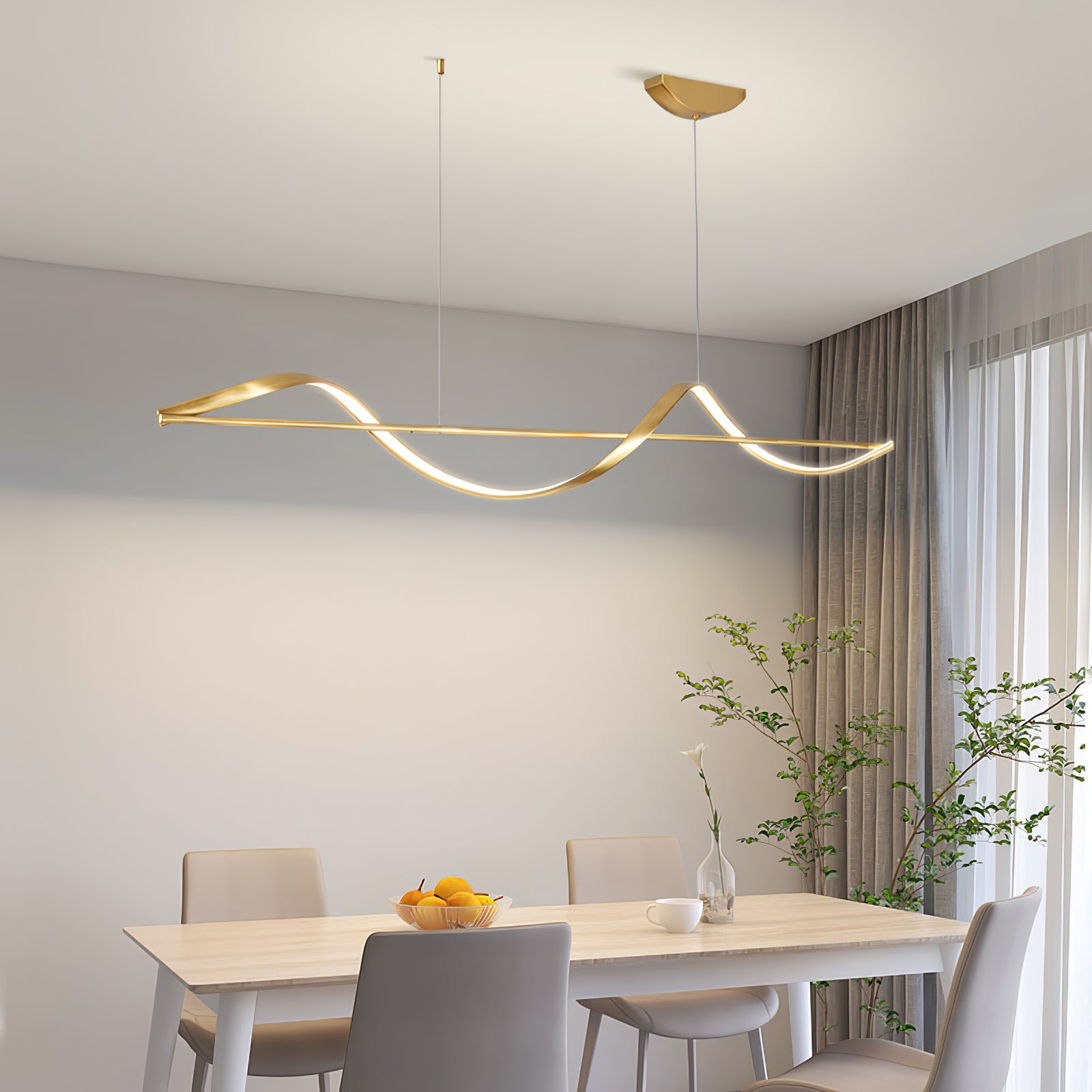
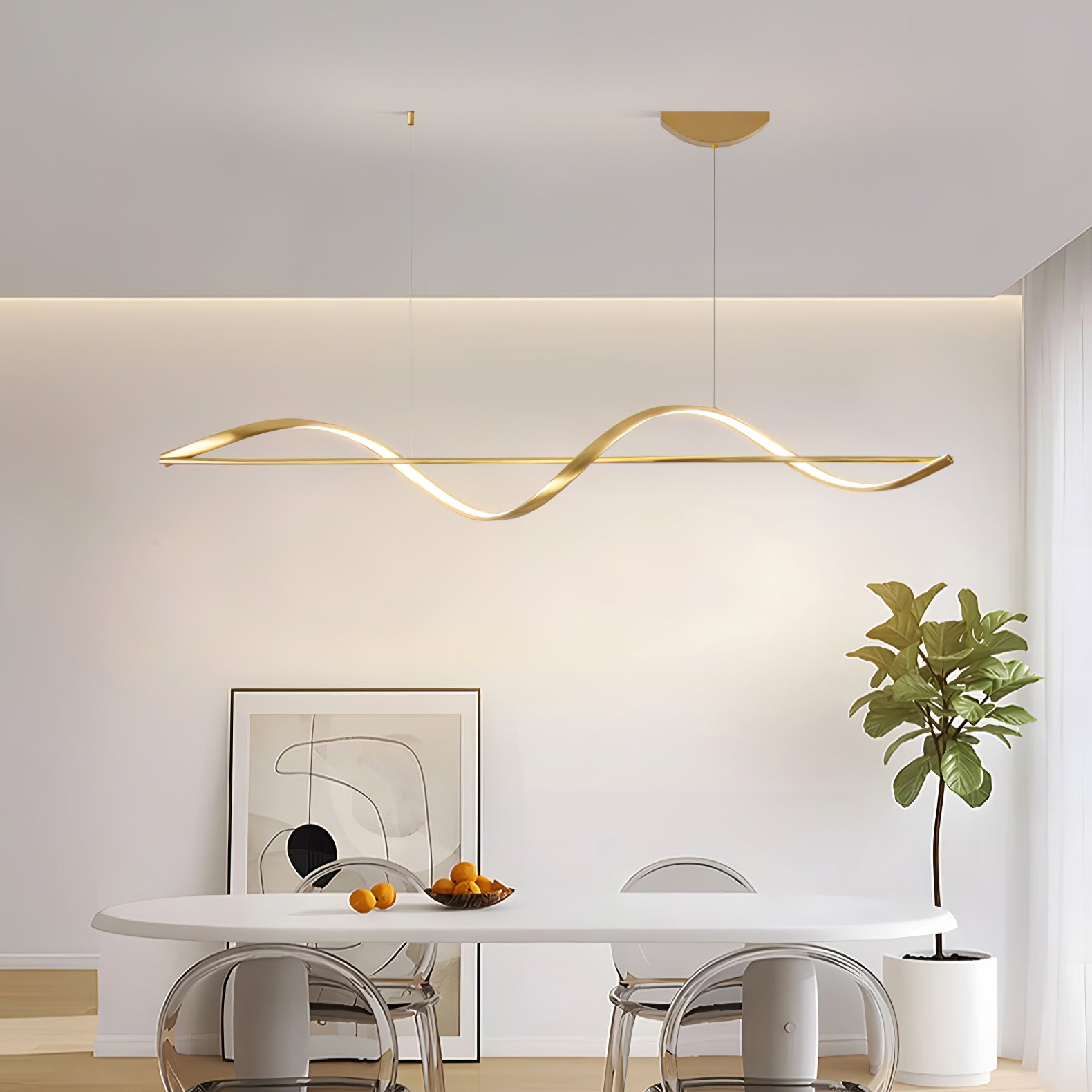
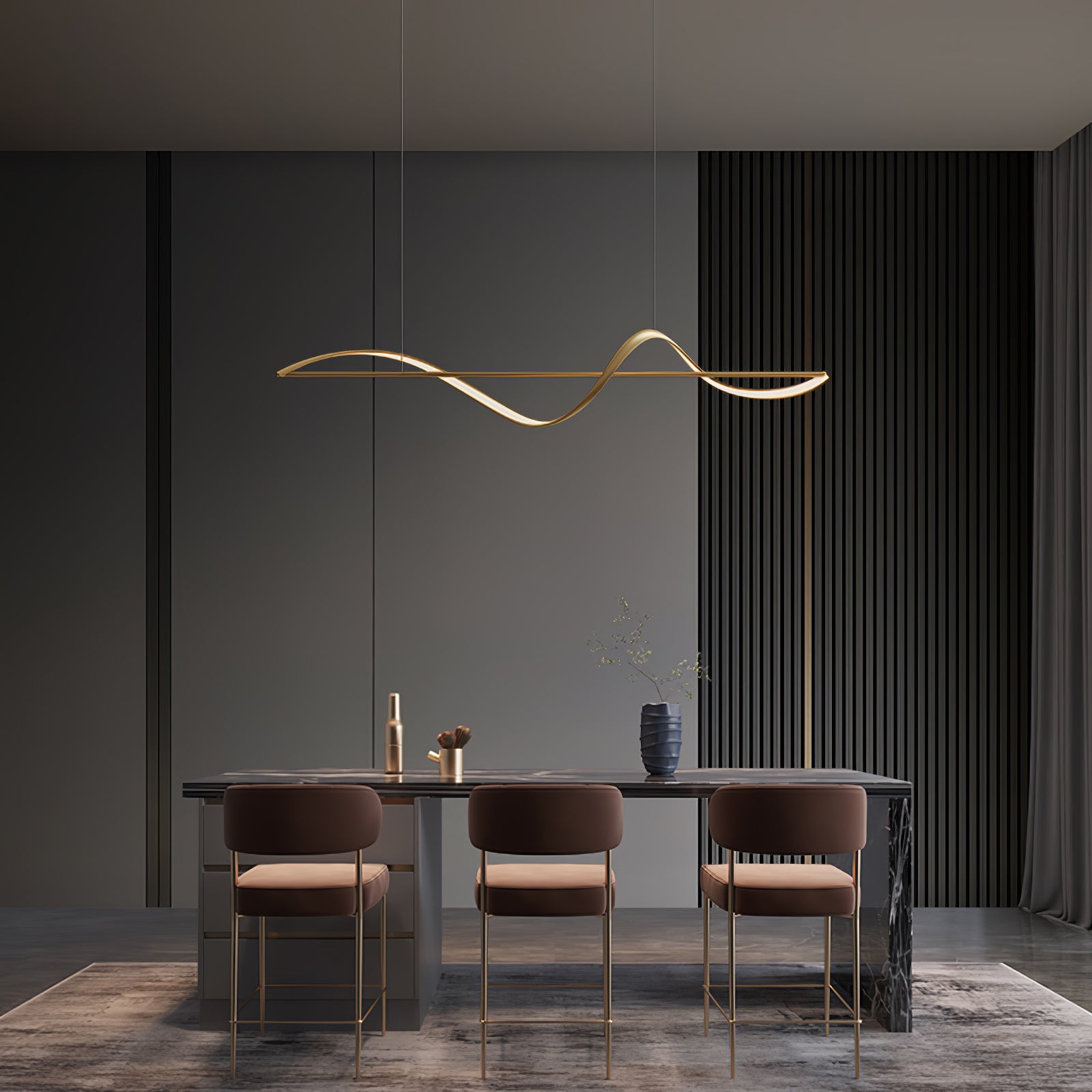
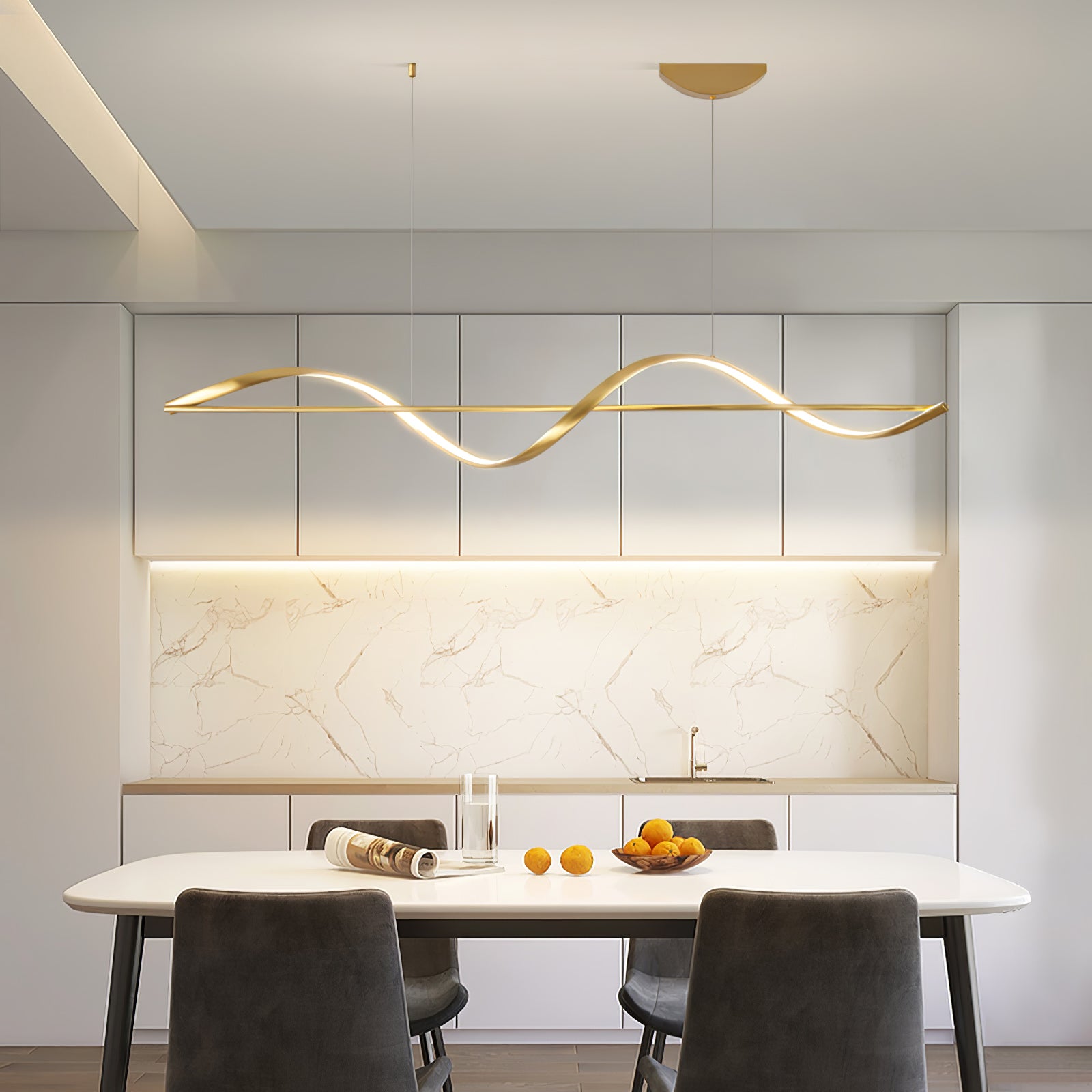
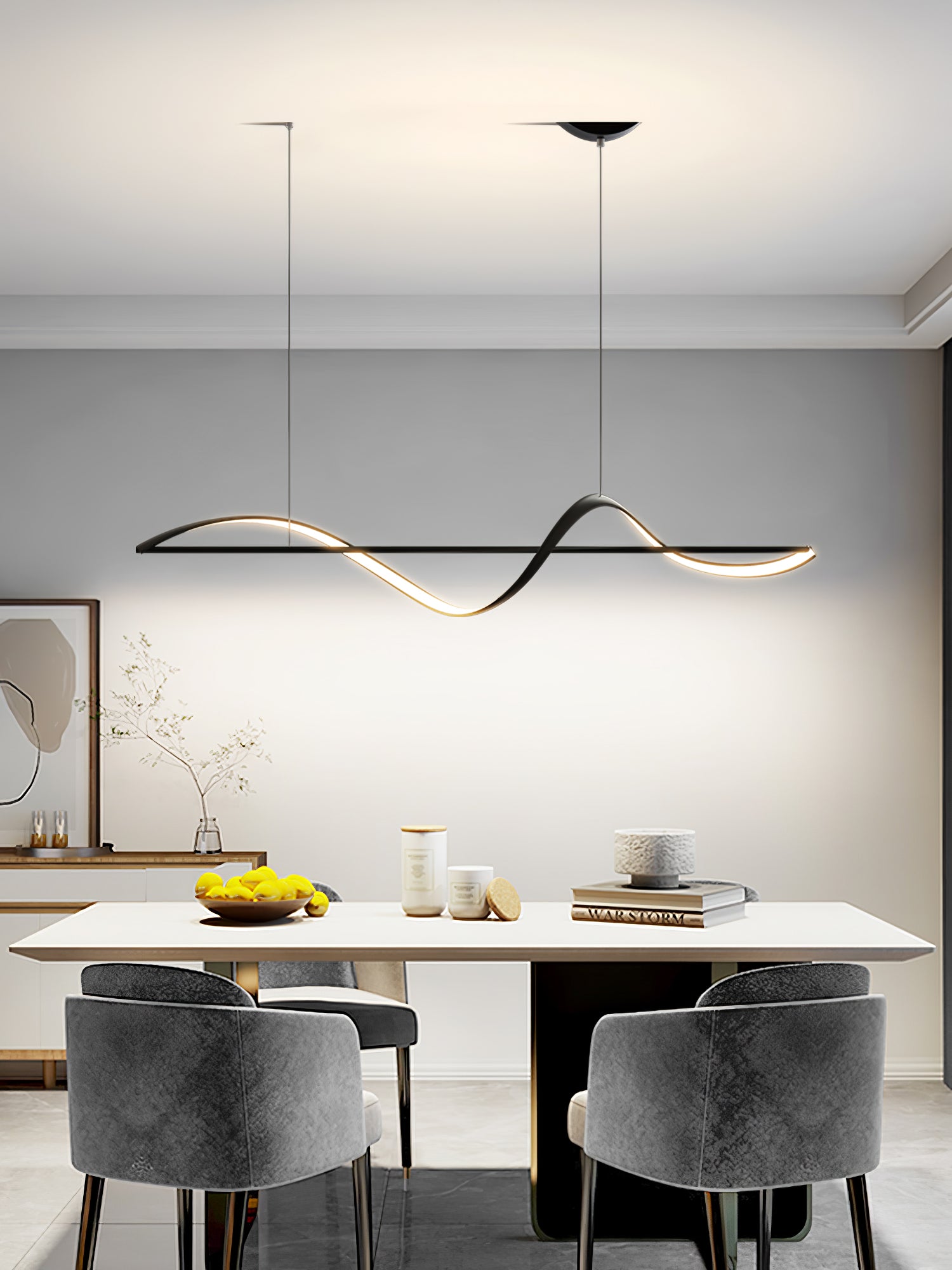
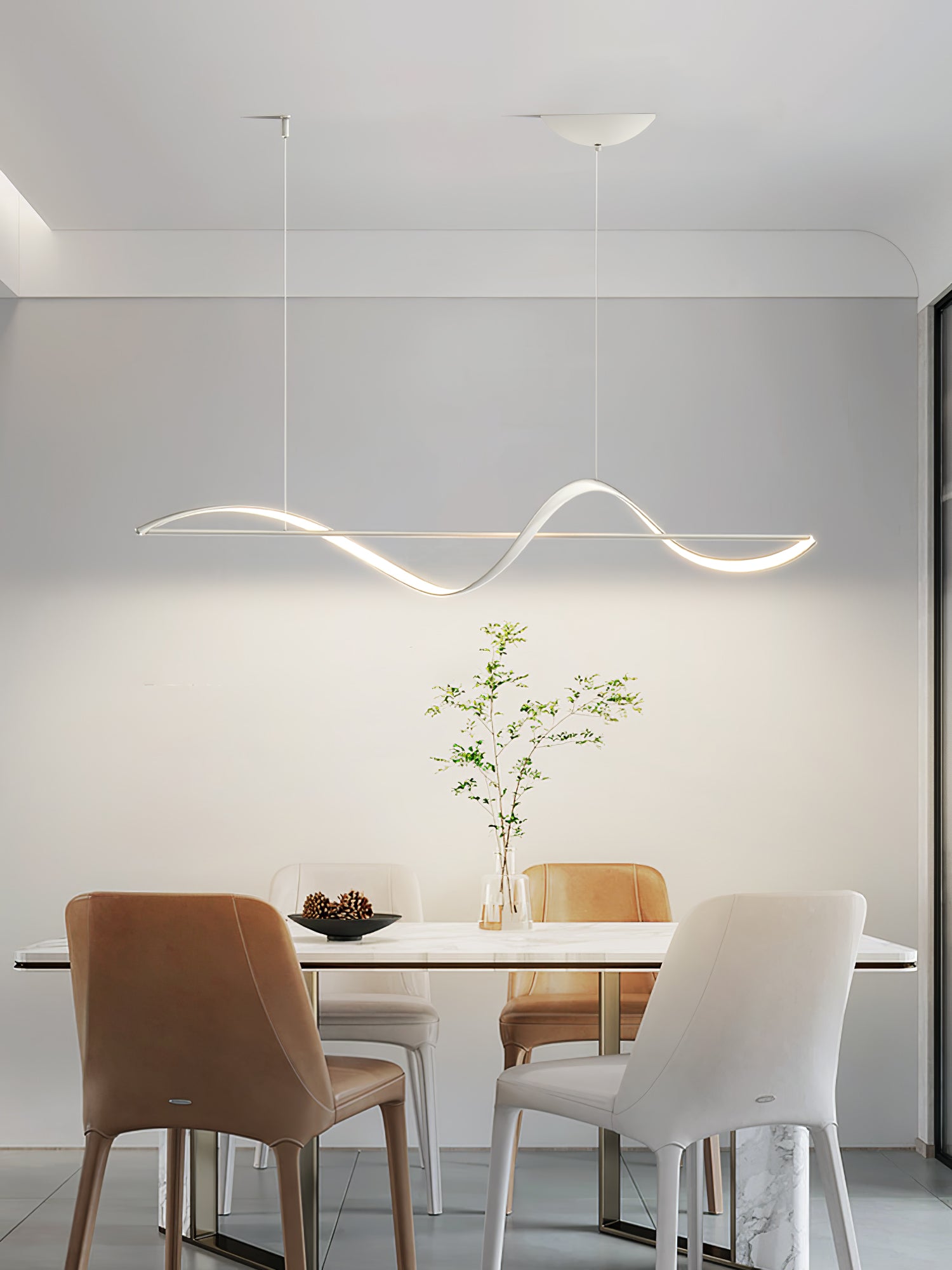
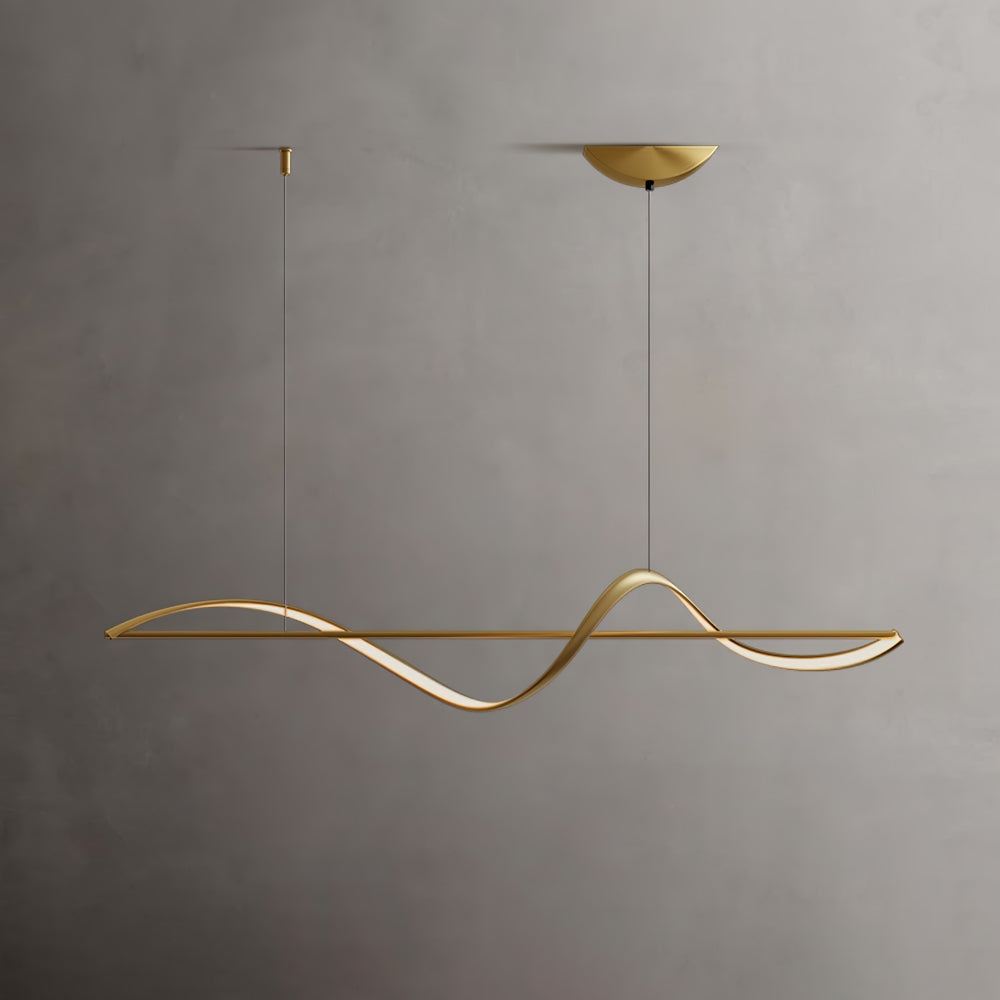
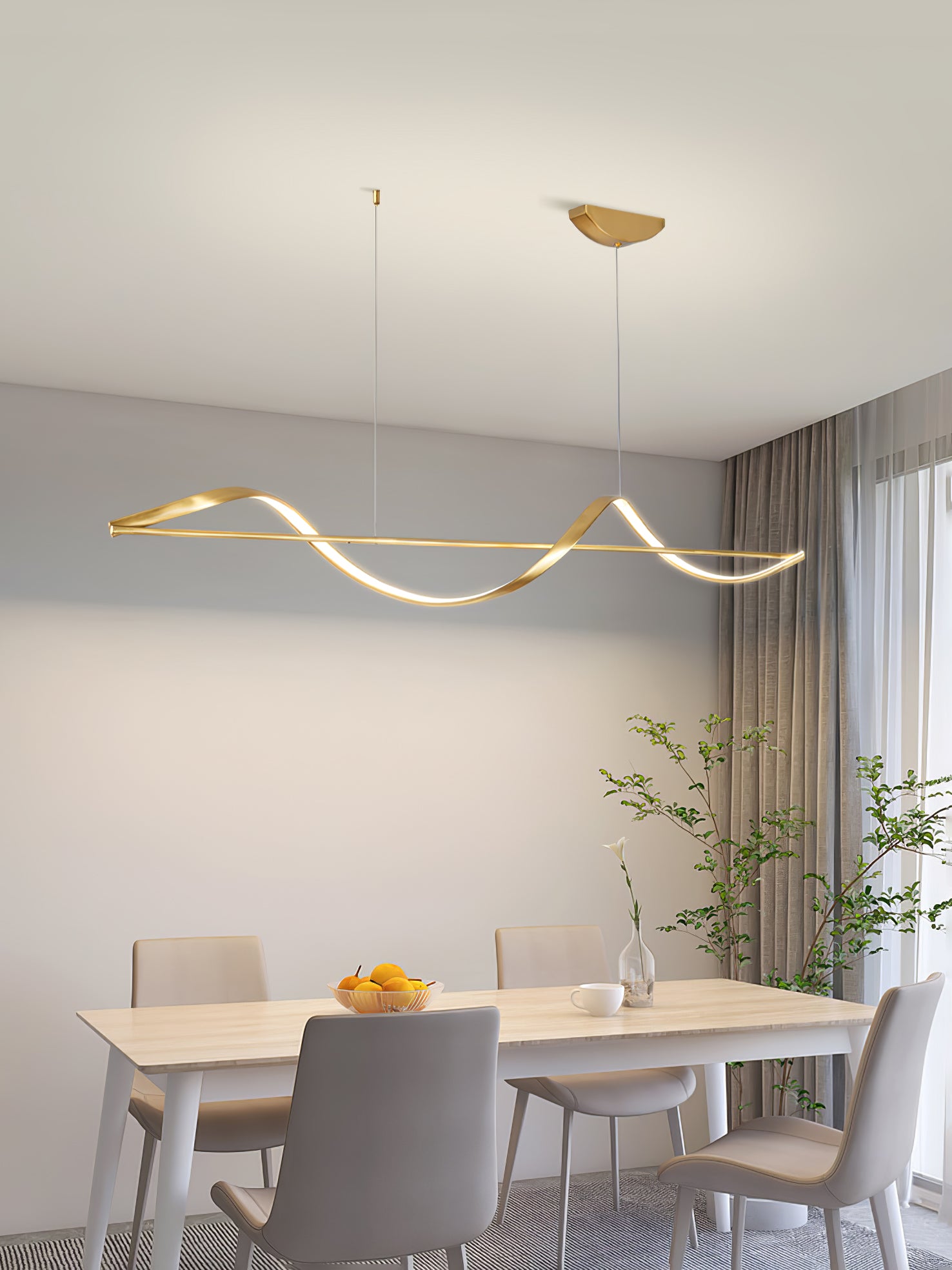
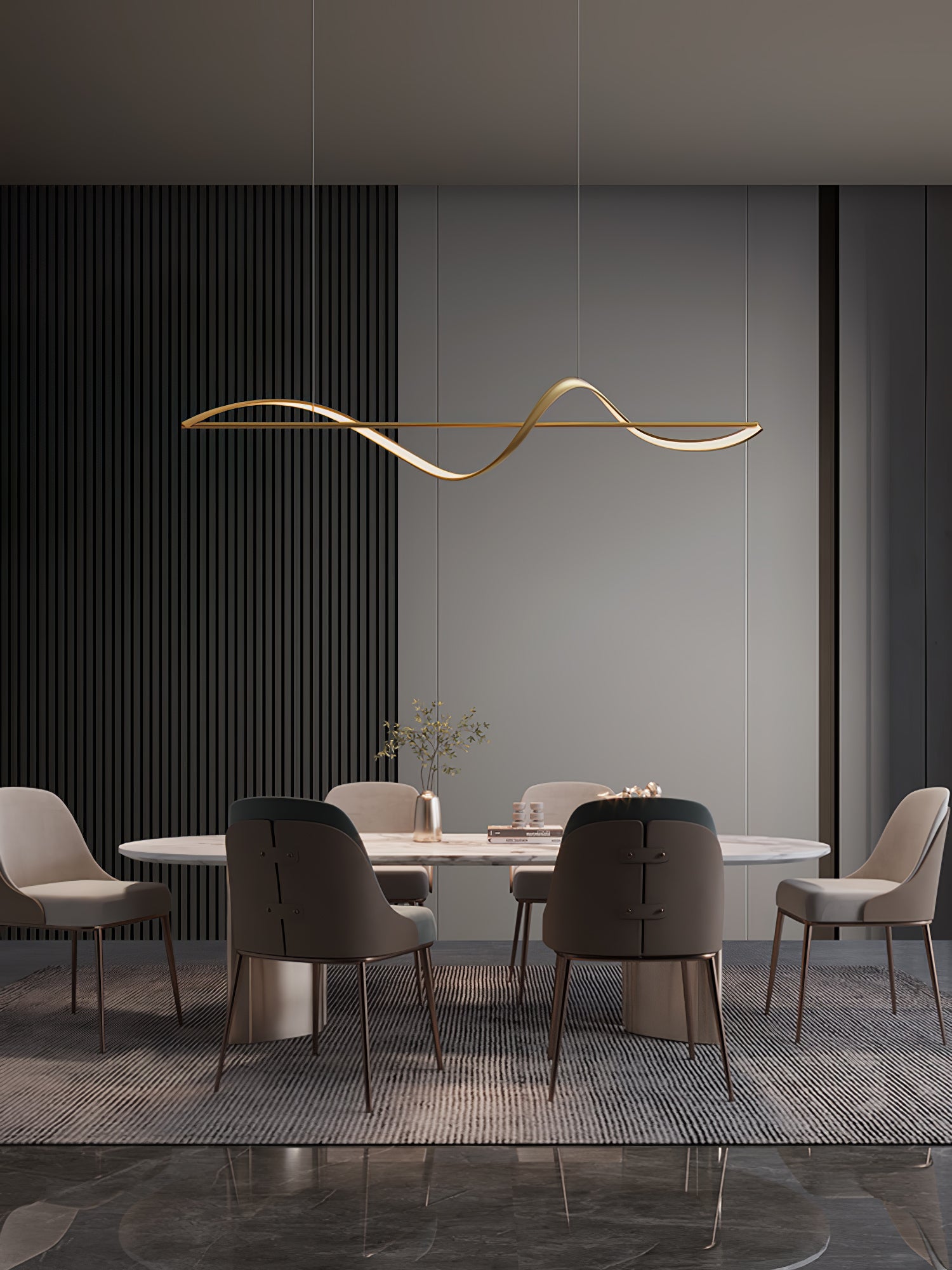
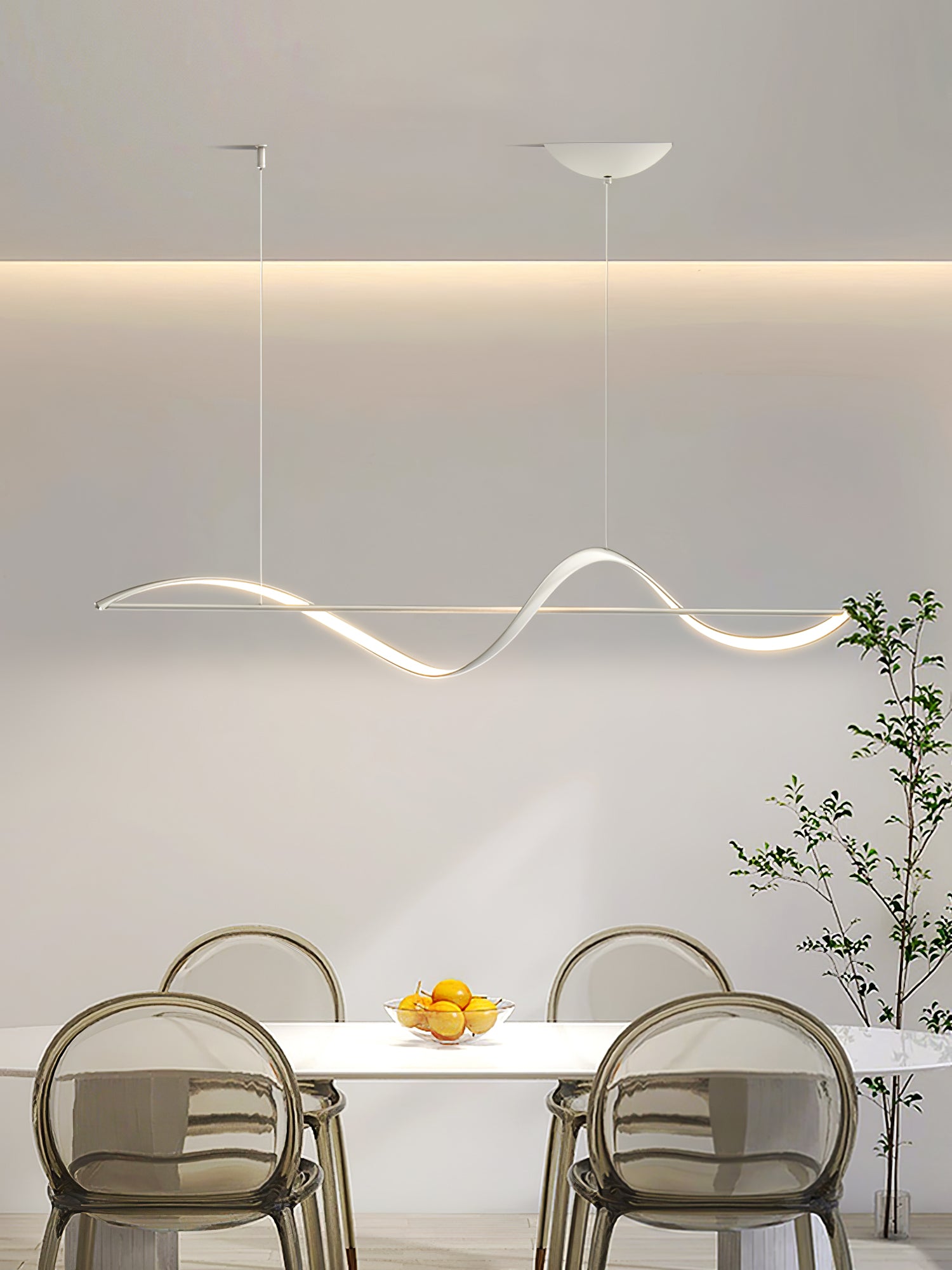
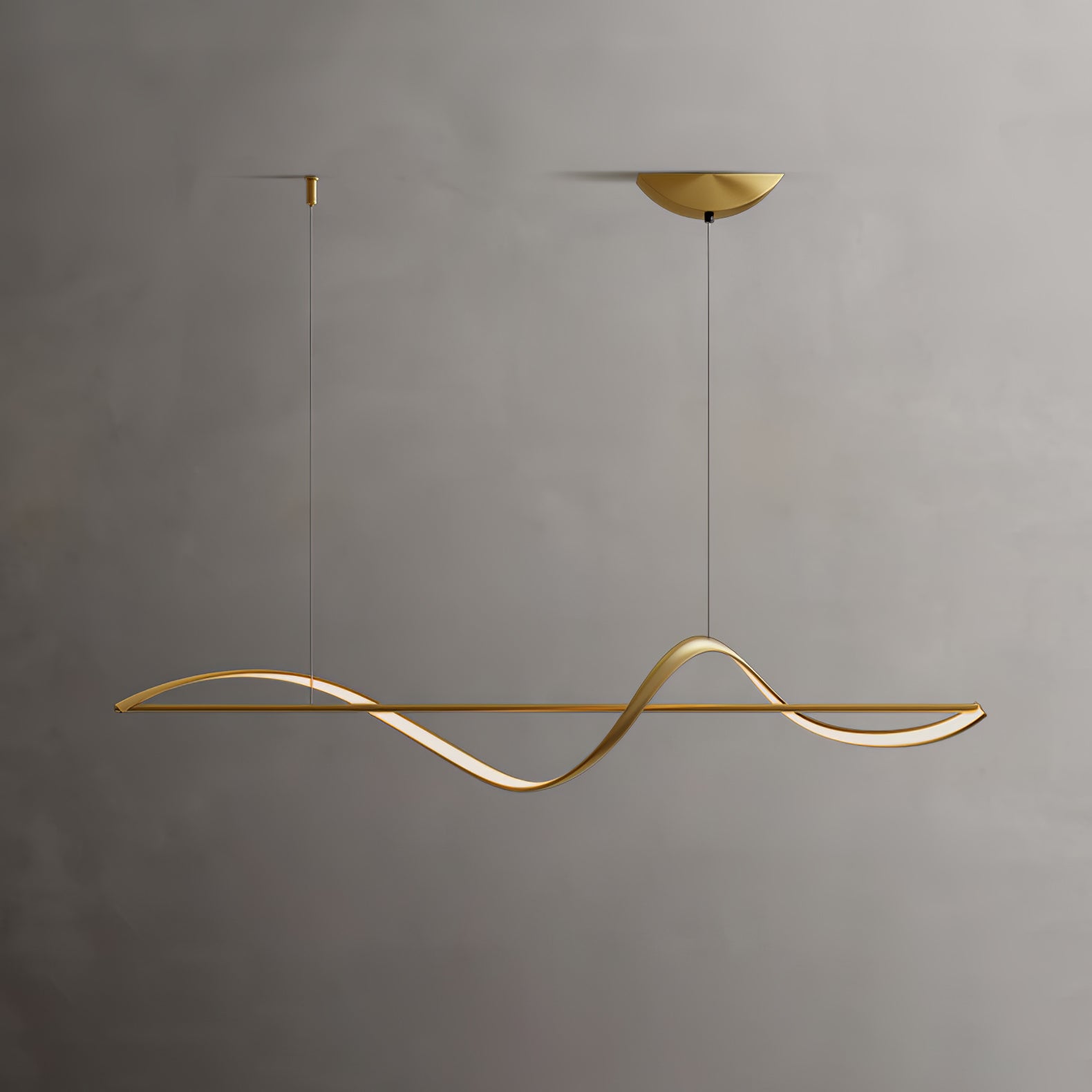
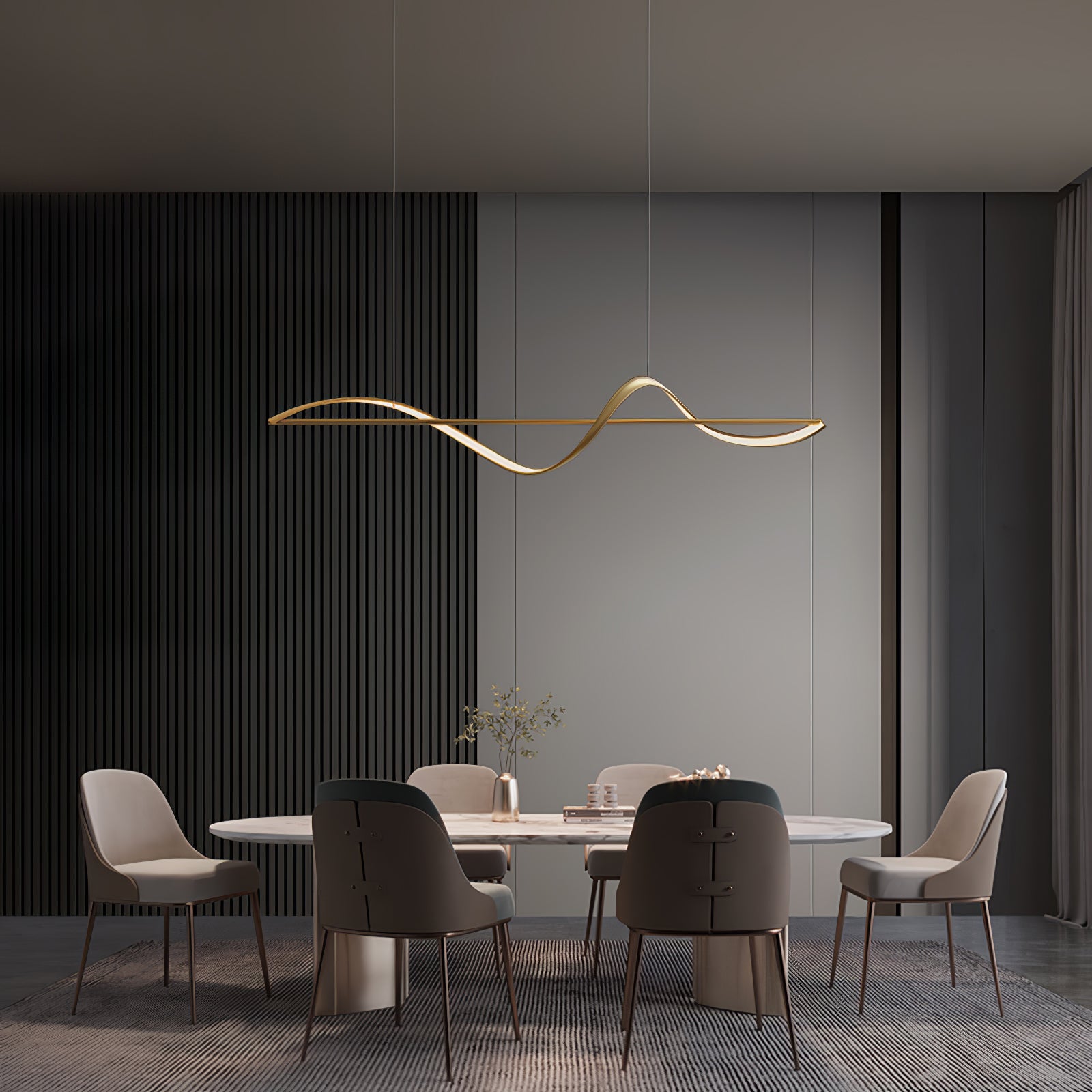
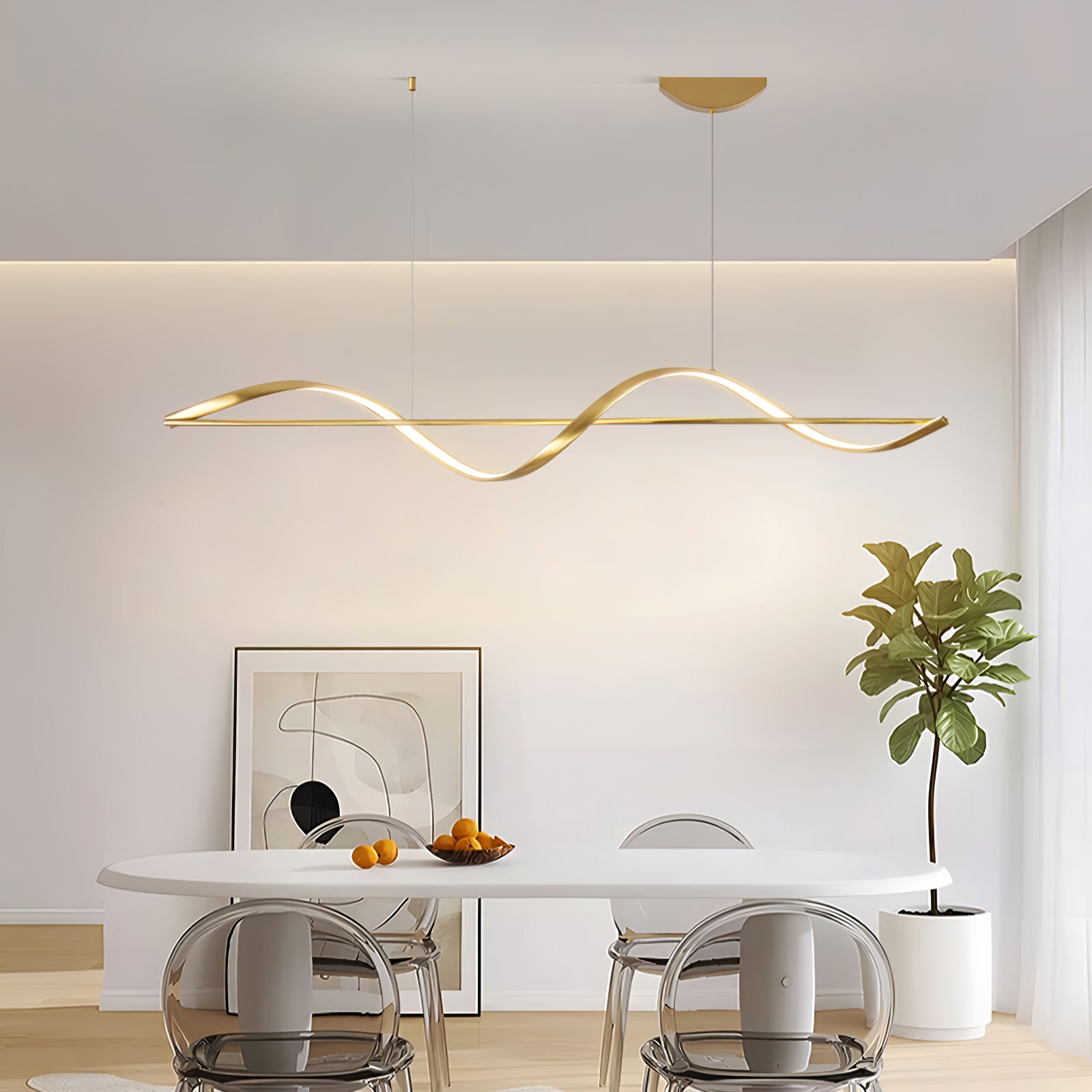
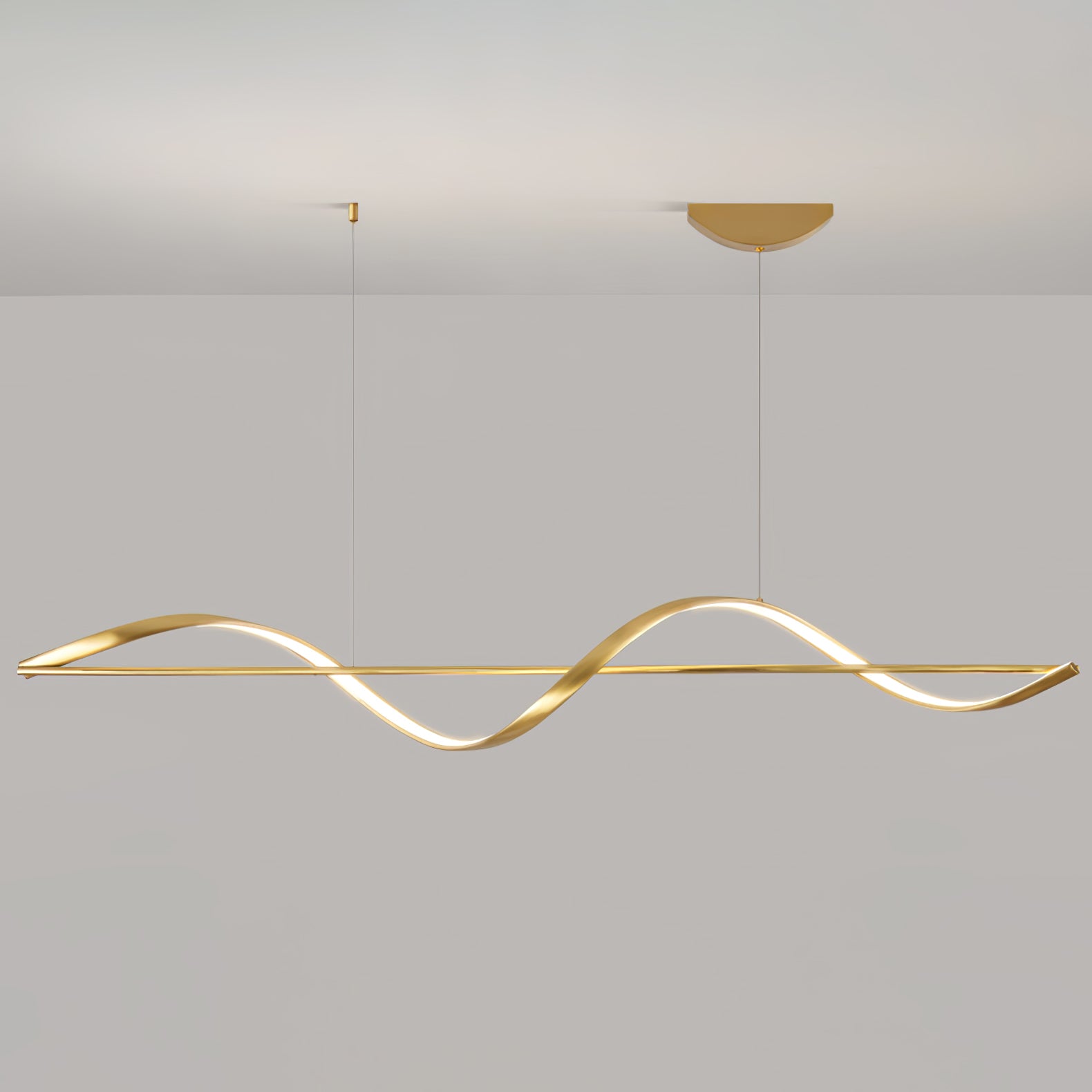
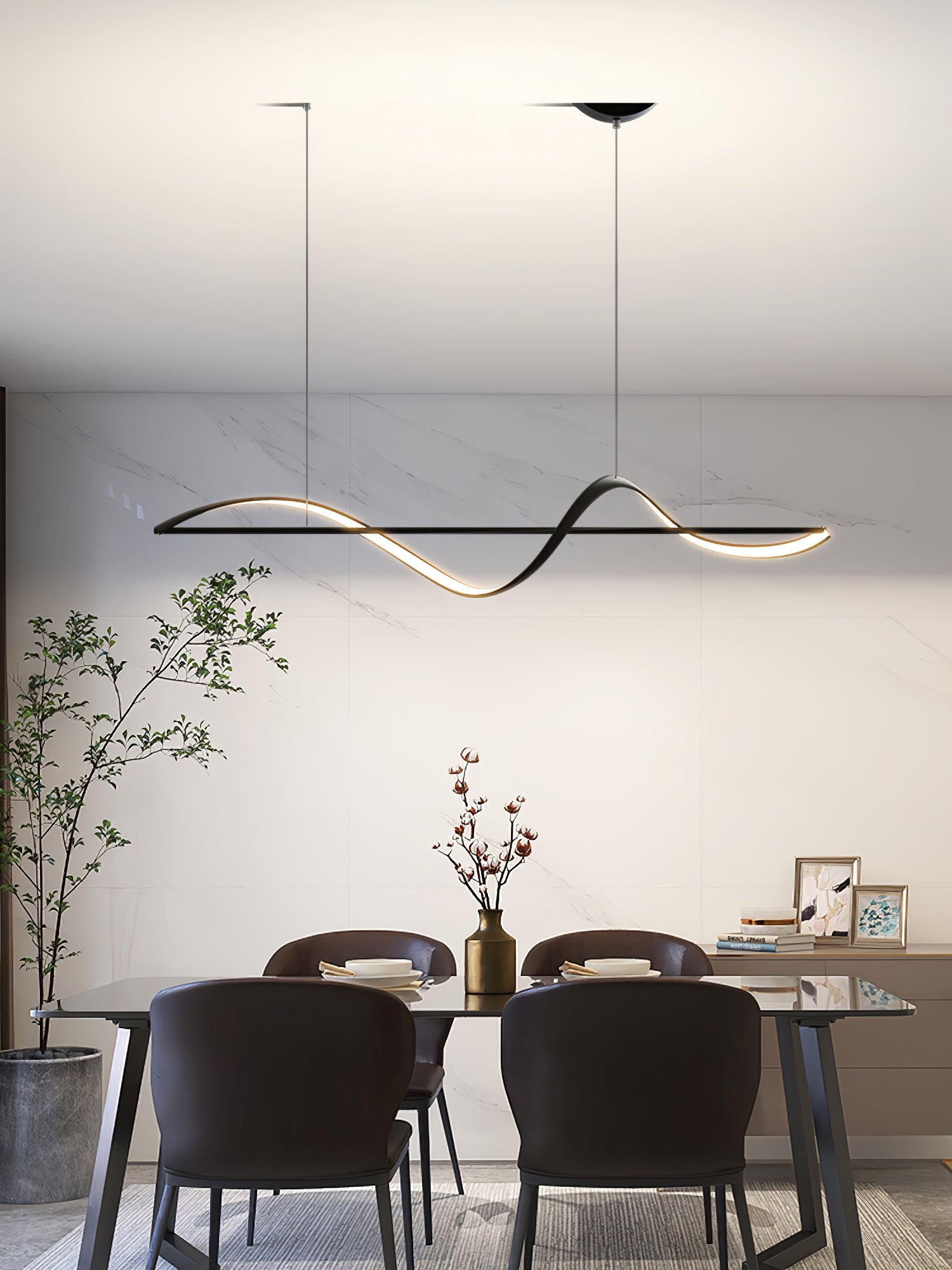
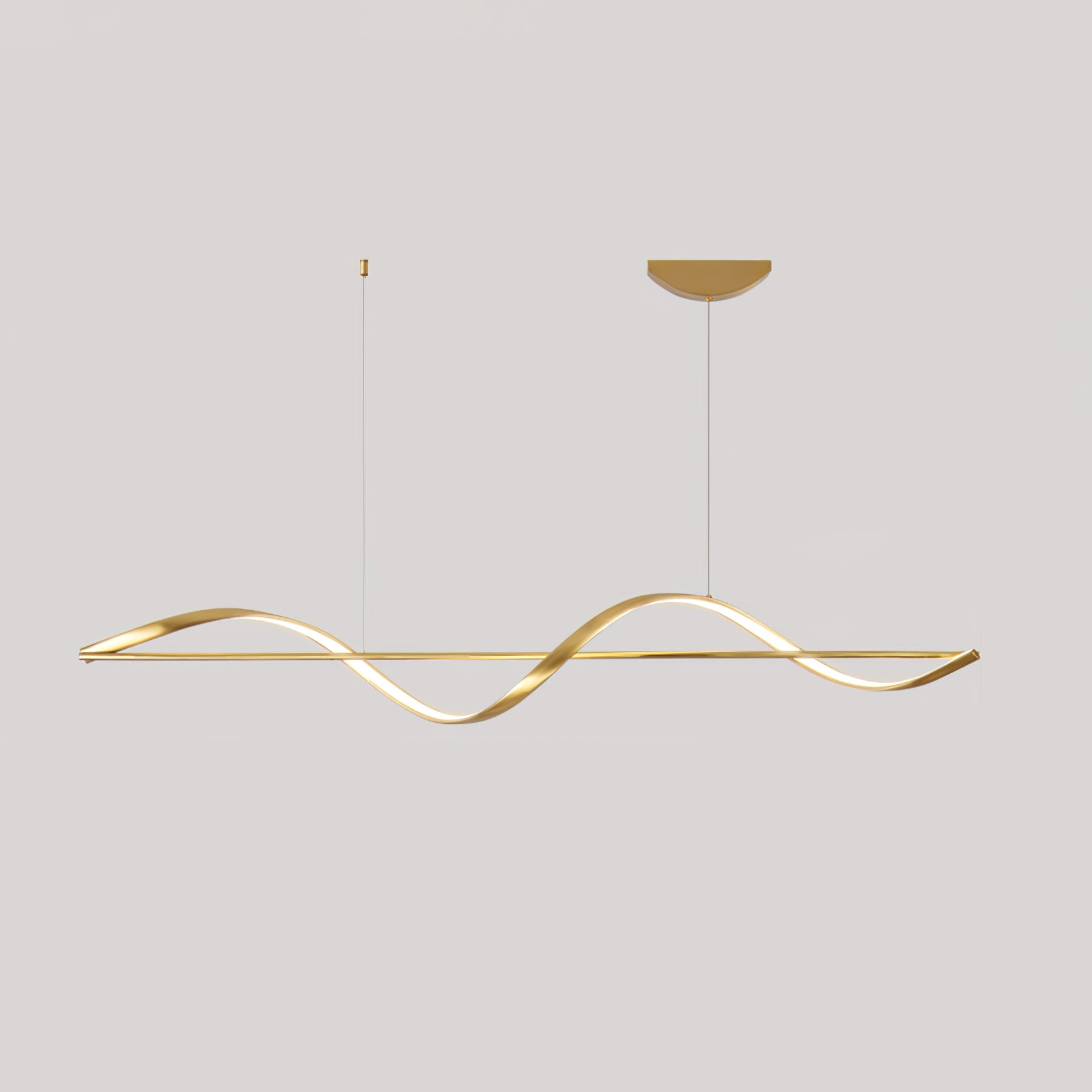
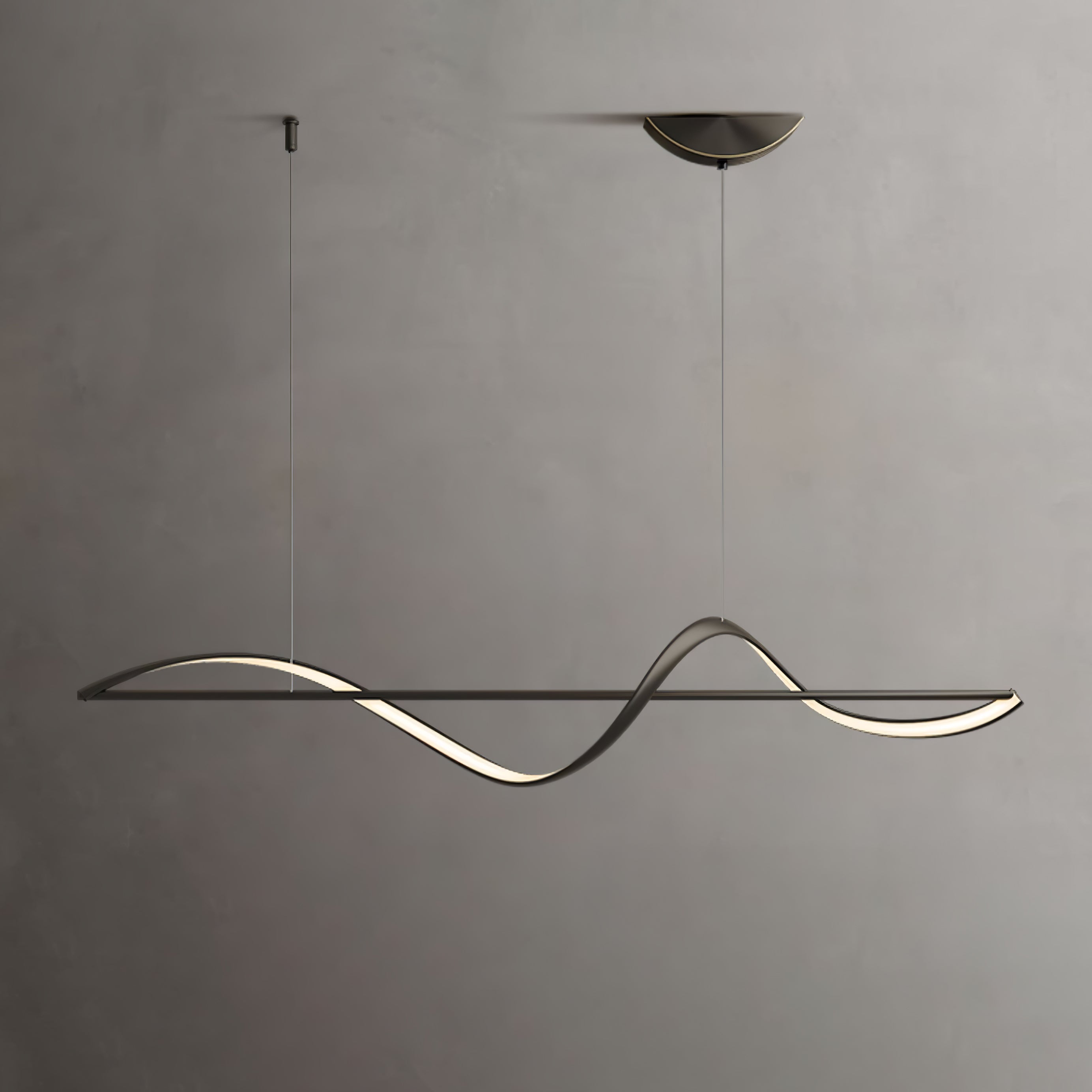
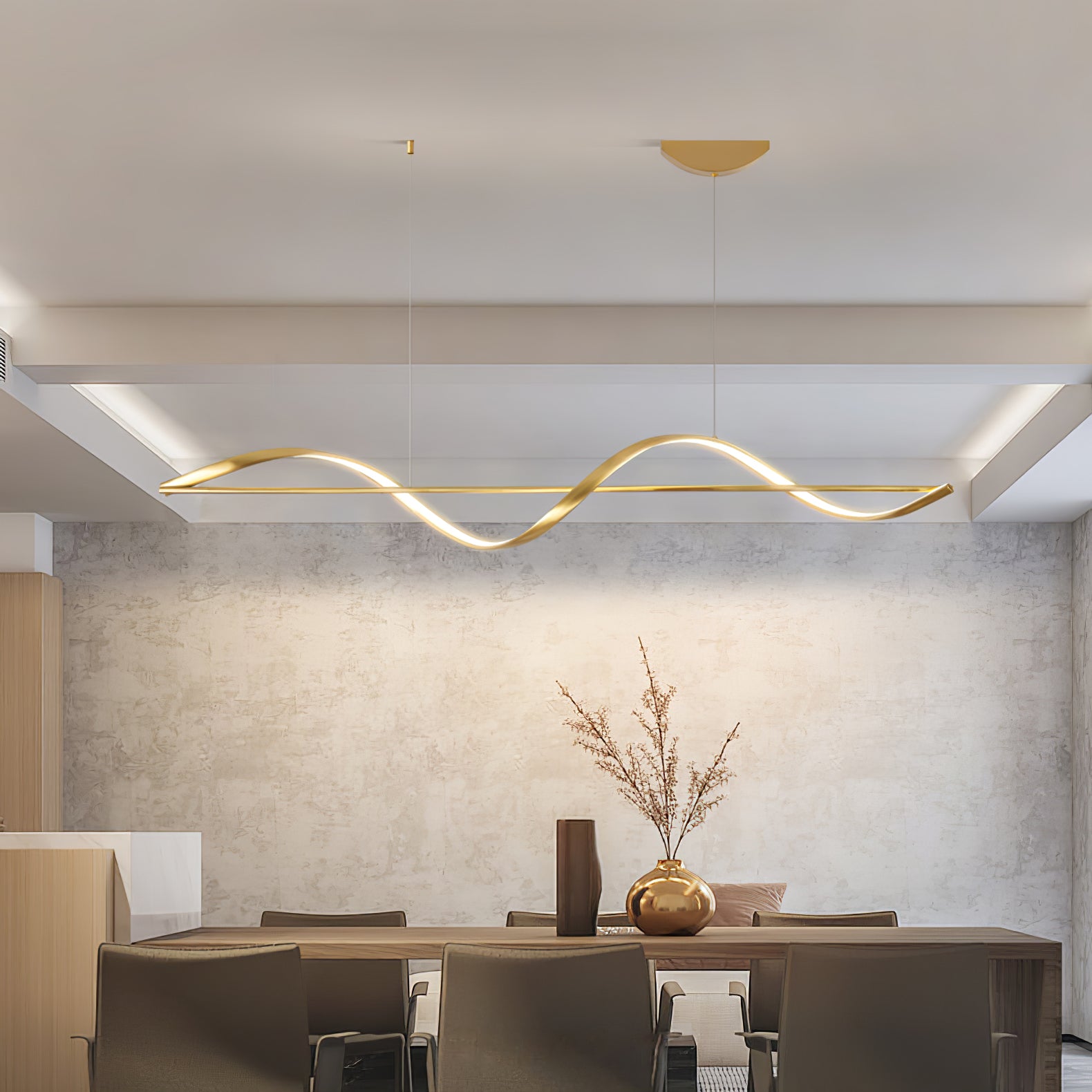
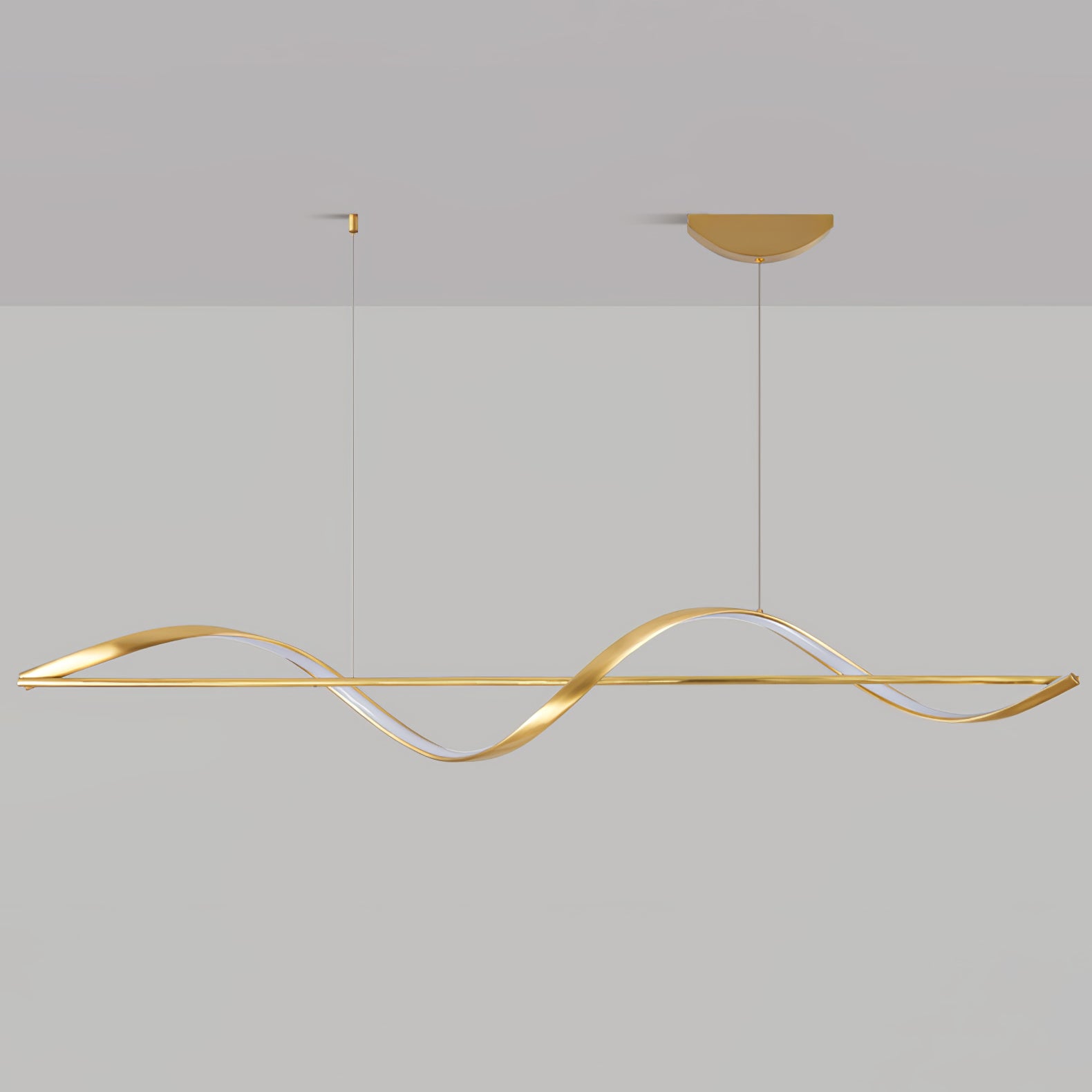
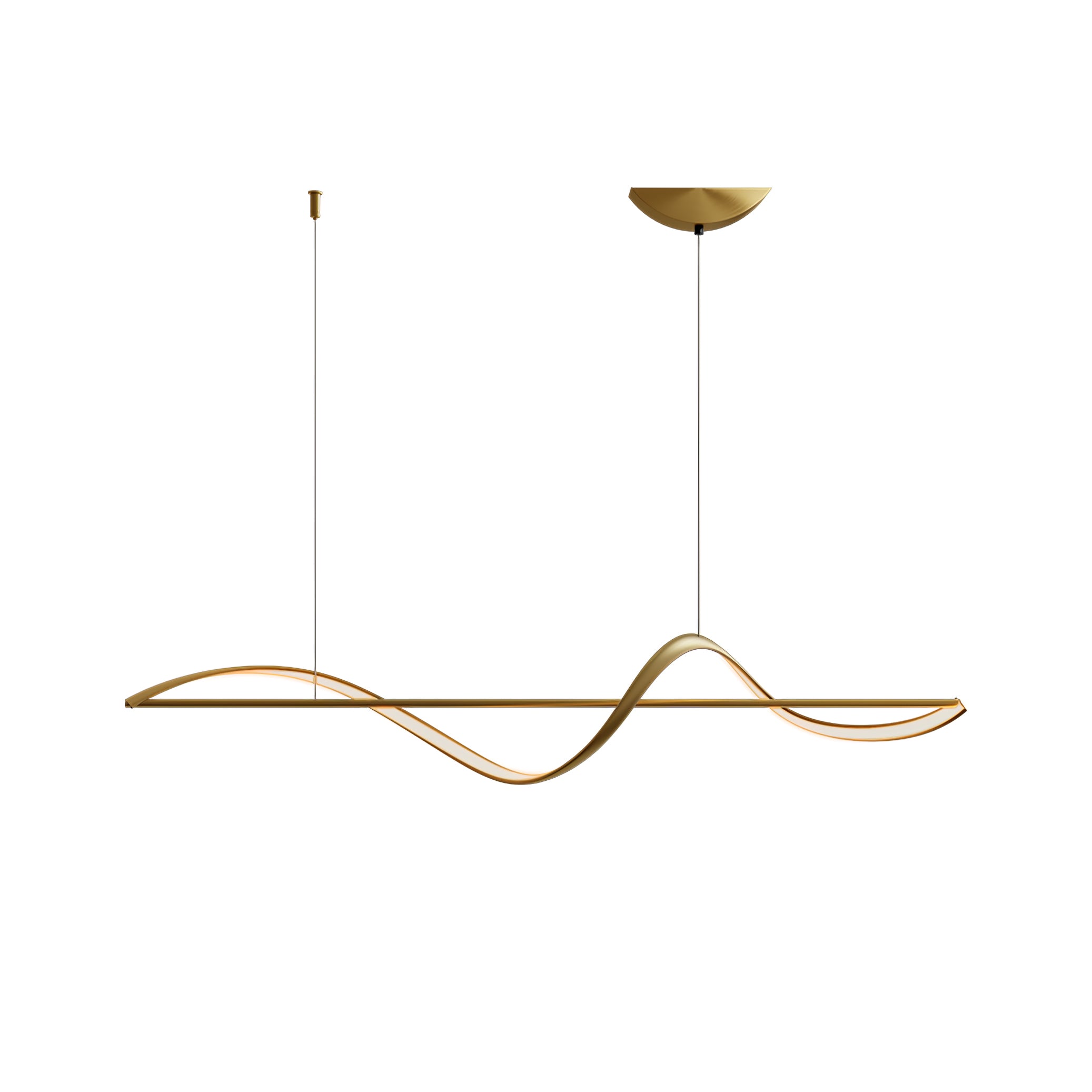
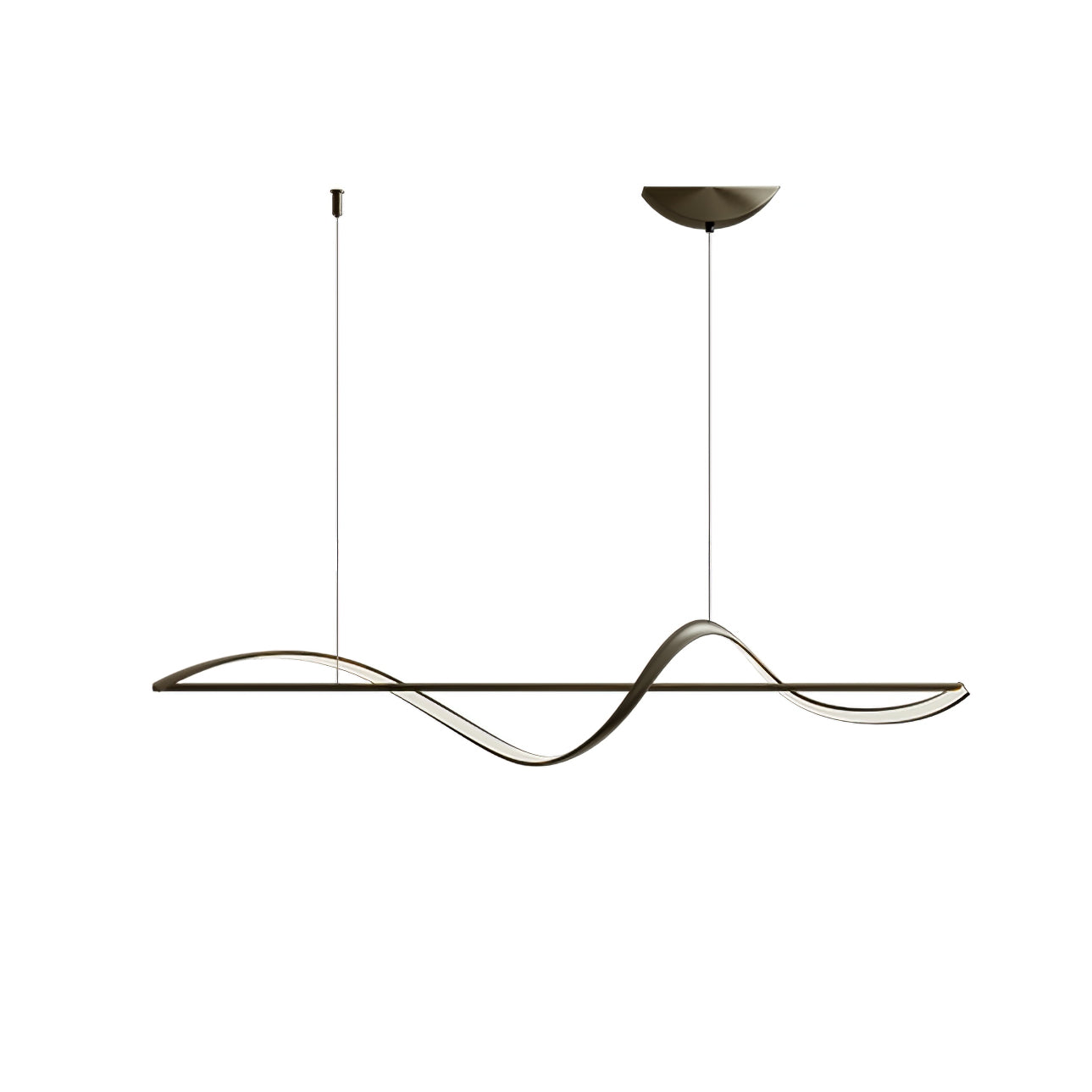
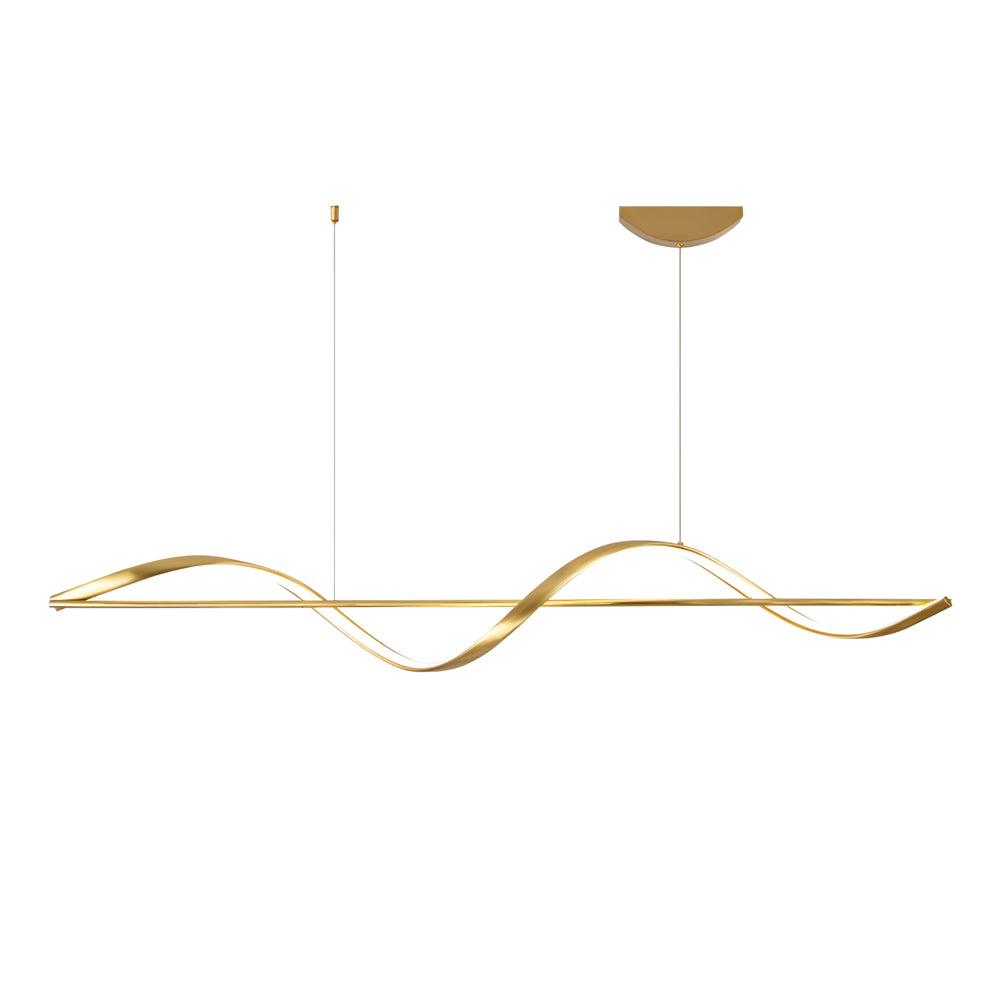
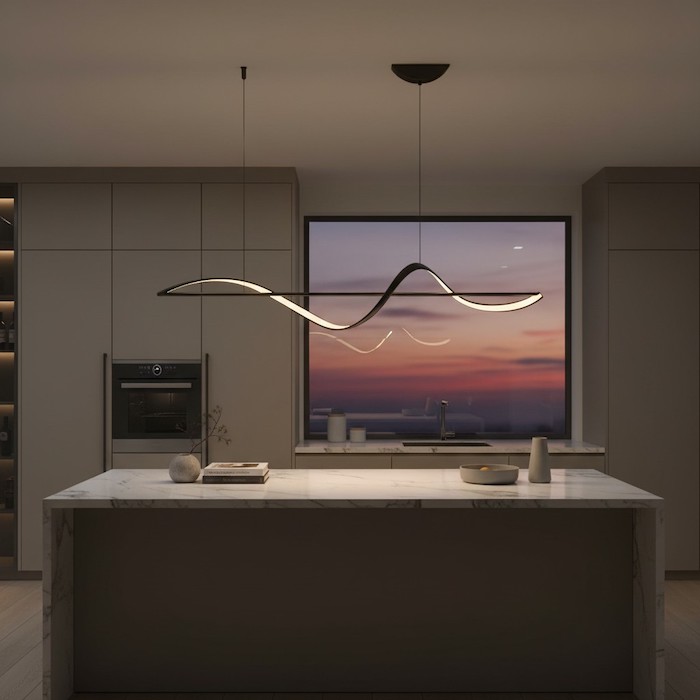
Un unico, elegante dispositivo come il Lampadario lineare Whisper per isola cucina Fornisce un fascio di luce ininterrotto. Rispecchia perfettamente la forma dell'isola, garantendo che dal lavello alla zona pranzo la luce sia uniforme e morbida. Questa simmetria orizzontale crea un senso di calma che molteplici piccoli apparecchi non possono eguagliare, segnando una transizione netta. Dal disordine visivo alle linee pulite: ripensare l'illuminazione domestica..
Risolvere il dilemma del concetto aperto
Gli spazi aperti hanno eliminato le pareti che un tempo delimitavano le nostre case, ma hanno creato una nuova sfida: come definire una "stanza" senza pareti? L'illuminazione è il confine invisibile più efficace. Una tradizionale lampada rotonda attira lo sguardo verso un unico punto, mentre una lampada lineare funge da punto di ancoraggio visivo. Definisce la "zona pranzo" o la "zona relax" creando un confine di luce che segue l'arredamento sottostante.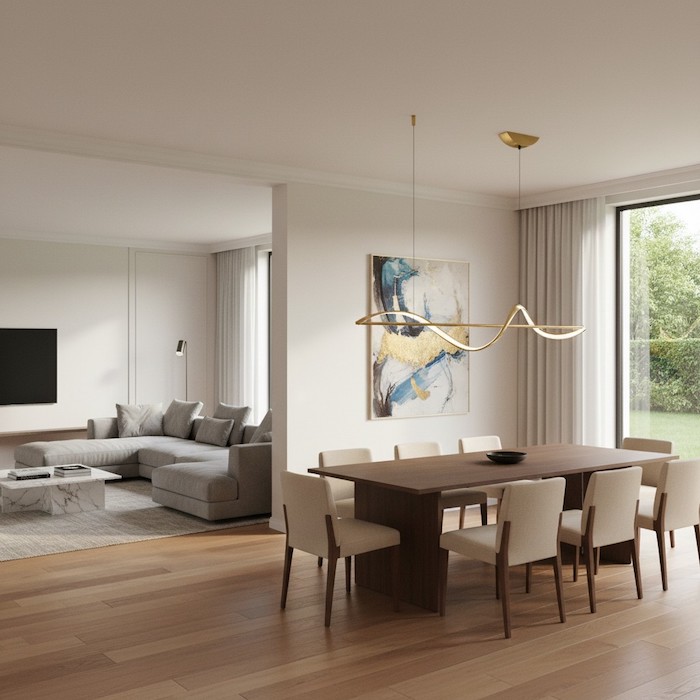
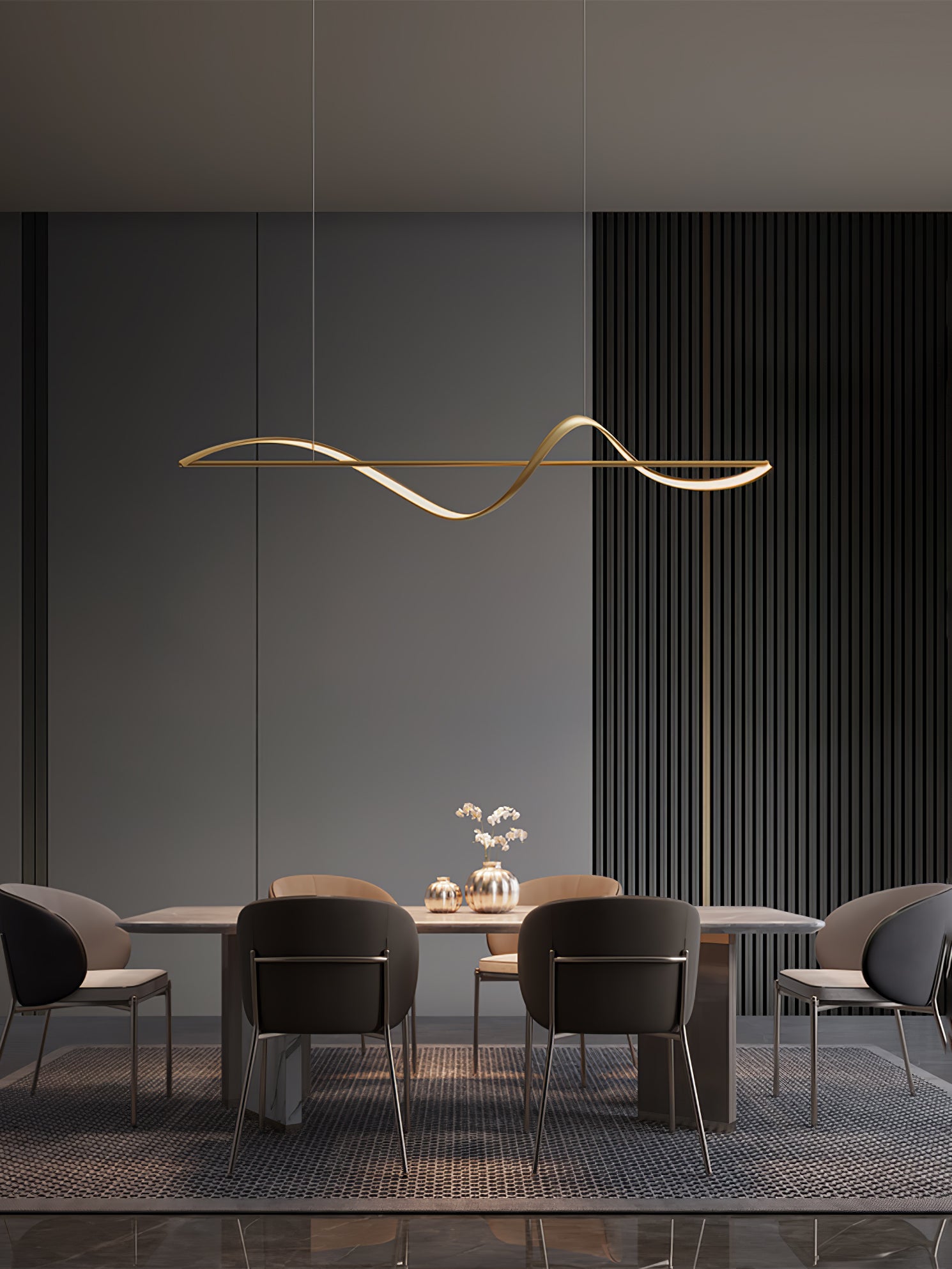
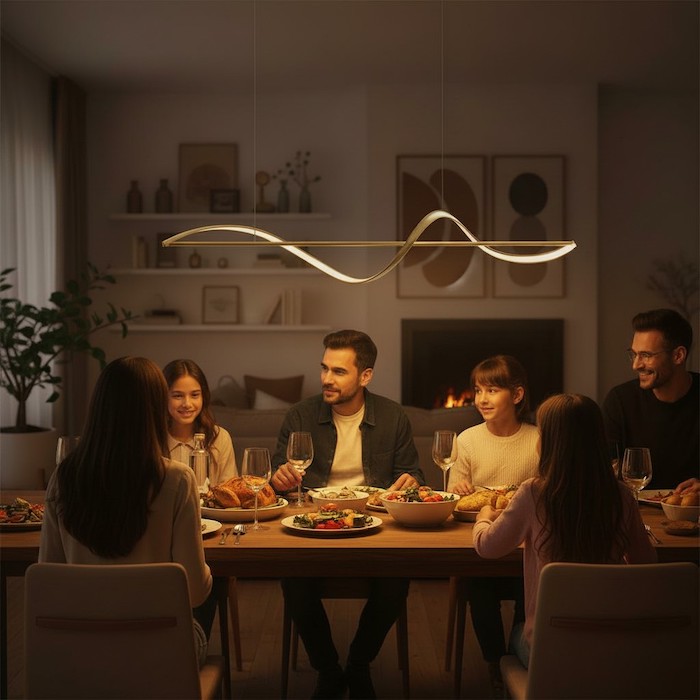
Quando si utilizza un lampadario lineare sopra un lungo tavolo da pranzo, si "incornicia" essenzialmente lo spazio. Si crea un'atmosfera intima che favorisce la conversazione. Poiché la luce è distribuita uniformemente, tutti i commensali si sentono ugualmente avvolti dalla luce. Non c'è un "capotavola" in termini di qualità della luce: è una scelta di design democratica che migliora l'esperienza sociale del pranzo o della cena.
Efficienza dello spazio di lavoro e affaticamento degli occhi
La diffusione del telelavoro ha messo in luce un grave difetto dell'illuminazione tradizionale: riflessi e ombre. Se si lavora su una scrivania ampia o un tavolo da disegno, una lampada da terra o una plafoniera creano un contrasto irregolare. Gli occhi devono continuamente adattarsi tra il punto luminoso sul foglio e gli angoli in penombra della scrivania. Questa è una delle principali cause di affaticamento visivo e mal di testa pomeridiano.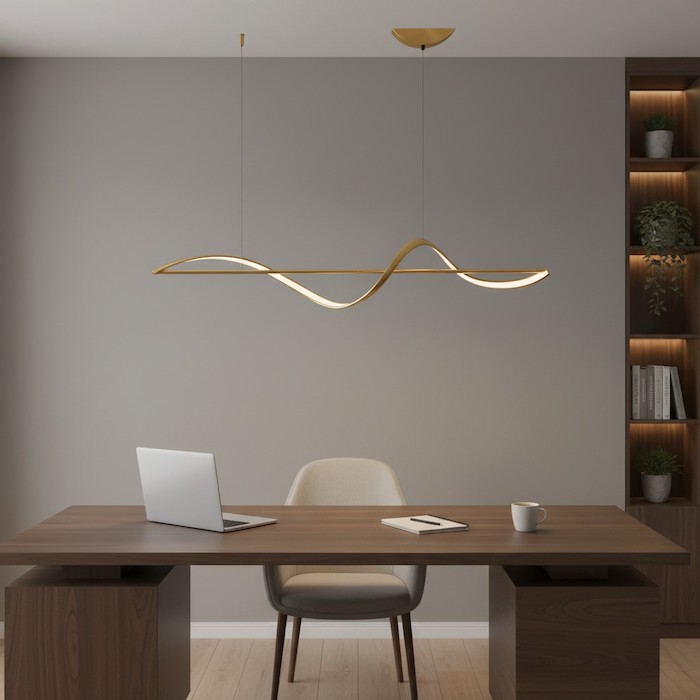
L'illuminazione lineare imita la distribuzione naturale della luce che troviamo all'aperto. Fornendo un'illuminazione ampia e uniforme su tutto il tuo spazio di lavoro, riduce le brusche transizioni tra luce e buio. Che tu stia esaminando progetti architettonici o semplicemente svuotando la tua casella di posta elettronica, l'emissione costante di un apparecchio lineare consente una migliore concentrazione per periodi più lunghi. Non si tratta solo di estetica; si tratta della tua produttività e della tua salute, dimostrando l'importanza vitale di Illuminazione lineare in ambienti commerciali e per uffici.
L'estetica del "lusso discreto"
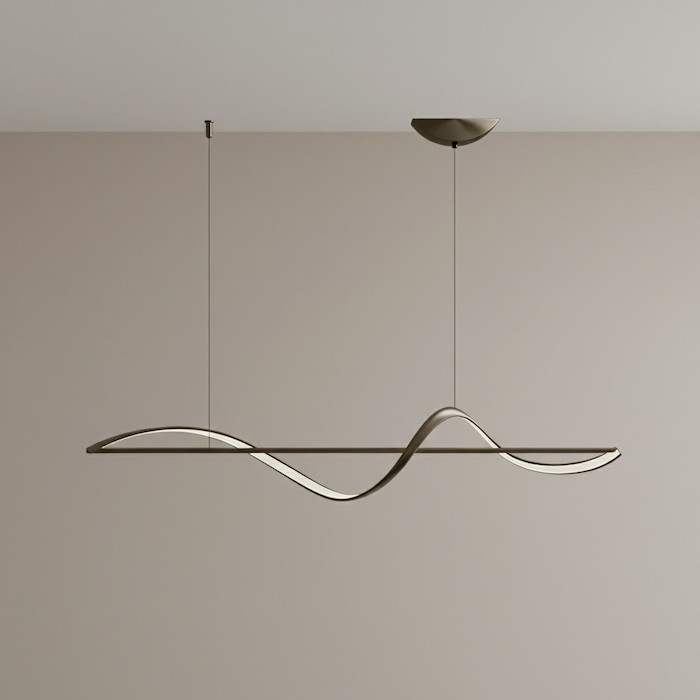
L'illuminazione lineare conferisce un'eleganza architettonica specifica. Le lampade tradizionali spesso competono per l'attenzione con i loro cristalli elaborati o le loro strutture pesanti. Al contrario, l'illuminazione lineare tende all'estetica del "lusso discreto". Si tratta di una luce di alta qualità e di un impatto visivo minimo. Permette all'architettura della casa – i soffitti alti, le linee pulite dei mobili, la texture delle pareti – di essere protagonista.
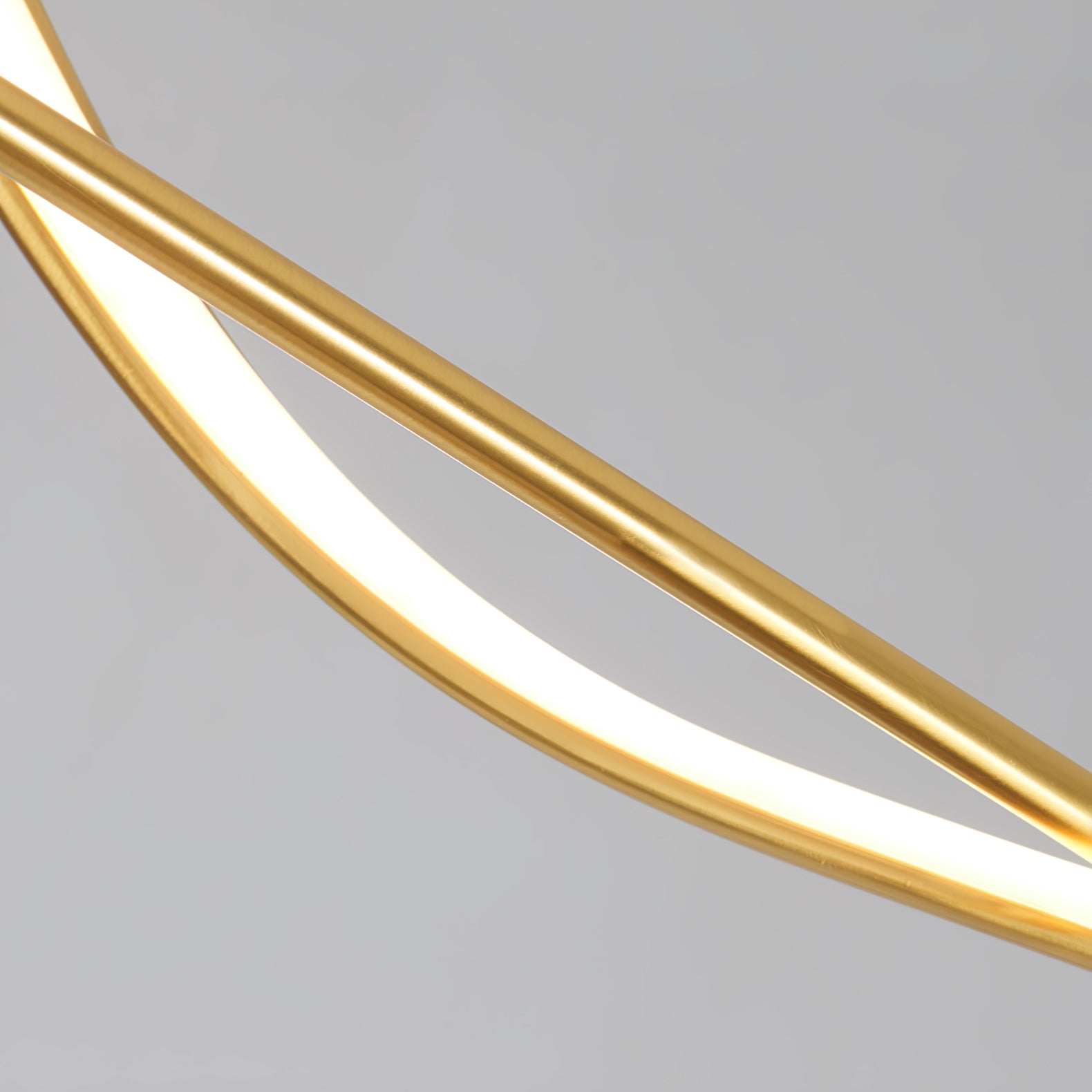
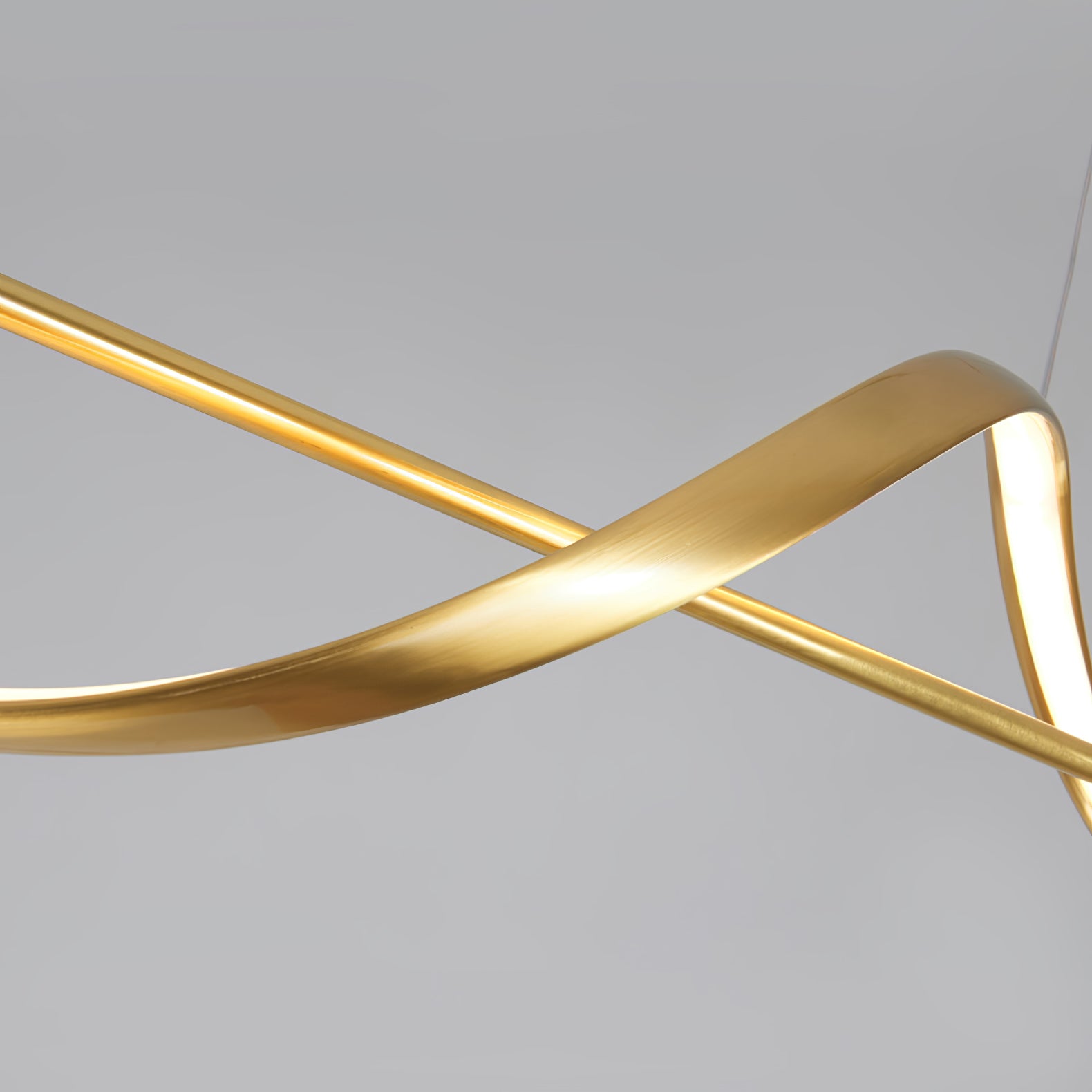
IL Lampadario lineare Whisper per isola cucina È un esempio perfetto di questa filosofia. Non cerca di attirare l'attenzione a tutti i costi, ma sussurra. La sua forma allungata conferisce un senso di altezza e ampiezza alla stanza, facendo sembrare più grandi gli spazi piccoli e più curati quelli grandi. È la differenza tra un'affermazione di stile vistosa e una conversazione raffinata.
Consiglio da professionista del design: Quando si installa un'illuminazione lineare, assicurarsi che l'apparecchio sia lungo circa la metà o i due terzi della superficie sottostante. In questo modo, la luce non sovrasta i mobili, garantendo al contempo una copertura completa e funzionale.
Riepilogo: quando scegliere la modalità lineare
Sebbene il fascino classico di un lampadario rotondo per un ingresso o una camera da letto rimarrà sempre immutato, la scelta di un lampadario lineare risulta superiore nei seguenti casi:
- Superfici lunghe: Isole da cucina, tavoli da pranzo e scrivanie direzionali.
- Spazi ristretti: Corridoi o cabine armadio dove è necessaria una luce che segua il percorso.
- Case moderne in stile minimalista: Dove linee pulite e simmetria orizzontale sono parte integrante del DNA architettonico.
- Aree multitasking: Dove hai bisogno sia di luce ambientale che di illuminazione funzionale, tutto in un'unica soluzione integrata.
Scegliere l'illuminazione giusta significa comprendere la "funzione" che la luce deve svolgere. Se questa funzione consiste nel illuminare un'ampia area con eleganza e precisione, la soluzione lineare è l'unica che vale la pena di intraprendere. Si tratta di un investimento nell'aspetto della propria casa, ma soprattutto nella sua funzionalità per chi la abita.