
5 errores críticos que debes evitar al instalar iluminación lineal para islas de cocina
La iluminación lineal es el lujo discreto del hogar moderno. Cuando se instala correctamente, una lámpara como una araña lineal para isla de cocina no solo ilumina una habitación, sino que la define. Amplía el paisaje visual de la cocina o el comedor, creando una sensación de intención arquitectónica que las lámparas colgantes redondas tradicionales a menudo no logran. Sin embargo, debido a la gran importancia estructural de la iluminación lineal, el margen de error es sorprendentemente pequeño.
Como veterano de la industria, he visto cientos de renovaciones de alta gama perder su "factor sorpresa" simplemente porque se ignoraron algunas reglas fundamentales de ubicación y proporción. Si planeas renovar tu espacio, evitar estos cinco errores comunes garantizará que tu hogar se sienta como una galería cuidadosamente seleccionada en lugar de una sala de exposición. Analicemos cómo hacerlo bien a la primera, especialmente cuando se trata de... Creación de equilibrio visual con luminarias de formato largo.
1. La trampa de la escala: por qué el tamaño realmente importa
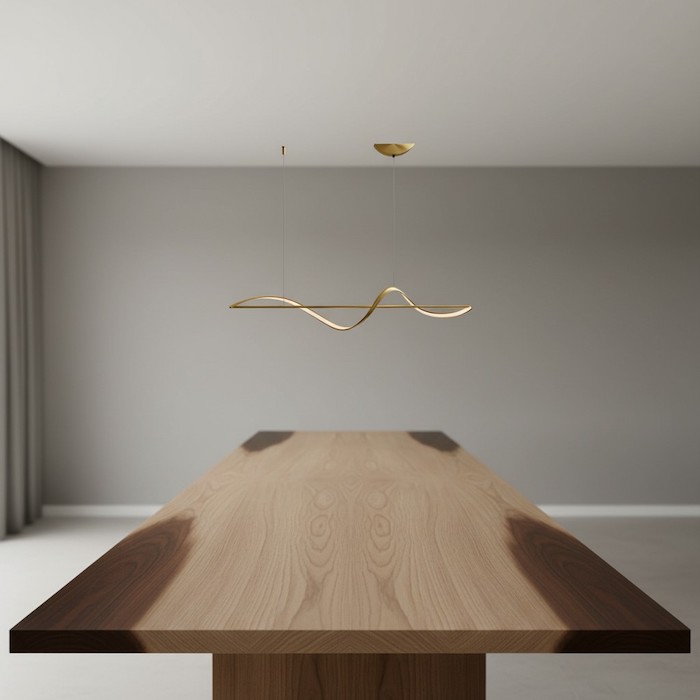
El error más frecuente que cometen los propietarios es elegir una lámpara demasiado corta para su isla de cocina o mesa. Esto crea lo que yo llamo el efecto "palillo flotante". Si tienes una isla de mármol de 2,4 metros y cuelgas una lámpara lineal de 90 centímetros, la lámpara parecerá perdida. Y lo que es más importante, los extremos de tu espacio de trabajo quedarán en sombra, anulando la función práctica de la iluminación lineal.
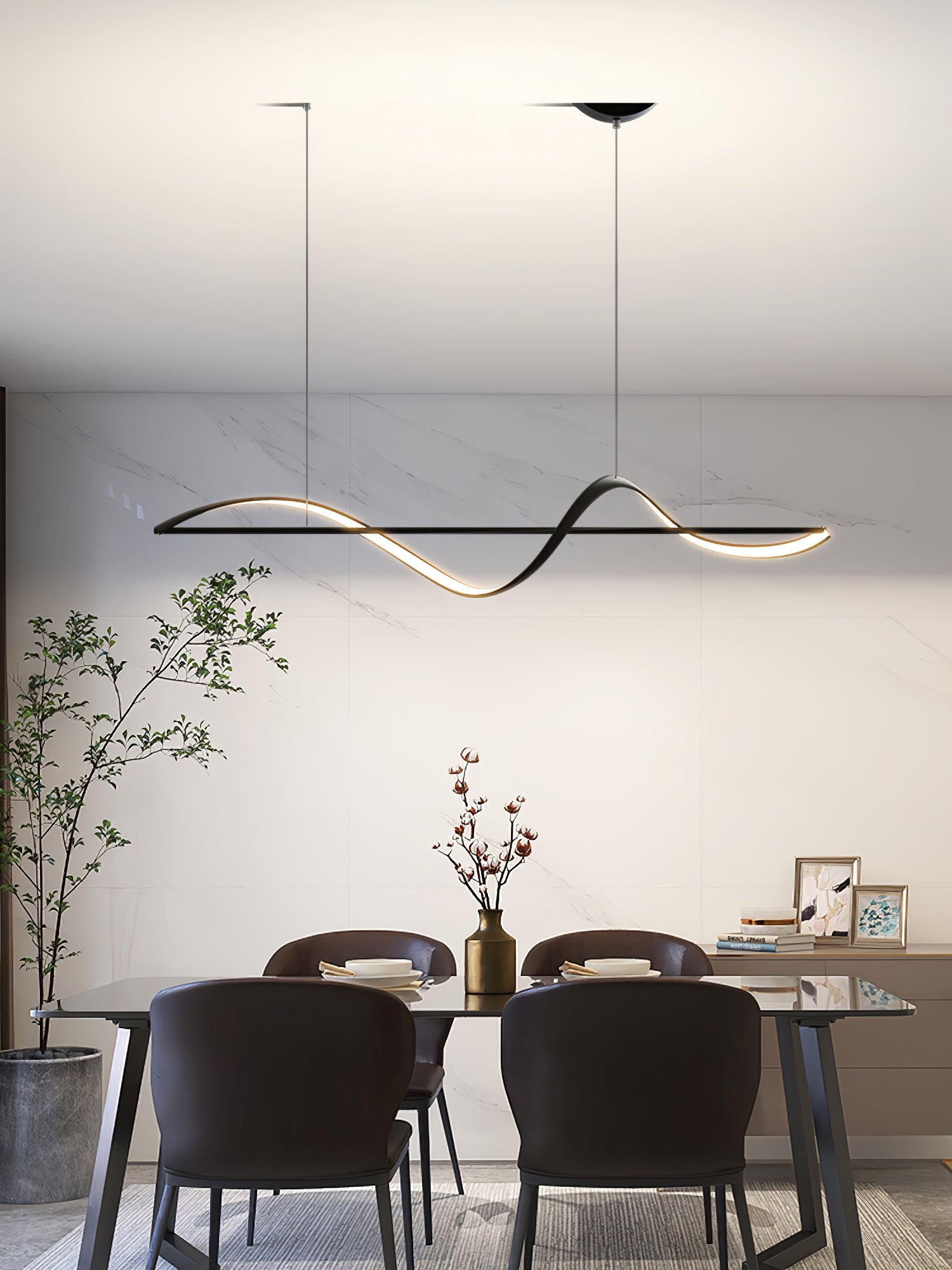
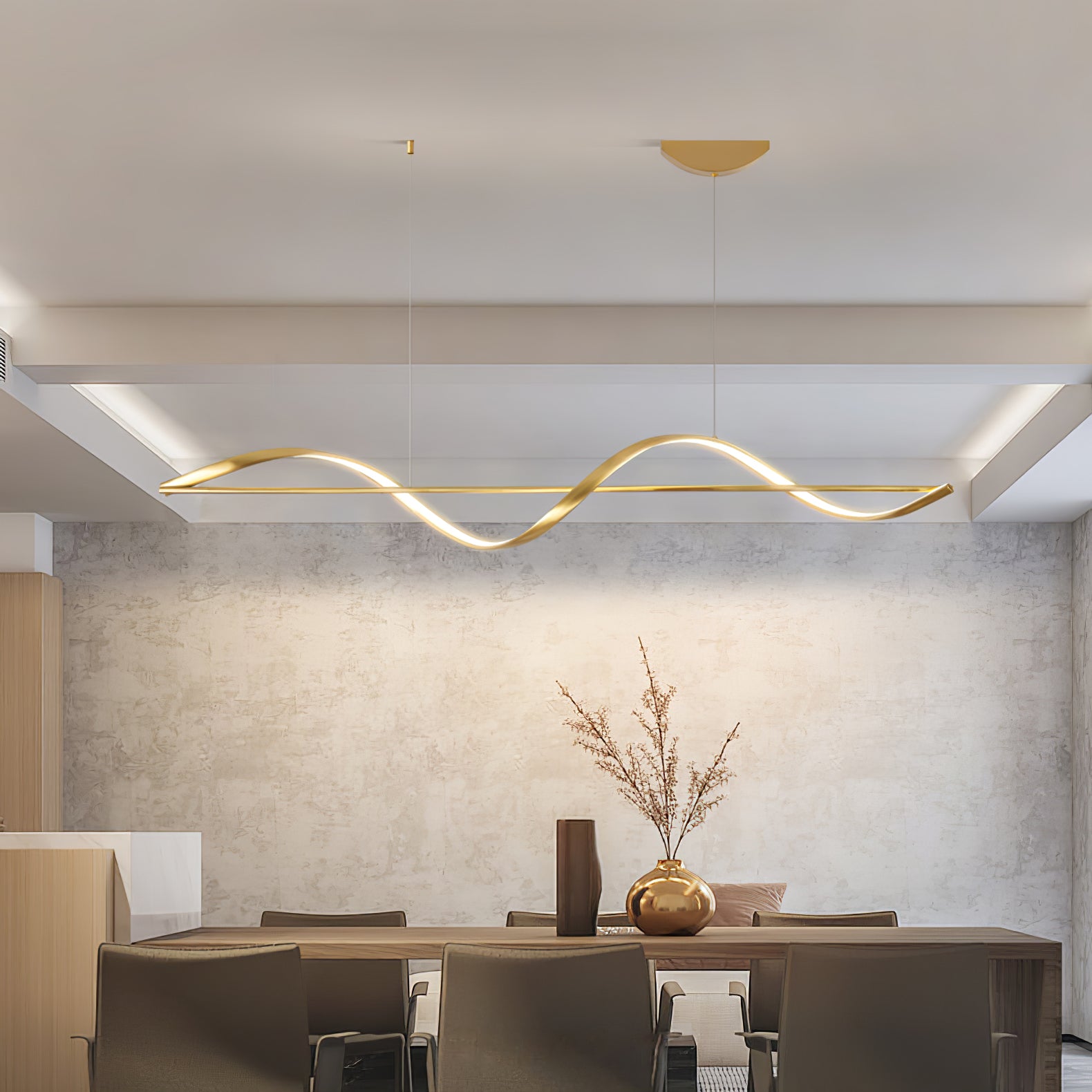
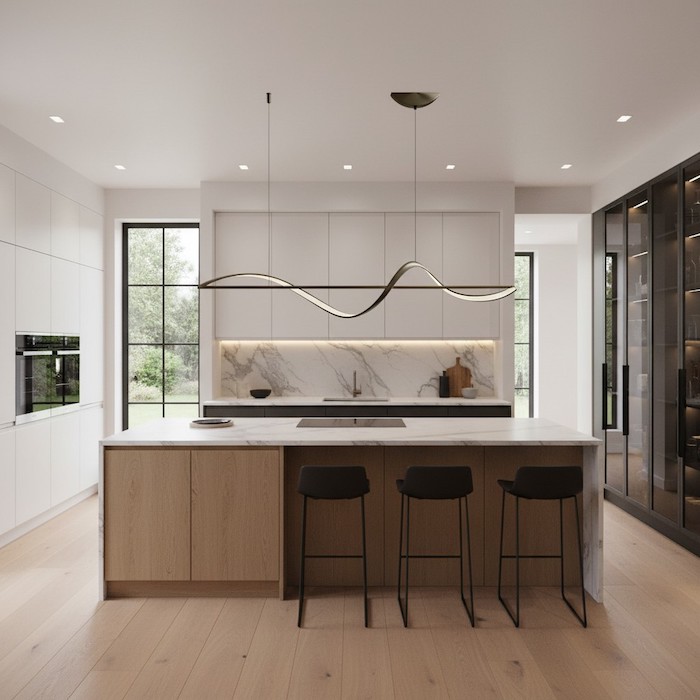
Por otro lado, una lámpara del mismo largo que la mesa se siente pesada y agobiante. La regla de oro del diseño de iluminación es la "Regla del 75%". La lámpara lineal debe medir aproximadamente entre dos tercios y tres cuartos de la longitud de la superficie que se encuentra debajo. Esto garantiza una iluminación completa a la vez que permite que los extremos del mueble respiren visualmente.
2. Altura de colgado inadecuada: El factor de deslumbramiento
La ubicación de la lámpara es tan importante como el tipo de lámpara que se coloca. Si una lámpara de araña lineal se coloca demasiado alta, la luz se dispersa demasiado antes de llegar a la superficie, creando un brillo tenue y dificultando la visibilidad para tareas como cortar verduras o leer. Si se coloca demasiado baja, se convierte en una barrera física que interrumpe las conversaciones al otro lado de la encimera.
Para una encimera estándar de 91 cm de altura, la luz lineal debe colgar de manera que la parte inferior de la luminaria quede entre 76 y 91 cm por encima de la superficie. Esta altura es el punto óptimo donde la luz se concentra lo suficiente para realizar tareas, pero está lo suficientemente alta como para no deslumbrar a alguien que se encuentre al otro lado. Recuerda: quieres ver el brillo, no el resplandor, un principio que explica perfectamentePor qué la iluminación de líneas limpias encaja con el diseño de interiores moderno.
3. Descuidar la alineación de la "línea central"
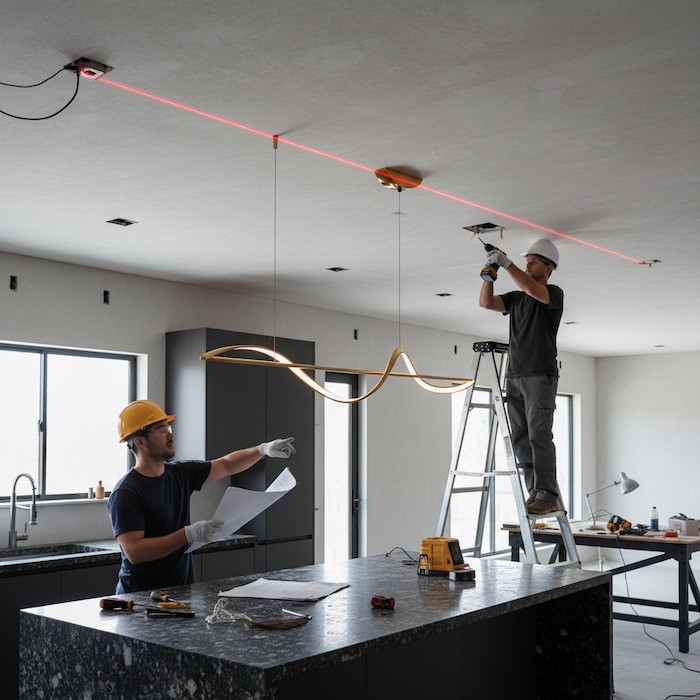
Las luminarias lineales son, en esencia, flechas largas que indican la alineación de la habitación. Si una lámpara lineal está ligeramente torcida o descentrada con respecto a la isla de la cocina, el ojo humano lo notará de inmediato. Muchos aficionados al bricolaje cometen el error de alinear la luminaria con las vigas del techo o la pared del fondo, en lugar de con los muebles que hay debajo.
En el diseño de iluminación, el mobiliario determina la luz, no al revés. La luminaria debe estar perfectamente paralela a los bordes largos de la isla o la mesa. Incluso si la casa se ha asentado y las paredes no son perfectamente cuadradas, alinear la luz con el mobiliario crea un efecto visual intencional y profesional. Utilice siempre un nivel láser para este paso; hacerlo a ojo es la forma más rápida de que la habitación quede torcida.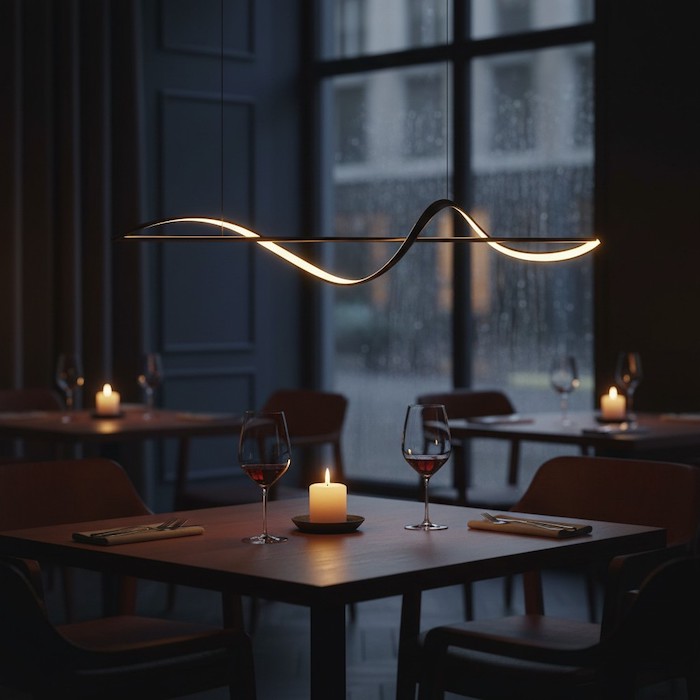
El error oculto: olvidarse del regulador de intensidad
Debido a su gran superficie, las luces lineales producen una cantidad considerable de lúmenes o brillo. Uno de los errores más comunes es no instalar un regulador de intensidad de alta calidad. Una luz lineal al 100% de potencia es ideal para un desayuno de martes por la mañana, pero resulta demasiado intensa para una cena de sábado por la noche. Al añadir un regulador, transformas tu luminaria de una herramienta funcional en una obra maestra que crea el ambiente perfecto.
4. Complicar demasiado el fondo visual
Un error de diseño común es elegir una lámpara lineal pesada y recargada cuando la cocina ya tiene muchos elementos. Si tienes azulejos estampados en la pared, estantes abiertos con vajilla colorida o gabinetes de alto contraste, una lámpara voluminosa creará una sensación de desorden visual.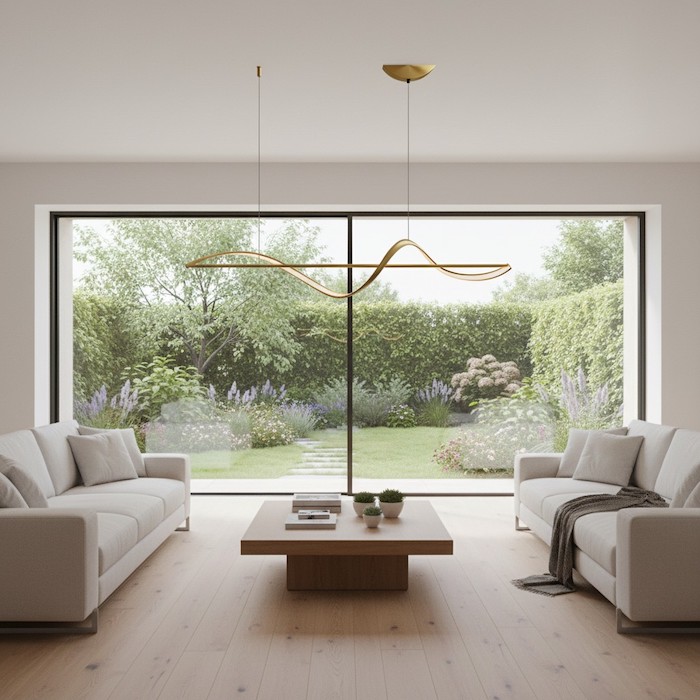
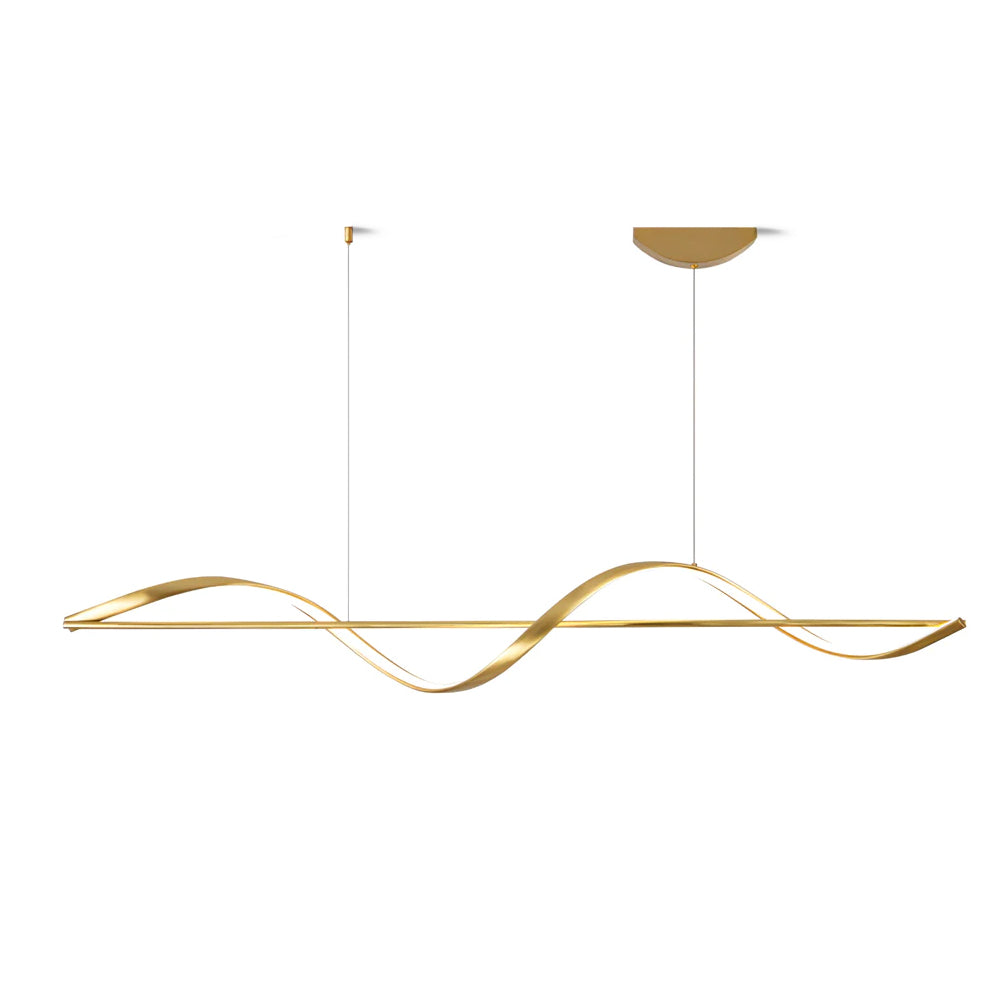
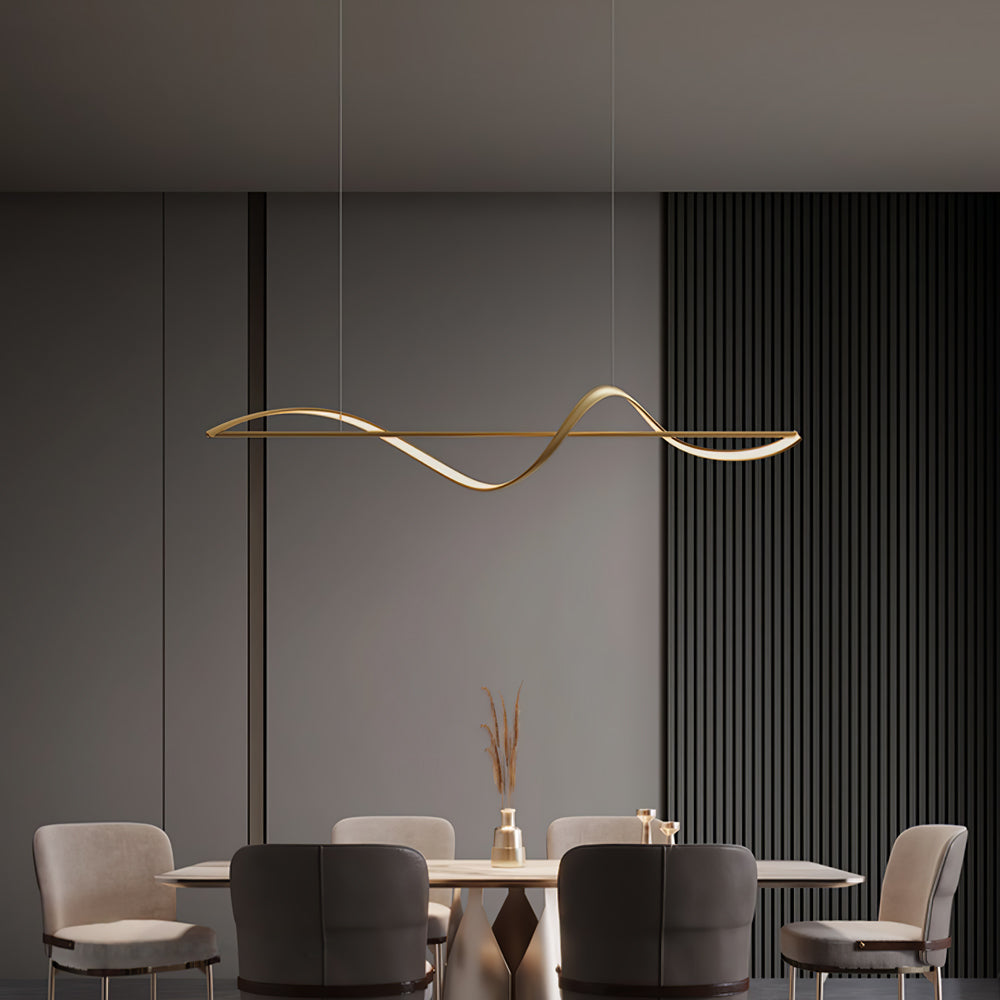
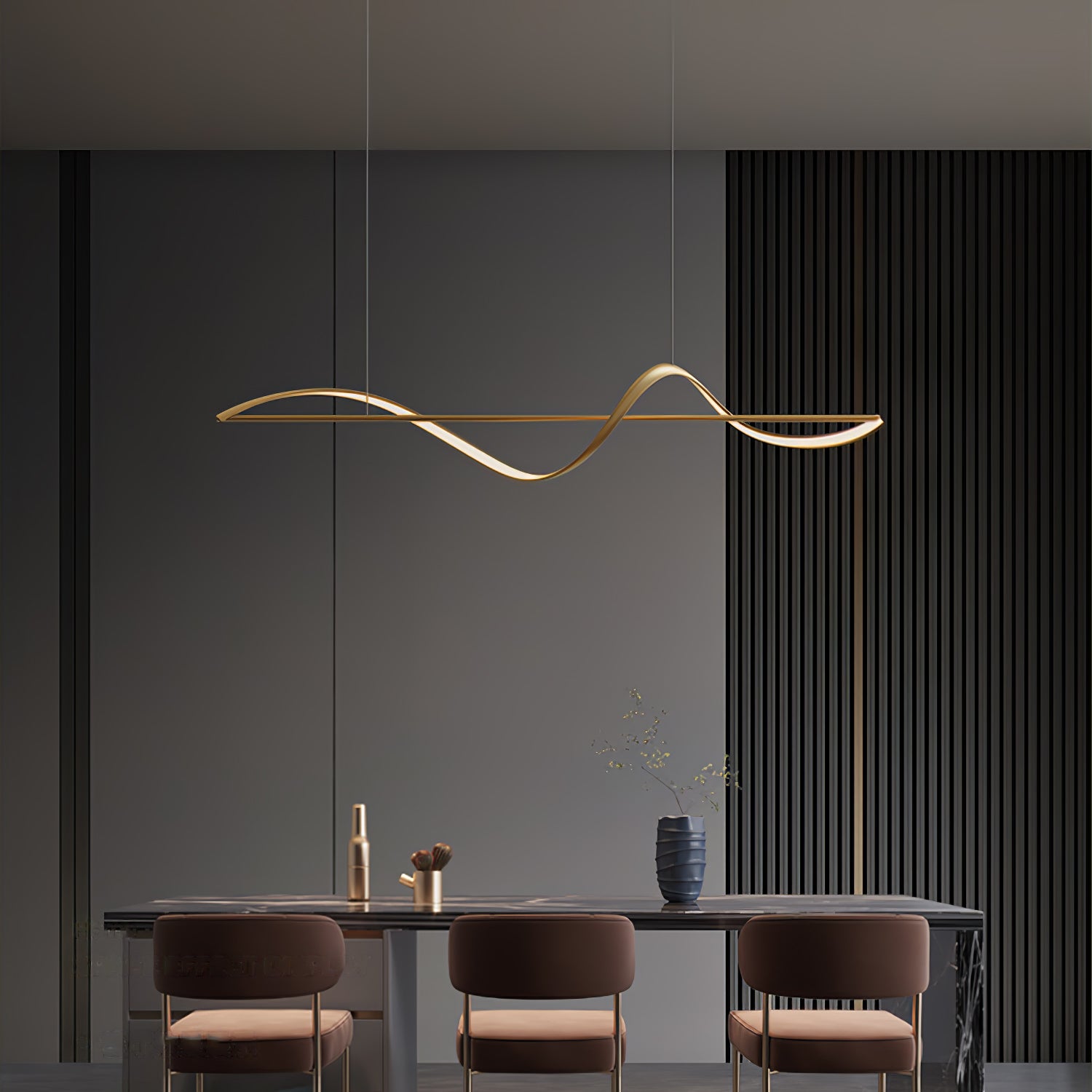
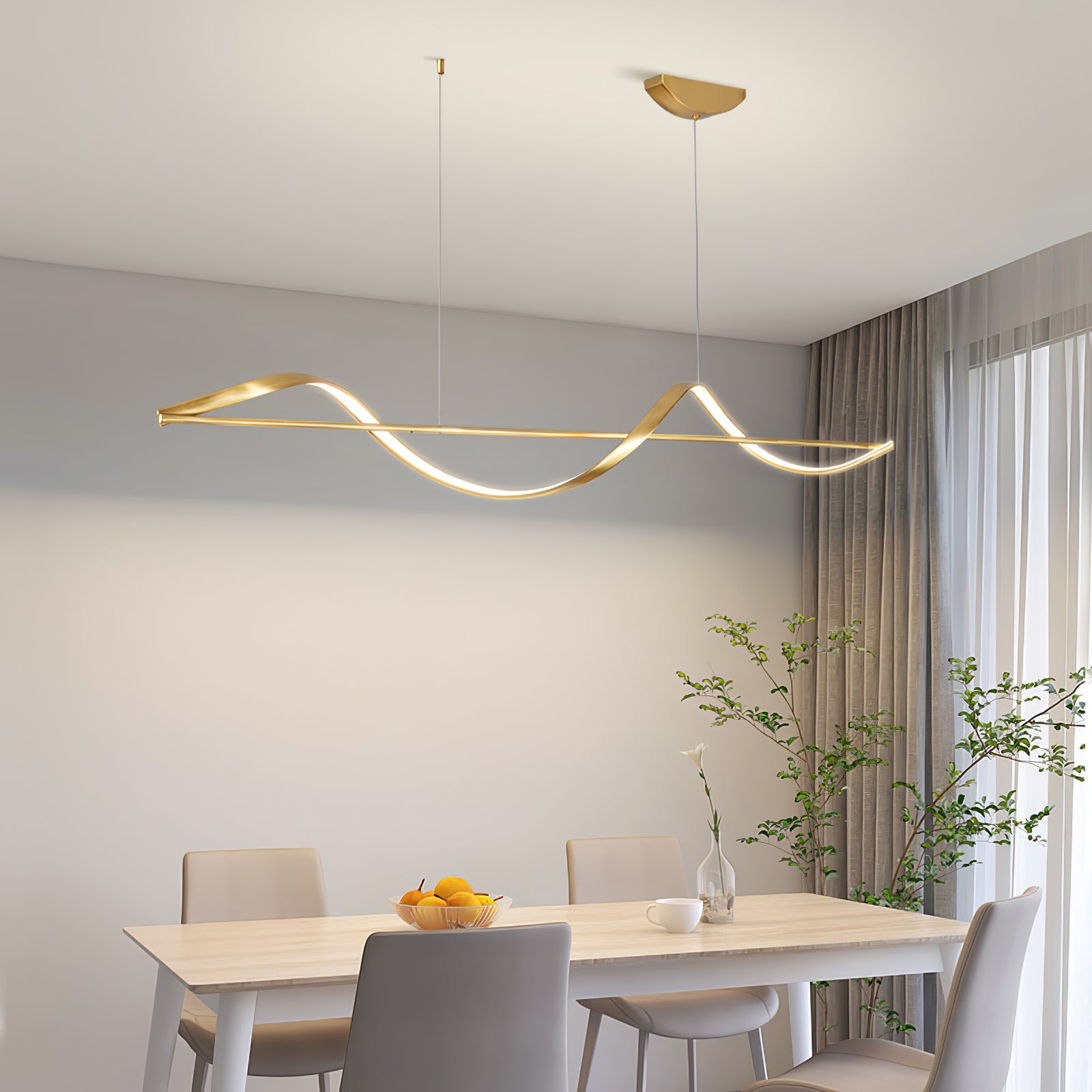
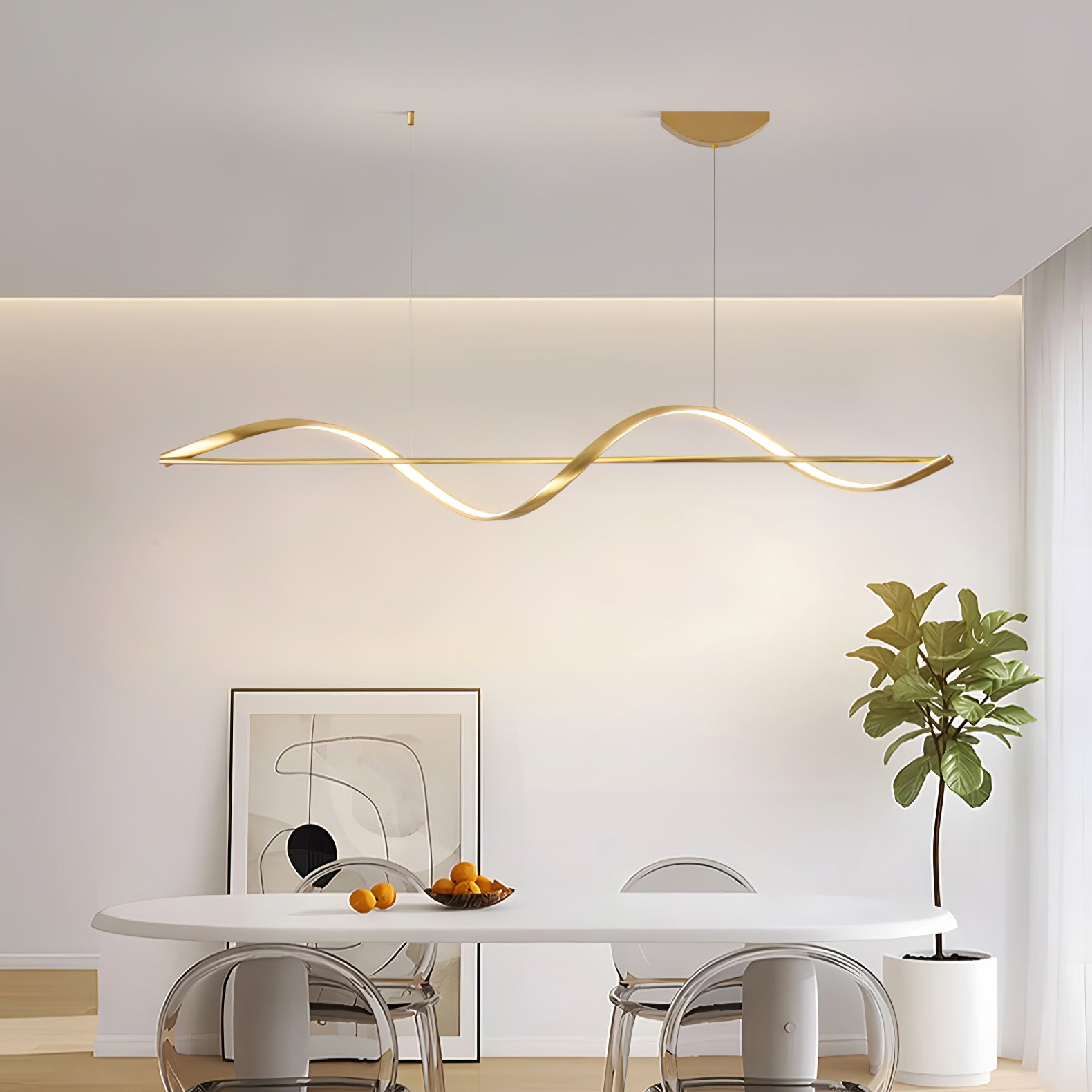
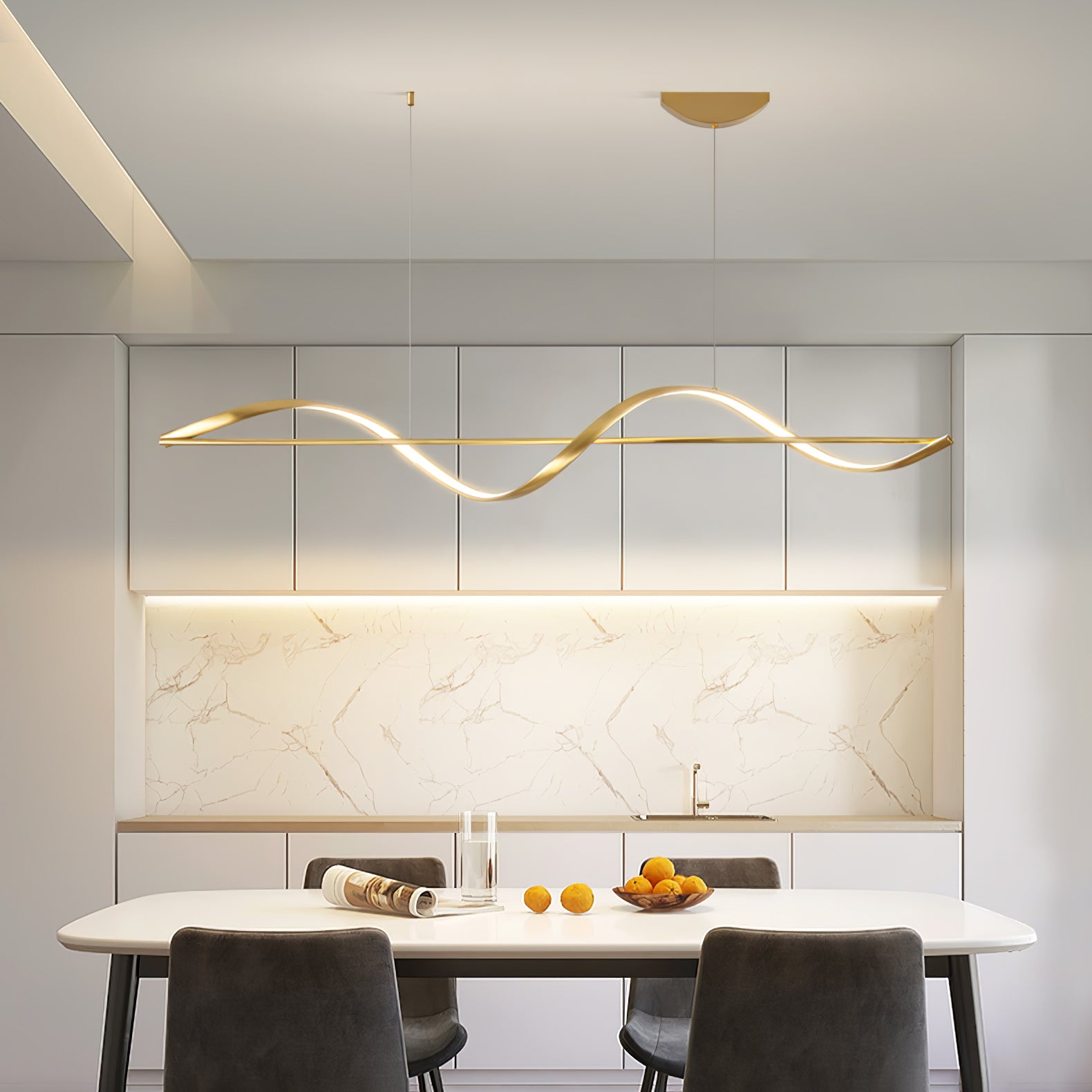
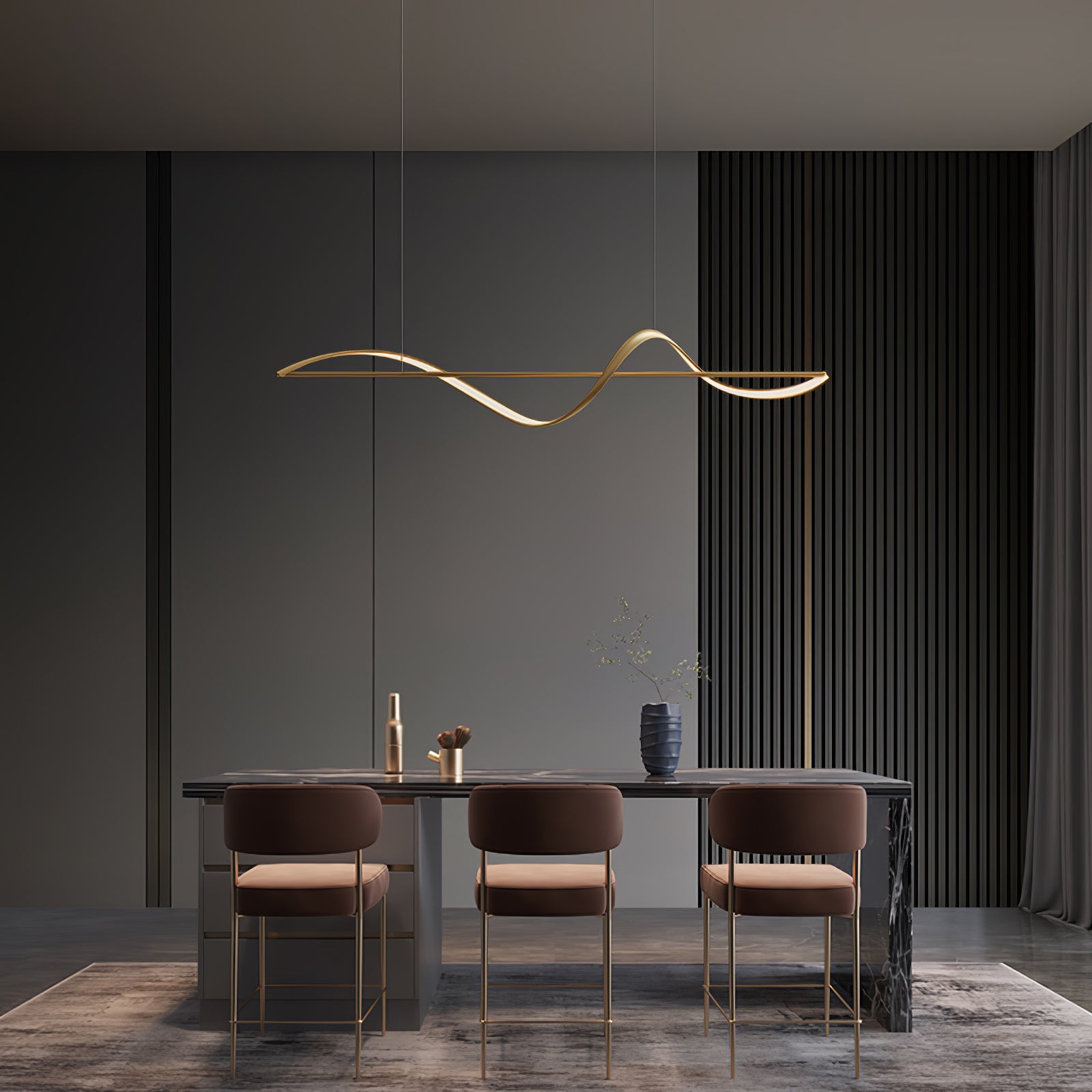
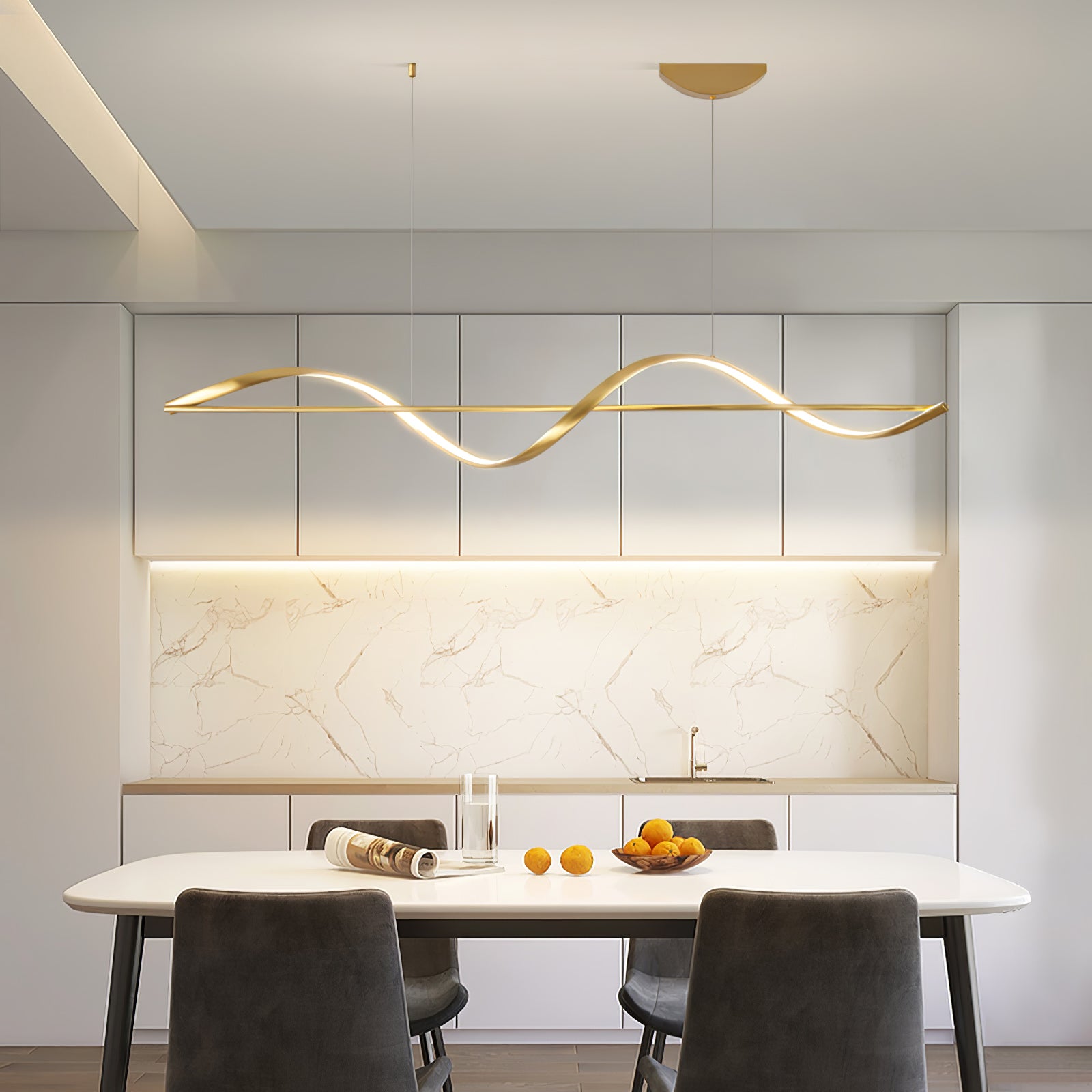
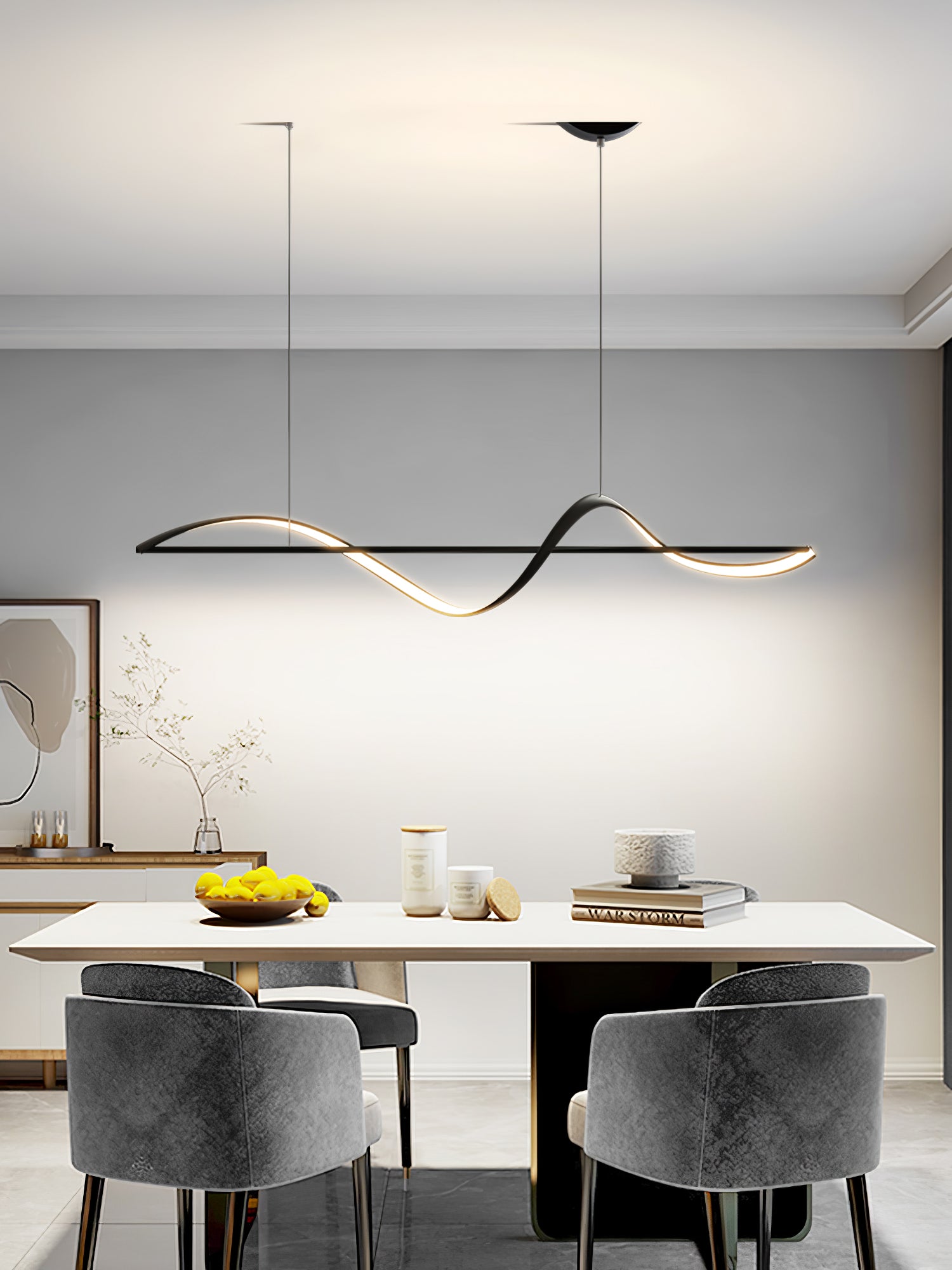
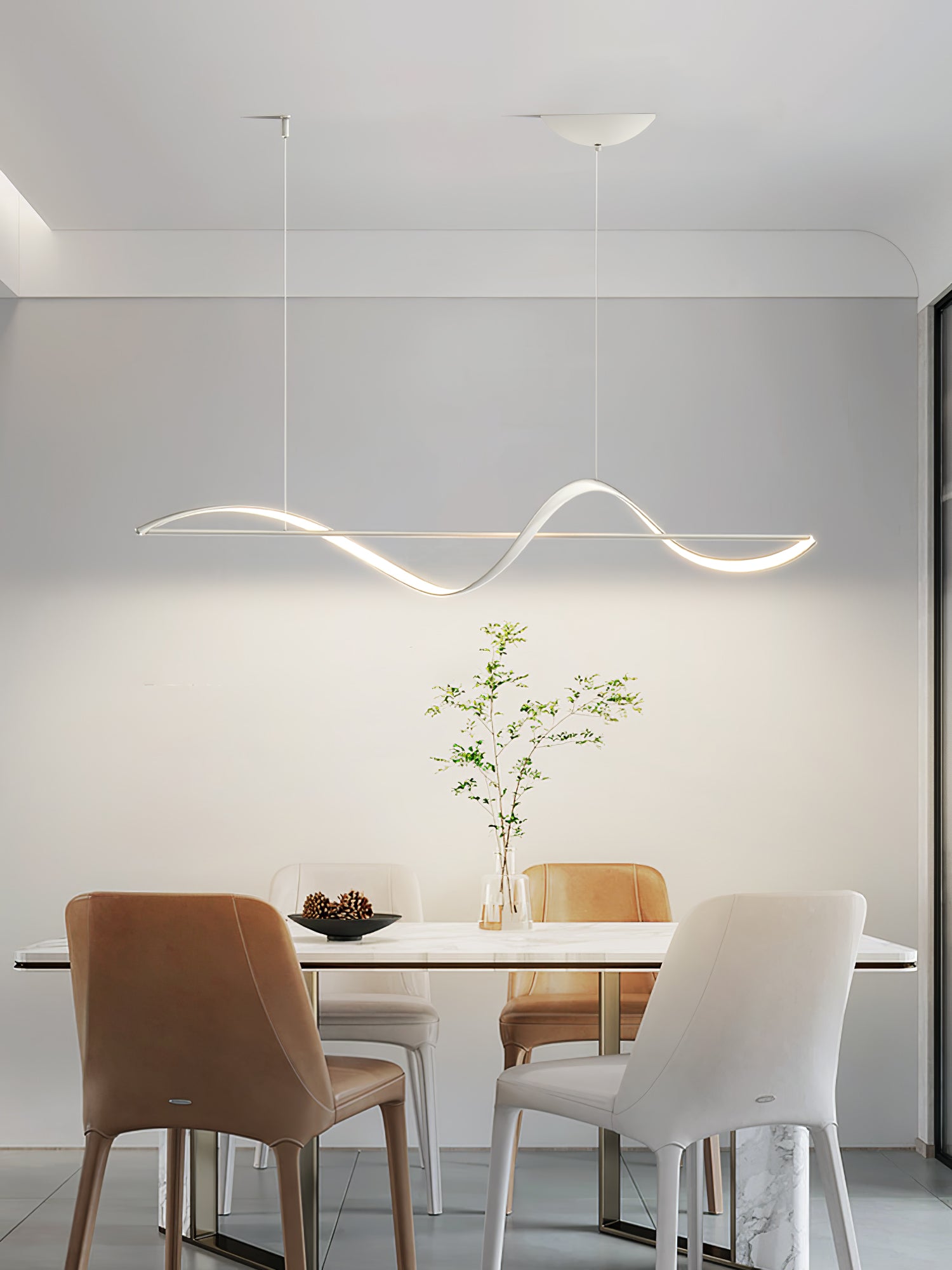
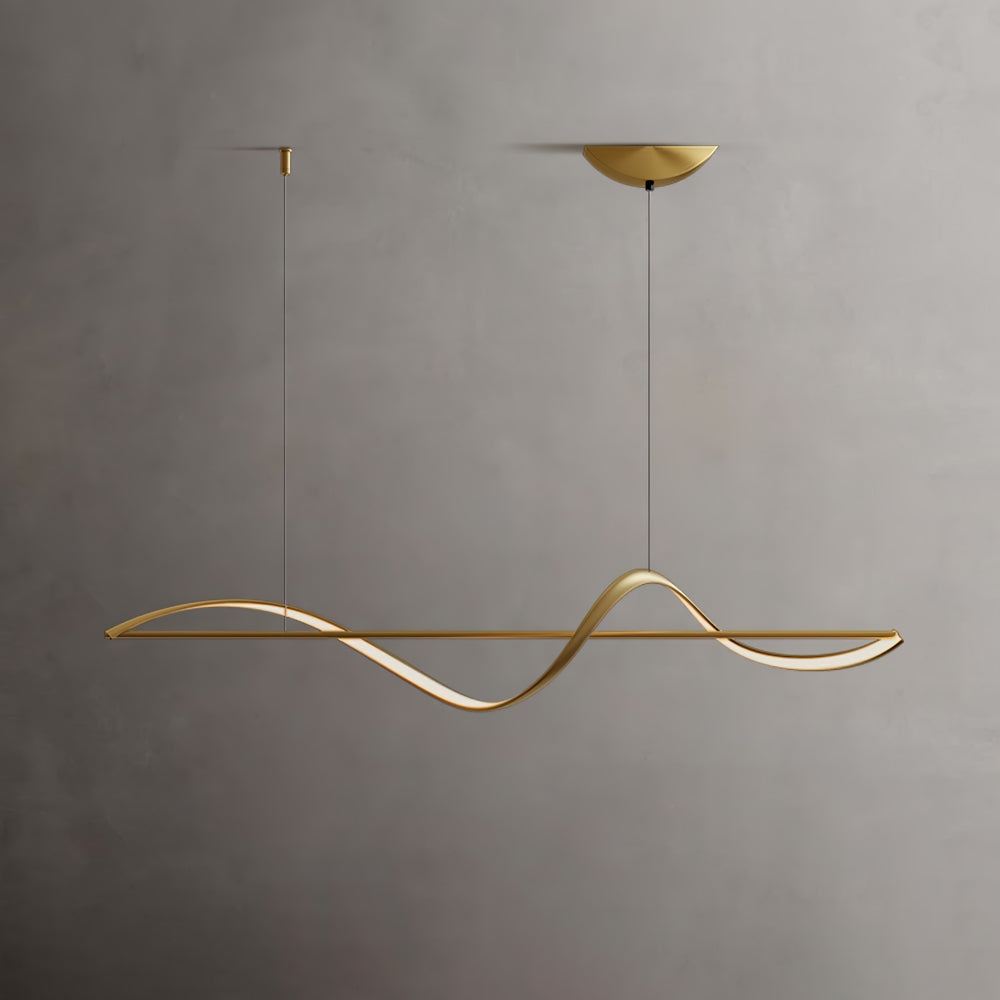
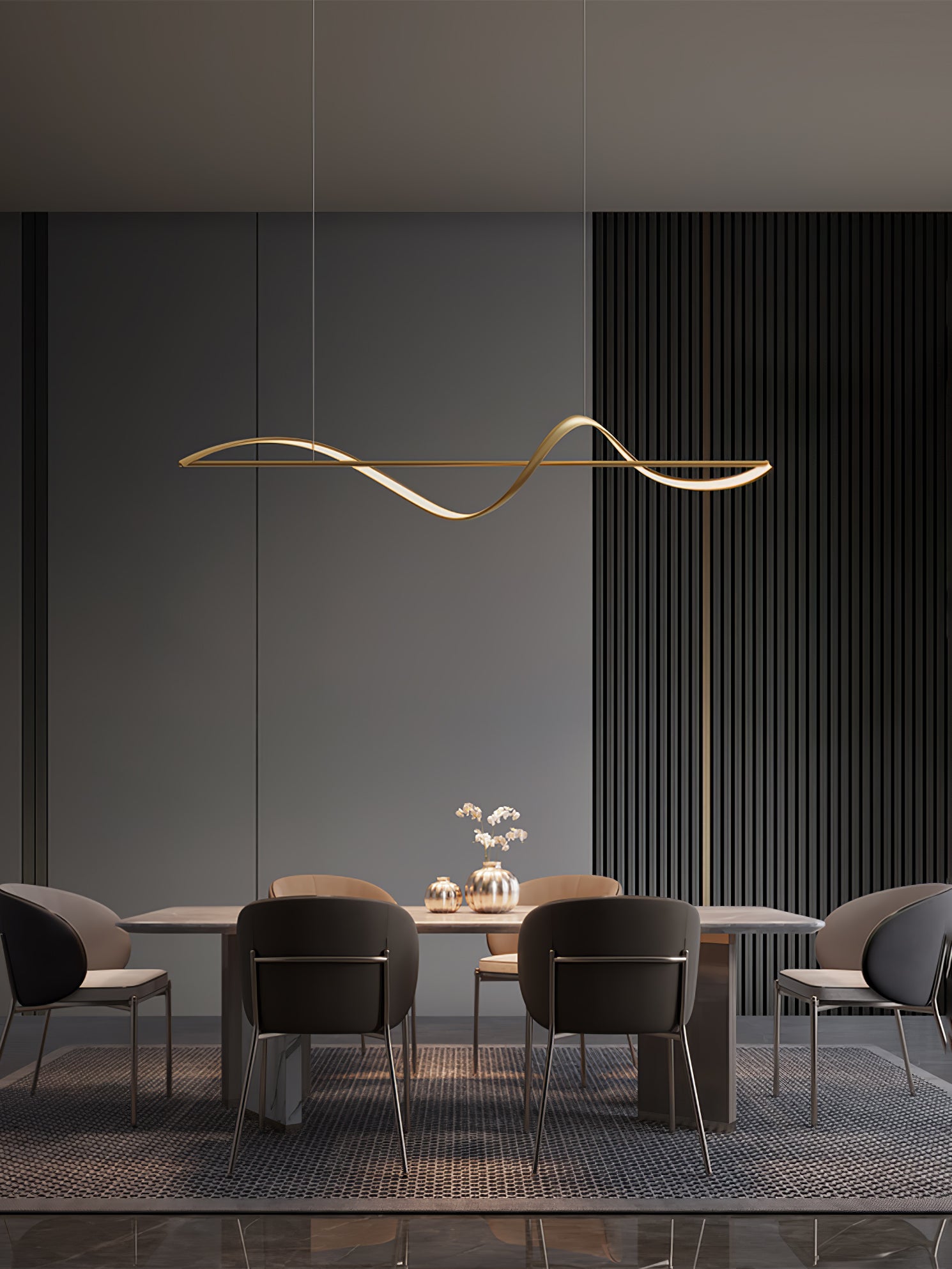
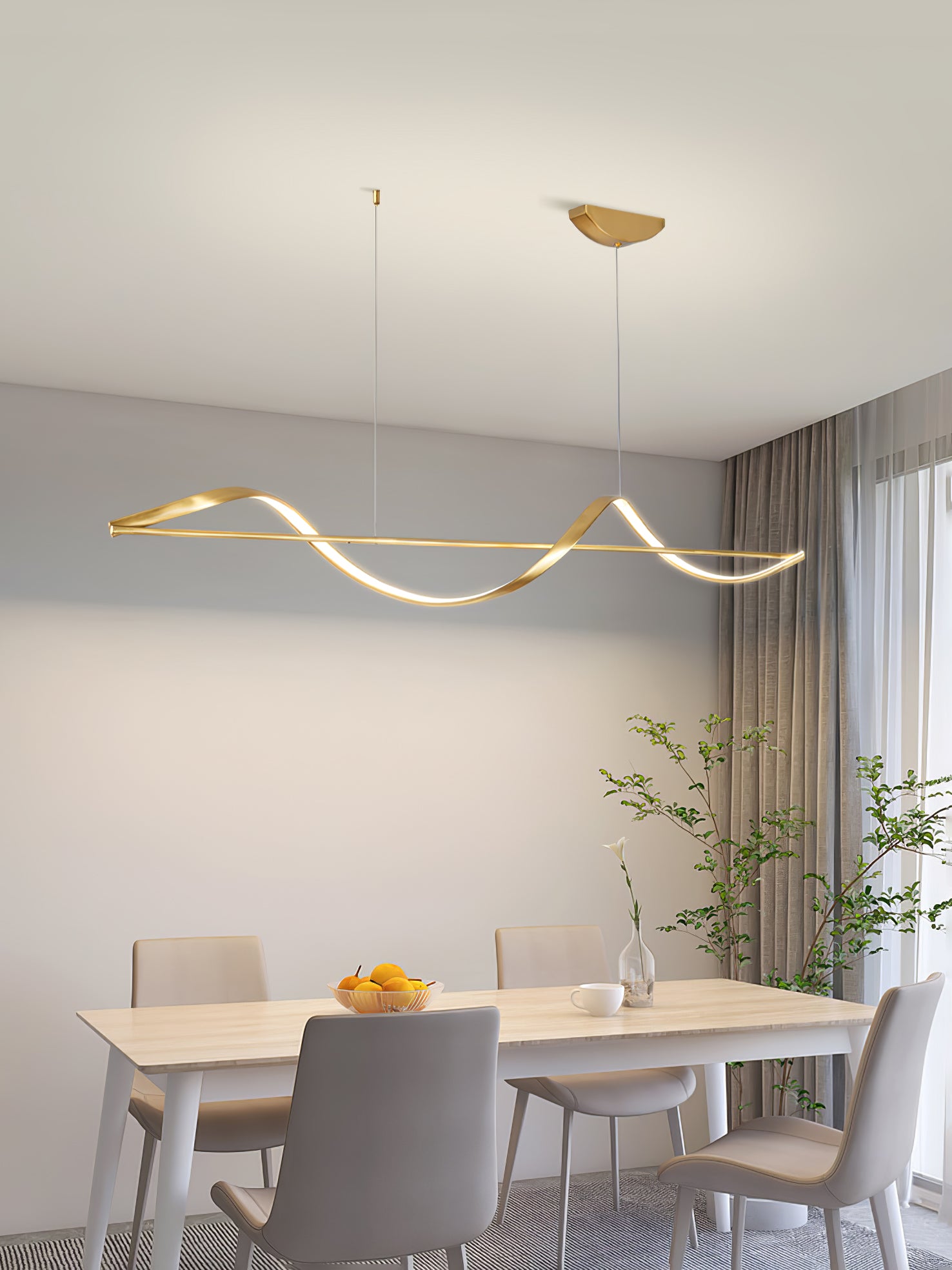
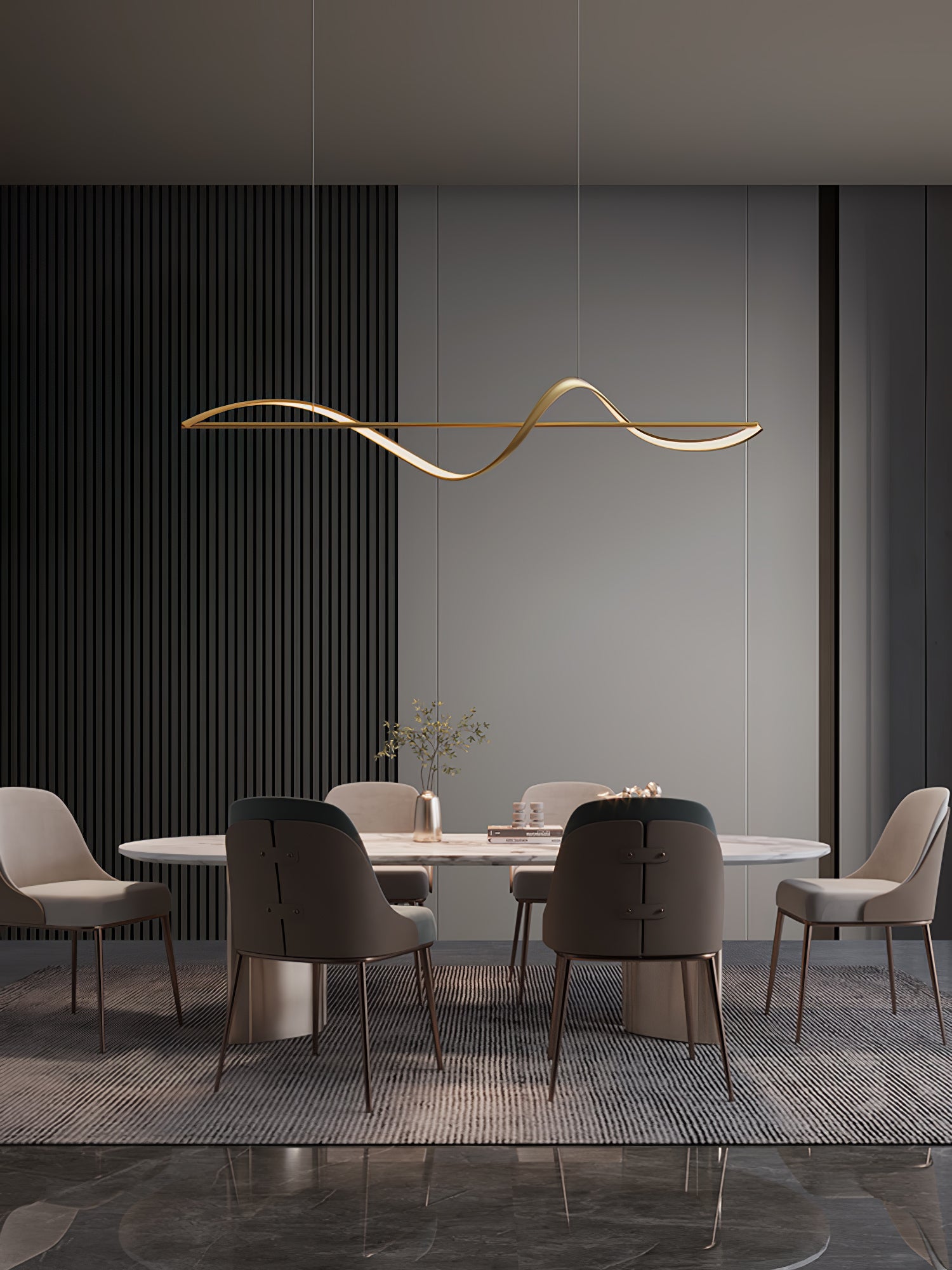
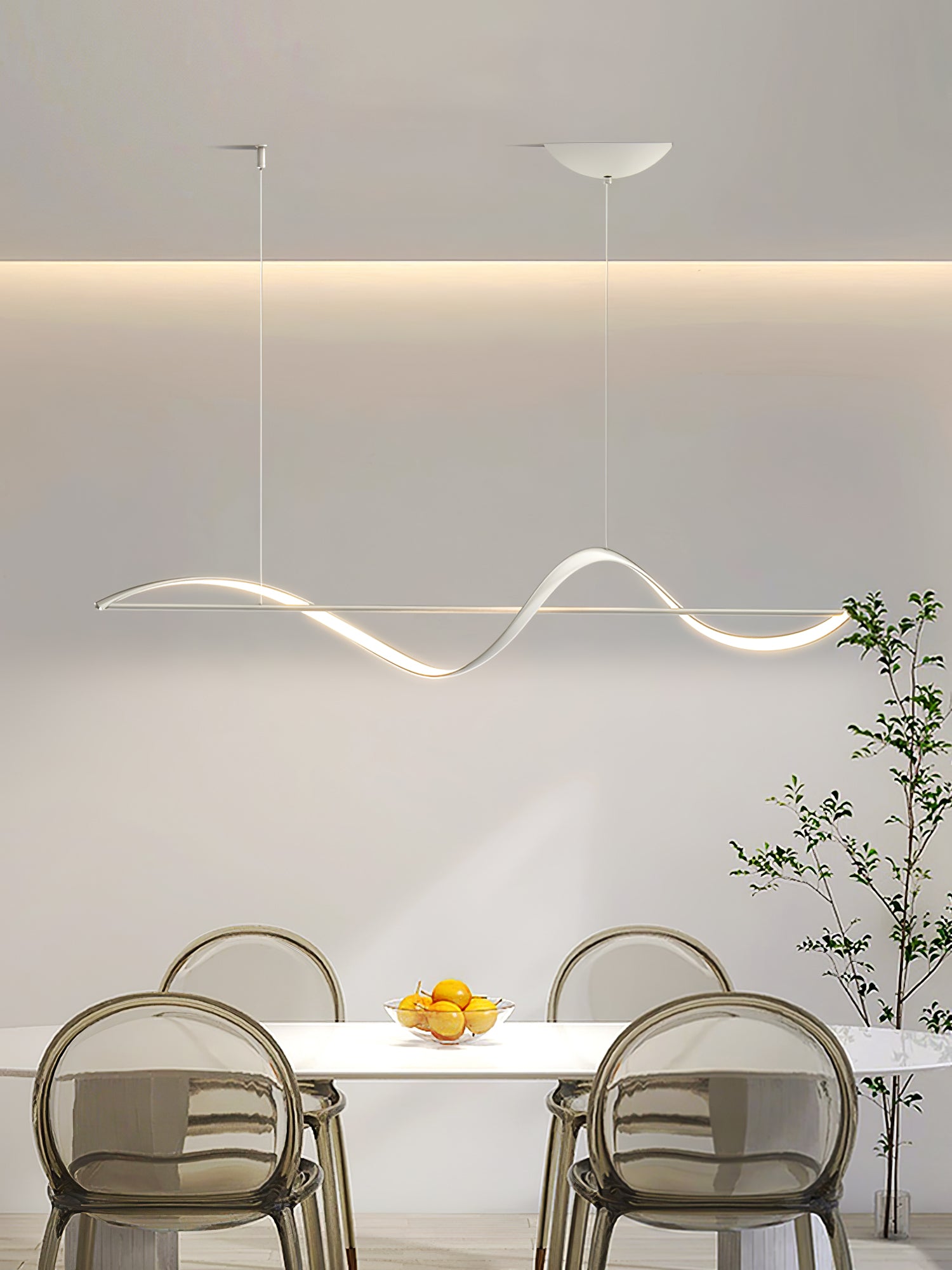
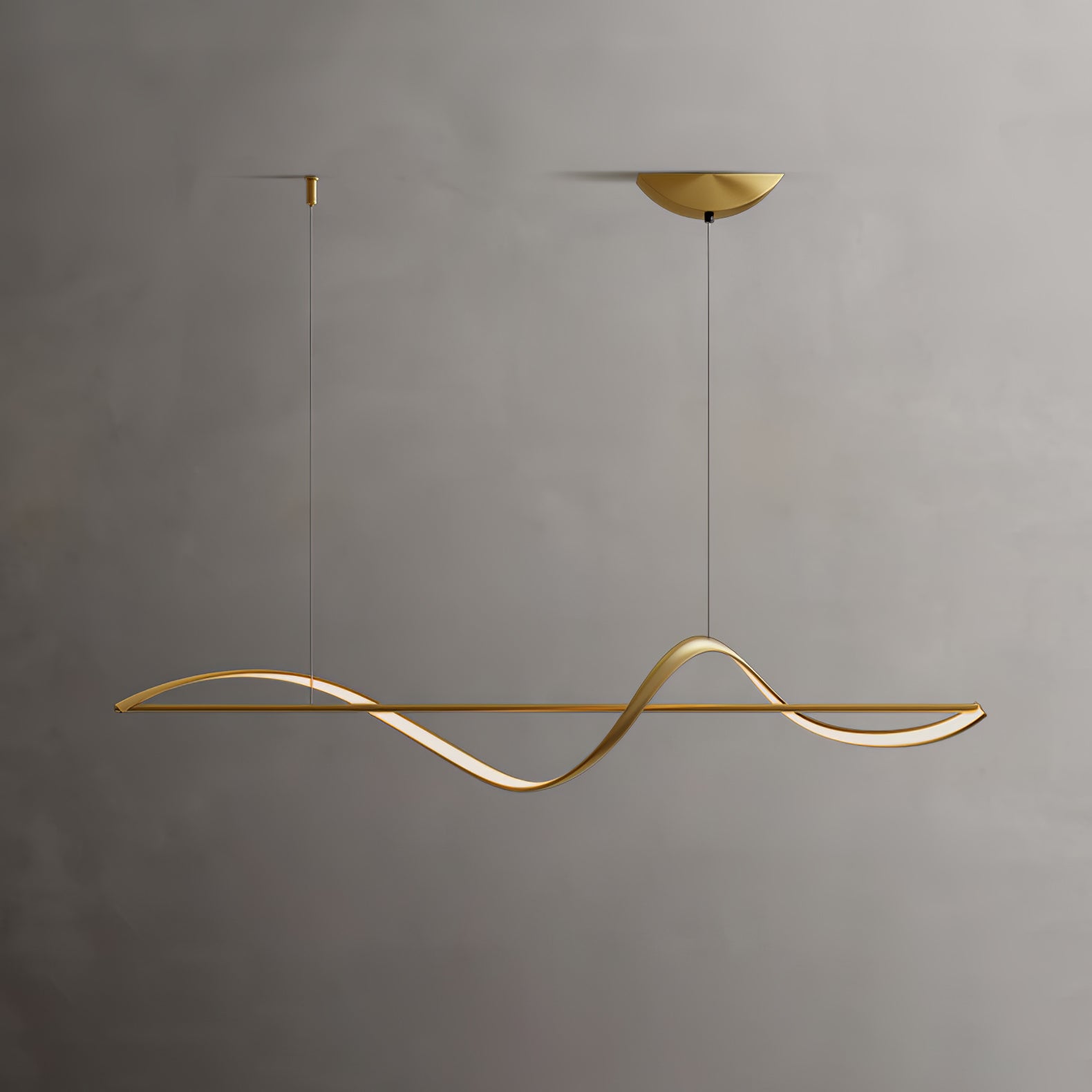
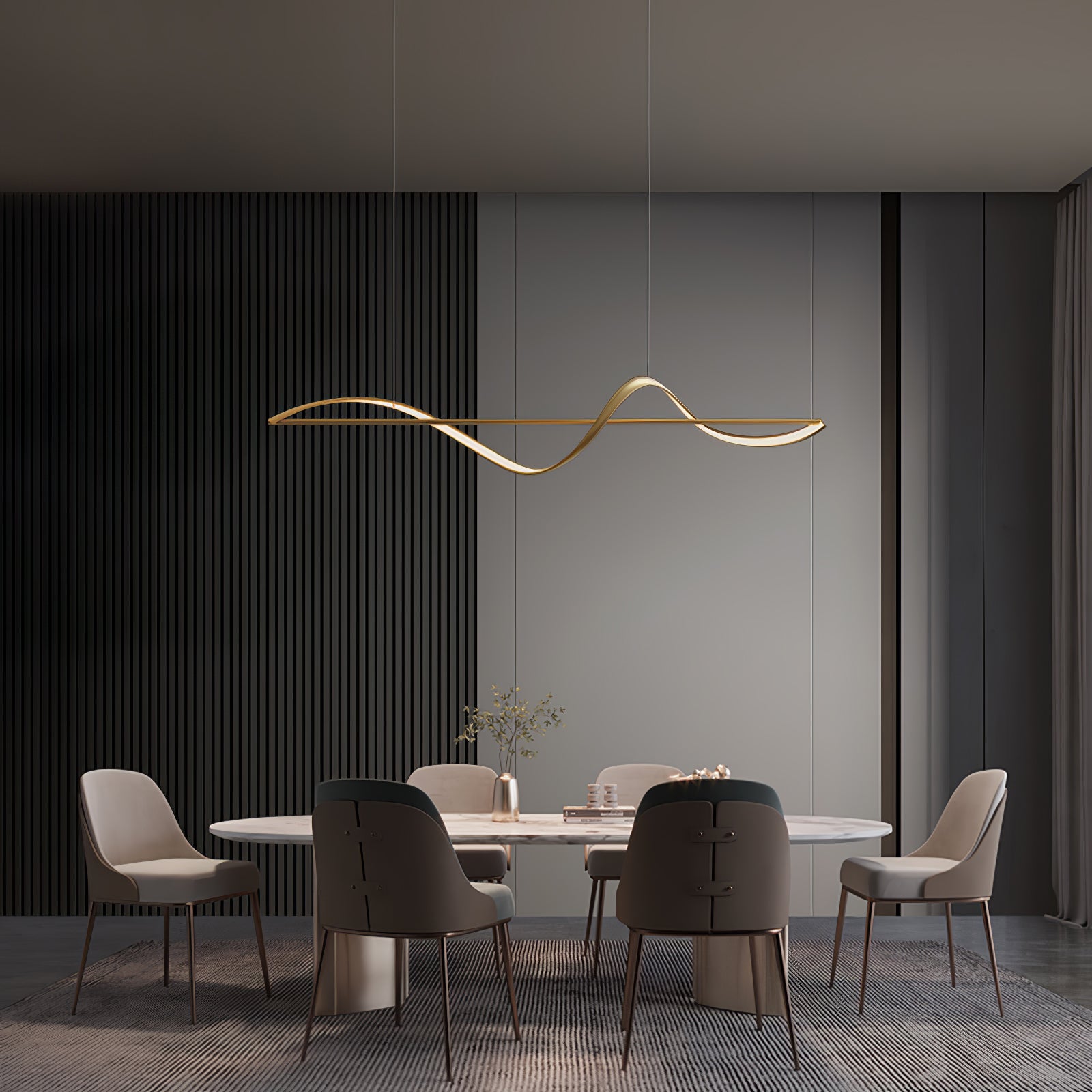
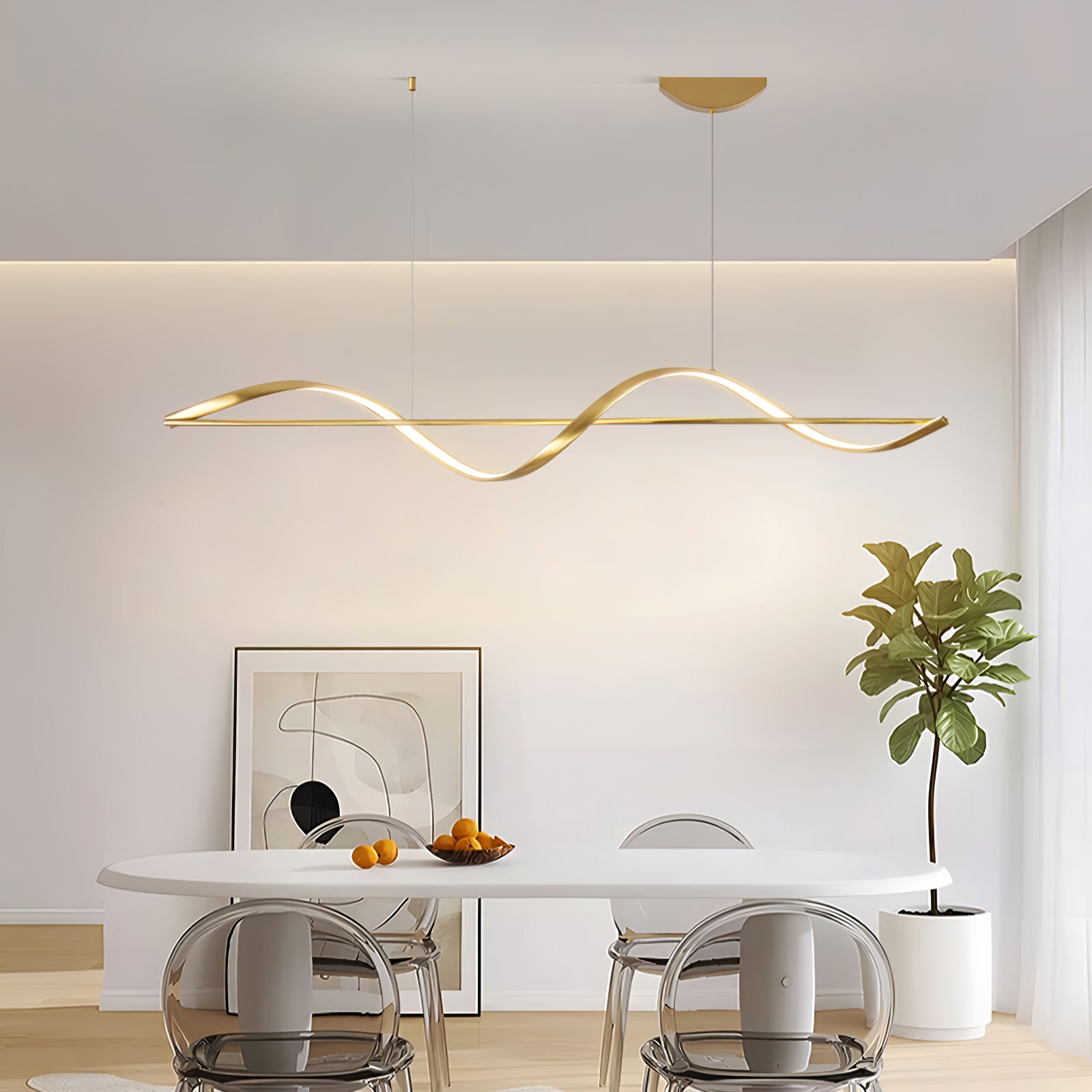
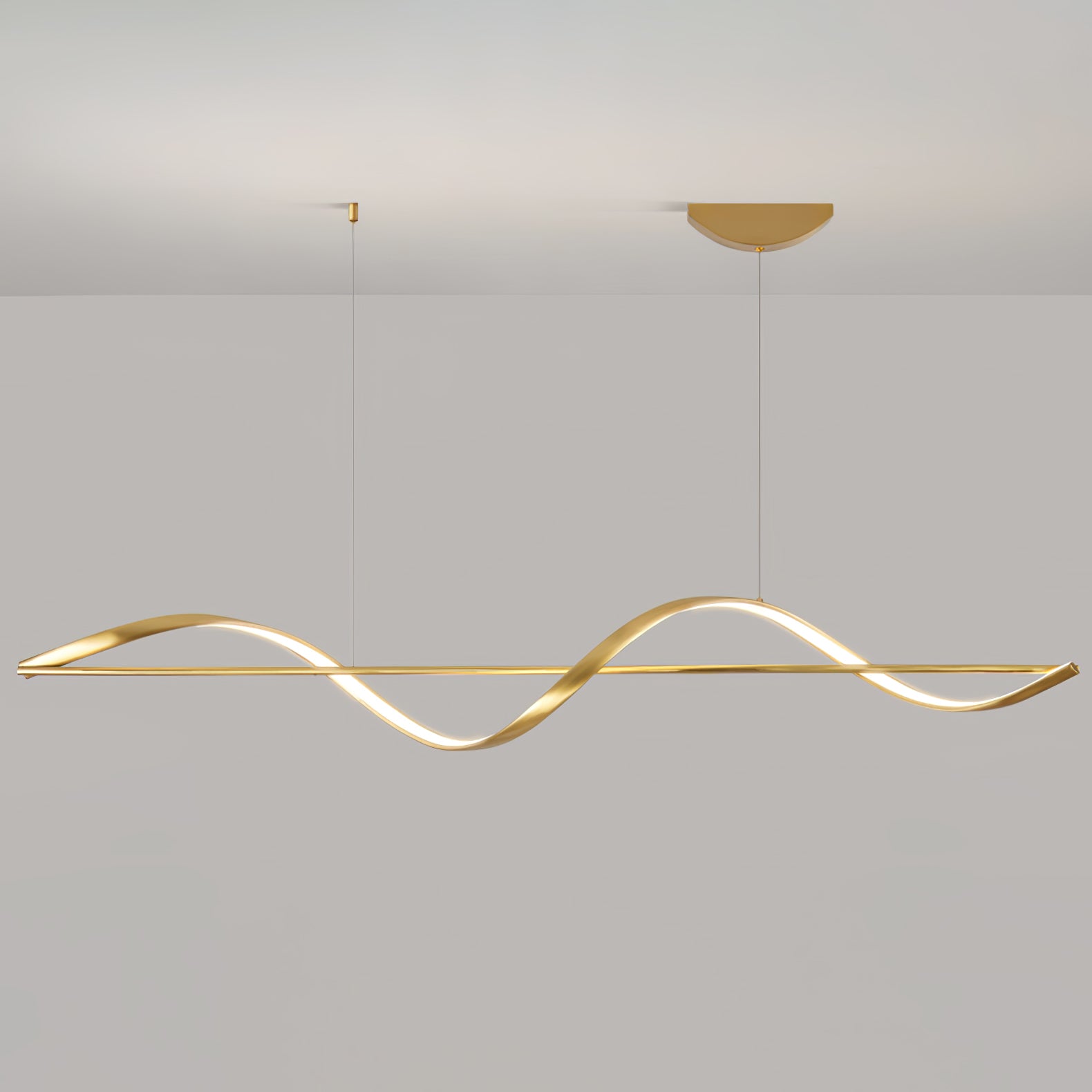
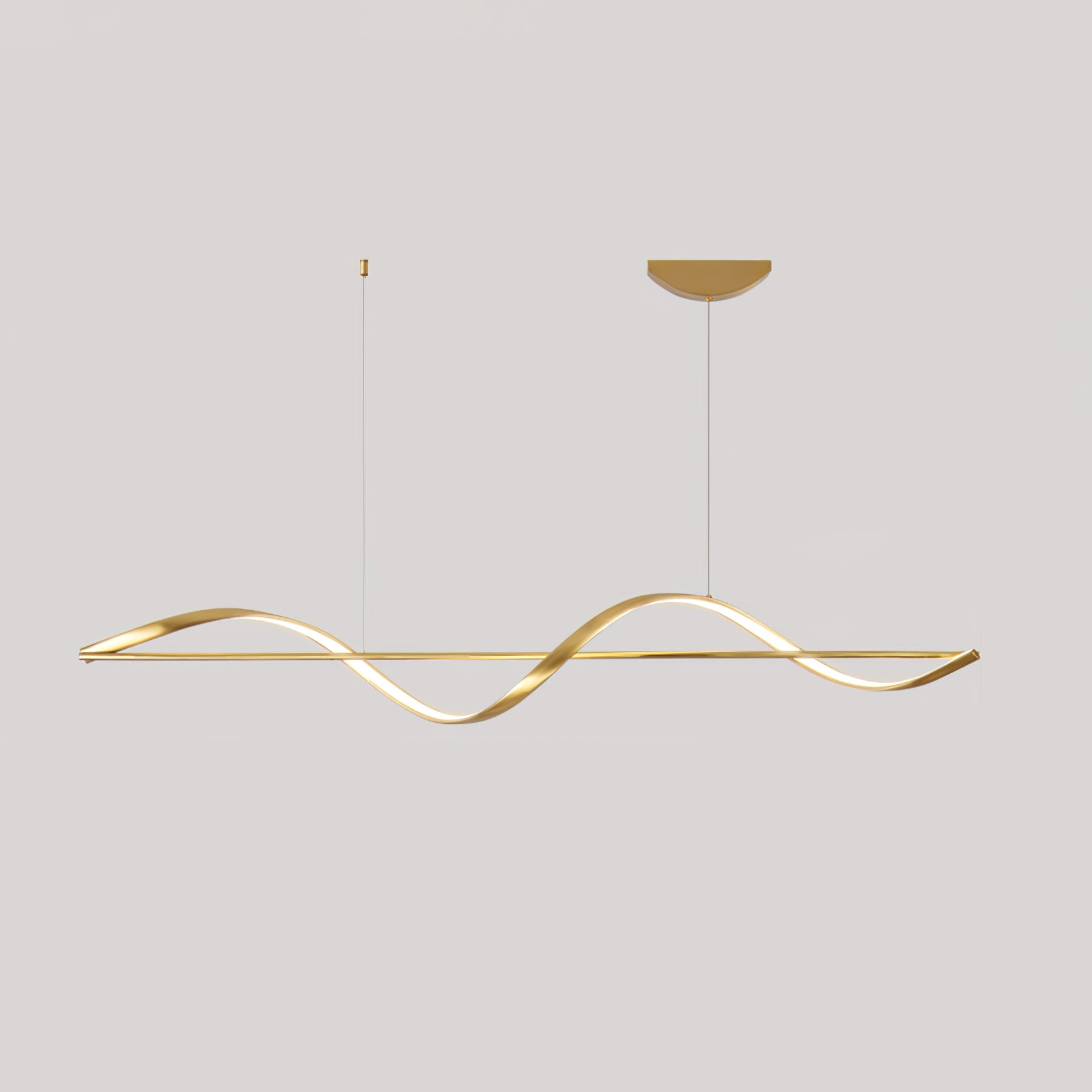
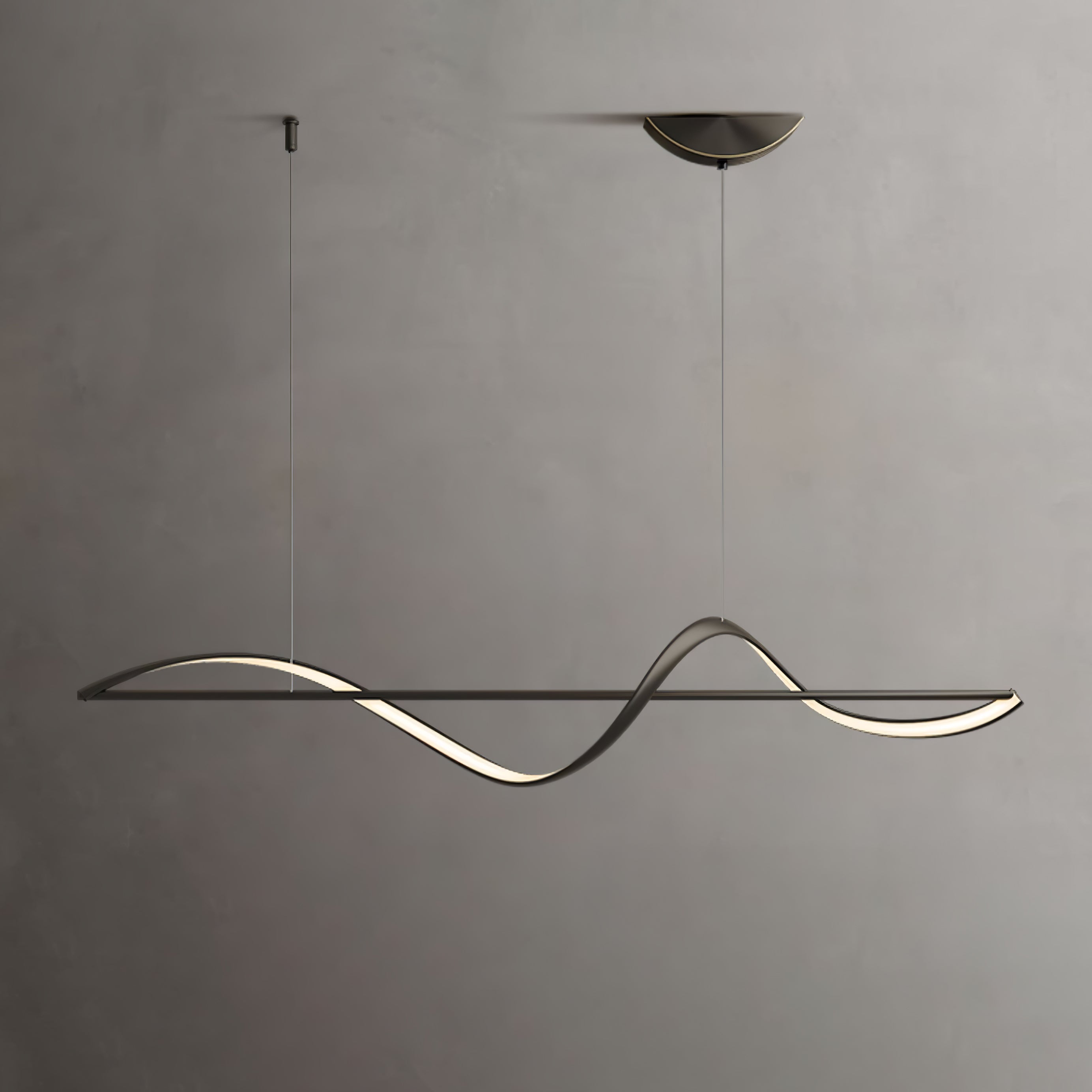
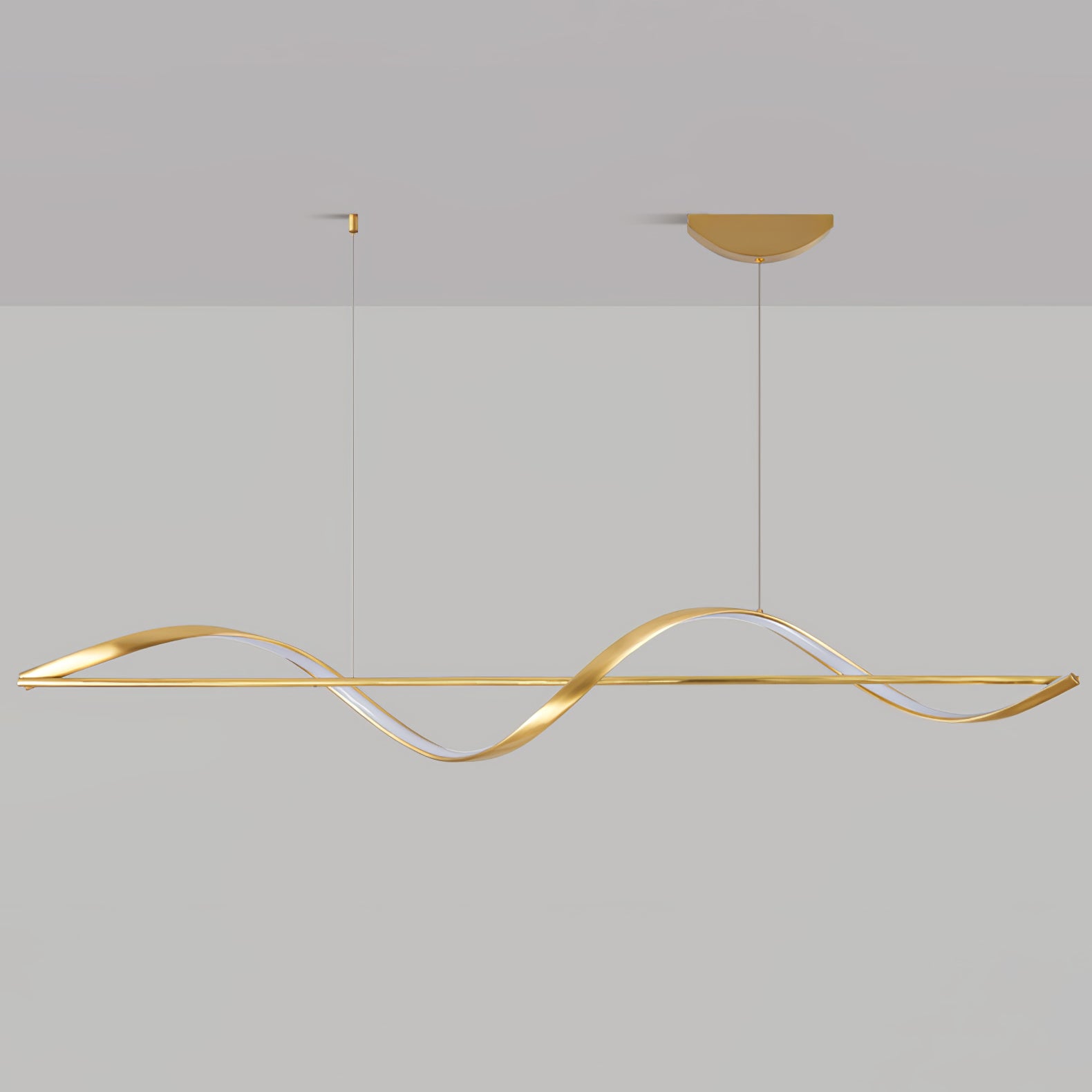
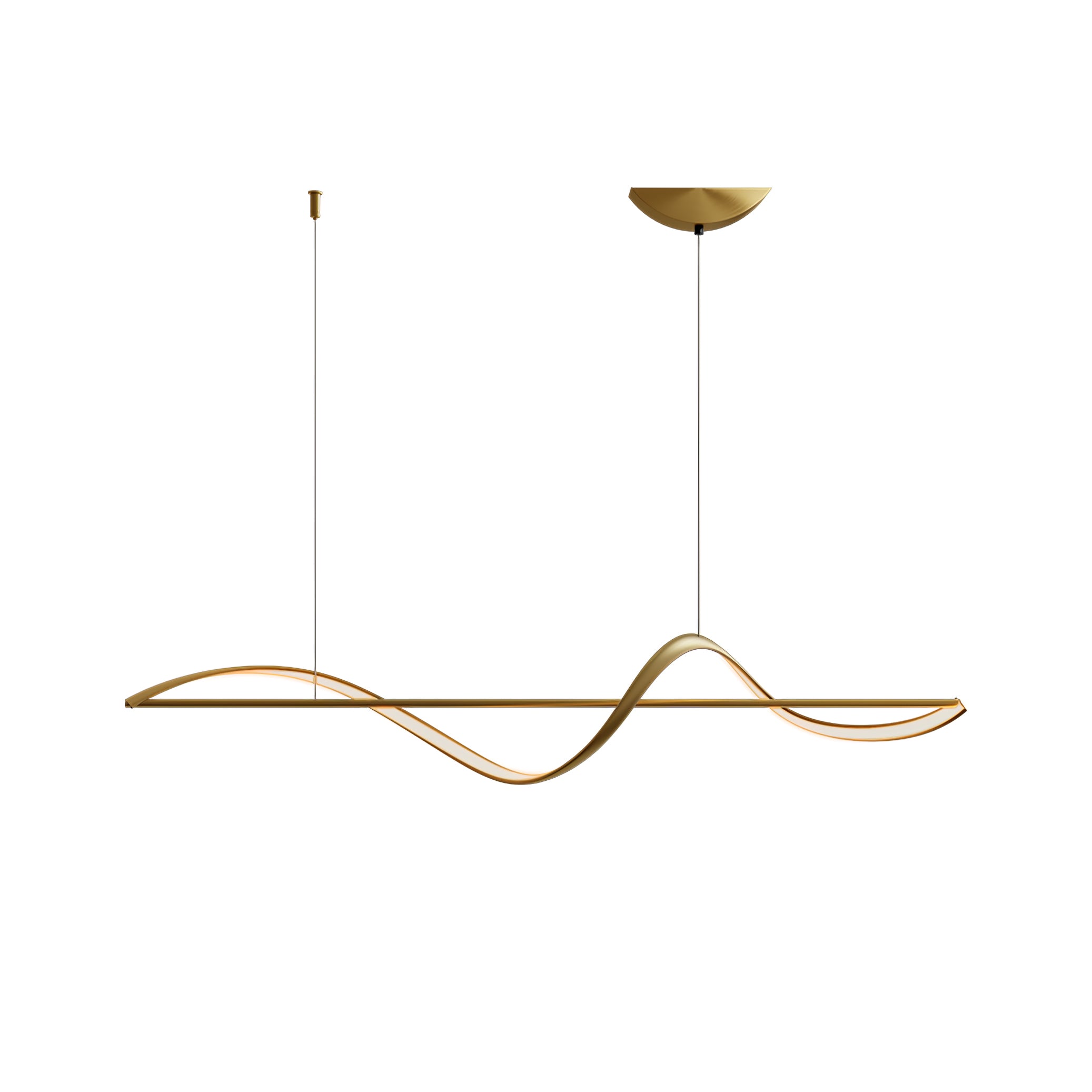
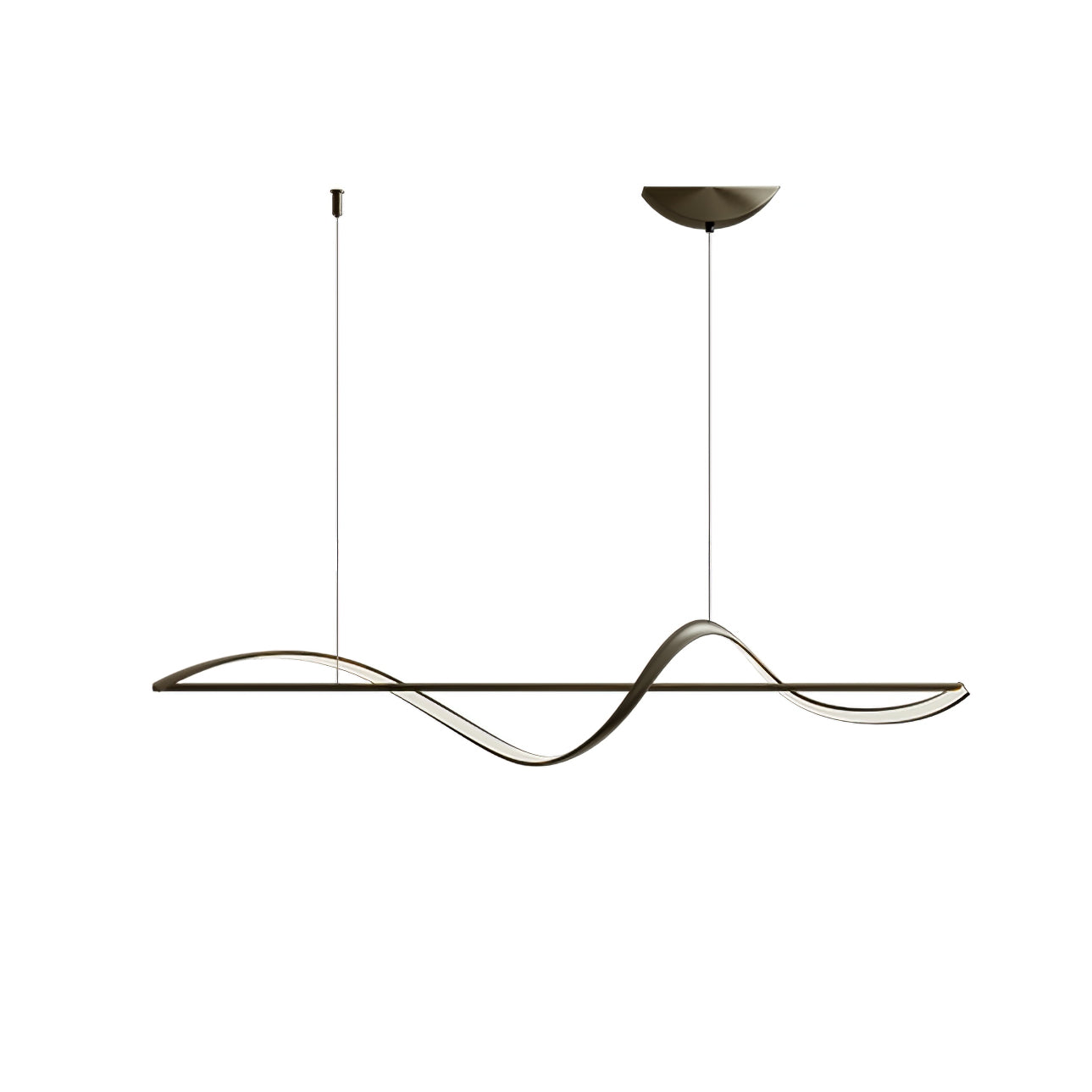
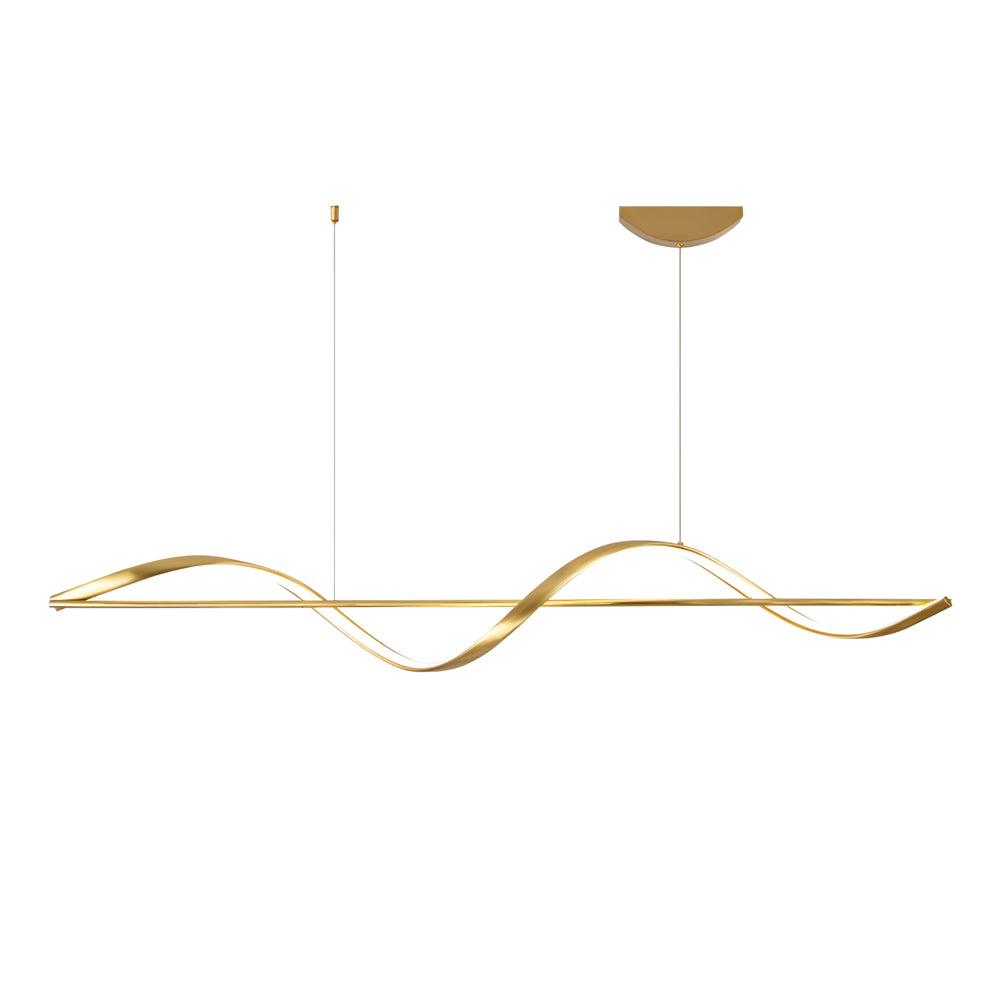
En estos casos, "menos es más" es el principio rector. Quieres una luminaria que proporcione "transparencia", una que permita que la vista pase a través de ella hacia los hermosos detalles de tu cocina. Lámpara de araña lineal Whisper para isla de cocina Es el antídoto perfecto contra el desorden visual. Su silueta minimalista proporciona toda la luz funcional que necesitas sin obstruir la vista de tus acabados de alta gama.
5. Ignorar la sombra de las "zonas de anotación"
Por último, considere la sombra en los extremos de la mesa. Muchas personas instalan luces lineales, pero no tienen en cuenta cómo disminuye la intensidad de la luz en los bordes. Si la luz lineal es demasiado delgada o no tiene un ángulo de haz lo suficientemente amplio, se formarán zonas oscuras en los extremos de la mesa. Esto crea una experiencia incómoda en la que la mitad de los comensales están iluminados y la otra mitad a oscuras. Asegúrese siempre de que la luminaria elegida tenga una iluminación amplia y difusa que cubra todo el ancho de la zona de asientos.
La iluminación lineal es una inversión en cómo disfrutas de tu hogar. Si te tomas el tiempo para medir con atención y considerar la interacción entre la luz y tus muebles, irás más allá de la simple decoración y te adentrarás en el mundo del diseño de iluminación profesional. Evita estos cinco errores y tu espacio no solo lucirá espectacular, sino que además se sentirá natural y acogedor.