
Die Evolution der Eleganz: Bemerkenswerte, designorientierte lineare Beleuchtungsstile
In der Erzählung vom modernen Luxus ist die lineare Form mehr als nur eine Gestalt – sie ist eine Designsprache, die von Ausgewogenheit, Weite und raffinierter Zurückhaltung zeugt. Für alle, die ein Zuhause mit einer zeitgenössischen und zugleich zeitlosen Ästhetik gestalten möchten, geht es bei der Wahl der Beleuchtung nicht mehr nur darum, eine dunkle Ecke auszuleuchten. Es geht vielmehr darum, ein Kunstwerk auszuwählen, das mit der Architektur des Raumes harmoniert. Lineare Leuchten mit ihrem langgestreckten Profil und ihrer eleganten Präsenz bieten eine einzigartige Möglichkeit, funktionale Beleuchtung und hochwertiges Dekor zu vereinen.
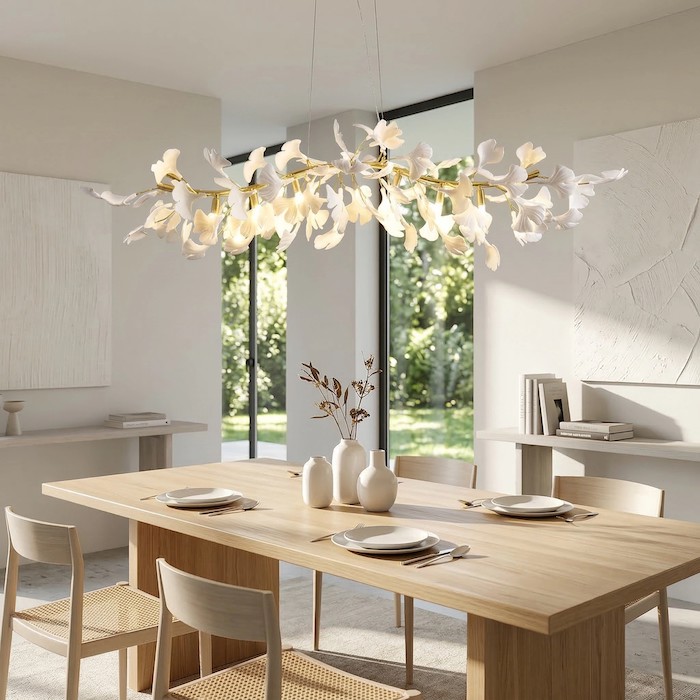
Mit dem Trend weg von traditionellen, sperrigen Leuchten rücken designorientierte, lineare Stile in den Vordergrund. Diese Leuchten zeichnen sich nicht durch ihr Gewicht, sondern durch ihre Silhouette aus. Sie erzeugen einen visuellen Rhythmus, der den Blick durch den Raum lenkt und sie so zur perfekten Ergänzung für Esstische, Kücheninseln und lange Flure macht. Heute beleuchten wir die wichtigsten Designströmungen, die die lineare Beleuchtung beeinflusst haben, und wie sie Ihre Umgebung verändern können. Tipps zur Beleuchtung von Küchen- und Bartheken zur Steigerung der Funktionalität.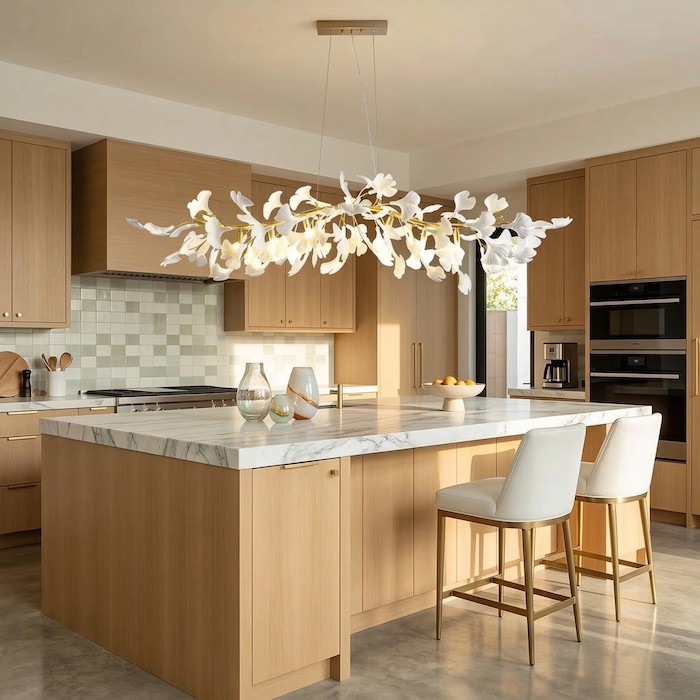
Der Reiz des organischen Minimalismus
Organischer Minimalismus ist eine Bewegung, die die kühlen, scharfen Kanten moderner Architektur mit der sanften, unberechenbaren Schönheit der Natur in Einklang bringen will. Bei linearen Leuchten zeigt sich dies in Leuchten, die sich von starren, geraden Stäben hin zu fließenden, astähnlichen Strukturen entwickeln. Dieser Stil zeichnet sich durch asymmetrische Balance aus; er strebt nicht nach Perfektion, wirkt aber stets stimmig.
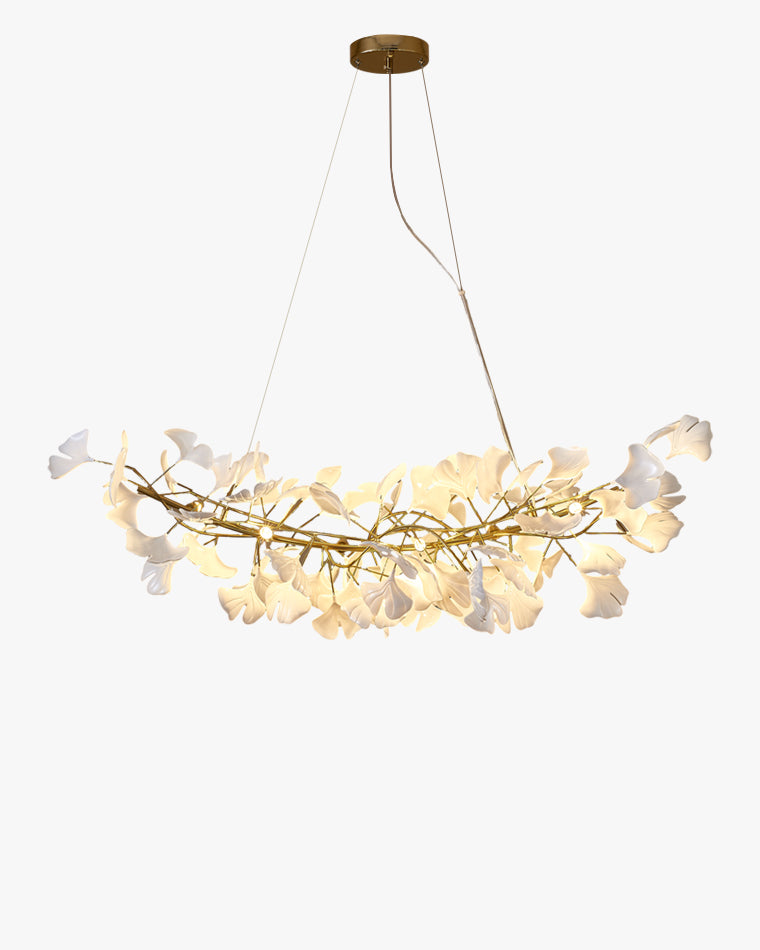
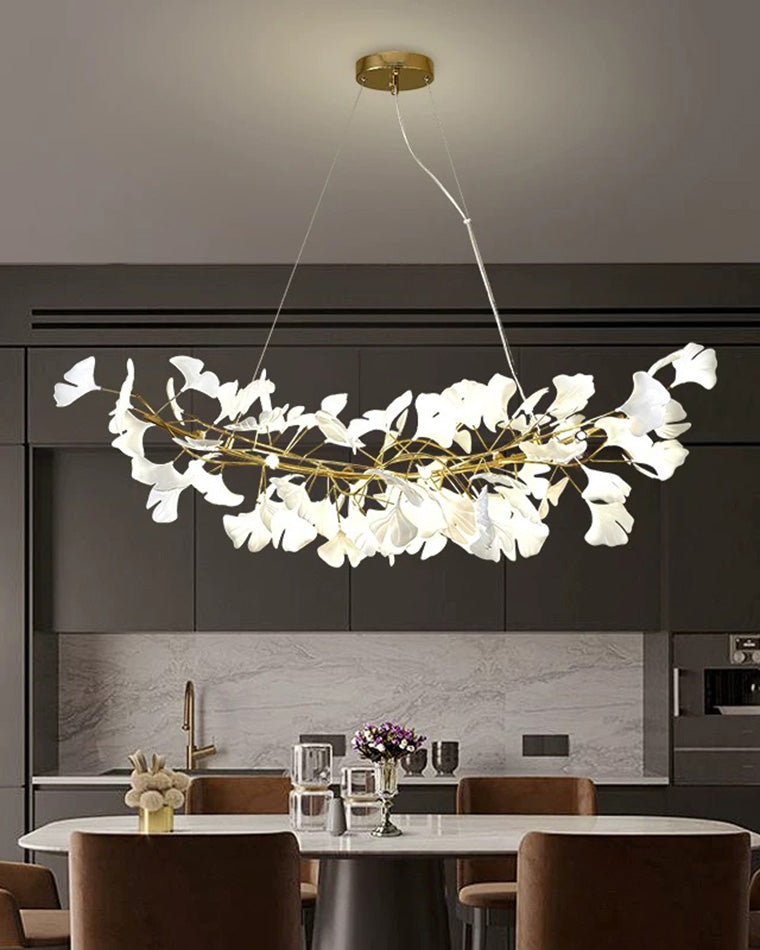
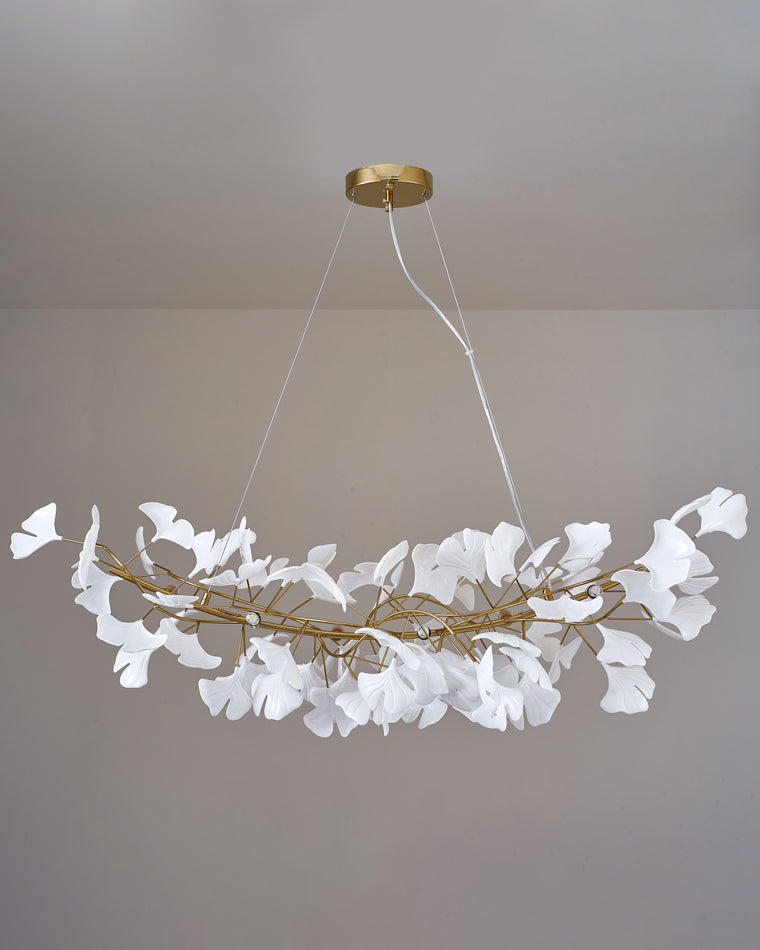
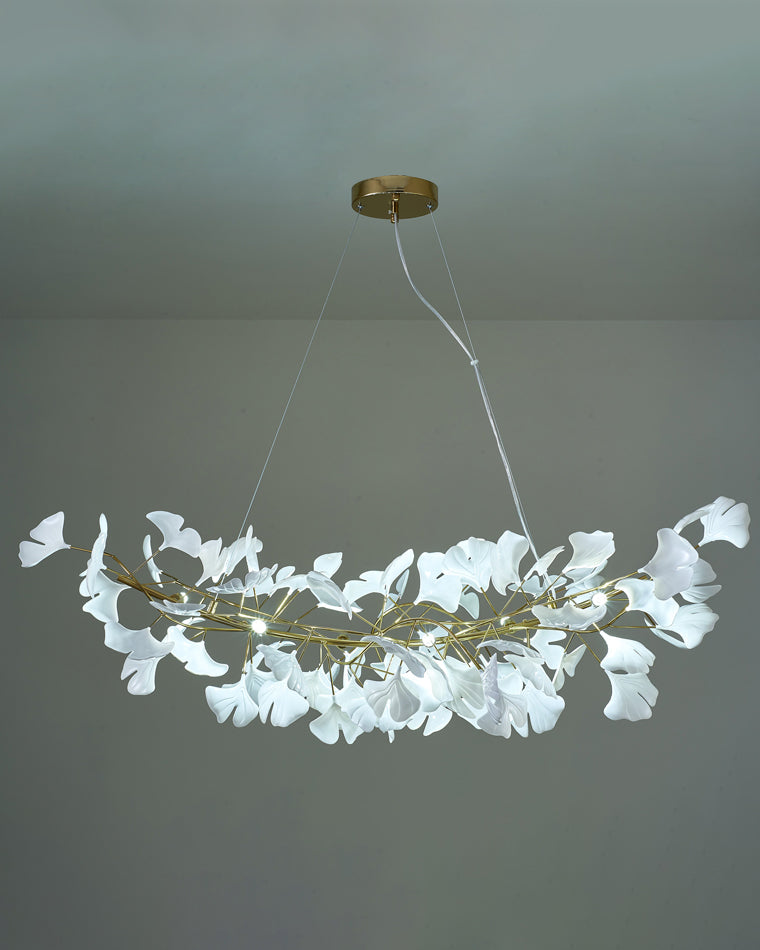
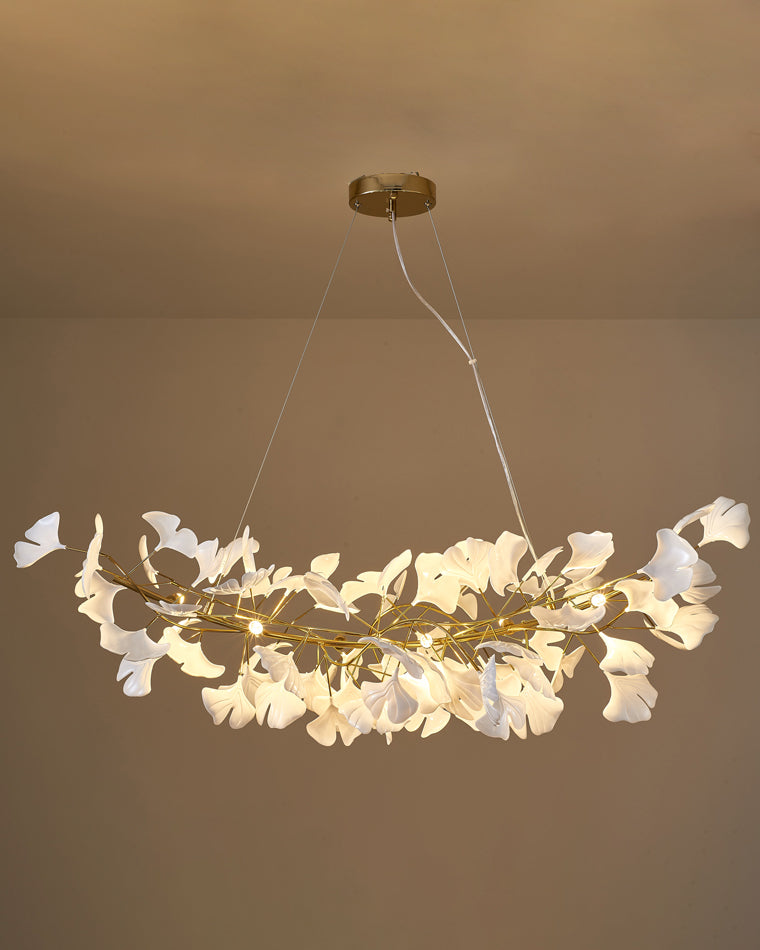
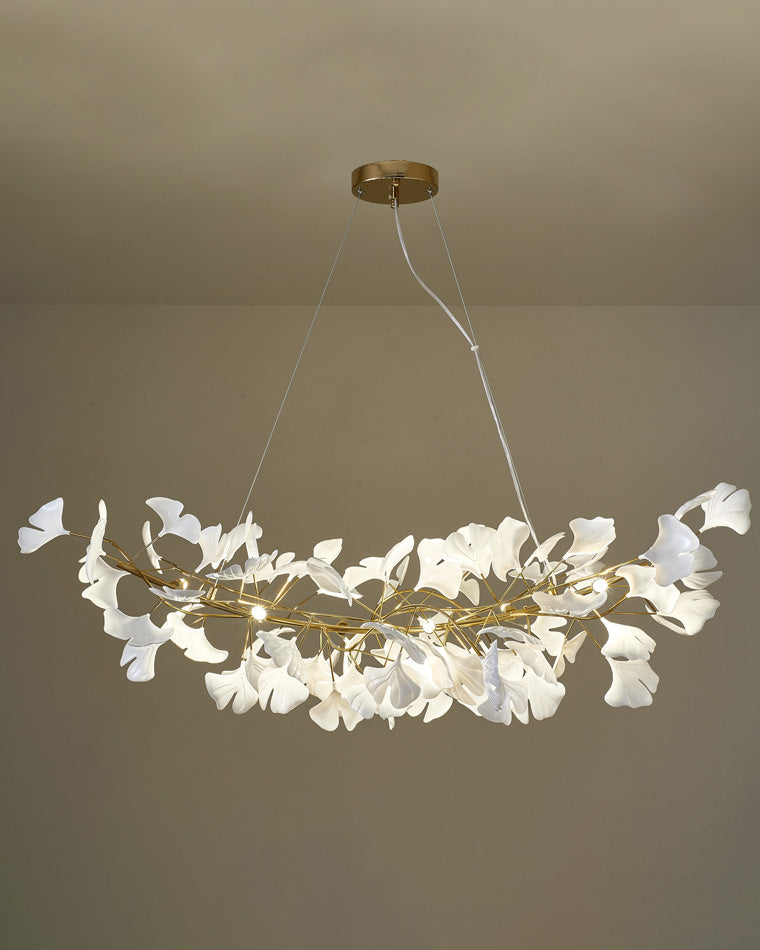
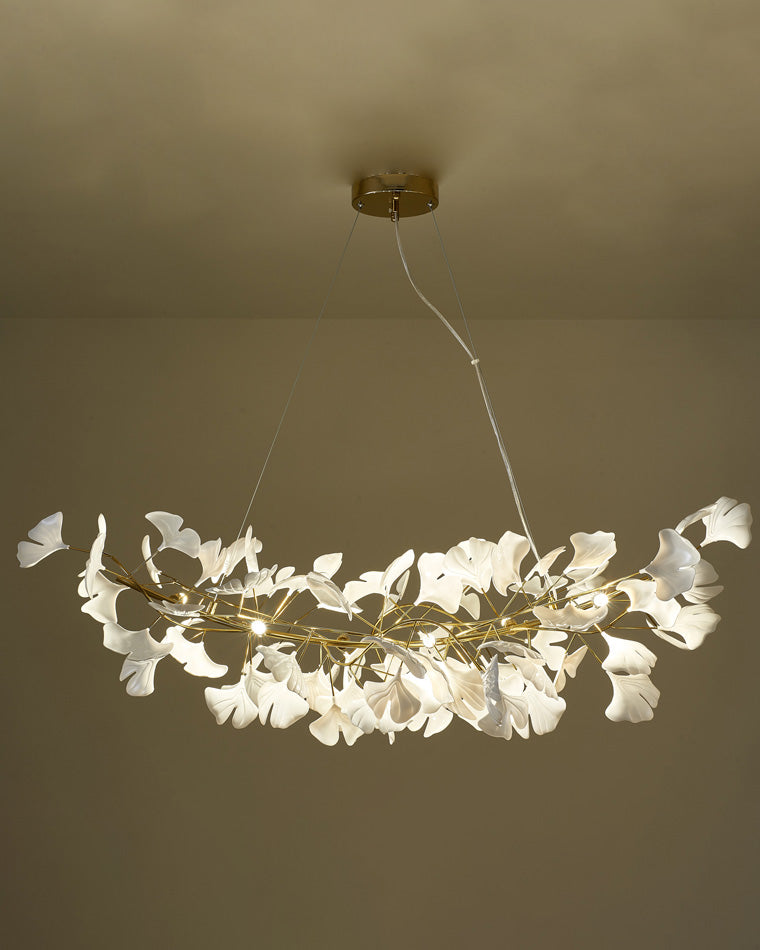
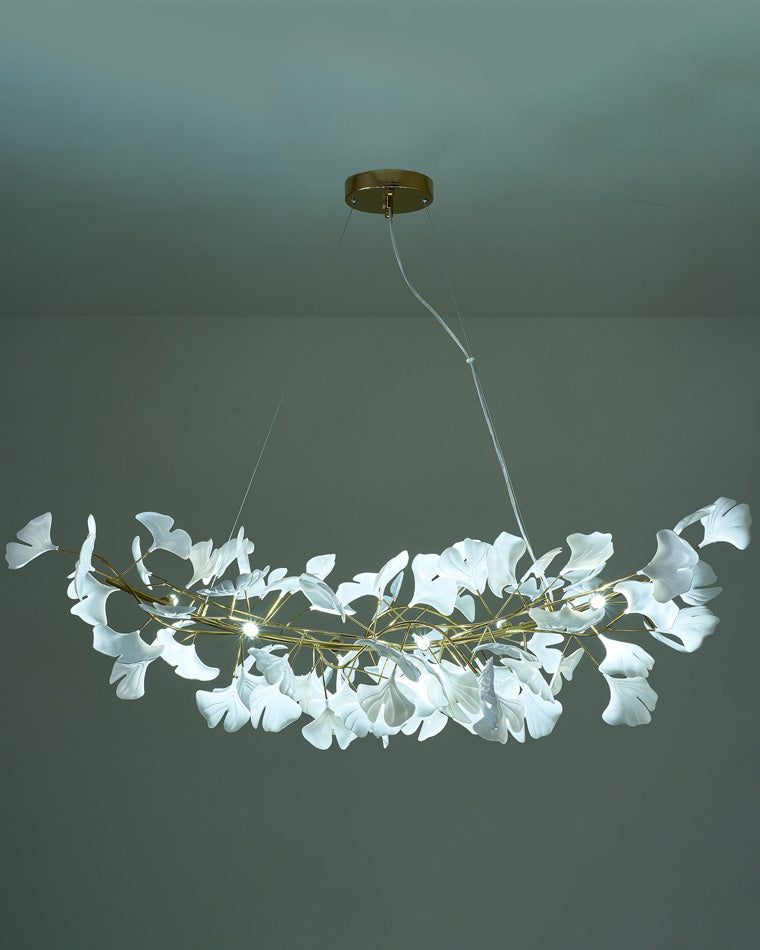
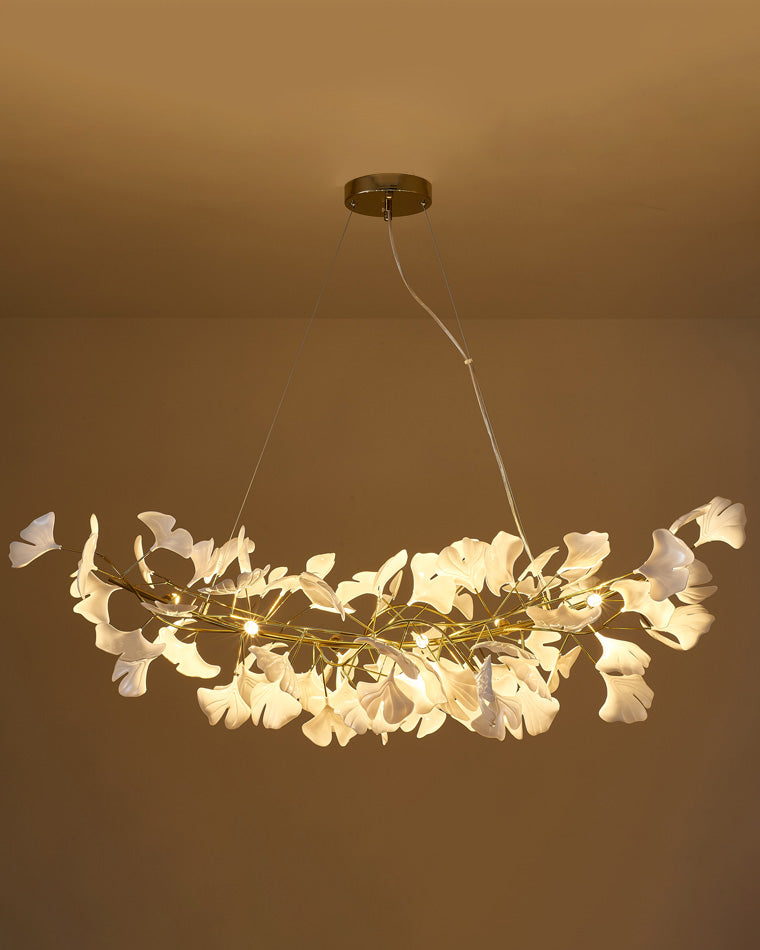
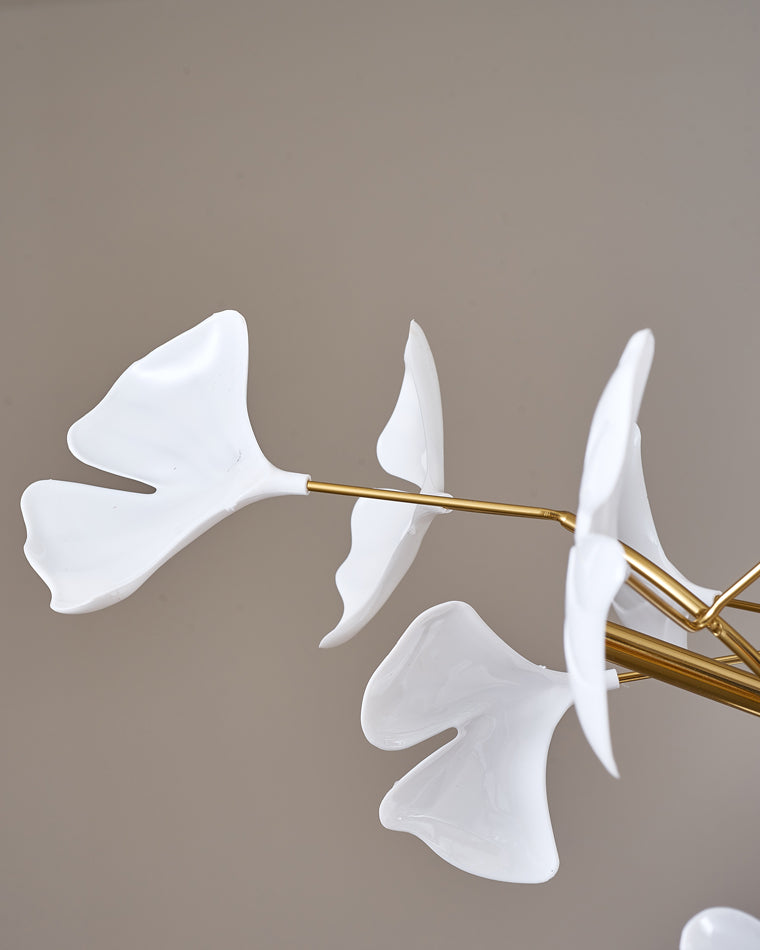
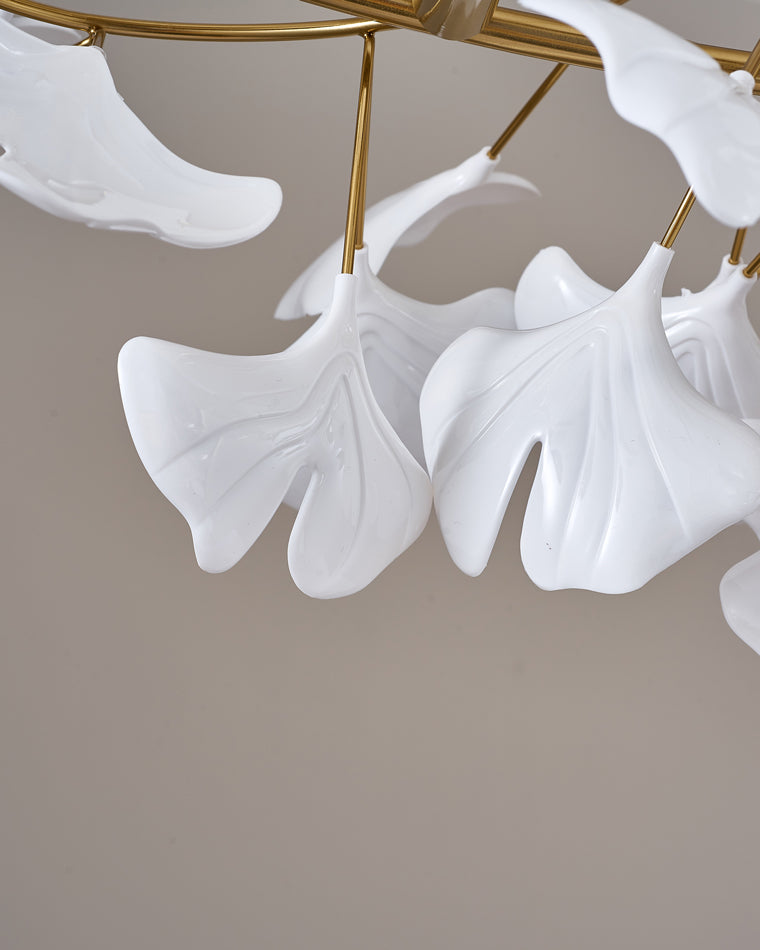
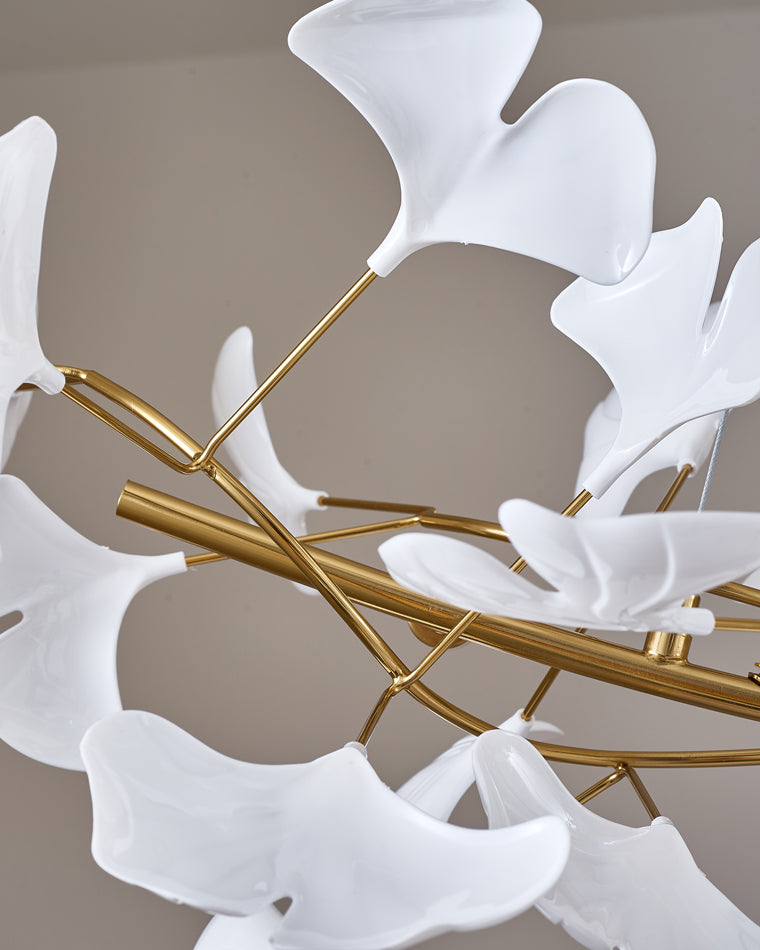
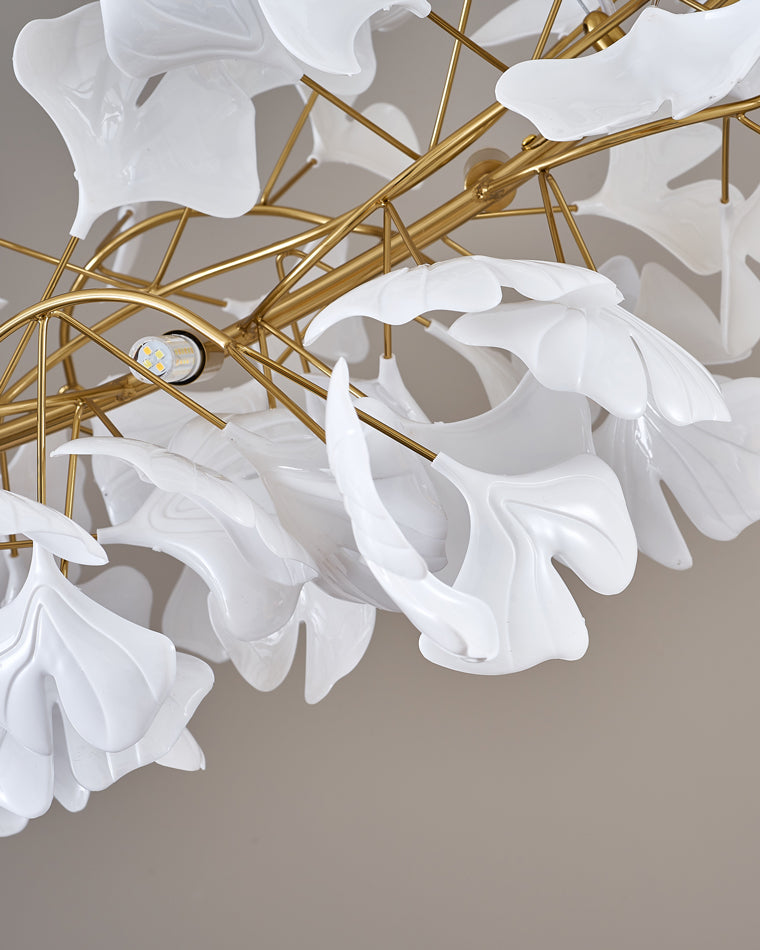
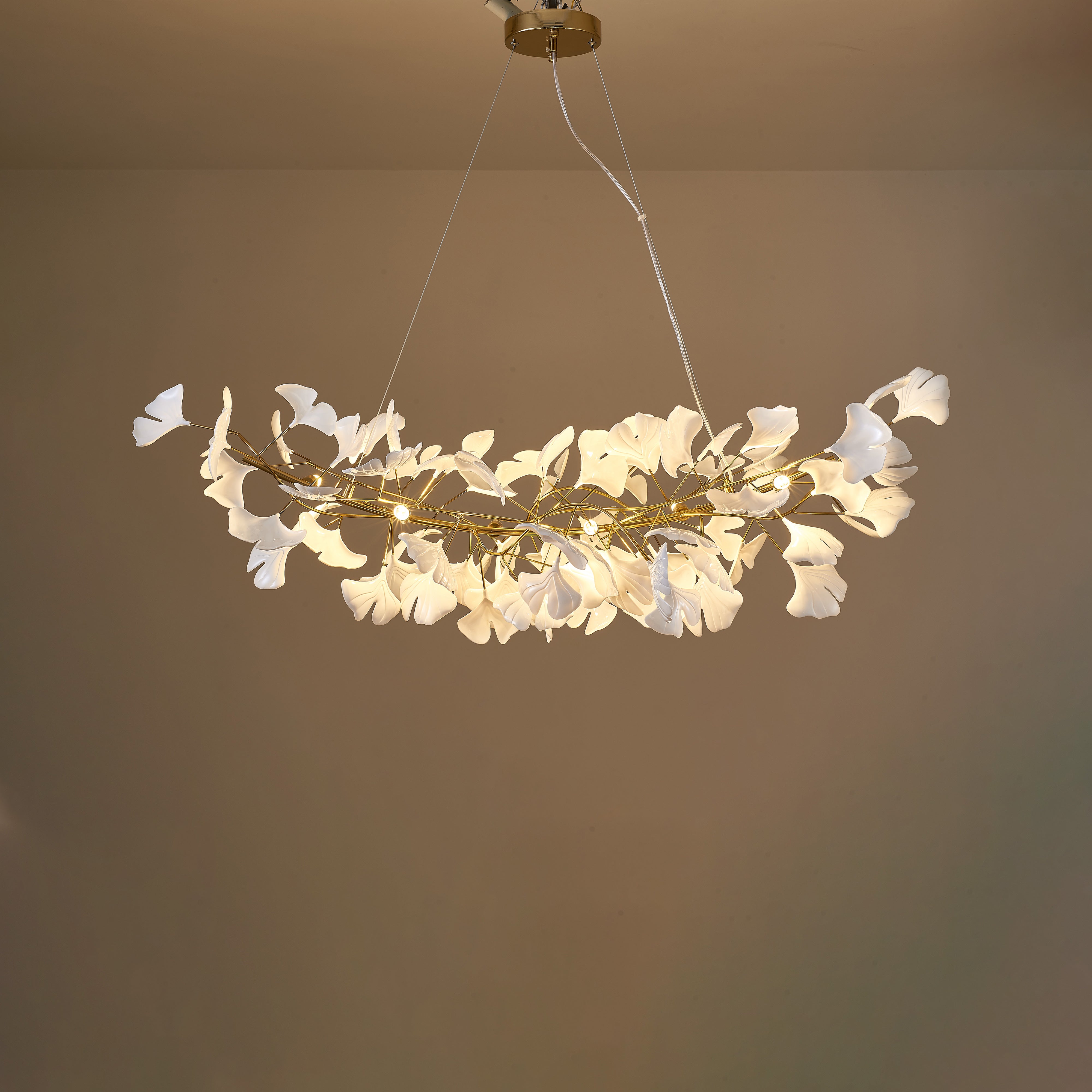
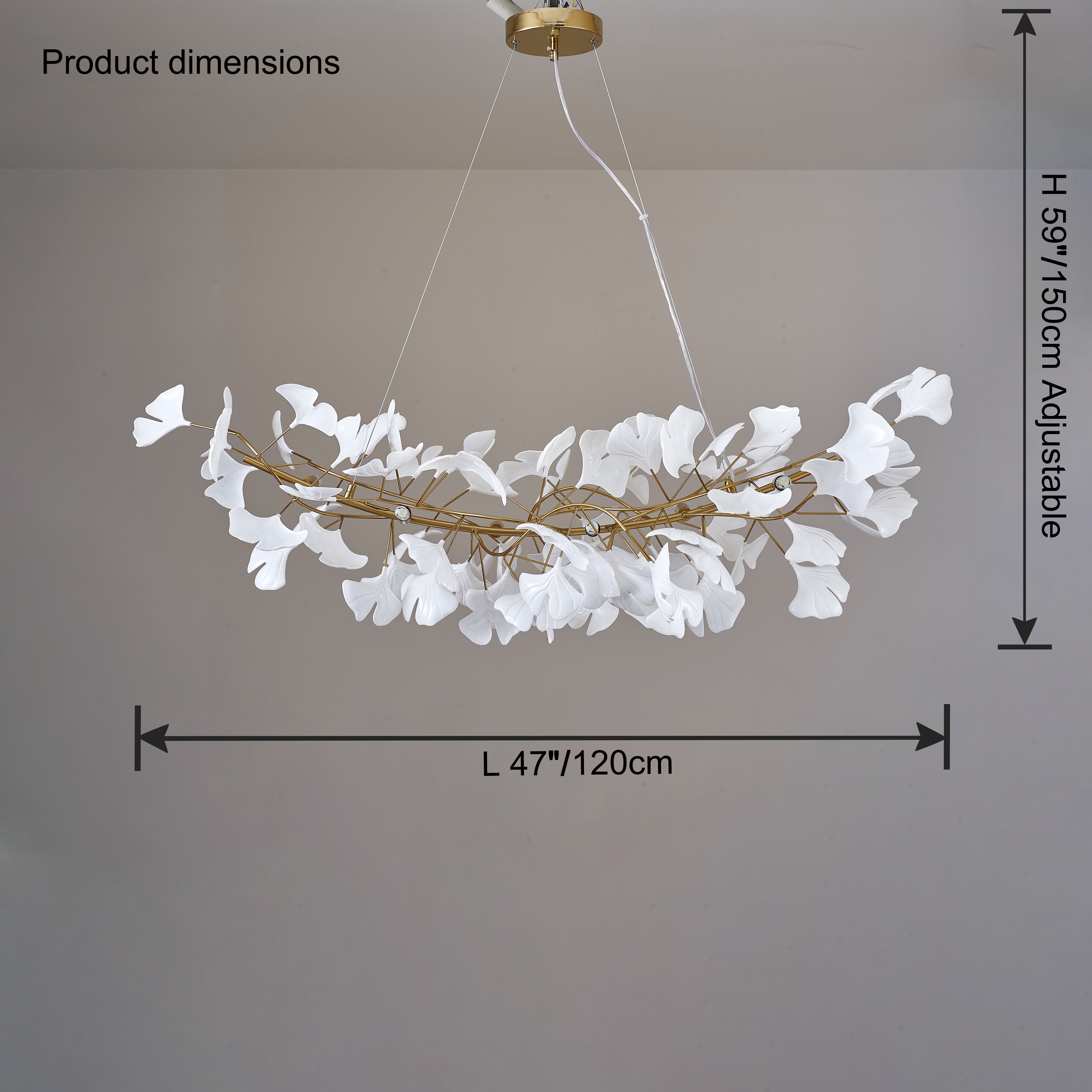
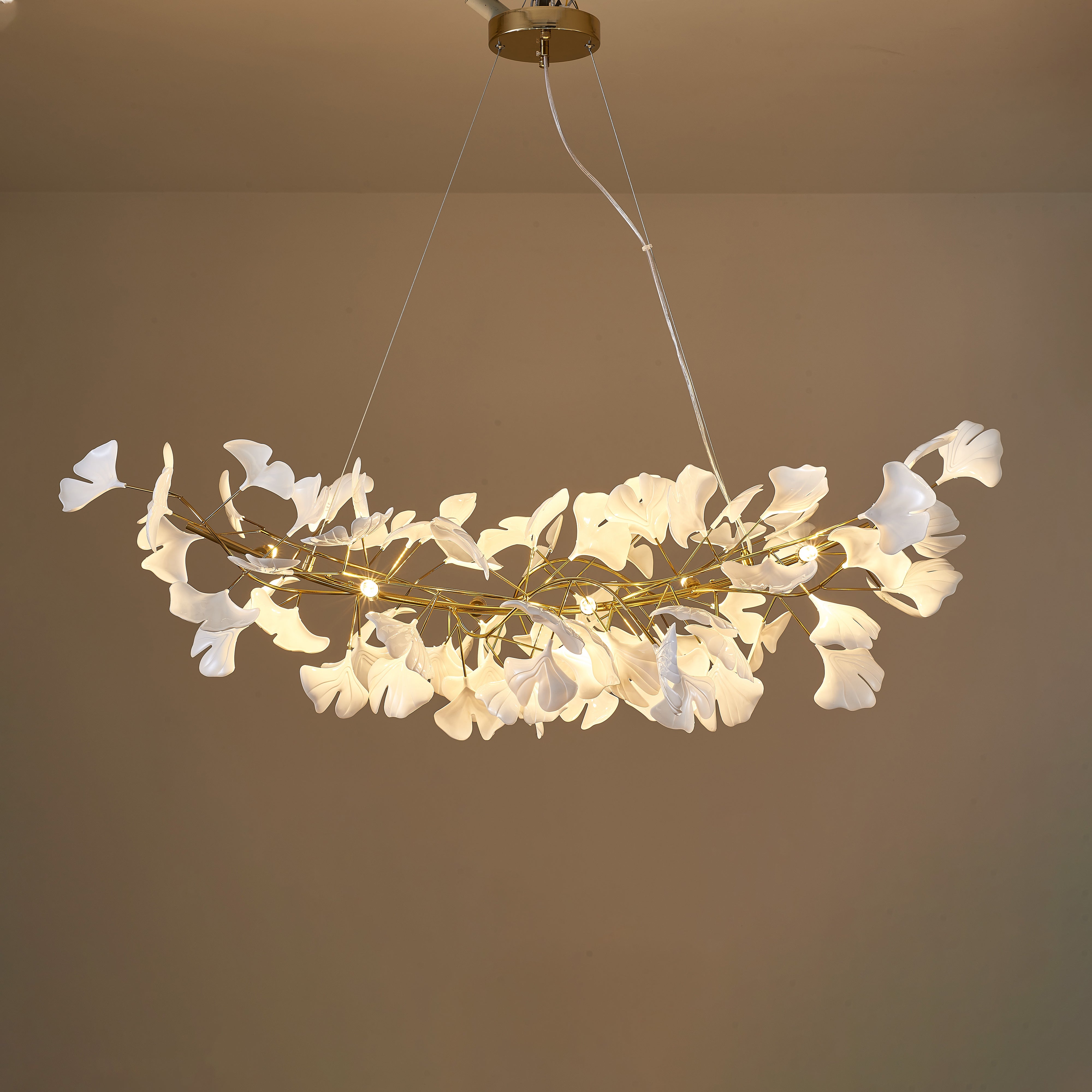
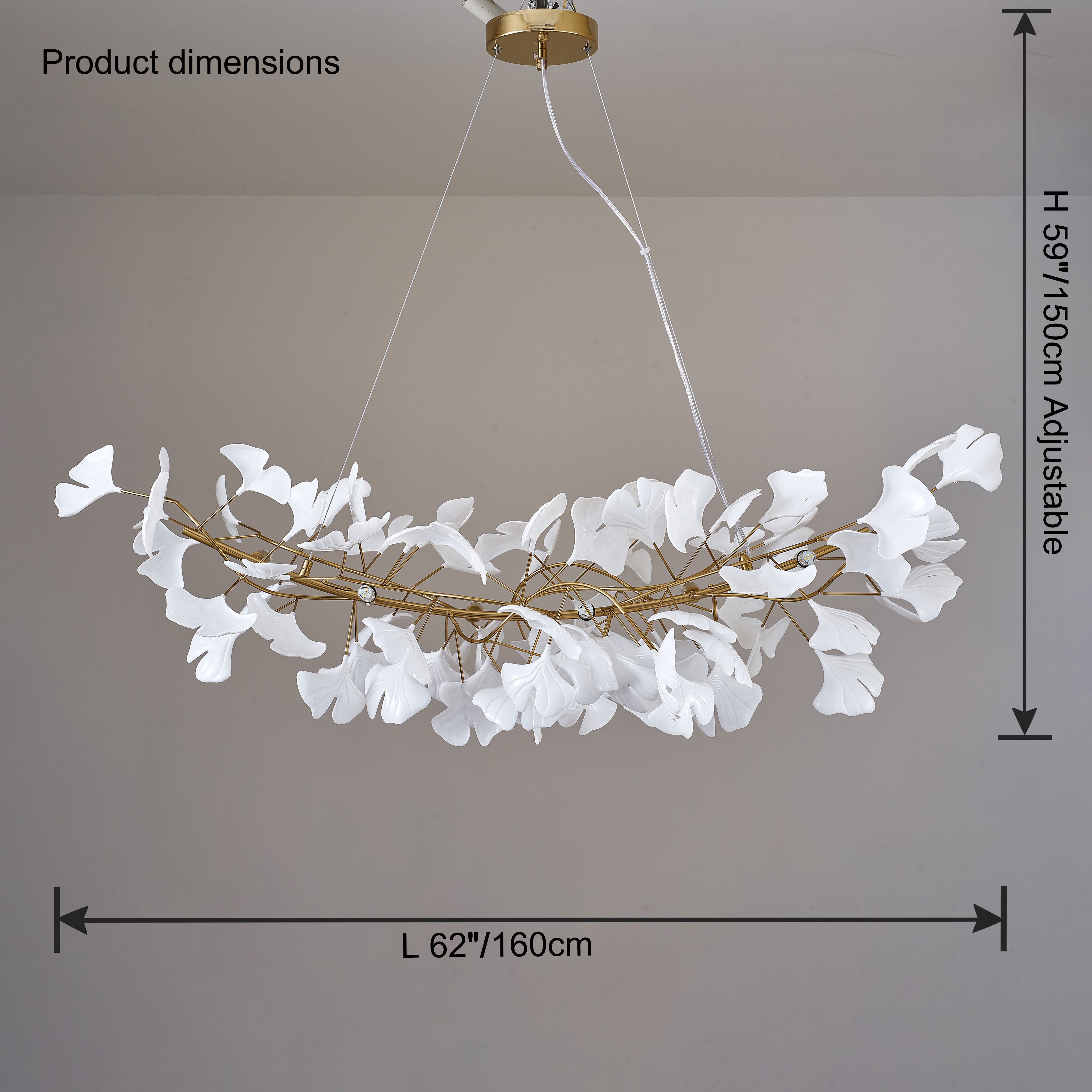
Die Schönheit einer organischen, linearen Leuchte liegt in ihrer Fähigkeit, einen Raum sanfter zu gestalten. Wenn Ihr Zuhause viel Stein, Glas oder harte Linien aufweist, wirkt eine organische Leuchte wie ein optischer Friedensgruß und bringt Leben und Dynamik in den Raum. Gingko Linear Kronleuchter ist ein Paradebeispiel für diese Philosophie. Sein Design spiegelt die zarte Ausstülpung eines Pflanzenzweigs wider und bietet ein Herzstück, das sich leicht, luftig und tief mit der Natur verbunden anfühlt.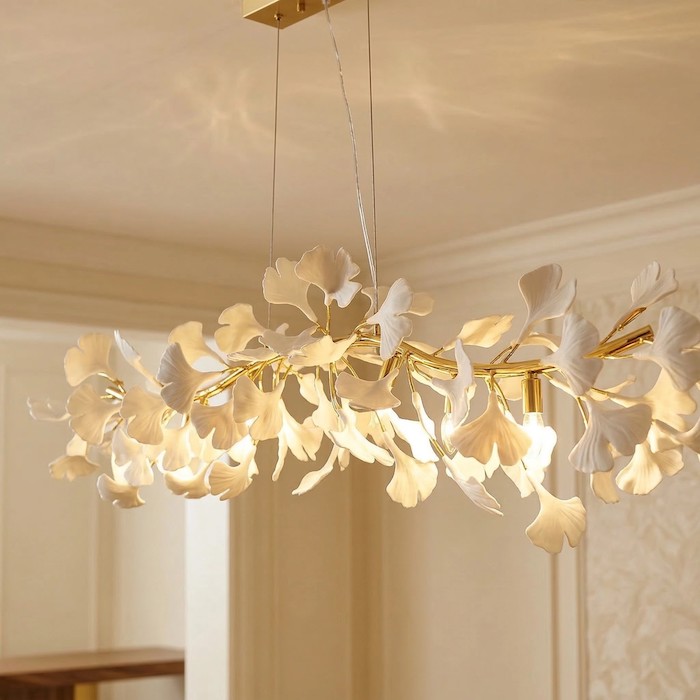
Expertenhinweis: Achten Sie bei der Platzierung organisch geformter Leuchten auf den umgebenden Raum. Da diese Designs skulptural wirken, kommen sie am besten zur Geltung, wenn sie vor einem klaren, aufgeräumten Hintergrund frei atmen können. So werden die feinen Schatten und zarten Linien Teil der visuellen Struktur des Raumes.
Bauhaus-Einfluss und geometrische Präzision
Für alle, die einen strukturierteren Ansatz bevorzugen, prägt der anhaltende Einfluss des Bauhauses weiterhin die Welt der linearen Beleuchtung. Dieser Stil basiert auf geometrischer Klarheit. Klare Linien, perfekte Kreise und mathematische Präzision erzeugen ein Gefühl von Ordnung und Stärke. Eine geometrische lineare Leuchte ist selbstbewusst und präsent; sie beherrscht den Raum mit einer ruhigen, souveränen Ausstrahlung.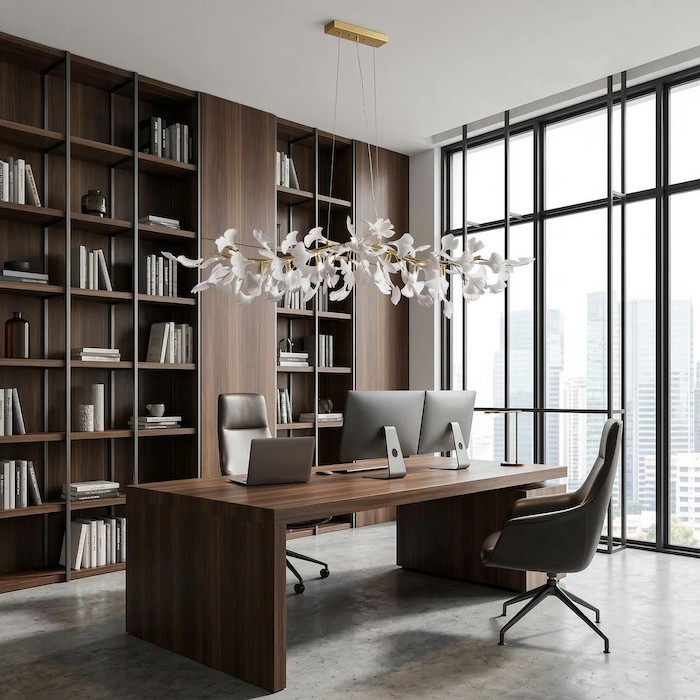
Geometrische Stile wirken besonders gut in anspruchsvollen urbanen Umgebungen. Sie passen perfekt zur Philosophie „Weniger ist mehr“, nach der jedes Element im Raum einen Zweck erfüllen muss. In einem Esszimmer mit einem langen, dunklen Holztisch sorgt eine klare, geometrische, lineare Leuchte für einen stabilen Kontrast und schafft ein vertikales und horizontales Raster, das unglaublich elegant und raffiniert wirkt – ein Paradebeispiel für … Wie lassen sich minimalistische, moderne Leuchten mit verschiedenen Einrichtungsstilen kombinieren??
Skandinavische Funktionalität trifft auf "Hygge"
Skandinavisches Design gilt seit Langem als Maßstab für stilvolle und zugleich wohnliche Räume. Im Bereich linearer Beleuchtung setzt der „Scandi-Chic“-Look auf schlanke Profile und diffuses Licht. Diese Leuchten sind so unauffällig wie möglich gestaltet und wirken oft wie eine dünne, elegante Linie, die scheinbar im Raum schwebt. Ziel ist es, ein sanftes Leuchten anstelle von grellem Licht zu erzeugen und so zum Gefühl von „Hygge“ oder behaglicher Zufriedenheit beizutragen.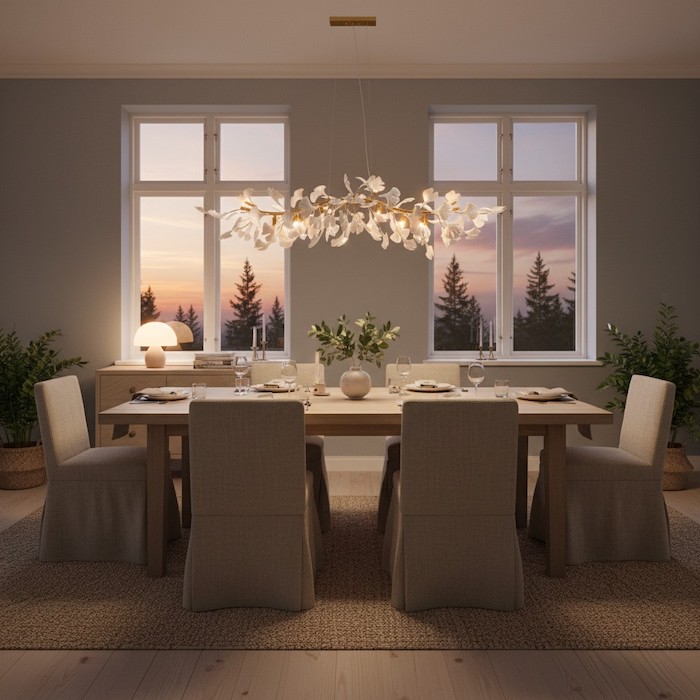
Dieser Stil passt hervorragend in Wohnungen mit hellen Hölzern und neutralen Textilien. Er drängt sich nicht in den Vordergrund, sondern unterstreicht die ruhige Atmosphäre. Er ist die perfekte Wahl für die Küche, wo sich die Familie trifft, denn er spendet ein sanftes Licht, in dem sich alle wohlfühlen. Die schlanken Leuchten lassen sich leicht pflegen und sind dennoch unerlässlich für die Gesamtästhetik.
Lineare Beleuchtung als markanter Blickfang
Während viele lineare Leuchten als unterstützendes Element betrachten, rücken sie in modernen Designtrends zunehmend in den Mittelpunkt. Ein großflächiger linearer Kronleuchter kann die gesamte Atmosphäre eines Raumes prägen. Mit der Wahl eines Modells mit einer einzigartigen Silhouette, wie beispielsweise dem Gingko Linear KronleuchterSie schaffen einen Gesprächspunkt, der die Kluft zwischen verschiedenen Lebensbereichen überbrückt.
Der Schlüssel zur gezielten Nutzung linearer Beleuchtung als Blickfang liegt in der Dimensionierung. Sie muss lang genug sein, um im Verhältnis zu den darunter stehenden Möbeln präsent zu wirken, aber gleichzeitig so dezent gestaltet, dass sie den Raum nicht erdrückt. Stimmen diese beiden Faktoren überein, entsteht eine seltene gestalterische Raffinesse. Es geht darum, einen „visuellen Horizont“ zu schaffen, der Ihr Zuhause weitläufig und durchdacht wirken lässt.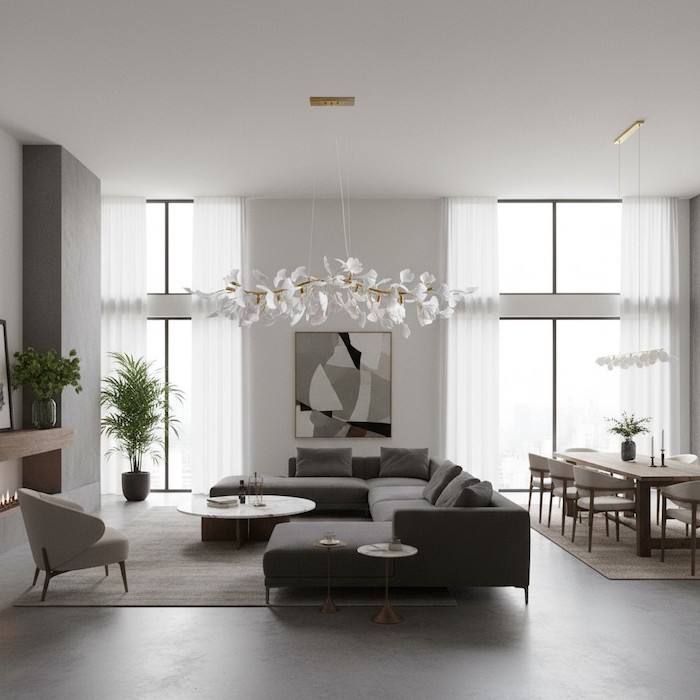
Stilrichtungen im Überblick: Ob Sie sich von den fließenden Linien organischen Designs, der Strenge geometrischer Formen oder der schlichten Eleganz skandinavischen Minimalismus angezogen fühlen – die richtige lineare Leuchte verleiht einem gelungenen Zuhause den letzten Schliff. Sie ist eine Investition in Ihr tägliches Wohngefühl.
Letztendlich ist die Wahl einer designorientierten Leuchte ein Ausdruck der eigenen Persönlichkeit. Wenn Sie nach dem passenden Modell suchen, denken Sie daran: Die beste Beleuchtung erhellt nicht nur einen Raum, sondern unterstreicht Ihren Lebensstil. Indem Sie Form und Design in den Vordergrund stellen, sorgen Sie dafür, dass Ihr Zuhause ein zeitloser Ort des Stils bleibt.