
Your Room Doesn't Need More Stuff. It Needs One Light Worth Looking At.
There is a particular kind of room that looks perfectly respectable in a photograph and strangely forgettable in person. The table is the right size. The chairs behave themselves. The walls are warm white, the rug is tasteful, and every surface has been cleared with almost suspicious efficiency. Nothing is wrong. Nothing is happening, either.
The usual response is to shop for more: a vase, two prints, perhaps a stack of books no one is expected to read. But a calm room rarely needs a small army of accessories. It needs hierarchy. One deliberate object can give the eye somewhere to land, then let everything else remain quiet. That is the useful idea behind statement lighting without maximalism: drama from a single decision, not from a crowded room.
Quiet Drama Is Still Drama
Statement lighting has spent years being confused with enormous chandeliers, theatrical glass, and fixtures that seem to arrive with their own publicist. Those can be wonderful in the right house. They are not the only route. A long, clean bar in a confident color can be just as decisive because its shape is easy to read and its presence is concentrated in one place.
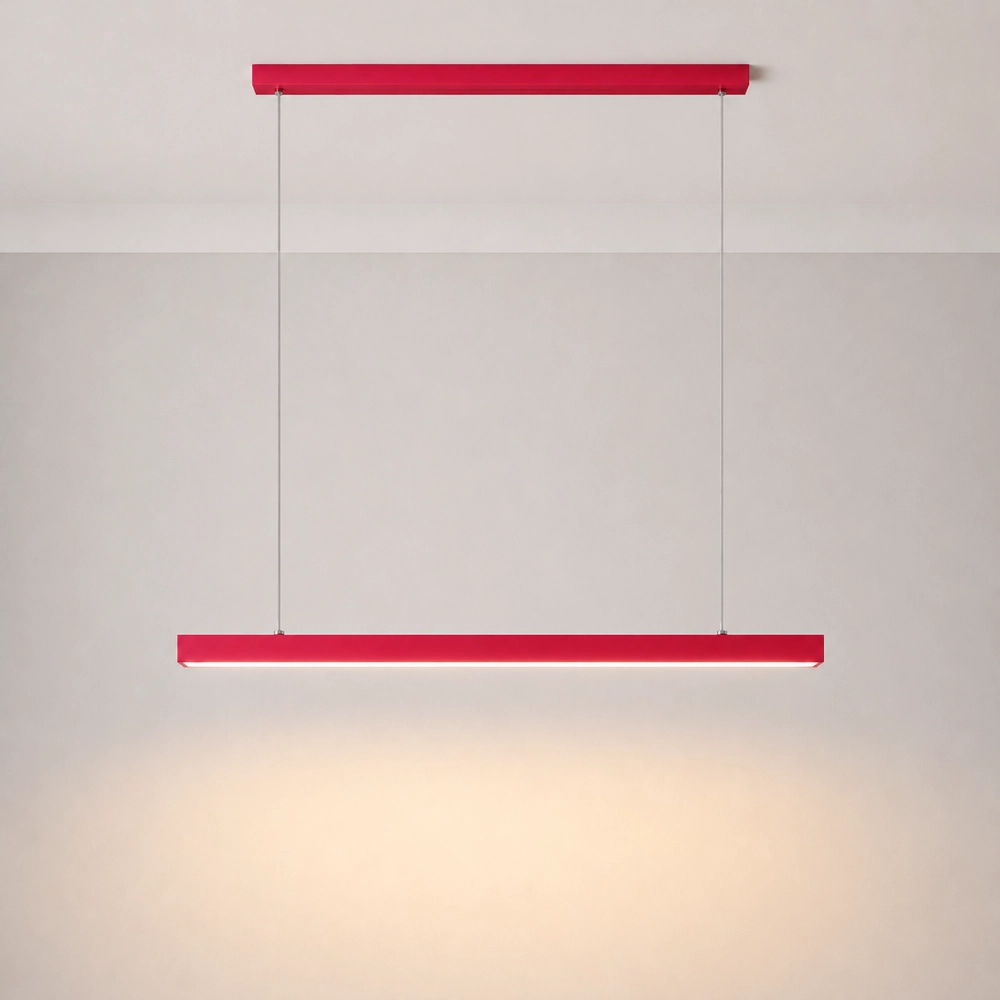
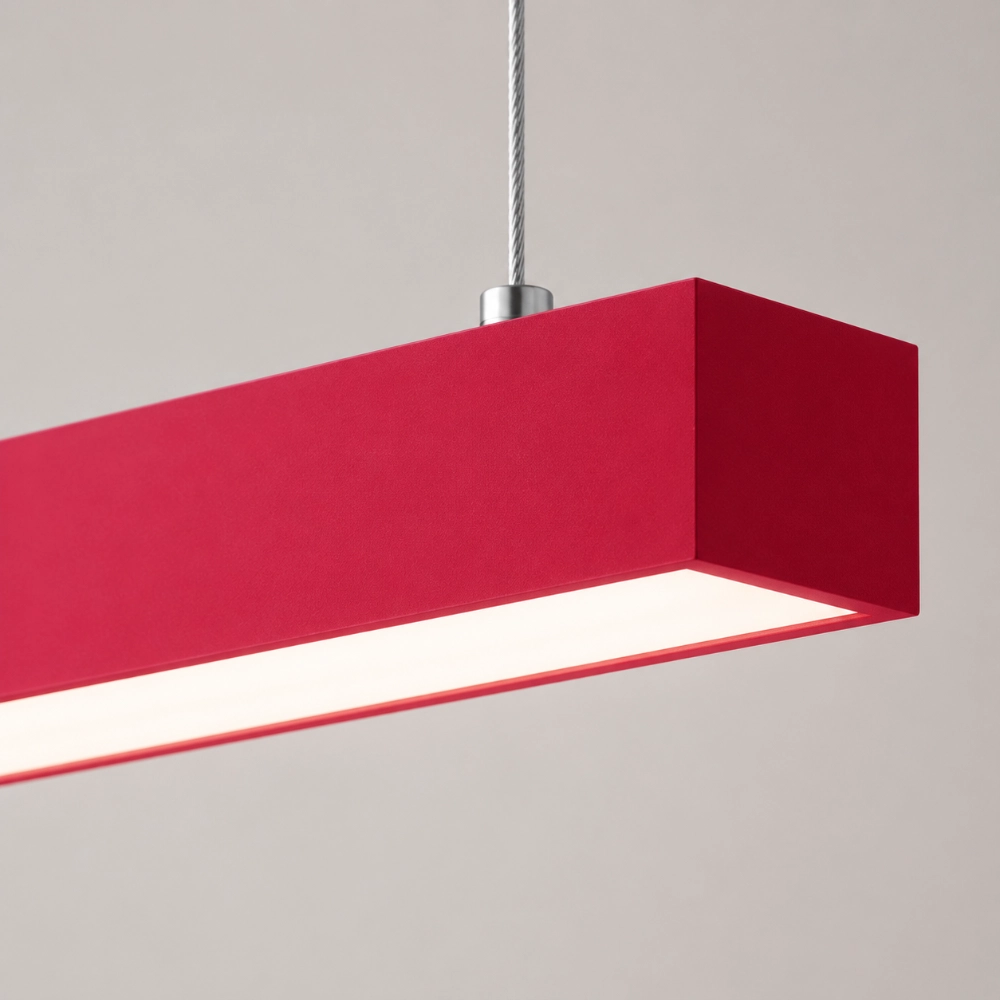
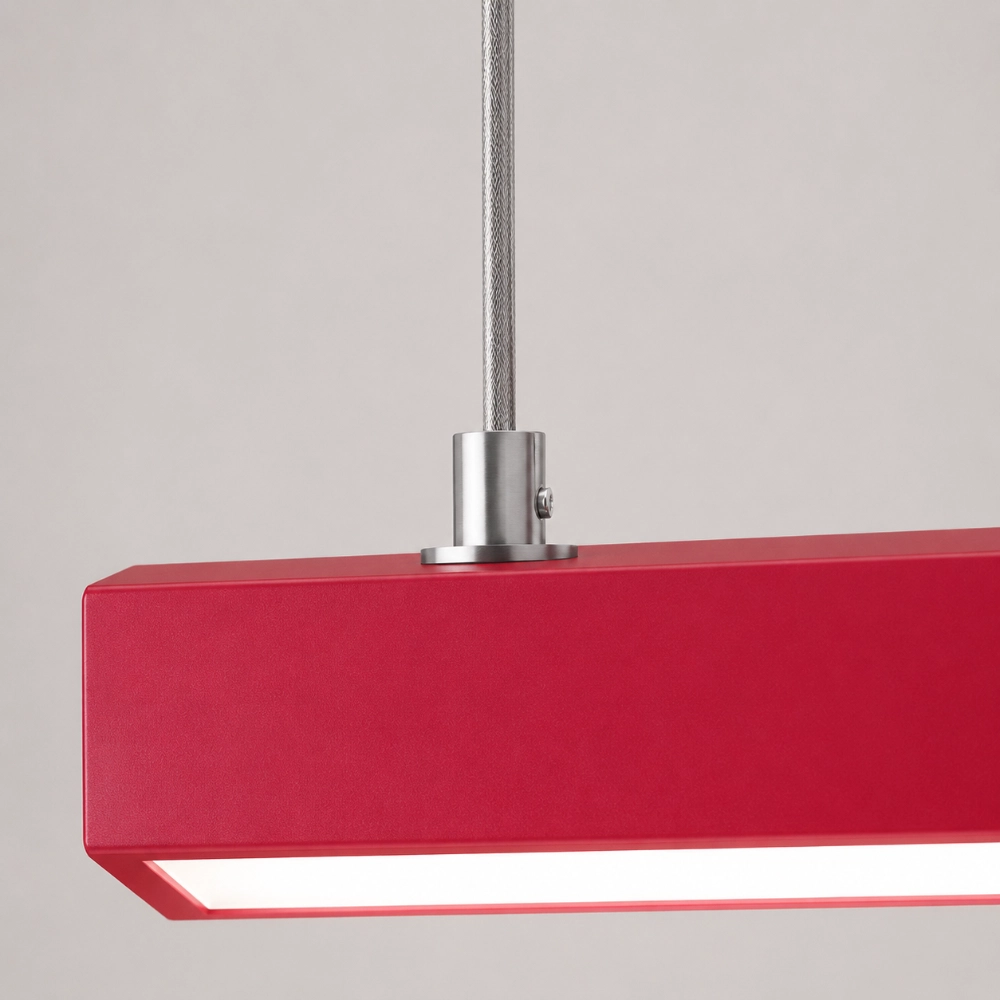
The restraint matters. A linear pendant does not scatter detail across the ceiling. It draws one horizontal stroke. In a room full of rectangles, such as cabinets, tables, windows, and doorways, that stroke feels architectural rather than ornamental. The color adds personality; the geometry keeps it from becoming noisy. See the Edge rectangular pendant if you want to judge how a simple silhouette can carry a strong finish without adding visual fuss.
Start With the Place Your Eye Already Visits
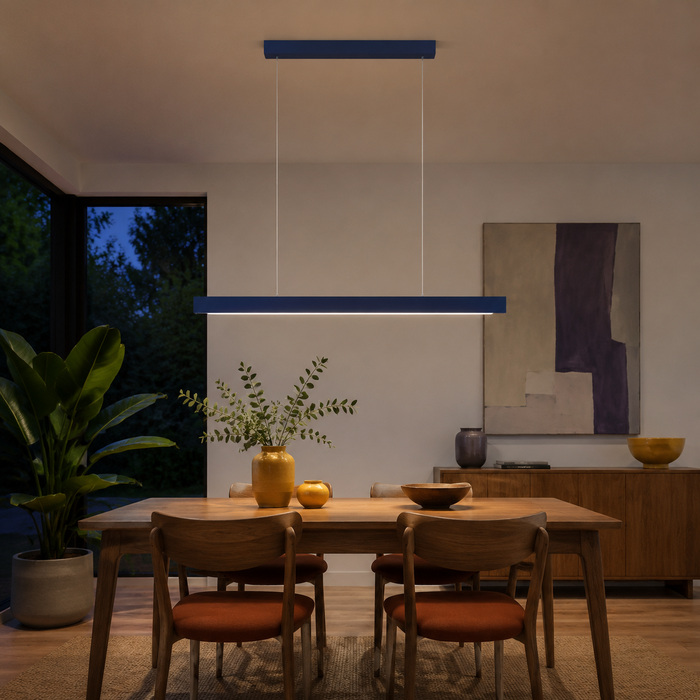
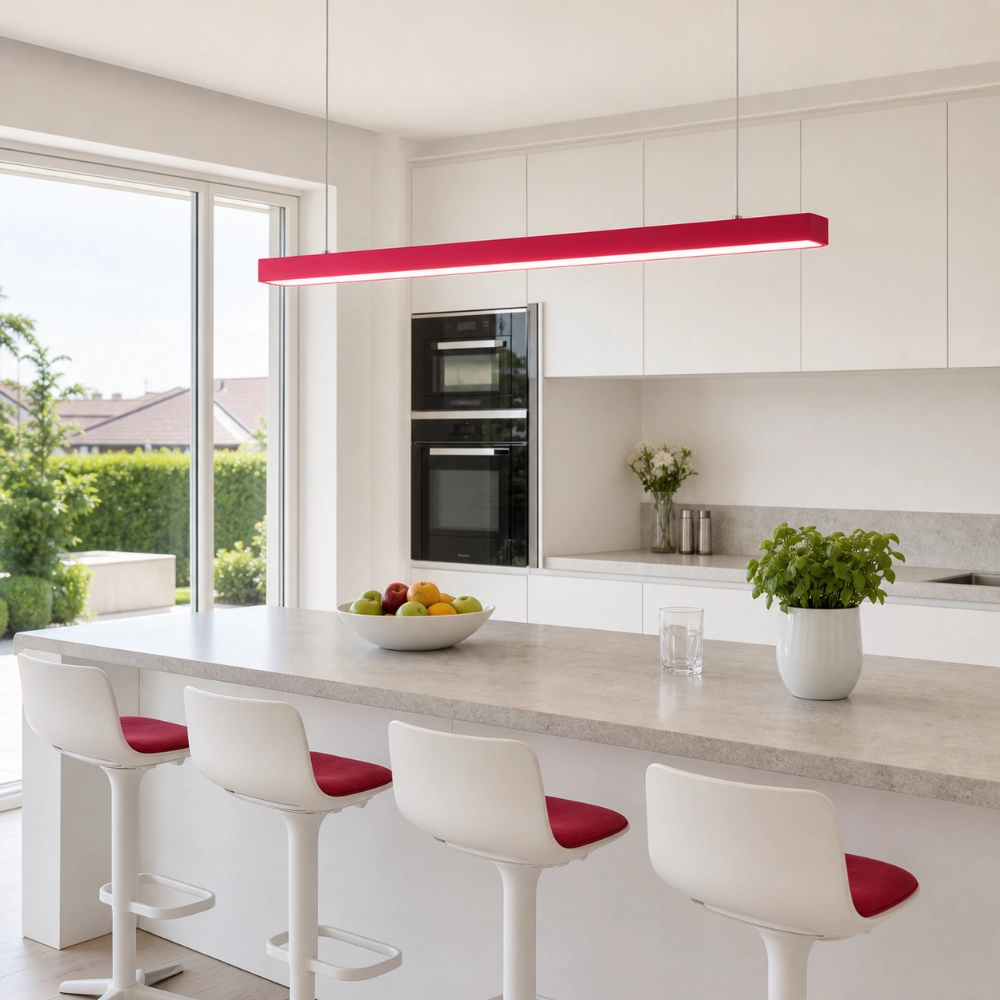
A statement only works when it lands in the right sentence. Before choosing a fixture, stand at the room's main entrance and notice where you look first. It may be the dining table, the kitchen island, or the desk visible beyond the sofa. That existing destination is usually a better home for visual emphasis than the geometric center of the ceiling.
This is where many polished rooms lose their nerve. The pendant is centered on the room while the actual life of the room happens a meter away. Center the light on the activity it belongs to. If everyone gathers at one end of a long table, acknowledge that. If the island is the first thing seen from the hallway, let the fixture strengthen that view. A focal point should explain the room, not merely prove that someone found the midpoint.
One Color Is Enough to Change the Temperature
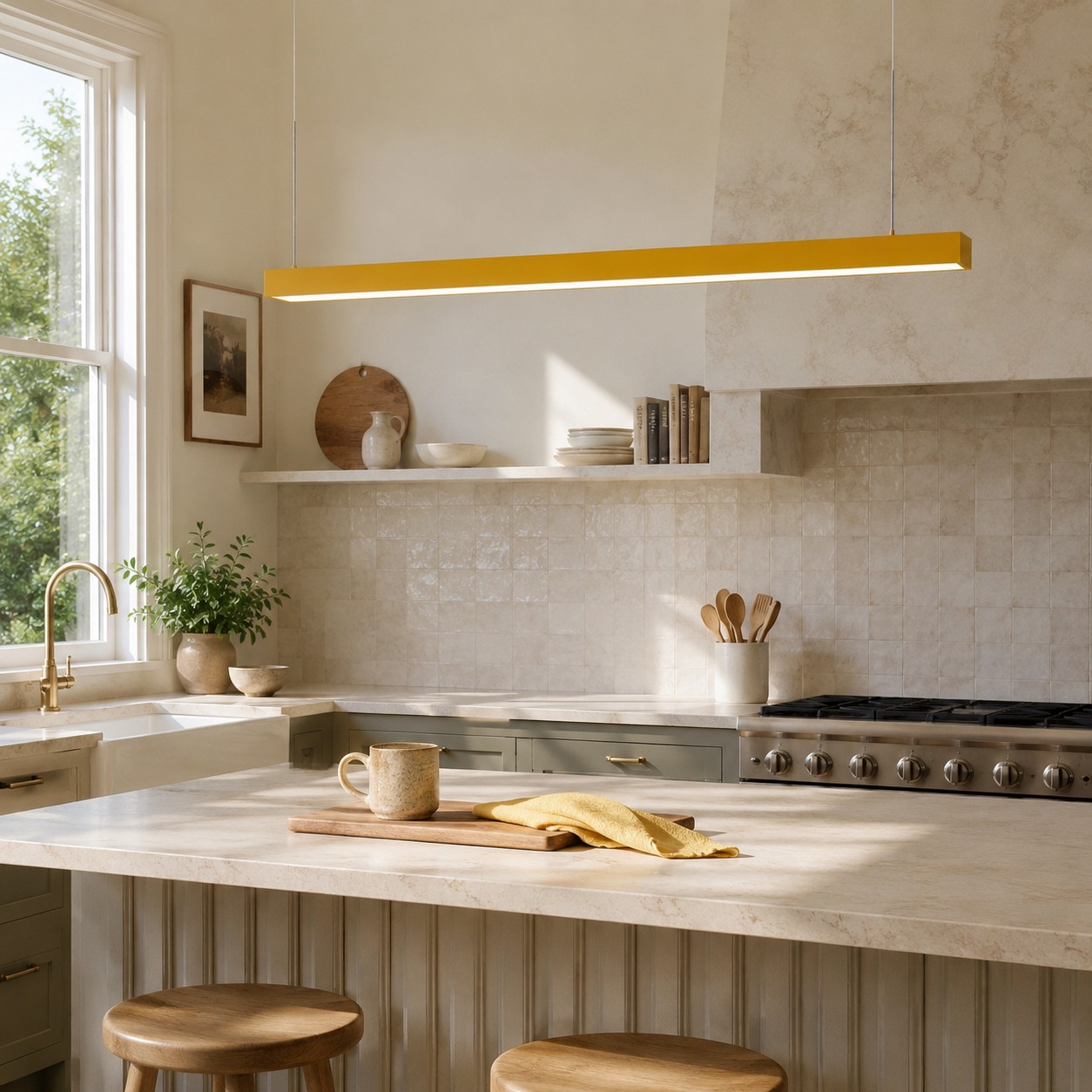
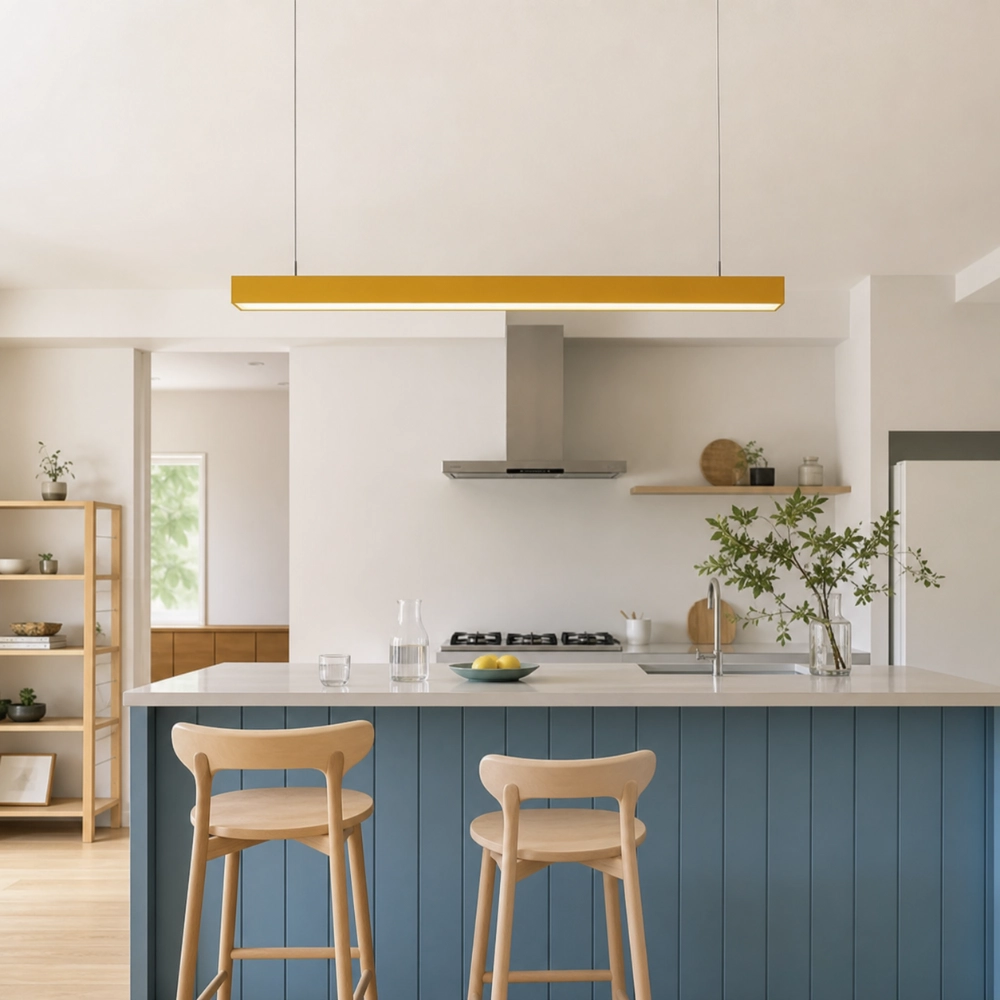
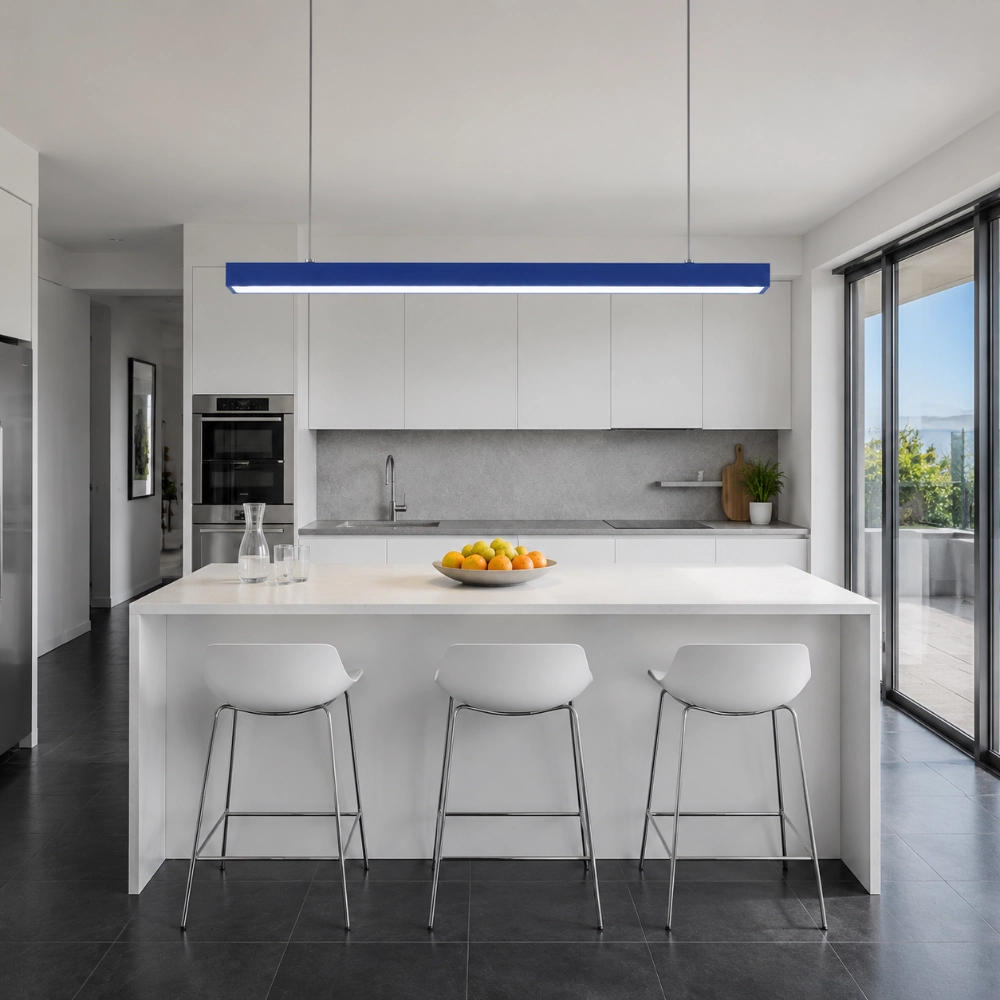
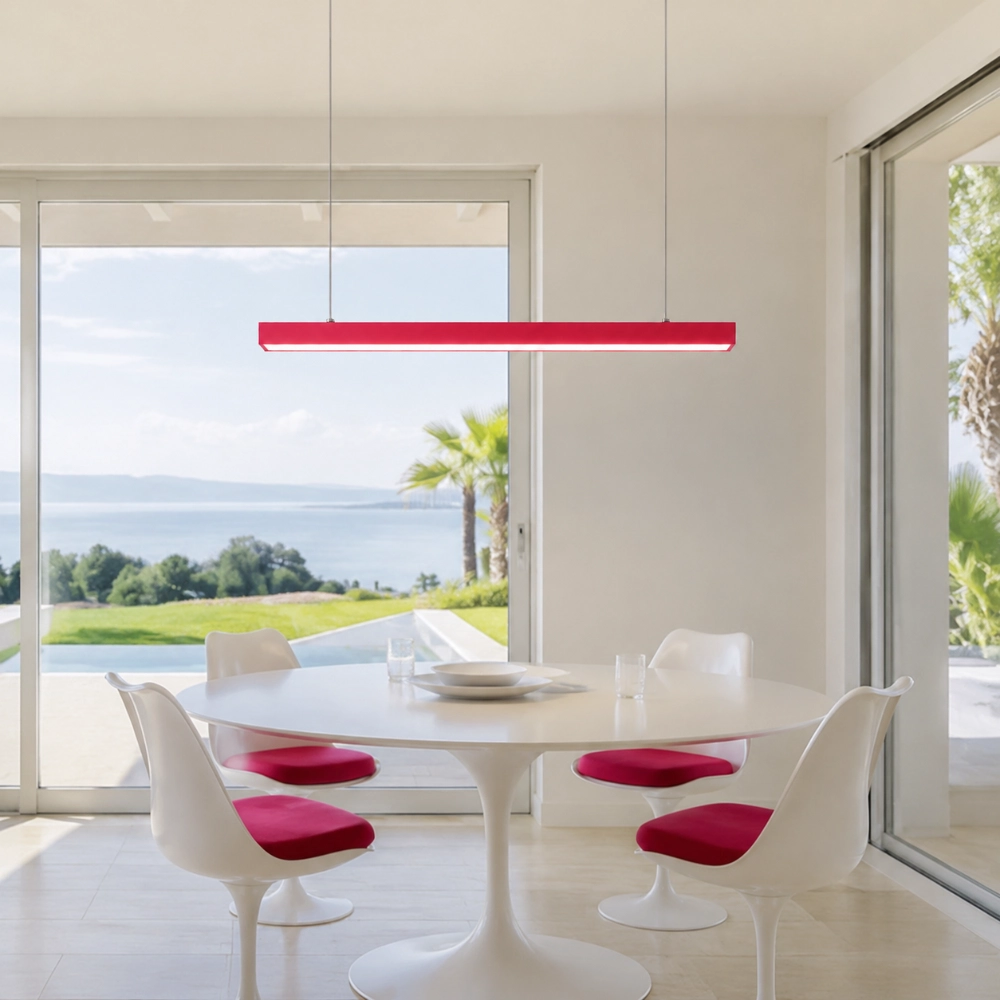
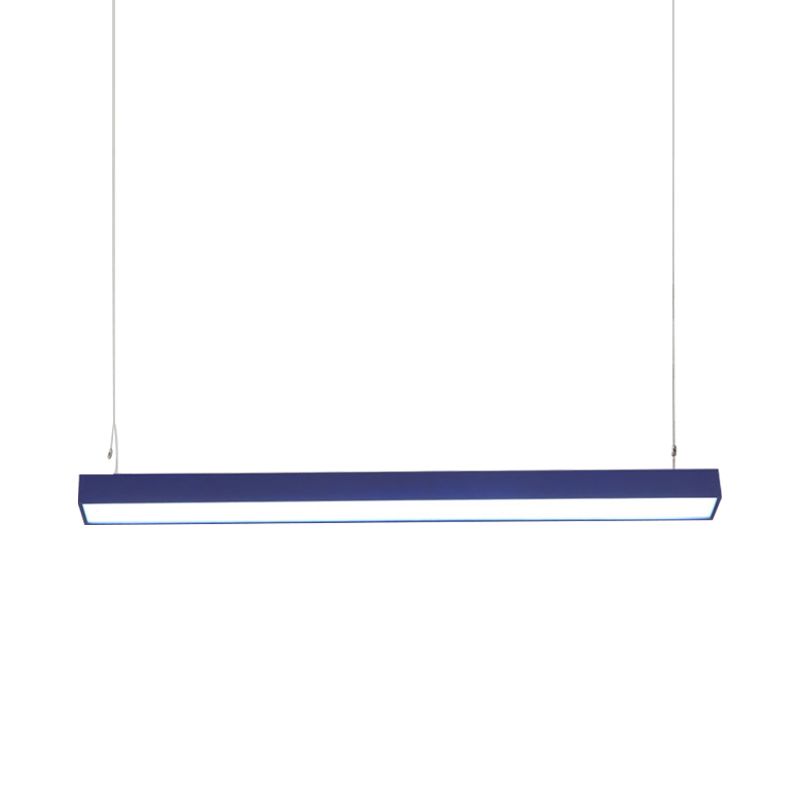
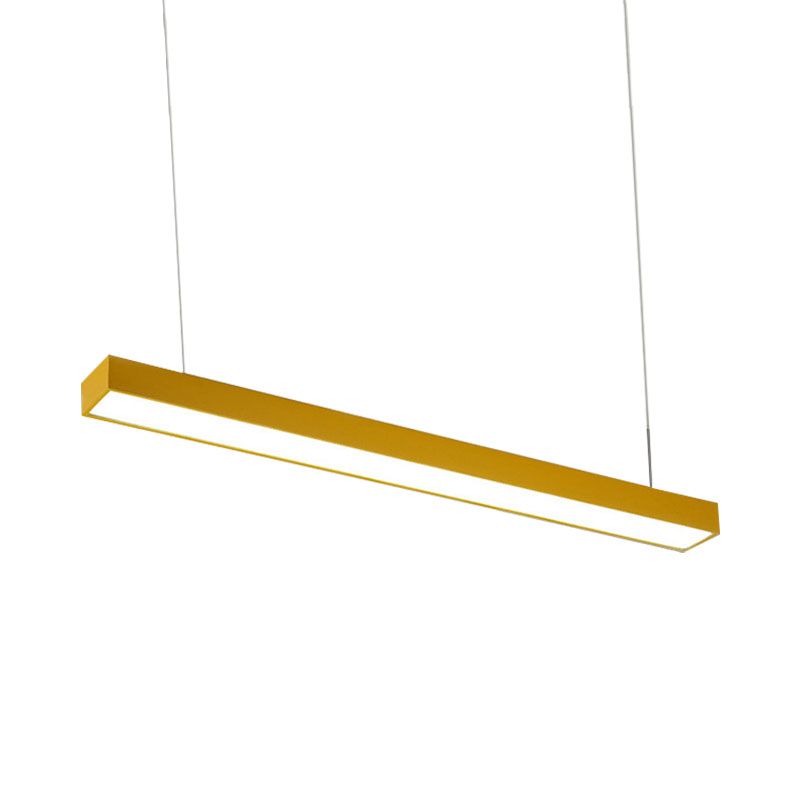
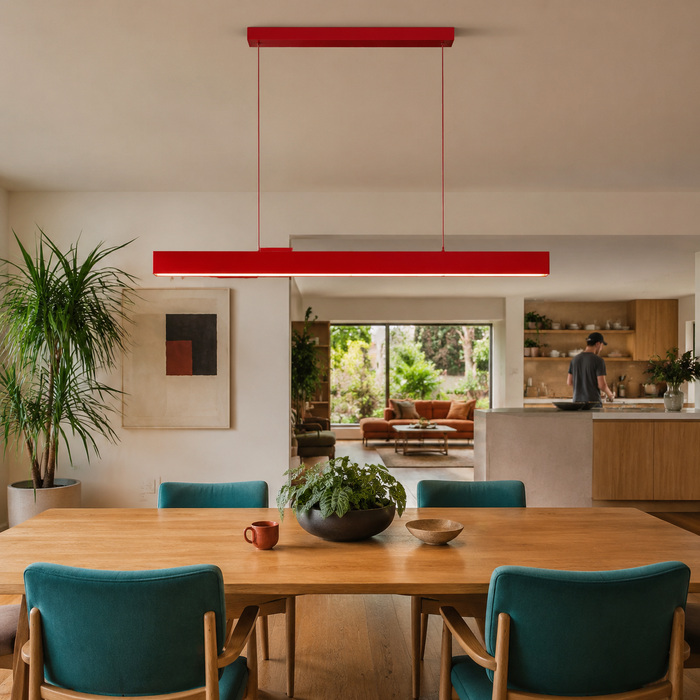
Colorful lighting often becomes intimidating because people imagine they must build an entire palette around it. They do not. Treat the fixture more like a great coat than a uniform. A red pendant can sharpen oak and off-white. Blue can cool a kitchen with warm timber fronts. Green can sit comfortably beside plants without turning the room into a botanical theme. Yellow can wake up gray stone before the first coffee has done its job.
Choose the color in the actual room, not from an isolated swatch on a bright phone screen. Look at it in morning daylight and after dark. Then repeat it once, softly, below eye level: a book spine, a tea towel, a narrow stripe in a cushion. One echo makes the choice look intentional. Five matching accessories make it look as though the pendant came with compulsory merchandise.
Scale the Line Before You Fall for the Color
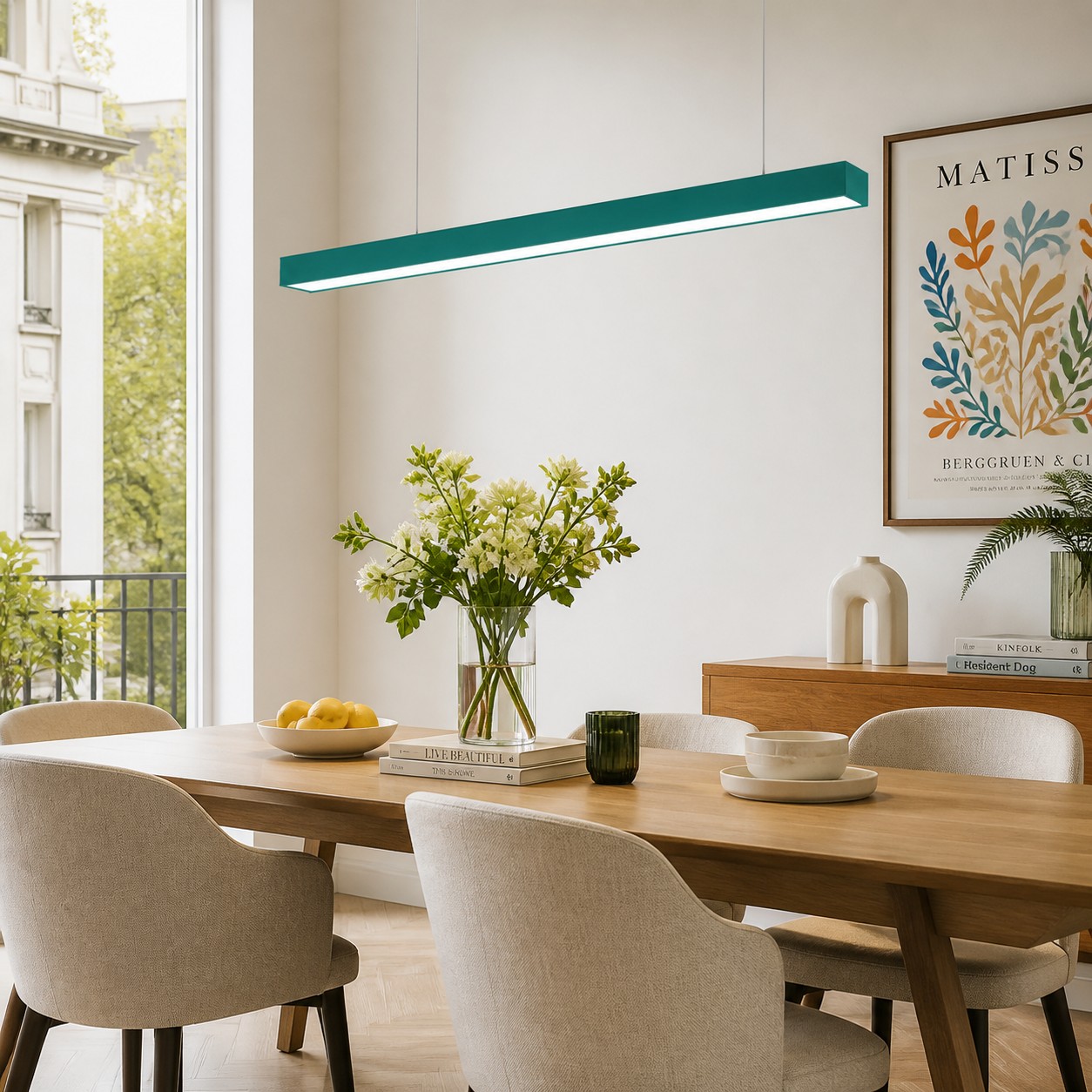
A strong color cannot rescue an awkward proportion. The fixture needs a believable relationship with the surface below it and enough open ceiling around it to remain legible. Tape the proposed length over the table, or cut a strip of cardboard and suspend it temporarily. It is not glamorous, but neither is discovering after installation that the pendant looks like a bookmark above a banquet table.
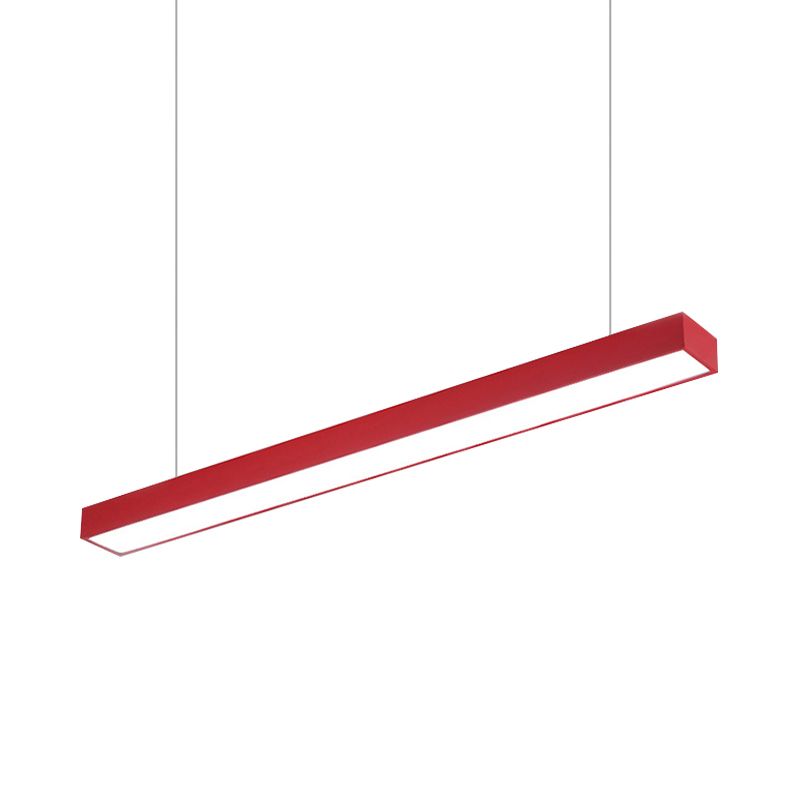
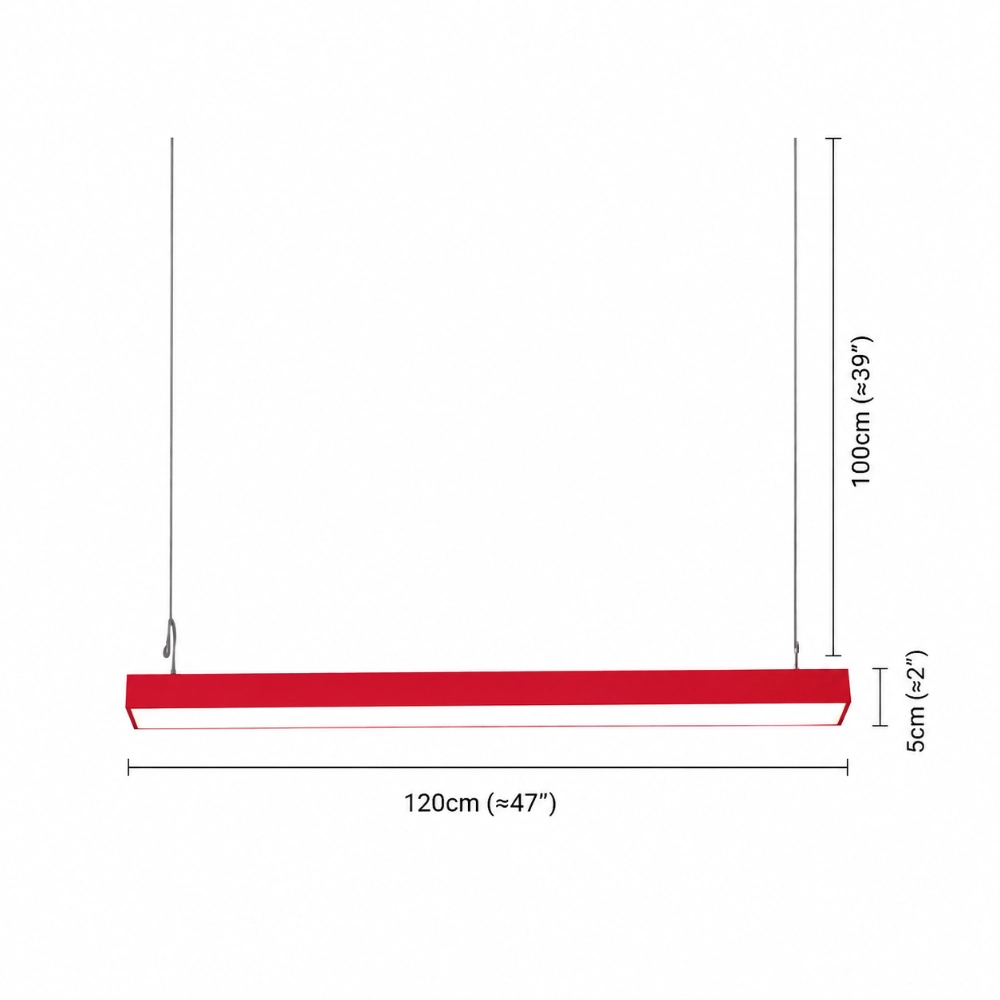
For a more systematic check across dining tables, islands, and desks, use Rectangular Pendant Size Guide for Dining Tables, Kitchen Islands, and Office Desks. Treat that guide as a way to test relationships, not as permission to obey a universal ratio. Room dimensions, furniture placement, sightlines, and the fixture's actual light distribution all matter. The listing confirms the Edge as a straight 120 cm by 5 cm metal bar; it does not promise that one size will suit every surface or evenly light every seat.
Let the Straight Line Do the Organizing
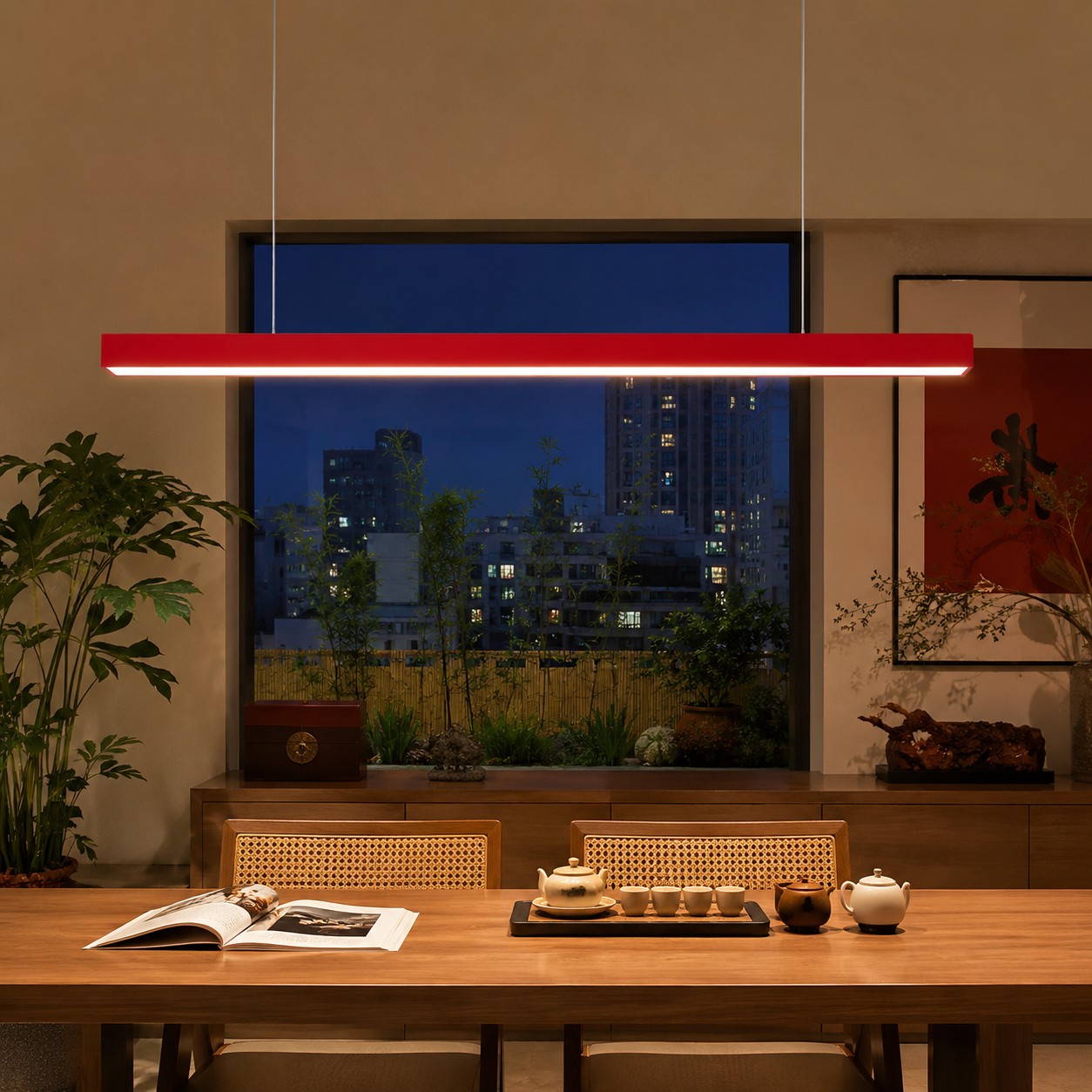
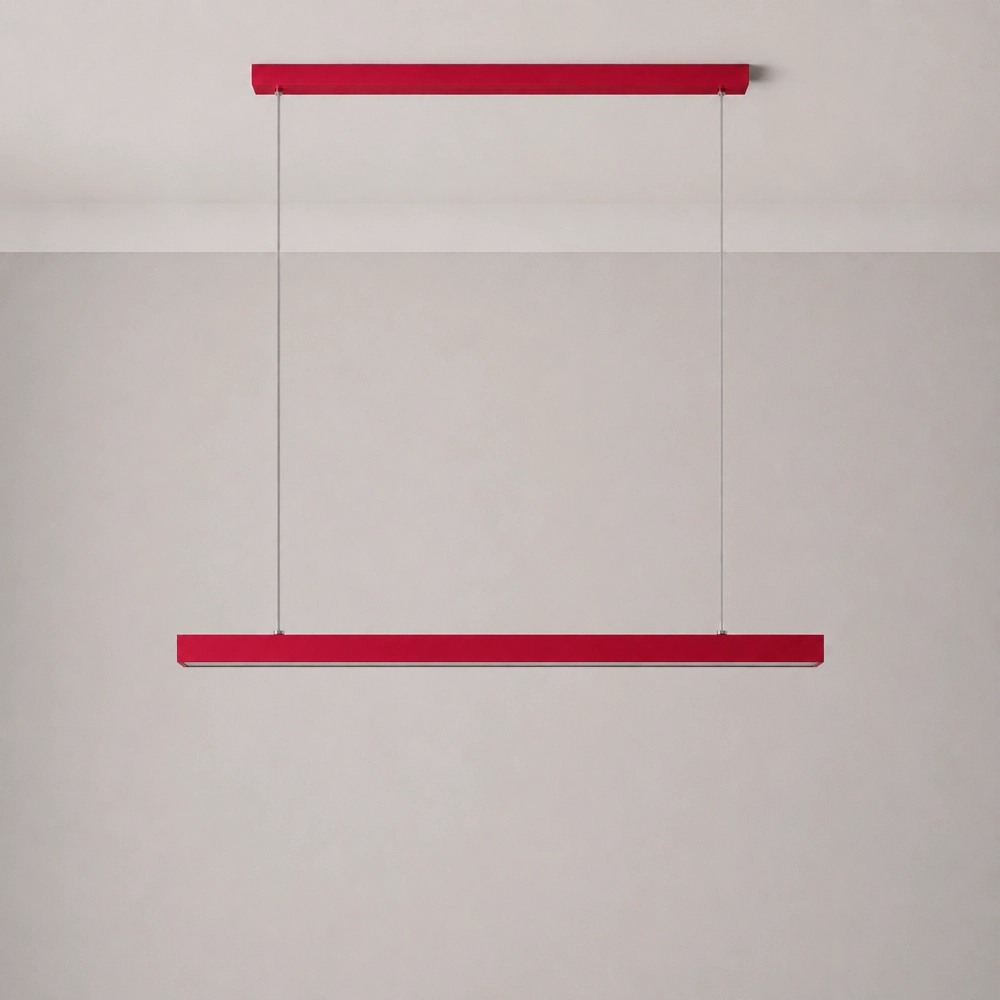
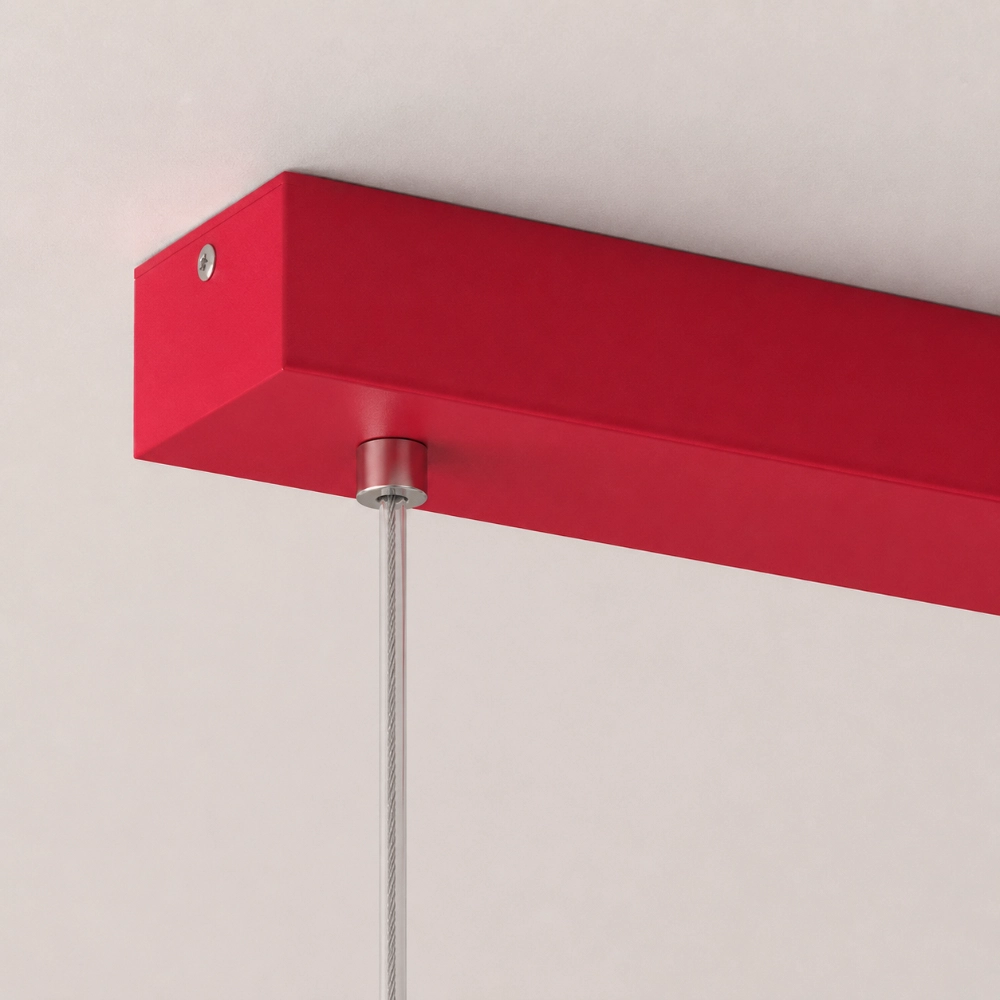
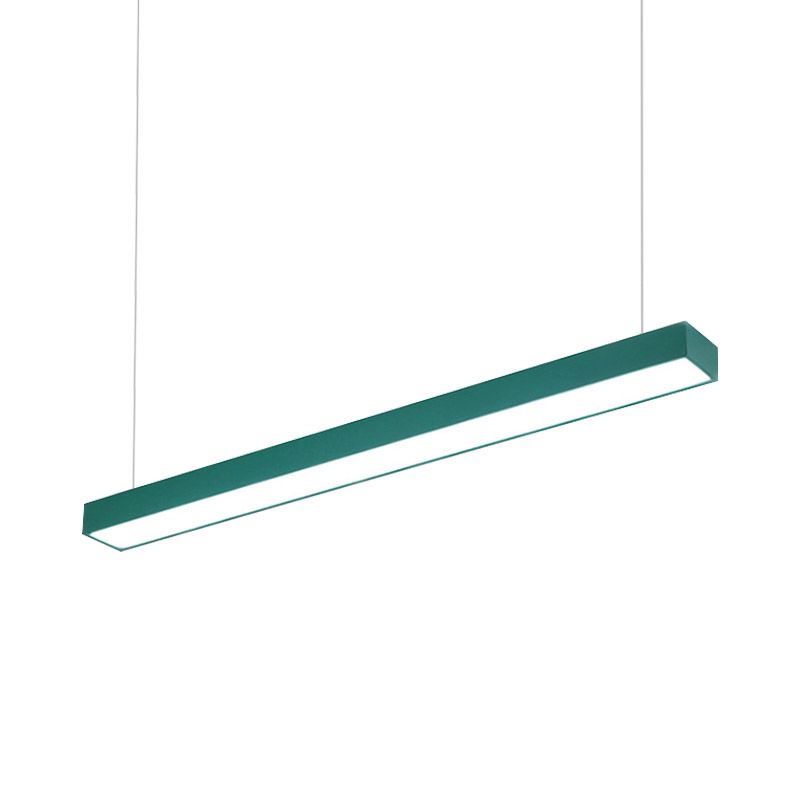
The Edge pendant has a useful visual discipline: one perfectly straight rectangular bar, a matching rectangular ceiling canopy, and two thin vertical suspension cables. It does not bend around corners or wander across the ceiling. That limitation is part of its strength. The line can reinforce the long edge of a table, calm a busy run of cabinetry, or give an open-plan zone a clear axis.
Keep nearby shapes simple enough for that line to read. You do not need to remove every curve; an oval table or rounded chairs can provide welcome contrast. Just avoid asking three different ceiling fixtures to compete in the same view. If the colored bar is the lead, recessed or concealed sources can handle supporting work without demanding applause. Explore the available Edge colors while looking at the room as a whole rather than treating the pendant as an isolated object.
An Empty Room May Need Focus, Not Filling
Some dining areas feel unfinished even after the furniture is in place. The instinct is to fill the wall, add a cabinet, or push a plant into the nearest innocent corner. Pause before doing that. If the table is useful but visually detached from the room, a pendant can connect the ceiling plane to the activity below and turn a loose furniture arrangement into a recognizable destination.
The related article When a Room Feels Empty, Try Adding Color Over the Table looks more closely at that problem-solving move. The key is to preserve breathing room around the light. Empty wall and ceiling space are not failures waiting to be decorated; they are what allow a vivid object to look deliberate. Once the pendant establishes the center of gravity, you may find that the room needs fewer additions than expected.
Know When the Room Is Already Speaking Clearly
Not every room needs a statement fixture. If the ceiling is low, the view is already dominated by expressive art, or the dining area sits beneath complicated beams, another strong object may create argument rather than focus. A pendant also cannot solve poor task lighting on its own unless its tested distribution suits the work below. The product page identifies an integrated underside light source, but it does not provide enough photometric information to guarantee coverage for every room.
There is no defeat in choosing a quieter fixture. Good editing includes knowing when to stop. The aim is not to make the pendant noticeable at any cost; it is to make the room easier to understand and more enjoyable to inhabit.
Try the Friday-Night Test Before Ordering
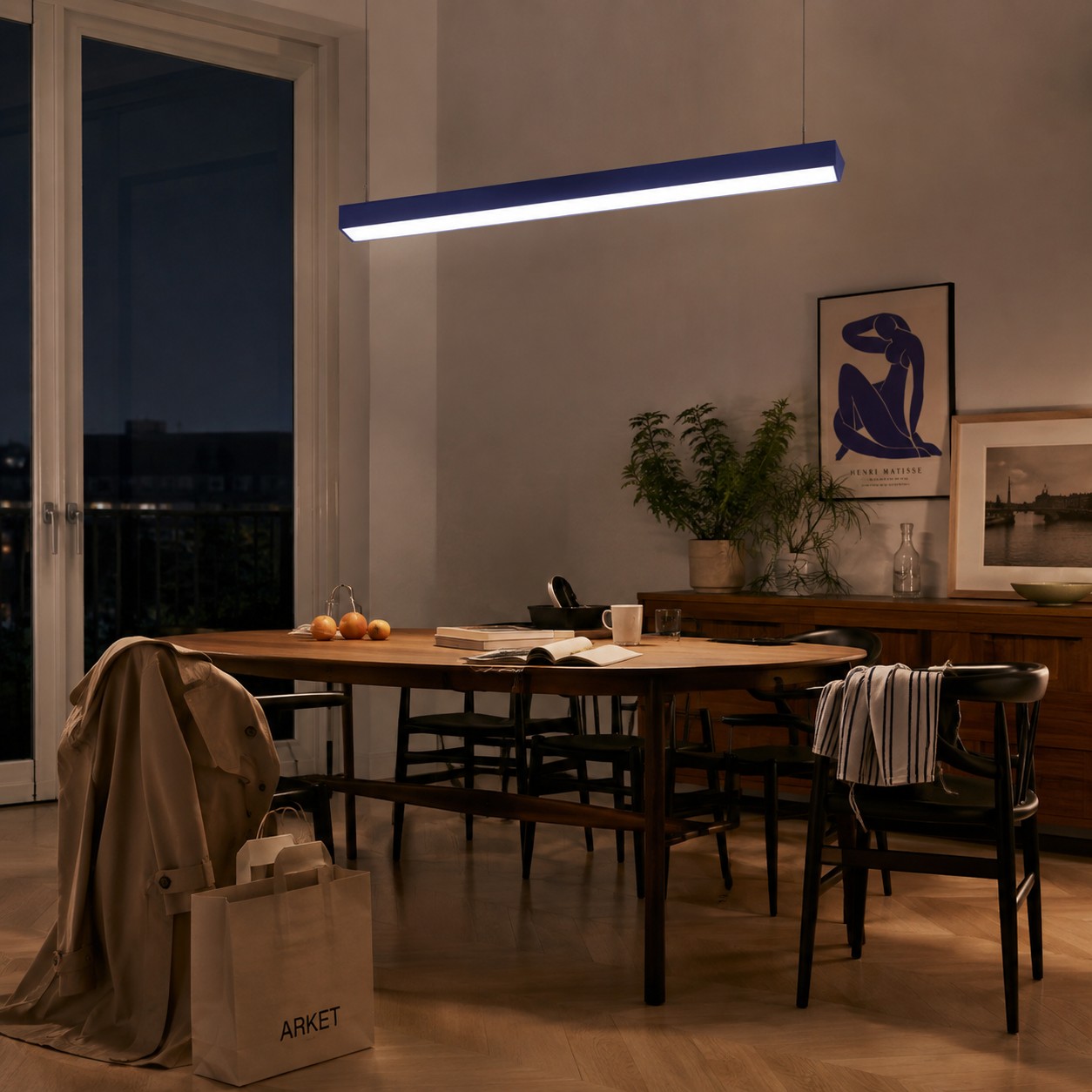
Mock up the bar at full size, then live with the outline for an evening. Sit where you normally sit. Walk in carrying groceries. Look toward it from the sofa and from the hallway. Check whether the line blocks a favorite view, whether the proposed color still makes sense under evening light, and whether the fixture would serve the table rather than merely hover above it.
If the taped outline makes the room feel more composed, you have useful evidence. If it feels like punctuation in the wrong sentence, move it or choose another approach. When the relationship works, review the Edge rectangular pendant details against your measured mock-up before making the final decision.
Questions People Ask About Statement Lighting
Can statement lighting work in a minimalist room?
Yes. A simple silhouette with one confident color can create focus while the rest of the room remains restrained.
Does the pendant have to match other colors exactly?
No. One related accent is usually enough; an exact set of matching objects can feel forced.
Should a linear pendant be centered in the room?
Center it on the table, island, desk, or activity it serves, then check the view from the main entrances.
Can one pendant provide all the light a room needs?
Do not assume so. Confirm the fixture's available technical information and plan supporting light for circulation or tasks when required.