
Modern Workspaces: Elevating Commercial Design with Linear Lighting
In the contemporary landscape of commercial architecture, the boundary between "work" and "lifestyle" has become increasingly fluid. Today’s office environments are no longer just places of production; they are hubs of collaboration, brand identity, and employee well-being. Central to this transformation is the strategic application of lighting. Gone are the days of harsh, flickering fluorescent grids. In their place, designers are turning to linear lighting to create spaces that are as functional as they are visually inspiring.
Linear lighting has emerged as a cornerstone of office design because of its unique ability to guide the eye and define space without the need for physical barriers. In expansive, open-plan offices, these long, clean lines of light act as a visual map, subtly organizing the floor plan while maintaining an airy, unobstructed feel. Whether it is a sleek corporate lobby or a high-energy collaborative zone, the right linear fixture doesn't just illuminate—it communicates professionalism and forward-thinking design.
Zoning Without Walls: Defining the Open Office
One of the greatest challenges in commercial design is creating "neighborhoods" within a large floor plate. When employees work in an open environment, they need visual cues to distinguish between focus areas, meeting zones, and social hubs. Linear lighting provides a sophisticated solution to this problem. By suspending a continuous run of light over a central bank of desks, a designer creates a "ceiling" of light that psychologically grounds the work area.
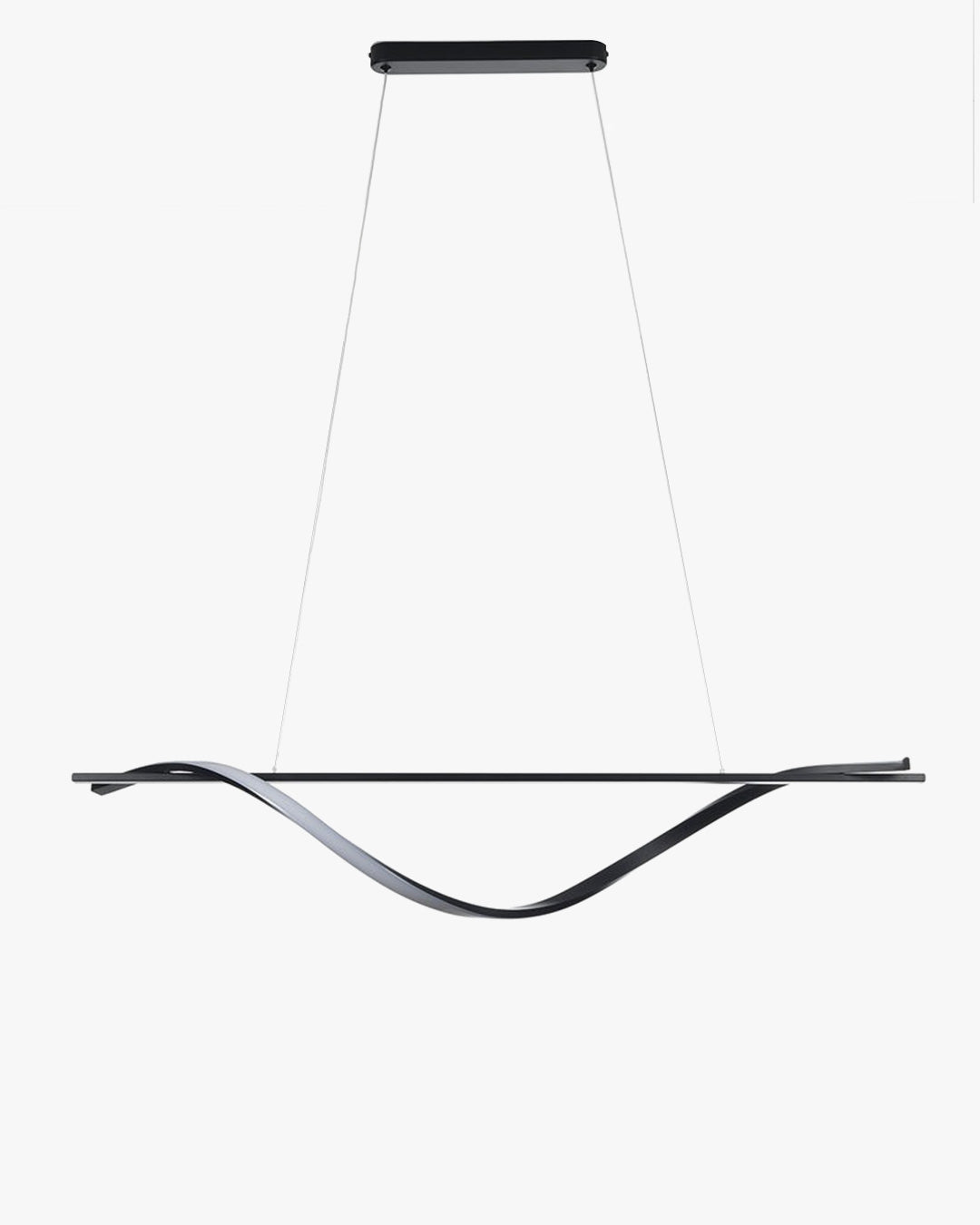
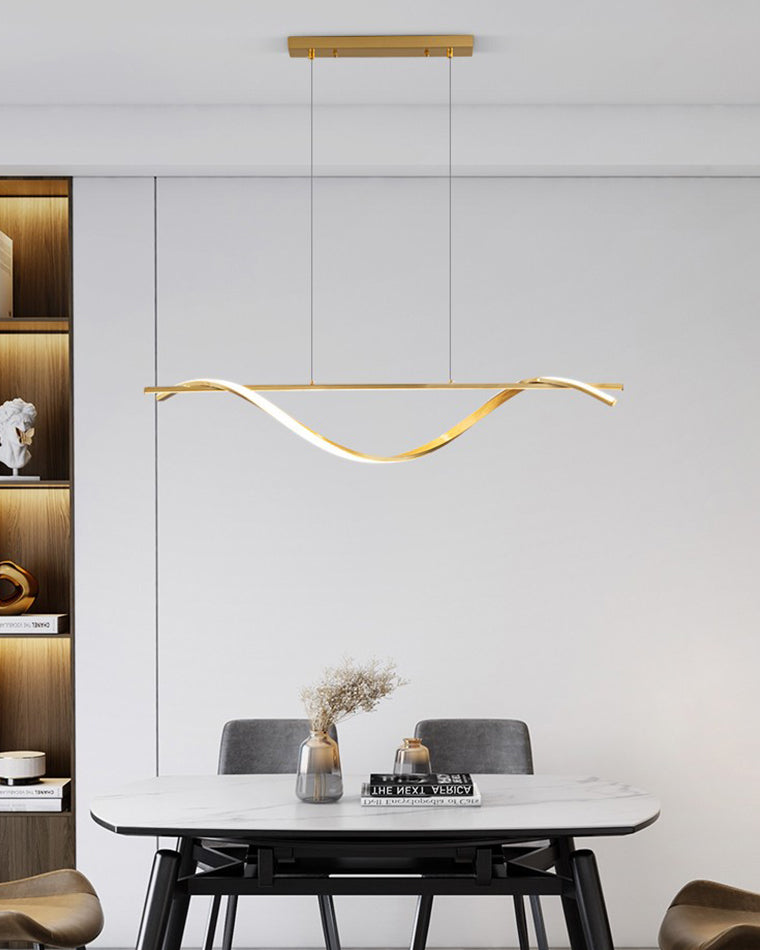
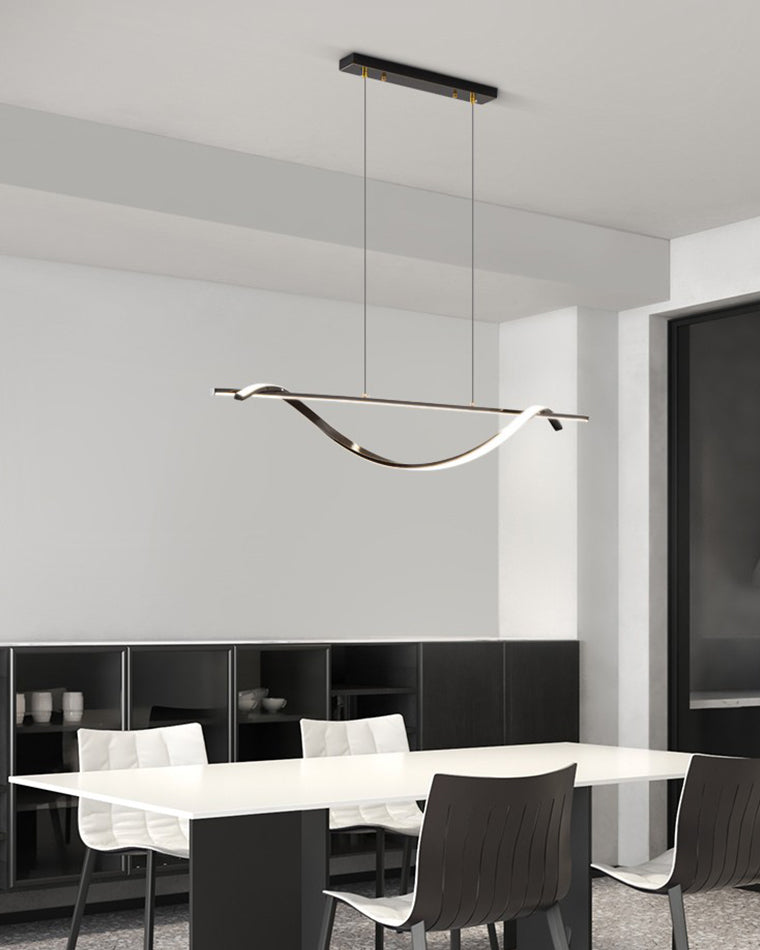
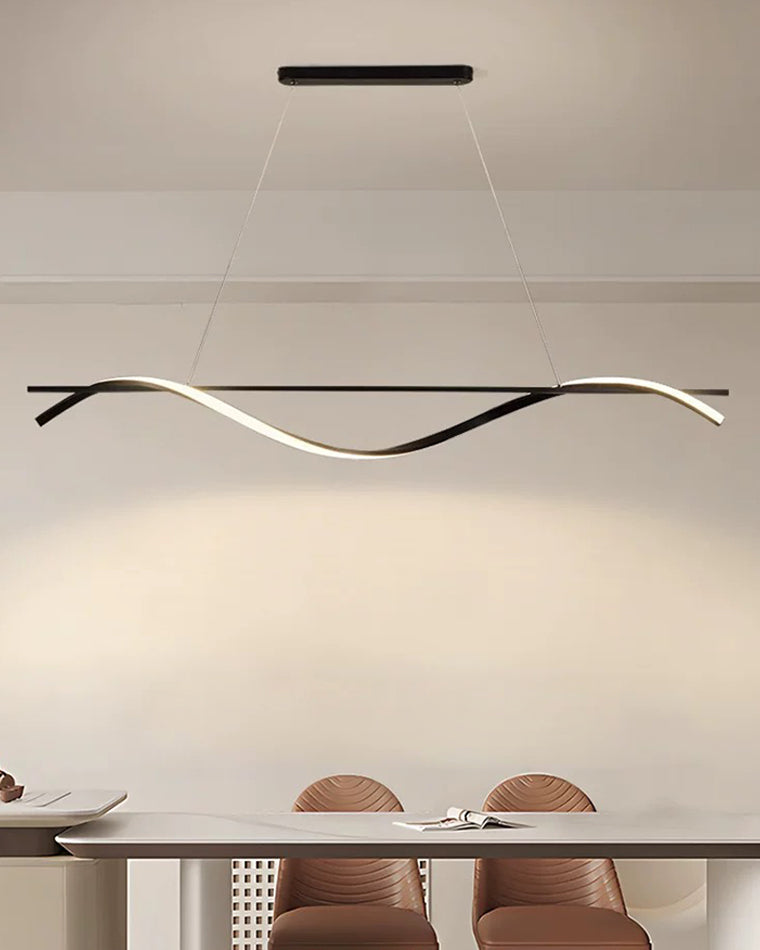
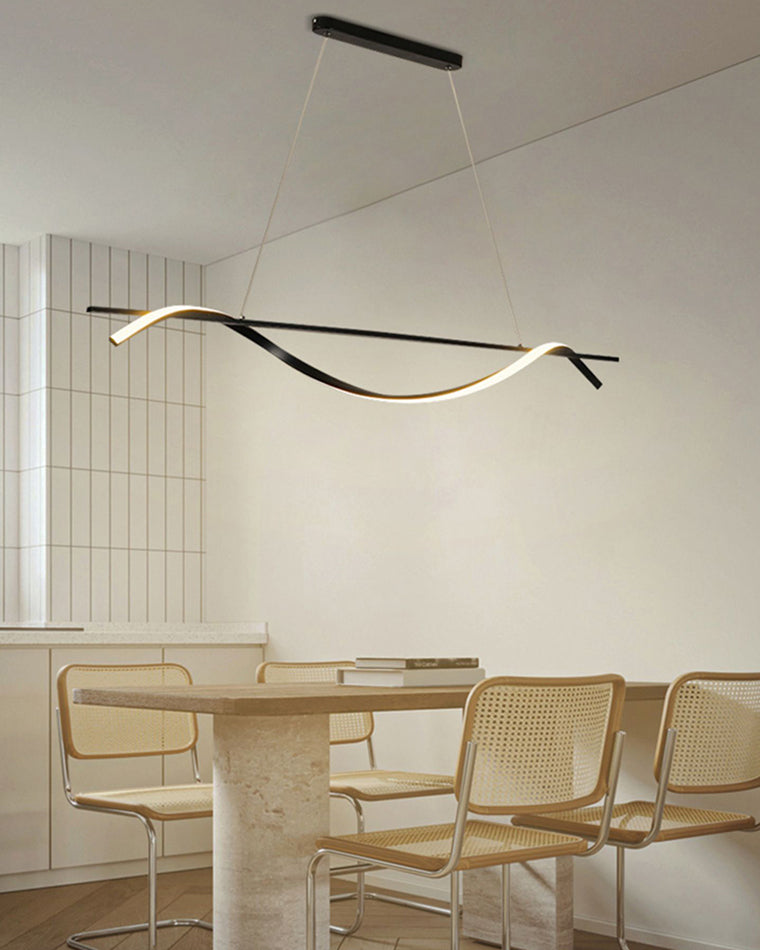
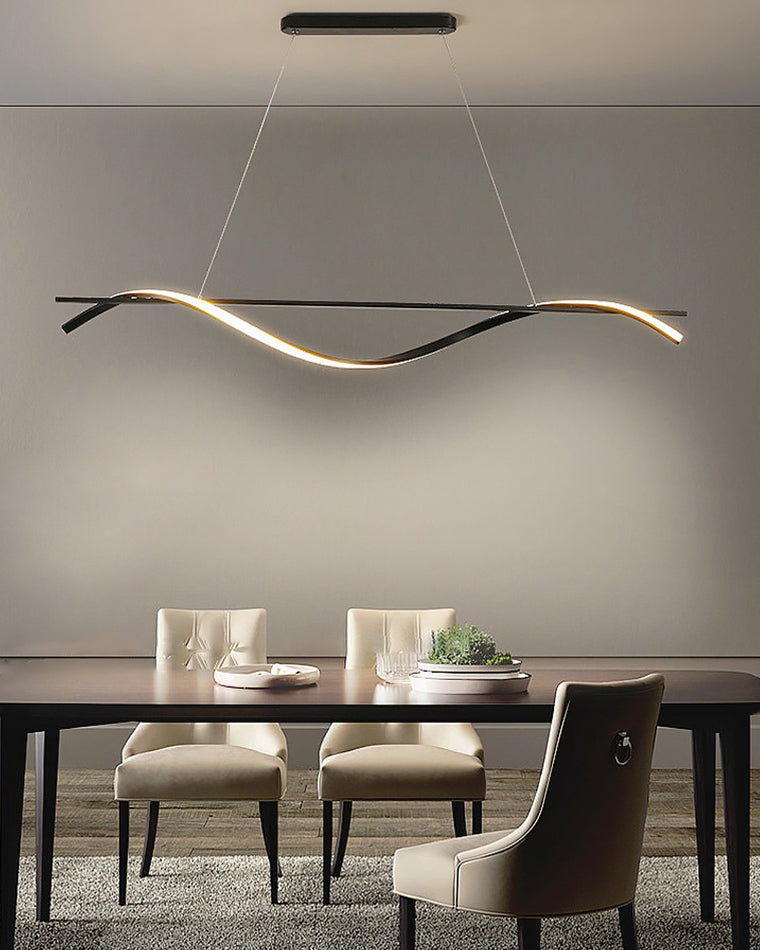
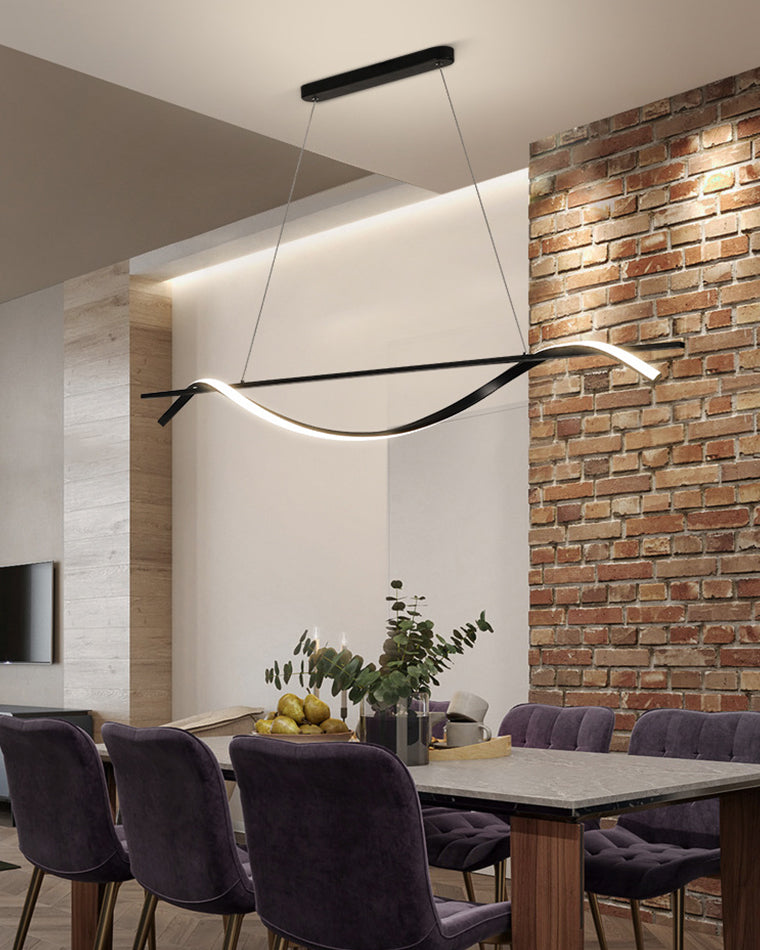
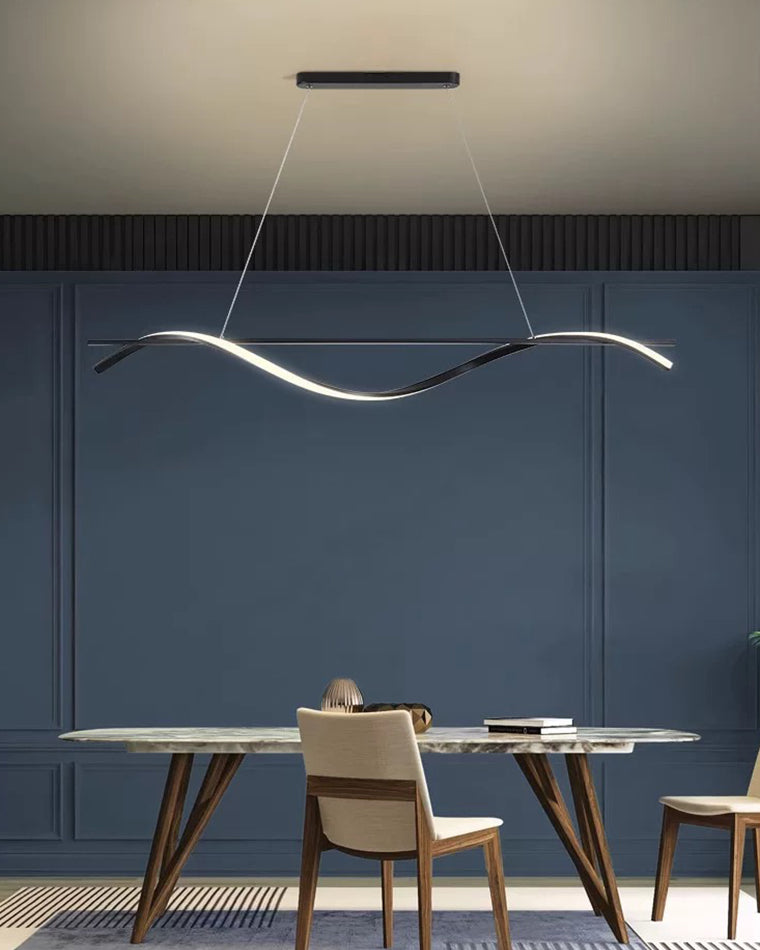
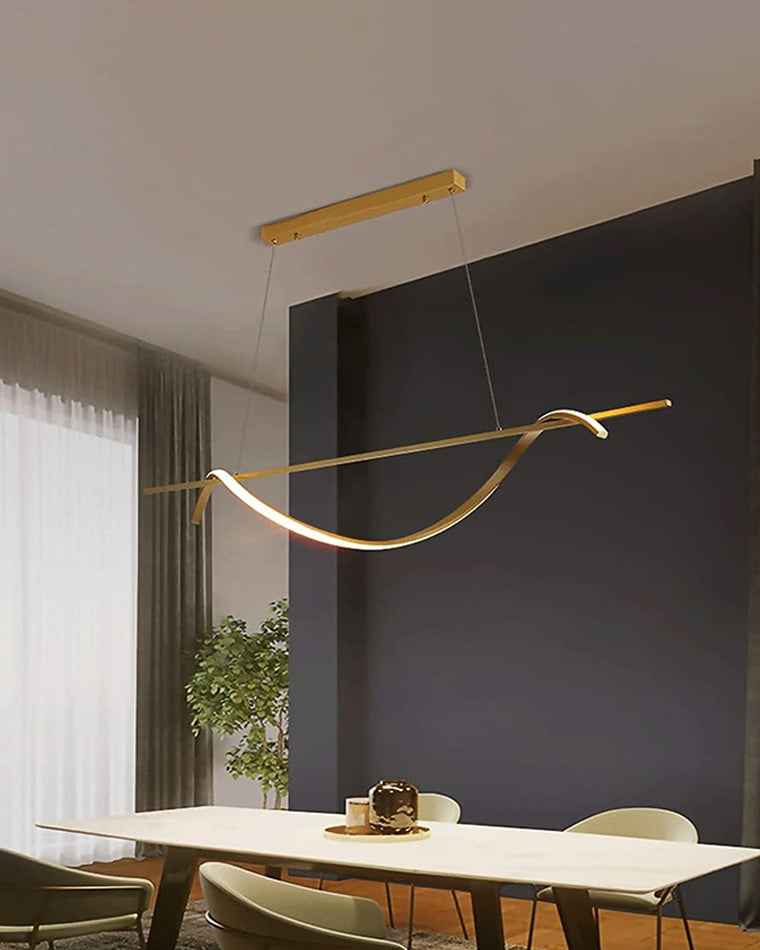
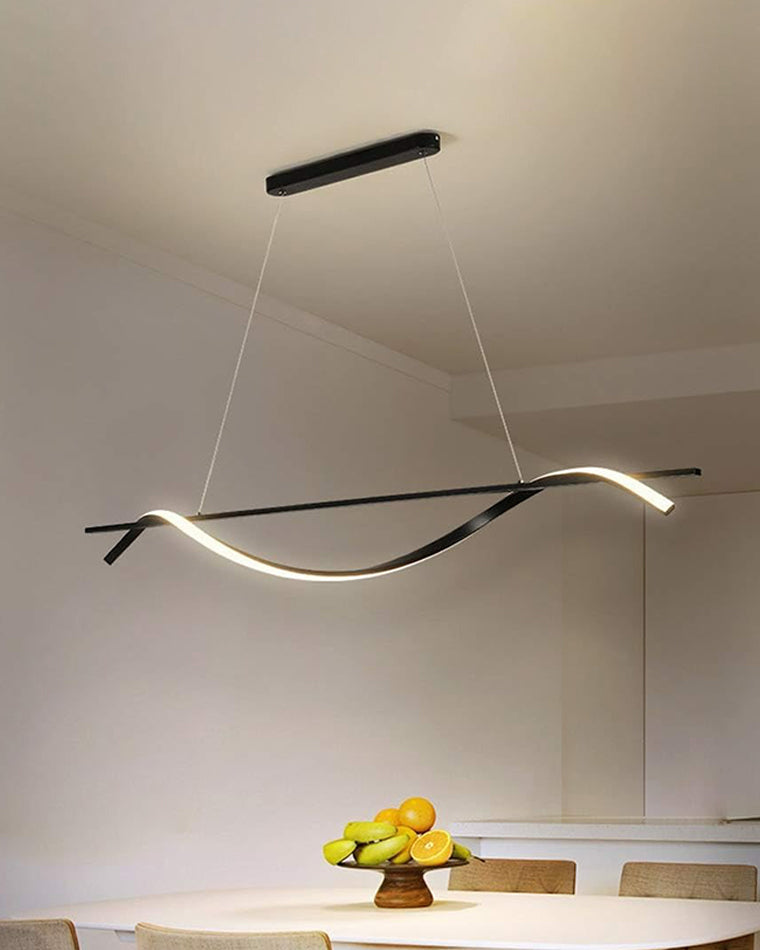
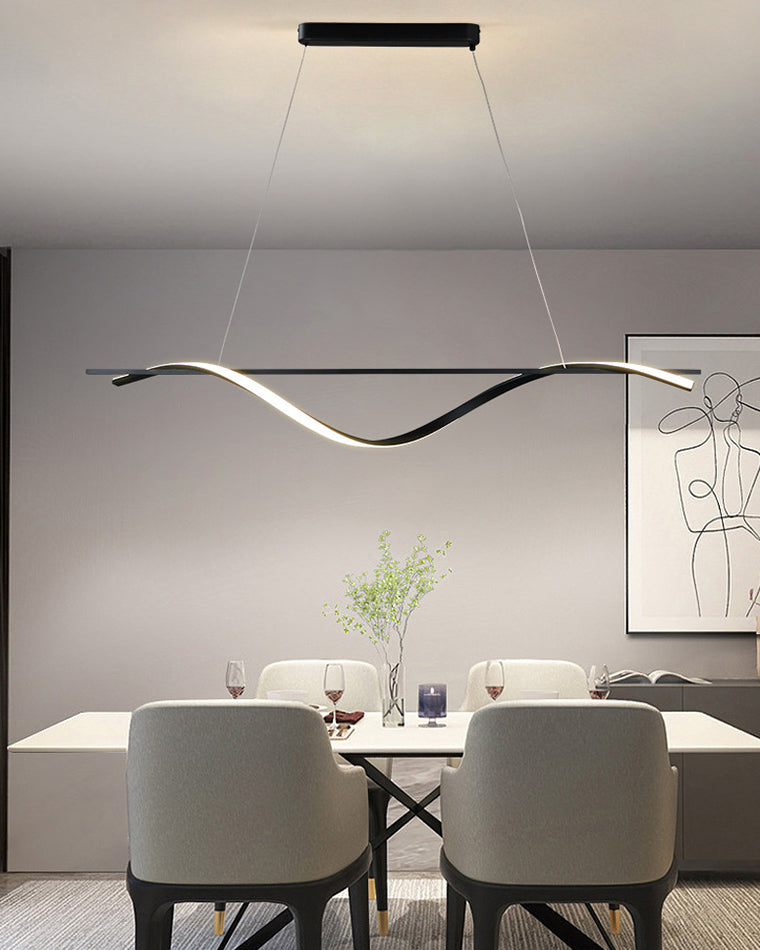
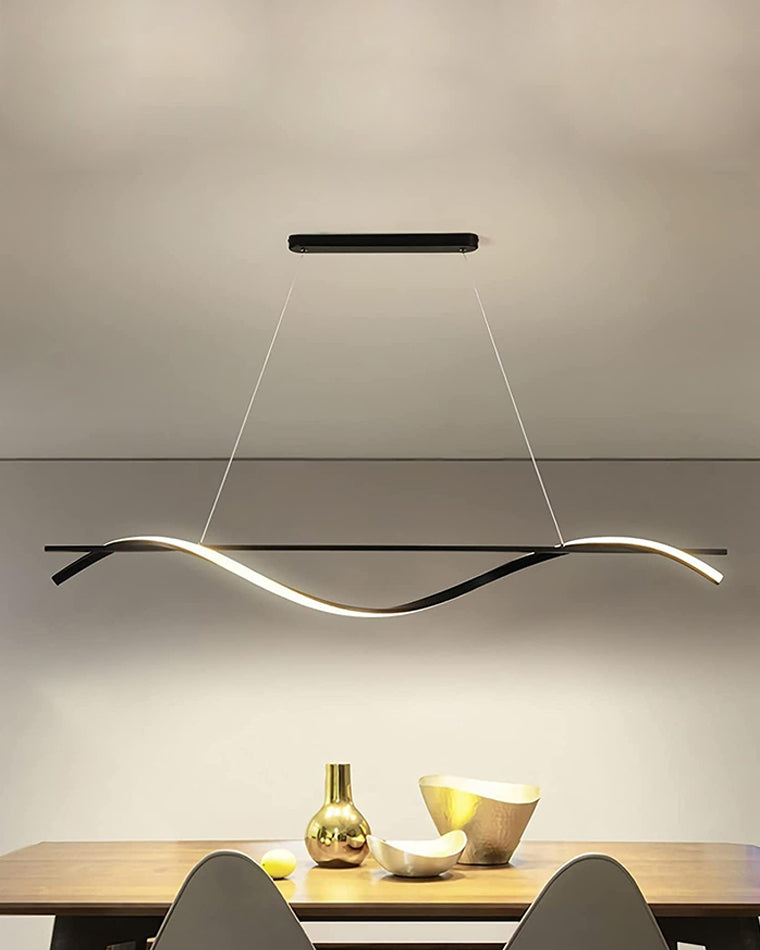
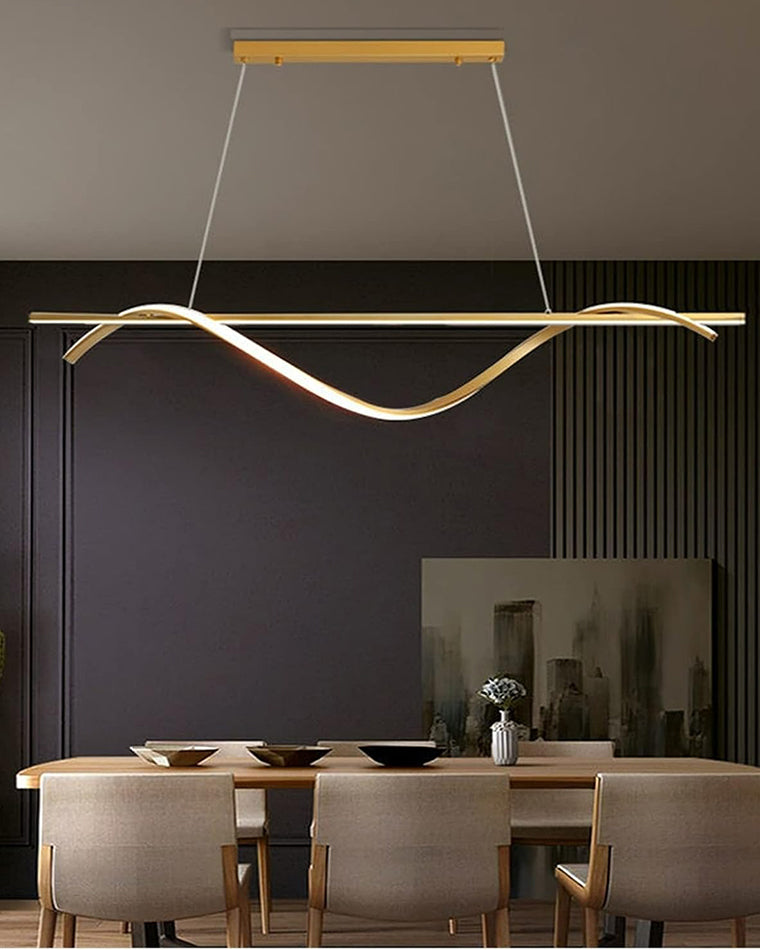
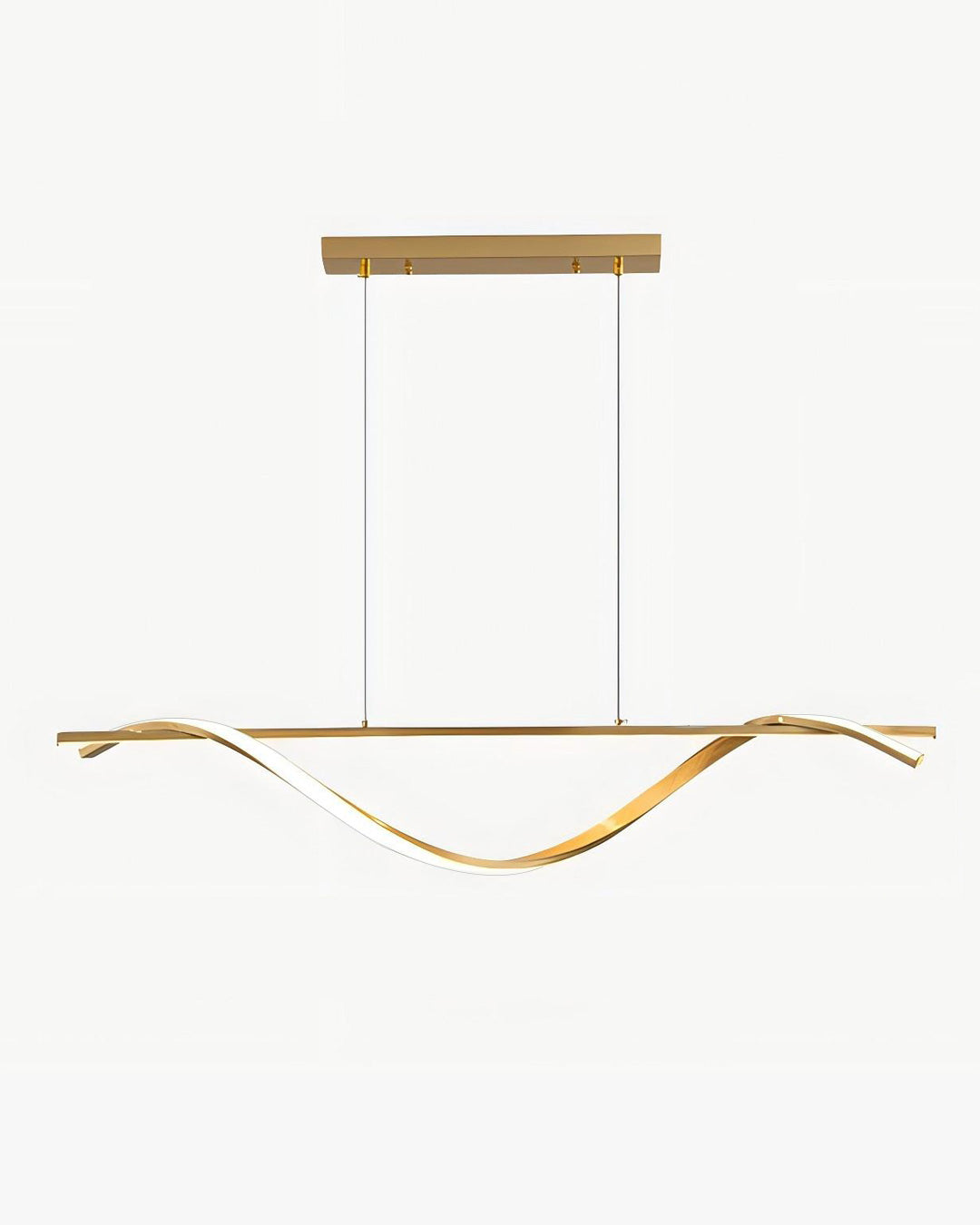
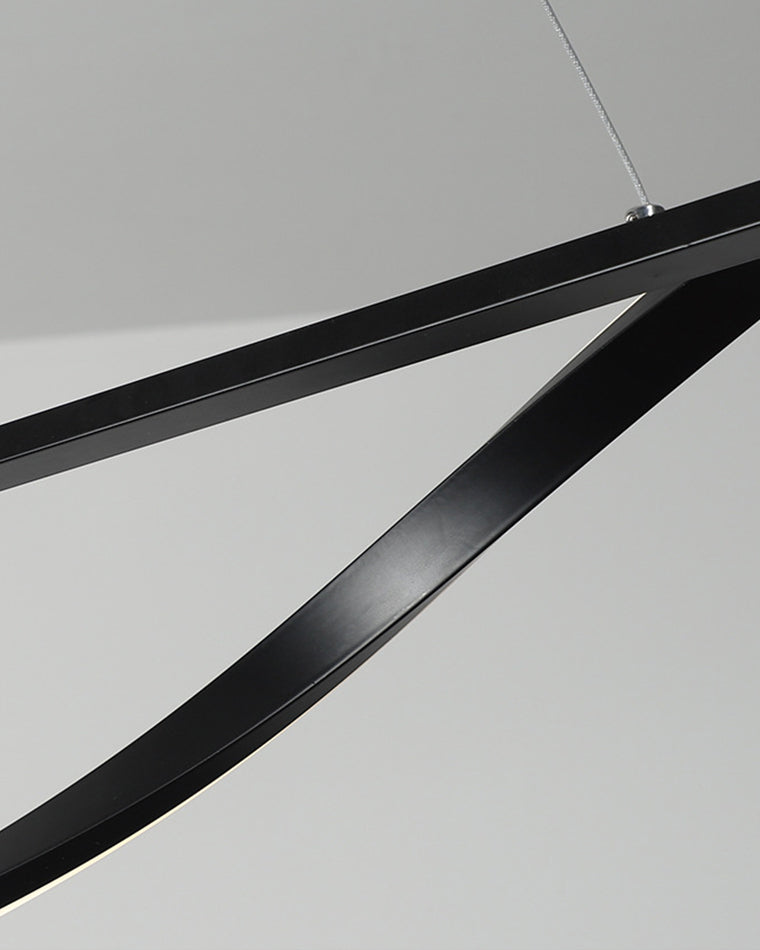
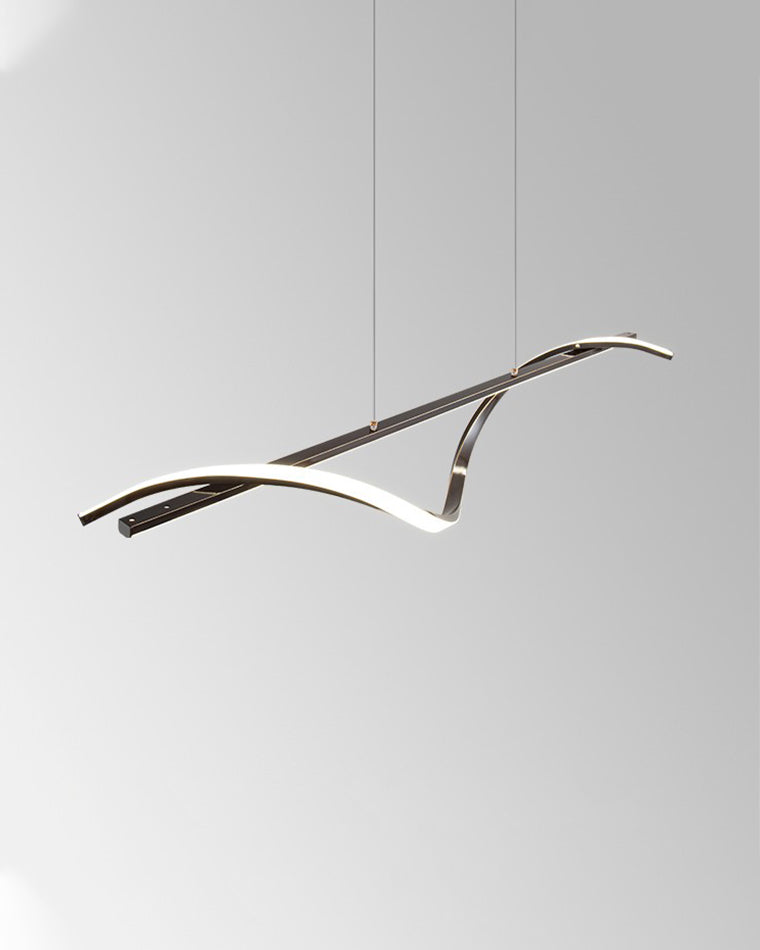
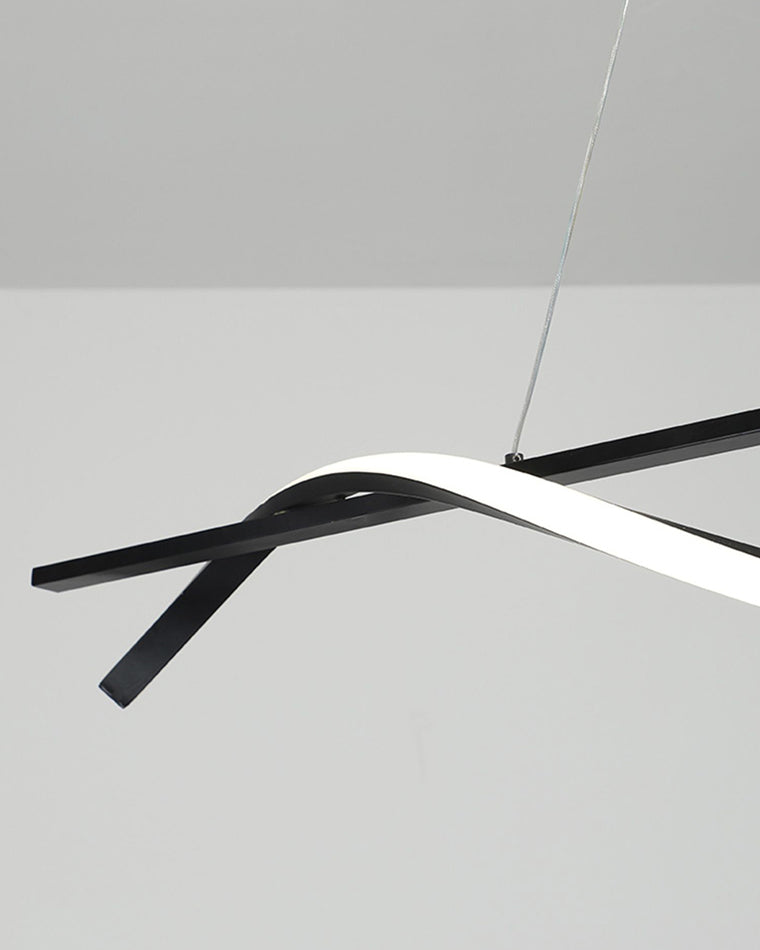
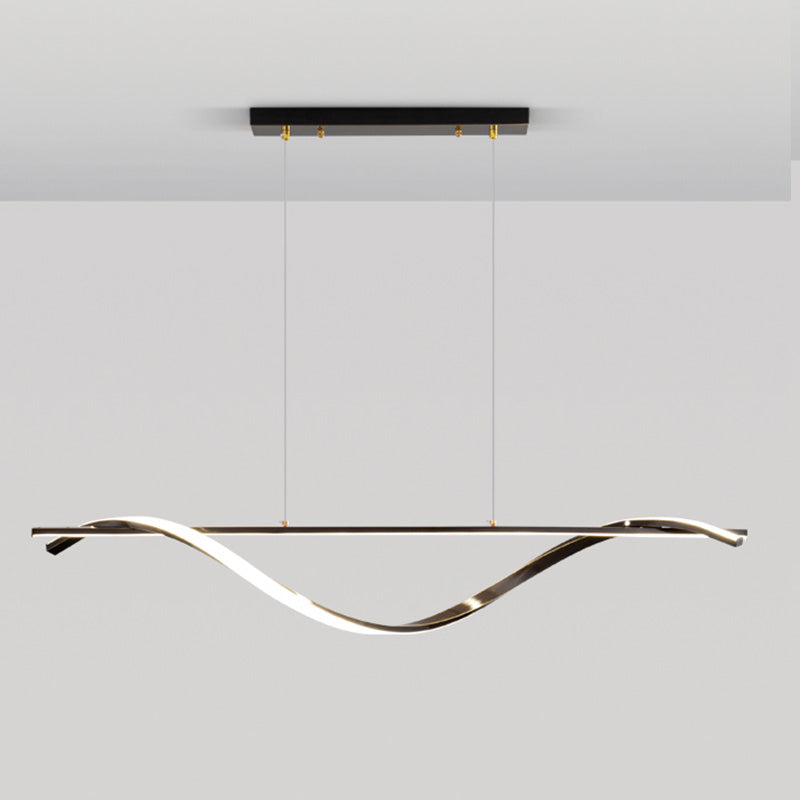
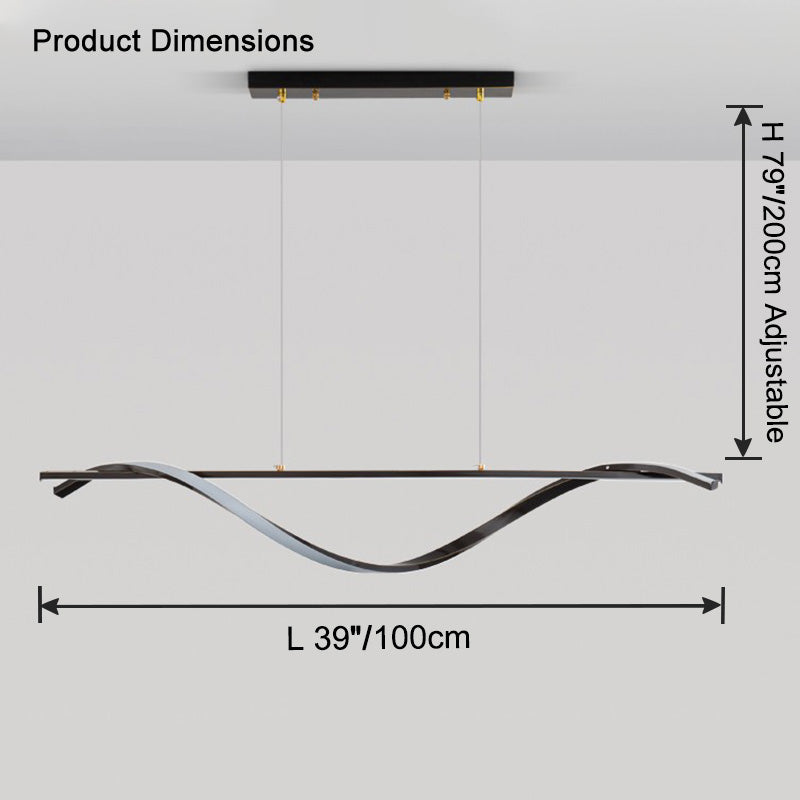
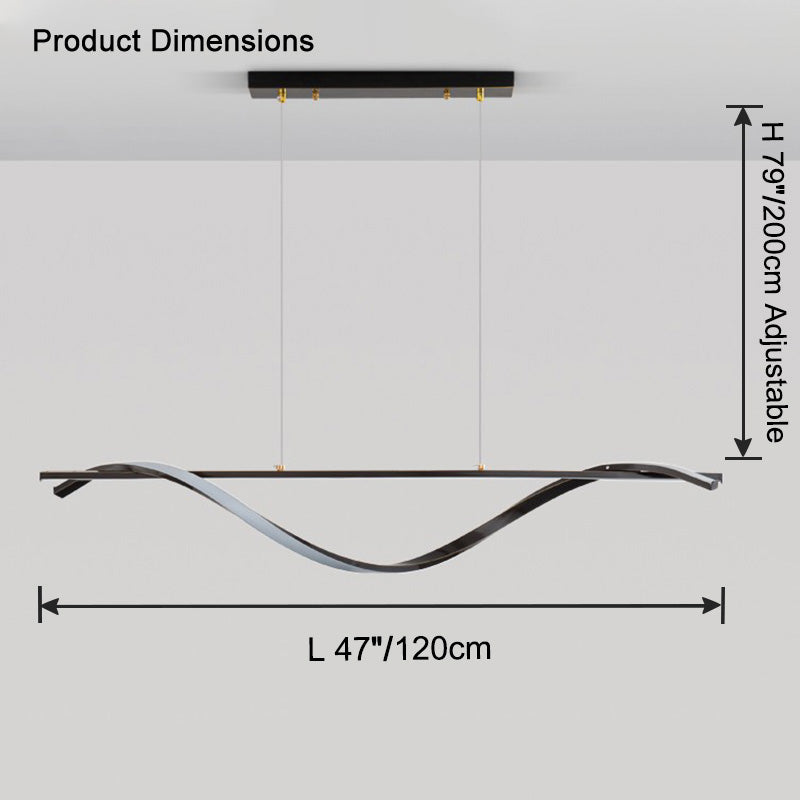
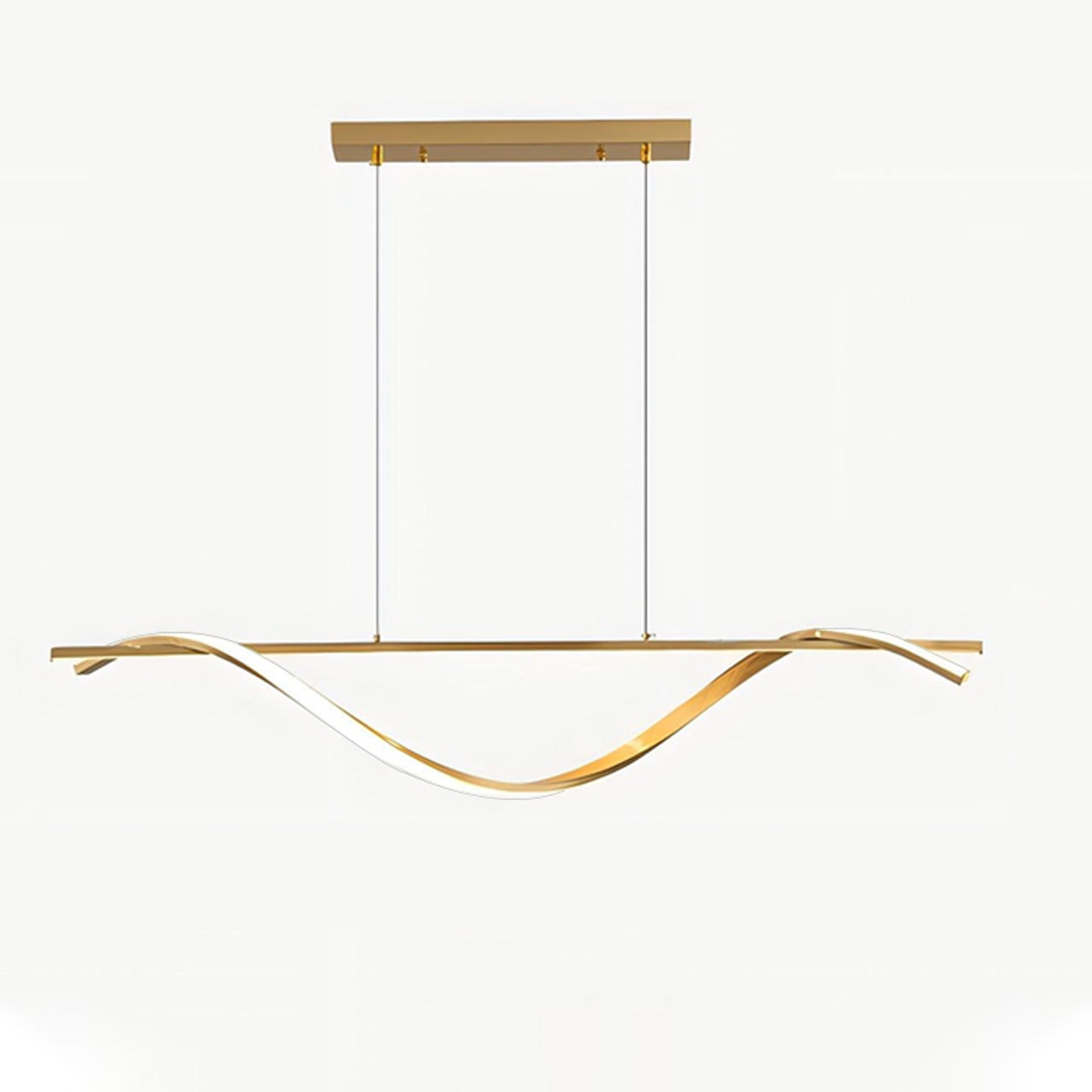
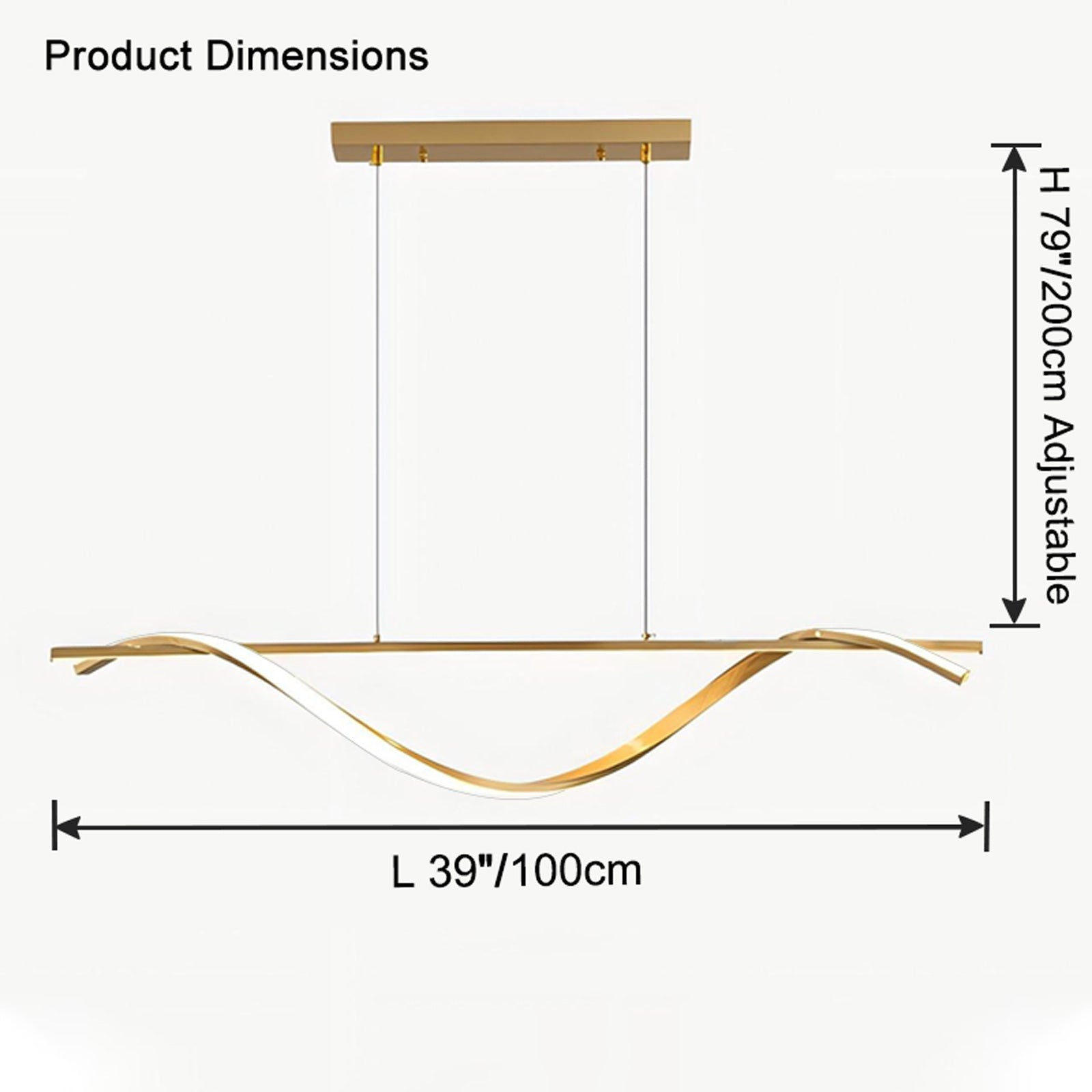
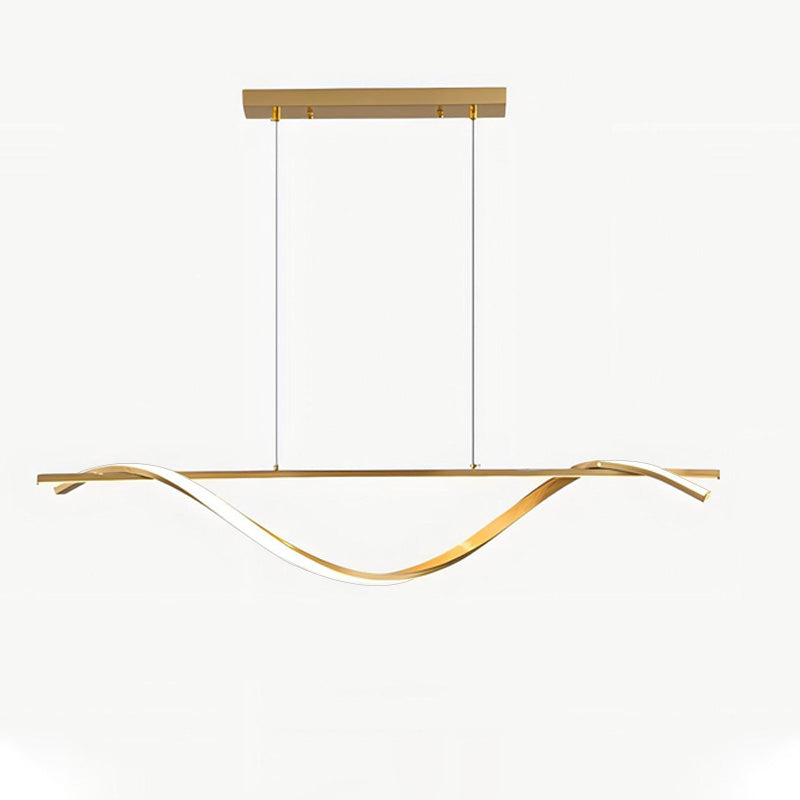
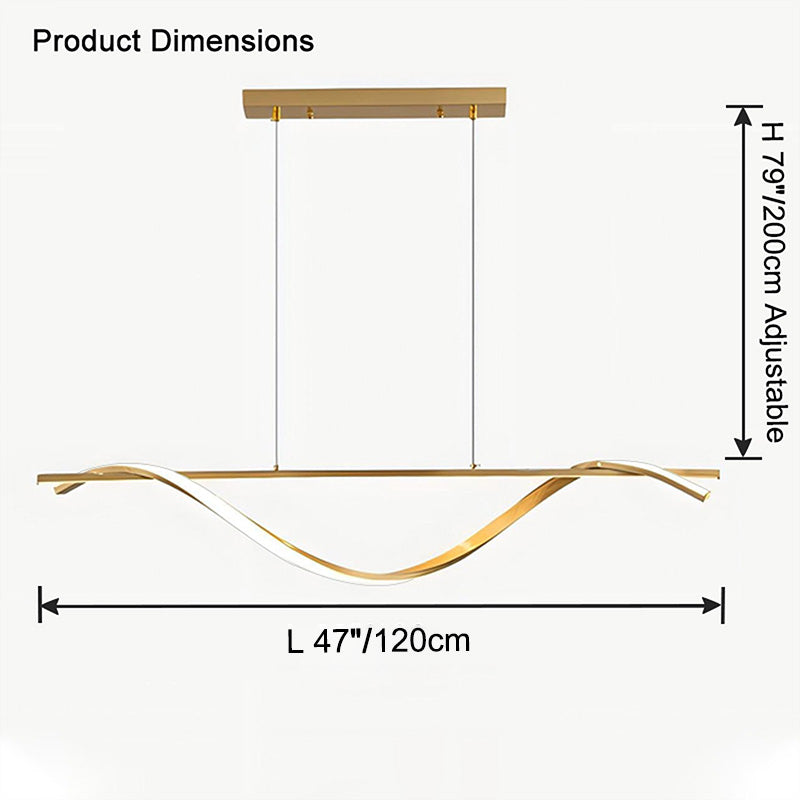
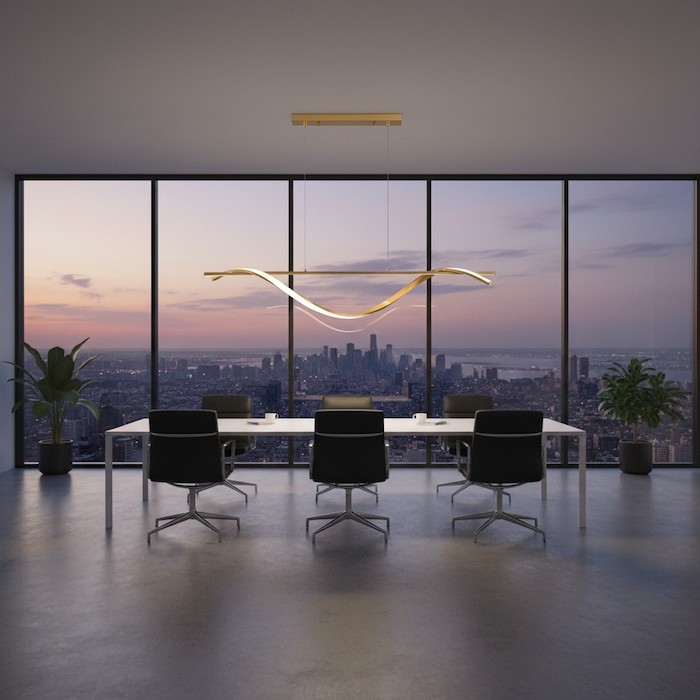
Conversely, in breakout areas or casual lounges, a more artistic approach can be taken. A fixture like the Spiral Linear Pendant Light-WM2768 can be utilized to break the monotony of a straight-line office layout. Its dynamic, flowing silhouette adds a touch of creative energy, perfect for creative agencies or tech startups looking to signal an innovative culture. When light follows a path that is unexpected, it invites movement and sparks conversation, turning a simple corridor into a journey, a concept further explored in our Linear Lighting Design Guide for Modern Spaces.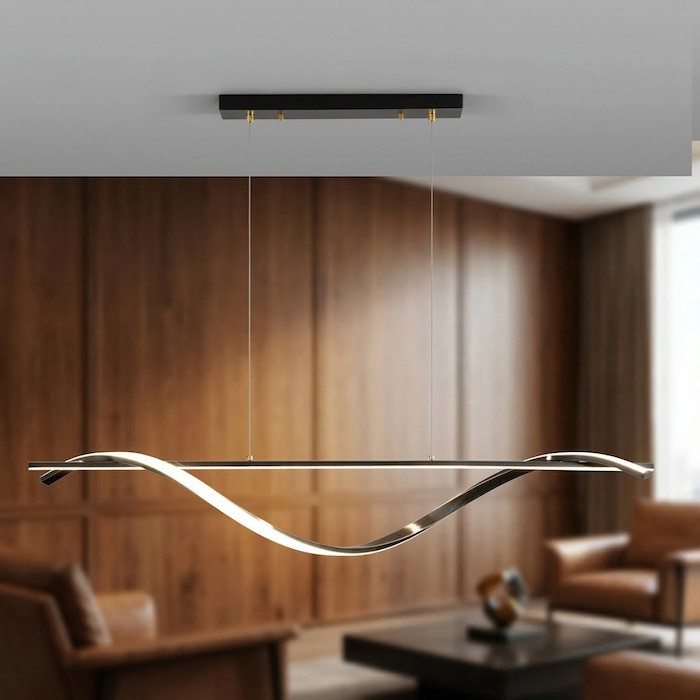
Enhancing Productivity and Visual Comfort
Productivity is deeply tied to the quality of light. In a commercial setting, "bad" lighting—characterized by high glare and uneven distribution—leads to eye strain, headaches, and a decline in employee focus. Linear lighting is inherently designed to solve these issues. By spreading the light source across a wider horizontal plane, it reduces the intensity of harsh shadows and minimizes the "hot spots" often associated with traditional spotlights.
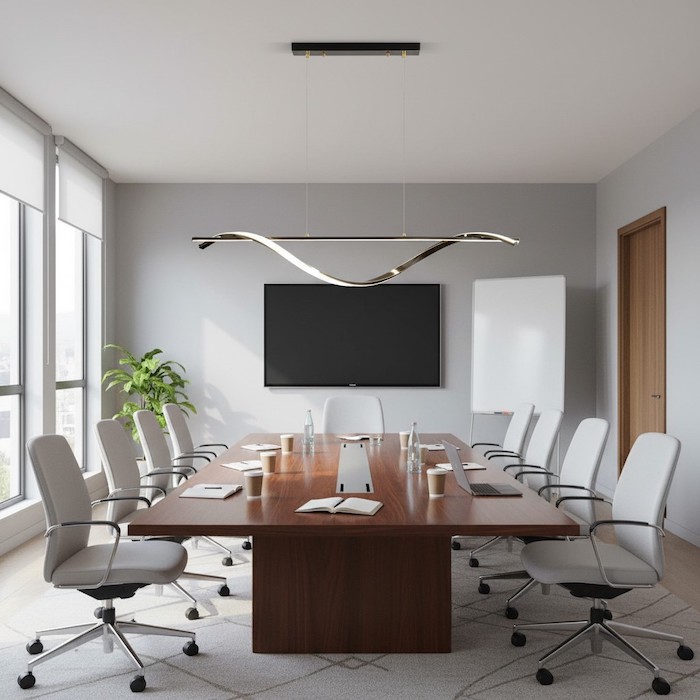
Modern professionals spend the majority of their day staring at digital screens. The surrounding environment must support this by providing a balanced ambient glow that complements the brightness of the monitor. This balanced approach is often referred to as visual comfort.A well-placed linear fixture provides a consistent wash of light that fills the peripheral vision, making the workspace feel larger and less claustrophobic, highlighting the importance of What Is Linear Lighting and Why It’s Trending.
Expert Tip: When designing a boardroom or executive office, the lighting should reflect the gravity of the decisions made within. A grand linear fixture centered over a mahogany conference table doesn't just provide light for note-taking; it creates a sense of symmetry and focus that centers everyone in the room.
Brand Identity and the First Impression
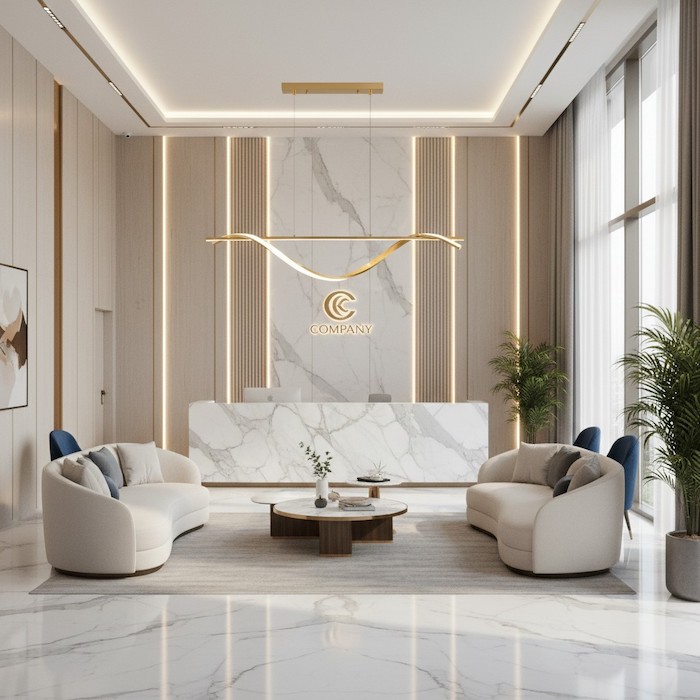
Lobbies and reception areas are where a company tells its story to clients and recruits. Lighting is perhaps the most powerful tool in the "branding toolkit." A sharp, minimalist linear light suggests a company that is organized, efficient, and modern. On the other hand, a more sculptural, fluid piece like the Spiral Linear Pendant Light-WM2768 can project luxury, creativity, and a high attention to detail.
Integrating linear lighting into the architecture—such as following the curve of a reception desk or the line of a feature wall—creates a "integrated" look that feels expensive and custom-built. It shows that the lighting was not an afterthought, but a core part of the structural vision. This level of intentionality leaves a lasting impression on visitors, signaling that the company values quality in every facet of its operation.
The Flexibility of Contemporary Layouts
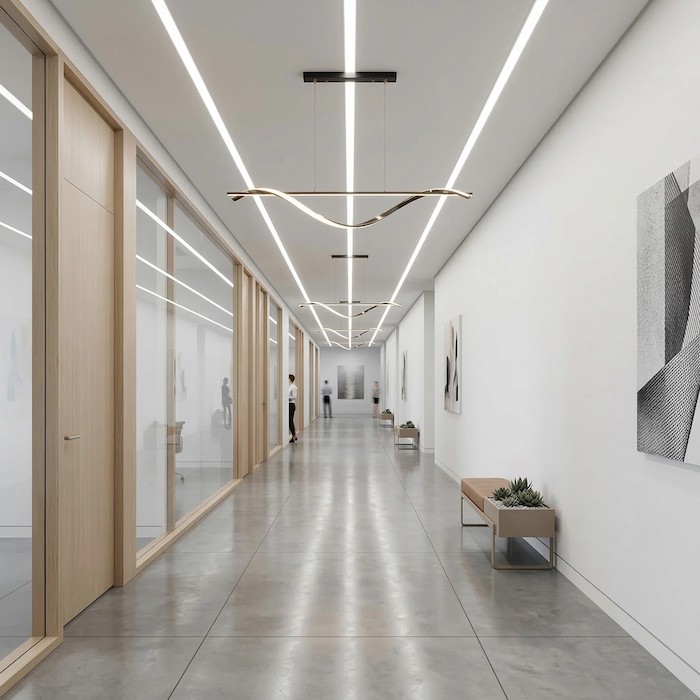
Commercial spaces are constantly evolving. As companies grow or pivot, their offices must be able to change with them. Linear lighting offers a level of scalability that other formats lack. Because of its modular nature, it can be extended, shortened, or repositioned to align with new desk configurations or room purposes. This adaptability makes it a future-proof investment for any commercial landlord or business owner.
Furthermore, the use of linear lighting in transition spaces—like hallways and elevators—ensures a seamless experience throughout the building. It creates a sense of continuity that ties the different floors and departments together into one cohesive brand experience. By focusing on the flow and the geometry of the space, you ensure that the lighting serves the people who inhabit it every day.
Whether you are designing a high-end retail boutique, a bustling law office, or a modern co-working space, the inclusion of linear elements is the key to a professional finish. By treating light as a primary design element, you elevate the utility of the room and the mood of the people within it. Ready to transform your office with a touch of sculptural elegance? The Spiral Linear Pendant Light-WM2768 is the perfect balance of commercial authority and artistic flair.