
Mid-Century Modern Living Room Guide: How to Choose a Timeless Statement Light
An authentic mid-century modern living room is more than a collection of retro furniture; it is a carefully orchestrated study in balance, form, and flow. Originating in the mid-20th century, this design philosophy stripped away unnecessary ornamentation to celebrate clean lines, organic curves, and unparalleled functionality. While a plush iconic lounge chair or a sleek walnut sideboard establishes the foundation of the room, it is the lighting that breathes life into the architecture. A well-chosen statement light acts as the gravity well of the entire space, pulling disparate design elements into a cohesive, visually arresting narrative.
Choosing the right fixture, however, requires a deep understanding of structural geometry and visual weight. In a design style where negative space is just as valuable as the physical furniture, your lighting cannot simply occupy a corner—it must actively converse with the surrounding room. It needs to command attention without overwhelming the senses, providing both essential illumination and a striking artistic profile when turned off. This guide breaks down the essential principles of selecting a timeless mid-century statement light that anchors your living space for years to come.
The Core of Mid-Century Lighting: Form Intersecting with Utility
What defines an authentic mid-century modern statement light? By definition, it is a lighting fixture where structural utility intersects seamlessly with sculptural expression, often characterized by slender geometric profiles, adjustable components, and organic, insect-like or atomic forms. Unlike traditional lamps that rely on heavy ceramic bases and oversized fabric shades, mid-century statement lighting uses articulated metal frames to direct light precisely where it is needed while maintaining a lightweight, airy footprint. These pieces serve as anchors in The Role of Modern Pendant Lights in Spatial Layering, allowing you to define specific zones without obstructing the flow of your home.
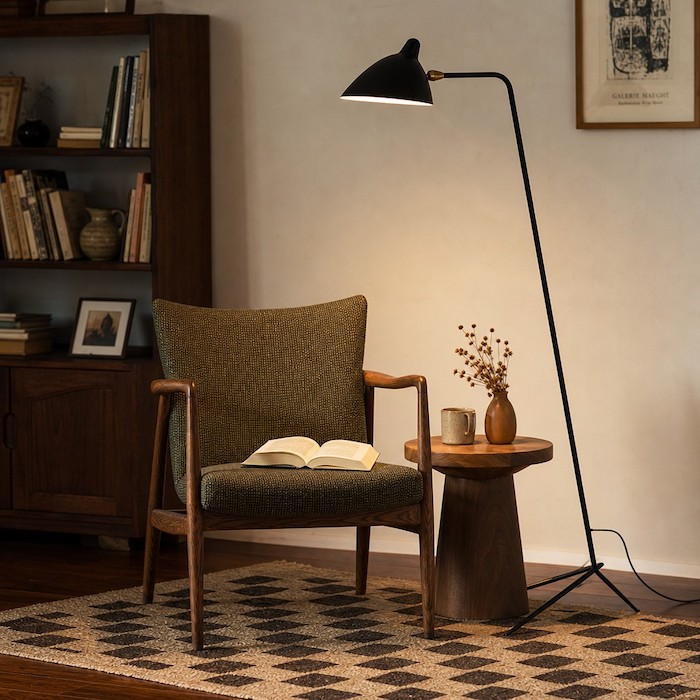
When assessing options for your living room, look for fixtures that tell a story through their silhouette. The era was defined by a collective fascination with space exploration, industrial progress, and natural organic shapes. This resulted in designs that feel dynamic, almost kinetic, as if they could change orientation at any moment. A timeless statement light should possess this sense of hidden movement, transforming a static living room corner into a gallery-like experience.
Mastering Scale, Height, and Visual Weight
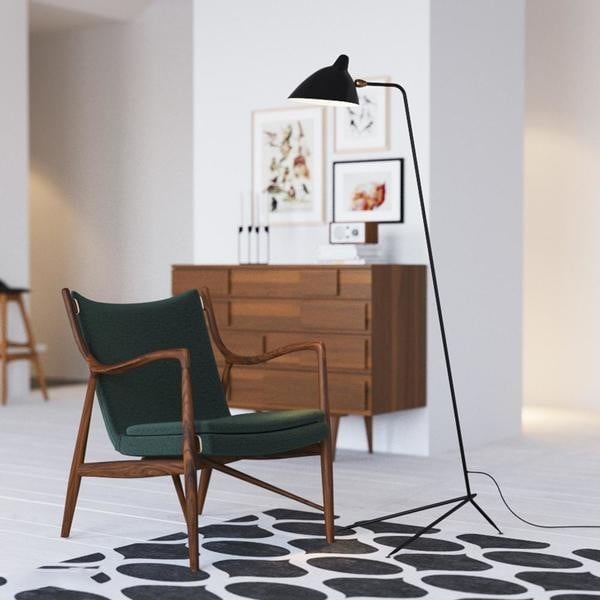
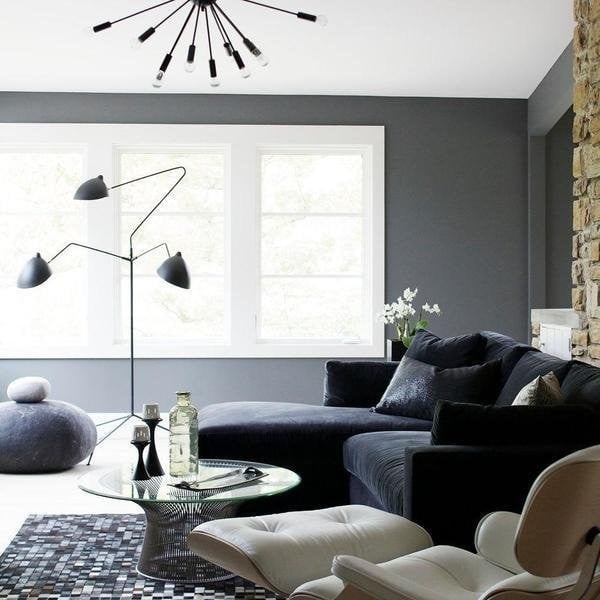
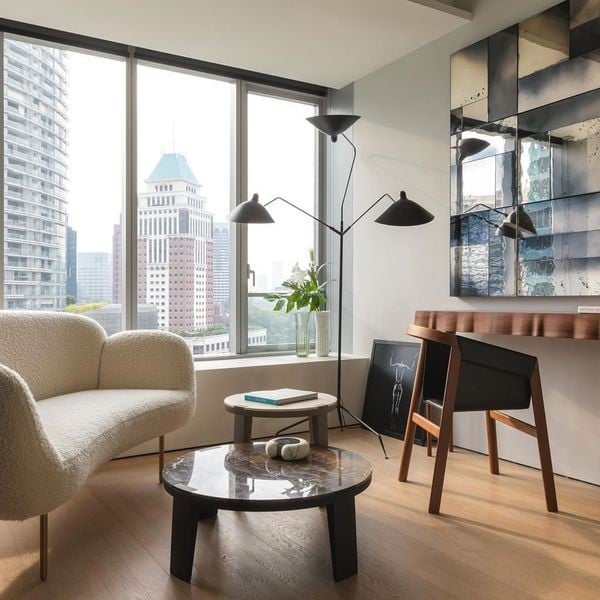
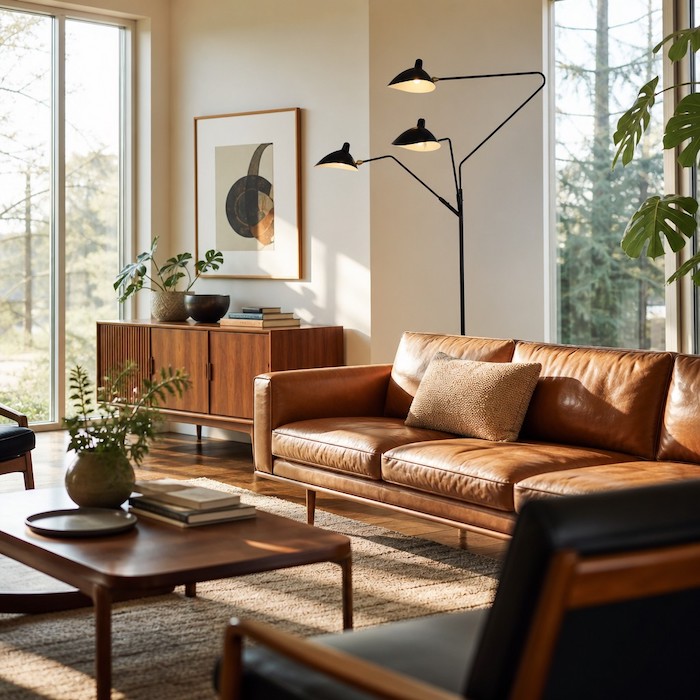
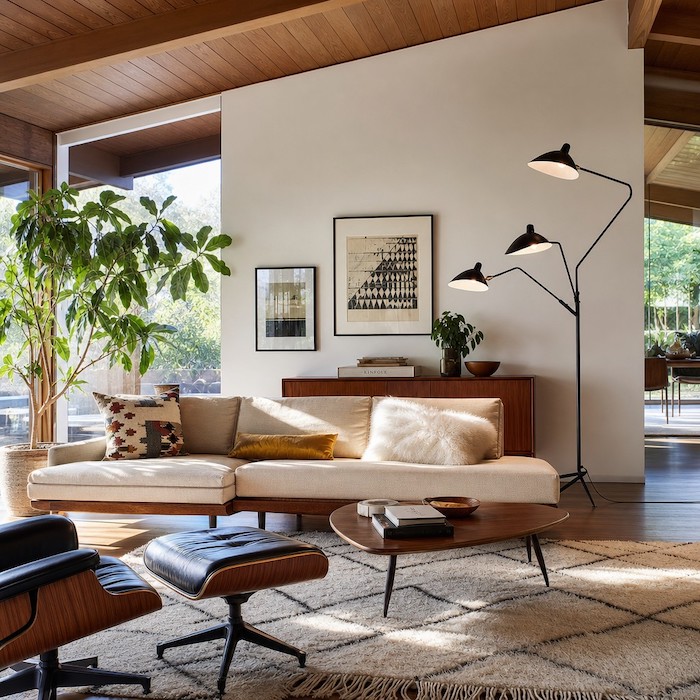
One of the most common mistakes in living room design is selecting a lamp that is either swallowed by a high ceiling or crowds a low-profile sofa. Mid-century furniture sits notoriously low to the ground, which opens up vast amounts of vertical space. Your statement light should bridge this gap, drawing the eye upward and creating a sense of grand scale. A multi-arm floor lamp with sweeping, elongated rods is exceptionally brilliant at this task, as it populates the upper third of the room without requiring heavy ceiling installation.
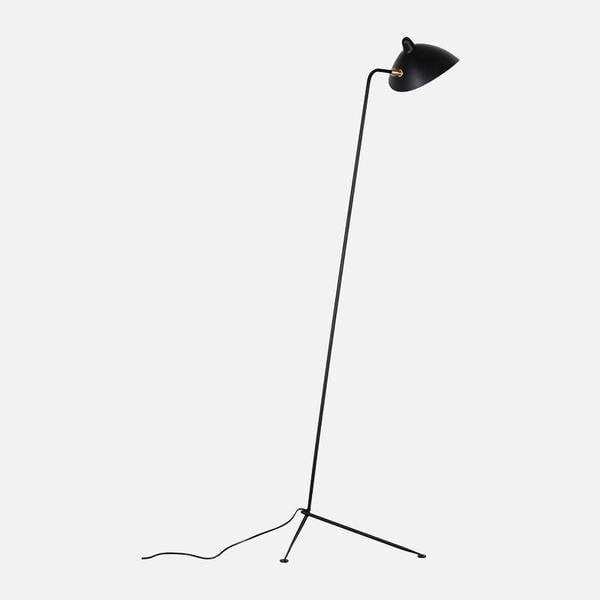
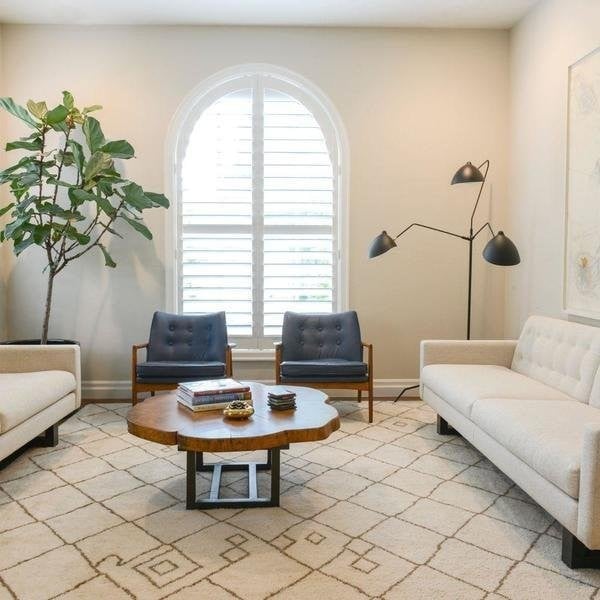
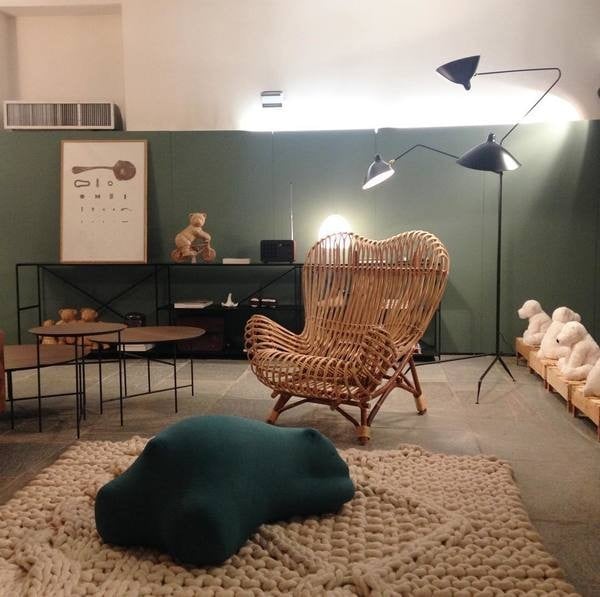
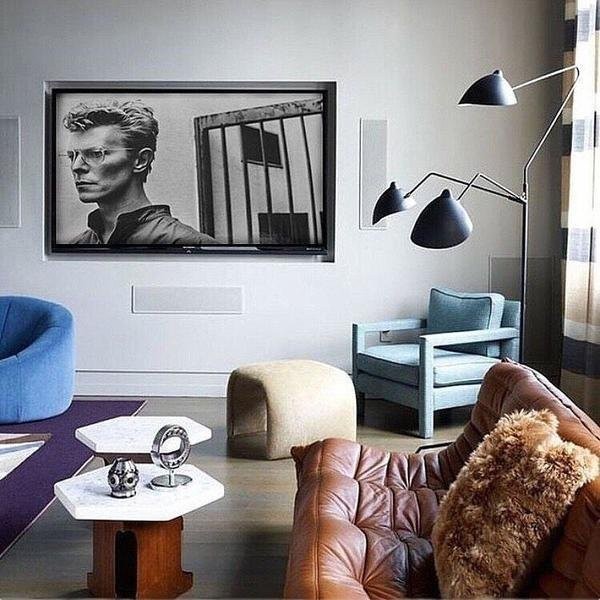
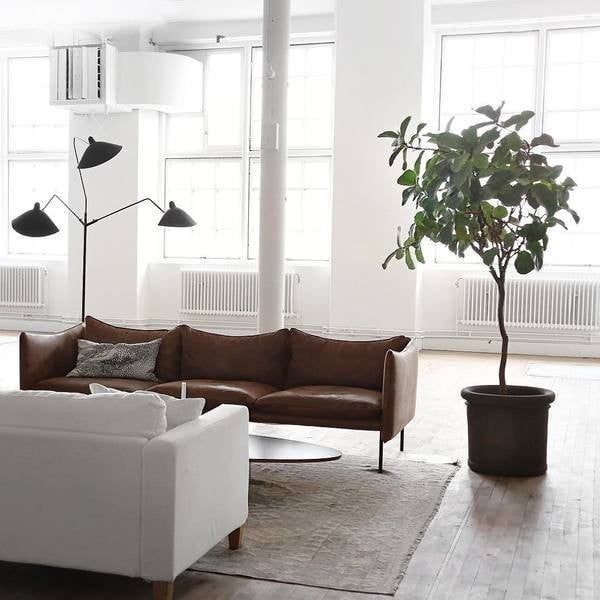
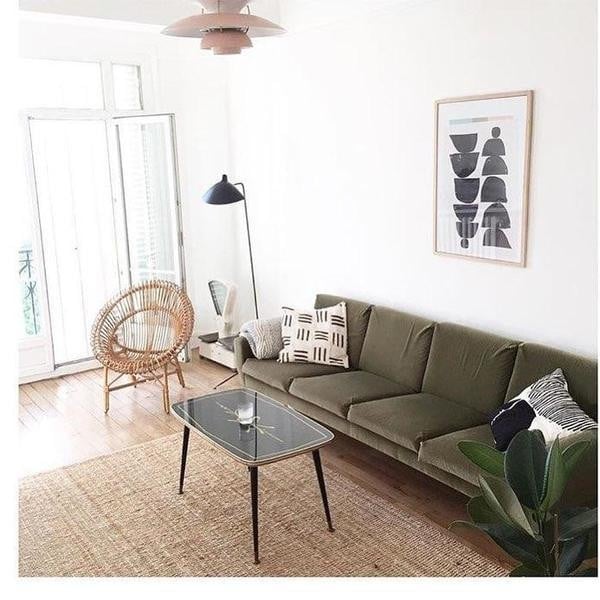
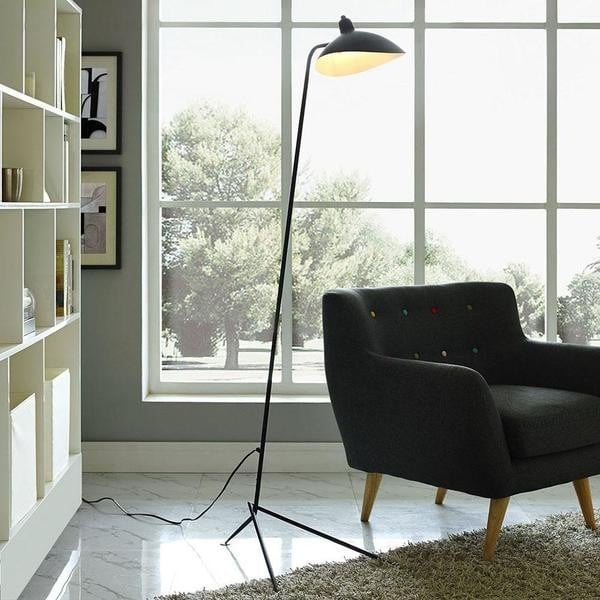
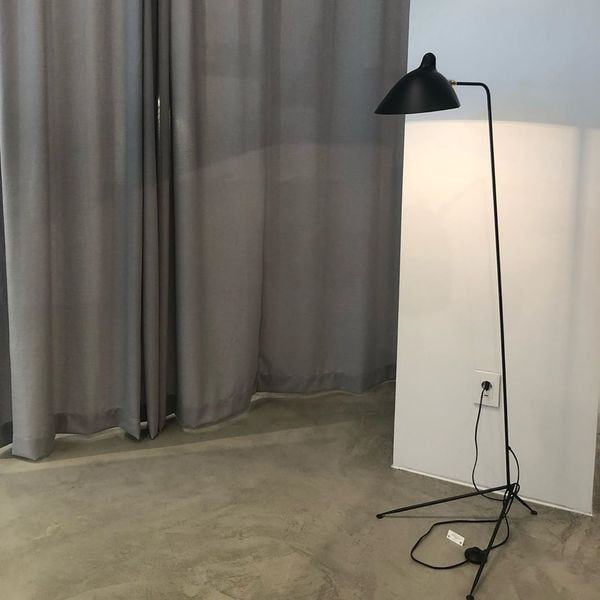
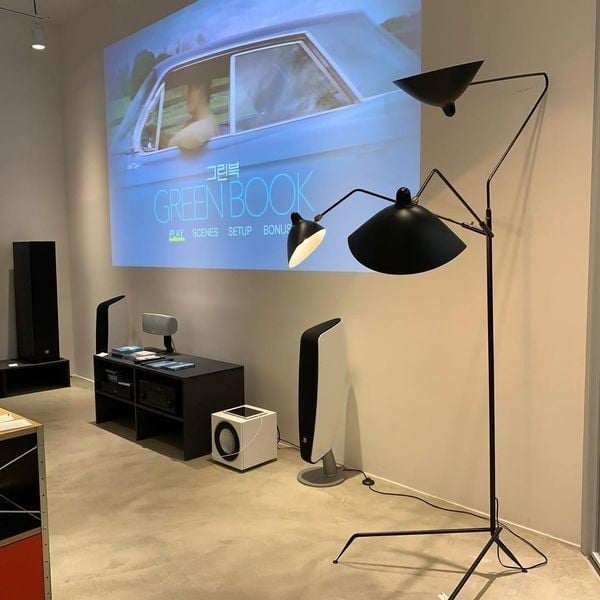
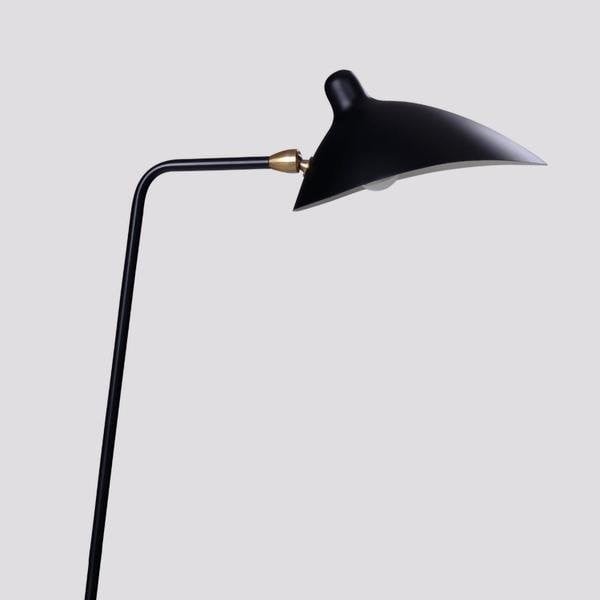
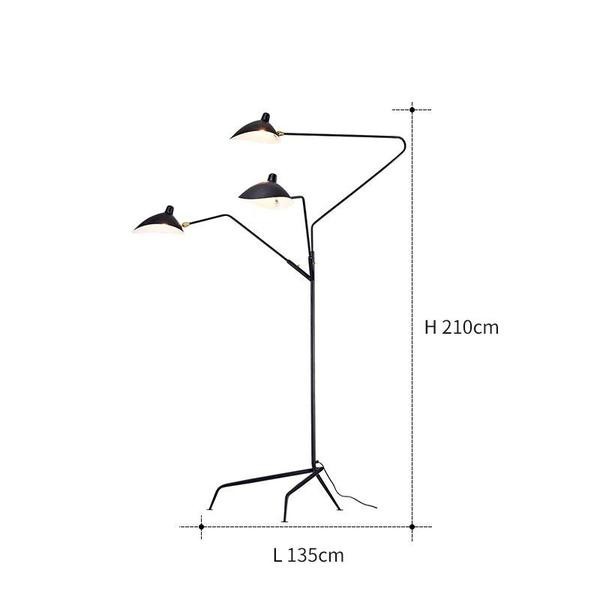
Consider how the physical weight of the lamp interacts with your floor plan. If your living room features a dense, heavy fabric sectional, a light fixture with an incredibly delicate, thin metal silhouette provides the necessary counterweight. The iconic Gauri Serge Miller Stehleuchte perfectly demonstrates this balance. Its ultra-slender black iron legs and gracefully curved arms extend dramatically into space, offering an expansive visual reach while occupying minimal physical floor area.
Materials and Finishes: The Power of Matte Black and Brass
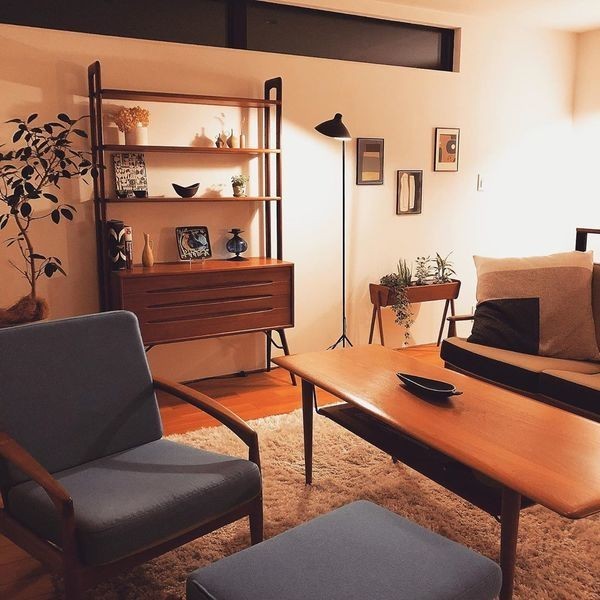
The color palette of mid-century modern design heavily favors rich, warm natural woods like teak, walnut, and rosewood. To elevate these earth tones, designers rely on metals to introduce contrast and sophistication. While polished chrome can sometimes feel overly clinical and brass adds a luxurious warmth, matte black metal acts as a crisp graphic line that defines the boundaries of a space.
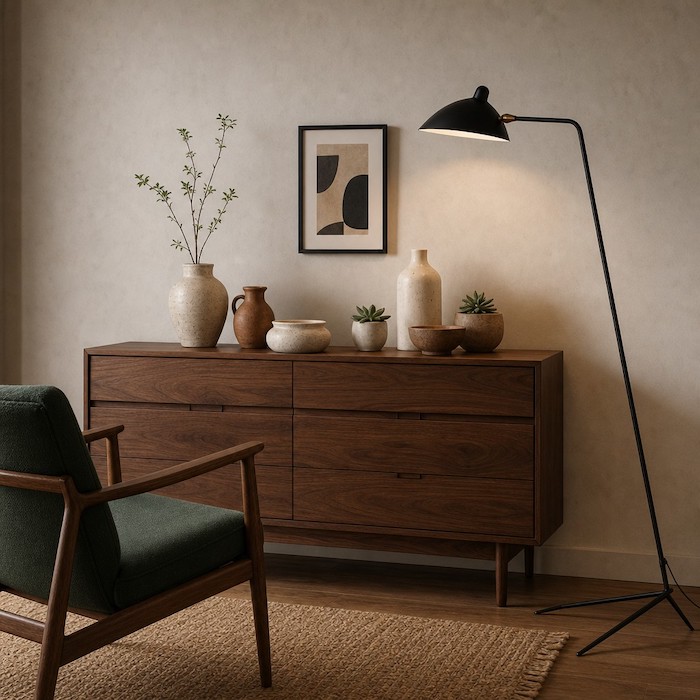
Why do interior design experts consistently recommend matte black finishes for mid-century living spaces? Matte black metal frames absorb ambient light rather than reflecting it, creating a sharp, structural silhouette that beautifully punctuates warm wood grains and neutral upholstery. This finish acts as an anchor, grounding the playful pops of mustard yellow, burnt orange, or avocado green frequently found in retro decor textiles.
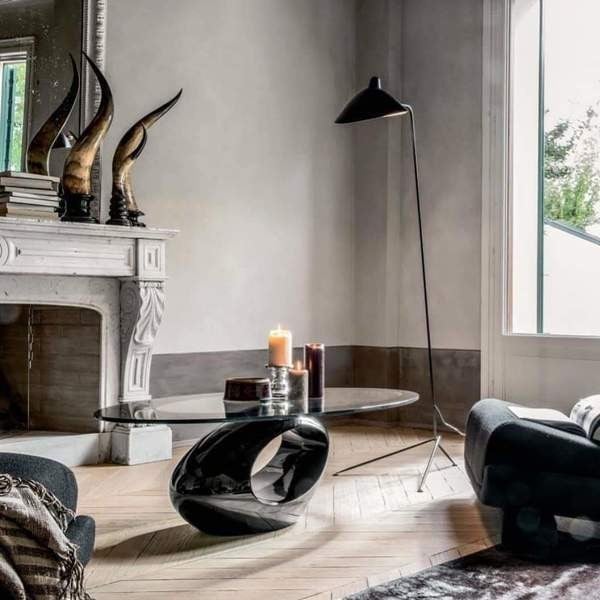
Investing in a piece like the Gauri Serge Miller Stehleuchte allows you to bring this specific graphic contrast into your home. This makes it the perfect solution for How to Decorate an Empty Living Room Corner with Sculptural Lighting, transforming a previously neglected space into a focal point of artistic design. The matte black finish of its rotating shades and iron chassis ensures that the lamp remains timeless, adapting effortlessly even if you choose to repaint your walls or completely change your living room furniture configuration down the line.
Strategic Placement for Atmospheric Impact
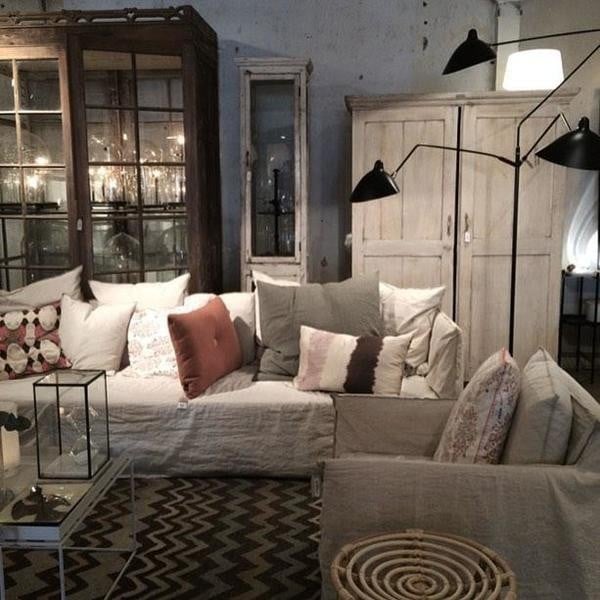
Where should you position a multi-arm architectural floor lamp for the best layout results? Interior designers suggest placing it in a primary conversational grouping, ideally tucked slightly behind an accent armchair or at the terminal end of an L-shaped sofa, allowing the extended arms to project overhead into active seating zones. This placement maximizes both functional reading illumination and the lamp's sculptural presence without interrupting foot traffic patterns.
By utilizing the independent rotation of a multi-shade fixture, you can practice the art of light layering. Direct one shade upward toward the ceiling to create soft, bounced ambient light that eliminates harsh shadows across the room. Point a second shade downward toward your favorite reading chair for dedicated task illumination. Finally, angle a third shade toward a prized piece of artwork or a structural houseplants to introduce dramatic accent lighting. This versatility ensures your living room transitions smoothly from a bright, energetic daytime workspace to a moody, intimate evening lounge.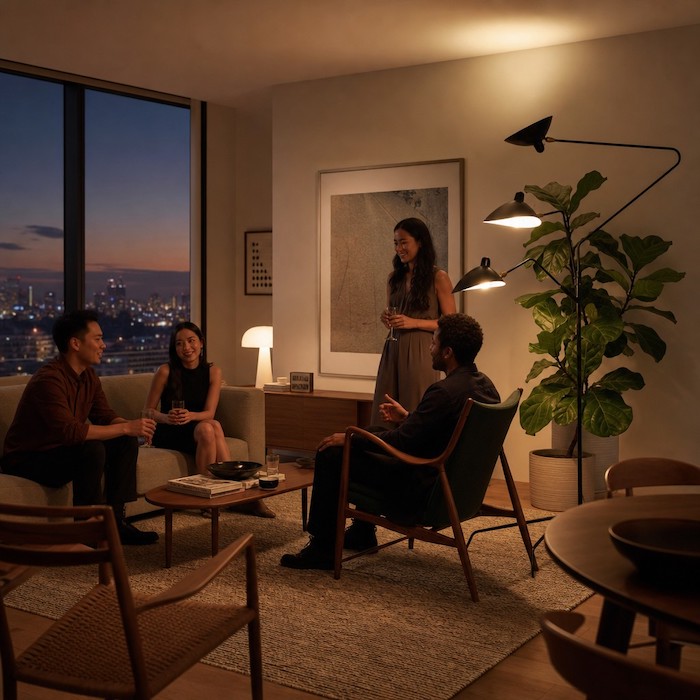
Balancing Color Temperature in Retro Aesthetics
The soul of mid-century design lies in its warmth. To preserve the rich undertones of vintage wood furniture and cozy woven rugs, color temperature selection is absolutely critical. Harsh, bluish-white light (above 4000K) will instantly flatten the carefully curated textures of your room, making a historic design aesthetic feel cold and clinical.
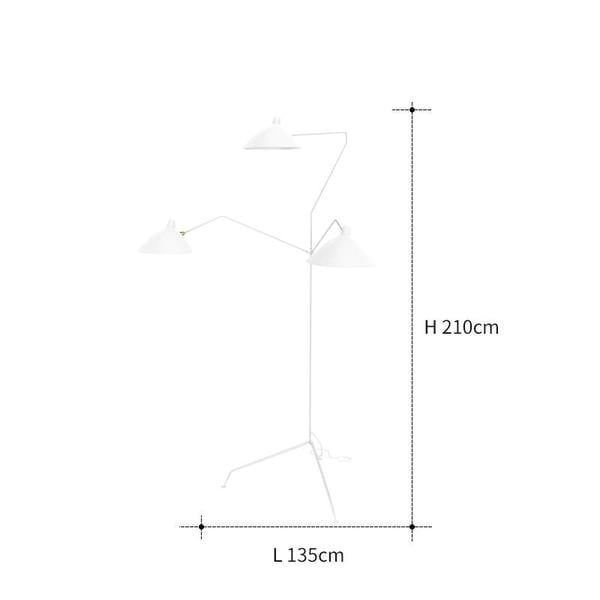
Opt instead for warm white illumination, specifically between 2700K and 3000K. This range mimics the inviting amber glow of classic incandescent bulbs while offering the efficiency of modern lighting technology. When paired with the soft, white-painted interiors of the Gauri Serge Miller Stehleuchte shades, a warm color temperature creates an incredibly soft, glare-free ambiance that enhances the overall comfort and relaxation of your living space.
Frequently Asked Questions
Can I mix brass and black metal in one room?
Yes, blending matte black with warm brass creates a rich, balanced contrast.
What bulb color temperature works best for mid-century living rooms?
Soft warm white bulbs between 2700K and 3000K enhance vintage wood tones beautifully.
Is the Gauri Serge Miller Stehleuchte suitable for small spaces?
Absolutely, its slender frame maximizes vertical space without cluttering the floor layout.
Where is the best spot to place a sculptural floor lamp?
Position it next to an accent armchair or bridging an empty corner space.