
Low Ceilings, High Style: How a 3-Tier Floating Design Saves Tight Spaces from Looking Cramped
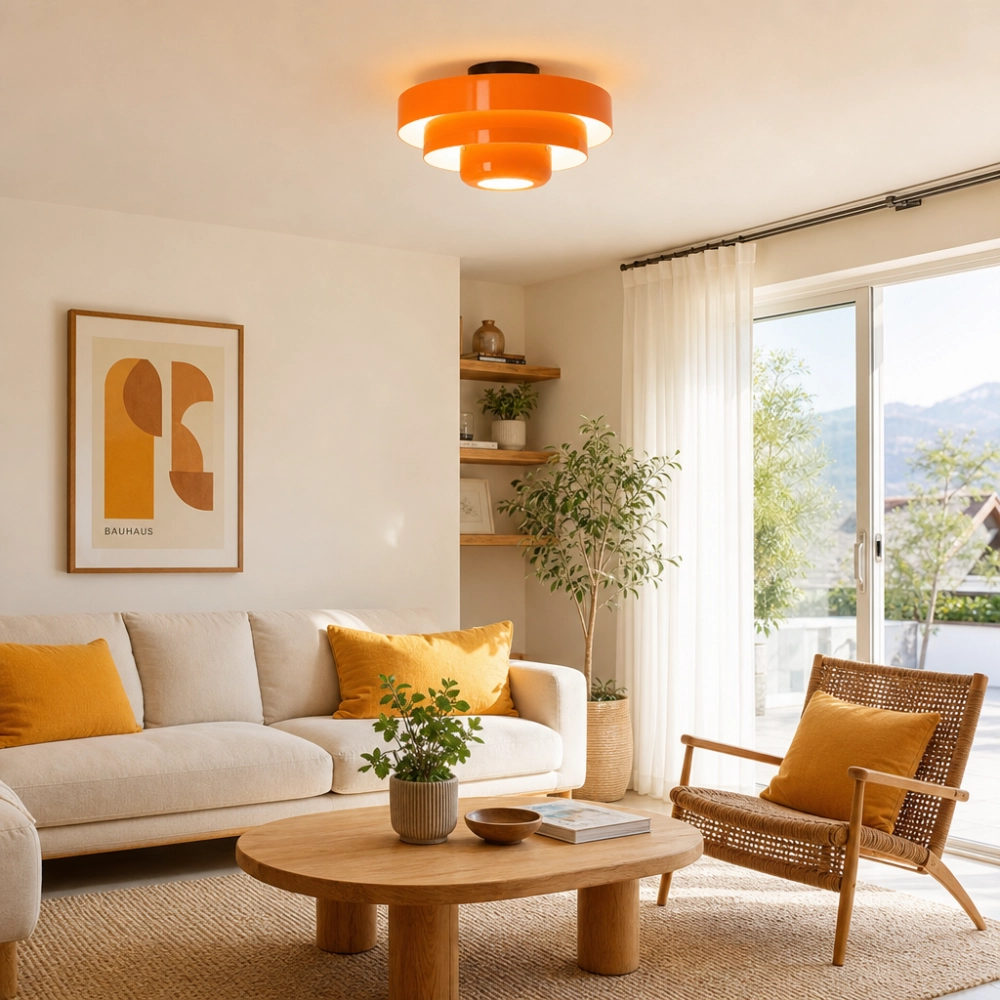
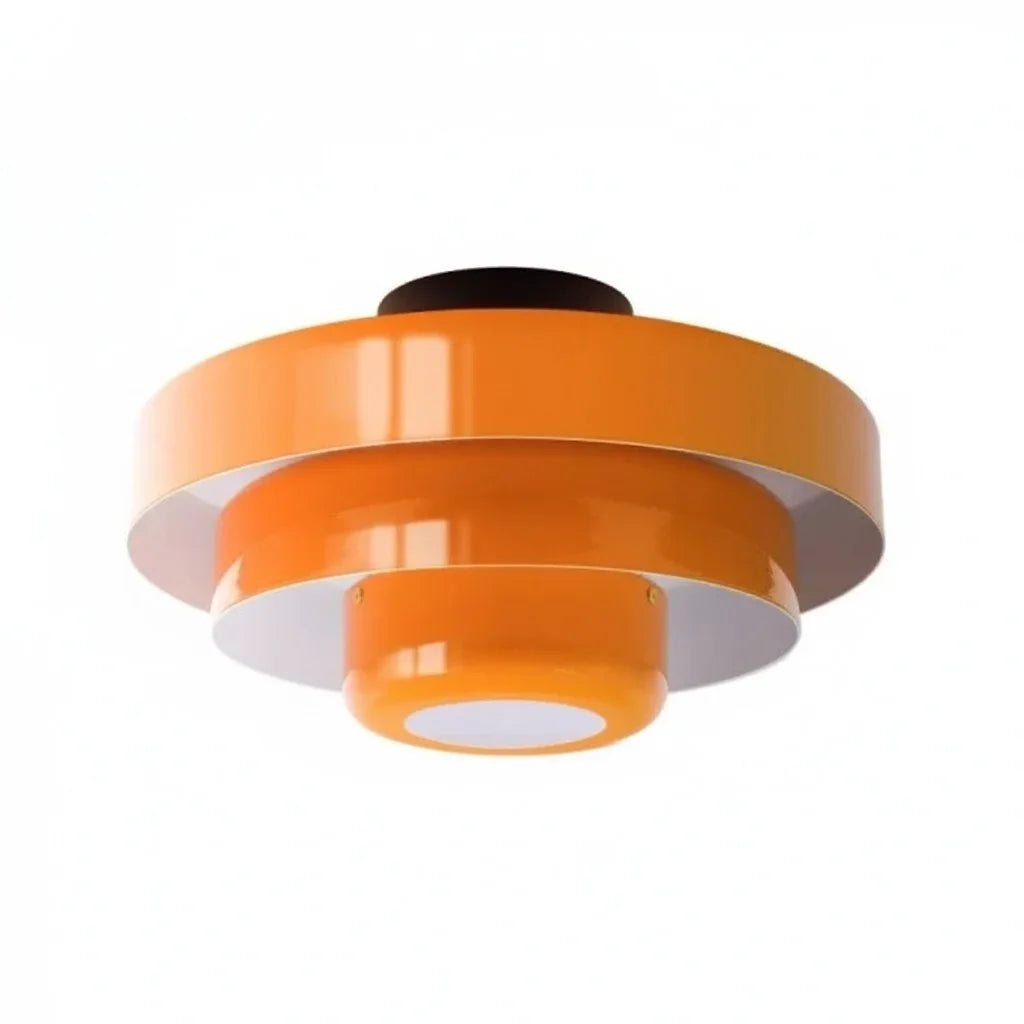
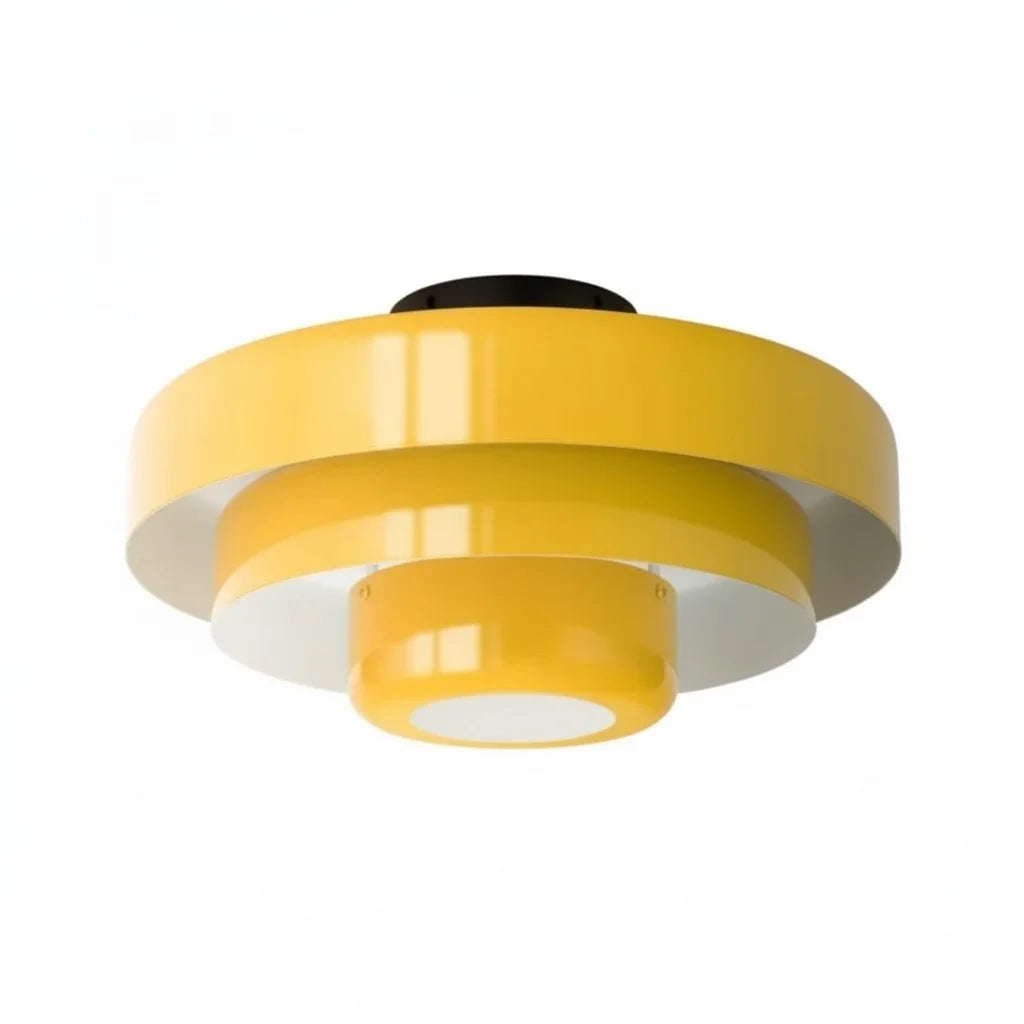
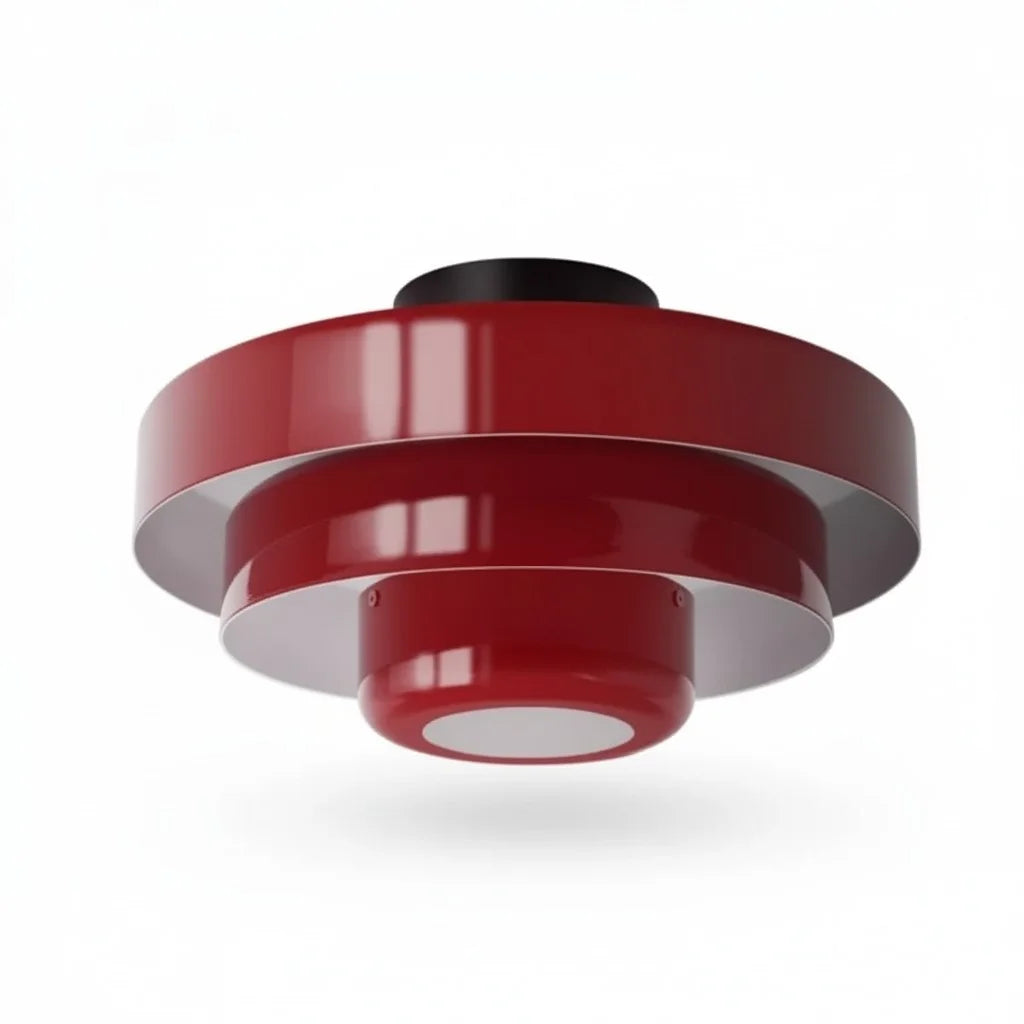
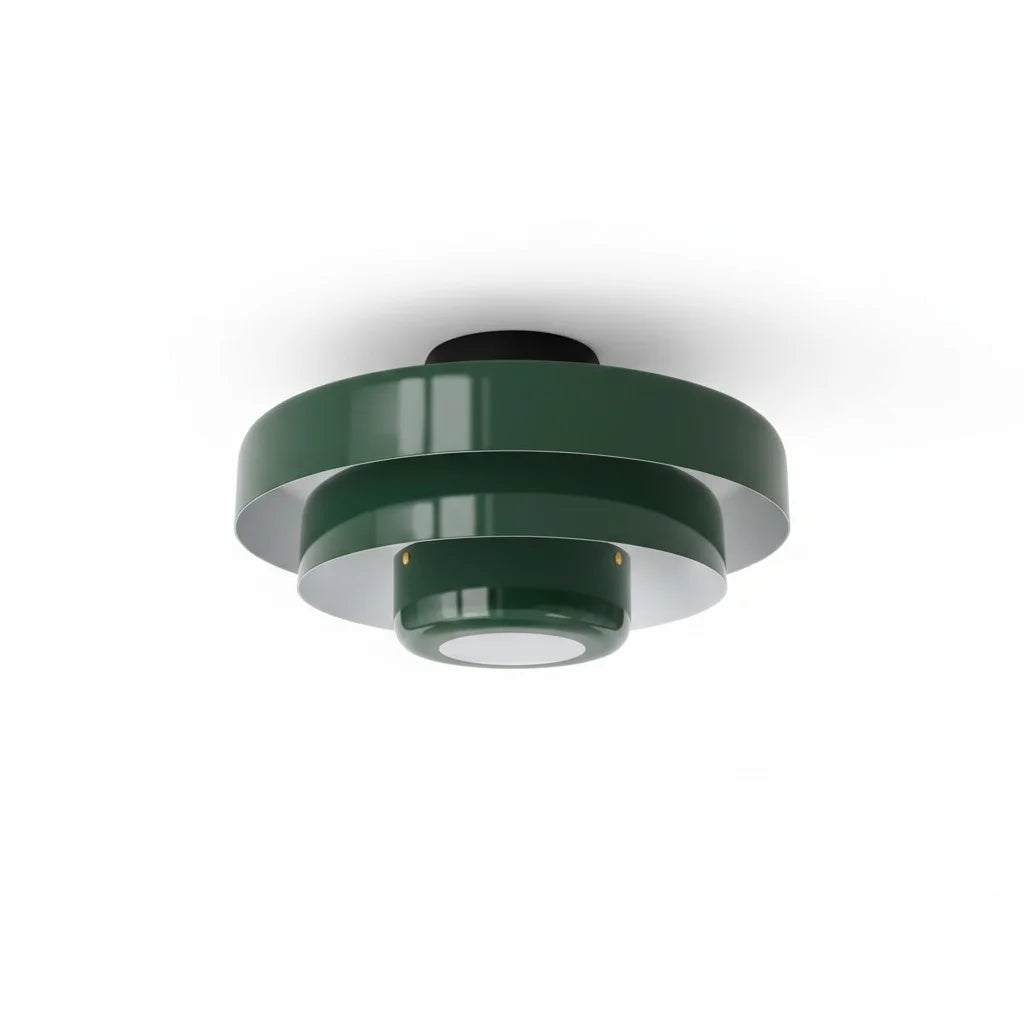
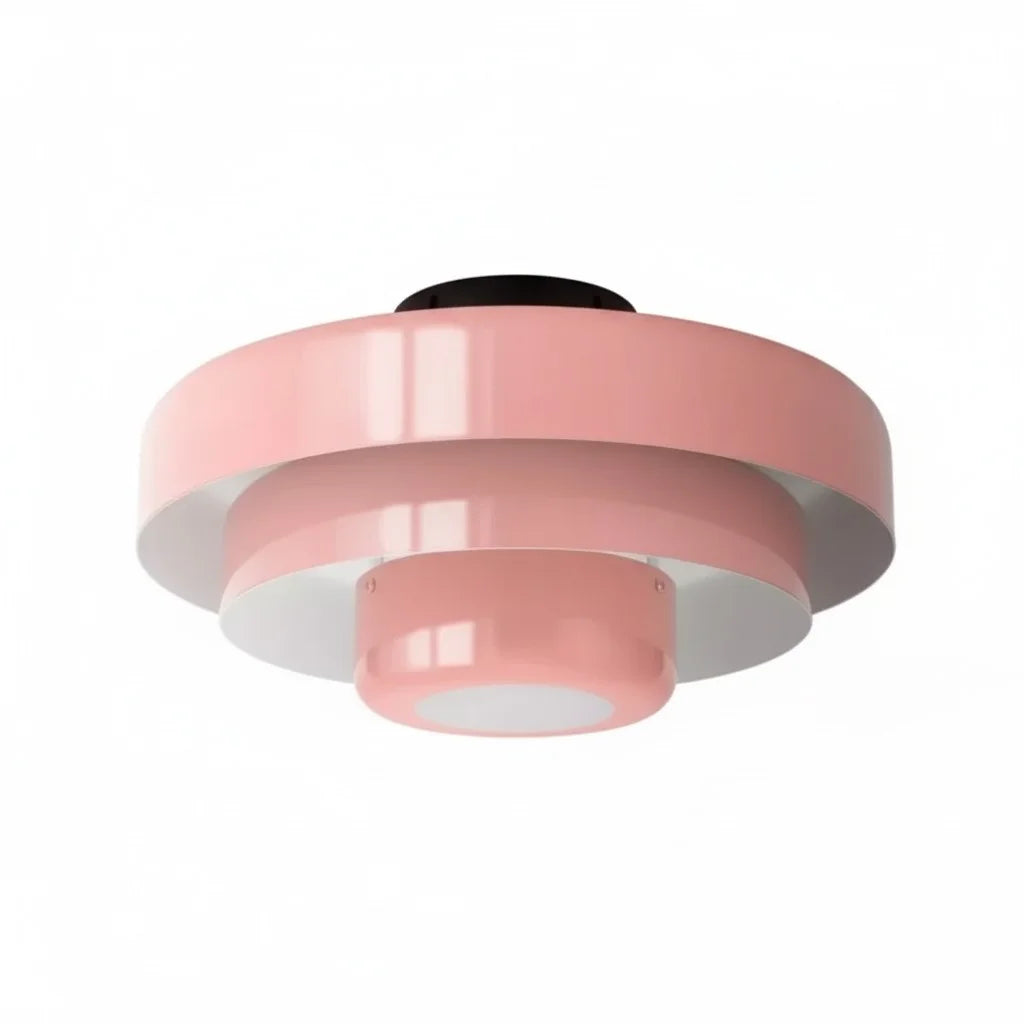
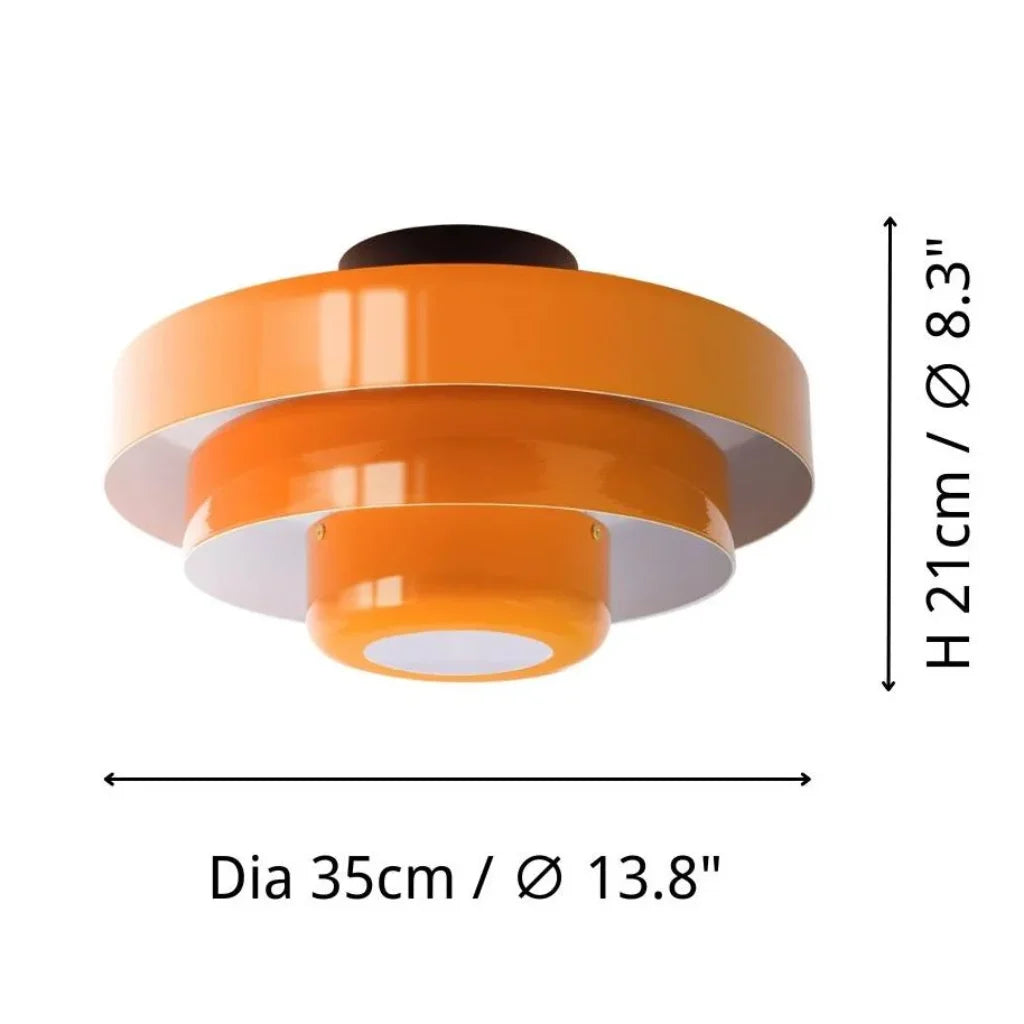
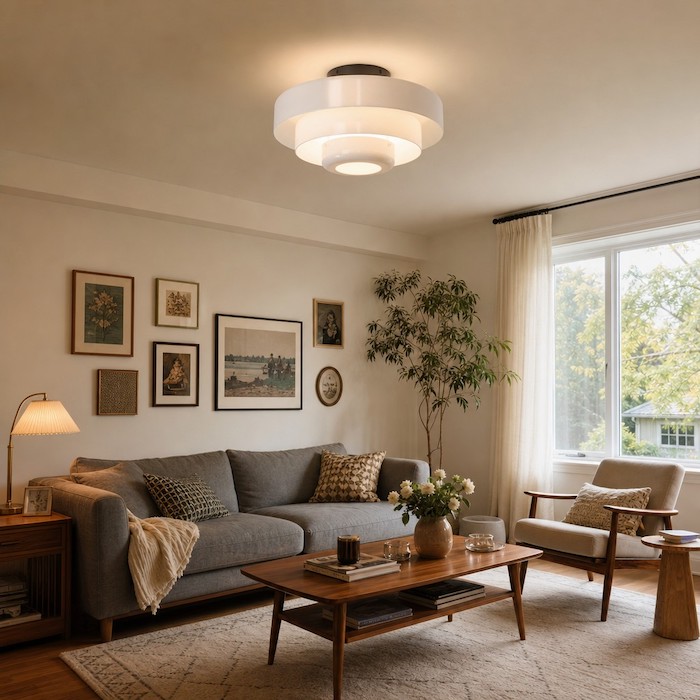
Living in a home with low ceilings often feels like a constant battle against gravity. You want the elegance of a statement piece, but most "fancy" lights hang too low, threatening to bump heads or, worse, make the room feel like a claustrophobic box. This is where the Kael Bauhaus Three-Tier Round Macaron Ceiling Light changes the game. By utilizing a "floating" design philosophy, it bridges the gap between functional flush mounts and high-end architectural art.
What is a Floating Multi-Tier Design in Lighting?
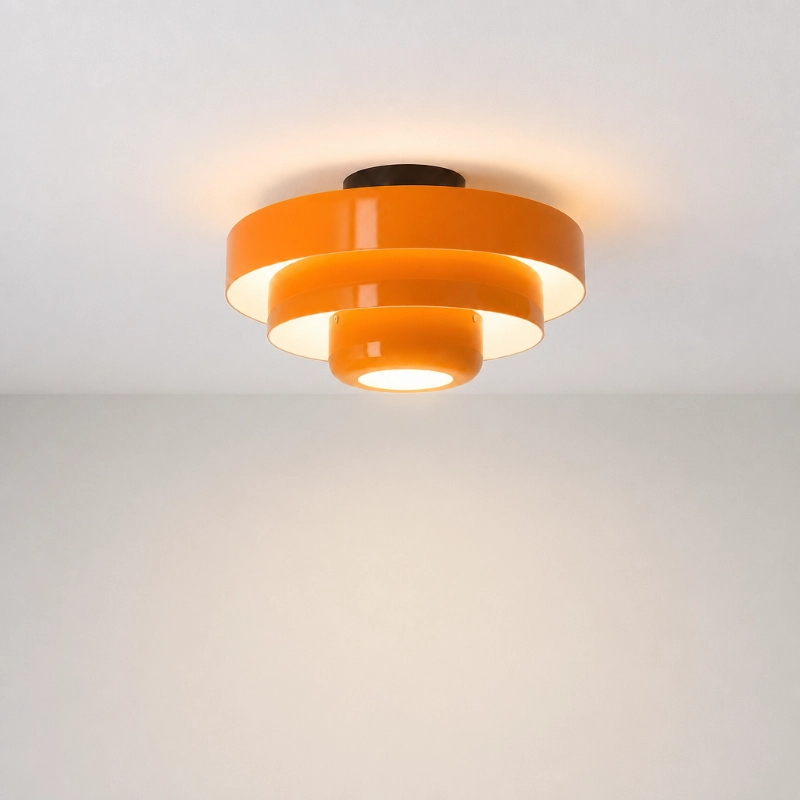
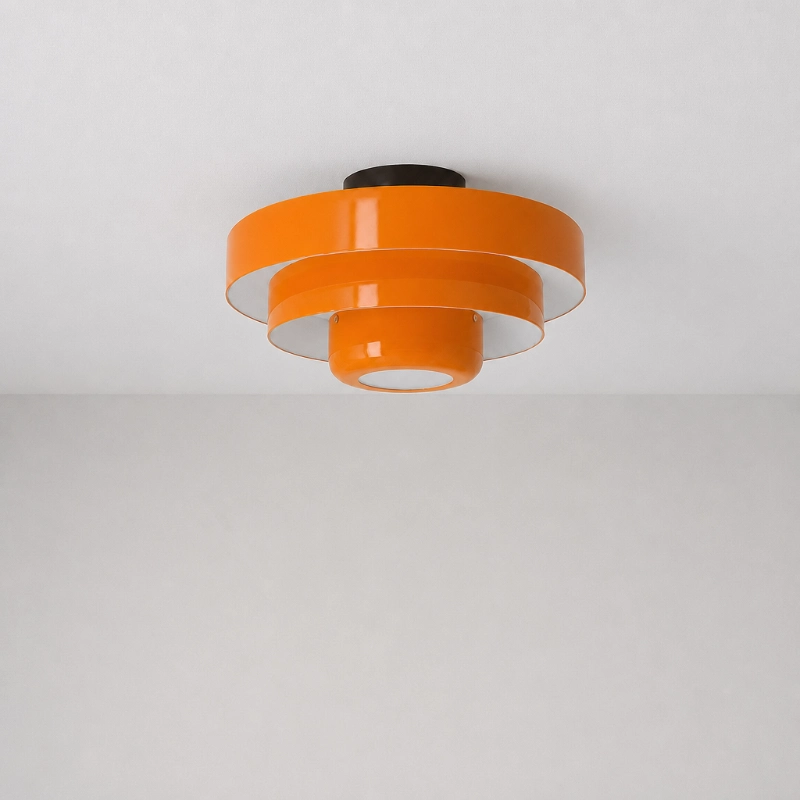
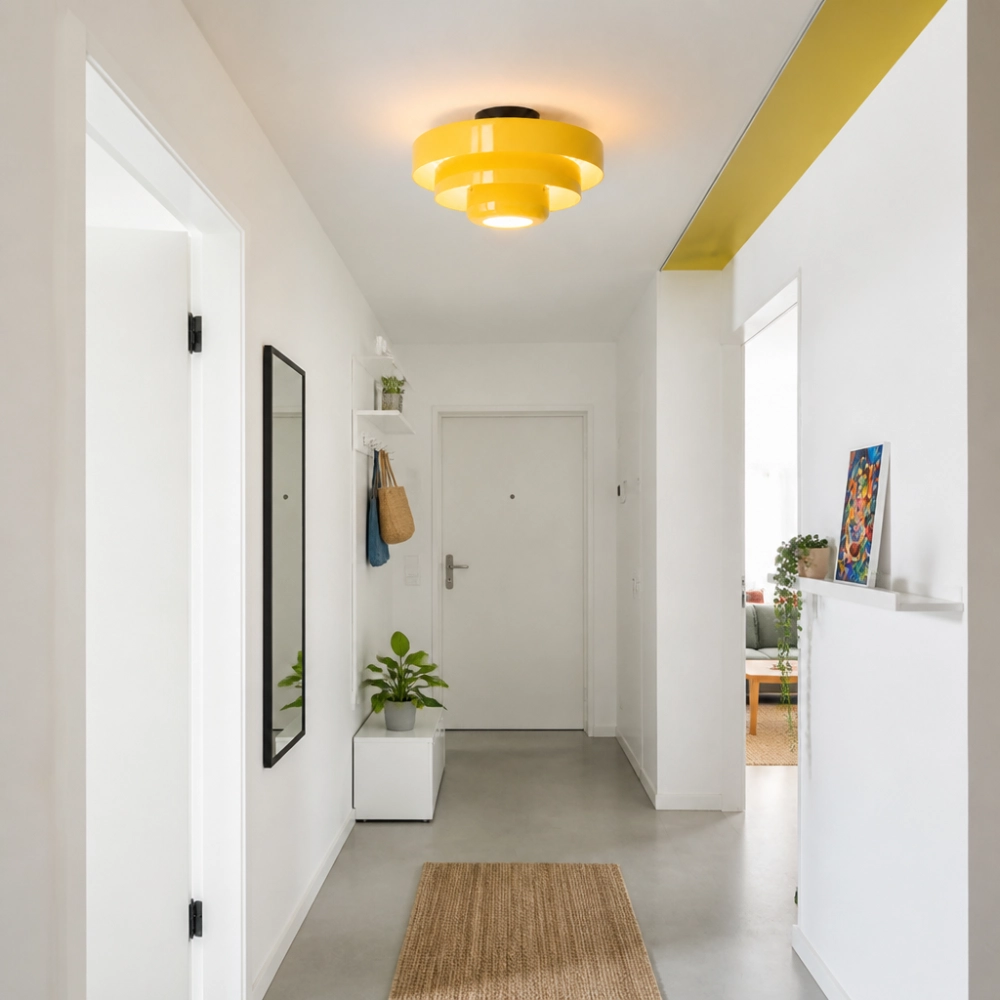
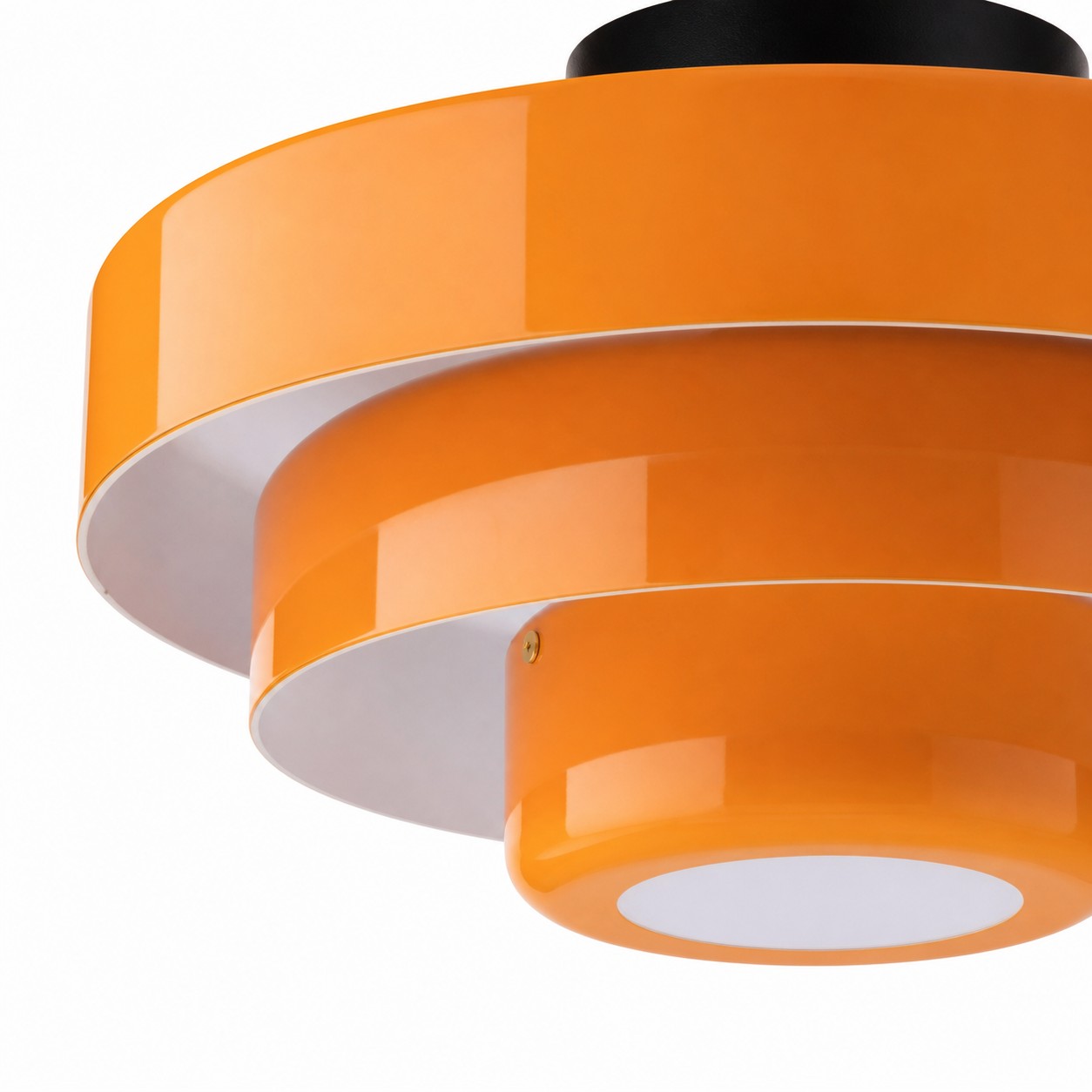
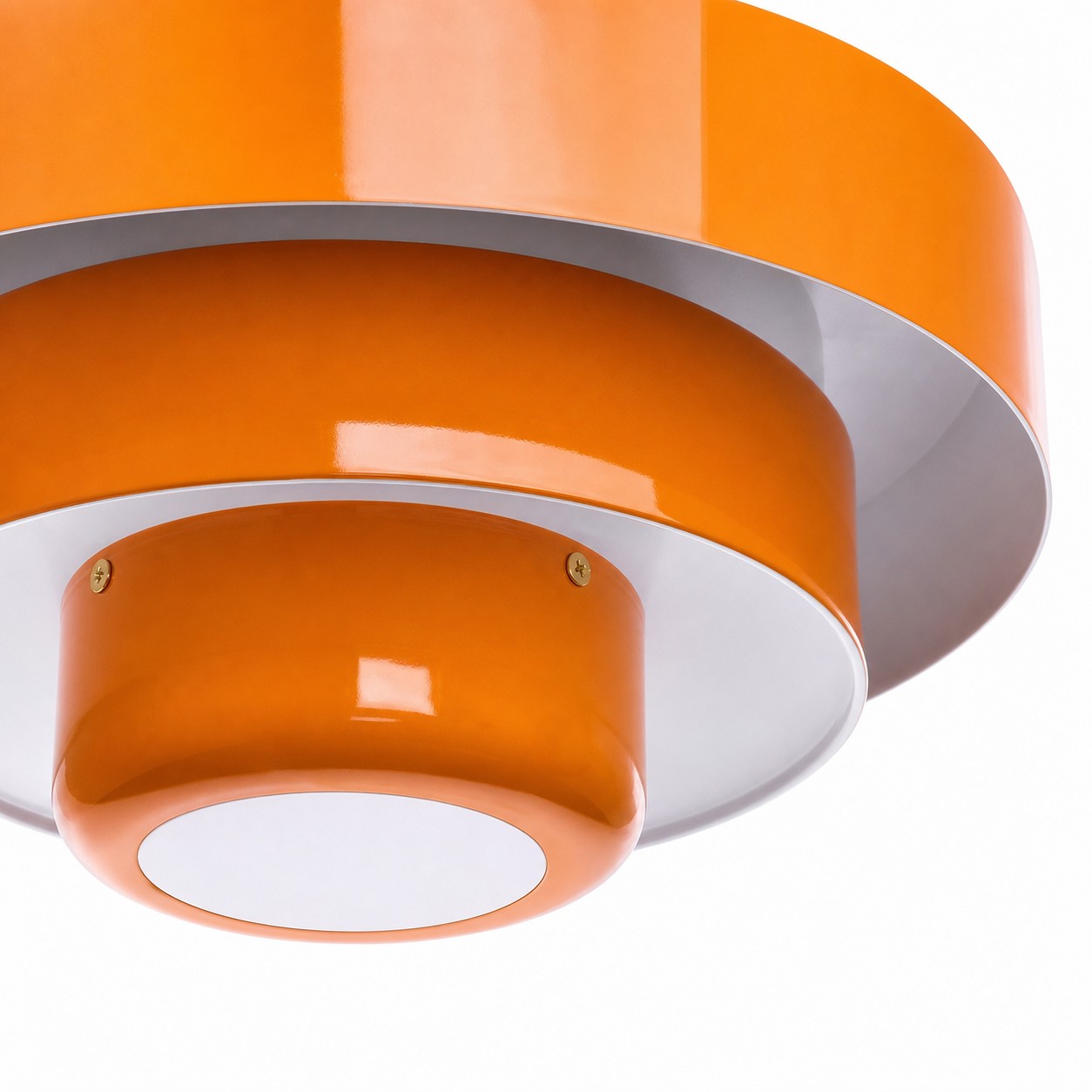
A floating multi-tier design refers to a lighting fixture where multiple circular or geometric layers are stacked vertically with visible space between them. This gap allows light to bleed out horizontally between the layers, reducing harsh shadows on the ceiling. For homeowners, this architectural trick creates a "halo effect" that makes the ceiling appear higher than it actually is by drawing the eye outward rather than just downward.
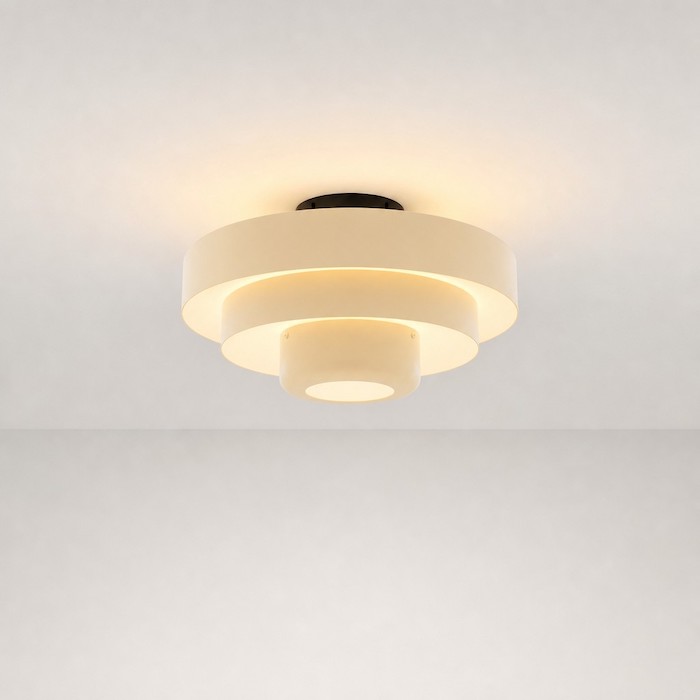
The standard solution for low ceilings is usually a boring, flat "boob light" that vanishes into the white paint. While these save space, they offer zero personality. The Kael Bauhaus ceiling light rejects this compromise. Its three-tier structure adds depth without the dangerous "drop" of a chandelier. It’s an intentional choice for the modern American home where square footage is precious but style is mandatory. For spaces that demand a clean, architectural alternative to popular design trends like How to Design a Cozy Reading Nook with Colorful Glass Lighting, this low-profile Bauhaus piece proves that a neutral, tiered layout can bring just as much character and visual interest to a compact room.
The Psychology of Layered Light: Why Three Tiers Work
In interior design, flat surfaces tend to recede, while layered surfaces create interest. When you install a multi-layered fixture like the Kael, you are introducing "visual weight" that is distributed horizontally. Because the three tiers of this Macaron-inspired light are varying sizes, they create a rhythmic transition from the ceiling down into the room. This graduation prevents the sudden "stop" that single-layer lights cause.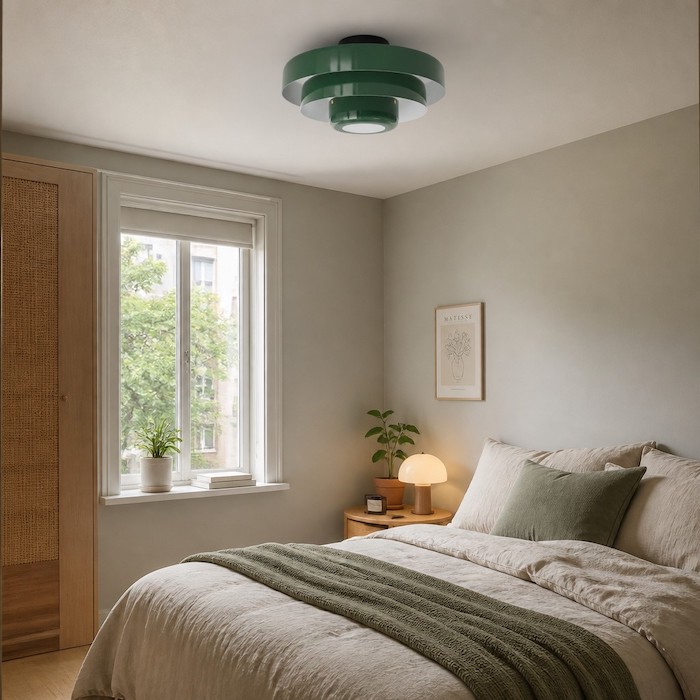
Question: Can a large ceiling light actually make a small room look bigger?
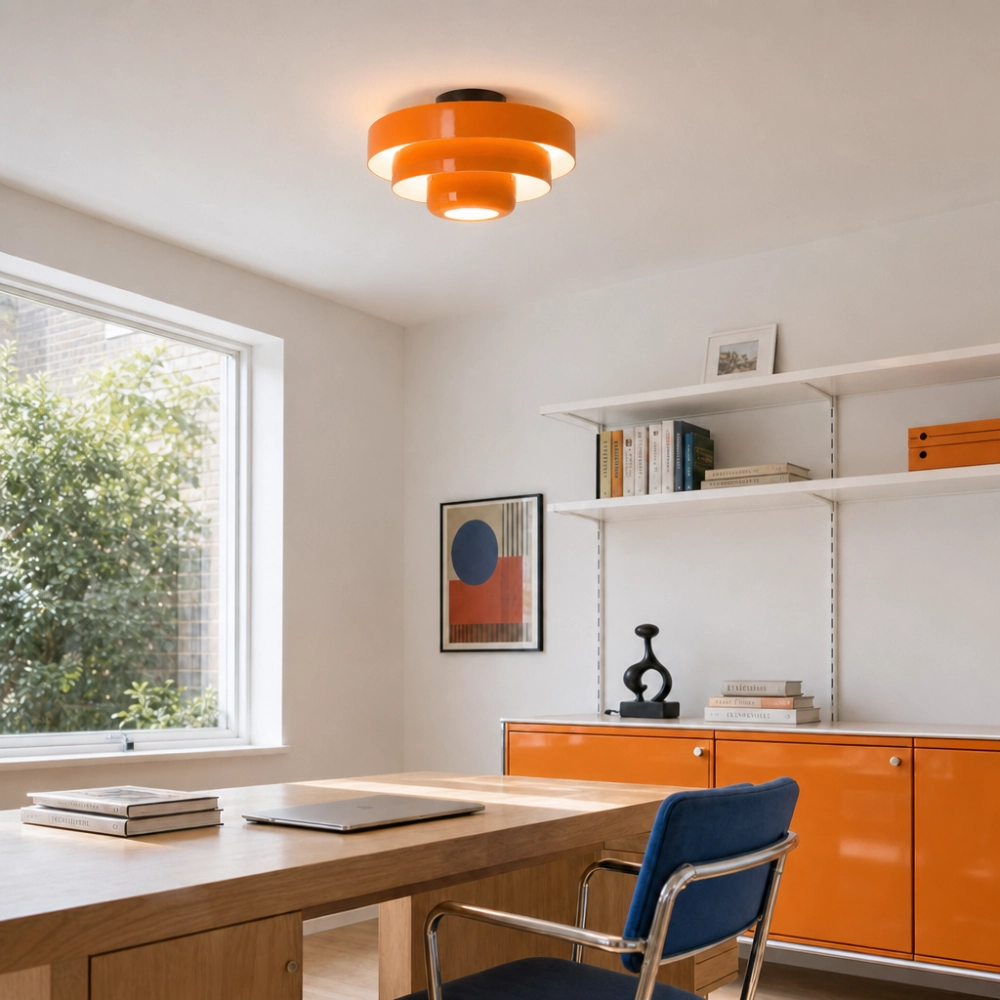
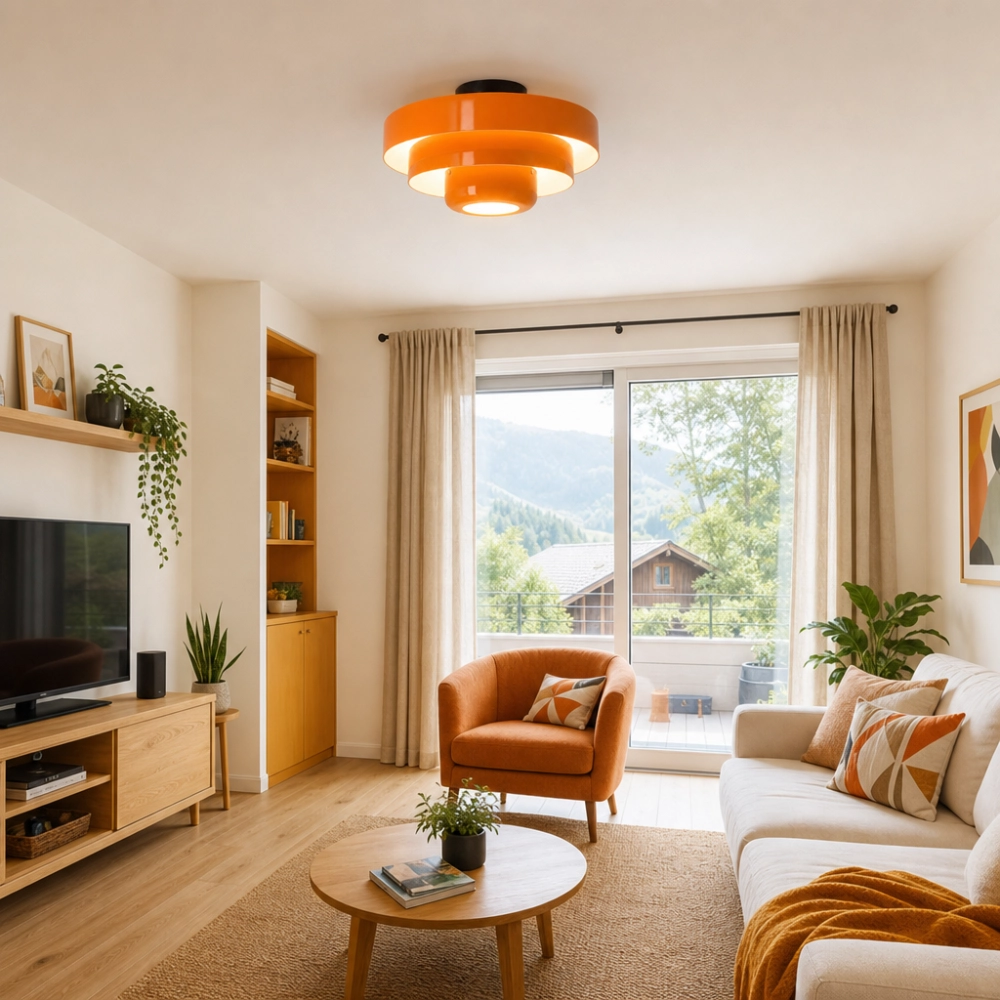
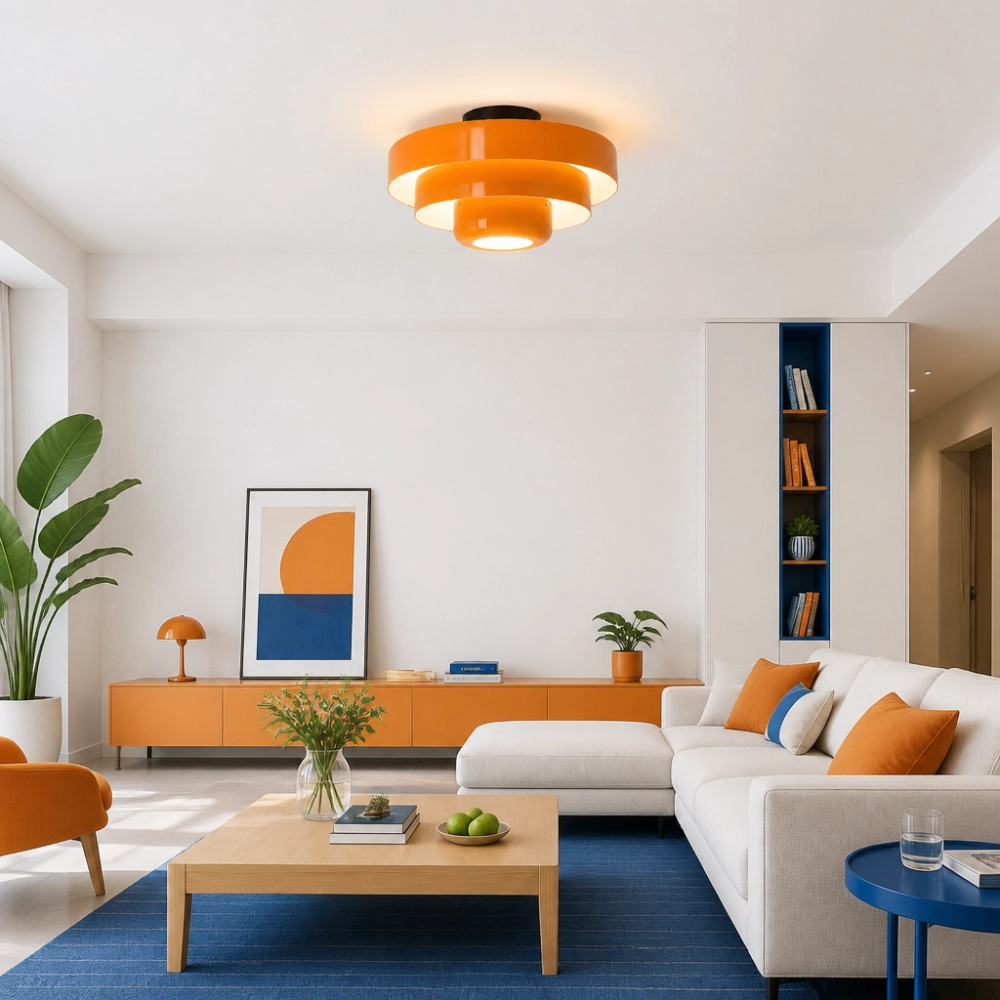
Yes. When a light fixture has a wide, tiered diameter like the Kael Bauhaus series, it forces the viewer's gaze to move across the ceiling’s plane. This horizontal movement tricks the brain into perceiving more width and volume in the room. Instead of focusing on the limited height, the eye follows the soft curves of the Macaron layers, effectively "expanding" the boundaries of the space.
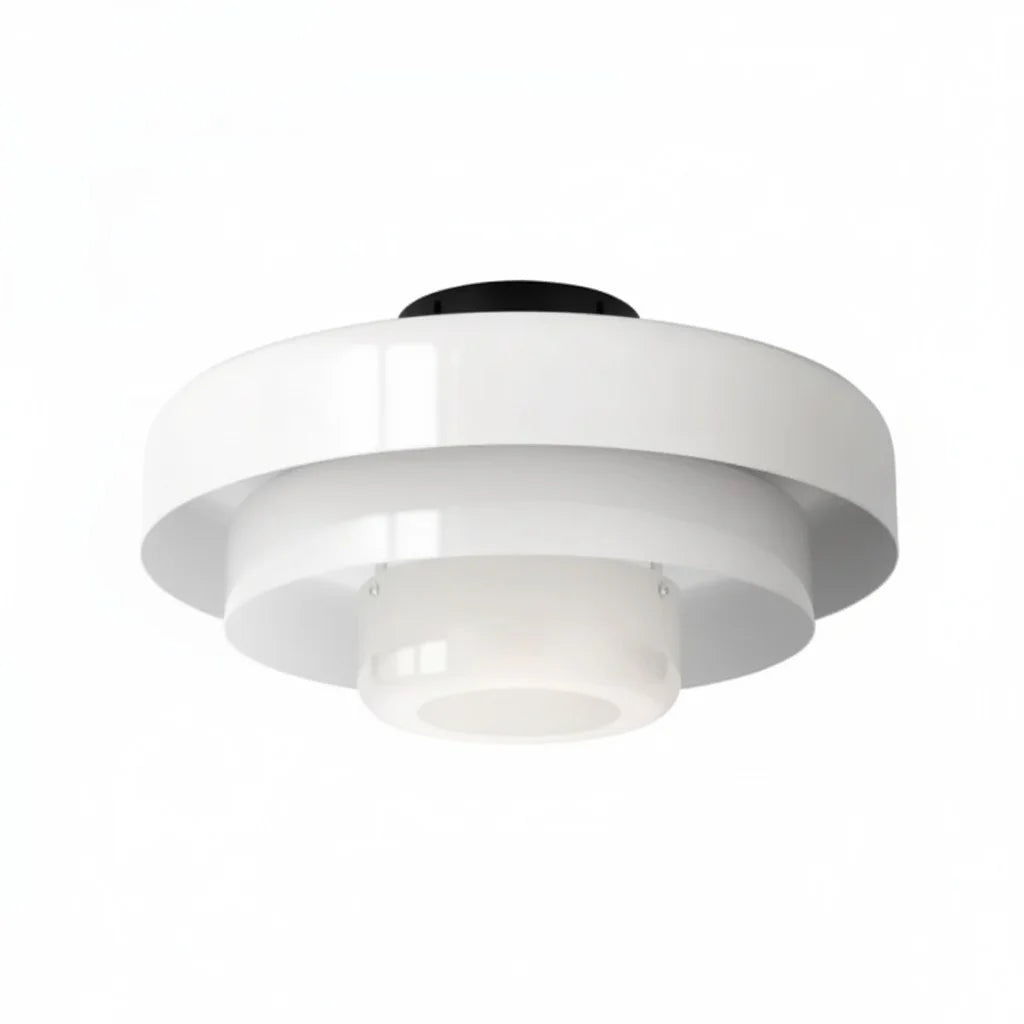
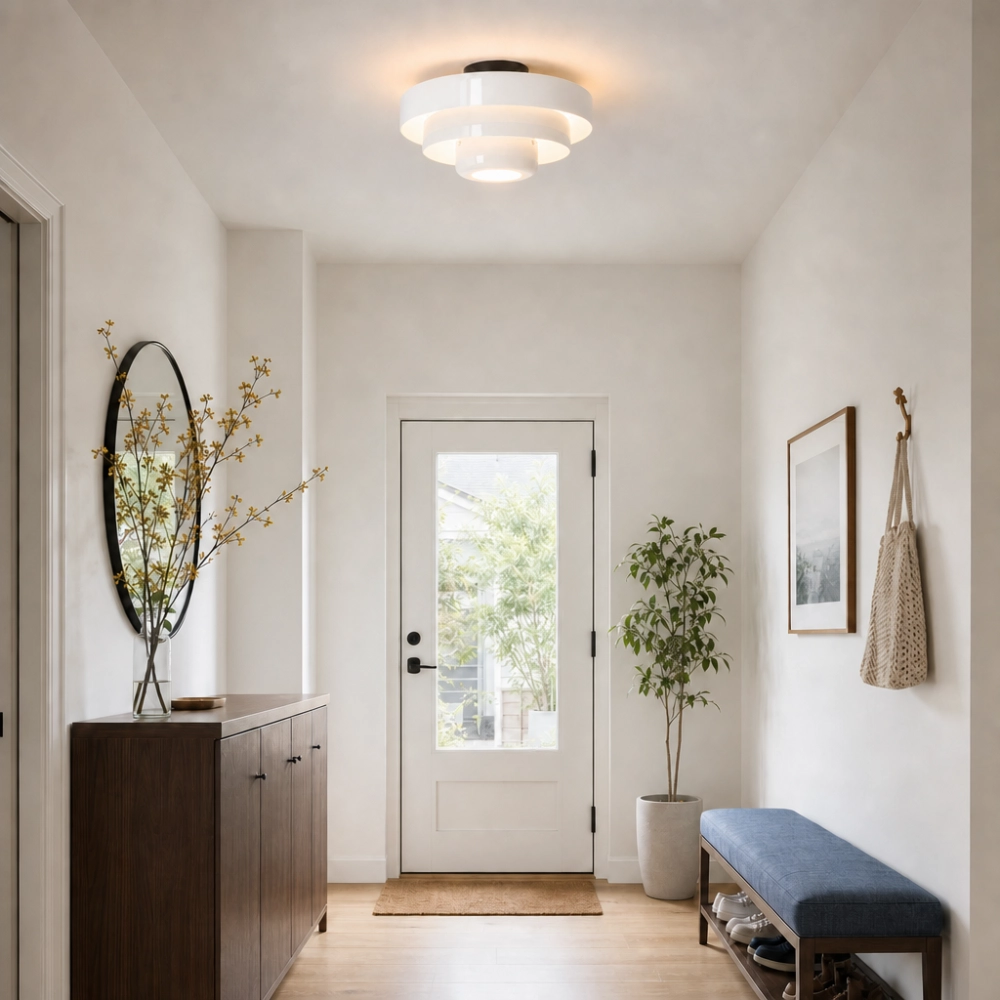
Furthermore, the soft pastel tones—or the crisp white options—allow you to customize how much the light stands out. In a tight hallway or a compact bedroom, a white Kael Bauhaus Three-Tier Light blends seamlessly with the architecture while providing the necessary shadows to define the space. It’s about creating a "New Nordic" atmosphere where every object serves a structural purpose, serving as perfect Lighting Inspiration for Small Spaces: How to Create Visual Impact?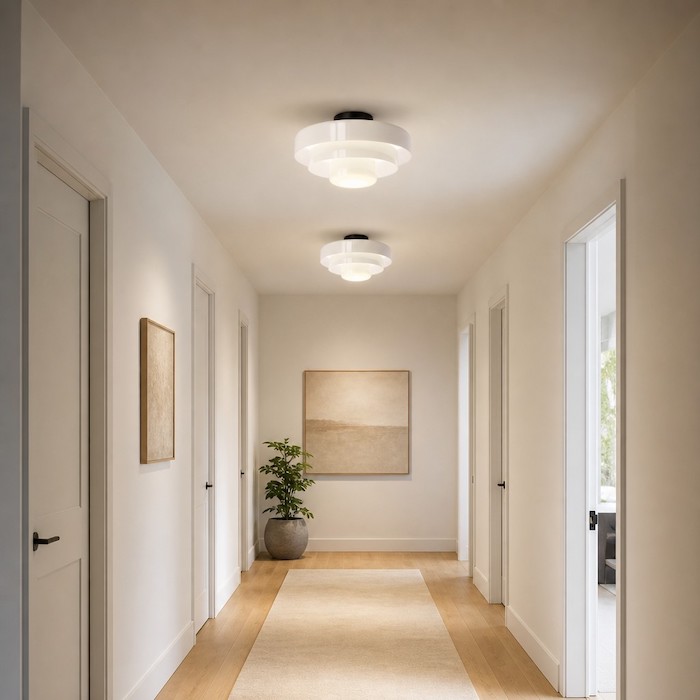
Breaking the "Flush Mount" Stigma
For years, flush mounts were considered the "cheap" option—the lights developers threw in because they were easy. The Kael Bauhaus light flips this narrative by incorporating the Bauhaus school's principles: form follows function, but form must be beautiful. The three-tier round design isn't just for show; it’s a heat-dissipation strategy and a light-diffusion method all in one.
By choosing the Kael Bauhaus Macaron ceiling light, you are opting for a fixture that feels built-in rather than tacked-on. It complements American Farmhouse styles by adding a touch of modern geometry to rustic textures, and it anchors Modern American interiors with its clean, concentric circles.
Definition: What is Macaron-style lighting in interior design?
Macaron-style lighting refers to fixtures inspired by the soft, rounded, and colorful aesthetics of French macaron pastries. In the context of the Kael Bauhaus light, this means smooth matte finishes, gentle curves, and a palette of "flavorful" colors like mint, pink, or cream. This style is used to soften high-contrast rooms and bring a sense of playful sophistication to functional areas like kitchens or kids' rooms.
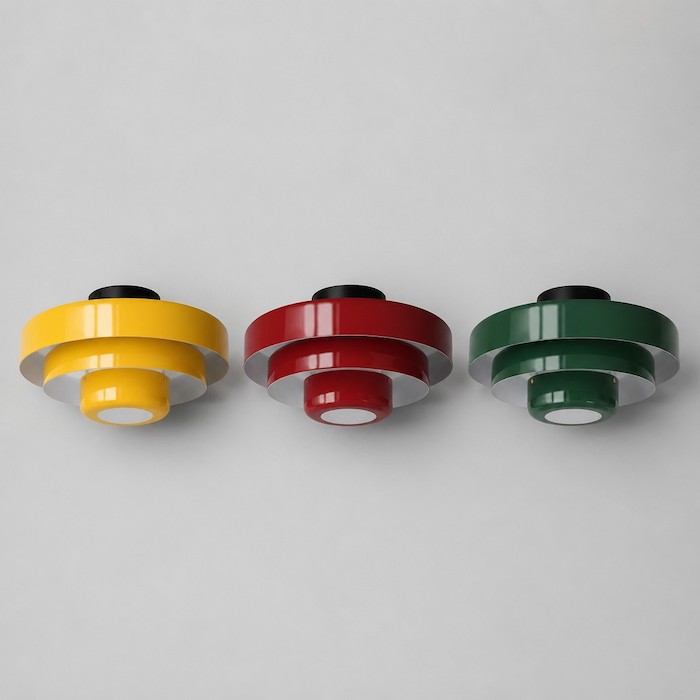
When you have 1000-plus words to talk about lighting, you eventually have to talk about the "soul" of the home. Lighting isn't just about lumens; it’s about how you feel when you walk through the door. A cramped room with poor lighting feels like a chore to live in. A cramped room with the Kael light feels like a curated gallery. The light spills over the edges of the three tiers, washing the ceiling in a soft glow that eliminates those dark, "dusty" corners that make small rooms feel smaller.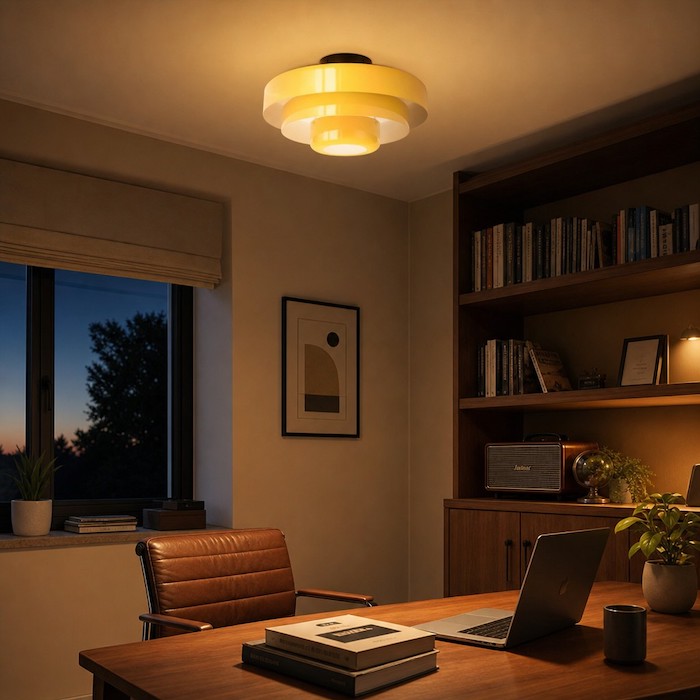
Frequently Asked Questions
Does this light work for 8-foot ceilings?
Absolutely, the low-profile 3-tier design provides architectural depth without losing headspace.
What makes the "floating" effect happen?
Internal spacers create gaps between the tiers, allowing light to glow between layers.
Can I use this in a small entryway?
Yes, it makes a great first impression without overwhelming narrow entry spaces.
How does tiered lighting affect shadows?
The layered discs diffuse light, creating softer, more natural shadows throughout the room.