
Linear vs. Traditional Lighting: A Deep Dive into the Core Differences
For decades, the "centerpiece" of a room was almost always a round chandelier. Whether it was a crystal-dripping heirloom or a modern orb, the light radiated from a single central point. However, as our living spaces have evolved toward open floor plans and multifunctional surfaces, a new contender has taken the spotlight: Linear Lighting.
Choosing between these two isn't just a matter of picking a shape you like. It’s about understanding the physics of light distribution, the architectural impact on your ceiling height, and the practicalities of installation. To help you decide which path to take for your next renovation, we’ve broken down the core differences that every homeowner and designer needs to know, including the key reasons Why Designers Prefer Linear Lighting in Contemporary Projects.
1. Light Distribution: The Point vs. The Plane
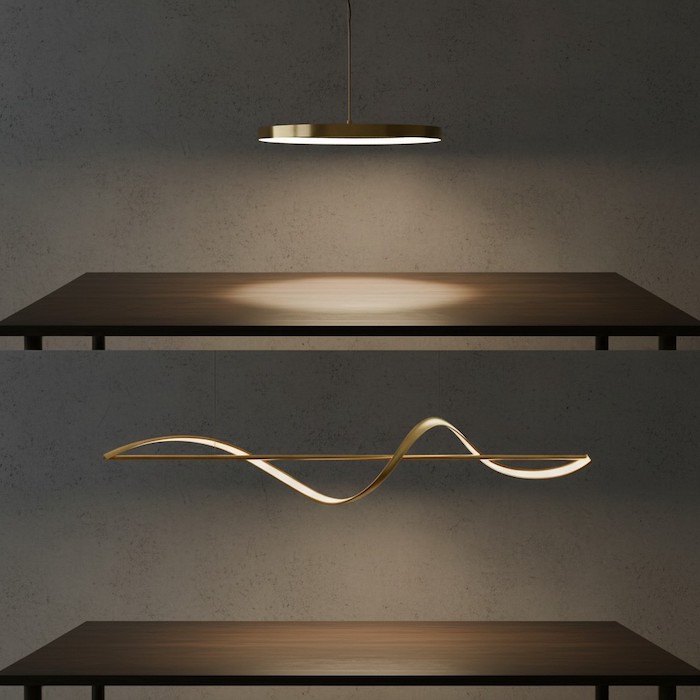
The most fundamental difference lies in how these fixtures interact with your space. Traditional fixtures are "point-source" lights. They emit illumination in an omnidirectional pattern, meaning the light travels outward in all directions like a sphere. This is excellent for creating a general "glow" in a room, but it often leaves the corners in soft shadow.
The Linear Advantage
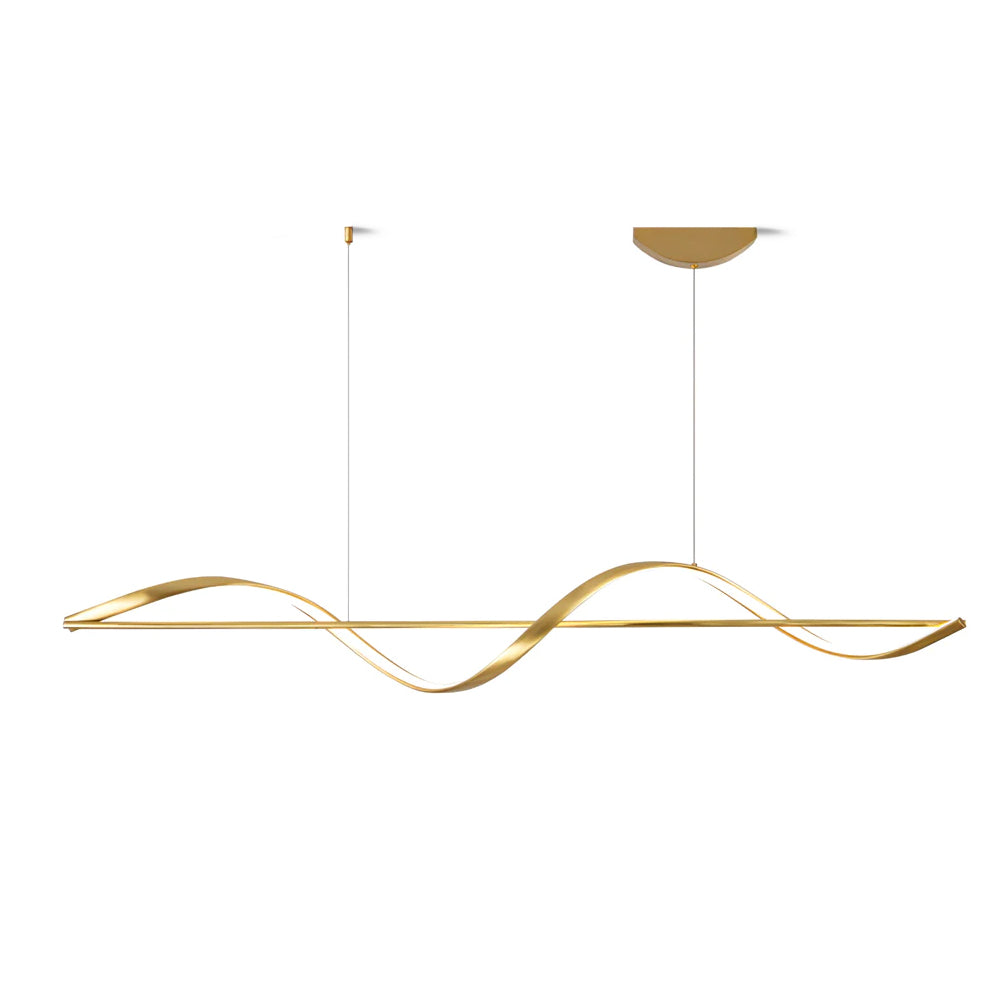
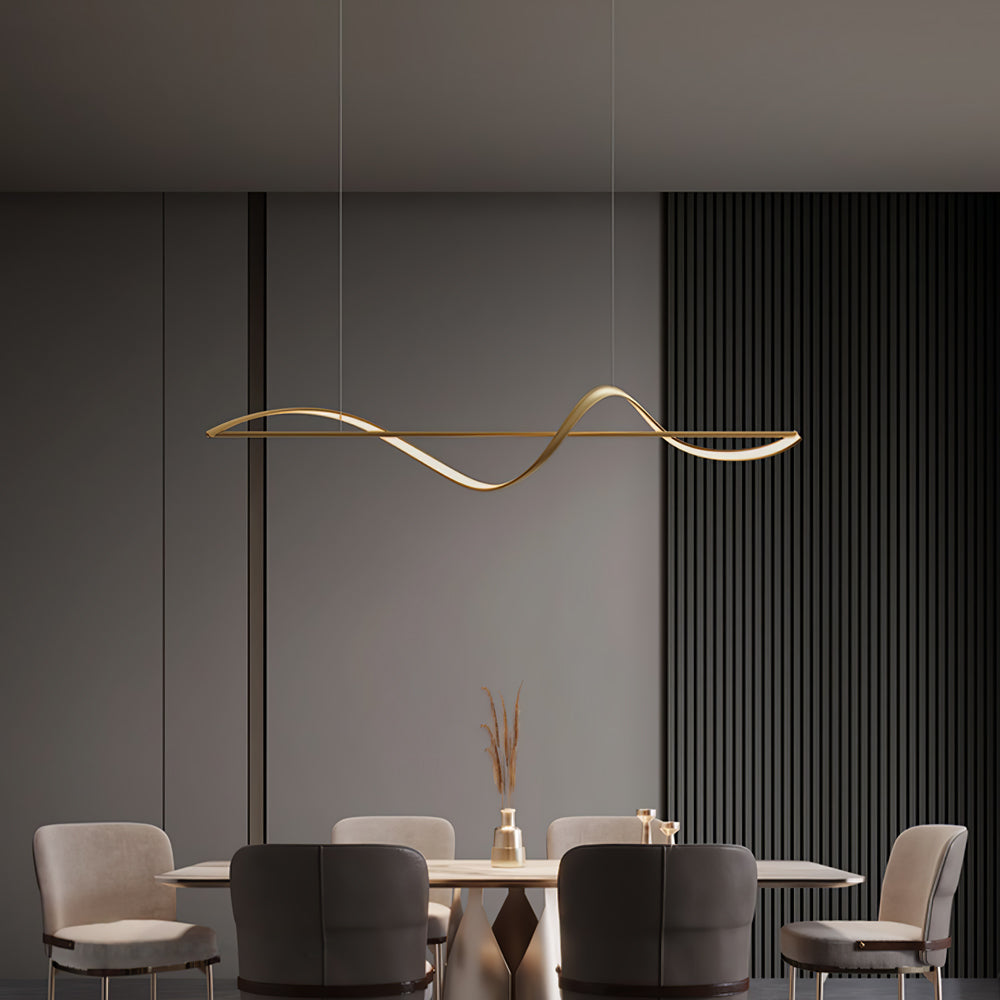
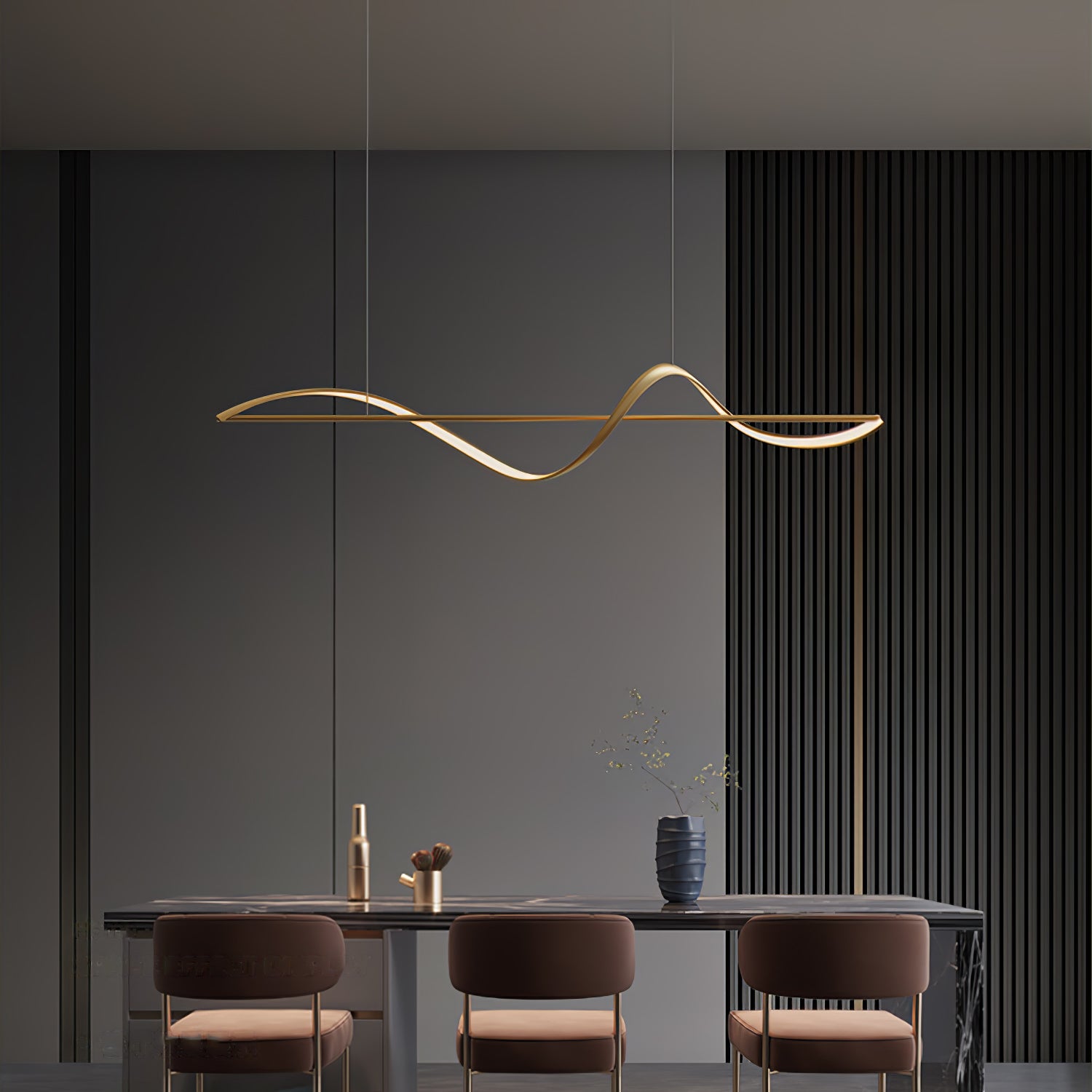
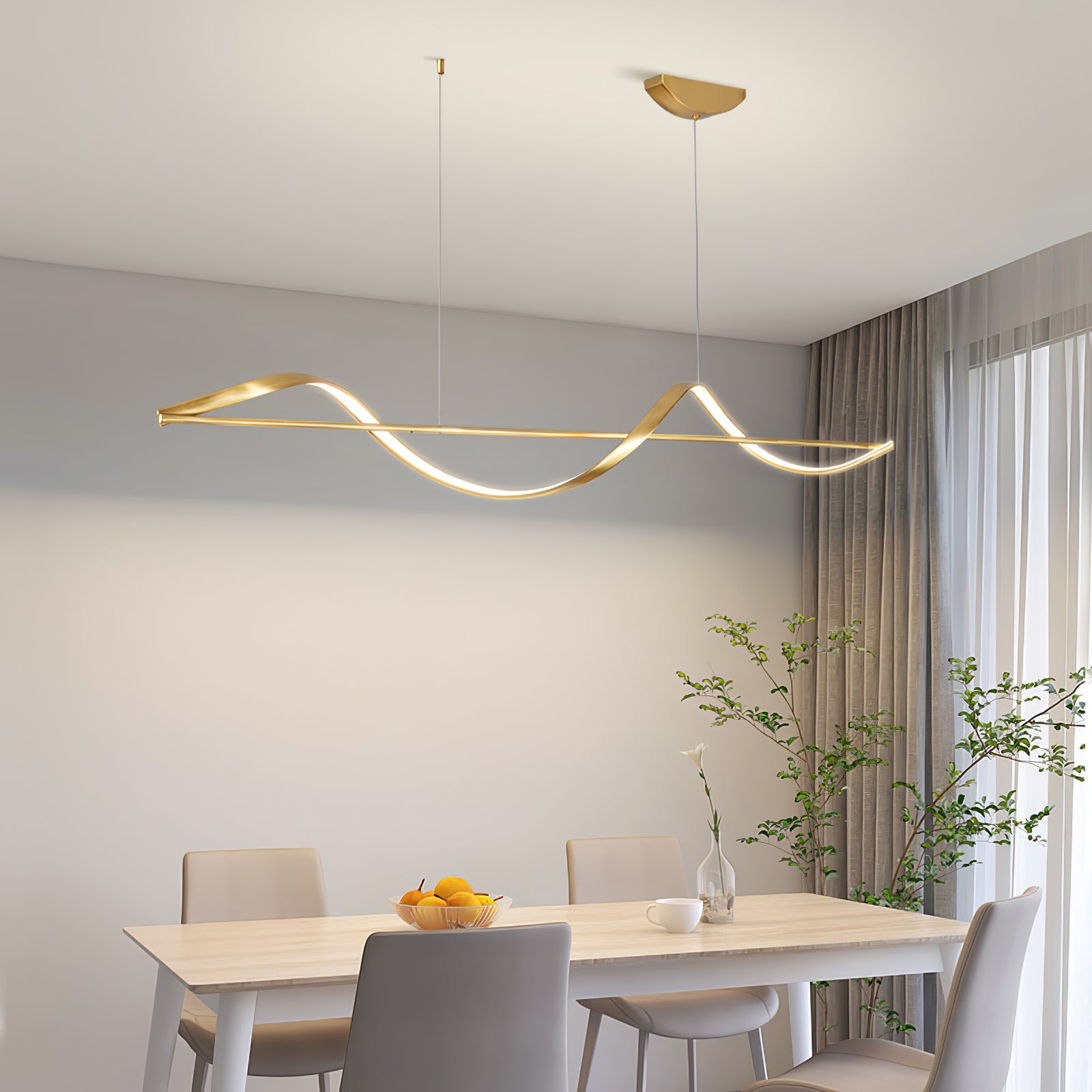
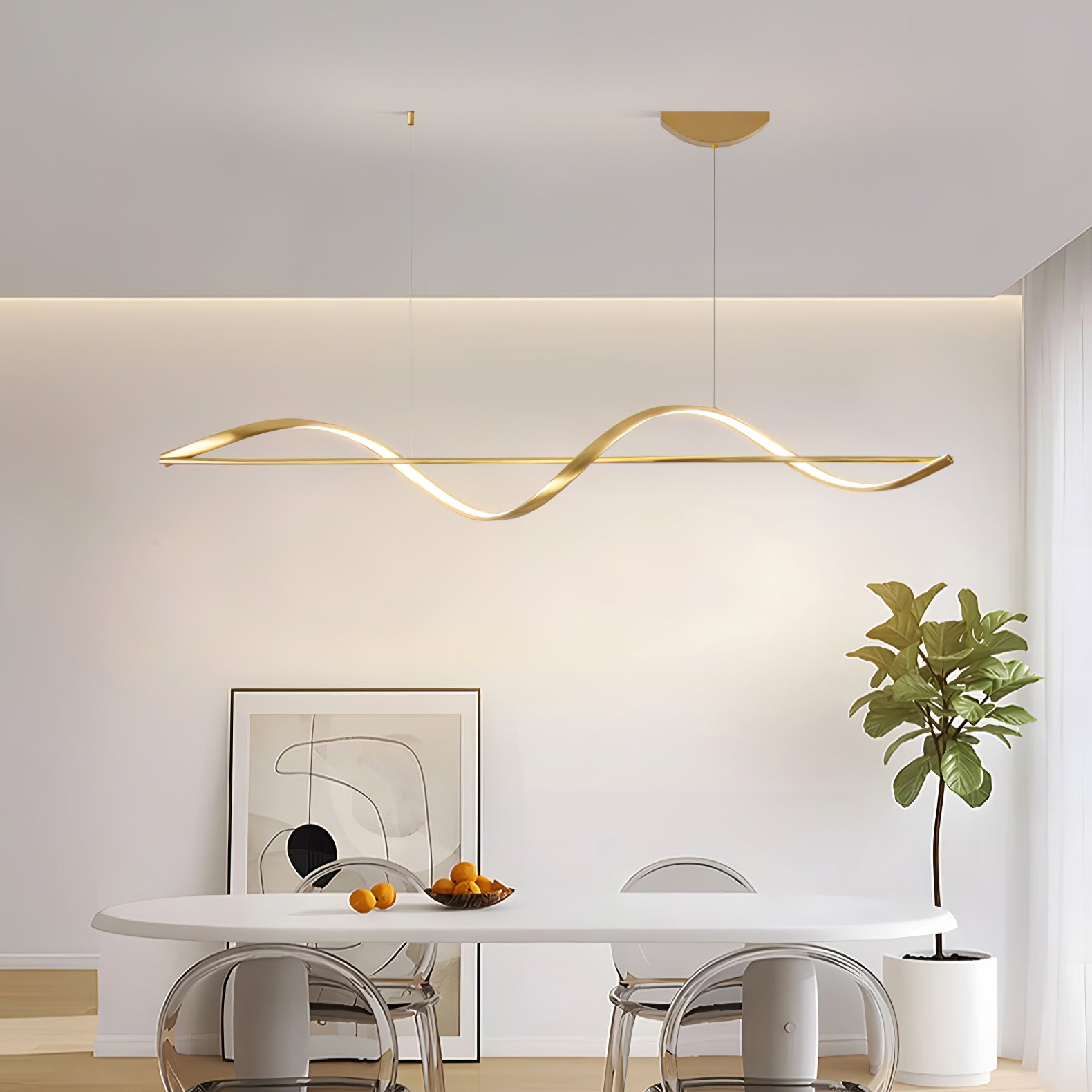
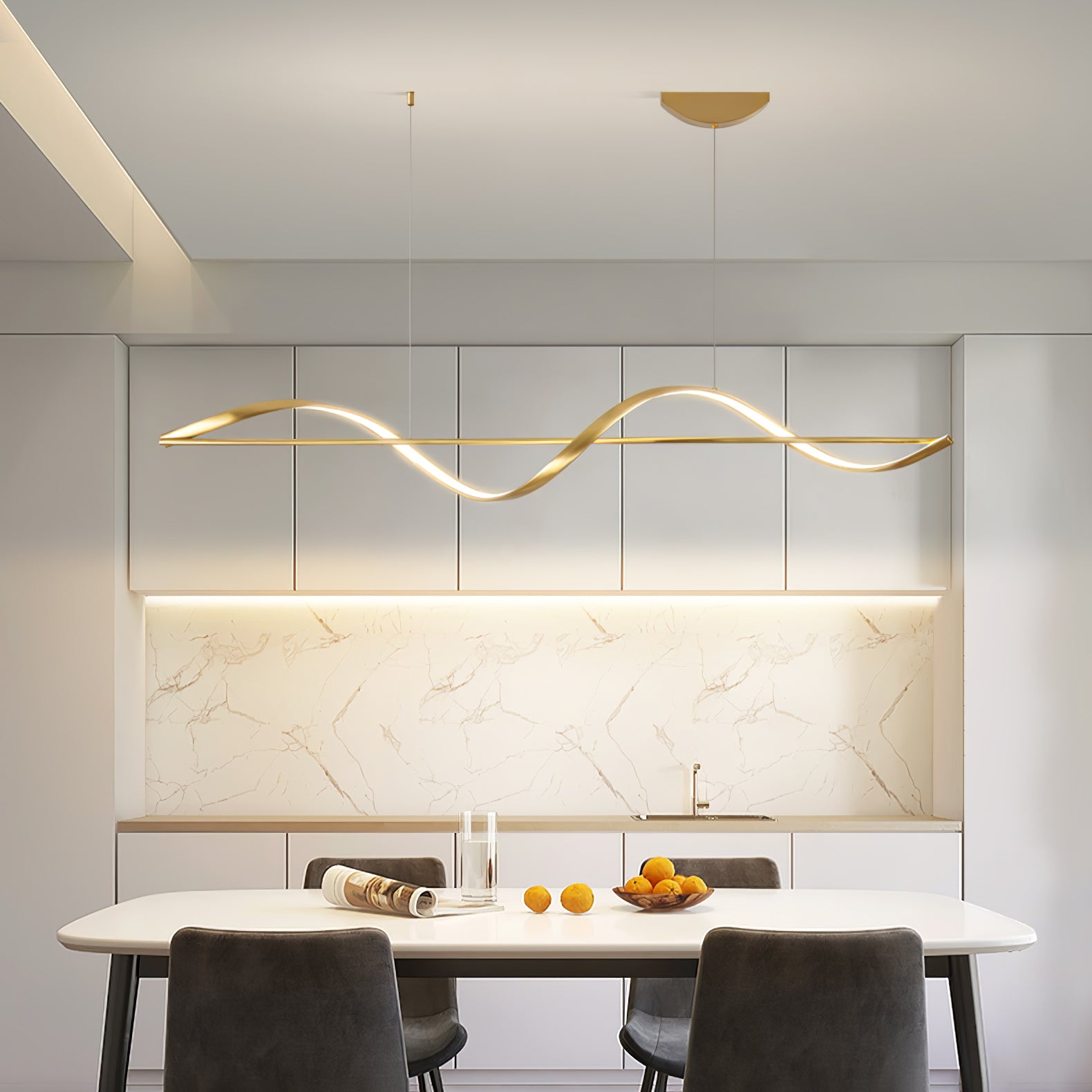
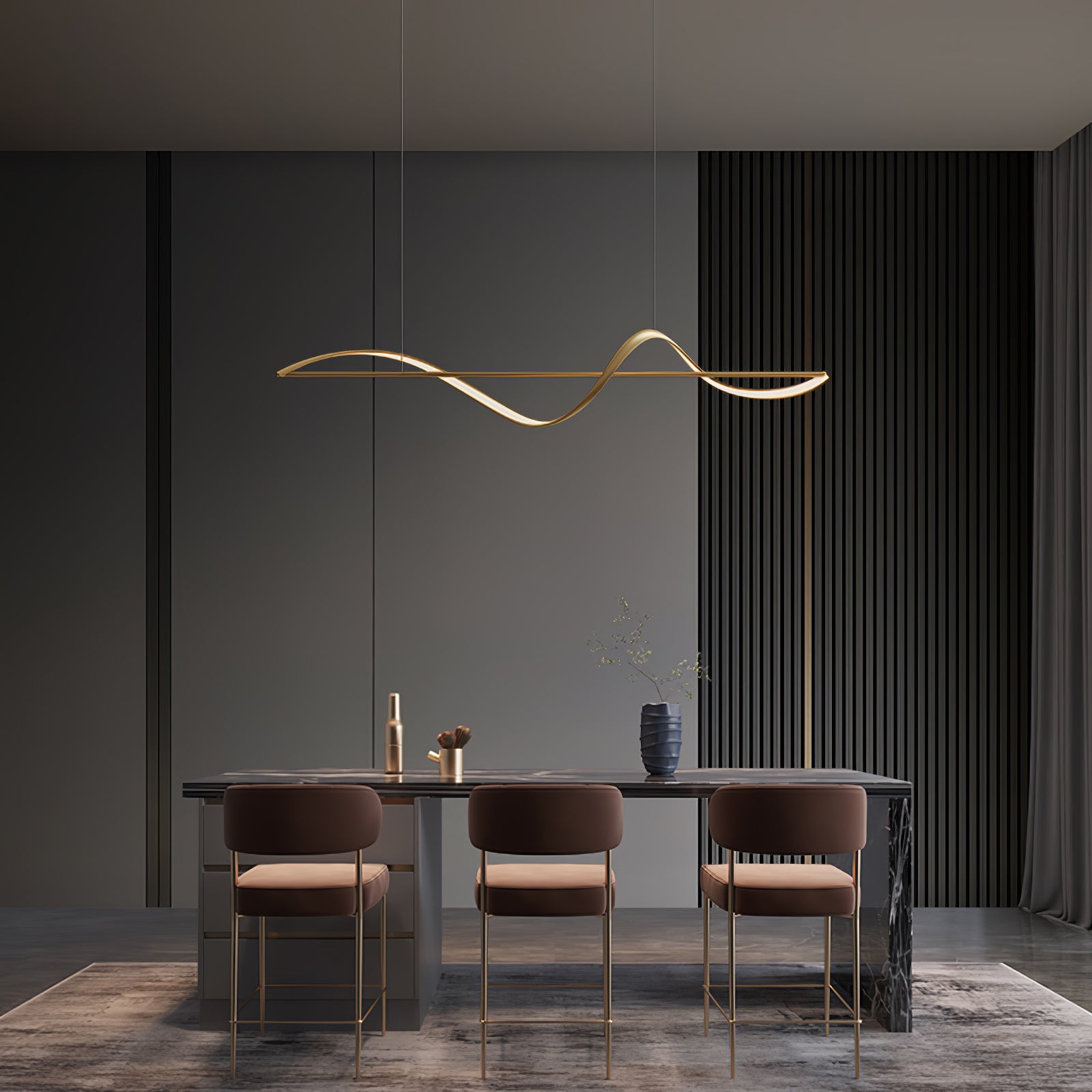
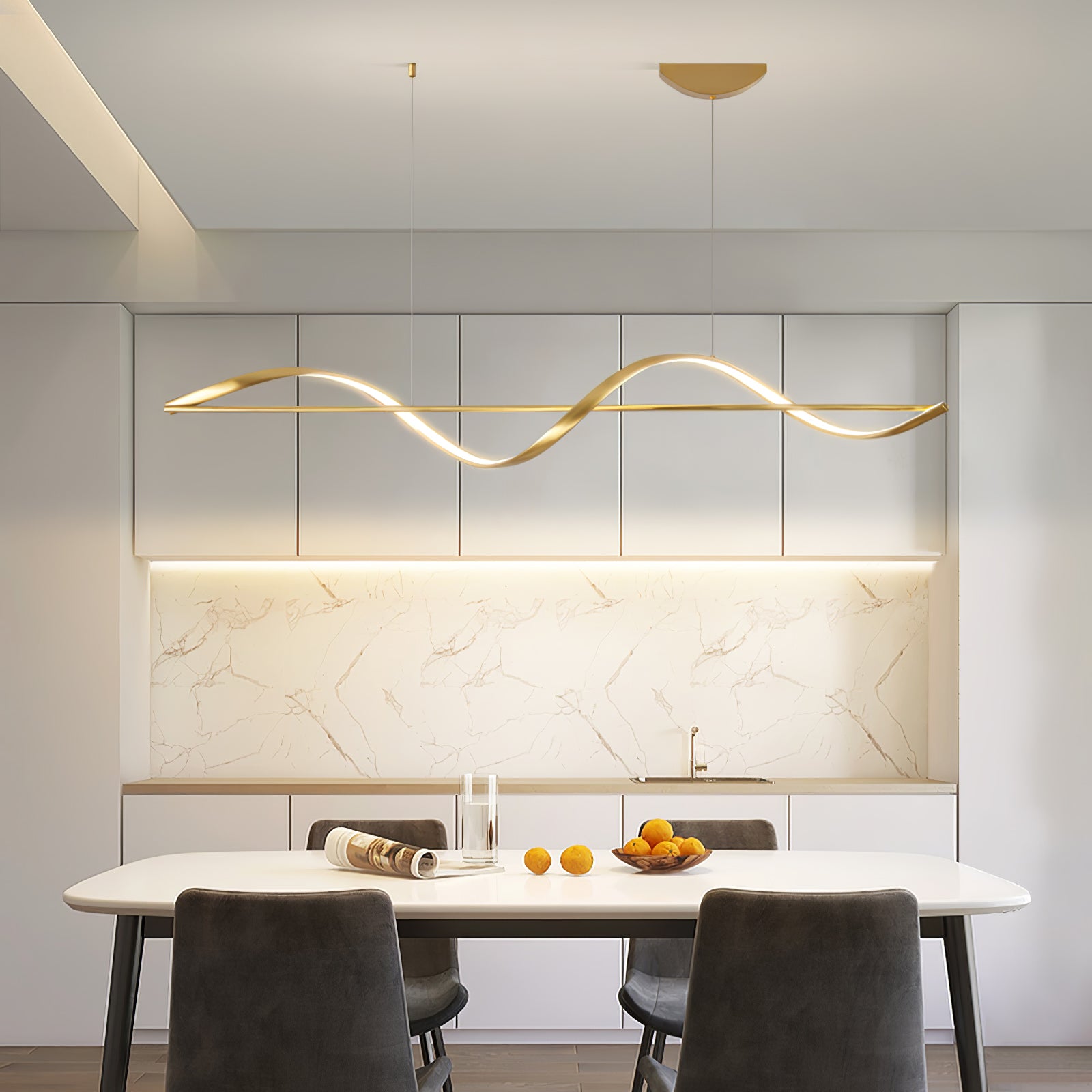
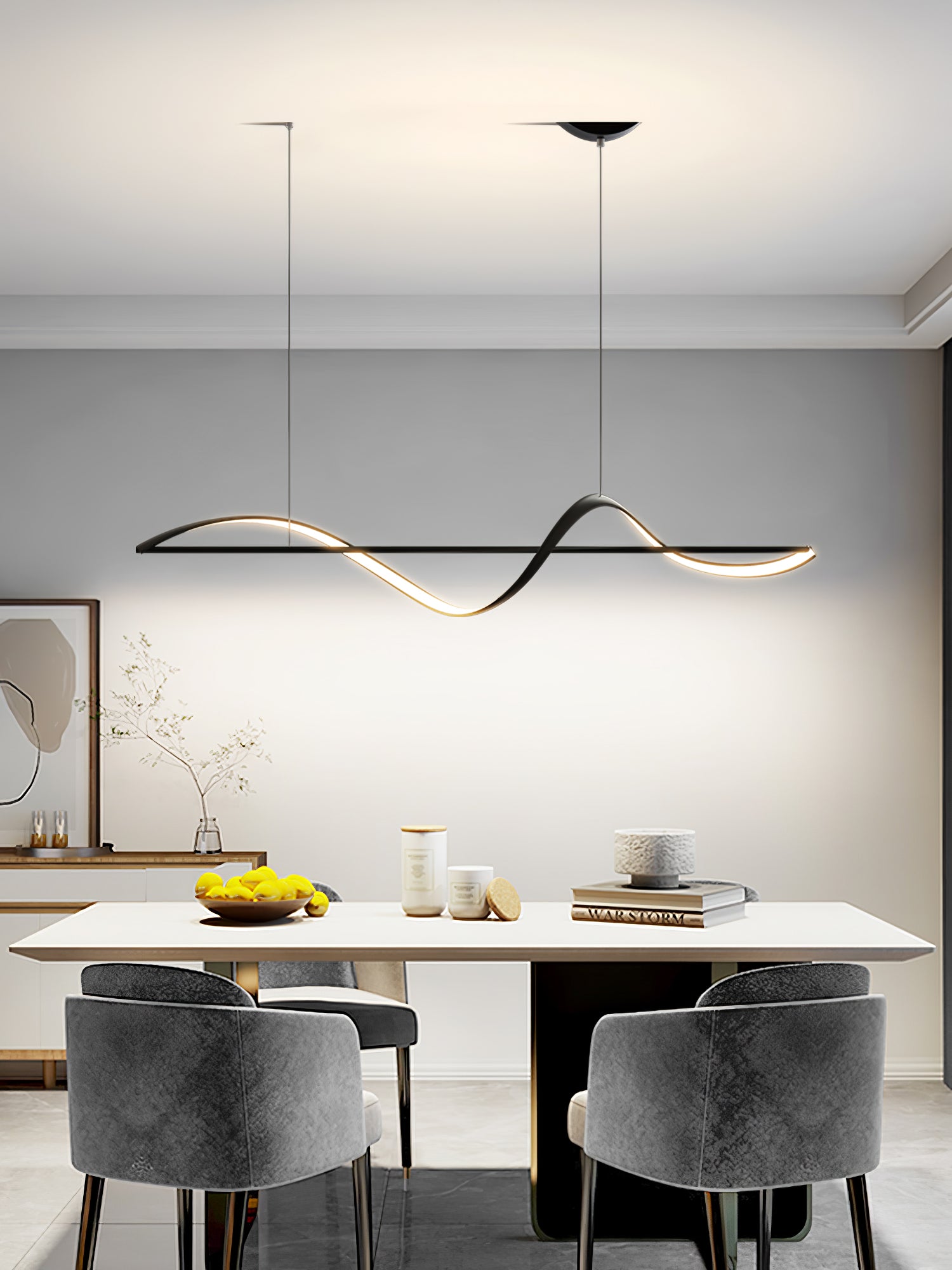
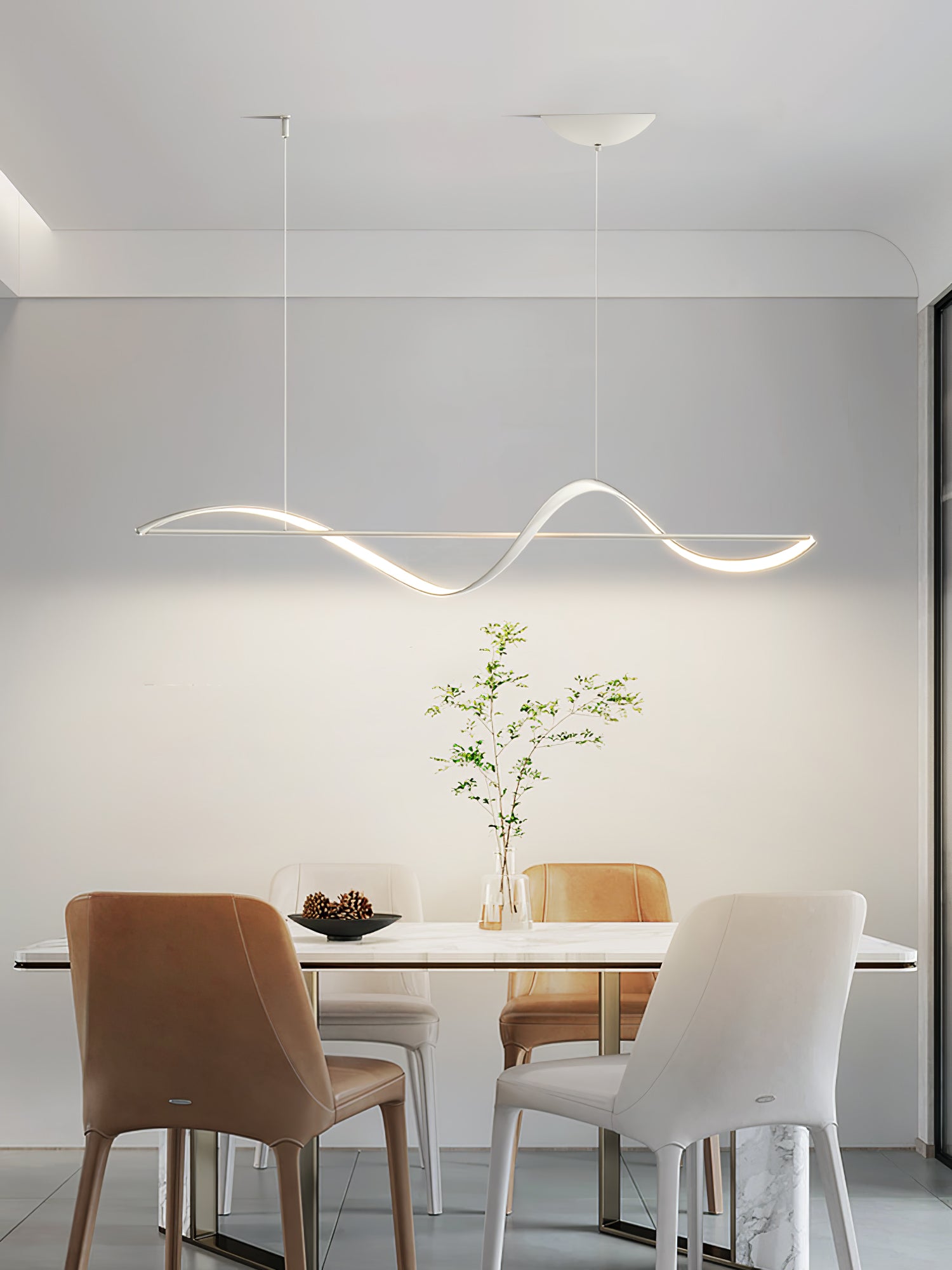
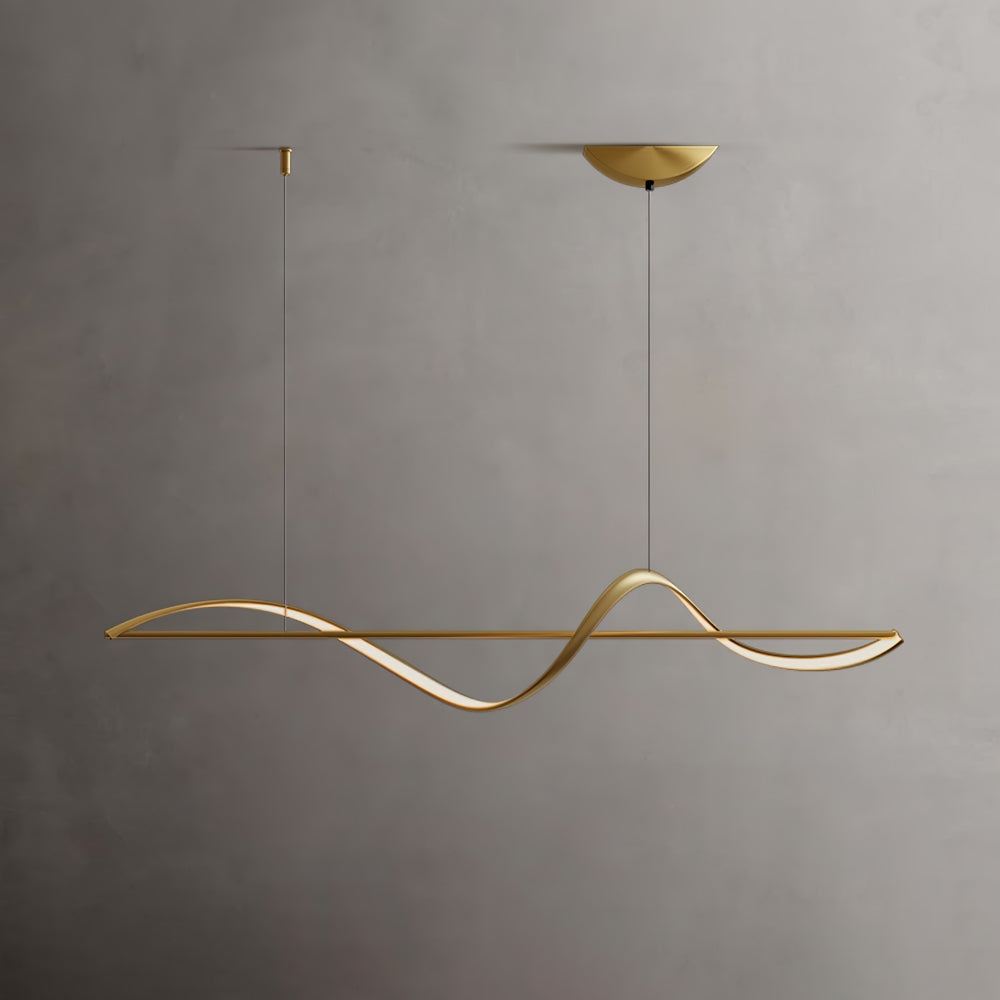
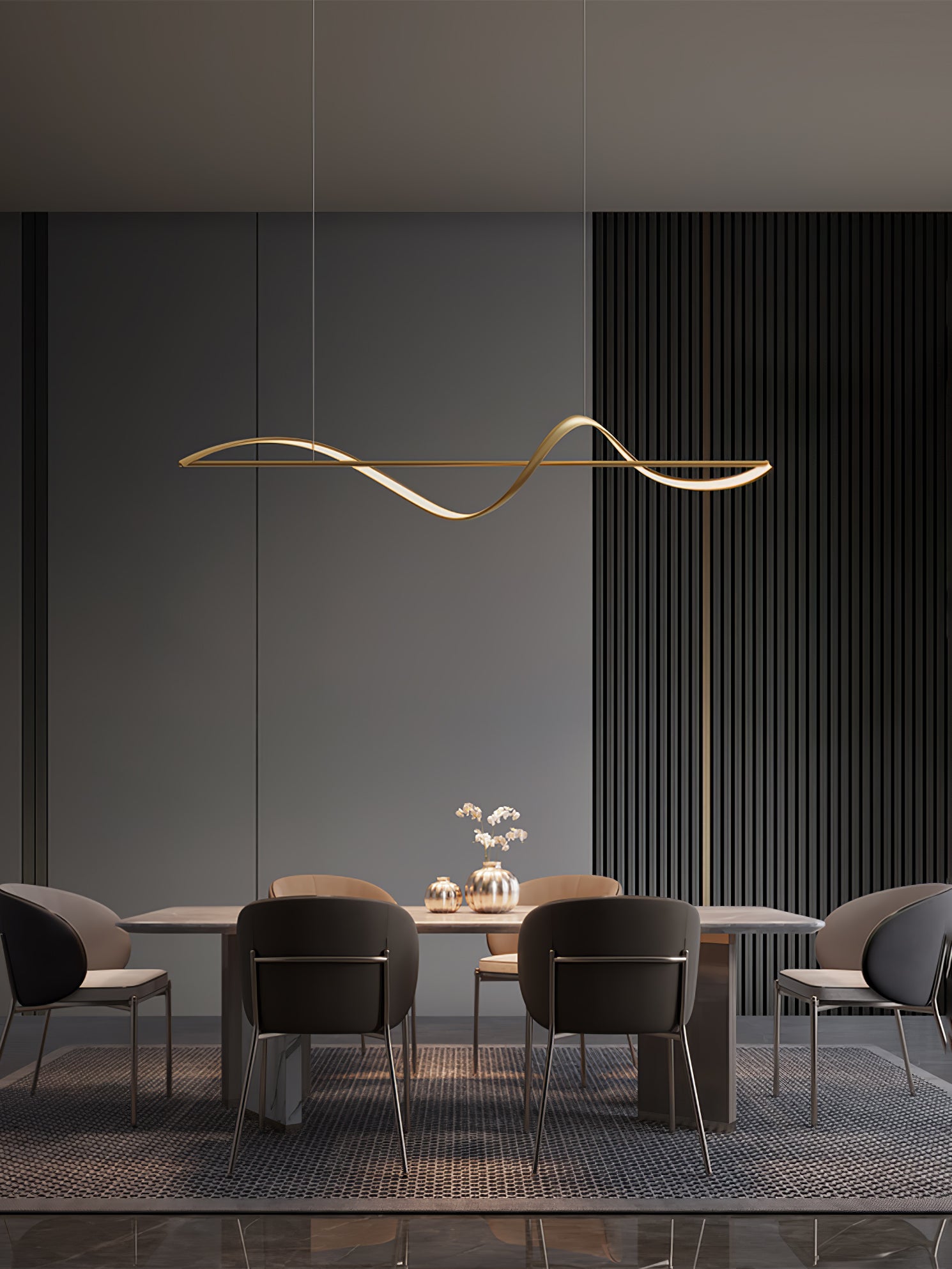
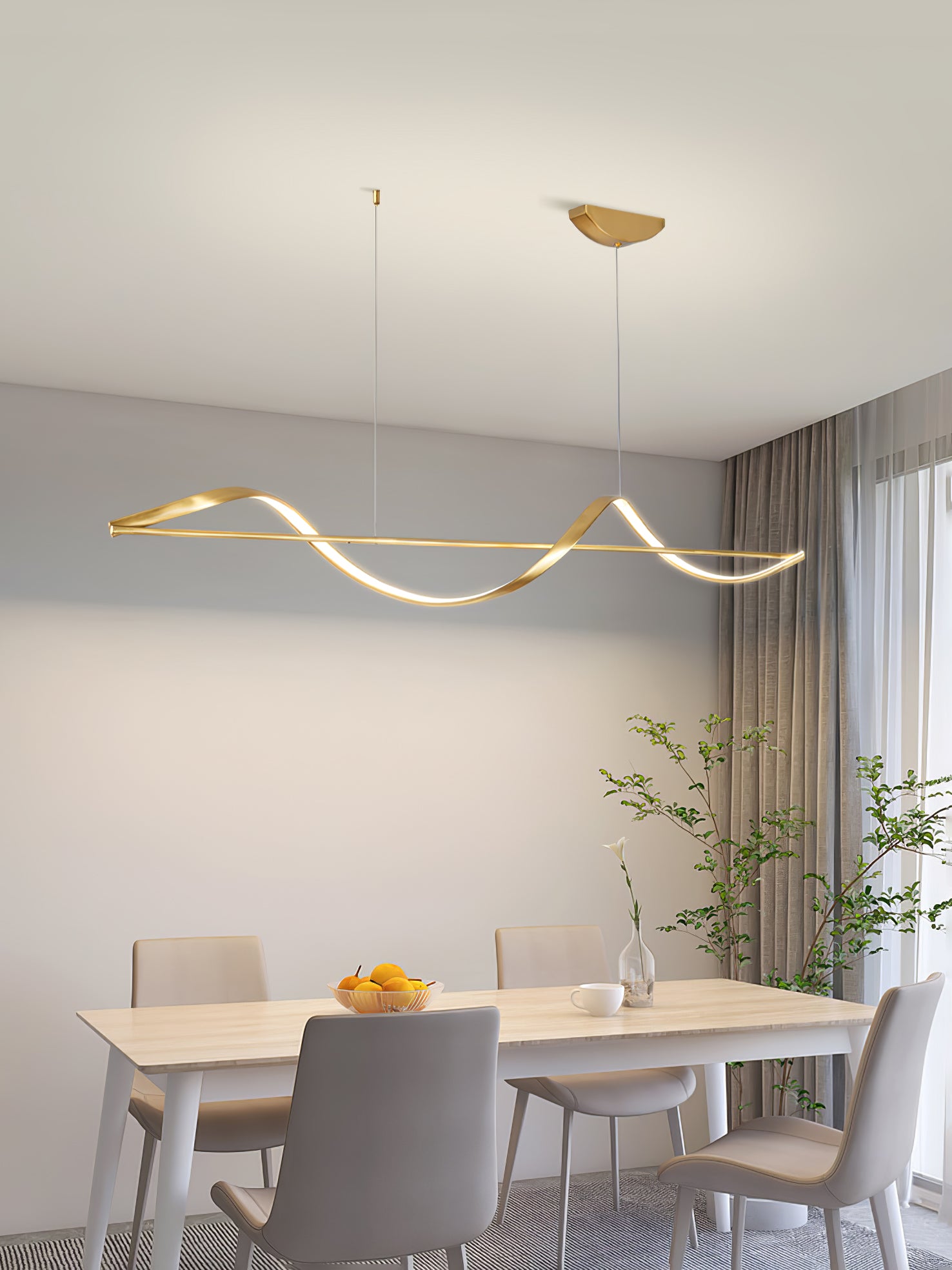
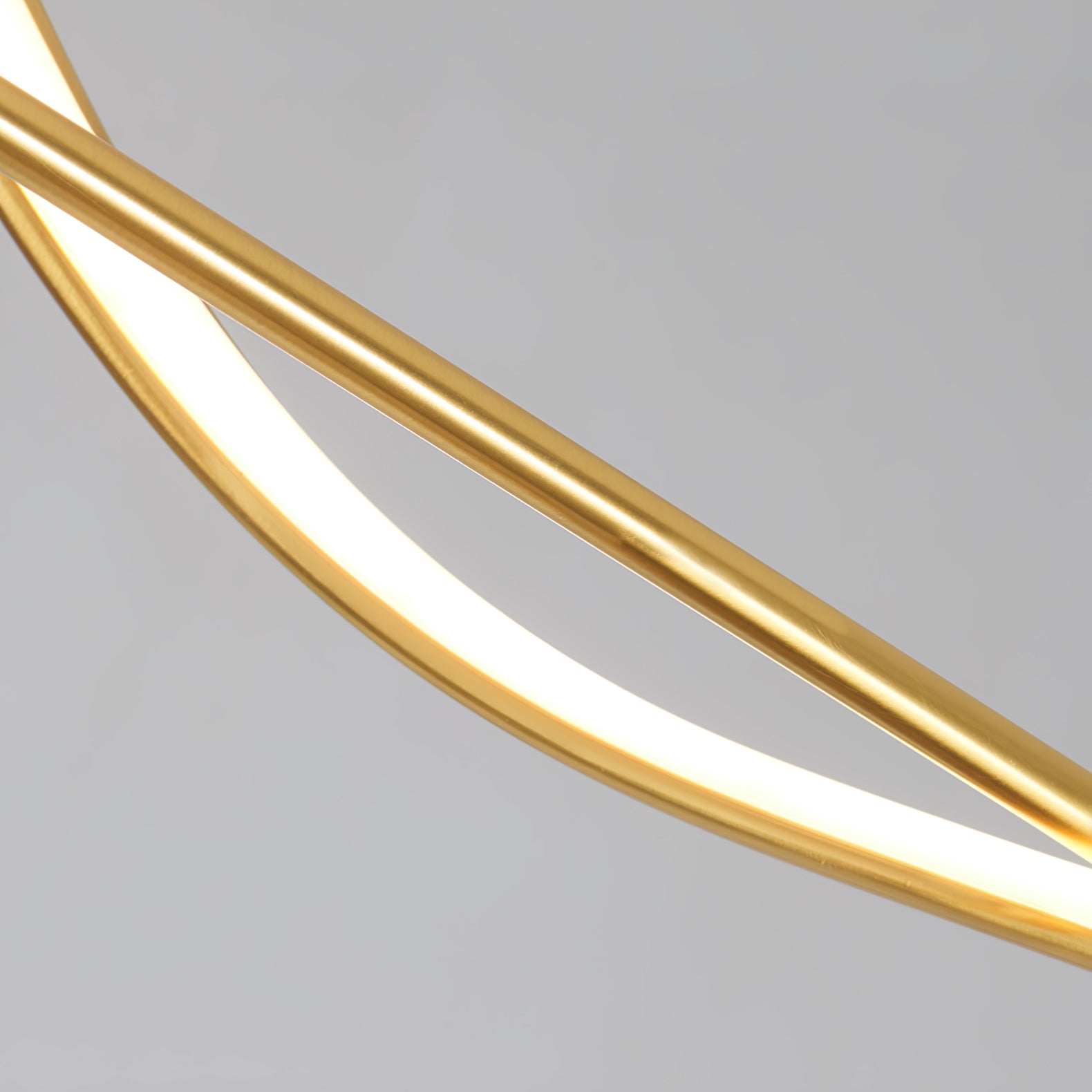
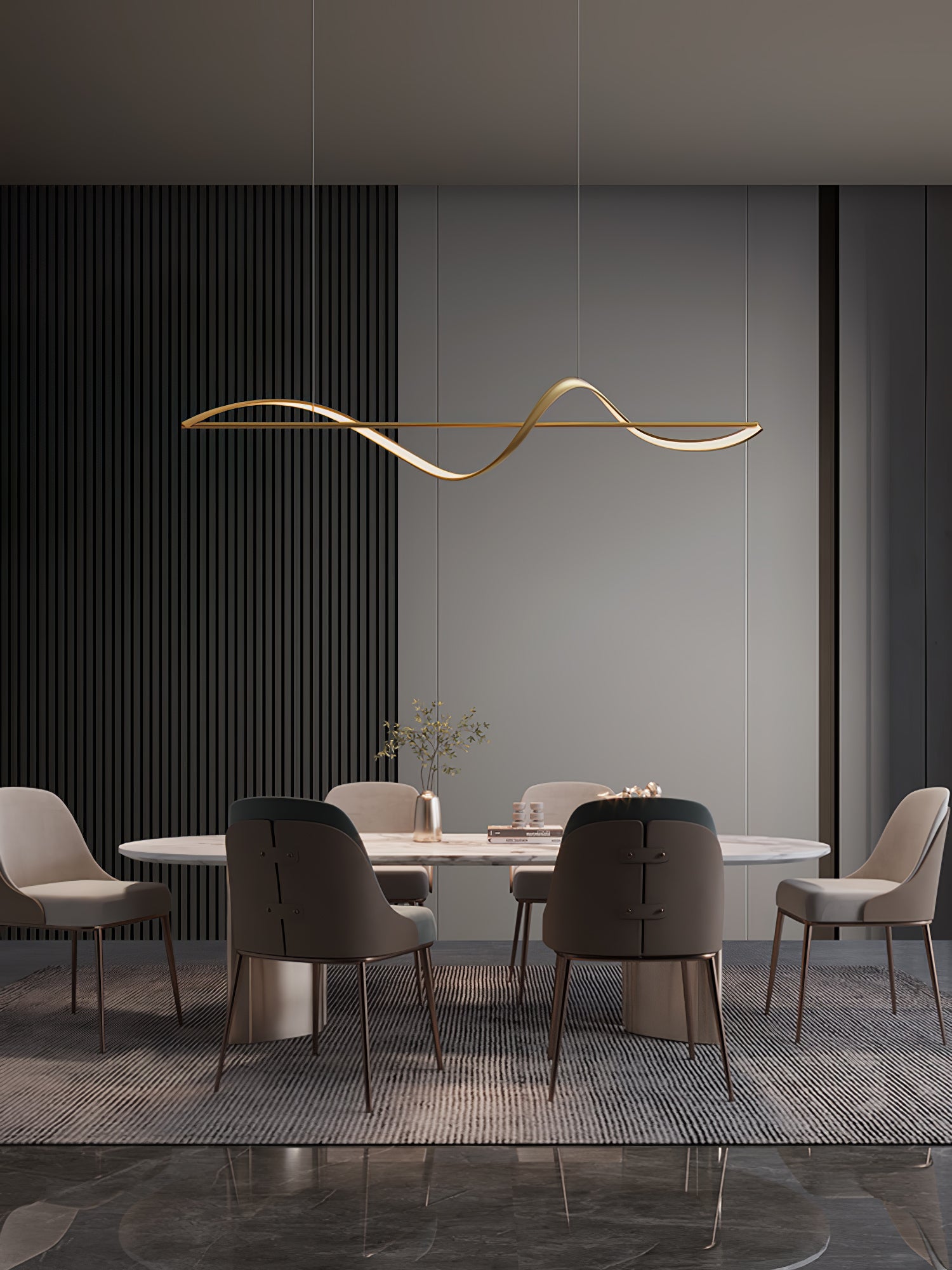
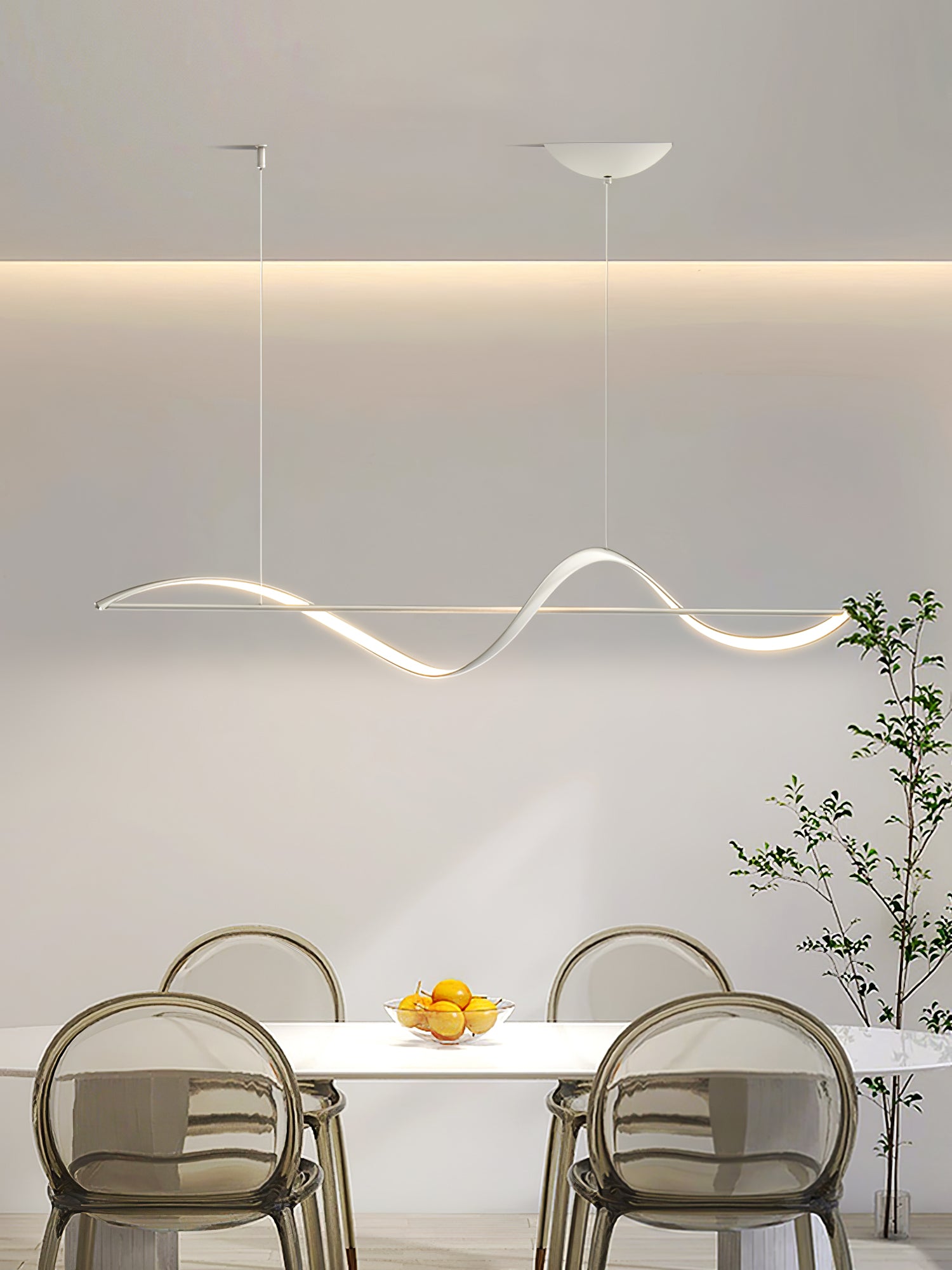
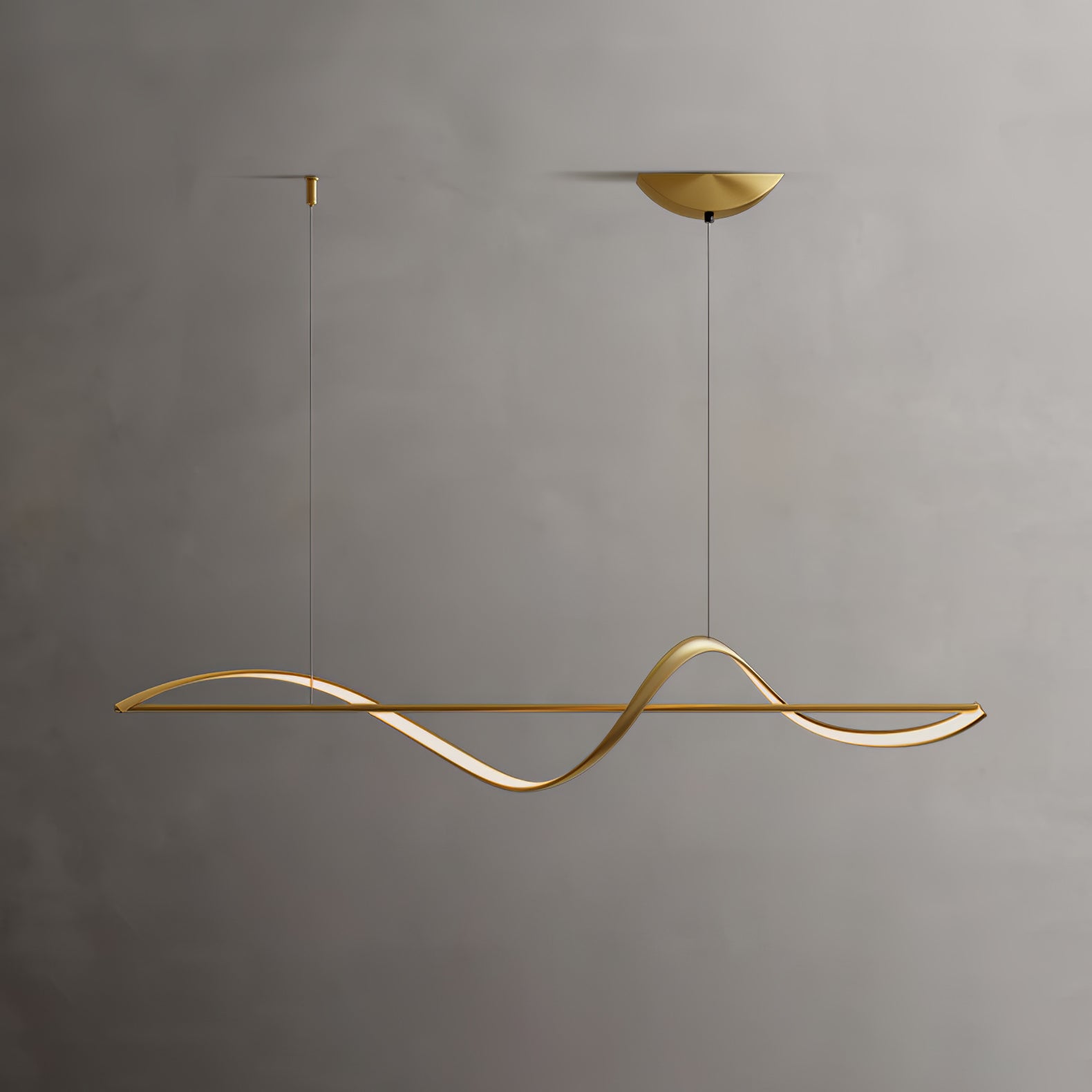
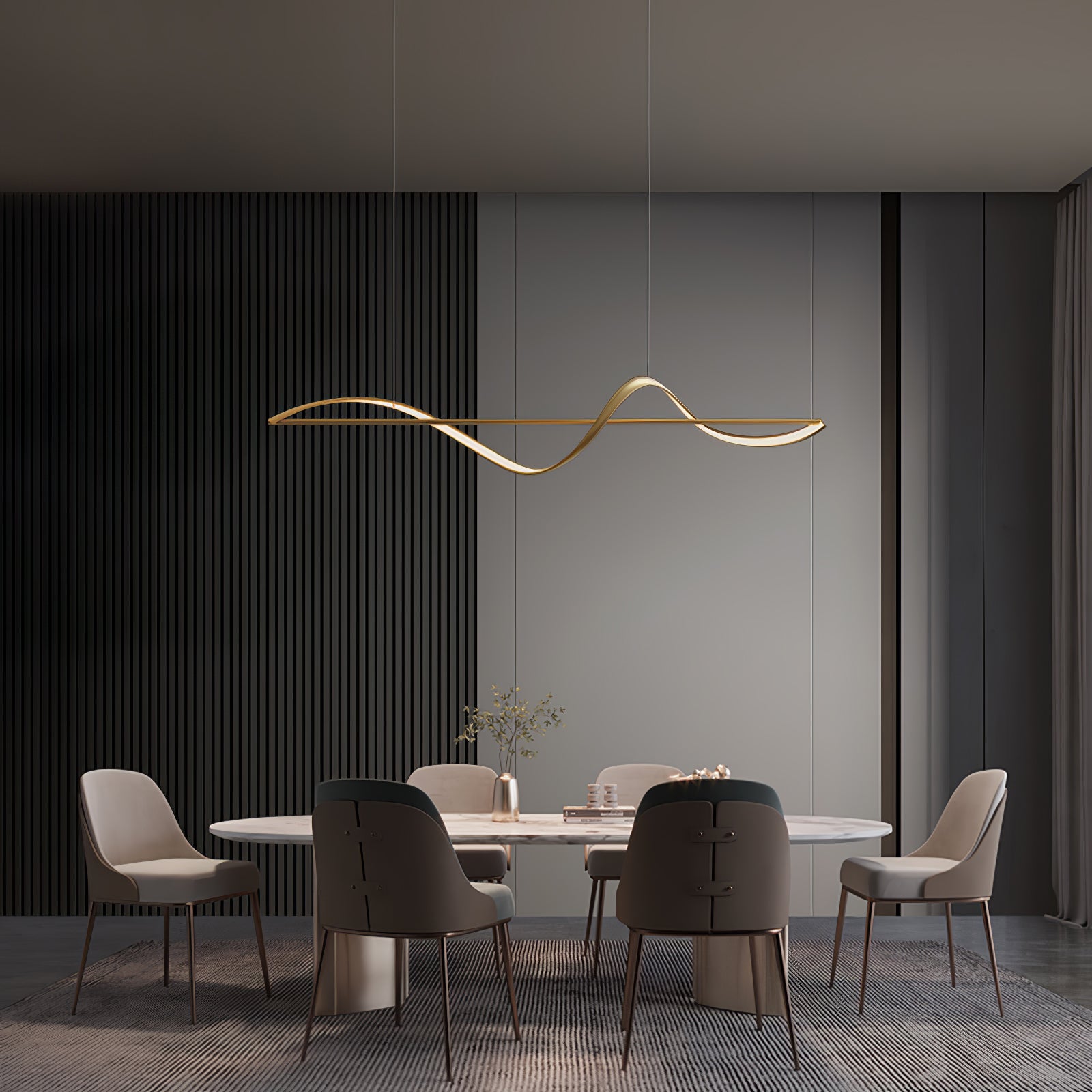
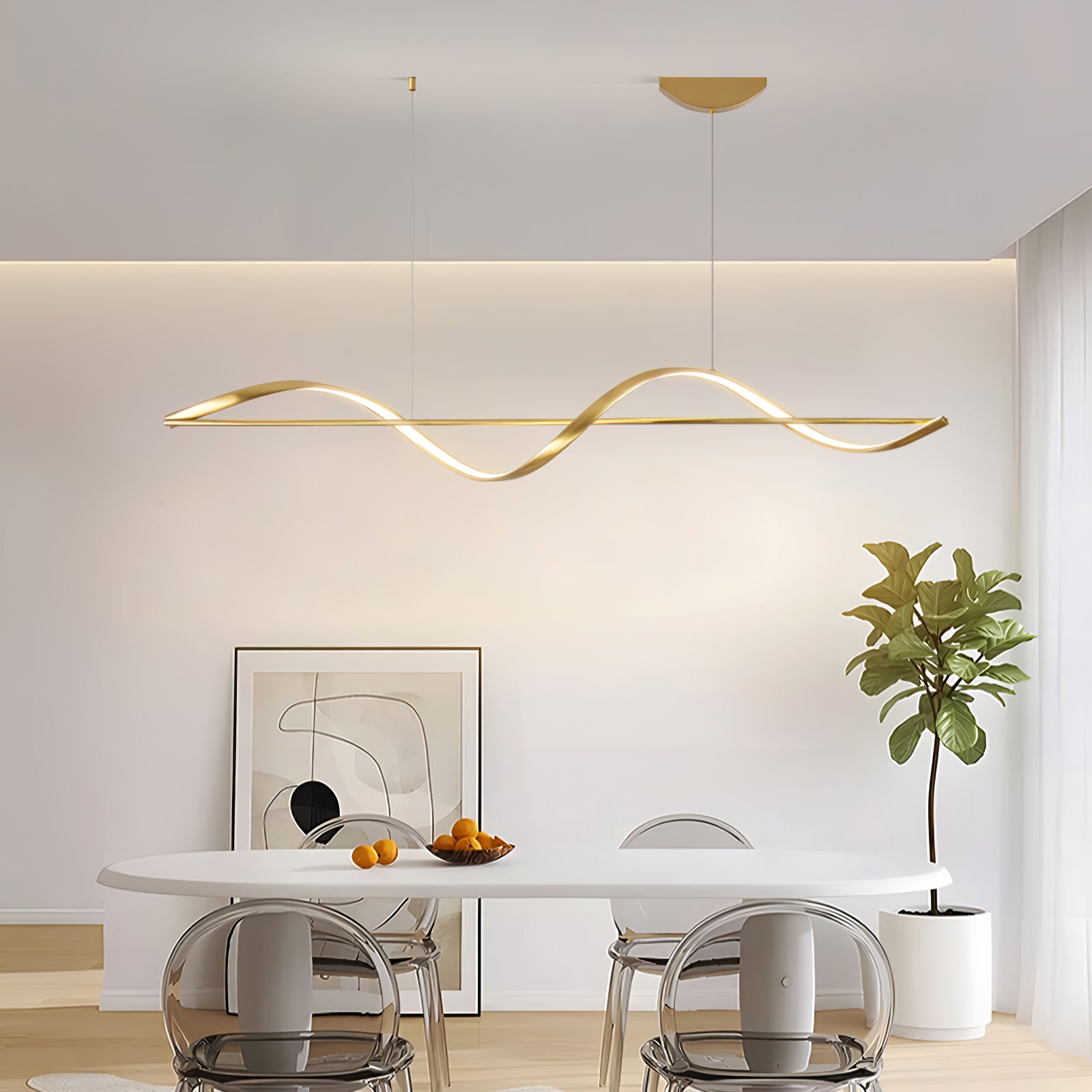
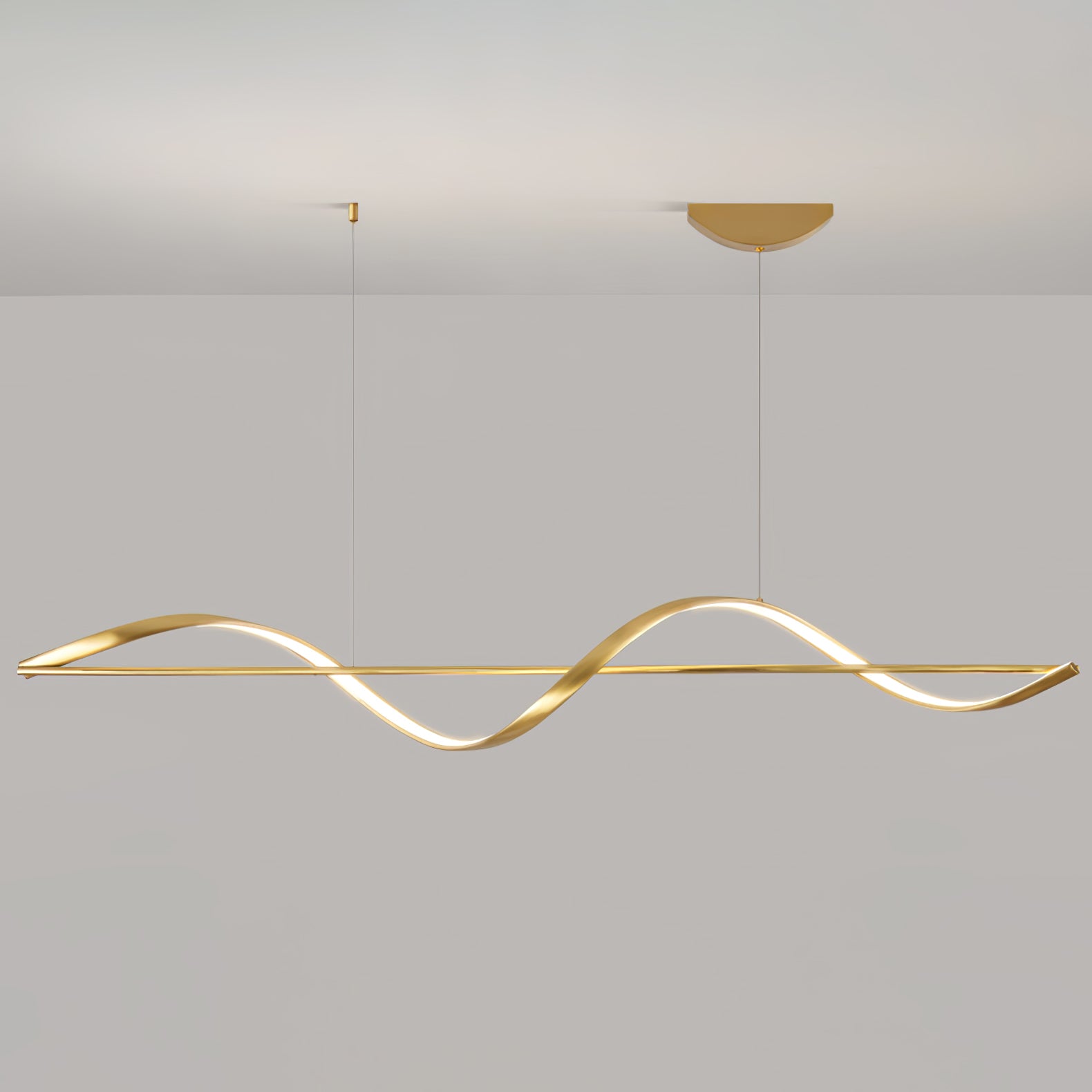
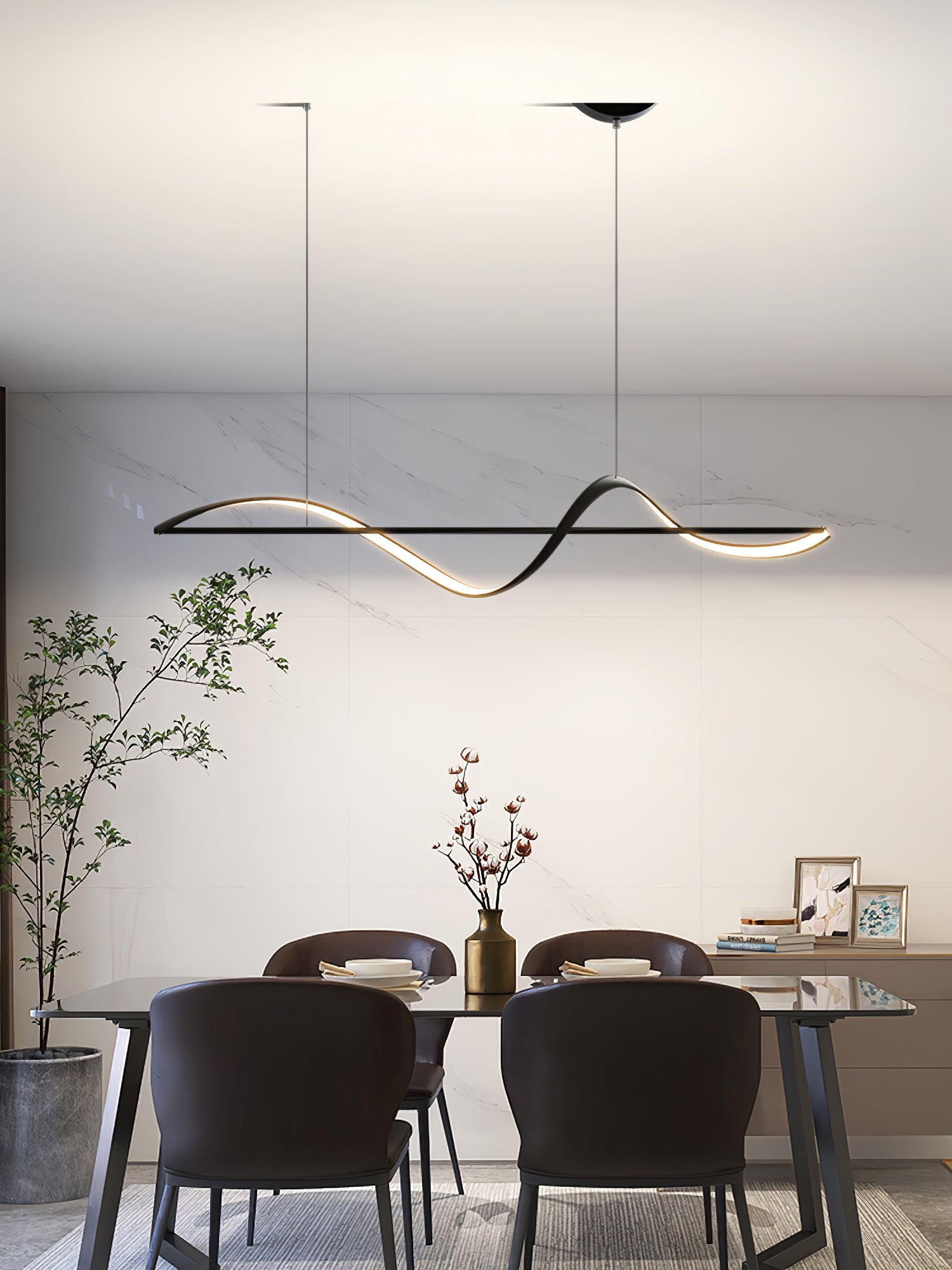
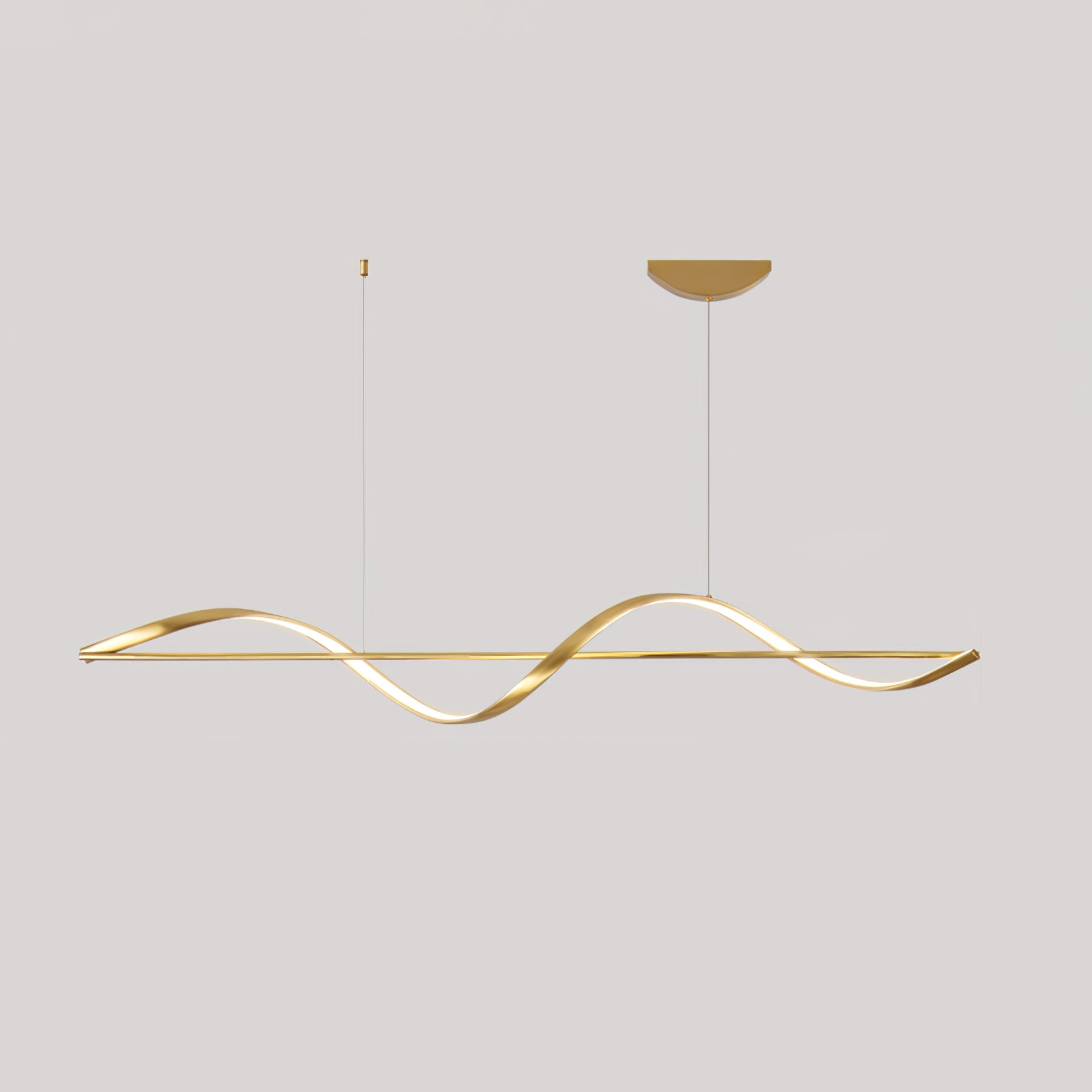
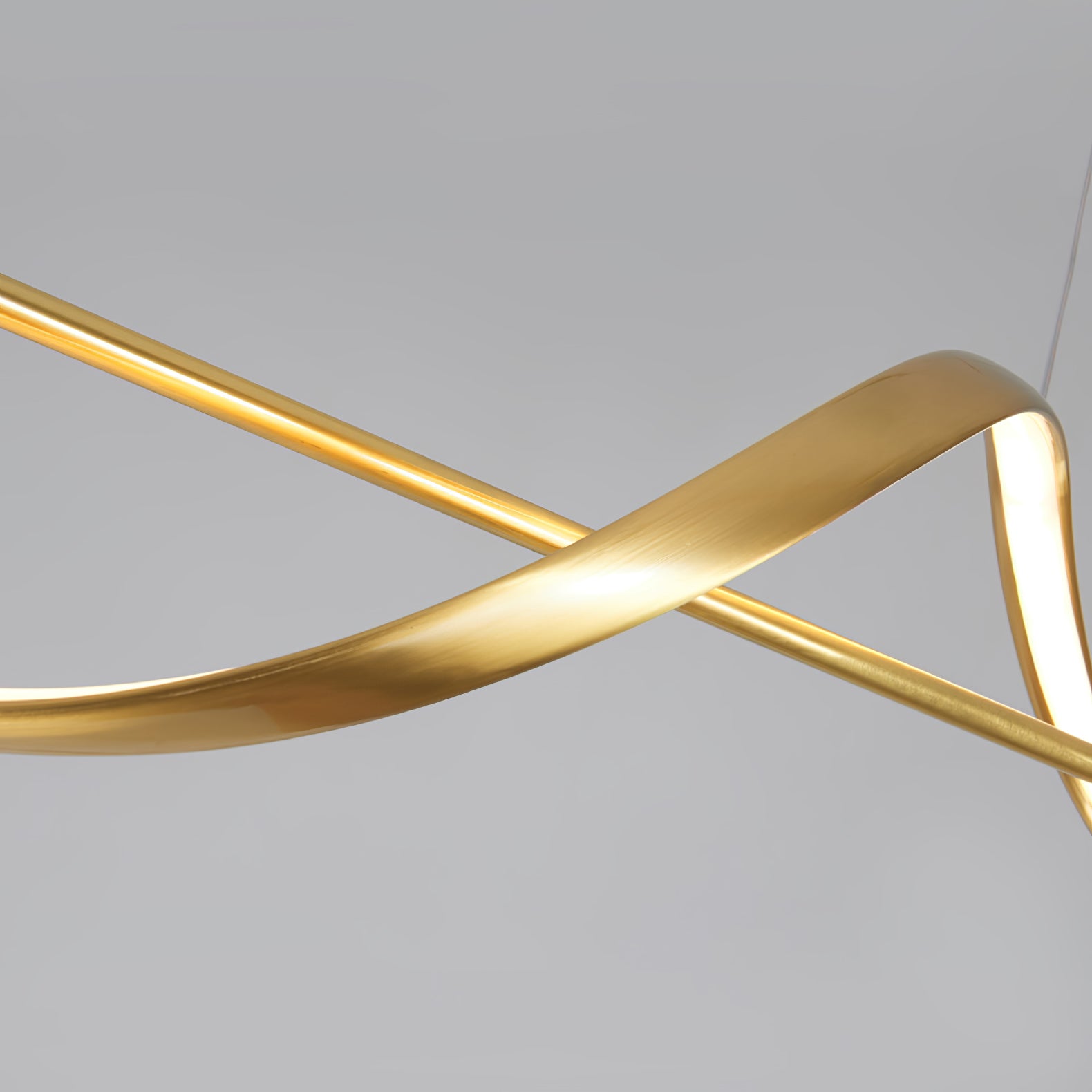
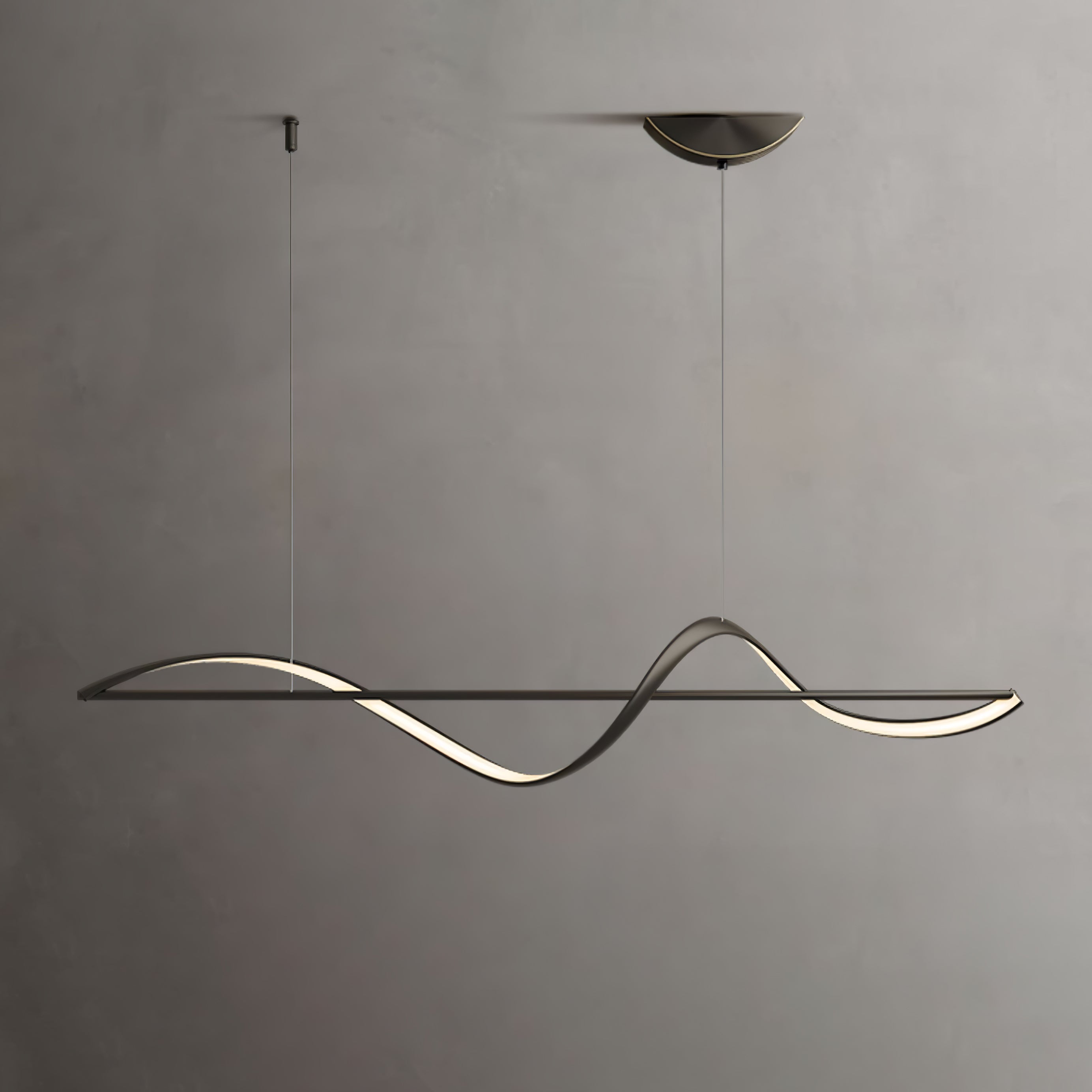
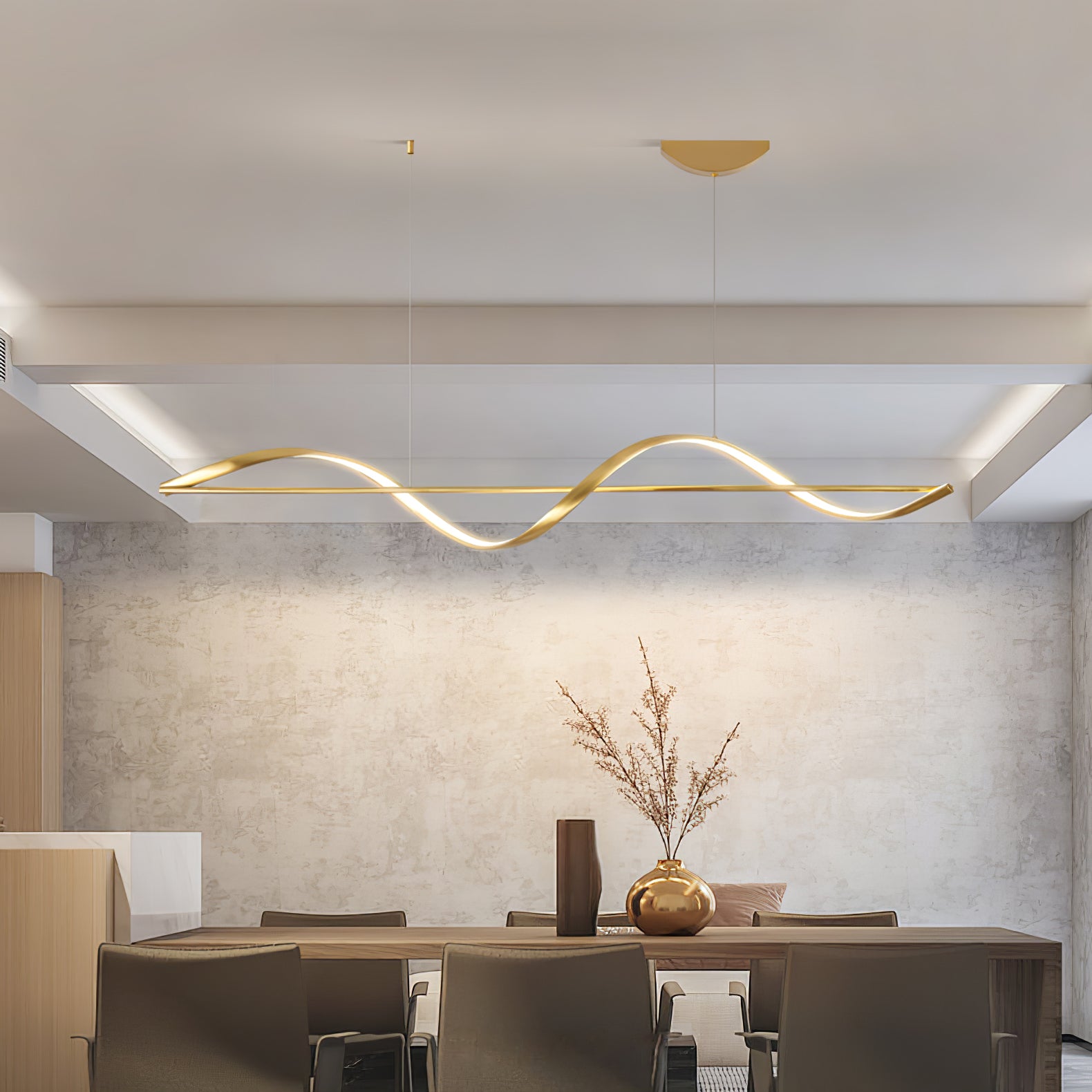
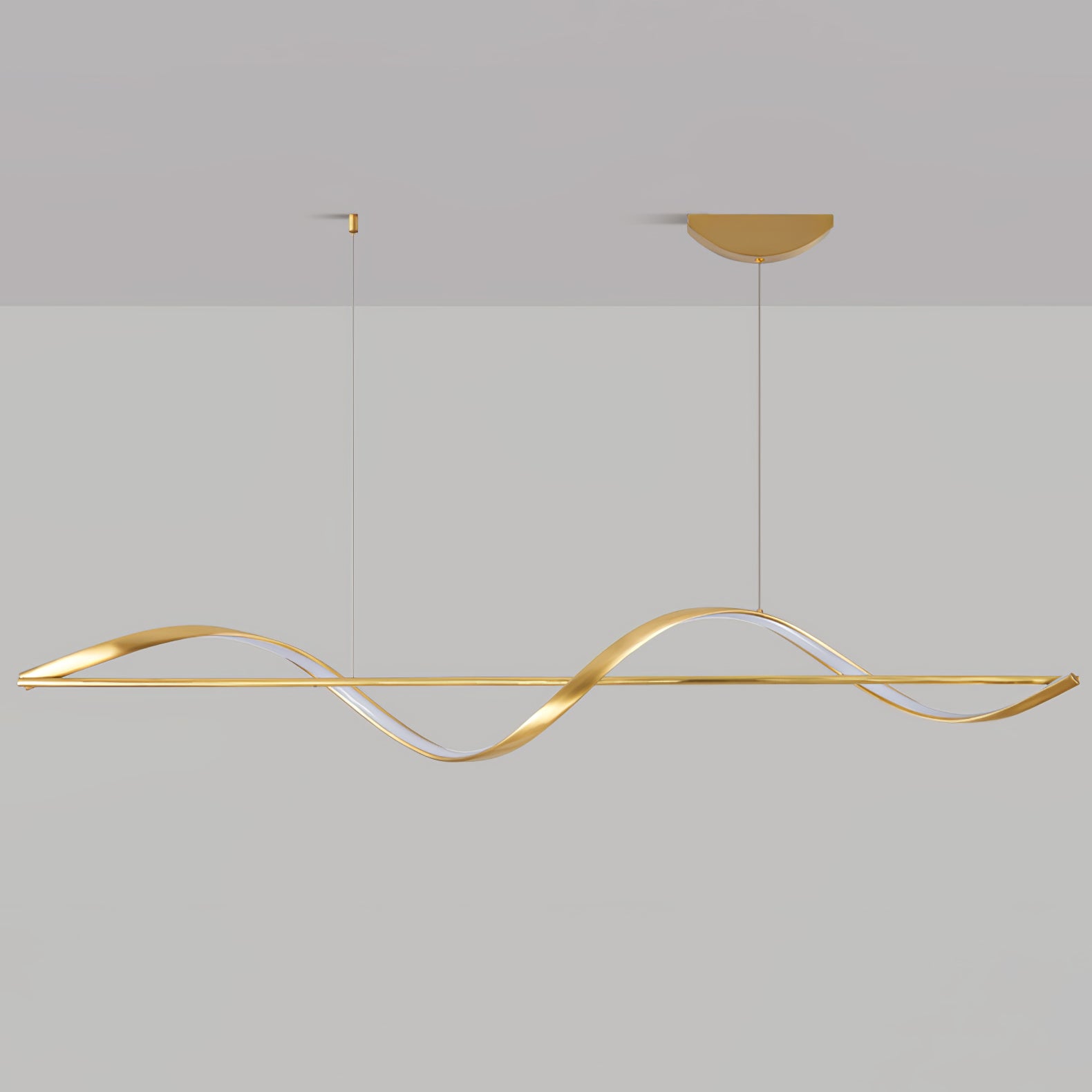
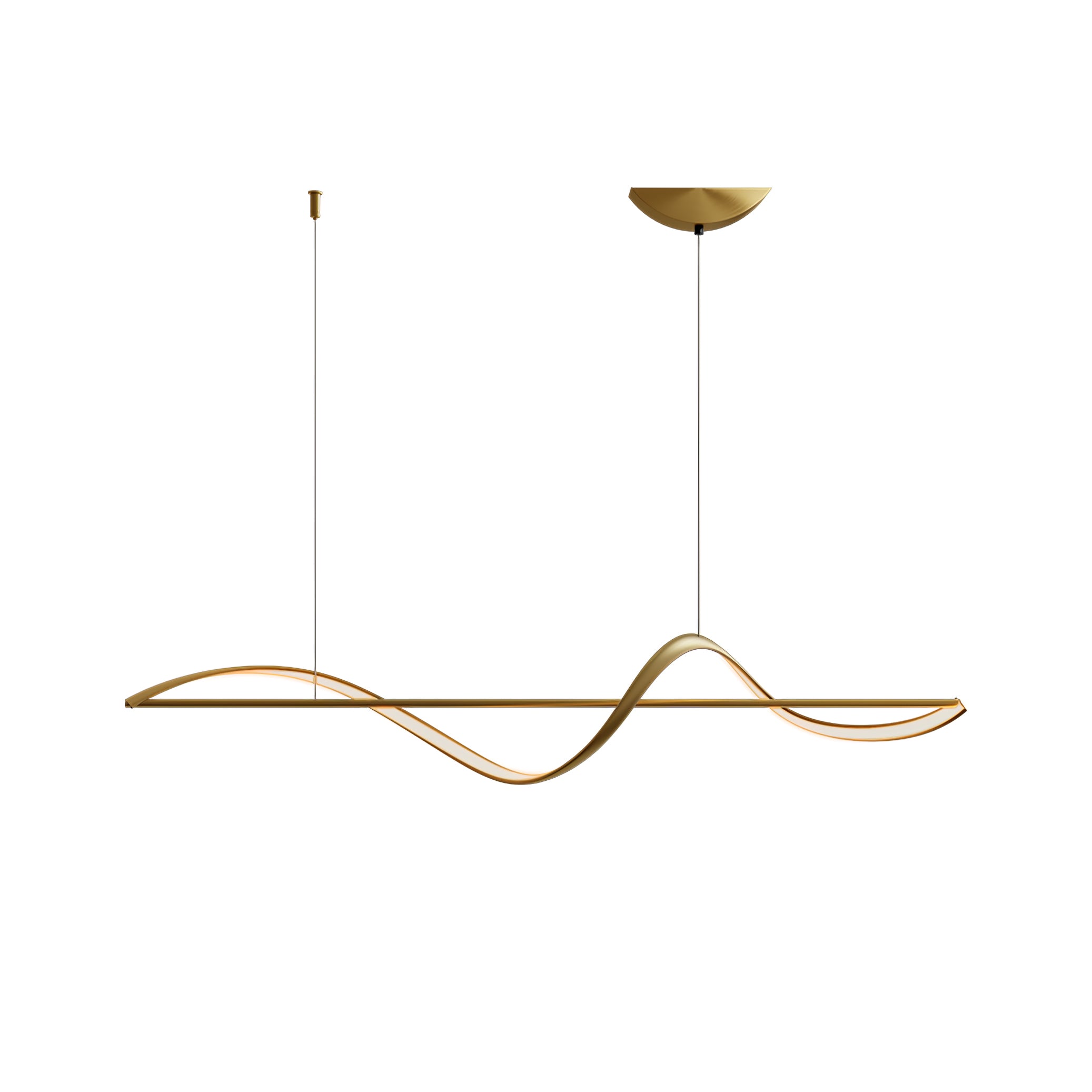
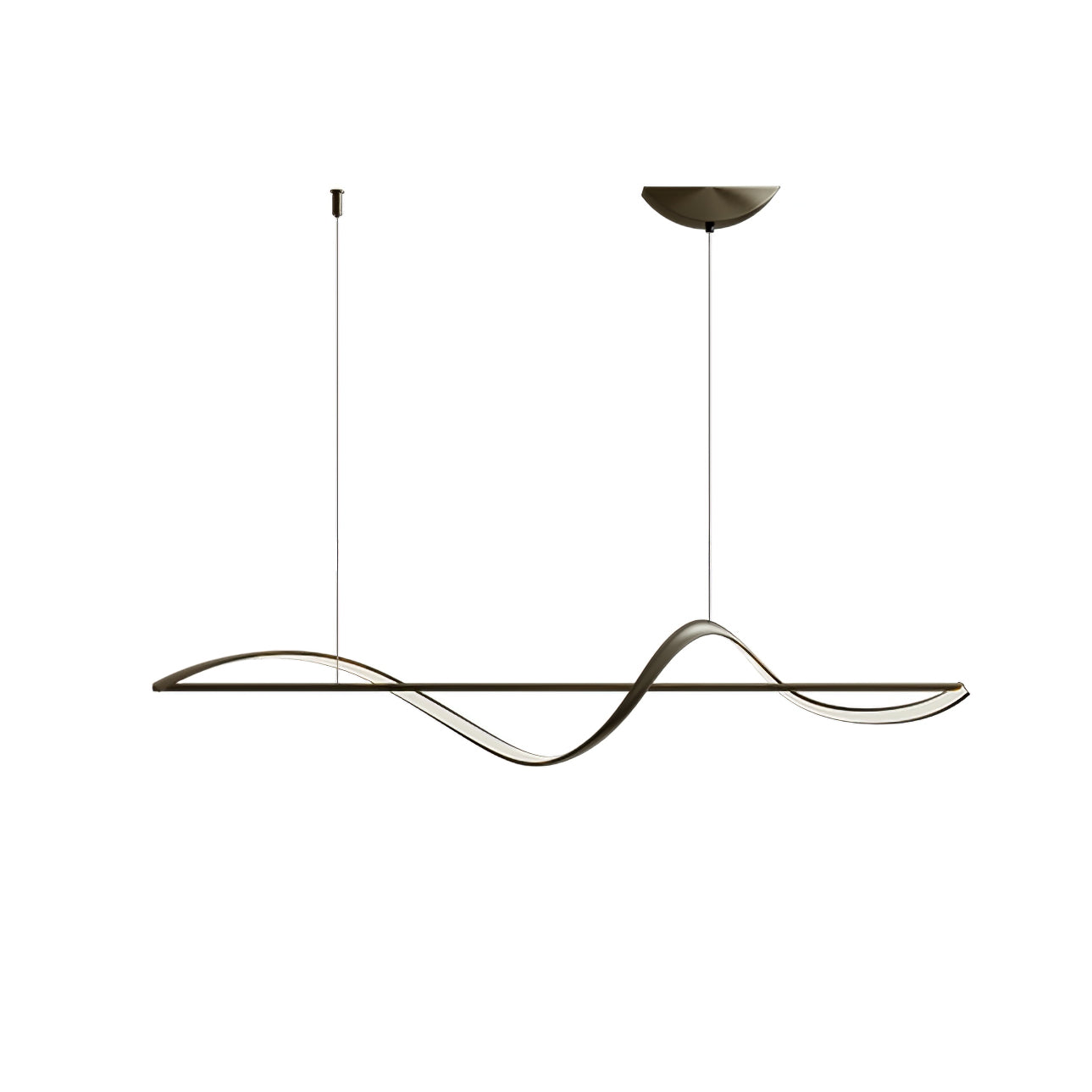
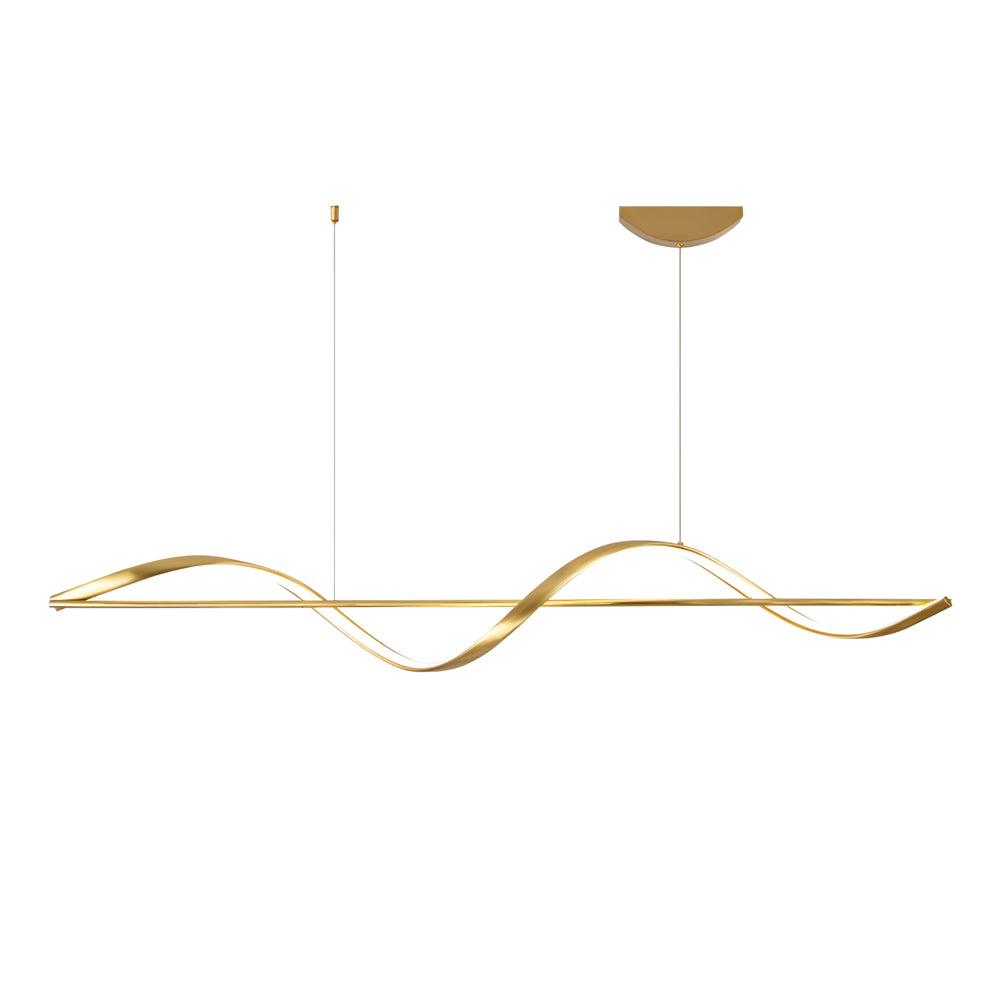
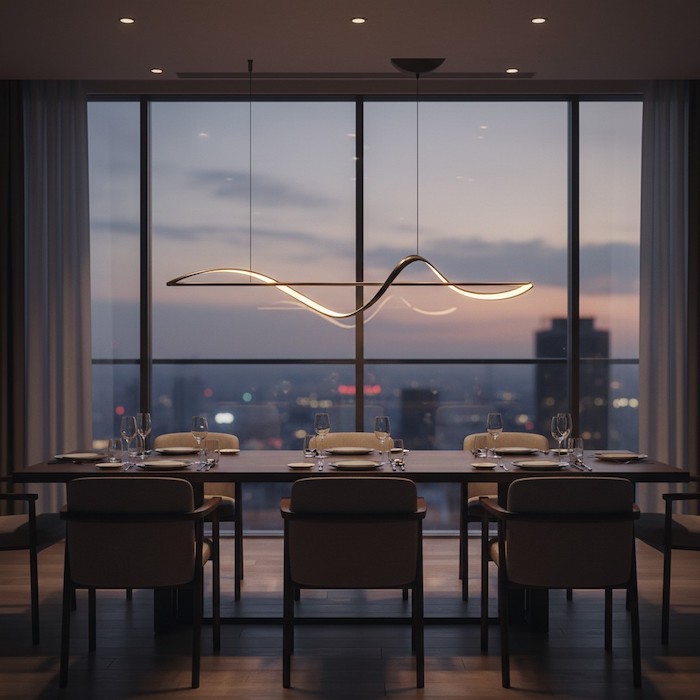
Linear lighting, like the Whisper Linear Island Chandelier, operates on a horizontal plane. Instead of one intense bulb, it uses a series of light sources spread across a long frame. This provides a "curtain" of light. When placed over a table, it ensures that the person at the far end has the exact same visibility as the person in the middle. It effectively eliminates the "hot spot" and "dark zone" cycle common with round pendants.
2. Architectural Impact: Visual Weight and Volume
Every object in a room has "visual weight"—the amount of space it appears to take up in your mind’s eye. Traditional chandeliers, especially those with multi-tier designs, have a vertical weight. they draw the eye up and down, which can make a room with a standard 8-foot ceiling feel slightly cramped or "heavy."
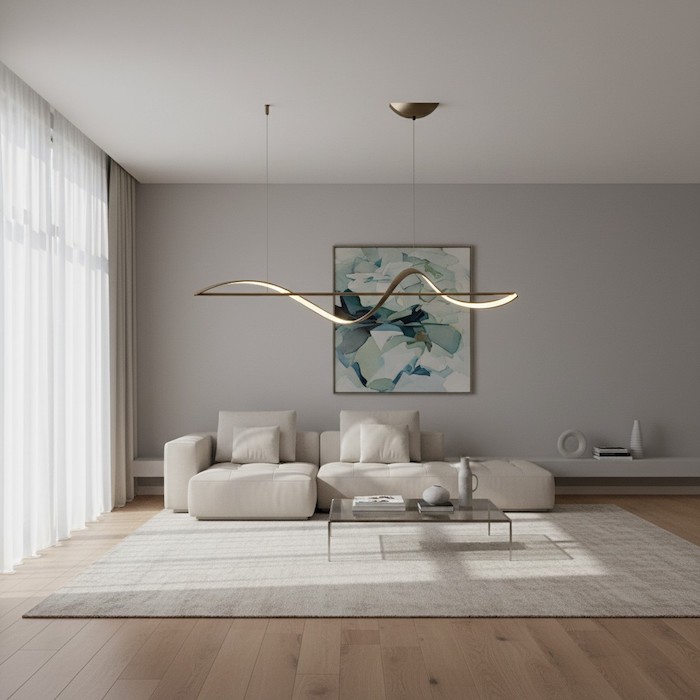
Linear fixtures have a horizontal visual weight. They guide the eye across the room, which actually emphasizes the width and flow of the space. Because they are typically slimmer and more streamlined, they provide a "see-through" quality. You get all the illumination you need without a bulky mass blocking your view across an open-concept living area. This makes linear lighting the secret weapon for making smaller apartments feel expansive.
3. Installation Complexity: The Single-Point Rule
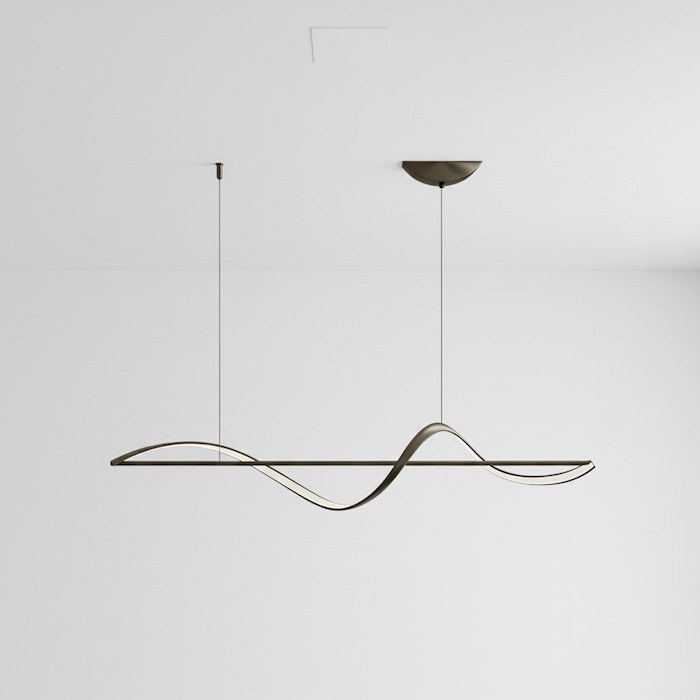
One core difference that often surprises homeowners is the installation process. To get wide light coverage with traditional fixtures, you often need to install two or three separate pendants. This requires multiple junction boxes, multiple holes in your ceiling, and a complex leveling process to make sure they all hang at exactly the same height.
A linear chandelier solves this problem with a single point of entry. Even though the fixture might be five feet long, most designs only require one central junction box. This means you get the aesthetic of multiple lights with the simplicity of a single installation. It’s a cleaner look on the ceiling and a much faster job for your electrician—an important consideration to keep in mind when avoiding Common Mistakes When Using Linear Lighting at Home.
4. Task vs. Ambient: Defining the Purpose
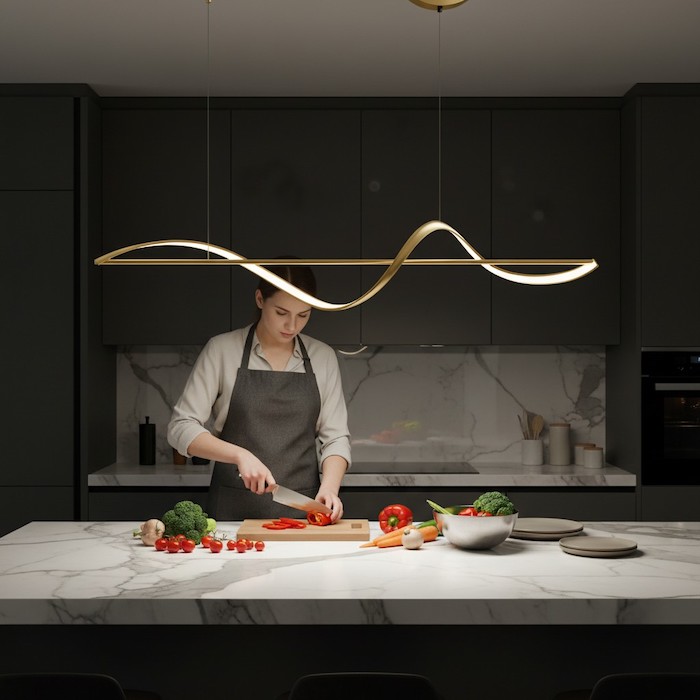
Why are you turning the light on? This is the ultimate question. Traditional round fixtures are often designed for "Ambient Lighting"—the base layer of light that fills a room. They are meant to be seen and to create a mood.
Linear fixtures are the masters of "Task Lighting." Because their light is focused downward and distributed evenly, they are built for action. Whether you are prepping vegetables on a kitchen island, sorting mail, or working on a laptop, the light is exactly where your hands are. However, modern designs like the Whisper Linear Chandelier bridge this gap by offering dimmable options, allowing them to shift from a bright task light during the day to a soft ambient glow for a late-night dinner.
5. The Aesthetic Split: Classic vs. Contemporary
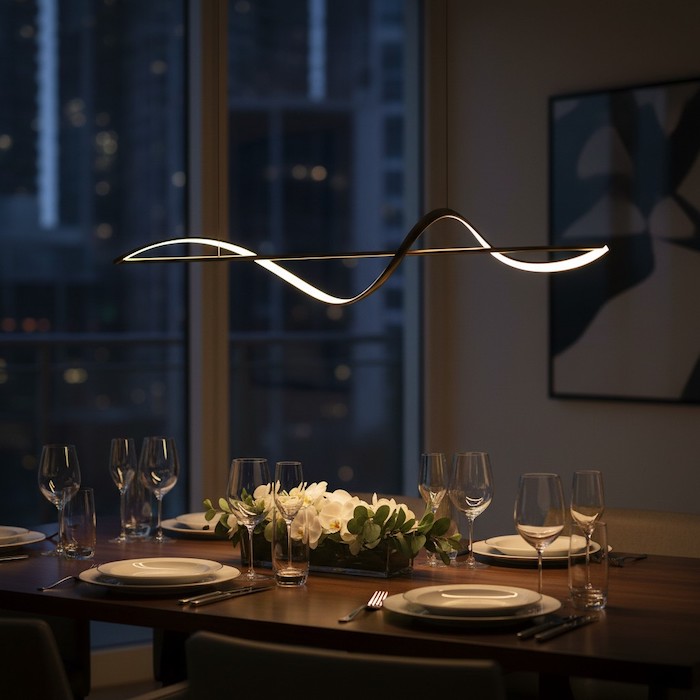
While both styles have evolved, there is still a clear stylistic divide:
Ultimately, the choice between linear and traditional lighting comes down to the shape of your furniture and the goals of your space. If your home is built for movement, utility, and modern lines, the linear path offers a level of performance that a single bulb simply can’t match. It’s an upgrade not just in style, but in the very quality of your daily life.