
Japandi Living Room Guide: How to Perfect the Blend of Scandi Minimalism and Natural Warmth
The global shift toward intentional living has radically transformed how we view our homes. We no longer look at our rooms as mere exhibition spaces for furniture; instead, we treat them as ecosystems designed to nurture our mental well-being. This desire for peace, clarity, and deep comfort has fueled the massive rise of Japandi interior design. This style beautifully merges the clean, functional simplicity of Nordic style with the warm, rustic, and time-honored charm of traditional Japanese spaces. The result is an incredibly balanced aesthetic that feels remarkably clean yet deeply cozy and authentic.
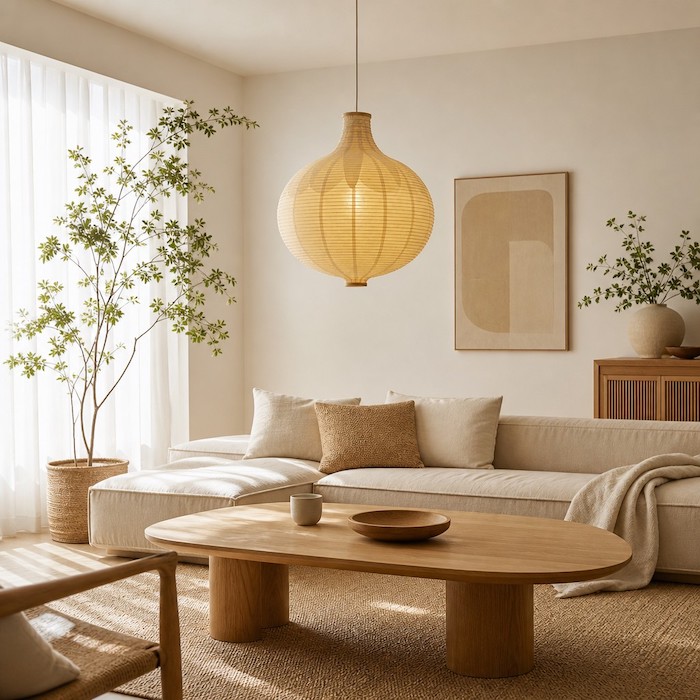
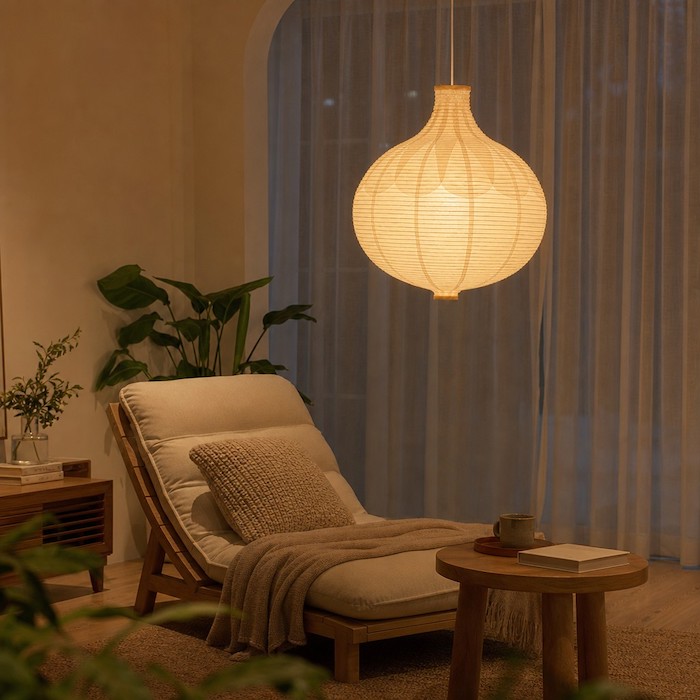
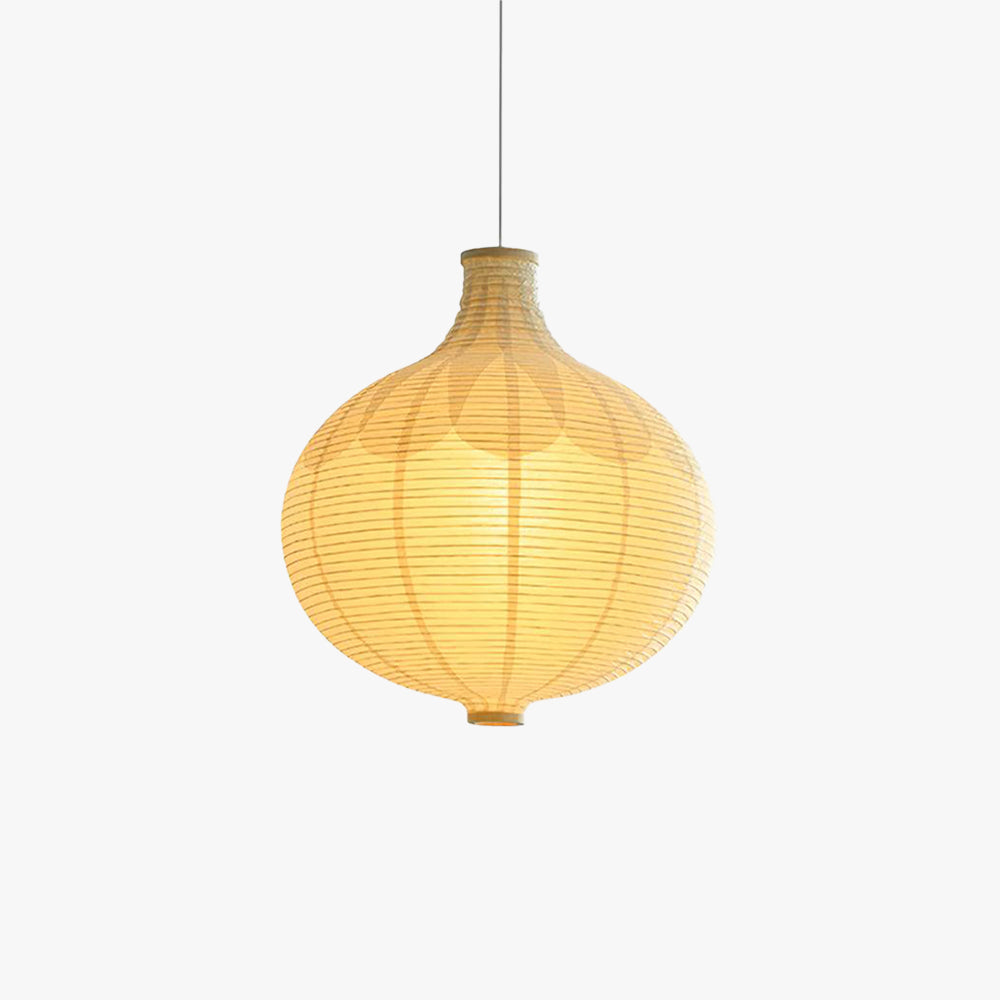
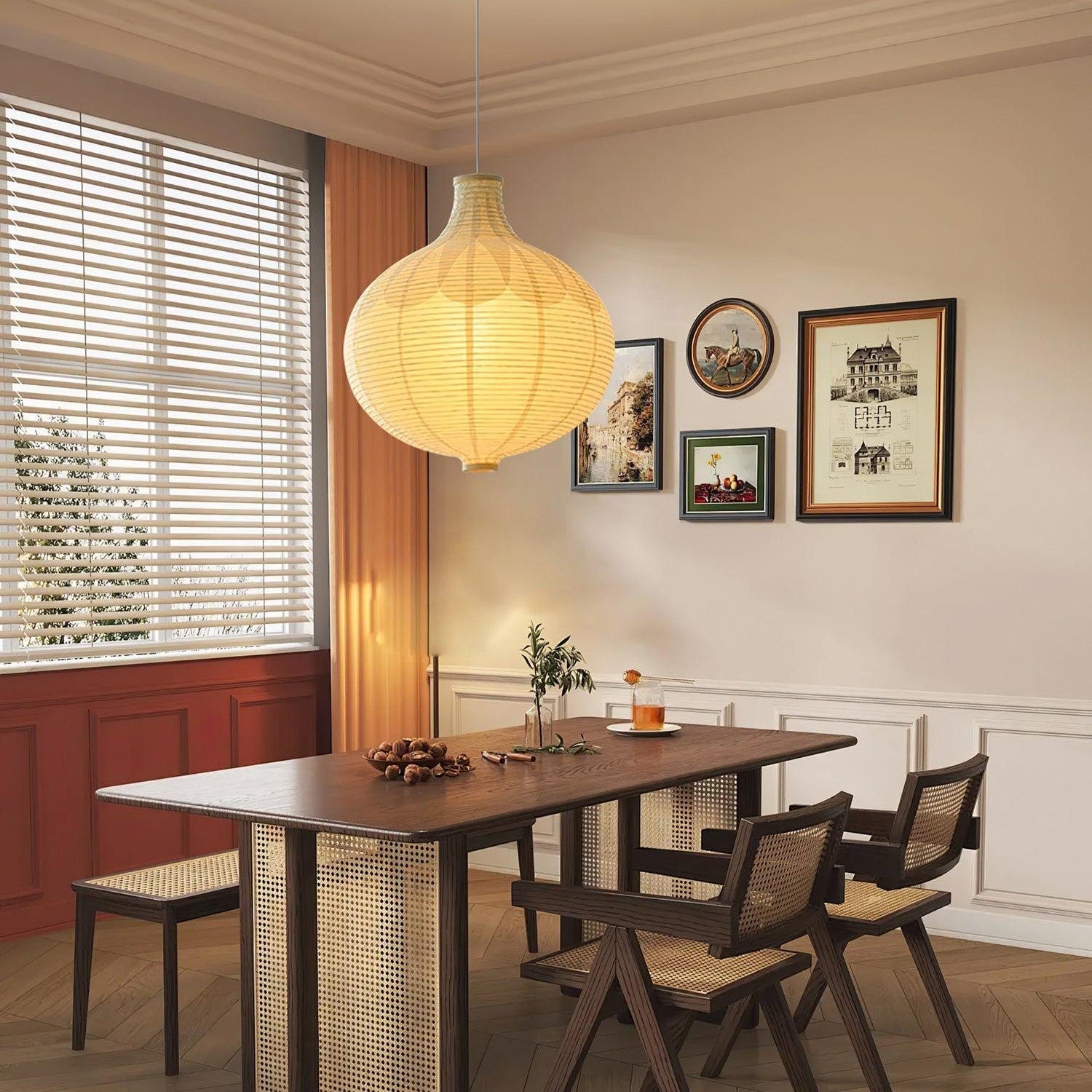
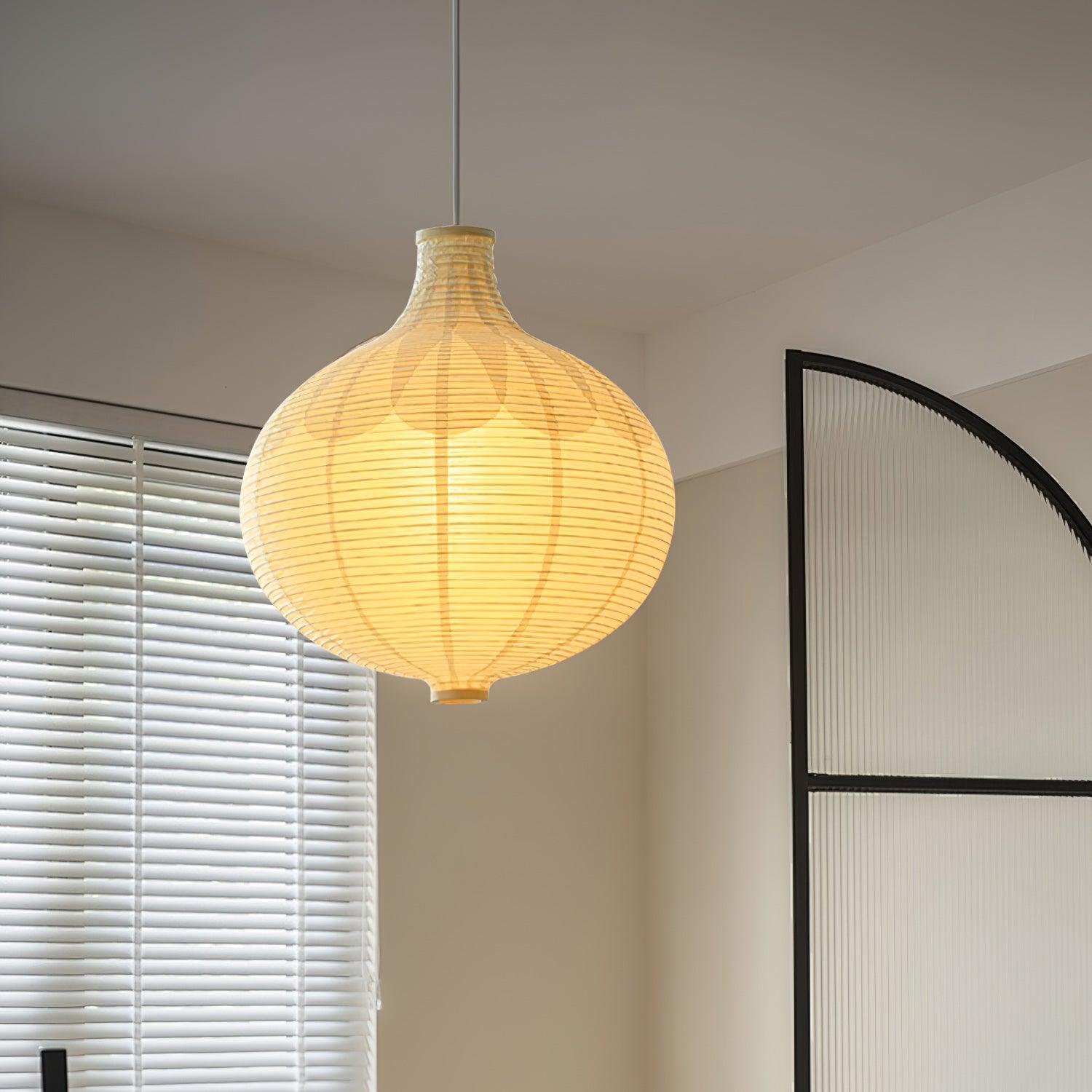
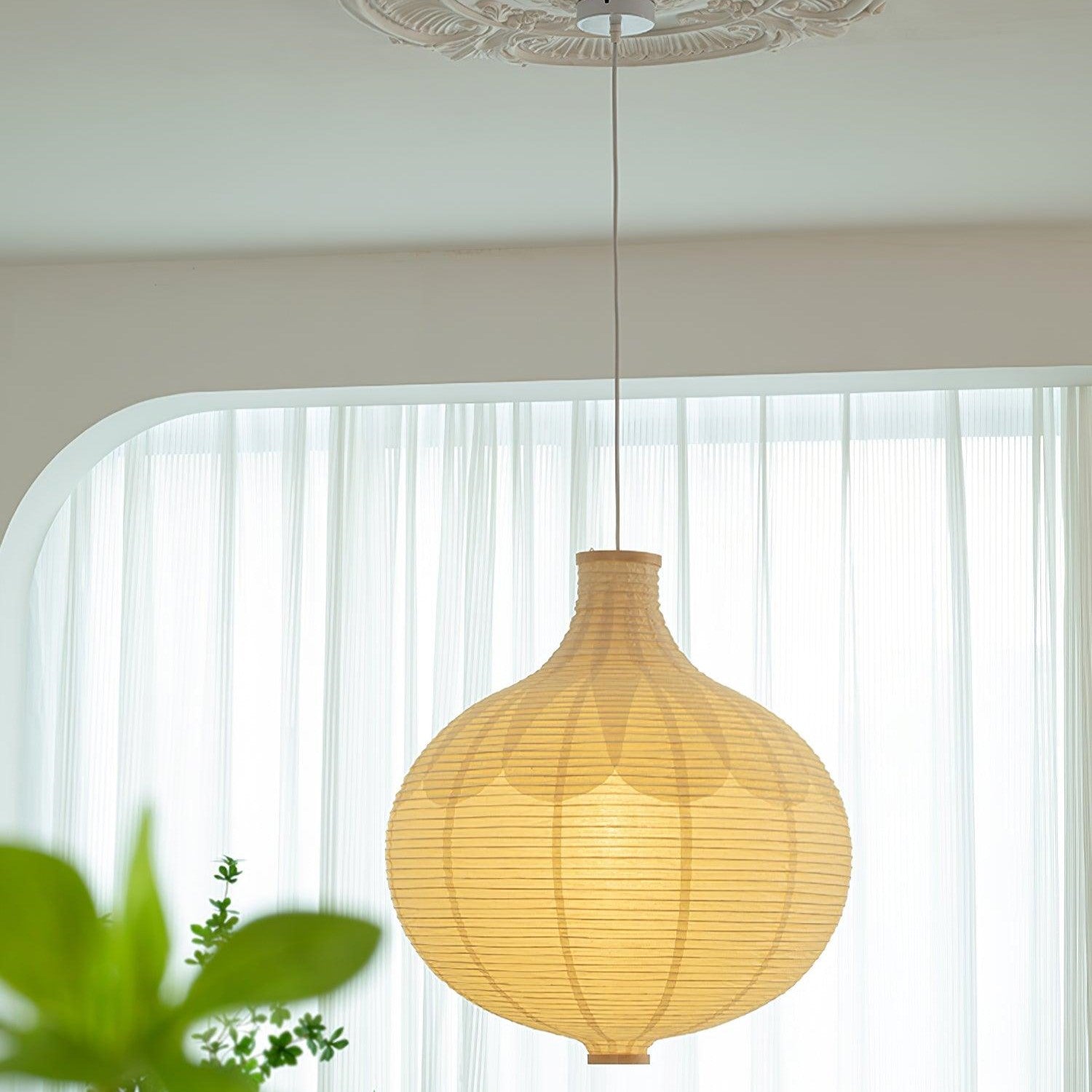
Creating an authentic Japandi living room requires balancing elements that might initially seem opposites: the cool, structured efficiency of northern Europe and the warm, raw textures of eastern Asia. While furniture layout and neutral wall shades lay the foundation, lighting serves as the ultimate bridge. Incorporating an artisan-inspired fixture like the Ritta Japanese Design Globe Wood Paper LED Pendant Light Living Room allows you to instantly combine structural clarity with soft, natural warmth, striking the exact harmony this design philosophy demands.
The Core Elements of a Balanced Japandi Space
To master this look, you must first understand its foundational pillars. Scandinavian interiors bring sleek lines, practical layouts, and light wood tones to the table. Japanese interiors introduce richer organic materials, lower furniture profiles, and an appreciation for raw craftsmanship. When these styles unite, they eliminate the sterile feeling that sometimes compromises modern homes, replacing it with an earthy, grounded atmosphere.
Japandi design harmony relies on raw material honesty. This design framework combines clean northern European utility with traditional eastern appreciation for organic, biological textures like untreated timber, unbleached cotton, and handmade paper.
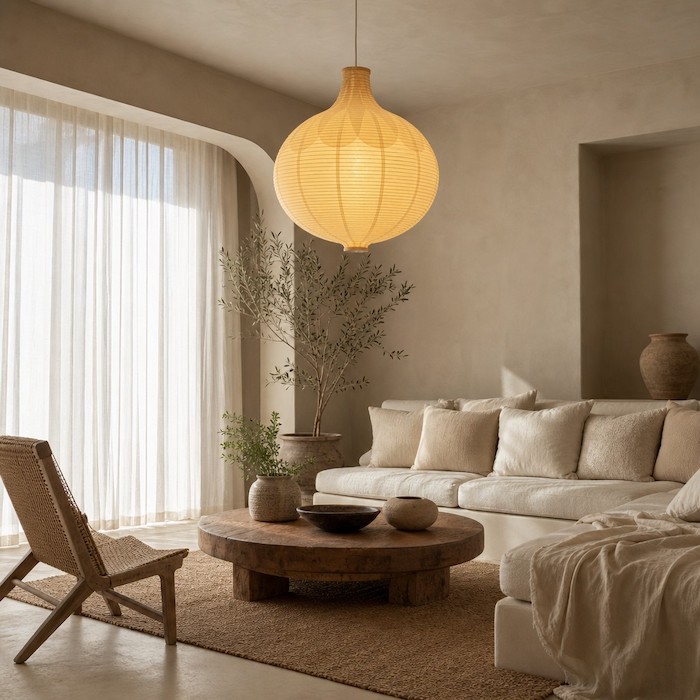
Every piece of decor in a Japandi living room must earn its place through either outstanding utility or emotional comfort. Heavy, ornate decorations are swapped for items with sculptural silhouettes and natural origin stories. Wood grains are left exposed, fabrics keep their raw weave patterns, and lighting is carefully chosen to echo forms found in nature rather than clinical industrial patterns. Achieving this harmonious balance requires Coordinating Lighting with Furniture Materials, ensuring every element feels intentional and visually connected.
Why the Globe Form is the Ultimate Spatial Anchor
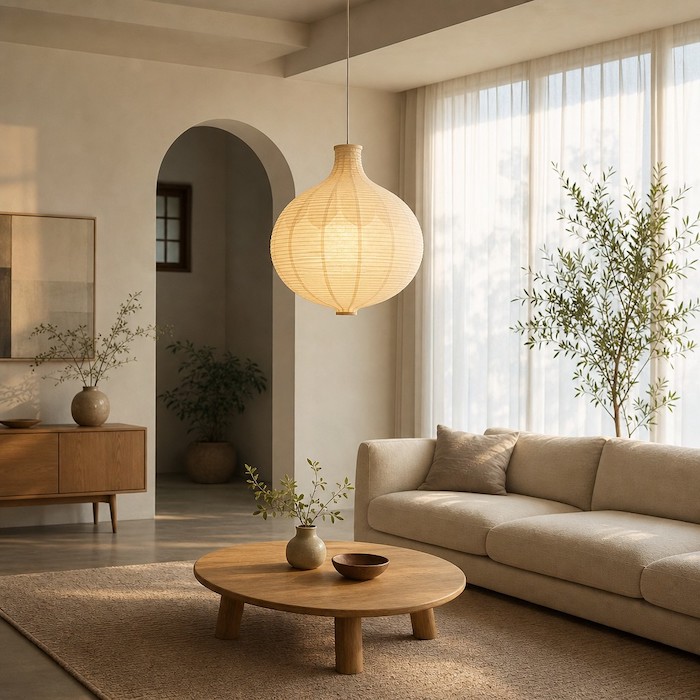
Geometry plays a significant role in how comfortable a room feels to the human mind. Modern open-plan homes in America often feature square layouts, sharp drywall corners, and linear shelves. To prevent these spaces from feeling too rigid or cold, interior designers use curved elements to soften the room's edges. A spherical ceiling fixture acts as a visual anchor, drawing the eye upward and creating a welcoming focal point that ties the entire living space together.
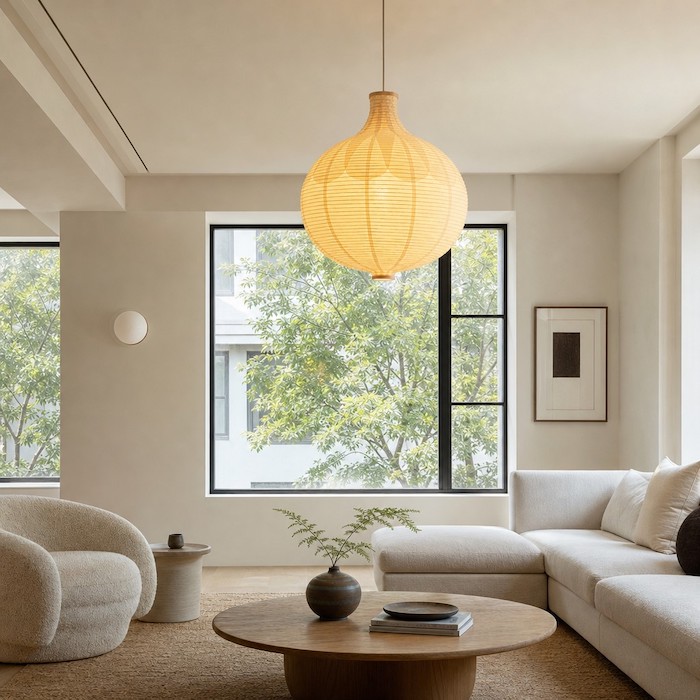
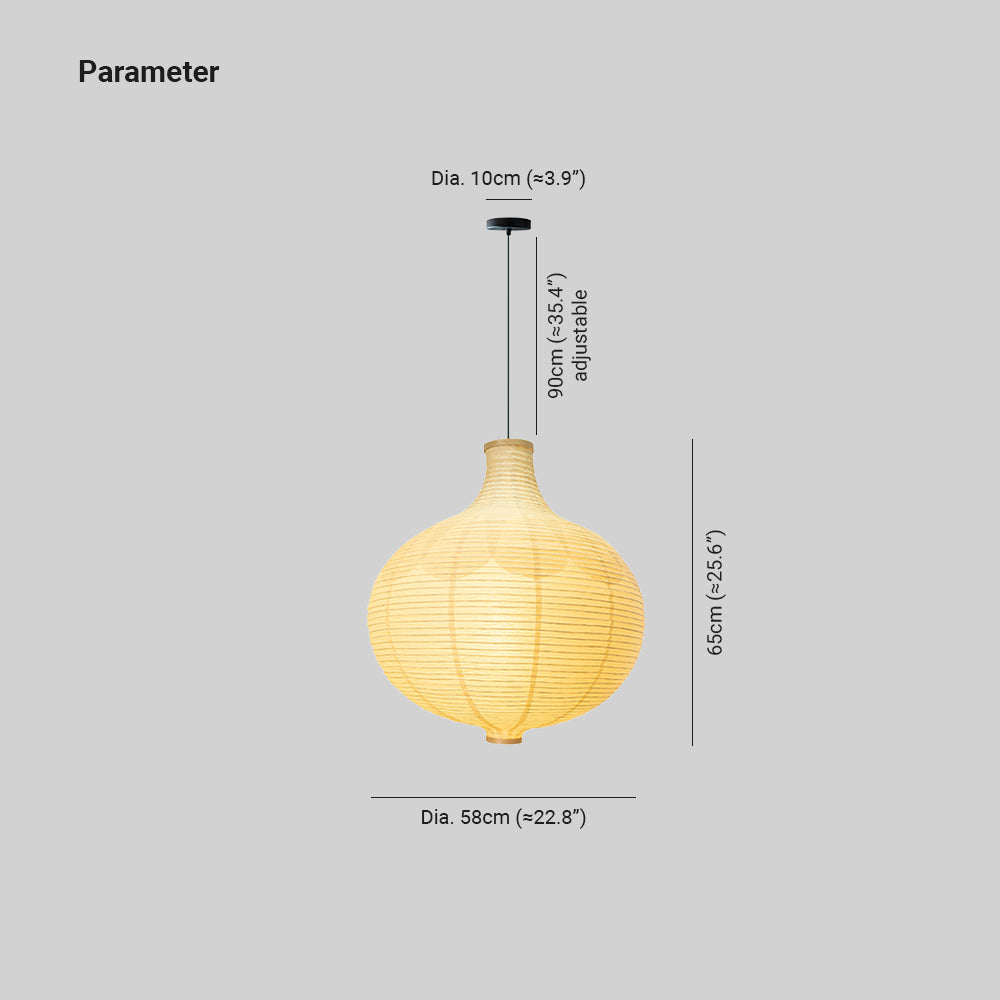
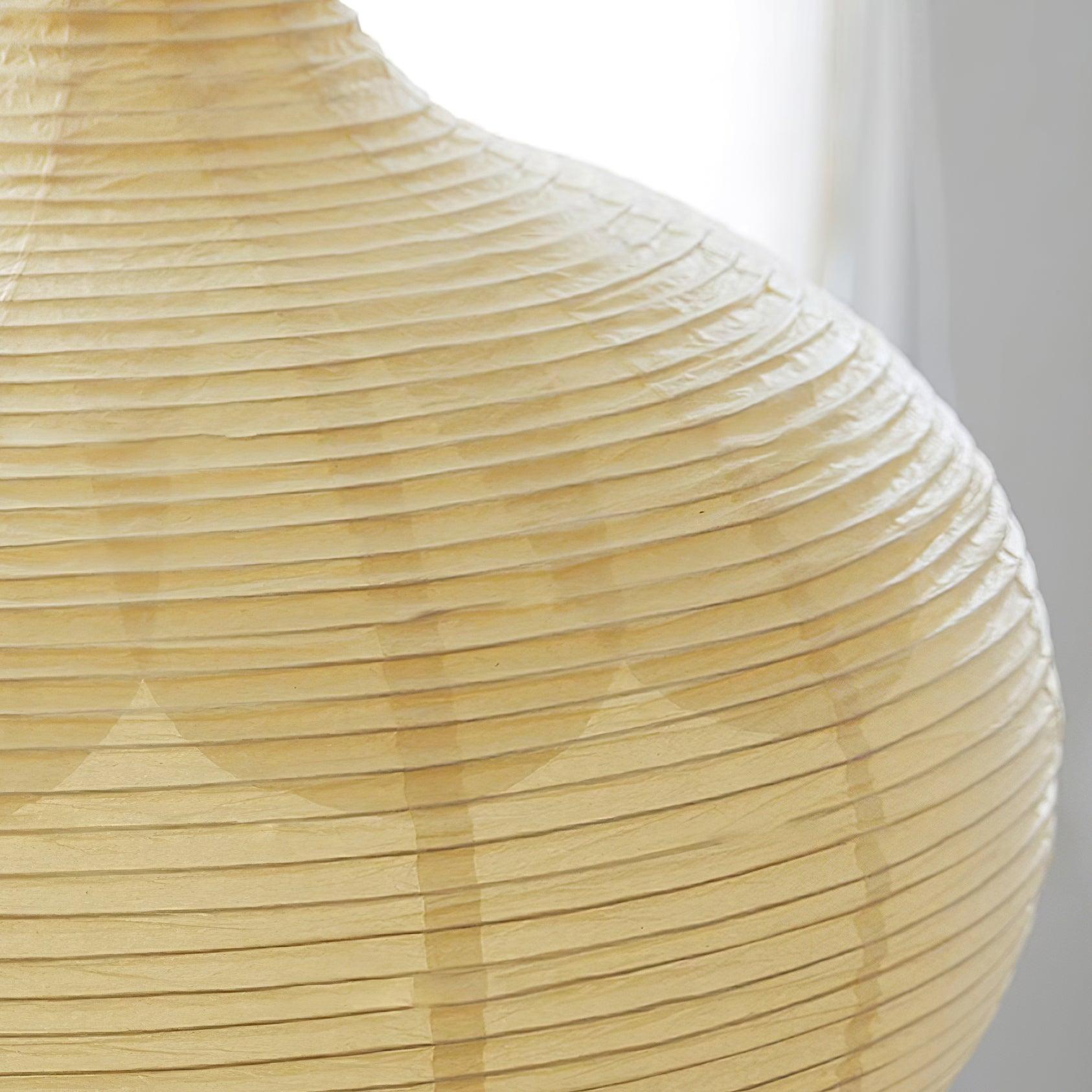
This is exactly why the spherical design of the Ritta Japanese Design Globe Wood Paper LED Pendant Light Living Room works so beautifully in a Japandi layout. Its floating globe shape breaks up rigid architectural lines without creating visual clutter. The premium wood framing honors traditional wood-joining techniques, while the high-grade textured paper shade filters light in a way that feels completely soft, authentic, and natural.
How do globe pendant lights improve living room flow? Spherical fixtures act as central spatial anchors. They break up the harsh rectangular grids of modern walls and furniture, drawing eyes upward and creating a welcoming, organic center point.
By hanging a large-format globe pendant in the center of your sitting area, you instantly establish a sense of purpose. Whether it is hung low over a minimalist coffee table or positioned high to fill a vaulted ceiling, the circular form balances out the clean, straight lines of your Scandinavian-style seating and storage units.
Layering Textures and Balancing Color Temperature
A common mistake when designing a minimalist room is relying too much on a single texture or a flat color palette. True comfort comes from contrast. You want to layer smooth concrete or plastered walls against the rough grain of an oak table, and soft linen curtains against the structural pattern of a paper lamp. This layering technique highlights How Lighting Materials Shape Interior Texture, as the surface quality of your fixtures becomes a vital component of the room's overall tactile landscape. This intersection of varied surfaces creates visual depth without relying on loud colors or busy patterns.
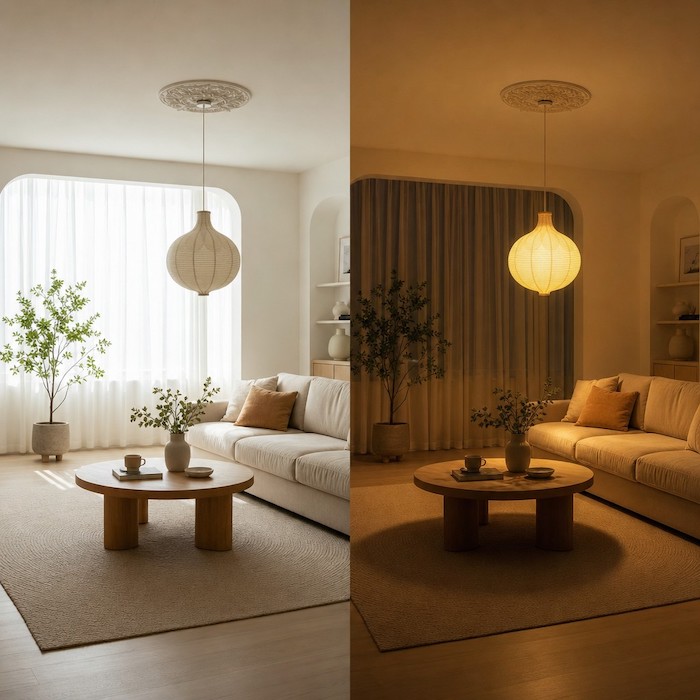
Lighting color temperature is equally crucial in finalizing this atmosphere. Standard cool white commercial bulbs can instantly destroy the cozy feeling of raw wood and natural fabrics. To truly bring out the rich undertones of timber and woven fibers, leaning into warm white illumination (around 2700K to 3000K) is essential. Choosing a light that beautifully distributes this glow, such as the Ritta Japanese Design Globe Wood Paper LED Pendant Light Living Room, ensures that your space feels continuously wrapped in an inviting, sunset-like atmosphere. The built-in energy-efficient LED elements emit almost no heat, preserving the integrity of the natural paper shade while ensuring your home remains sustainably powered for years to come.