
Comfort Meets Utility: The Art of Layered Bedroom Lighting
Your bedroom is the only space in your home that must perform two completely opposite roles. During the day and early evening, it needs to be functional—a place to get dressed, organize your thoughts, or perhaps read a technical manual. But as night falls, it must undergo a radical transformation into a sanctuary of rest. Most people struggle with this balance because they rely on a single, uninspiring ceiling fixture.
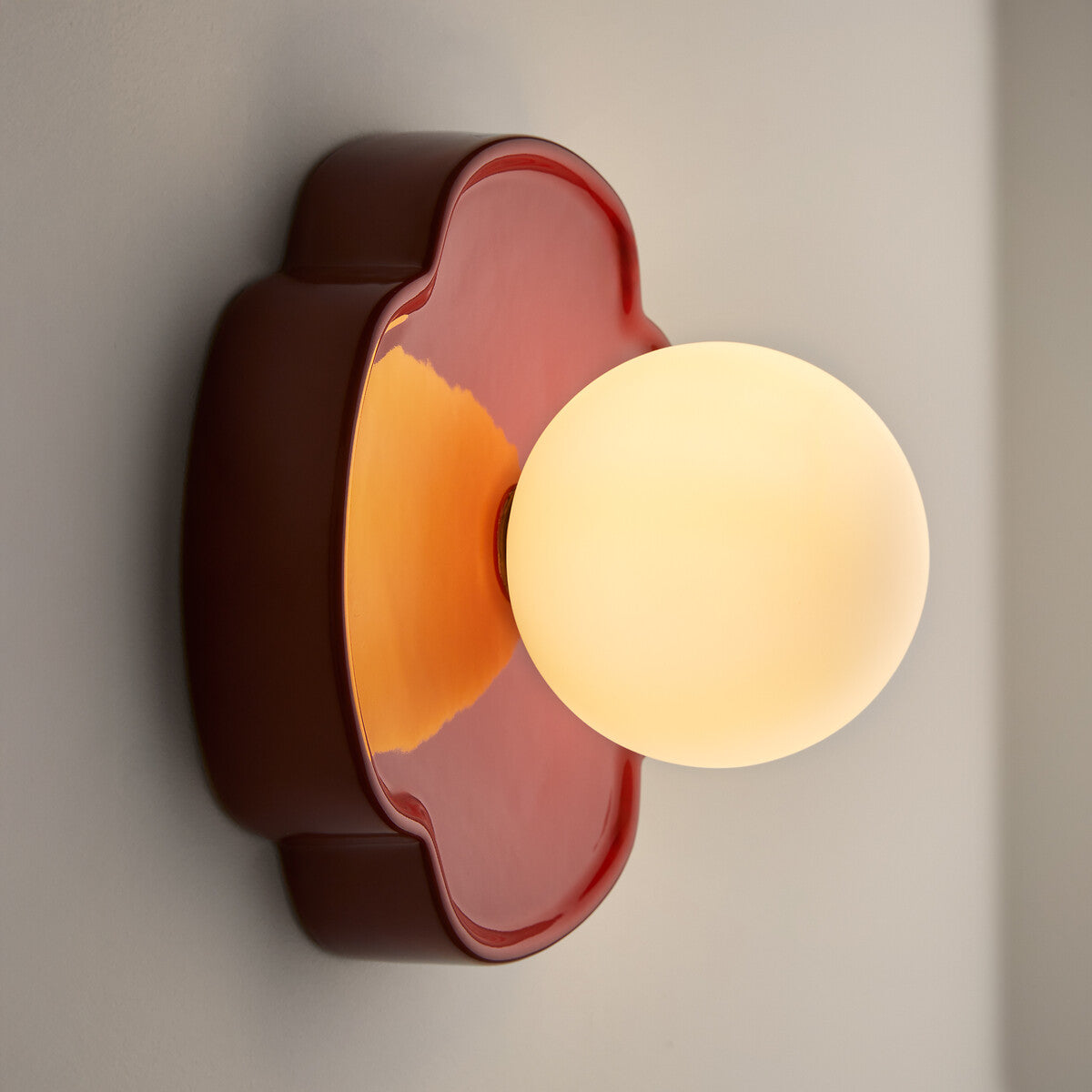
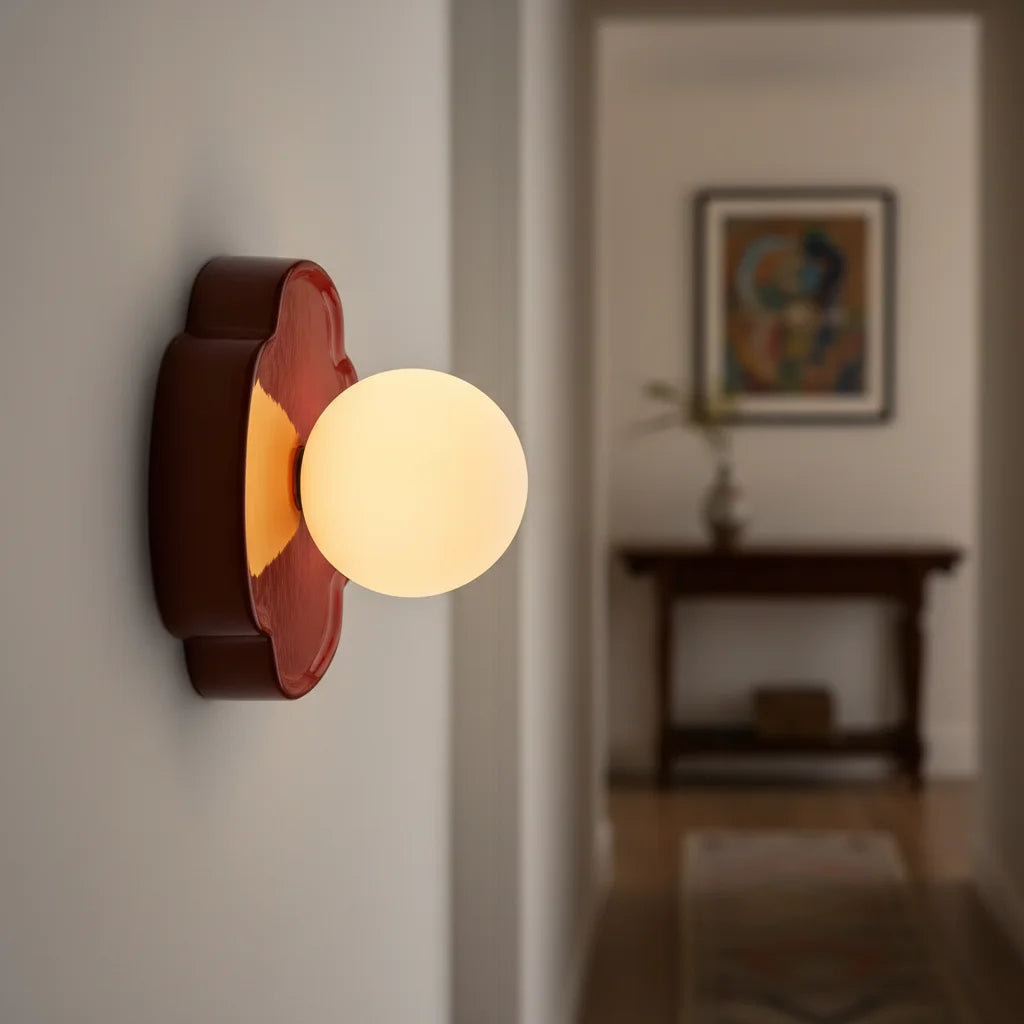
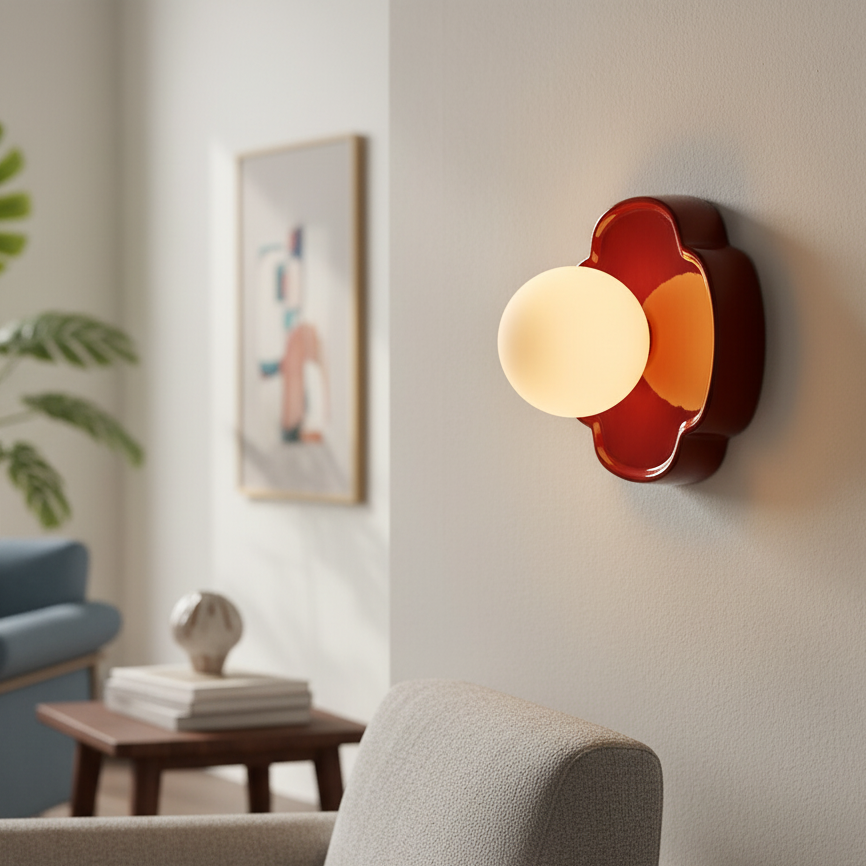
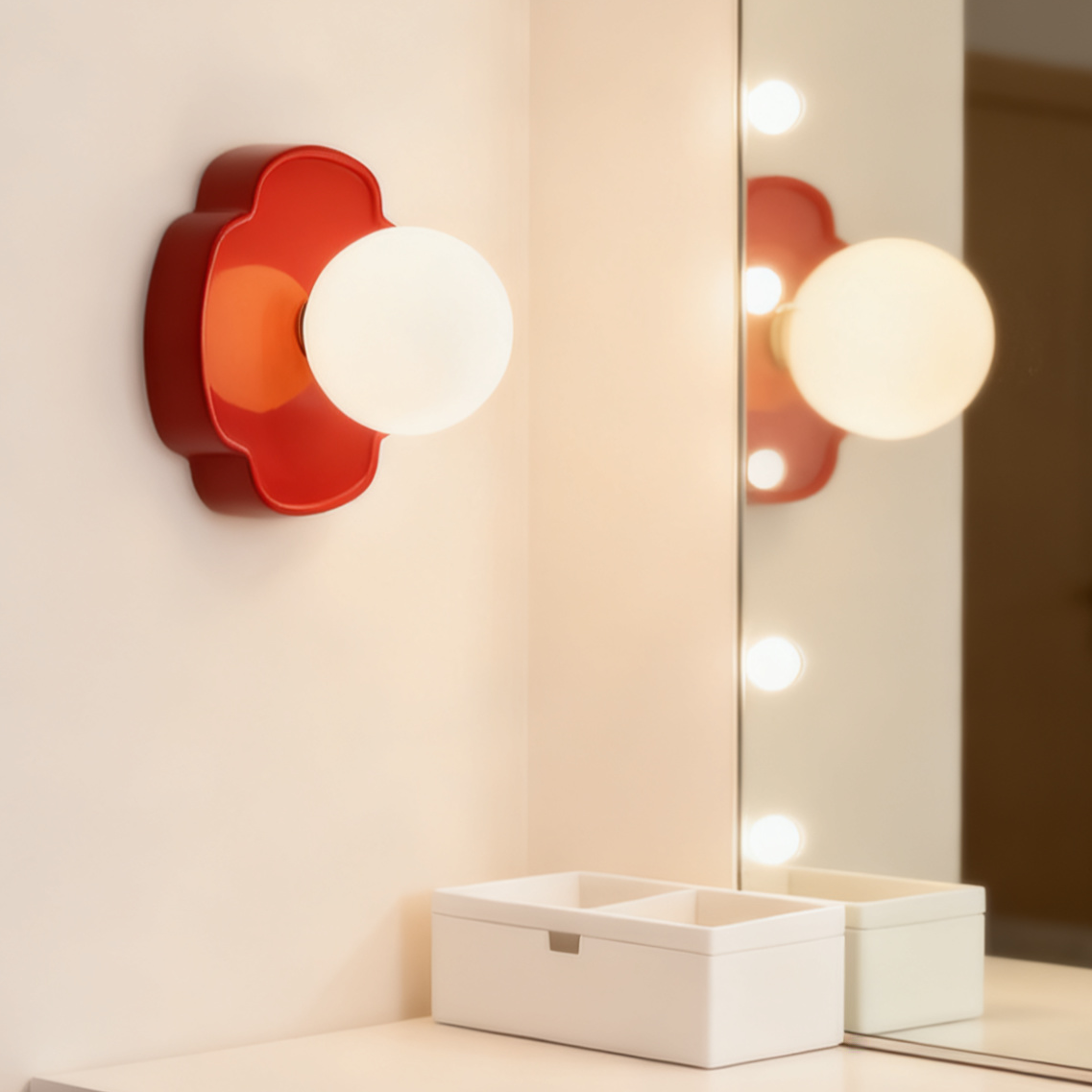
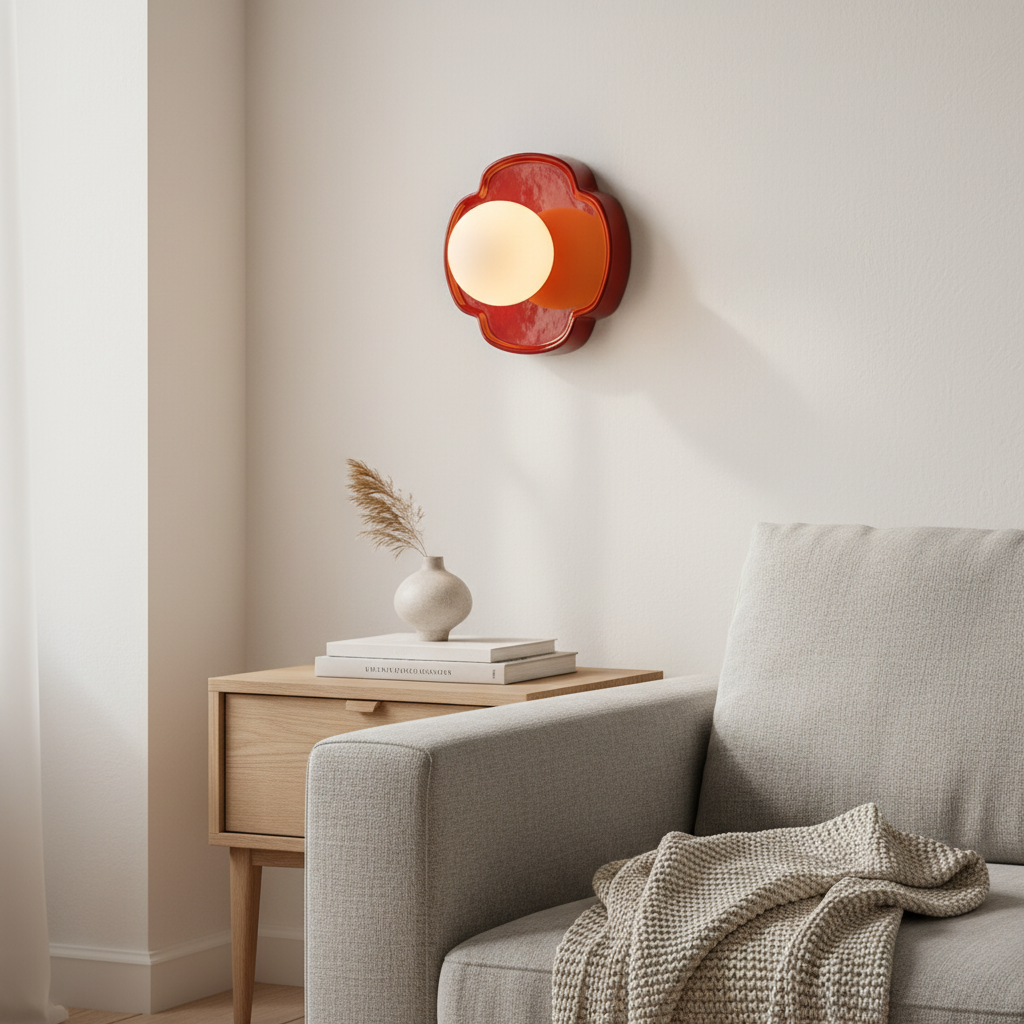
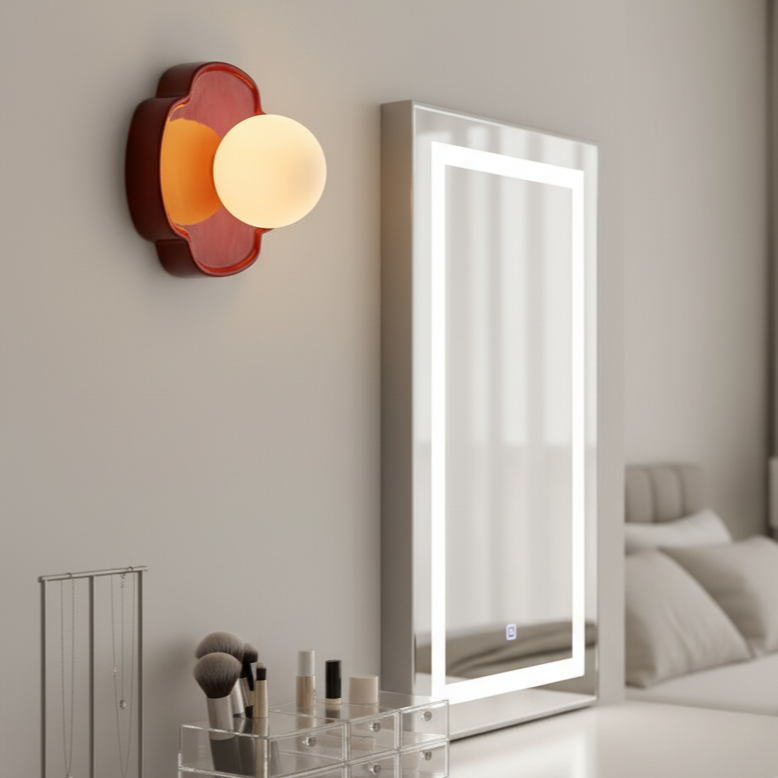
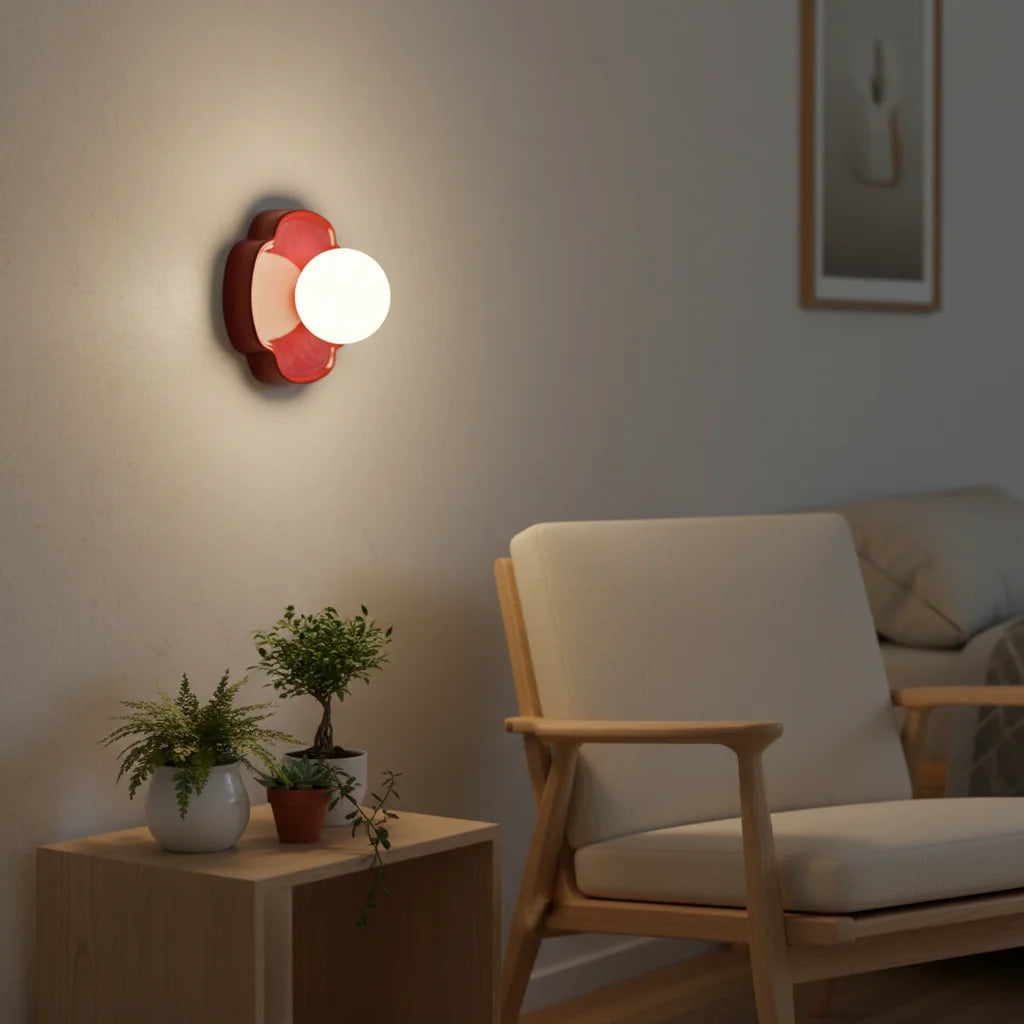
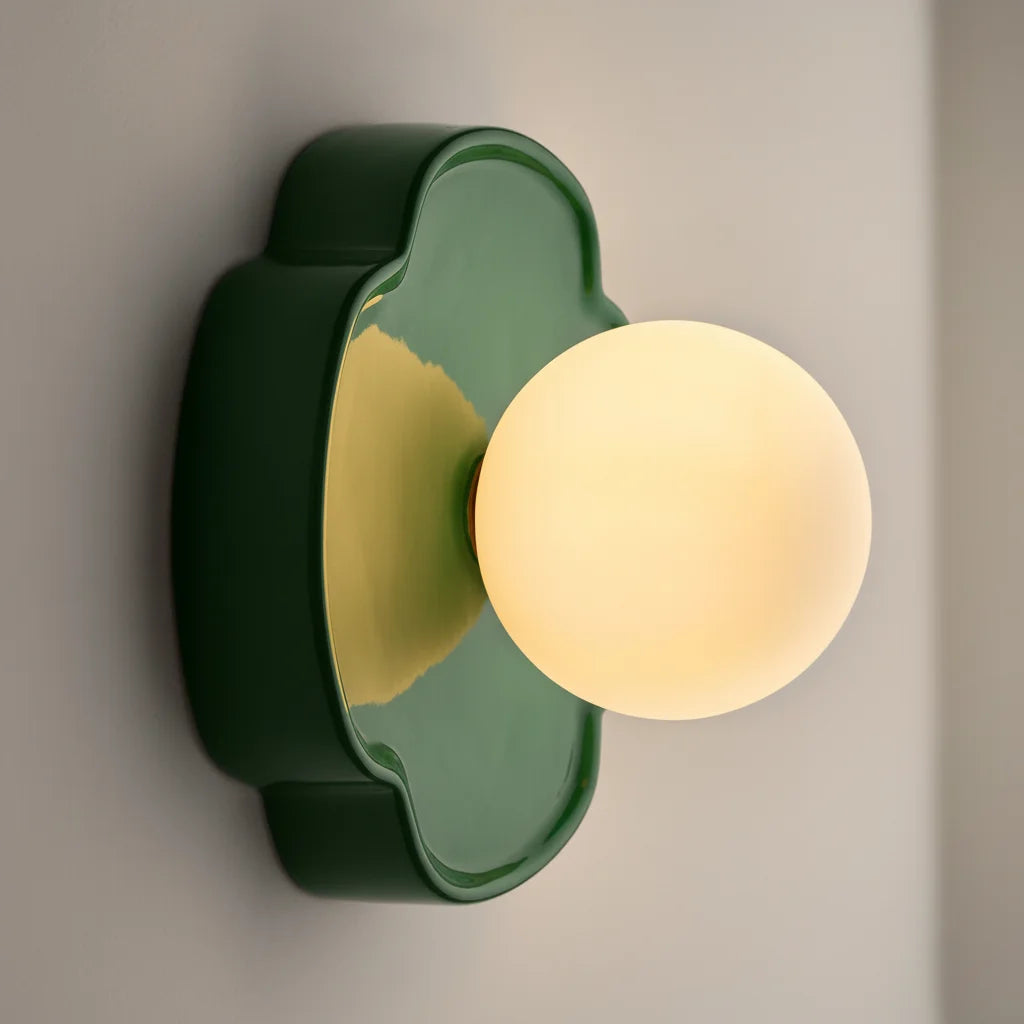
True bedroom design isn't about choosing between "bright" and "cozy." It is about flexibility. By understanding how to integrate versatile fixtures like the Dashiell Modern Spherical Ceramic Wall Lamp, you can master the bridge between practicality and pure comfort, specifically by Using Modern Wall Lights to Enhance Vertical Space. This approach not only frees up your nightstand for essentials but also draws the eye upward, making even the most compact bedroom feel more expansive and thoughtfully composed.
The Three Pillars of Bedroom Utility
To achieve a space that works for you, we have to look at lighting through three distinct lenses. When these pillars are in harmony, the bedroom feels "right," regardless of the time of day.
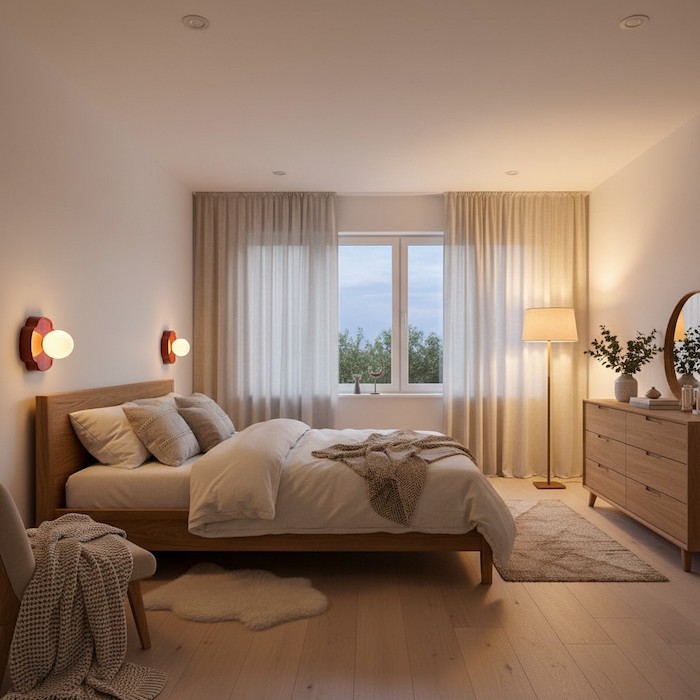
1. Ambient Light (The Foundation): This is your general overhead light. It’s what you flip on when you’re cleaning or looking for a lost sock. It should be clear and even, but it rarely provides the "vibe" we crave in a sleeping space.
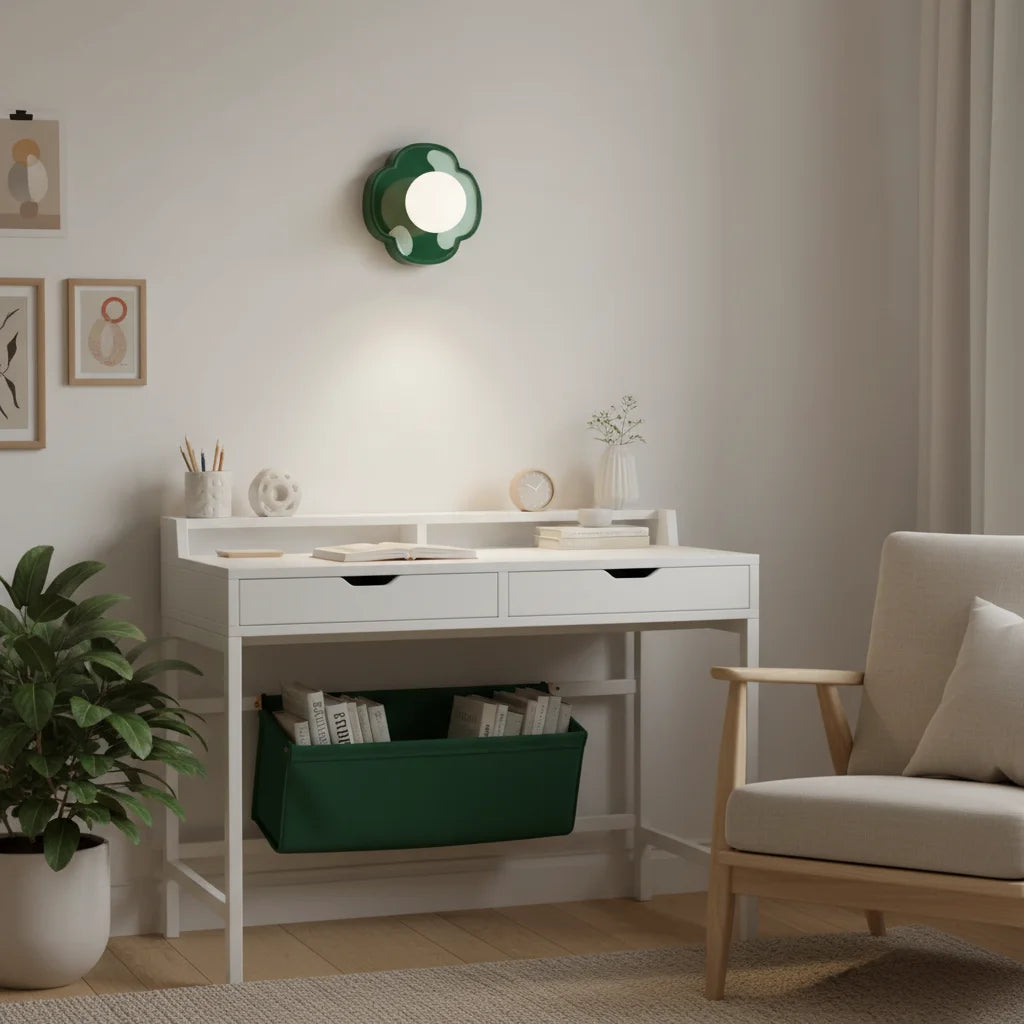
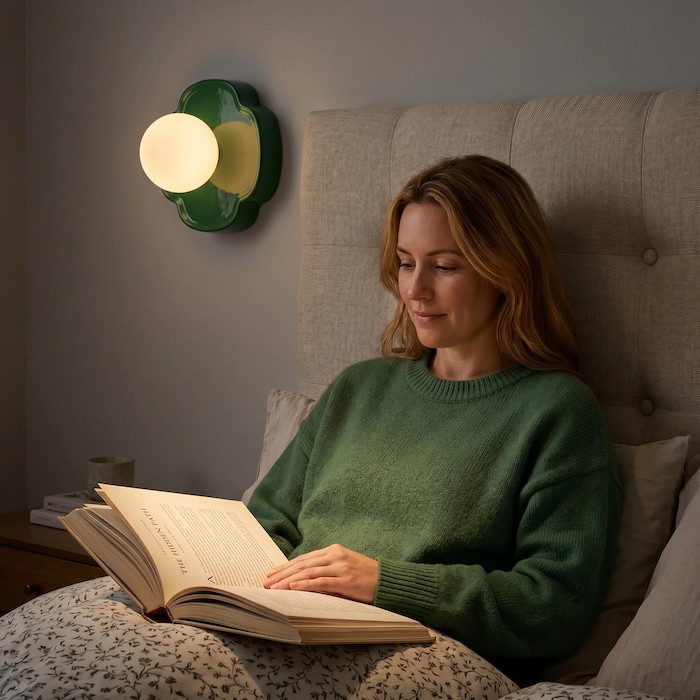
2. Task Light (The Workhorse): This is where practicality shines. Task lighting is directional and focused. It’s the light that lets you read without squinting or apply makeup with precision. Traditionally, this was the role of the bedside lamp, but modern design is shifting toward wall-mounted solutions to save space and reduce visual clutter.
3. Accent Light (The Emotion): This is purely for atmosphere. It highlights a piece of art, a texture on the wall, or simply provides a soft glow that helps the brain transition toward sleep. This is where ceramic materials truly outperform glass or metal.
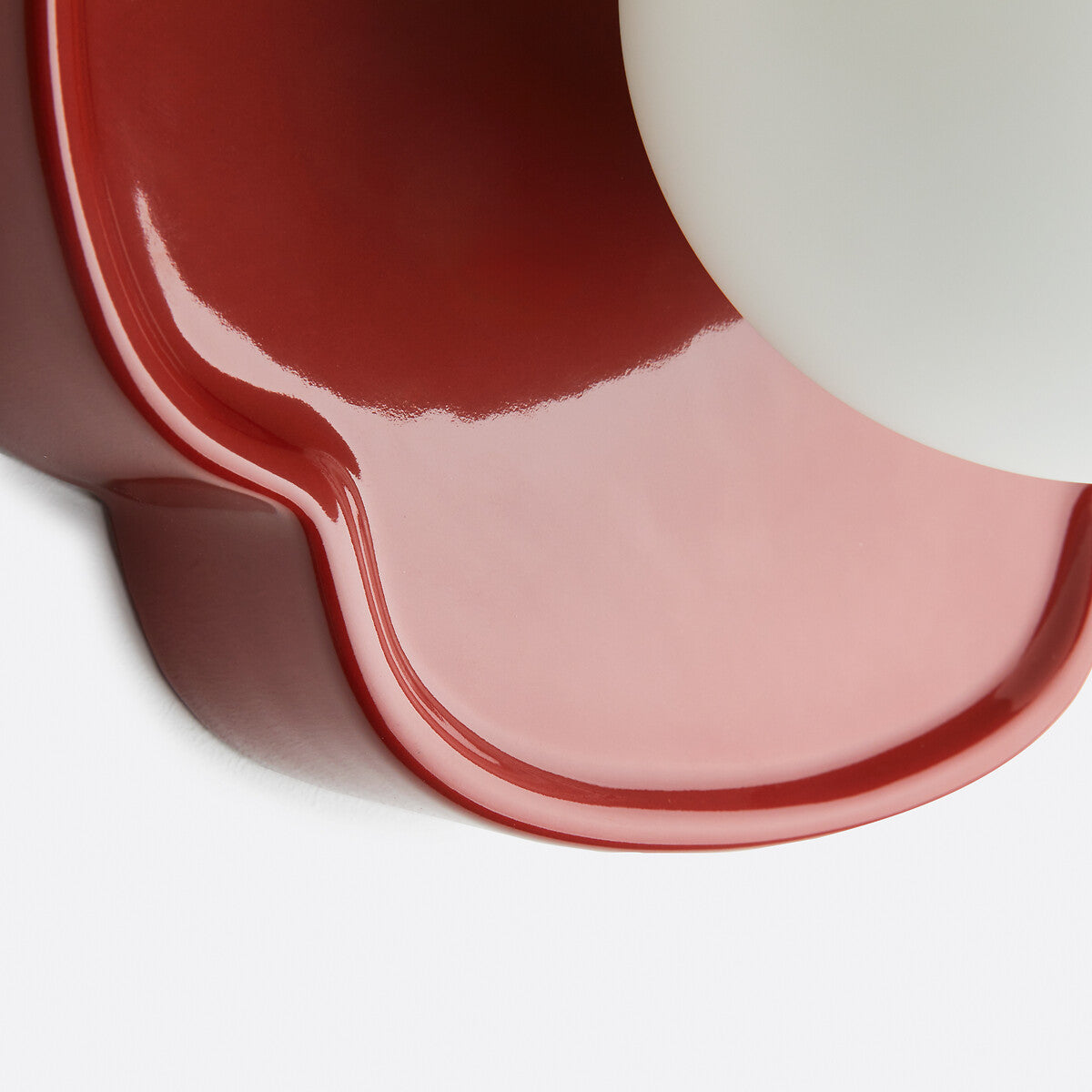
Why Ceramic for the Bedroom? Unlike metal, which can feel cold and industrial, or glass, which can create distracting glares, ceramic is an earth-derived material. It has a natural "quietness" to it. When used in a spherical shape, it distributes light in a way that mimics a glowing moon rather than a high-powered bulb.
Overcoming the "Blue Light" Practicality Trap
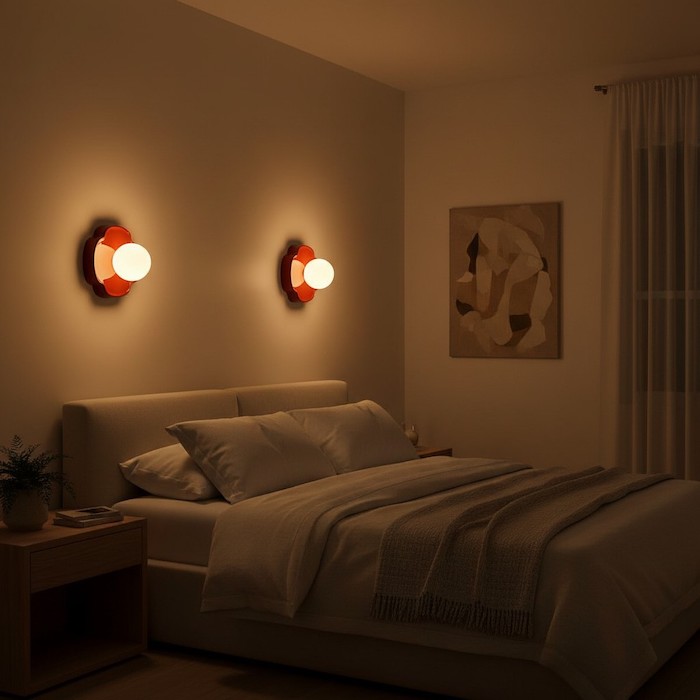
A common mistake in modern bedrooms is the over-reliance on high-utility LEDs that lean toward blue-heavy spectrums. While great for an office, blue light inhibits sleep. To maintain practicality without sacrificing comfort, the secret lies in diffusion.
Using a lamp like the Dashiell Moderne Ceramic Orb Wall Lamp allows you to use a bright enough bulb for reading, while the ceramic housing filters out the harshness. The result is a crisp light on your page but a warm, velvet-like glow in the rest of the room. This "contained brightness" is the definition of bedroom utility, offering a perfect real-world answer to the question: How Do Light Color Temperature & Brightness Affect Your Space? By balancing these two factors, you can achieve a functional environment that never sacrifices its soul or its comfort.
Symmetry, Height, and Habit
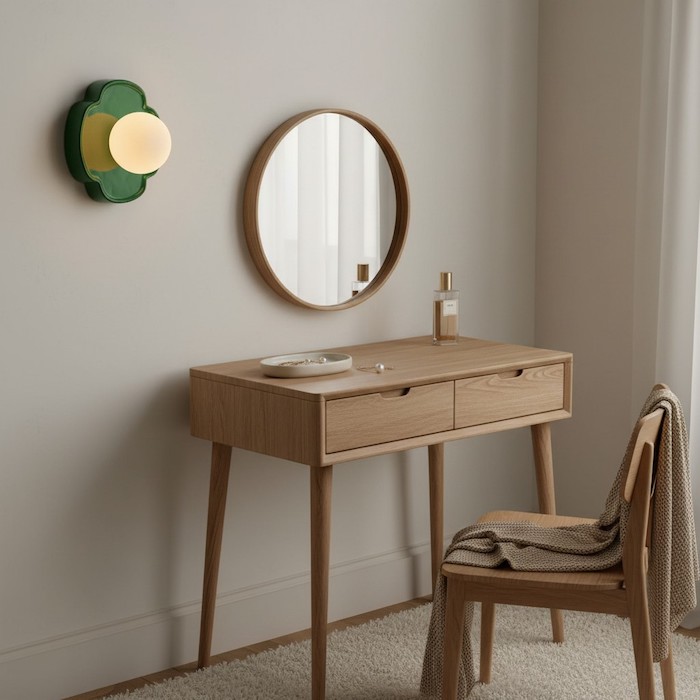
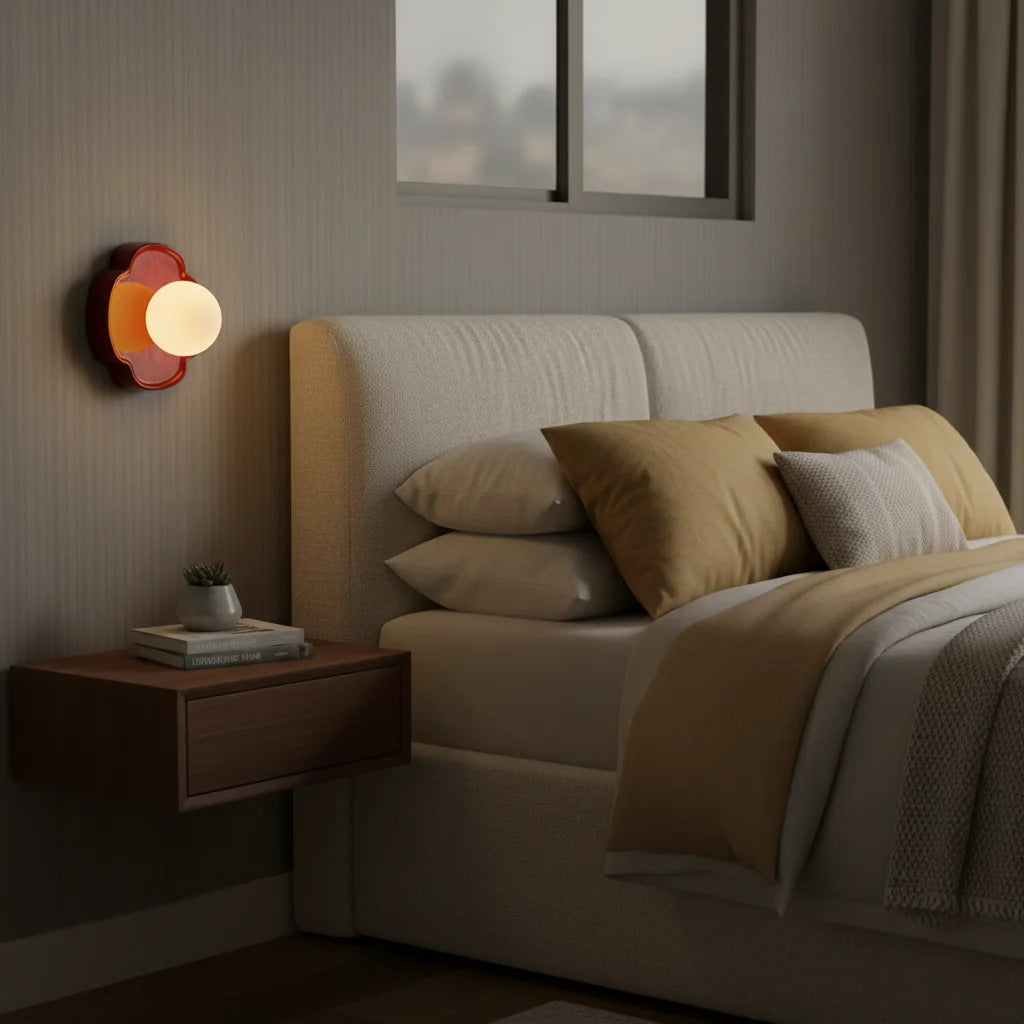
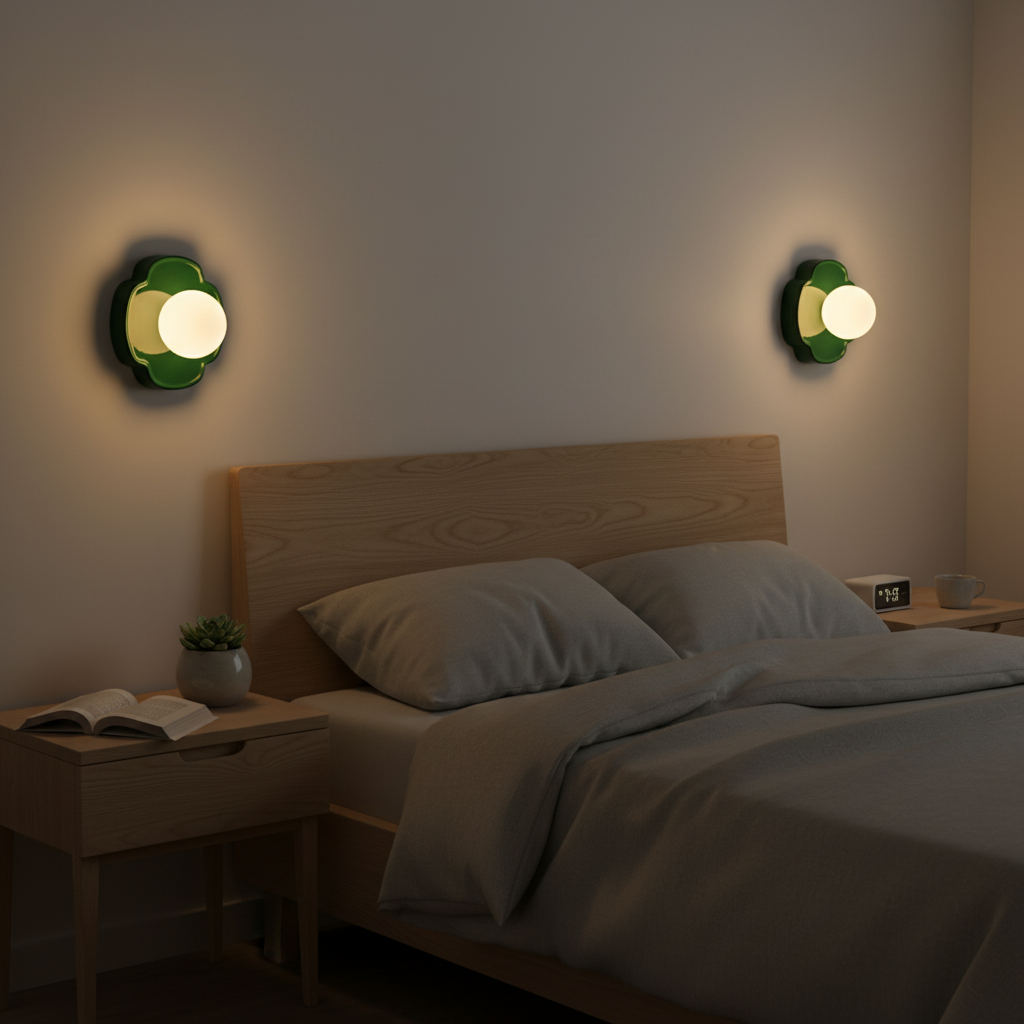
Where you place your lights is just as important as what they look like. For maximum practicality, wall sconces should be mounted at eye level when you are sitting up in bed. This prevents shadows from being cast across your book or tablet.
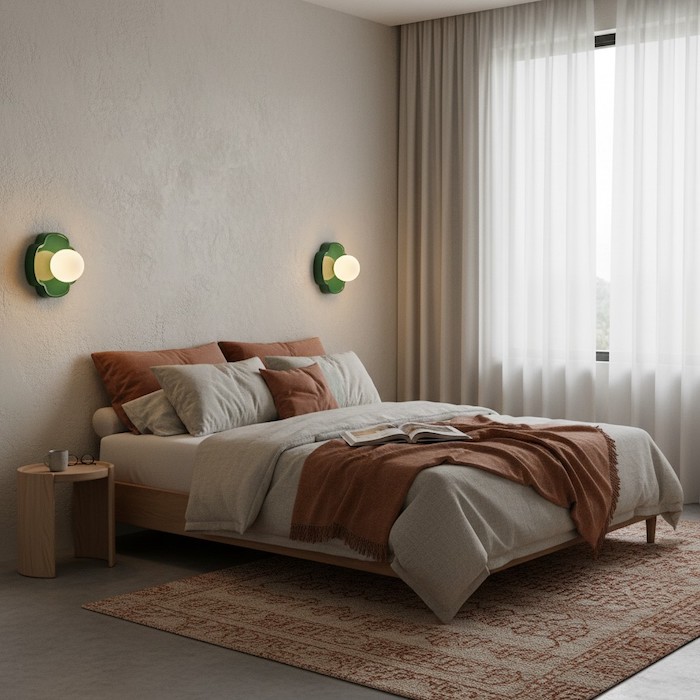
From a comfort perspective, symmetry provides a sense of order that our brains find inherently relaxing. Two orb lights, perfectly balanced on either side of a headboard, create a visual "anchor" for the room. This setup also allows for individual control; one partner can read under a focused glow while the other sleeps in relative darkness.
Bedroom Lighting Checklist:
- Is your primary switch near the door, but your secondary switch reachable from the bed?
- Do you have at least two levels of brightness available?
- Are your bedside lights freeing up space on your nightstand for essentials?
- Does the material of your lamp feel "warm" even when the light is off?
The Visual Language of the Orb
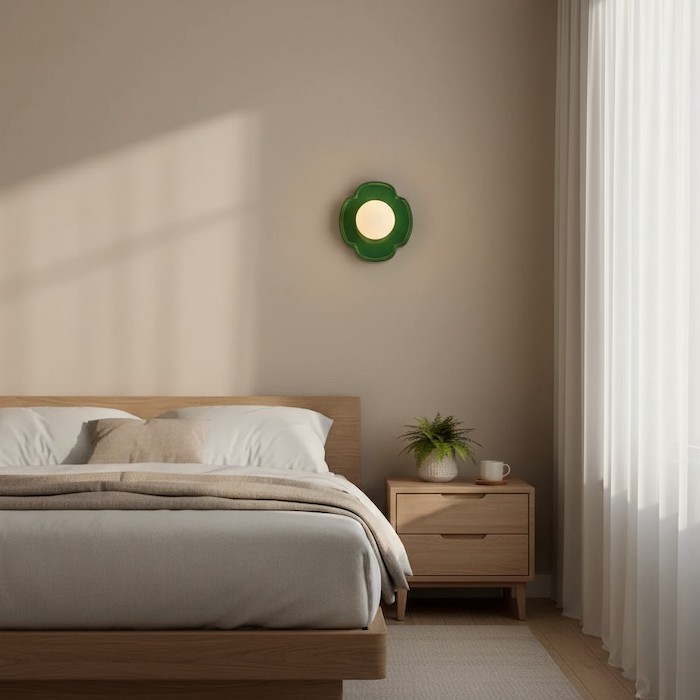
Practicality also extends to the physical footprint of your decor. Modern master suites are often filled with rectangular furniture—the bed, the dresser, the windows. Introducing a spherical element, such as a kugel-style wall lamp, breaks up these harsh lines. It provides a visual "softness" that makes the room feel more approachable and lived-in.
The matte finish of a ceramic orb doesn't just look good; it stays clean. Unlike chrome or polished brass, it won't show fingerprints every time you reach up to adjust it. It is a practical, low-maintenance choice for a high-traffic personal space.
At the end of the day, your bedroom lighting should be a tool that serves your lifestyle. It should be bright when you need to be productive and dim when you need to be human. By choosing materials that understand the balance of light and the importance of texture, you can turn a simple room into a true destination for restoration.