
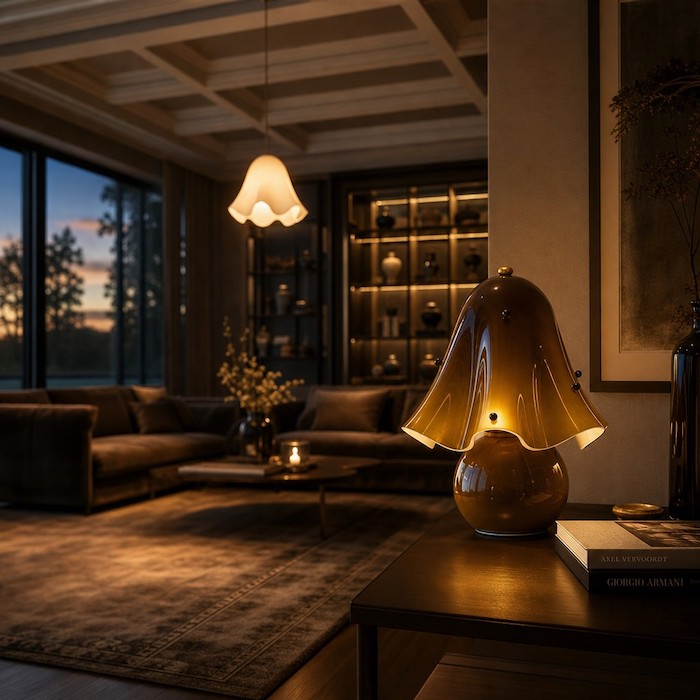
Mastering the Mix: How to Coordinate Table Lamps and Chandeliers
Lighting is the jewelry of the home. Just as you wouldn’t pair a diamond necklace with plastic earrings, coordinating your overhead lighting with your accent pieces requires a delicate balance of style, scale, and soul. Many homeowners fall into the trap of matching everything perfectly, resulting in a room that feels like a showroom rather than a sanctuary. The true magic happens in the coordination, not the imitation.
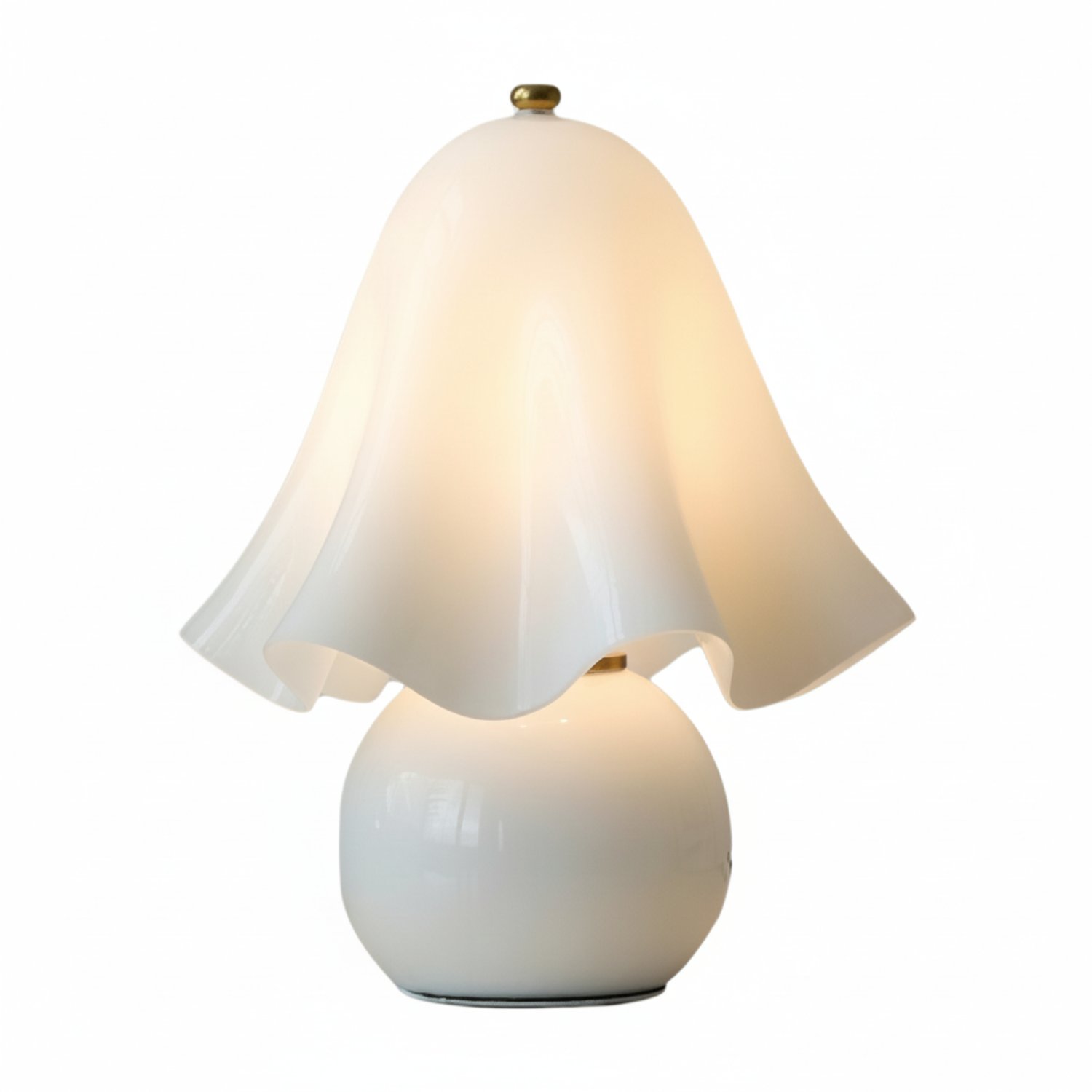
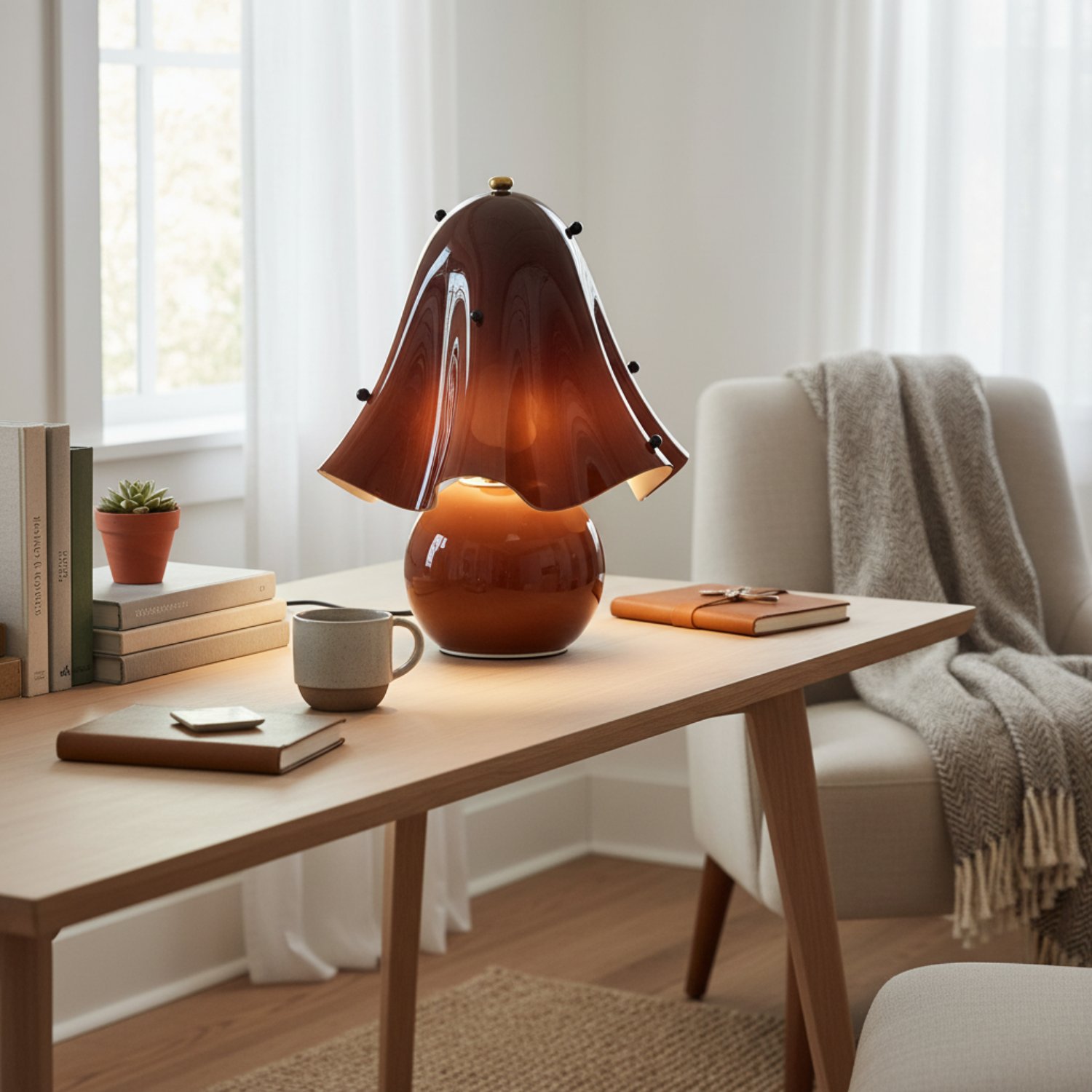
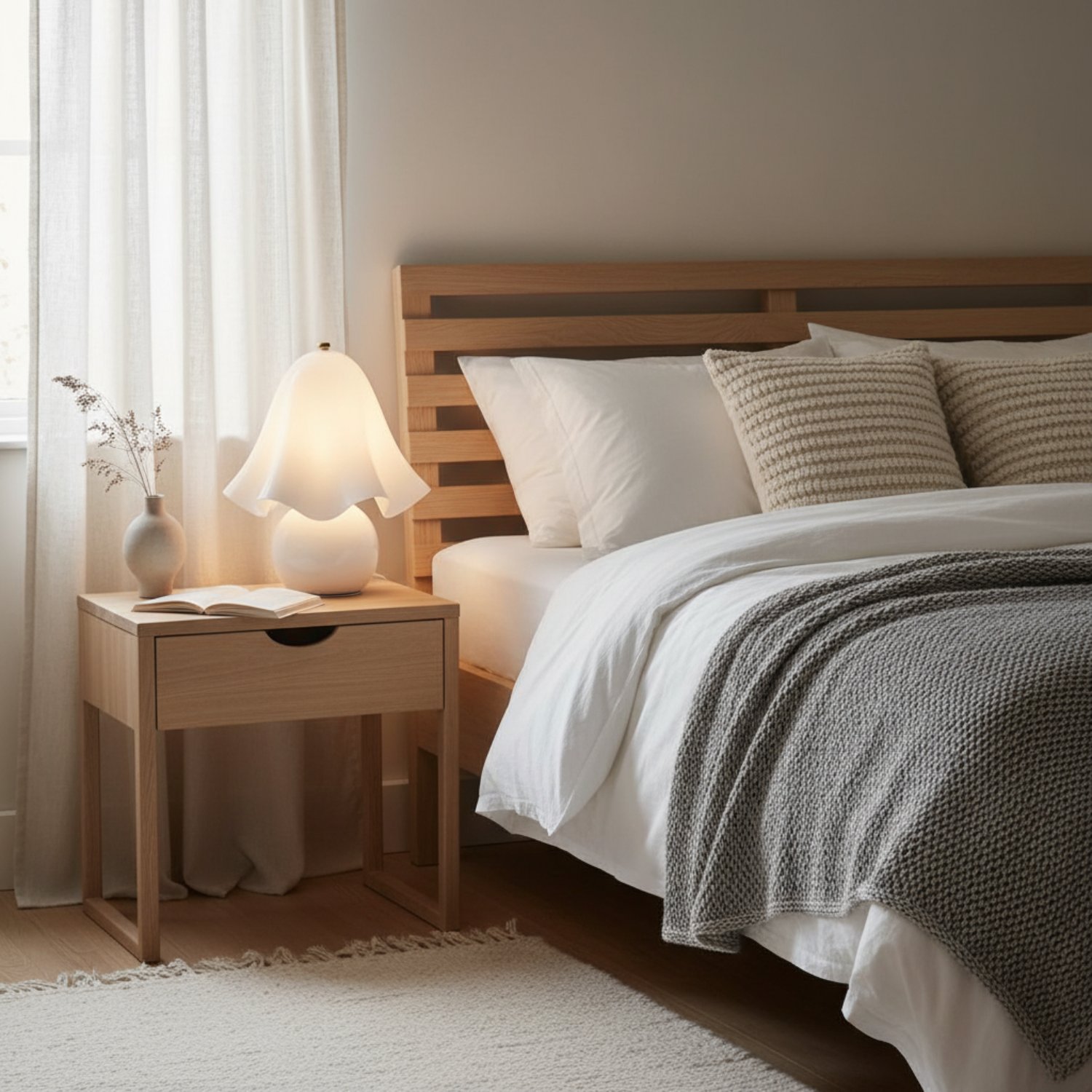
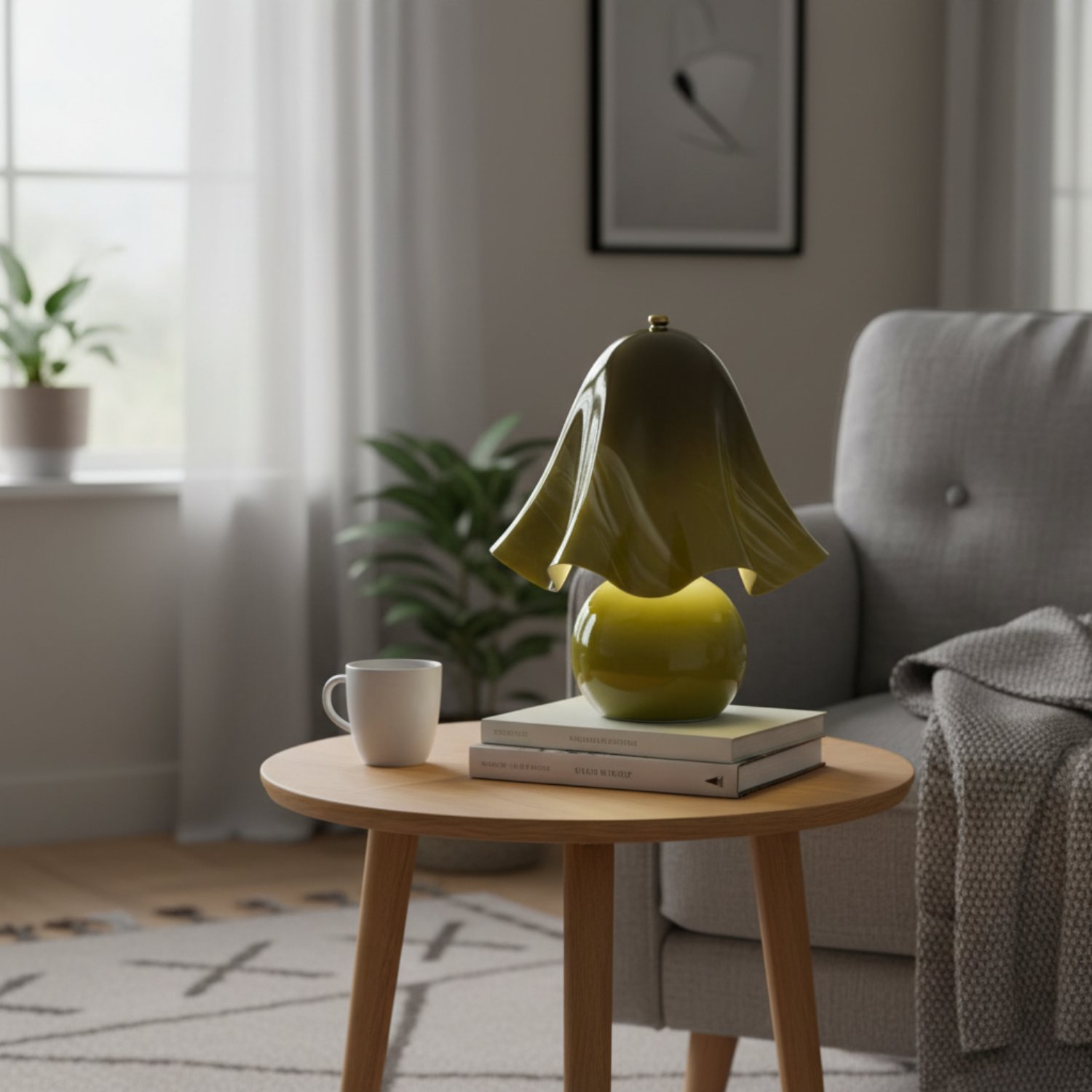
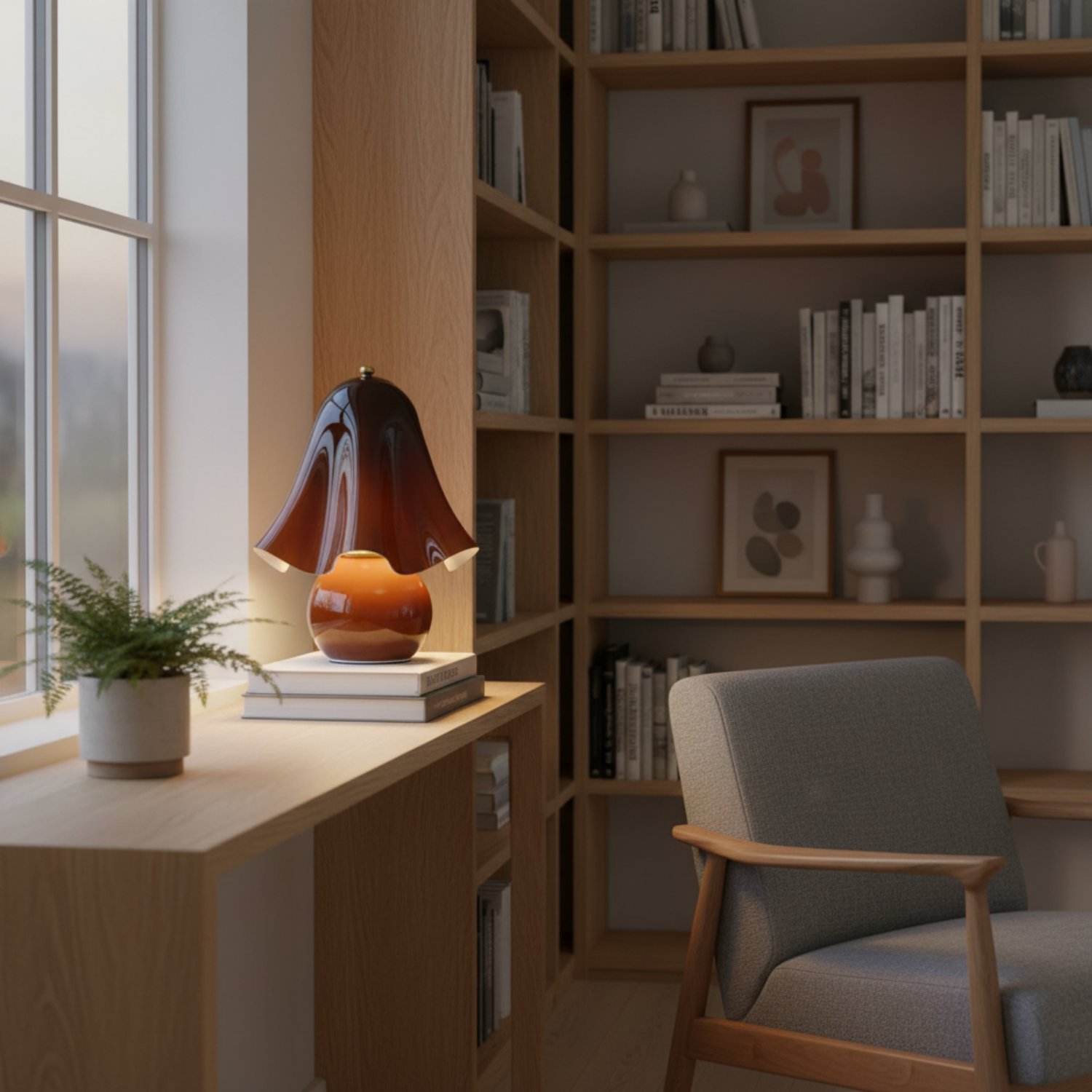
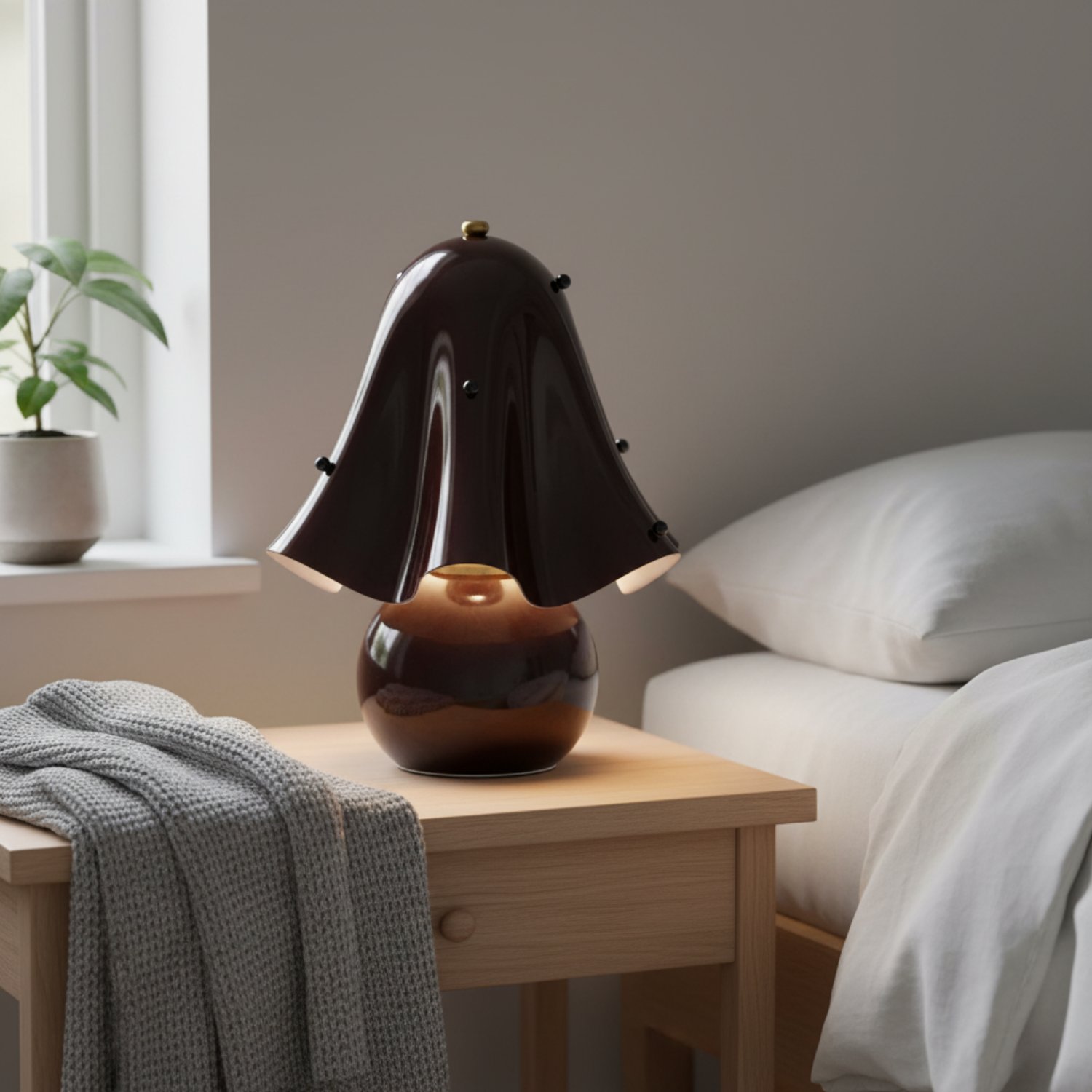
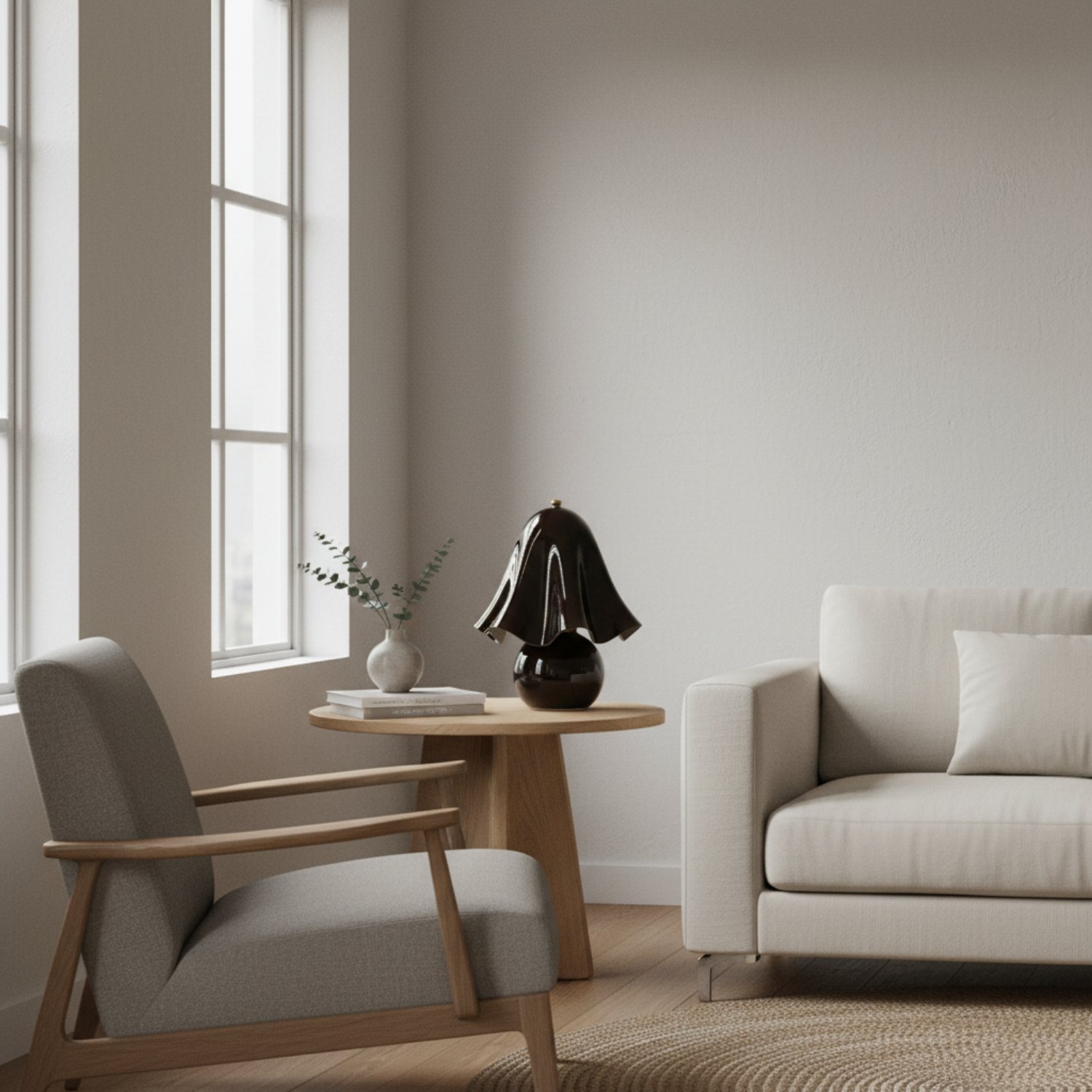
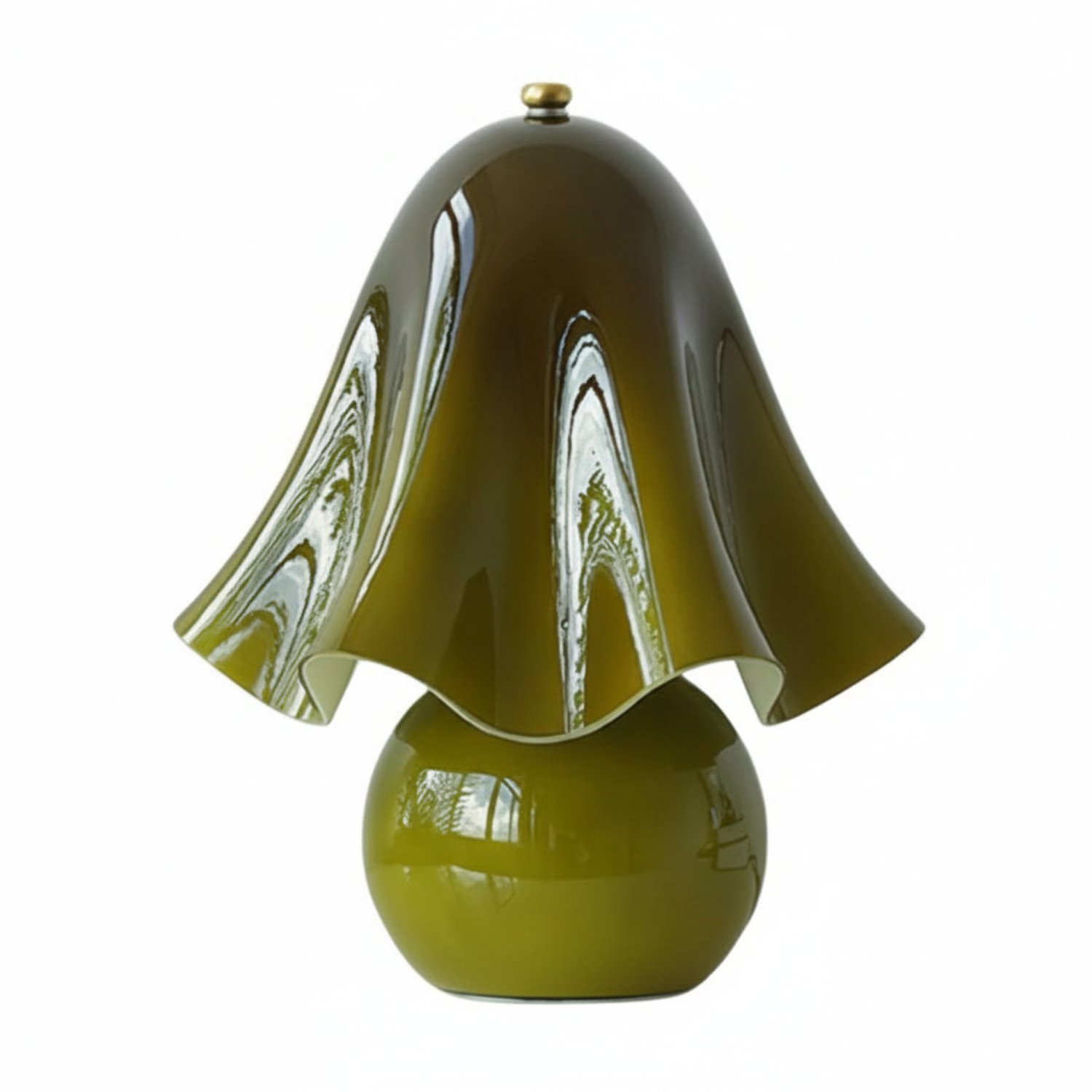
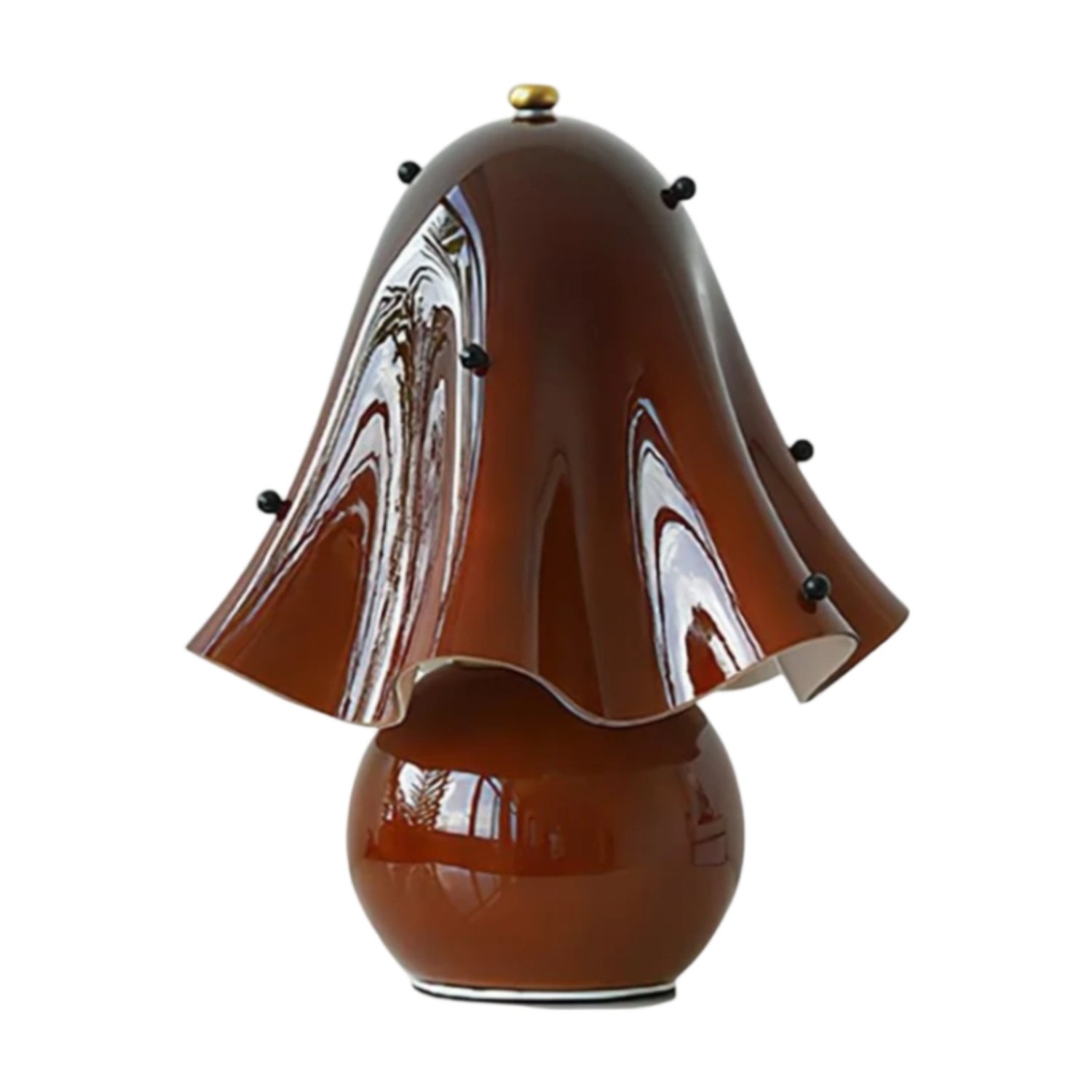
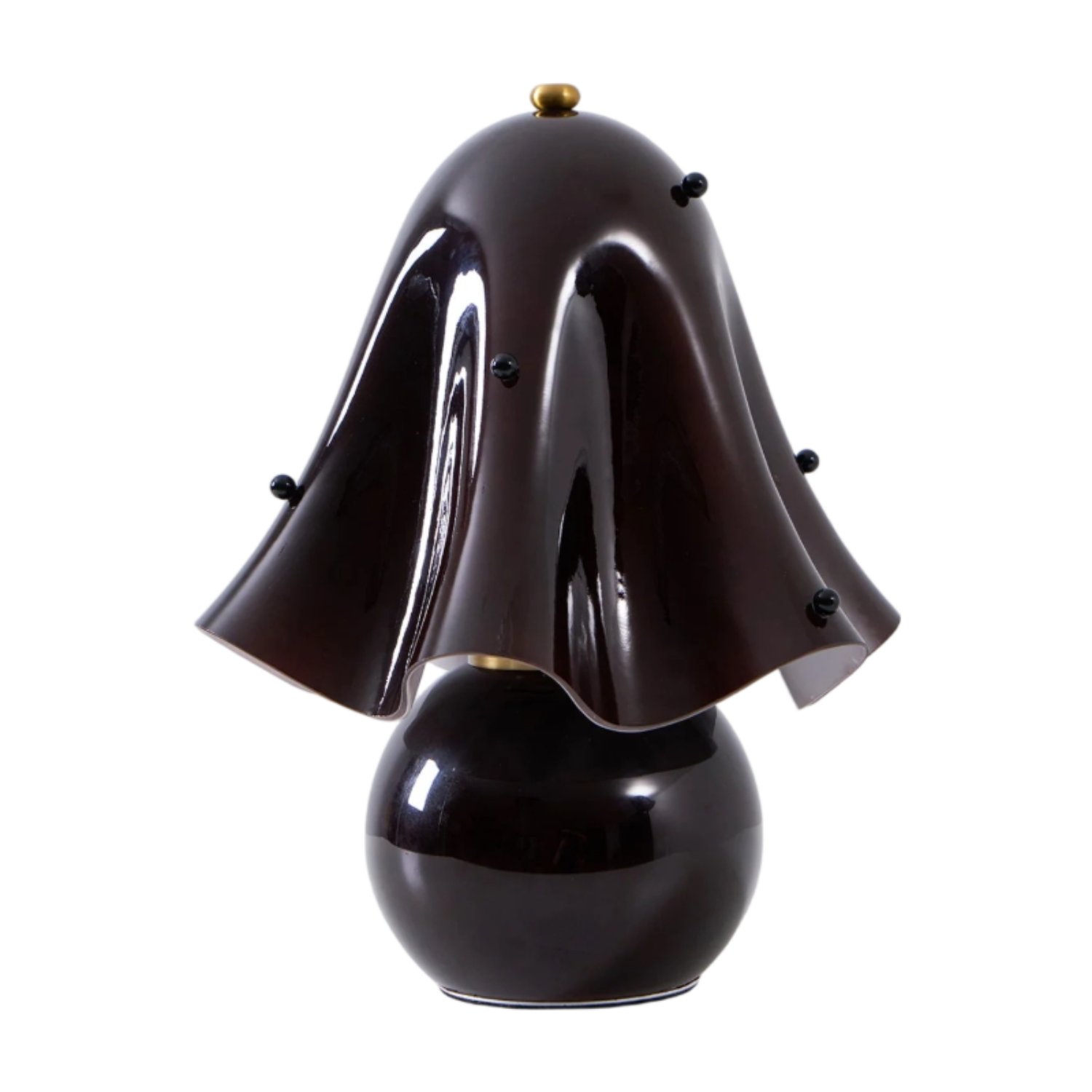
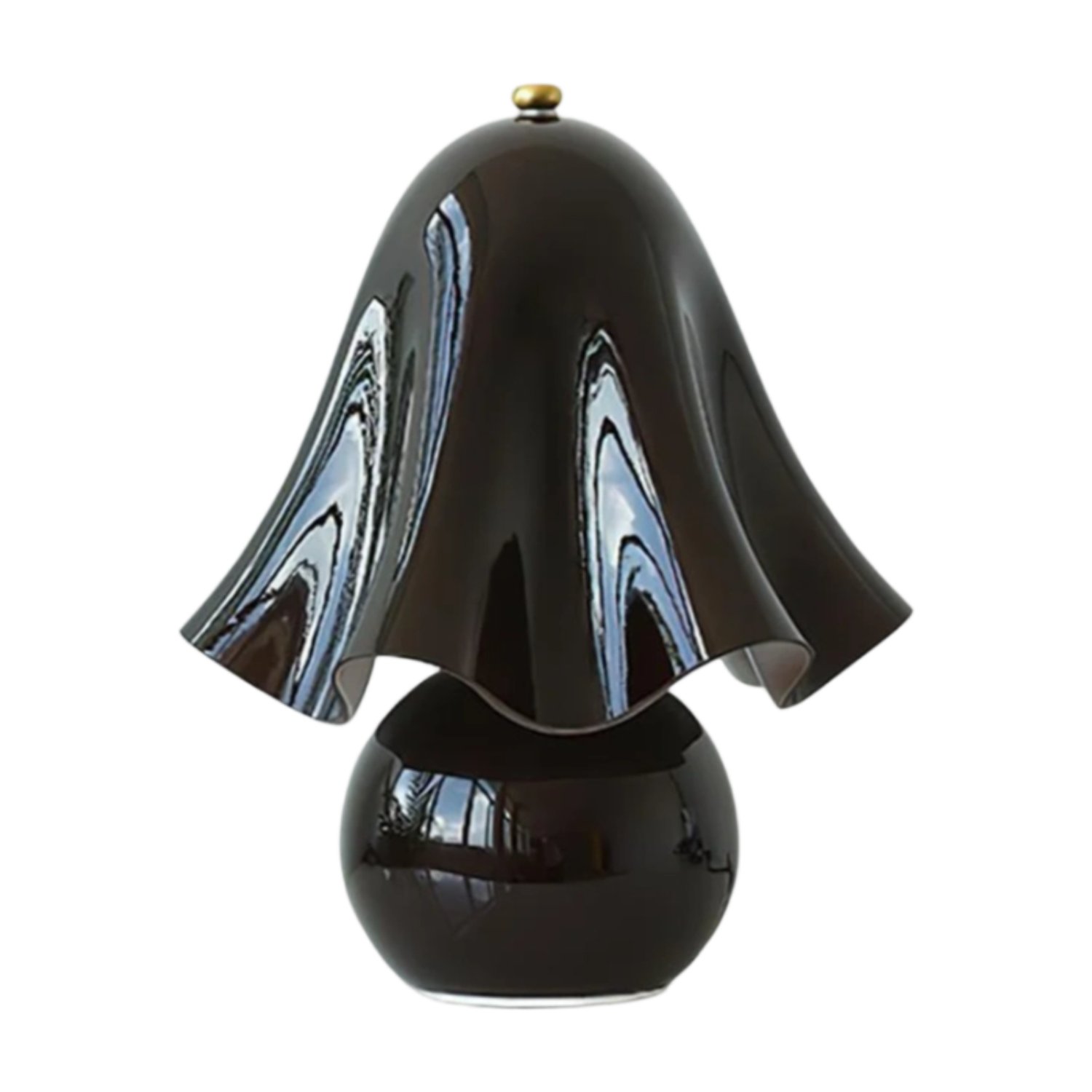
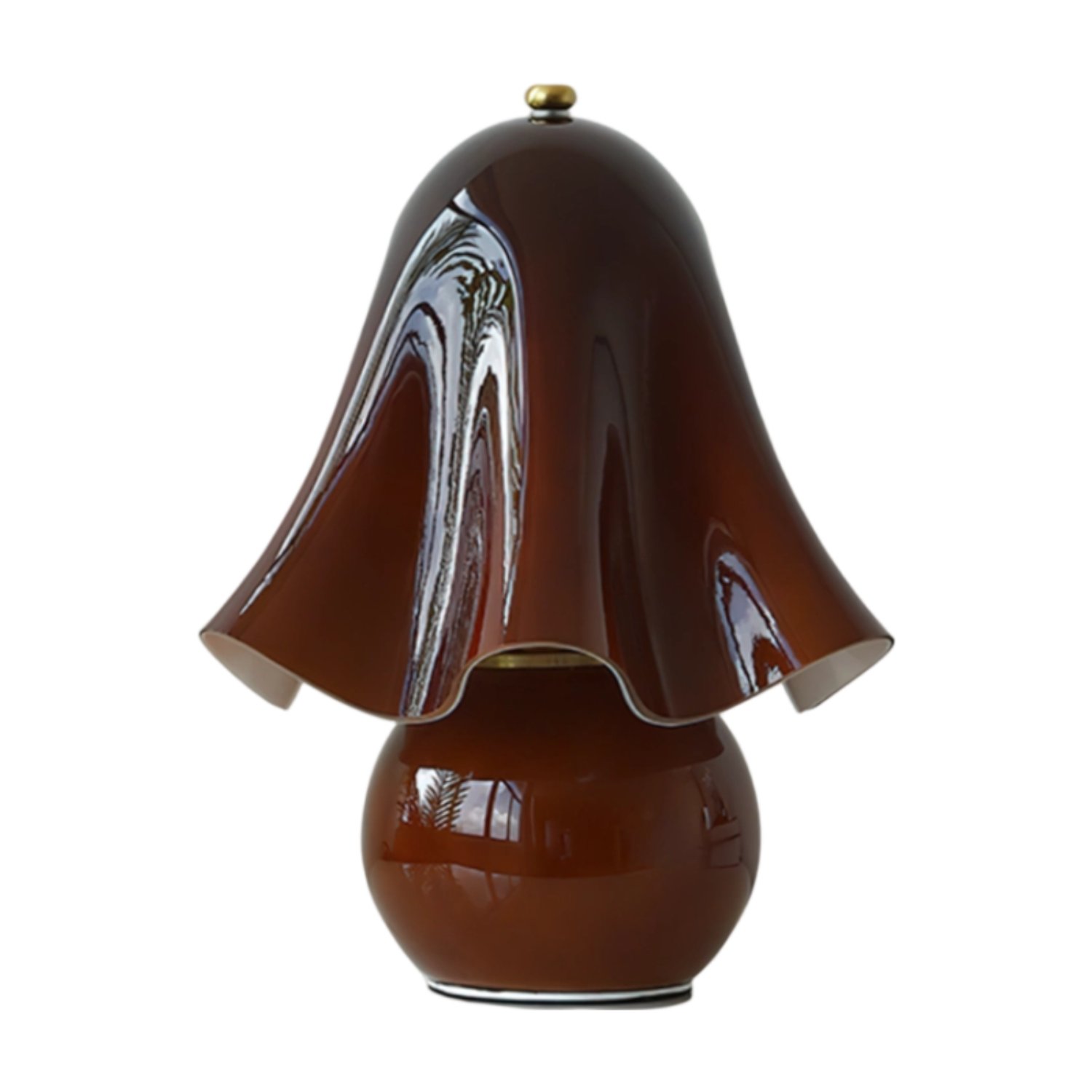
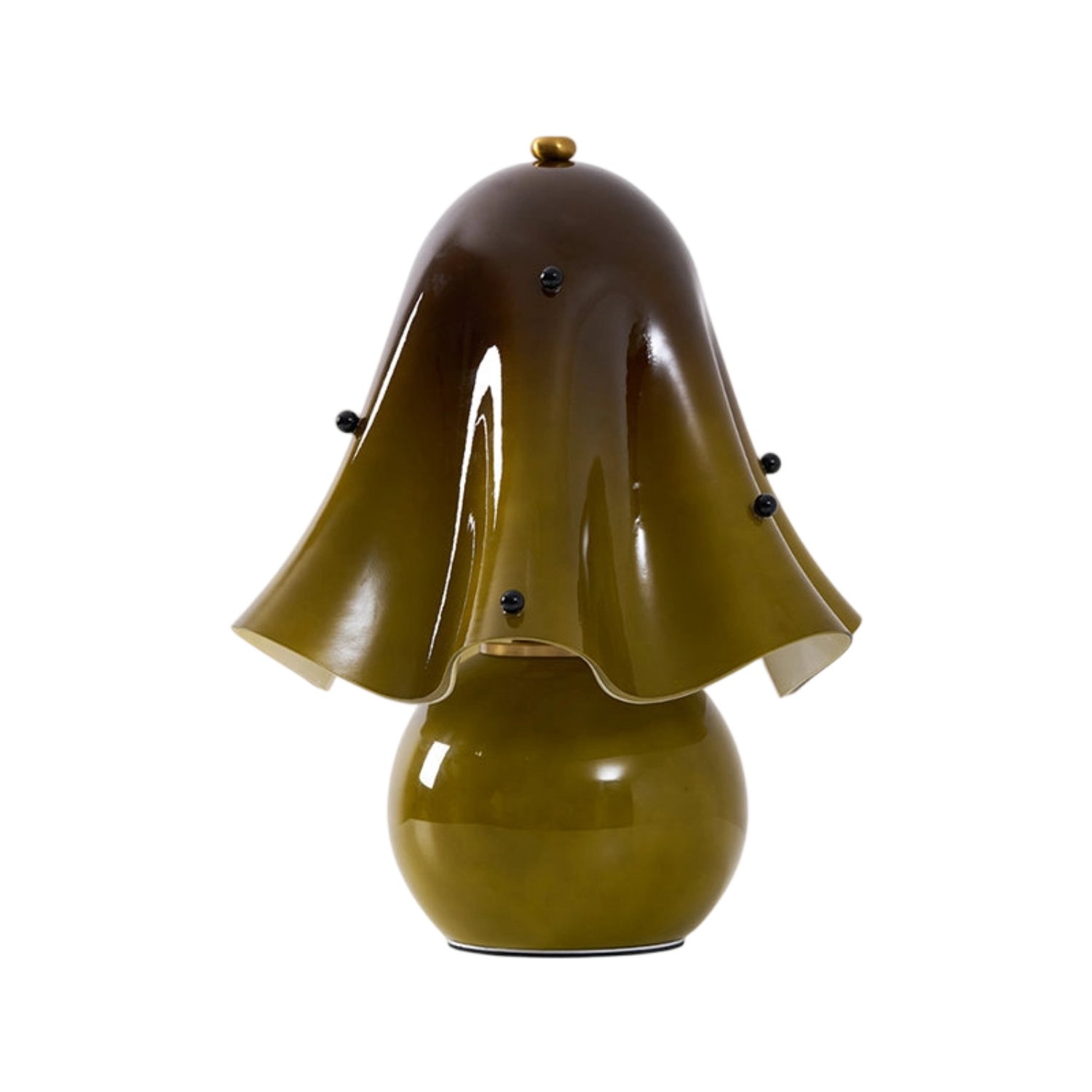
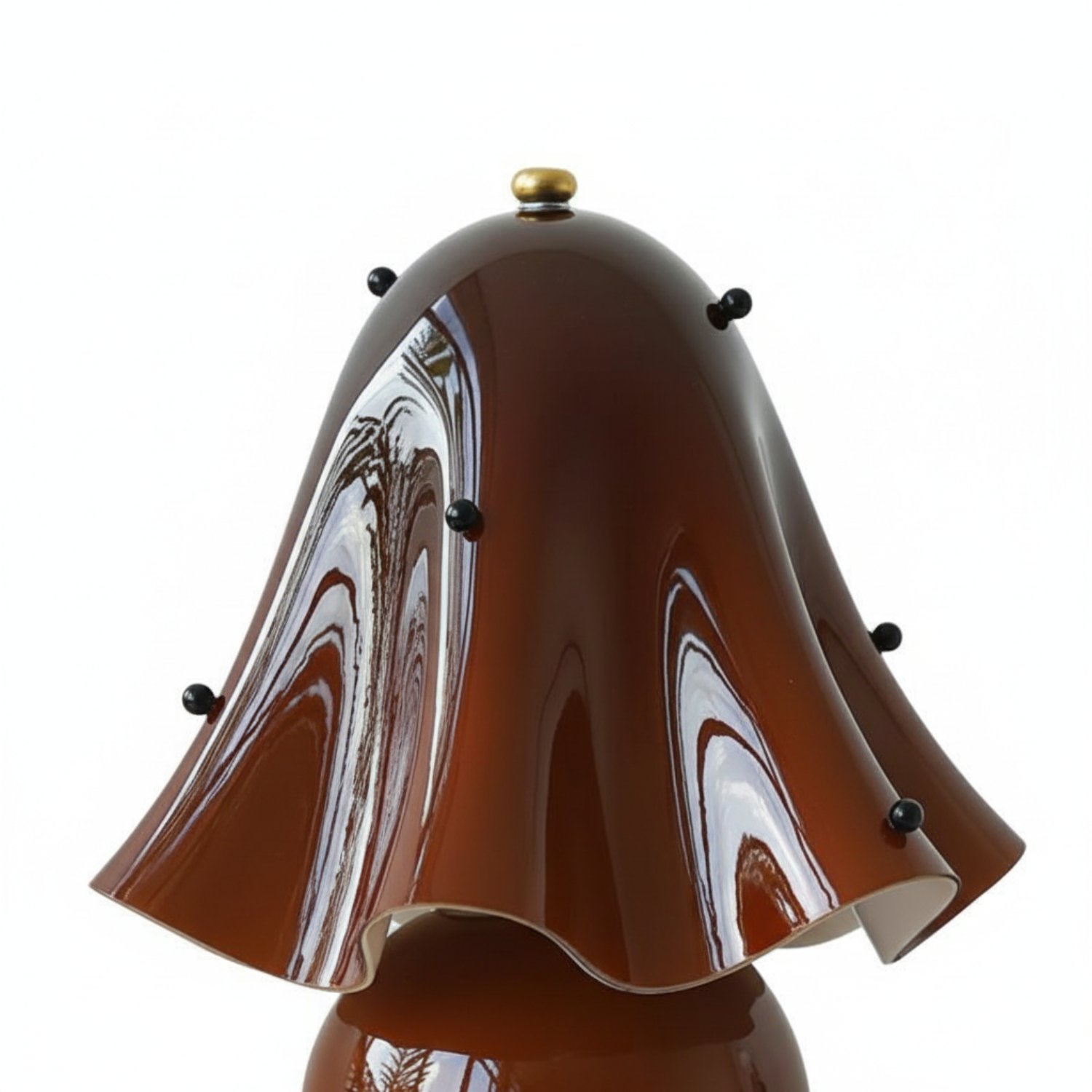
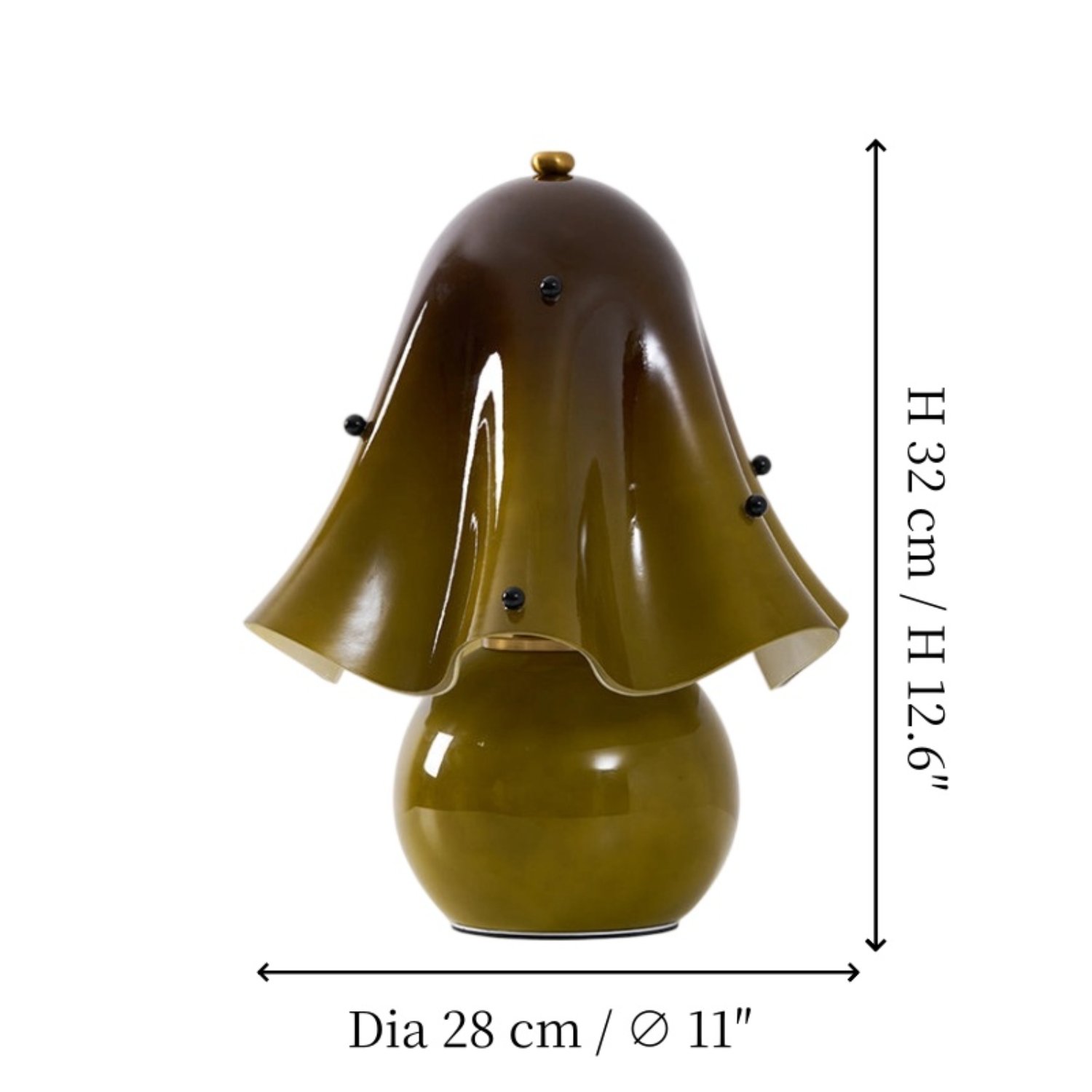
When looking for that perfect "bridge" piece between your ceiling fixtures and your furniture, the Elia Modern floral sculptural glass table lamp stands out. Its organic, glass-blown form mimics the fluidity of a high-end chandelier while maintaining the intimacy required for eye-level lighting.
1. The Rule of Style Families (Not Identical Twins)
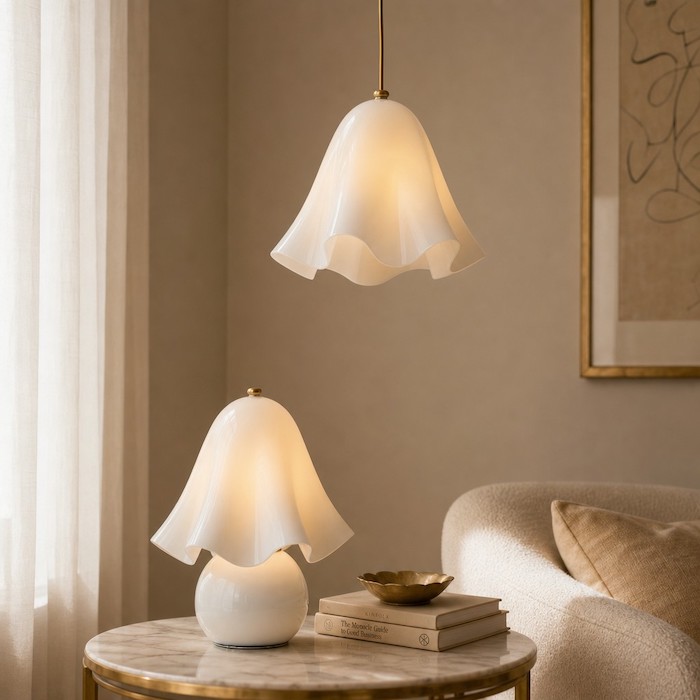
The biggest mistake in interior design is thinking that if you have a glass chandelier, you must have glass table lamps with the exact same metal finish. Instead, think in "families." If your chandelier is a grand, modern piece with sharp angles, choose a table lamp that softens those edges. A floral, sculptural piece acts as a counterpoint to architectural ceiling lights, providing a visual resting place for the eye as it travels down from the ceiling.
Consider the transparency of your materials. If your chandelier features heavy brass or opaque shades, a glass-based lamp like the Elia can prevent the room from feeling "bottom-heavy." The glass allows light to pass through even when the lamp is off, maintaining a sense of airy openness in your living room or bedroom. This reinforces the concept of Elia Floris Lighting as Functional Art, where the fixture serves a dual purpose: providing essential illumination while acting as a delicate glass sculpture that enhances the room's visual flow.
2. Managing the Vertical Visual Flow
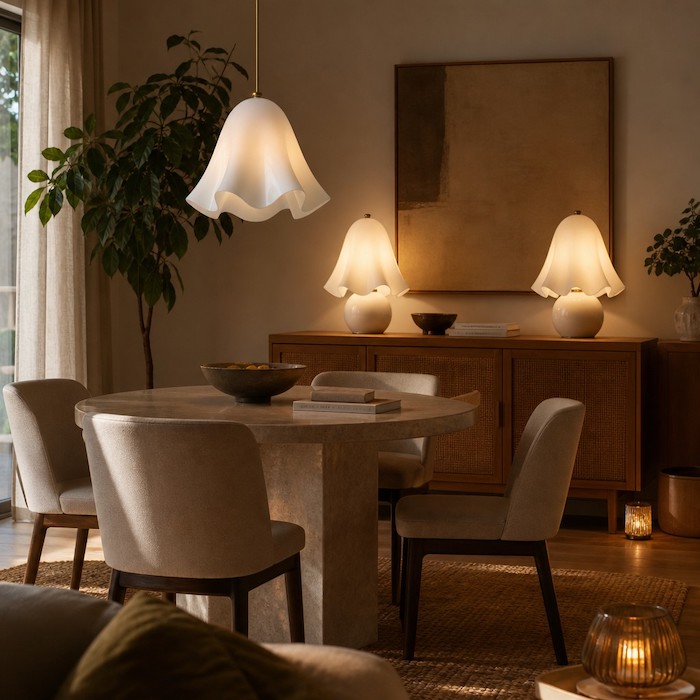
In a well-designed room, light should exist at three distinct levels: the ceiling (chandeliers), the mid-level (table lamps and sconces), and the low-level (floor lamps or accent pucks). The challenge is ensuring these levels talk to each other. When your chandelier is the "hero" of the room—perhaps a large multi-tiered piece over the dining table—your table lamps should act as the "supporting cast."
This doesn't mean your lamps should be boring. On the contrary, they should be sculptural. By using a fixture like the Elia Modern Sculptural Glass Table Lamp, you are introducing a piece that looks like a work of art during the day. When the sun sets and you dim the main chandelier, these sculptural lamps take over, casting intimate shadows that emphasize the textures of your sideboards and wallpaper.
3. Playing with Light Diffusion
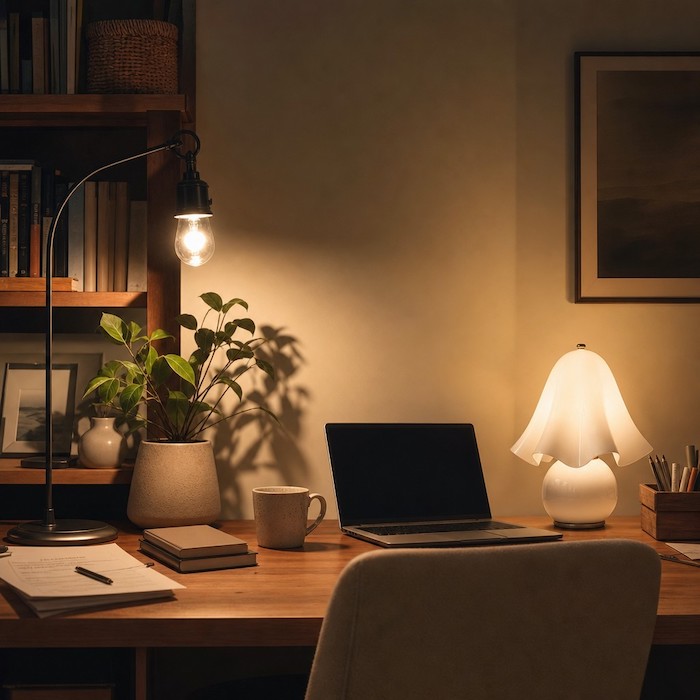
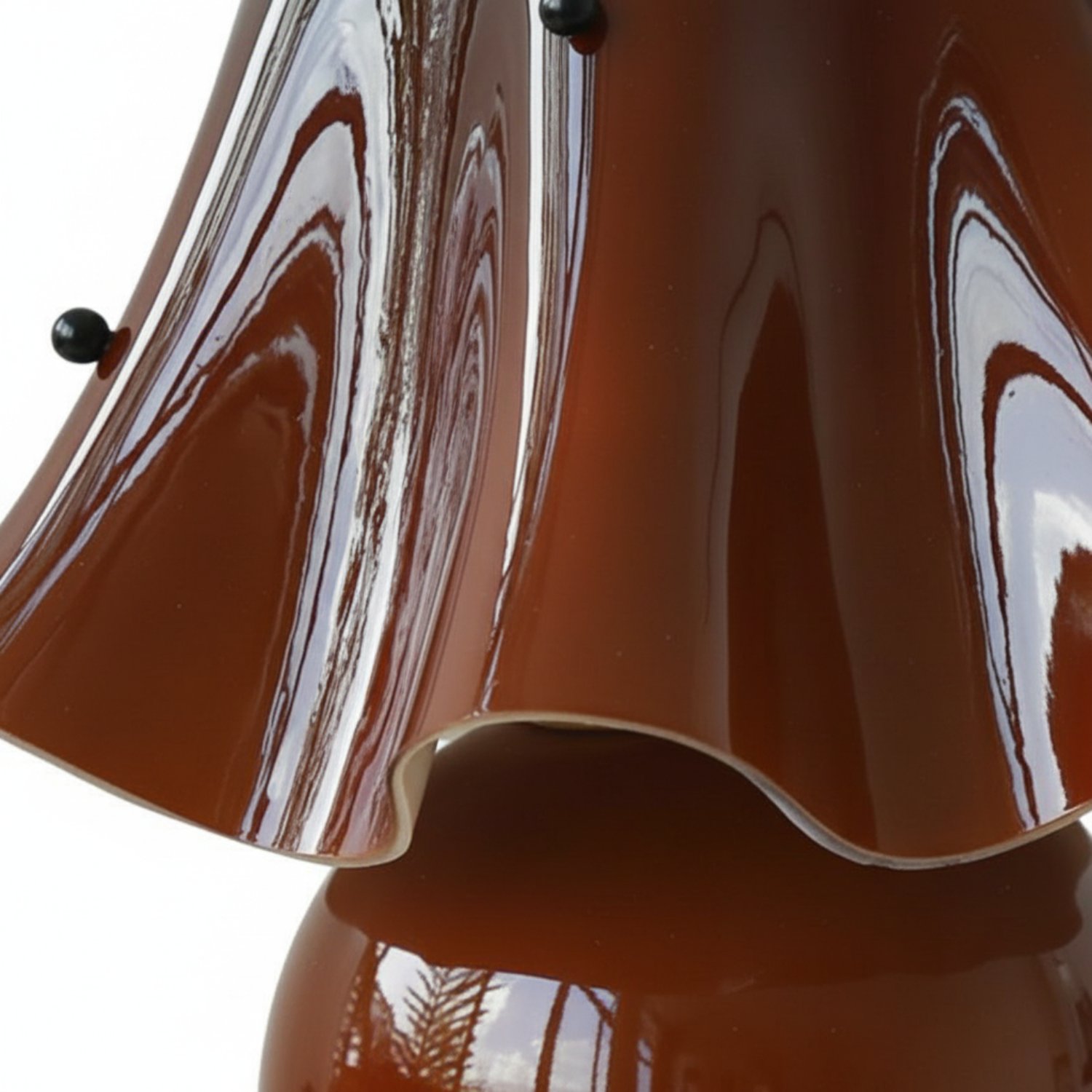
Chandeliers are often designed to fill a room with general, ambient light. Table lamps, however, are about glow. To coordinate them effectively, pay attention to how the light is thrown. If your chandelier has exposed Edison bulbs that are quite bright, you want a table lamp with a diffused, frosted, or textured glass finish to reduce glare at eye level. This creates a "soft focus" effect in the room, making the environment feel more welcoming and less clinical. A perfect example of this can be found in our Design Breakdown: Elia Table Lamps, which highlights how the organic, seashell-inspired glass texture acts as a natural diffuser to soften harsh overhead illumination.
4. Color Temperature Harmony
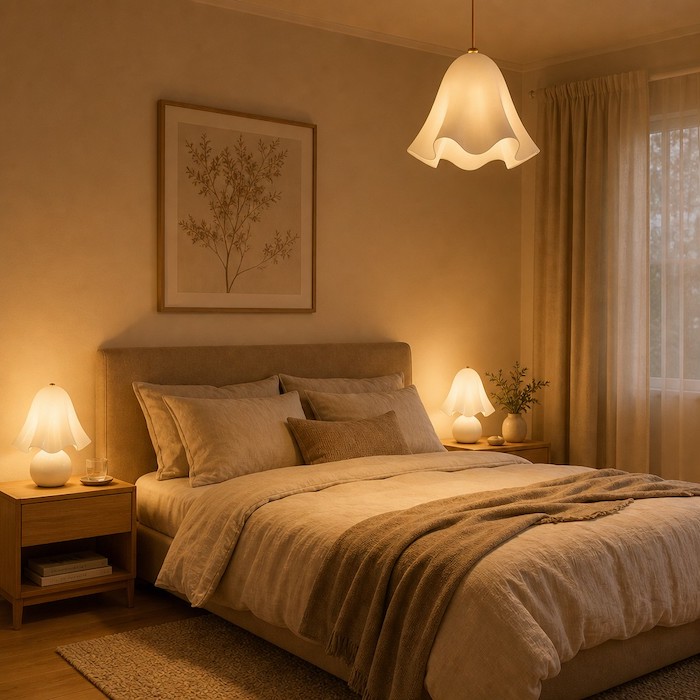
Nothing ruins a coordinated lighting plan faster than mismatched color temperatures. If your chandelier is fitted with cool white bulbs (4000K) and your table lamp has a warm amber glow (2700K), the room will feel disjointed and unsettling. Aim for a consistent range—typically between 2700K and 3000K for residential spaces. This creates a golden-hour warmth that ties different fixture styles together into one cohesive narrative.
Modern homes often utilize open-concept layouts. In these spaces, a sculptural glass lamp provides the perfect transition between the kitchen’s functional pendants and the living room’s cozy atmosphere. The floral glass motifs of the Elia series offer a touch of nature that complements both stone countertops and soft upholstery.
Conclusion: Trust the Sculptural Element
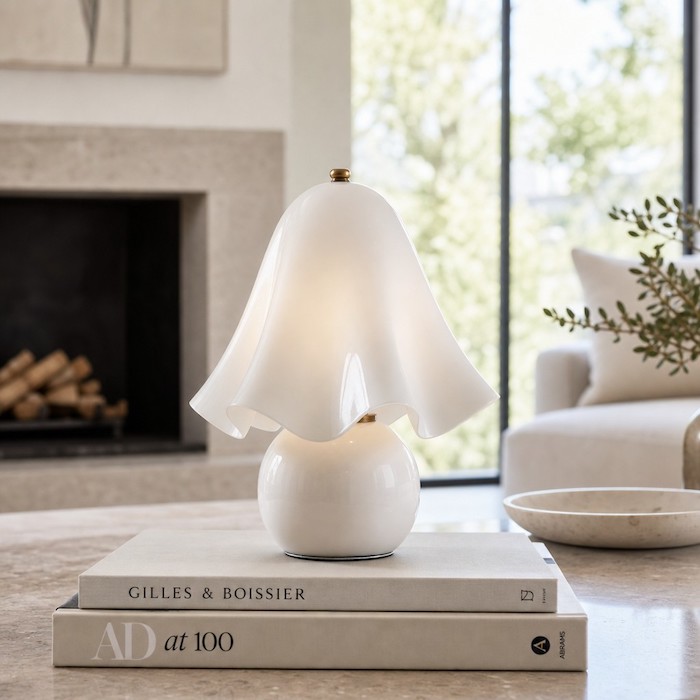
Coordinating lamps and chandeliers isn't about following a rigid set of rules; it's about creating a conversation between the heights of your home. By choosing pieces that share a common "soul"—like the artisan glasswork found in the Elia series—you ensure that your home feels curated, thoughtful, and brilliantly lit from top to bottom.