
How Do You Brighten a Narrow Hallway Without Making It Feel Cramped?
Hallways are the unsung connective tissue of the modern home. Yet, all too frequently, these transitional pathways suffer from a common architectural flaw: they are built long, high, and frustratingly narrow. Left unaddressed, a tight corridor quickly starts to feel less like a welcoming passage and more like a claustrophobic tunnel. When homeowners attempt to fix this issue, their immediate instinct is often to flood the ceiling with rows of aggressive recessed spotlights. Unfortunately, blasting high-intensity downlights onto hard floors only emphasizes the lack of width, casting harsh shadows that make the walls feel like they are closing in on you.
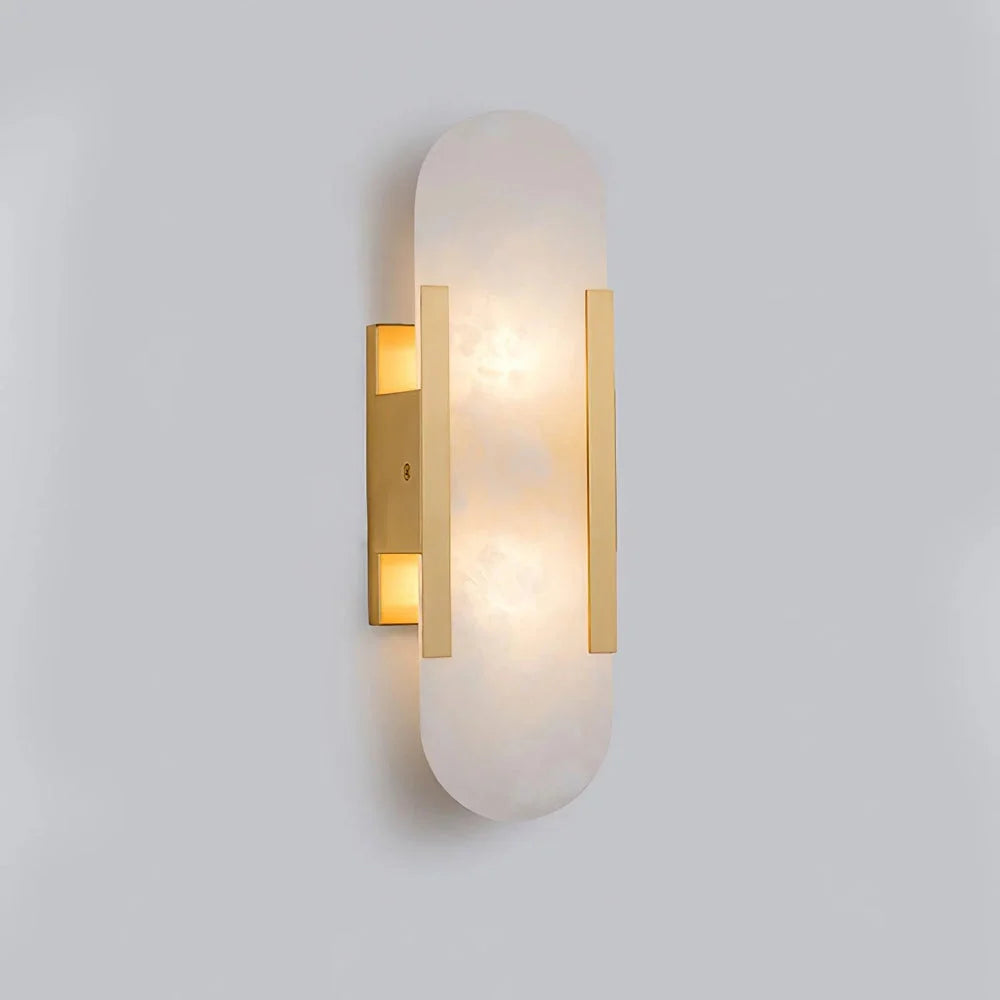
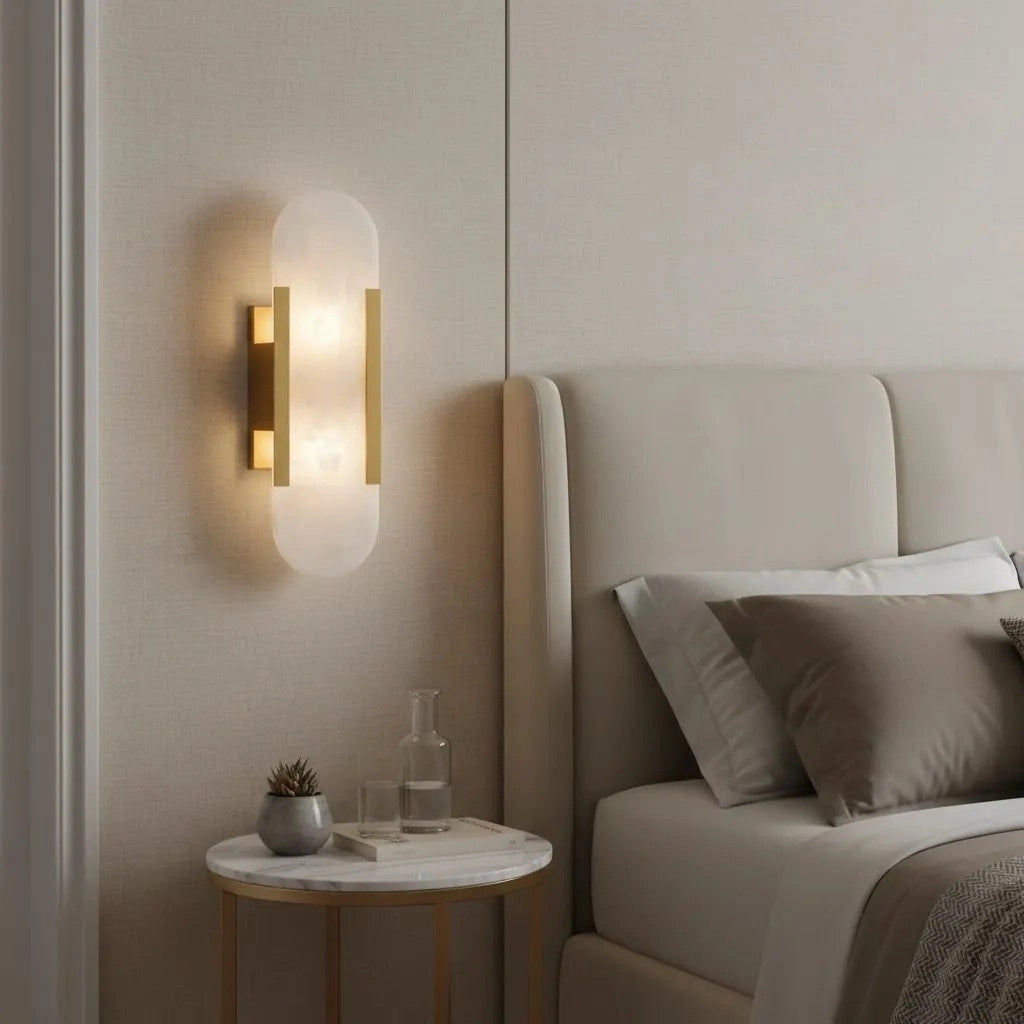
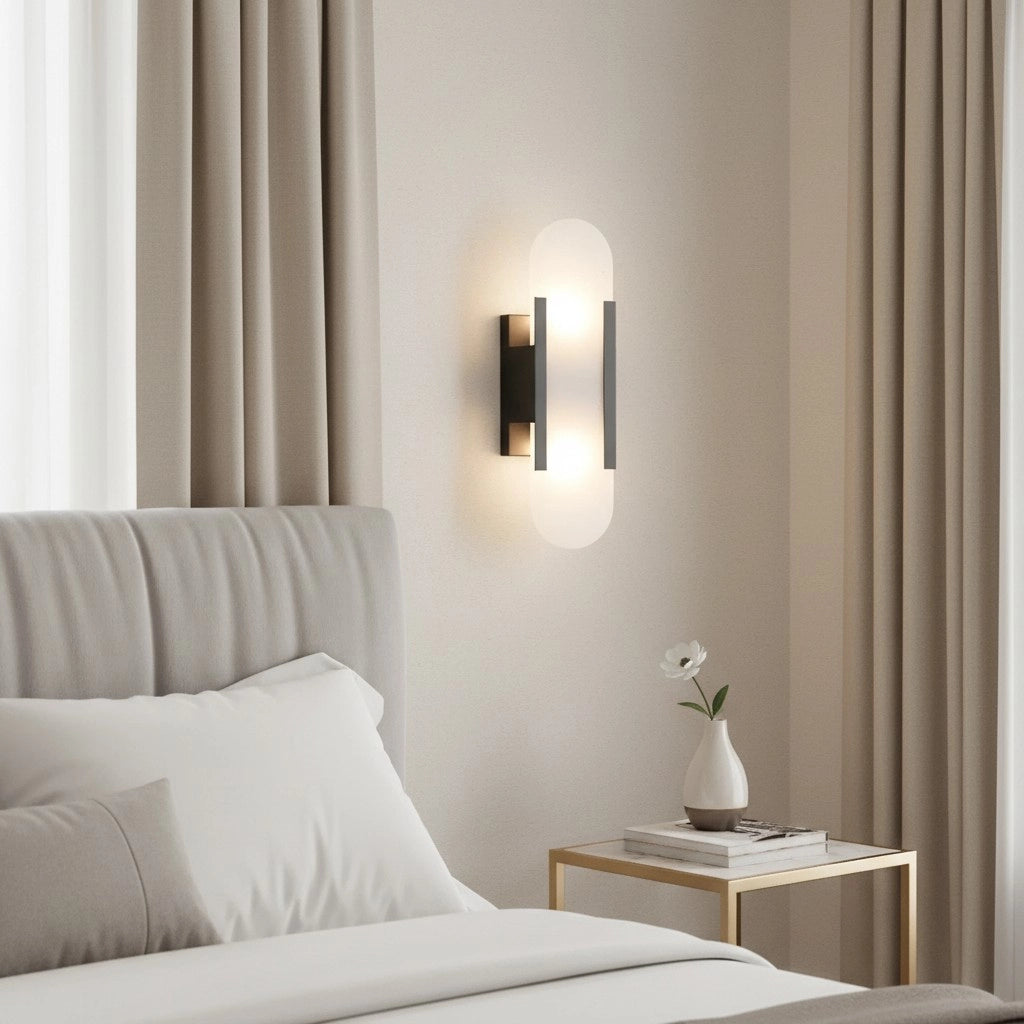
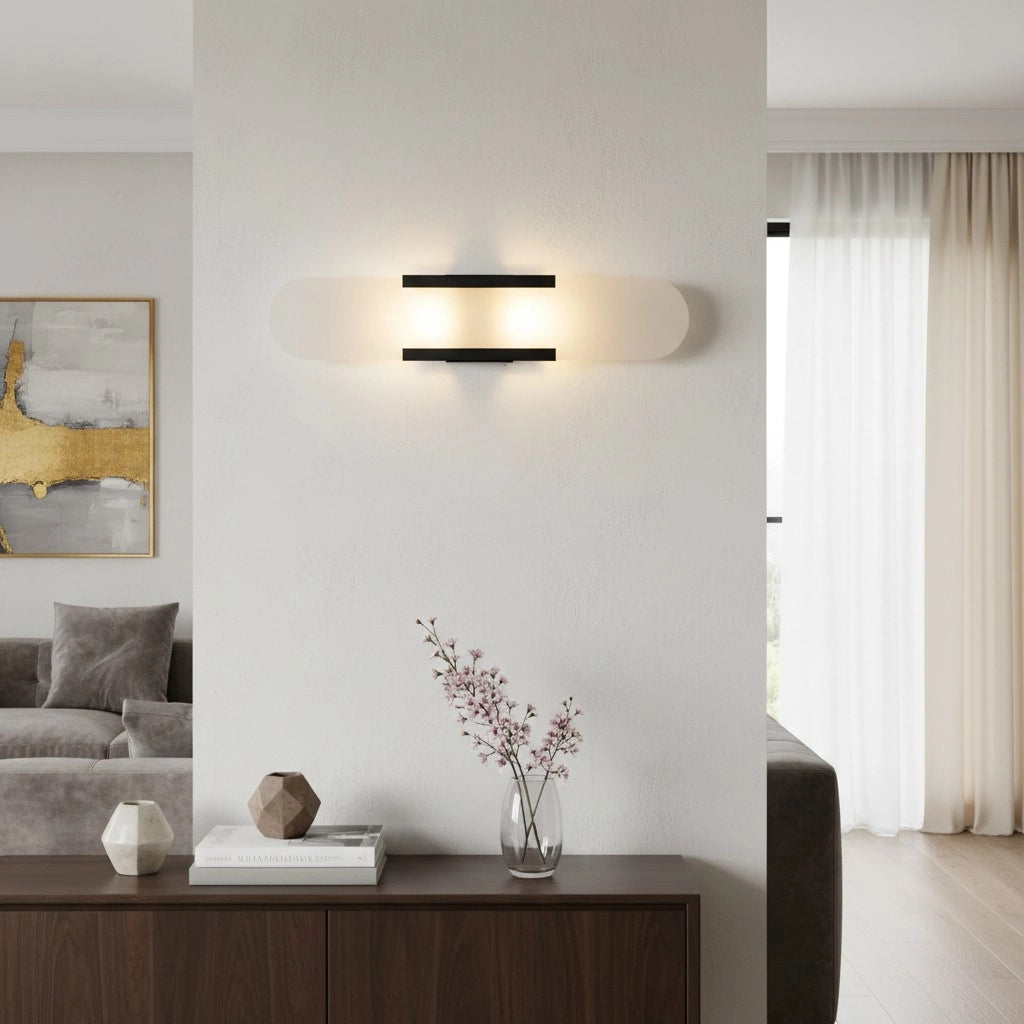
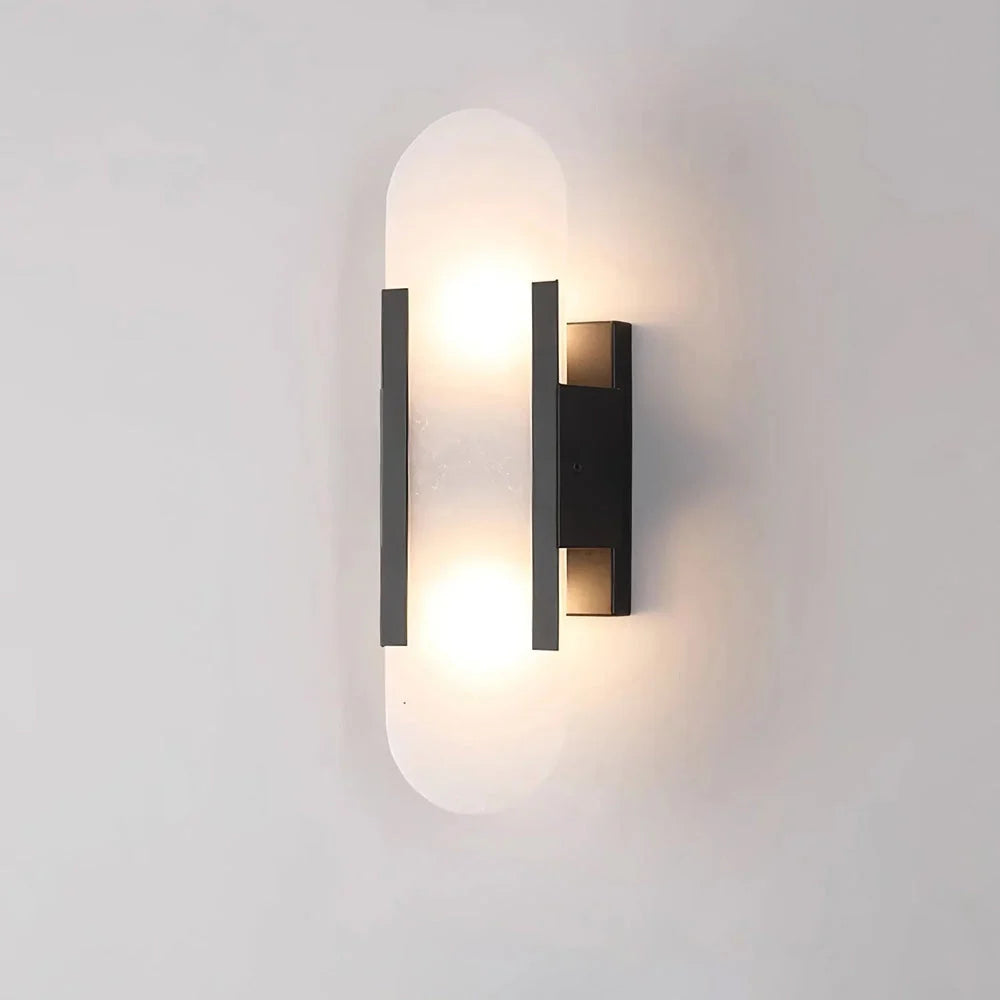
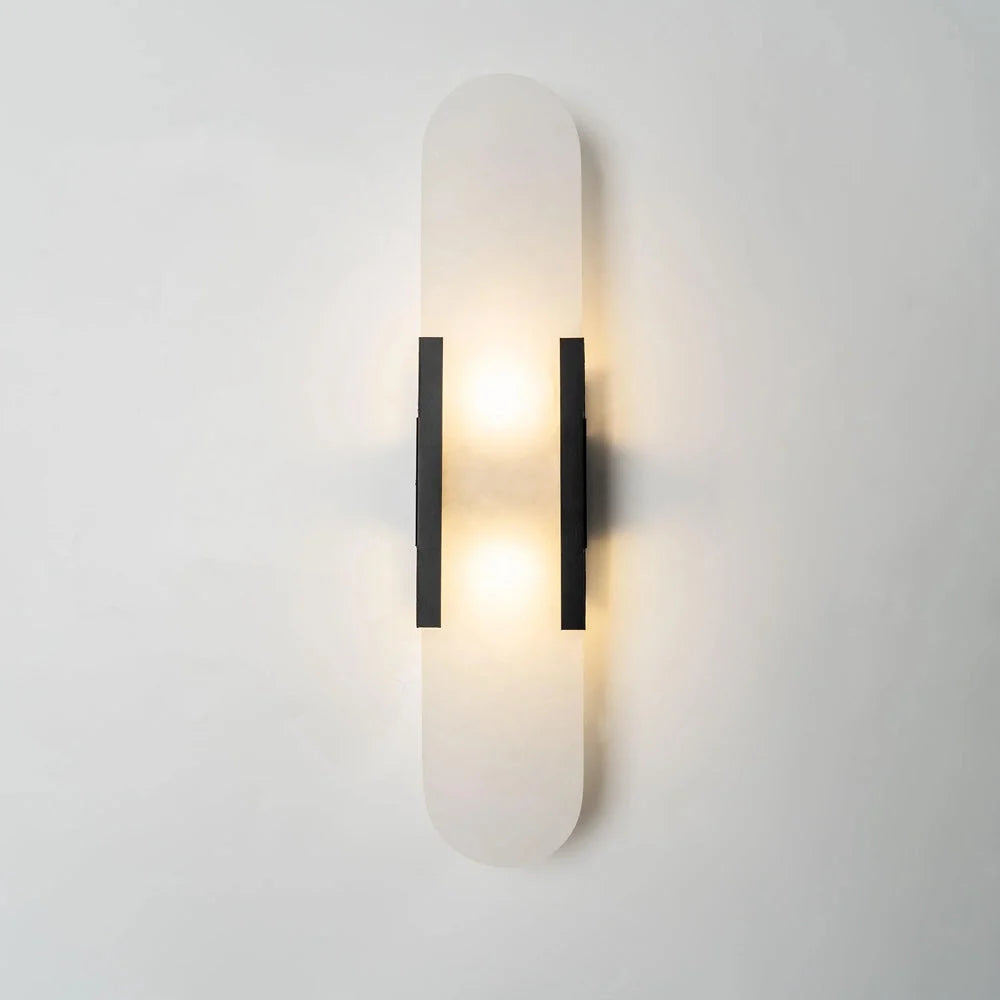
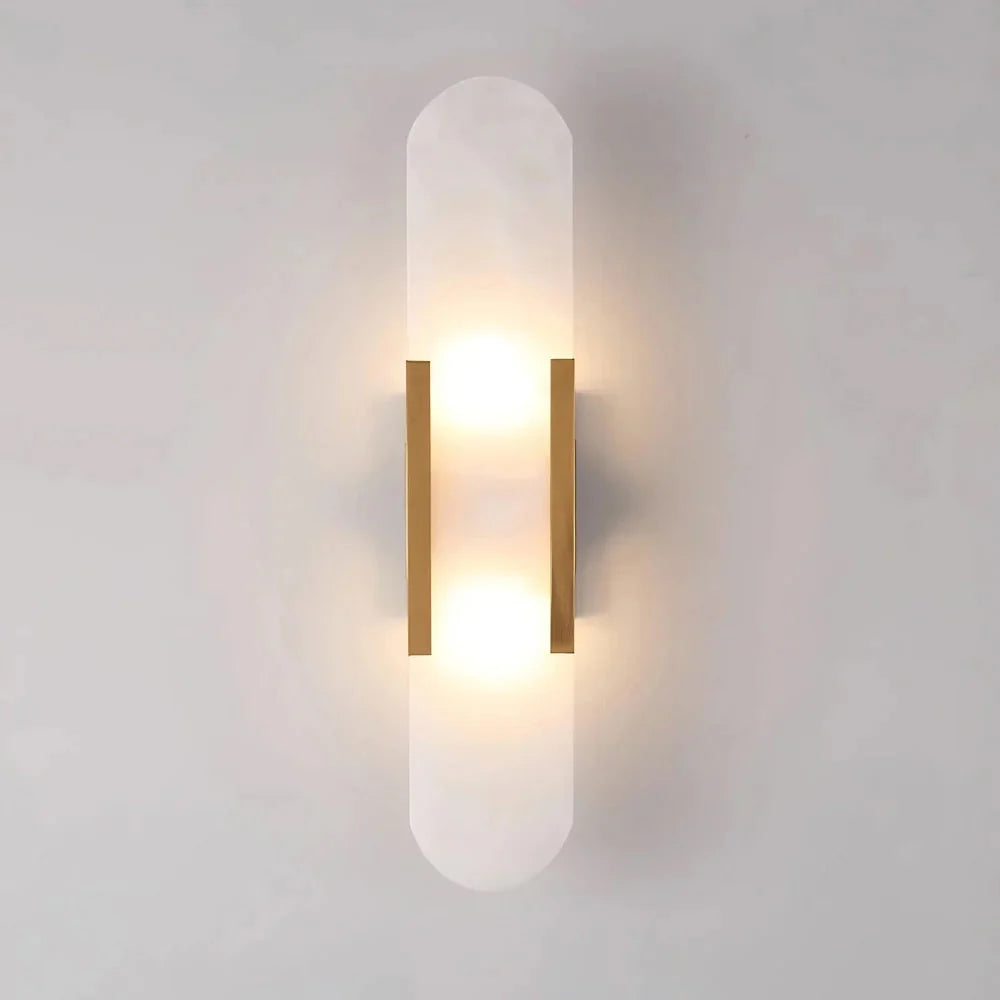
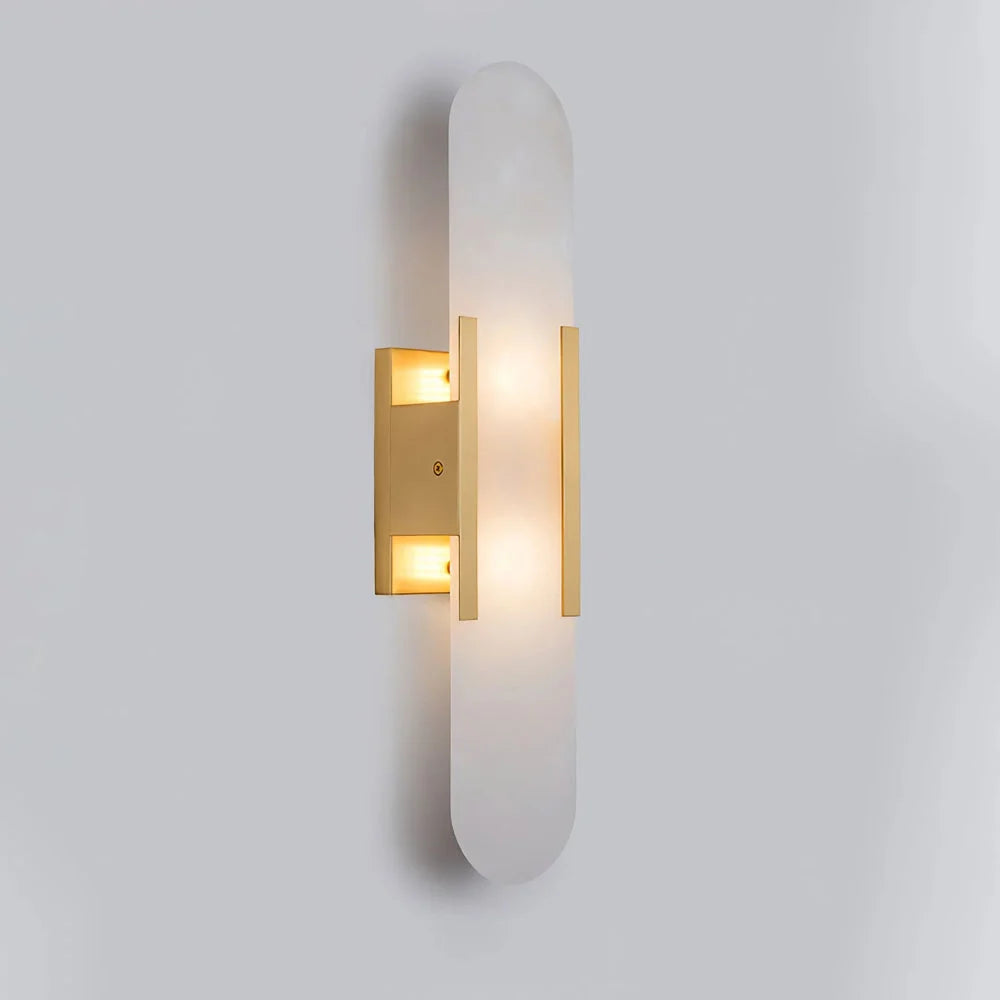
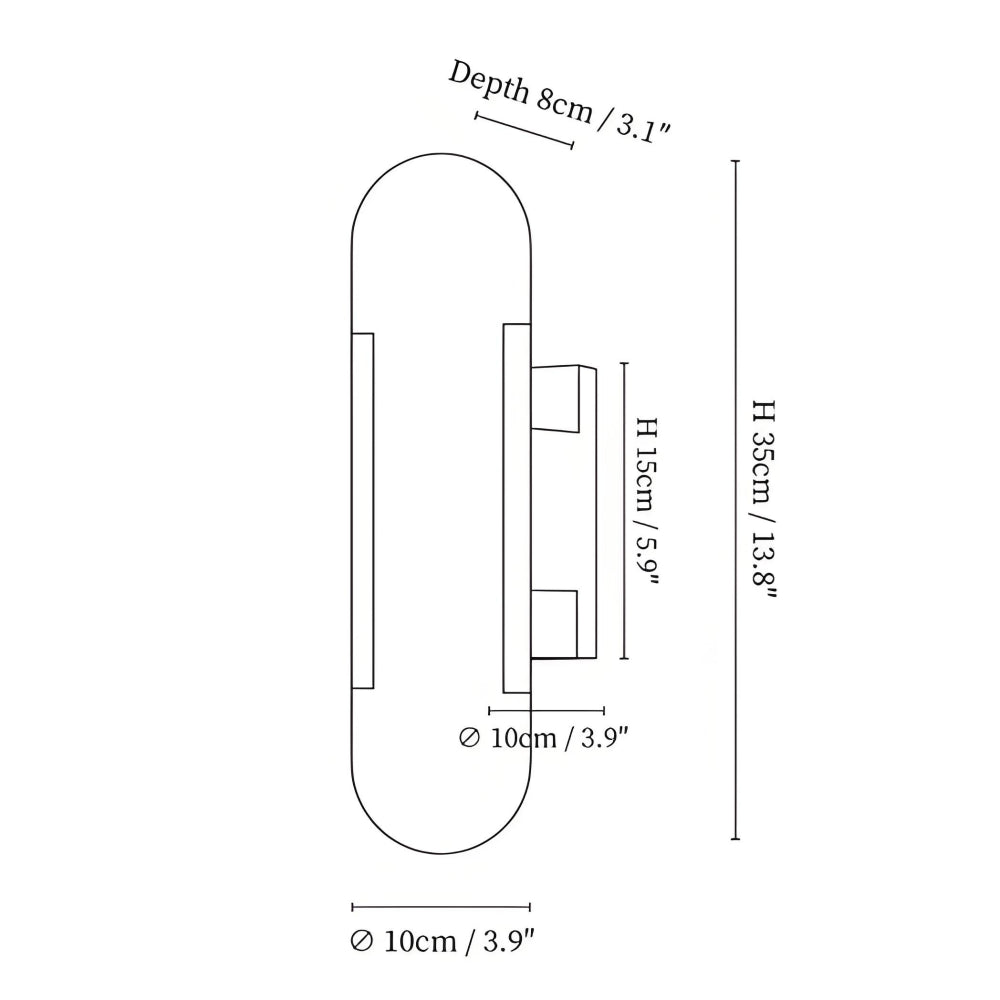
True spatial liberation in interior design does not come from the sheer volume of light you throw into a space; it comes from how you direct that light. To successfully open up a restrictive entryway or corridor, you must shift your focus away from the floor and toward the walls. By treating your vertical boundaries as soft reflective canvases, you can trick the human eye into perceiving a wider, more expansive architectural footprint. Incorporating a low-profile fixture like the Hildur Modern Alabaster Vertical Wall Sconce allows you to cast this expansive light effortlessly without sacrificing precious physical space.
What is visual elongation in narrow interior layouts?
Visual elongation is a design technique that uses vertical lines and diffused peripheral lighting to shift a viewer's gaze upward and outward. Instead of focusing on the narrow distance between opposite walls, the eye follows the upward flow of light, creating an optical illusion of a higher ceiling and a more breathing, expansive corridor layout.
The Pitfalls of Traditional Hallway Lighting
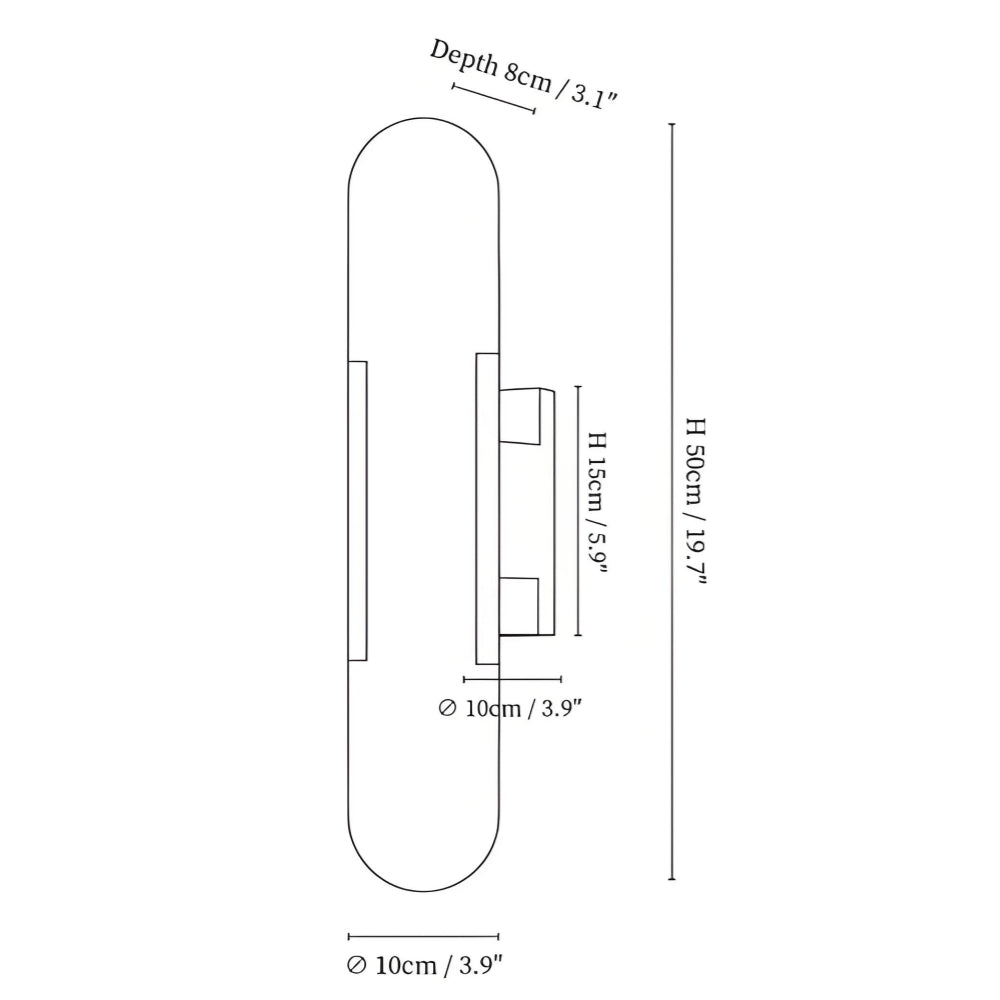
Before diving into solutions, it is crucial to understand why standard fixtures fail in tight quarters. Flush-mount ceiling lights and standard bulky wall sconces project outward too far into the walking path. In a space where every centimeter counts, a fixture that juts out 10 to 15 centimeters from the wall becomes a physical hazard and a visual roadblock. Furthermore, directionless, raw light bulbs create intense glare, making the narrow boundaries feel intensely sharp and restrictive.
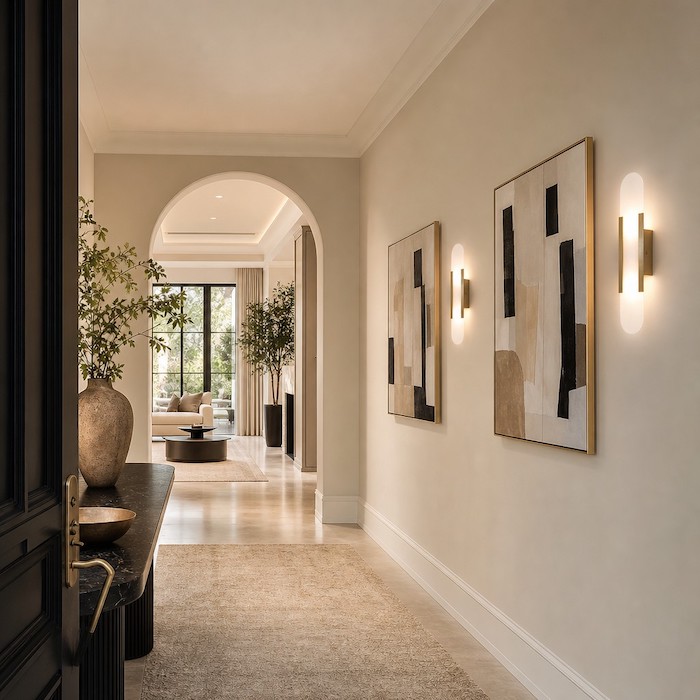
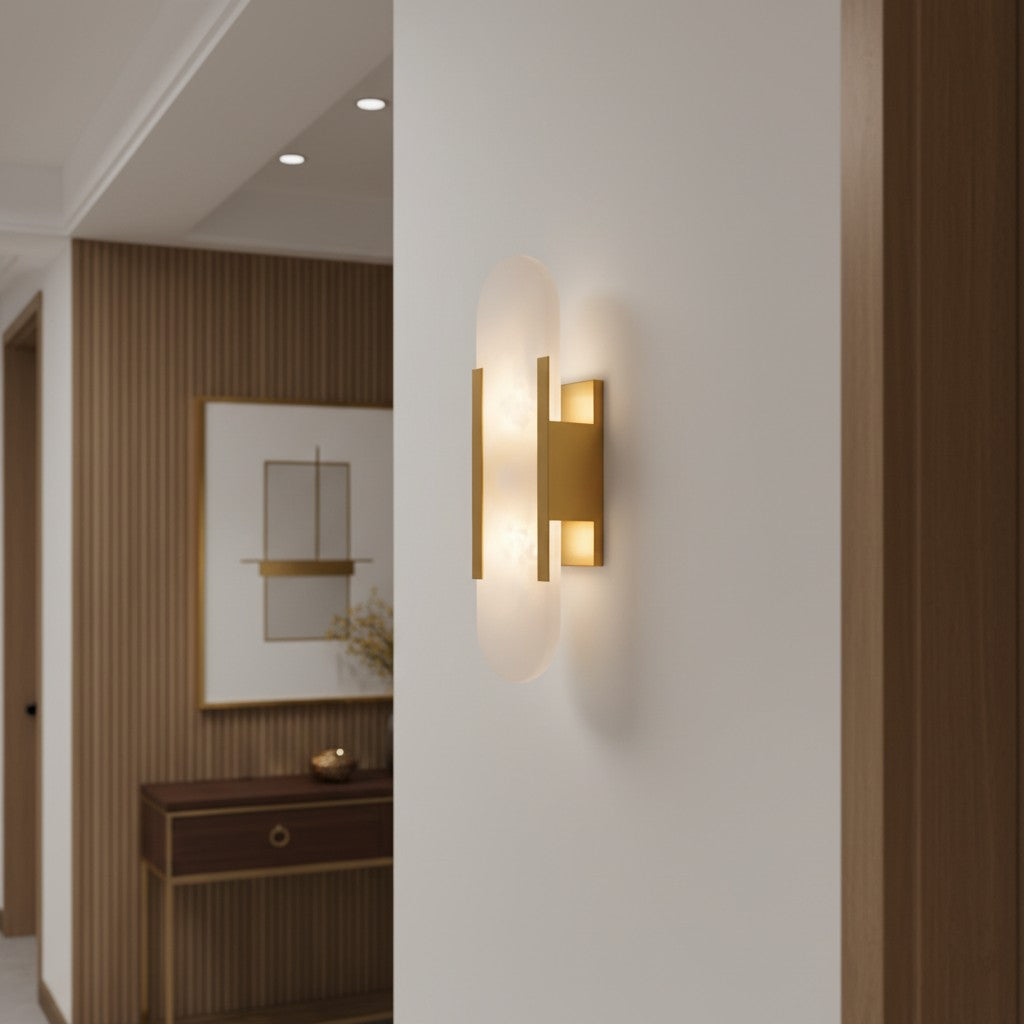
To reverse this cramped sensation, you need low-profile fixtures that blend seamlessly into the architecture while offering soft, scattered illumination. This is where vertical orientation and organic materials completely change the game. When focusing on Using Modern Wall Lights to Enhance Vertical Space, you discover that these fixtures do more than save floor area—they fundamentally shift the room’s perceived proportions. By choosing a light source that mounts flush and guides the eyes upward, you celebrate the height of your home rather than mourning its lack of width.
Embracing the Vertical Line: The Slim Sconce Solution
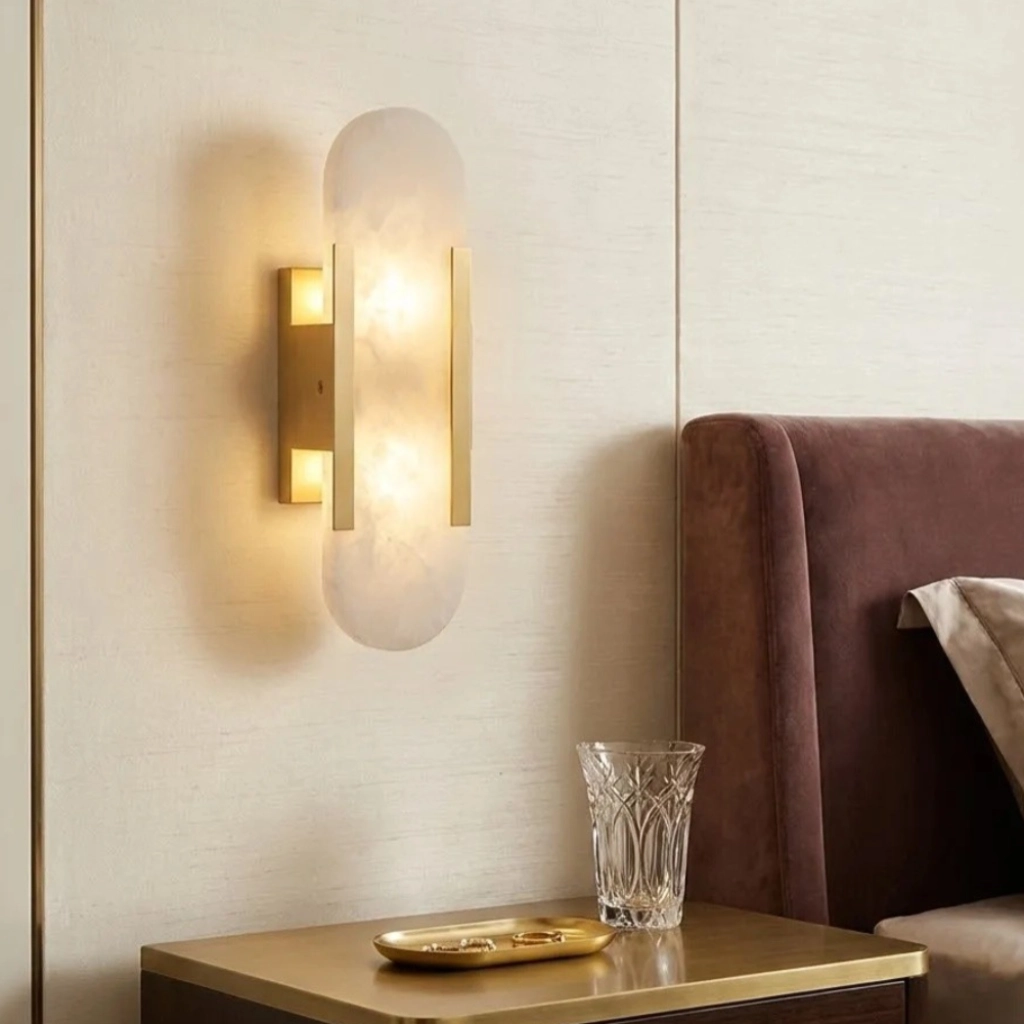
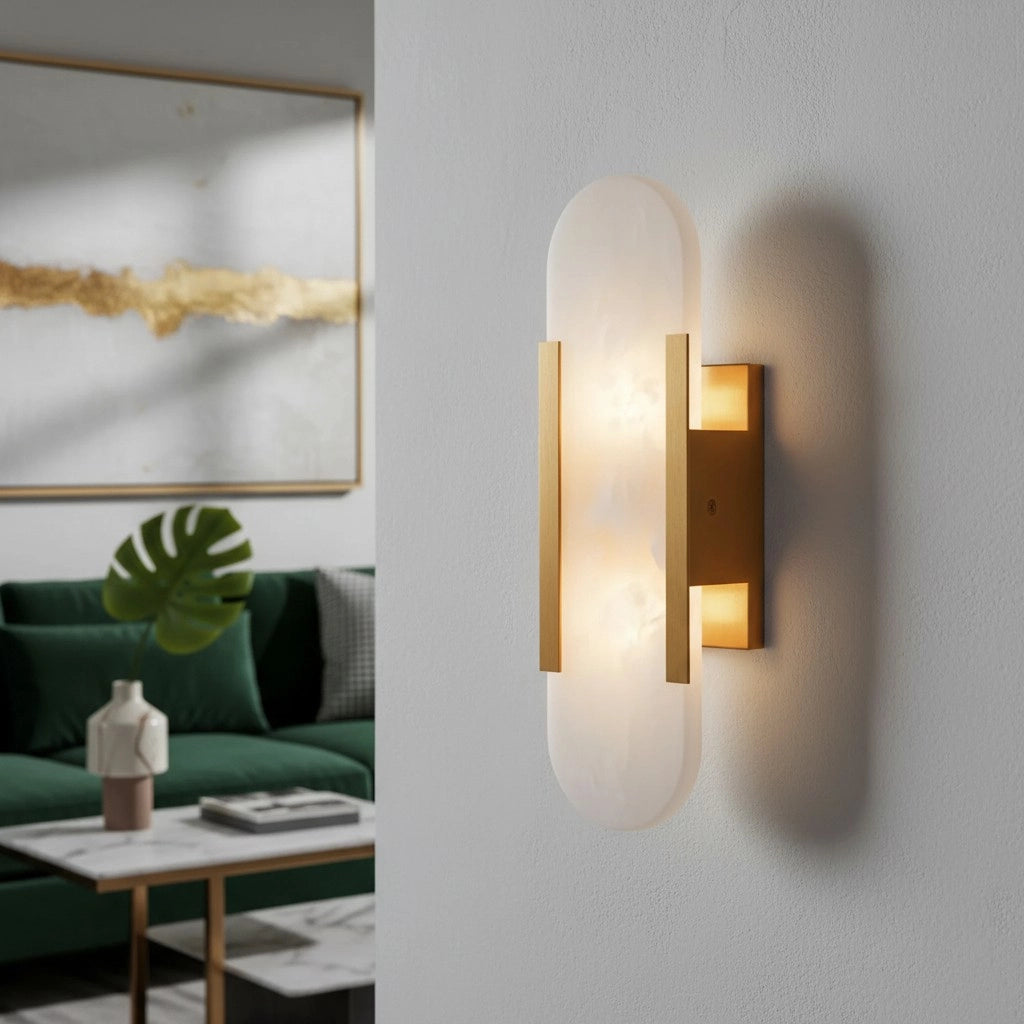
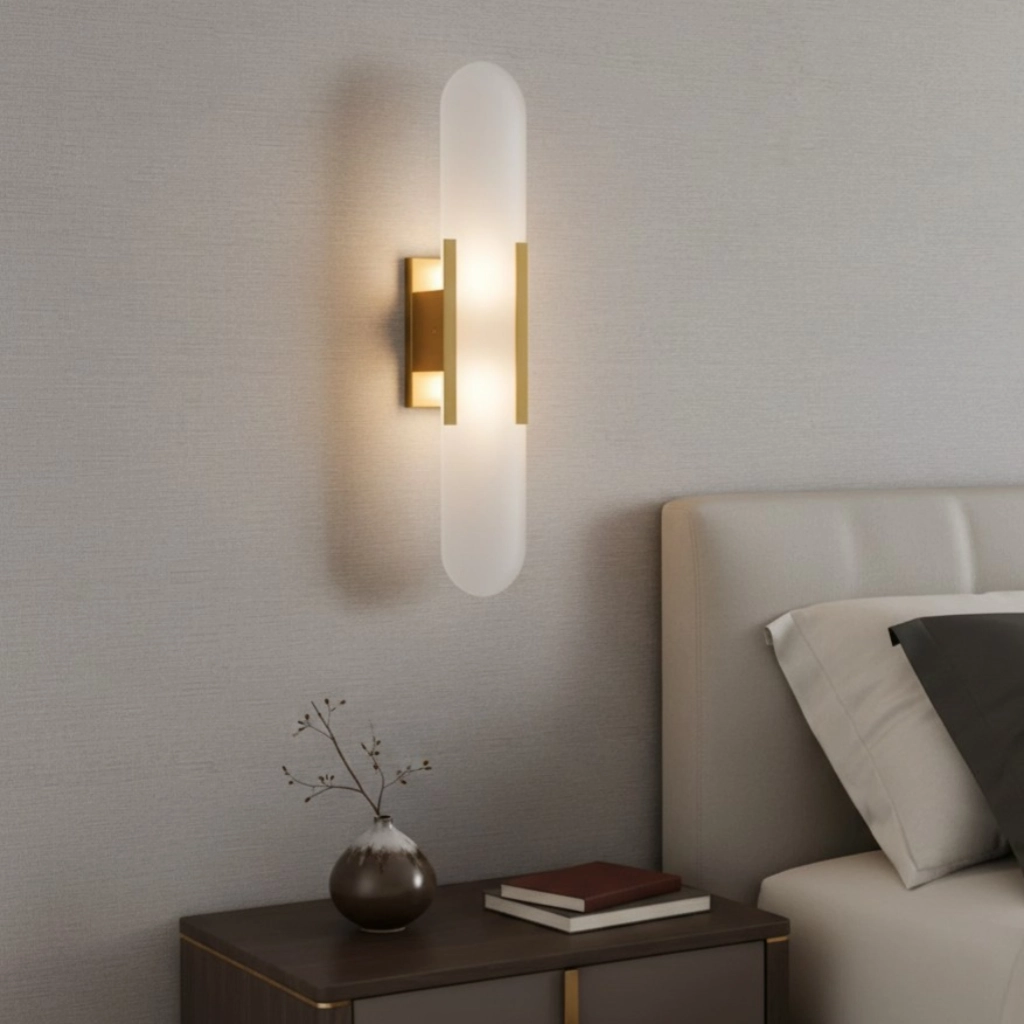
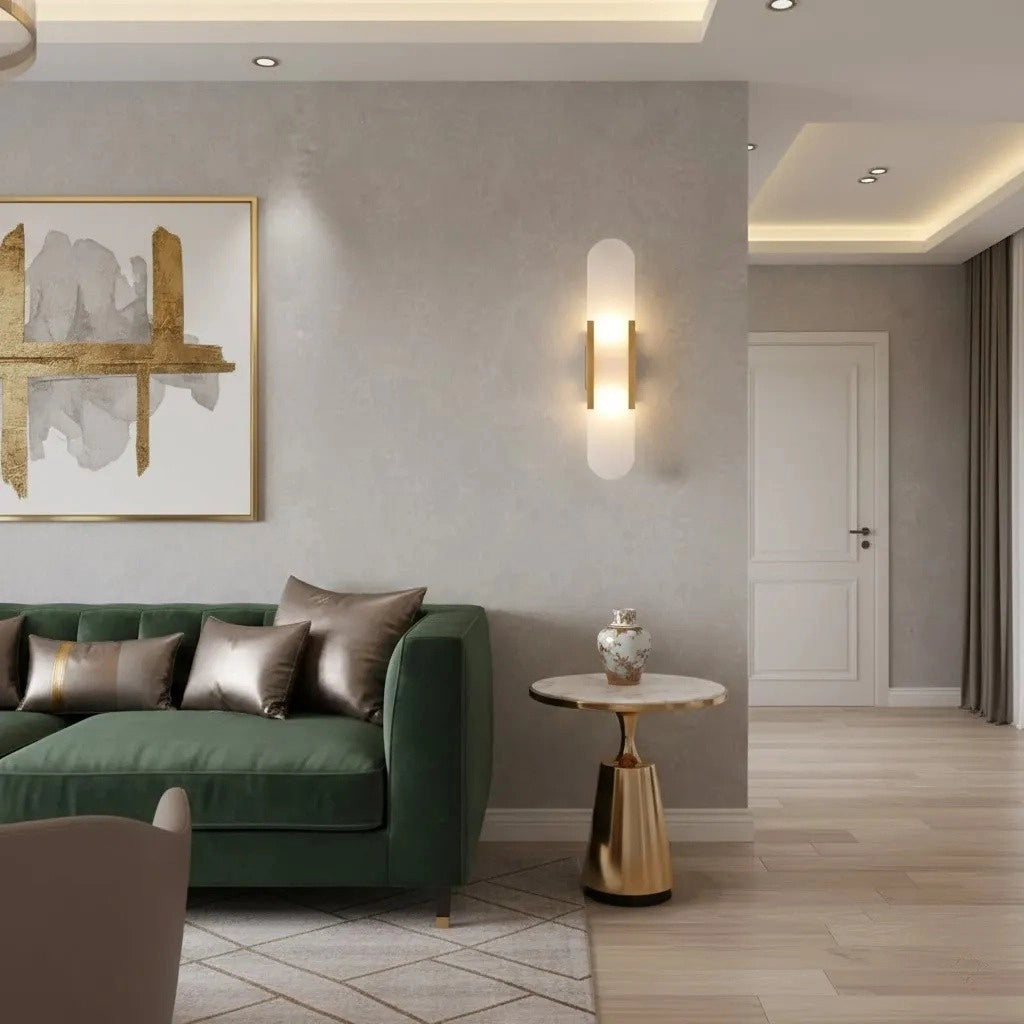
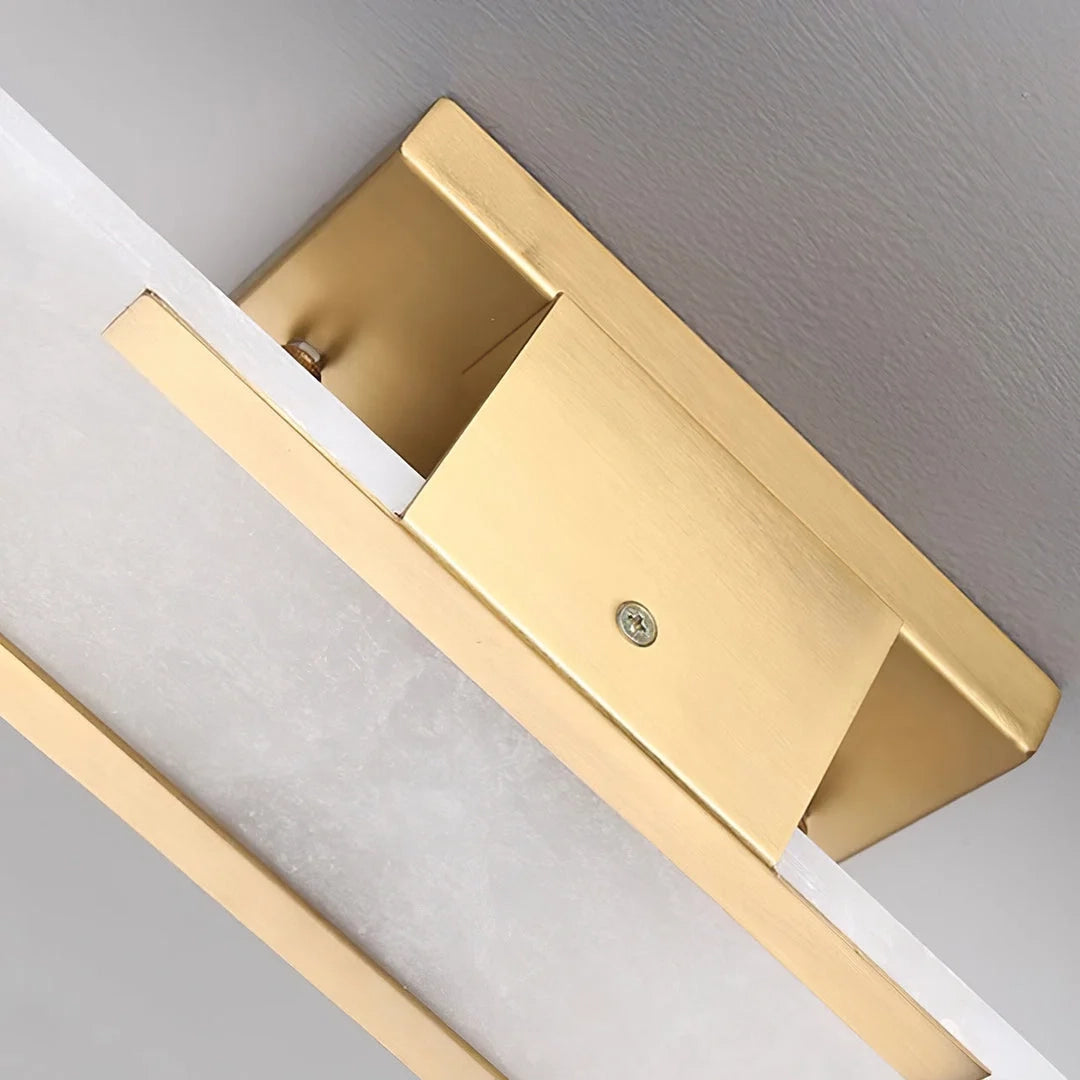
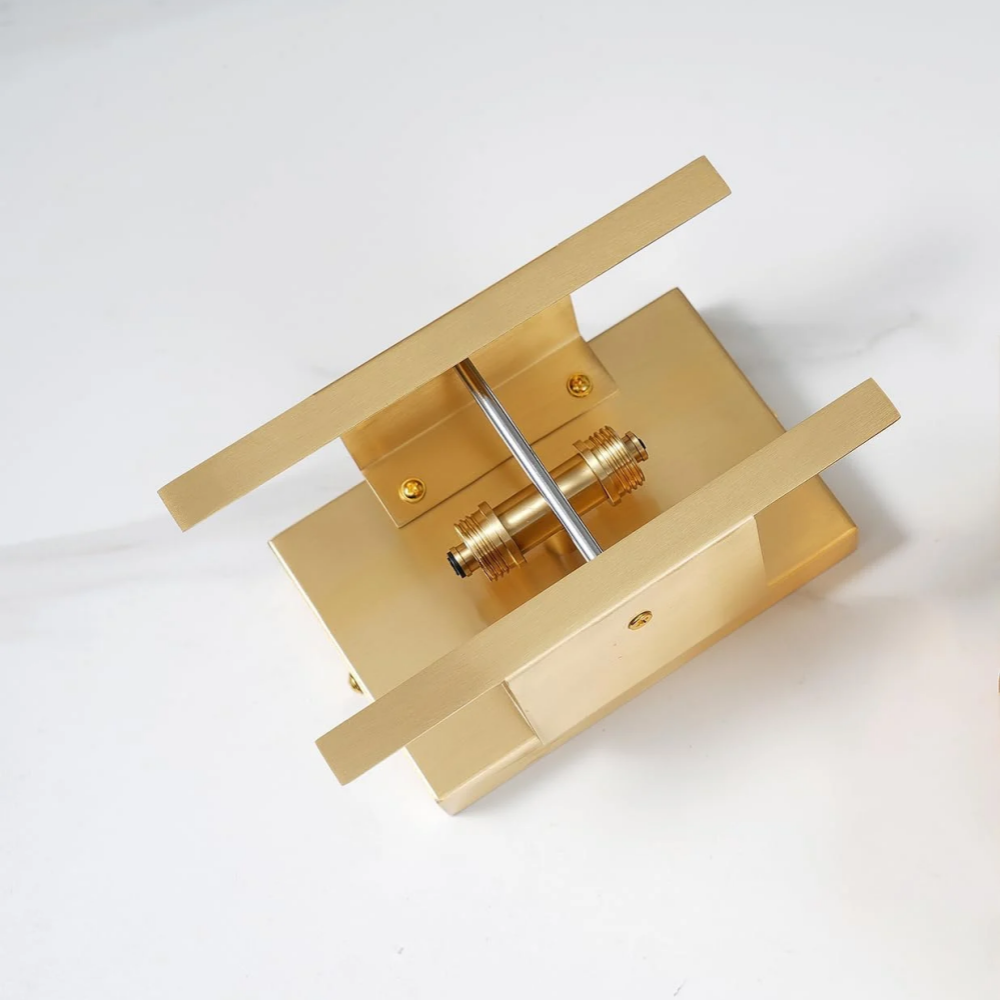
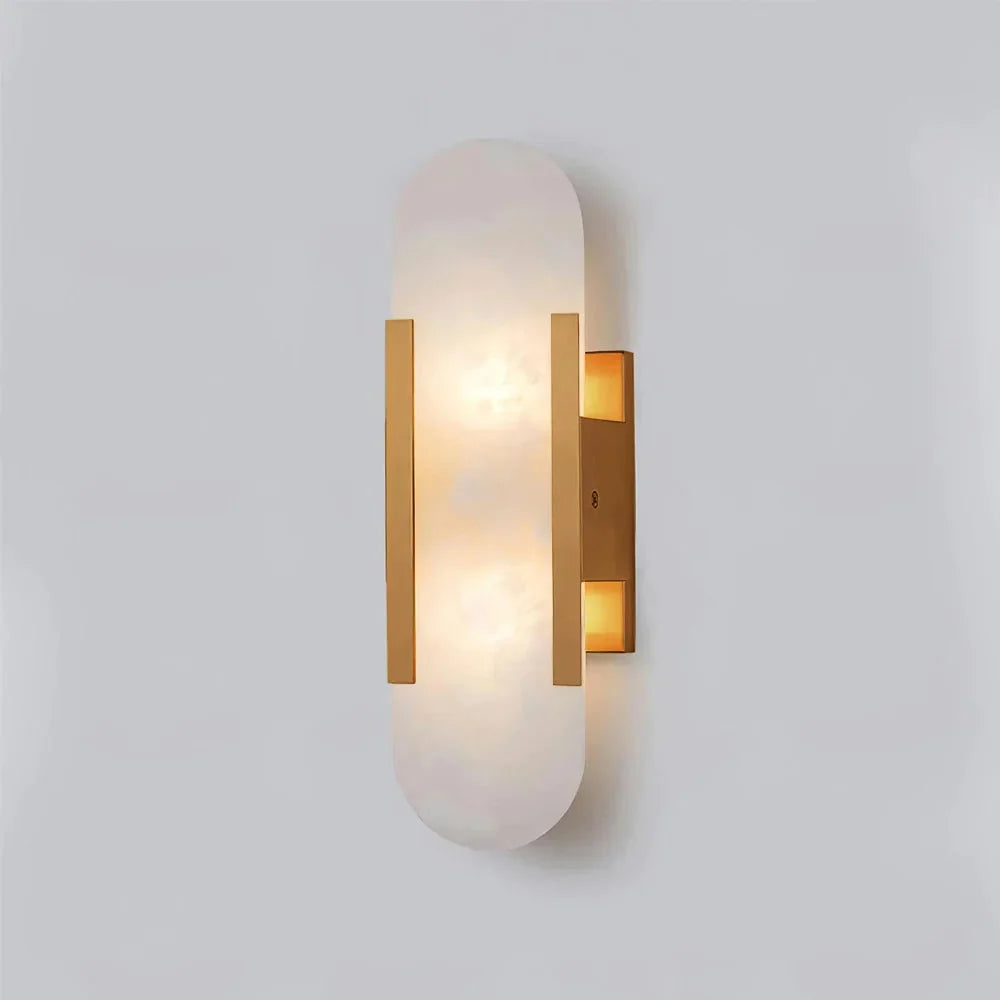
The most effective secret to lighting a confined walkway is the deployment of vertical lines. Long, slender silhouettes instantly complement the natural lines of a corridor, pulling the viewer's attention along a graceful path. A perfect realization of this design philosophy is the Hildur Modern Alabaster Vertical Wall Sconce. With its exceptionally clean profile and vertically elongated frame, this fixture provides an elegant architectural rhythm down any long wall without encroaching on valuable physical space.
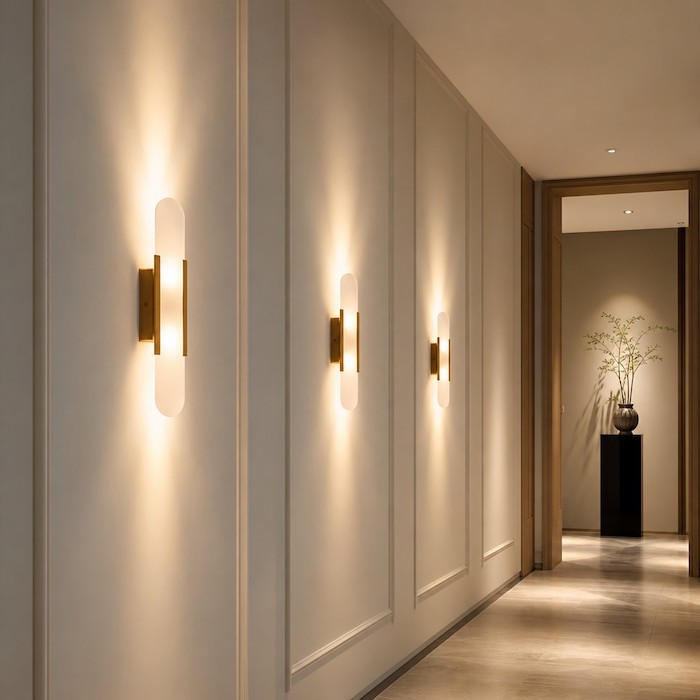
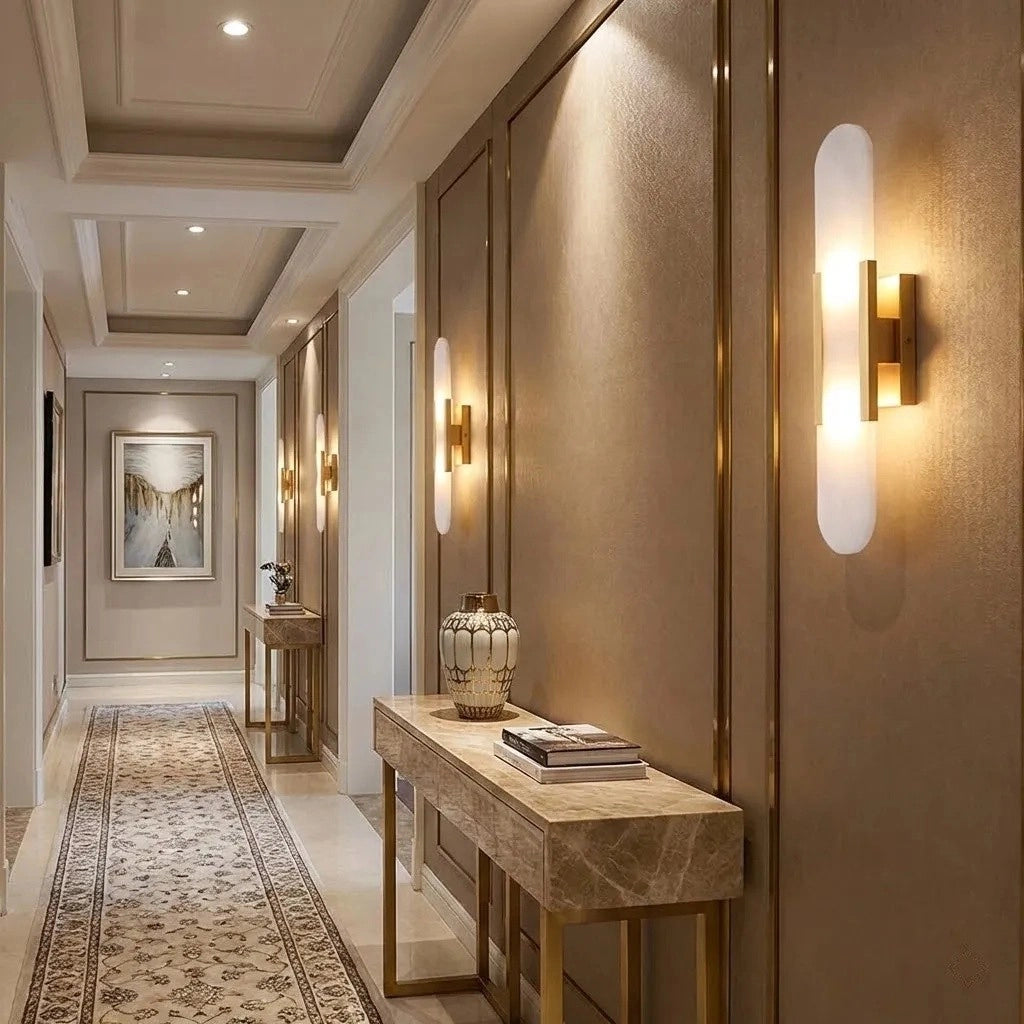
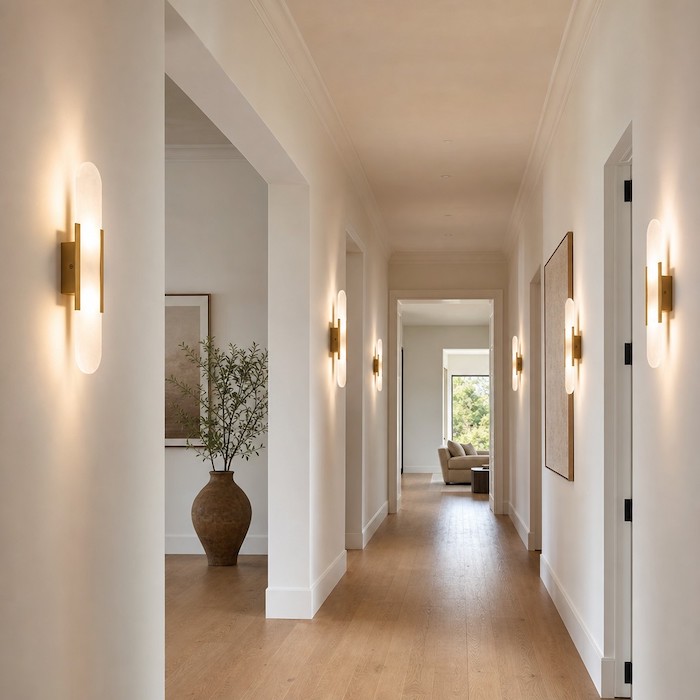
When you align a series of these vertical sconces down a hallway, you create a beautiful cadence of light and soft shadow. The eye naturally jumps from one illuminating post to the next, transforming a boring walk from the bedroom to the living room into a curated gallery experience. Because the physical footprint of the fixture stays tucked tightly against the wall, your walkway remains perfectly clear, open, and airy.
Question: Why does real alabaster perform better in narrow spaces than clear glass or fabric shades?
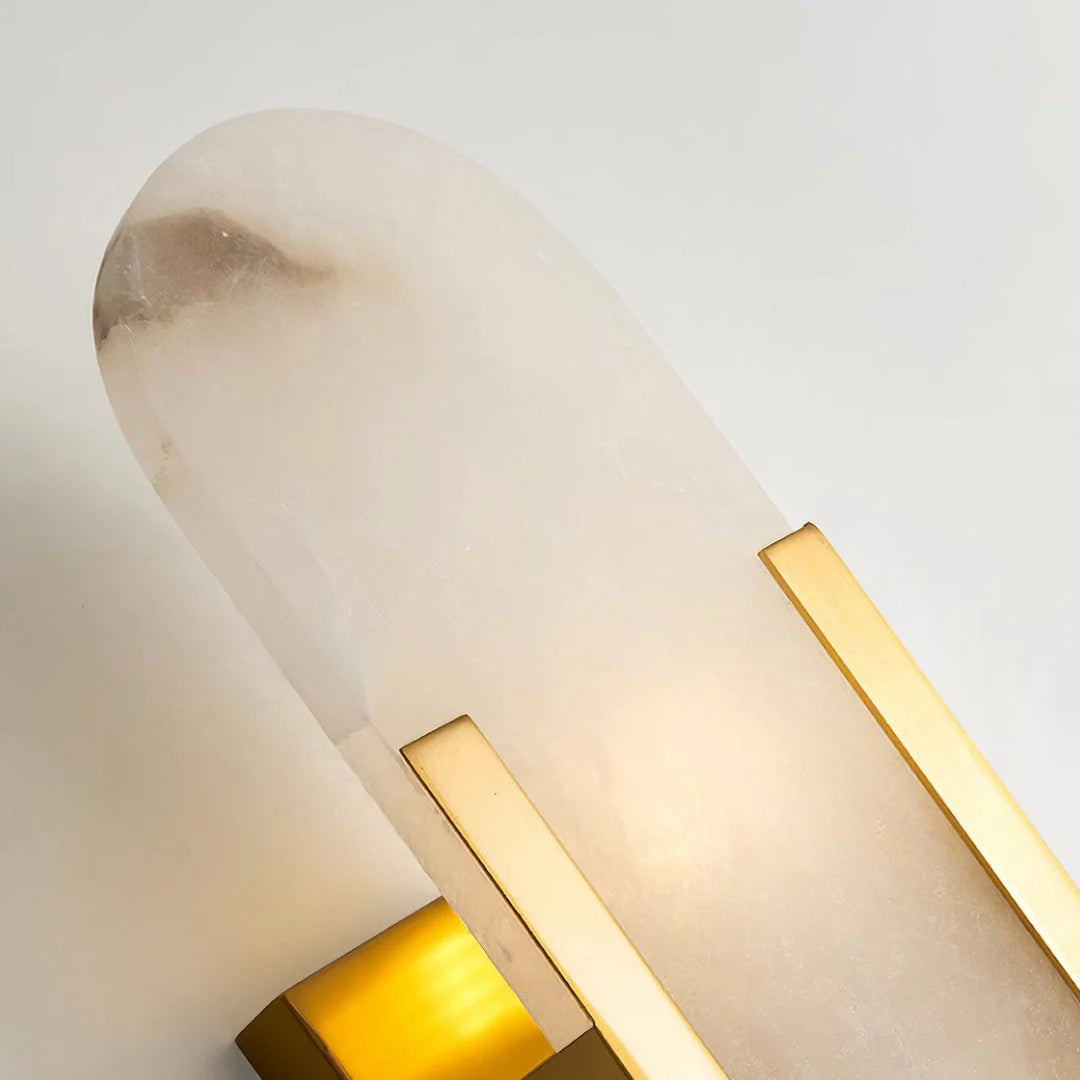
Answer: Clear glass exposes hot light filaments that cause eye strain in tight spaces, while fabric shades collect dust and block light. Genuine alabaster features natural, microscopic crystalline structures that scatter light evenly in all directions. This eliminates hot spots, smoothing out shadows and making walls appear softer and further away than they actually are.
The Magic of Alabaster Diffusion
Light quality matters just as much as fixture shape. In a confined corridor, you want to avoid direct exposure to bare light bulbs. Instead, you need a material that acts as a natural filter, softening the output while retaining excellent luminosity. Natural alabaster stone is highly prized by lighting artisans precisely for this reason. Each piece possesses a unique veining pattern, meaning your lighting source doubles as a one-of-a-kind stone sculpture during the daytime.
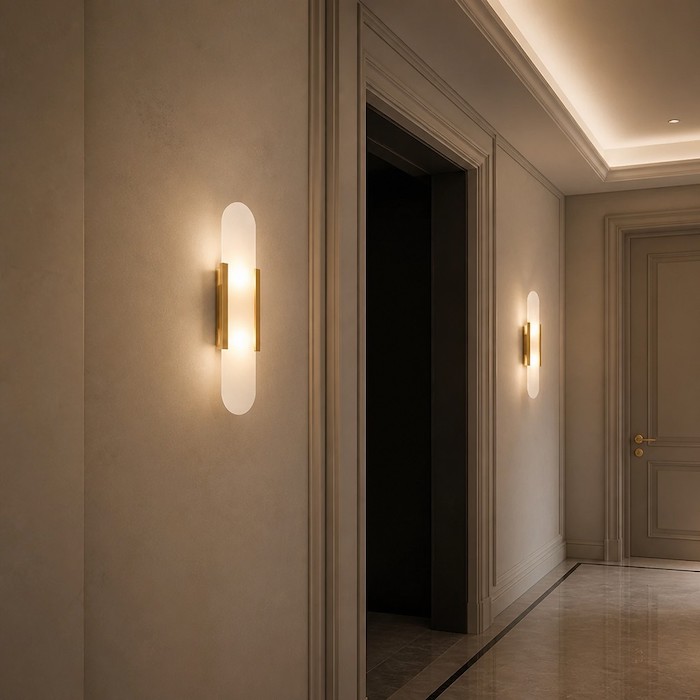
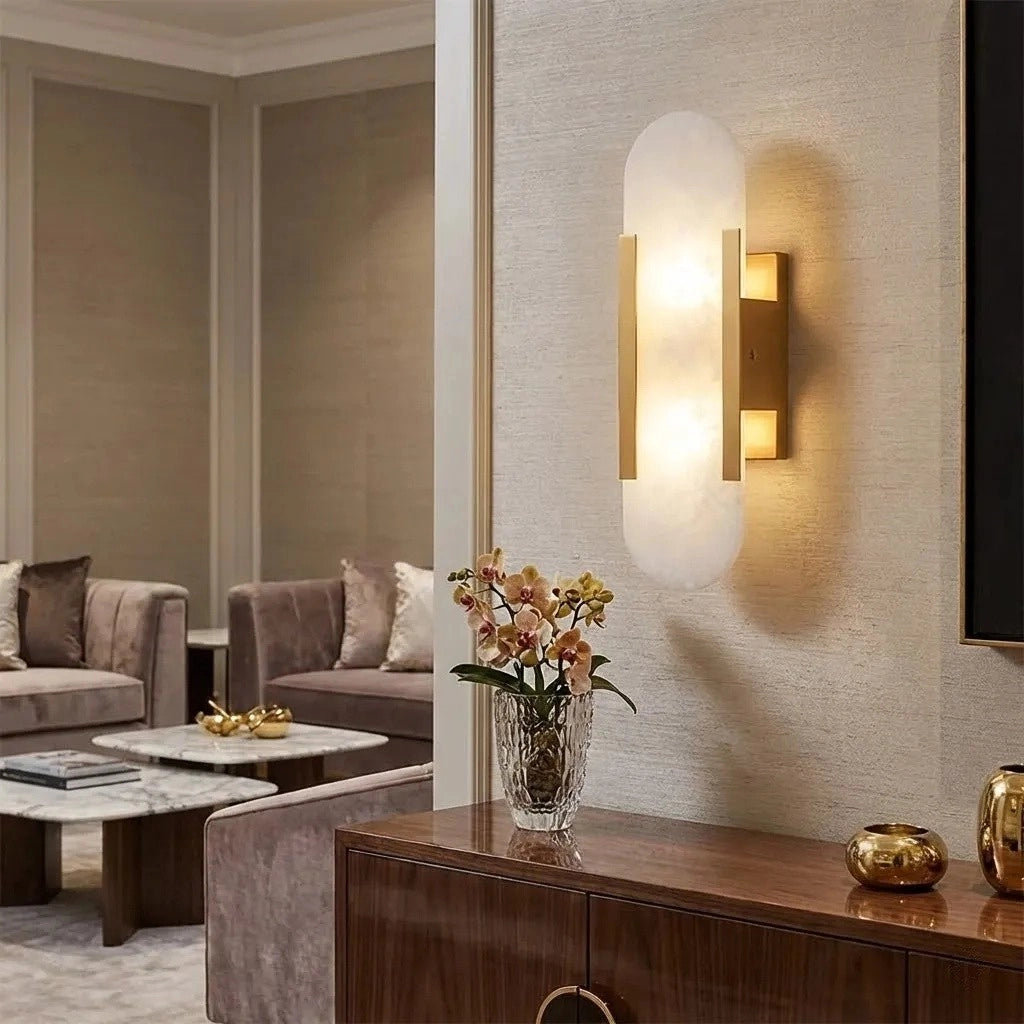
When evening falls and you illuminate the Hildur Moderne vertikale Wandleuchte aus Alabaster, the stone's organic composition radiates a warm, ambient glow. This unique glow blurs the hard, severe angles where your hallway walls meet the ceiling. This proves why many designers prioritize Wall Lights as Decorative Elements in Interior Design, as they effectively transform utilitarian fixtures into functional art pieces. This softening effect breaks down the boxy feel of a tight floor plan, replacing it with an atmospheric, luxurious warmth reminiscent of a boutique luxury hotel wrapper.
Strategic Placement and Layout Guide
To maximize the brightening power of your new vertical fixtures, layout strategy is key. For long walls, we recommend spacing your sconces roughly five to six feet apart. If your hallway is exceptionally narrow, consider staggering the fixtures on alternating sides of the wall rather than mounting them directly opposite one another. This zigzag arrangement casts light back and forth across the corridor, visually breaking up the straight parallel lines that emphasize a cramped layout.
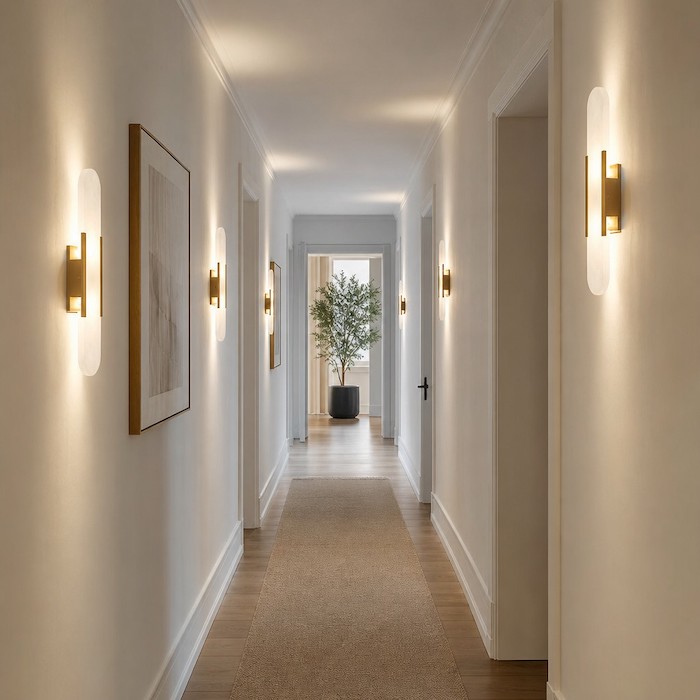
Height is another critical variable. Mounting your vertical sconces so that the center of the stone column sits around 150 to 165 centimeters from the finished floor ensures that the primary glow sits directly within the human line of sight, while the upward light cast gently bathes the upper wall sections. Investing in premium statement pieces like the Hildur Modern Alabaster Sconce ensures that even when the lights are turned off completely, your walls are dressed in high-end textures that radiate sophisticated, modern American style.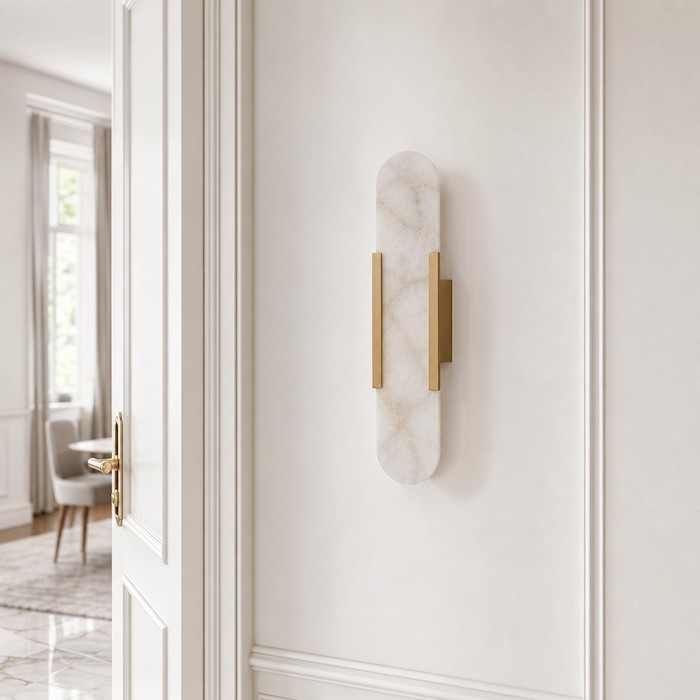
Frequently Asked Questions
How many sconces do I need for a ten-foot hallway?
Two vertical sconces spaced evenly apart will provide optimal, balanced illumination.
What is the best way to clean natural alabaster fixtures?
Wipe gently with a dry microfiber cloth to preserve the natural stone surface.
Can vertical sconces make low ceilings look much higher?
Yes, their upward-directed glow draws eyes vertically, creating a spacious illusion.
Do these slim alabaster light fixtures rust in humid hallways?
Premium brass and solid stone construction ensure long-lasting durability without tarnishing.
Should I turn off ceiling lights completely if I use sconces?
Keep ceiling lights low and let wall sconces handle the primary illumination.