

Elevate Your Home Artistry: The Secret Language of Light
In the world of high-end design, light is often referred to as the "fourth dimension." You can have the most expensive Italian leather sofa or a hand-knotted Persian rug, but without the right lighting, these elements remain flat. To truly elevate a home from a collection of objects to a work of art, you must understand how light interacts with space, texture, and the human eye. It is the invisible brushstroke that defines the mood of your masterpiece.
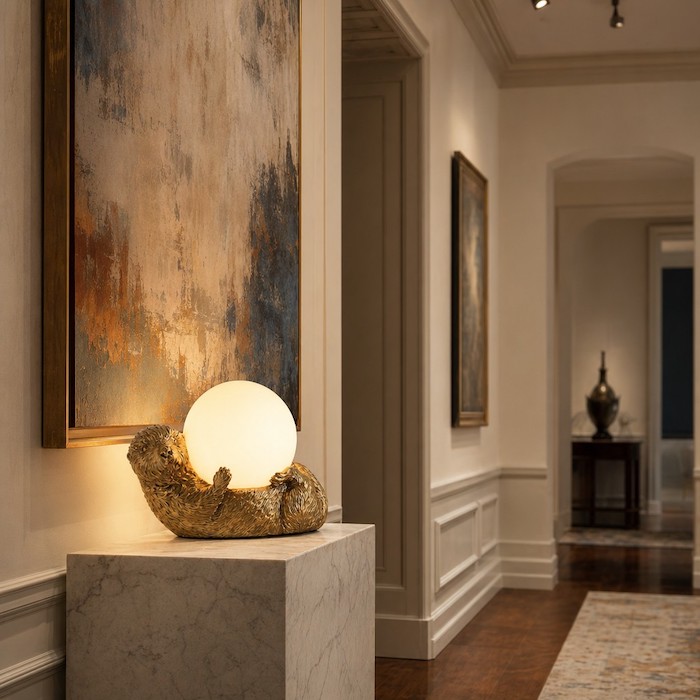
Artistic lighting is not about flooding a room with brightness. In fact, the most sophisticated homes embrace shadow as much as light. It is the contrast—the play between a glowing corner and a soft, dim background—that creates a sense of drama and luxury. When we treat lighting as an art form, we stop looking for "fixtures" and start looking for "sculptures" that happen to provide light.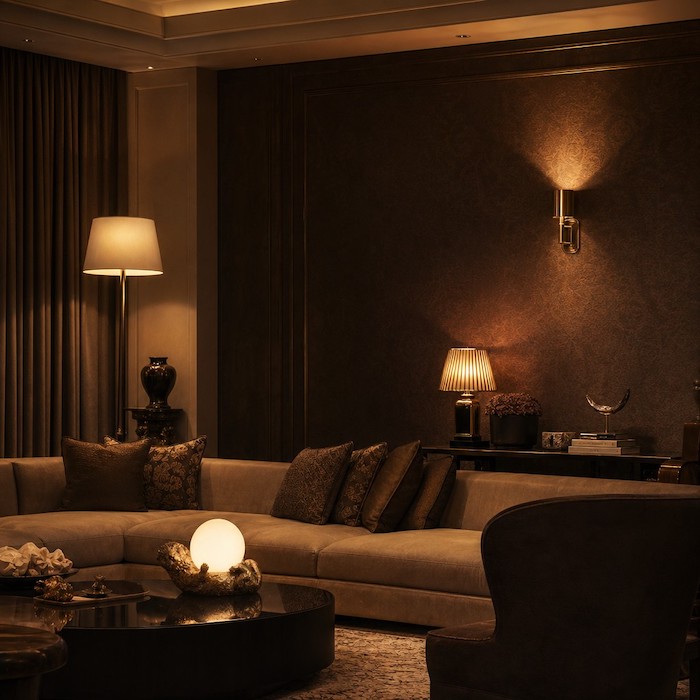
The Golden Rule of Artistry: Always choose one "Statement Piece" per room that acts as a visual anchor. This piece should be captivating enough to stand alone as a sculpture during the day, while providing a unique light pattern that transforms the room’s architecture at night. Avoid generic designs that blend into the background.
The Sculptural Power of Unique Forms
When you walk into a professionally designed home, you’ll notice that the lighting often feels like a part of a curated art collection. This is achieved by selecting pieces that have a narrative or an unexpected form. Instead of a standard lamp base, consider something that mimics organic life or historical motifs.
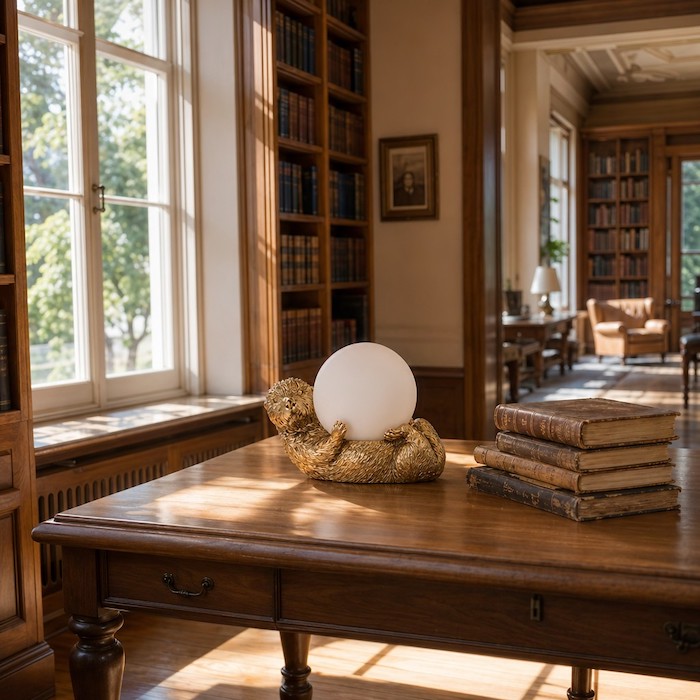
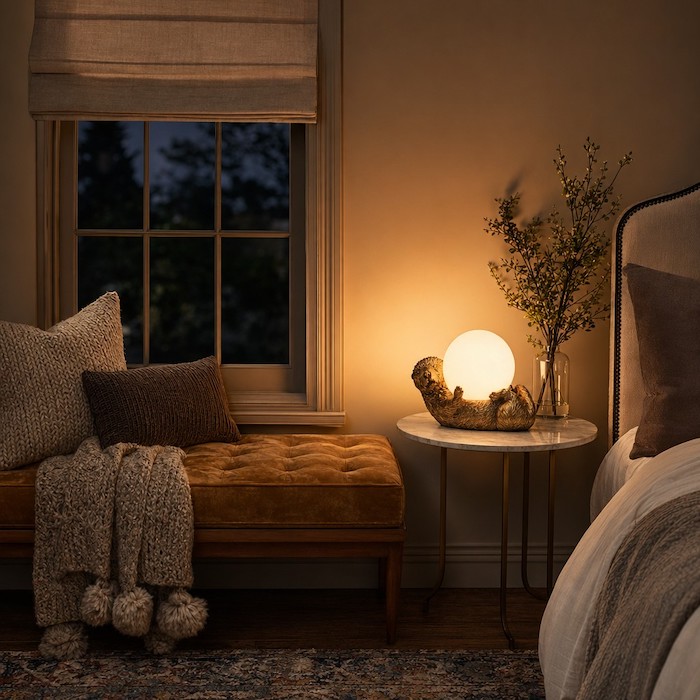
A prime example of this sculptural approach is the Cedrick Vintage Antique Gold Otter Table Lamp. By combining the whimsical charm of an otter with the clean, geometric perfection of a frosted glass globe, this piece serves as a focal point. It challenges the viewer’s expectations, moving the conversation from "where did you get that lamp?" to "where did you find that piece of art?" The antique gold finish adds a layer of warmth that feels timeless, much like a vintage bronze found in a European gallery. This design philosophy is what makes such pieces the ideal tabletop counterpart to Glass and Metal Wall Lights for Modern Luxury Interiors.
Mastering the "Glow" vs. the "Glare"
One of the biggest mistakes in home styling is the use of harsh, direct light. Glare is the enemy of artistry. To create a high-end feel, you want to focus on "glow." This is why frosted glass is so highly valued in luxury interior design. It scatters the light evenly, eliminating the "hot spots" that can make a room feel cheap or clinical.
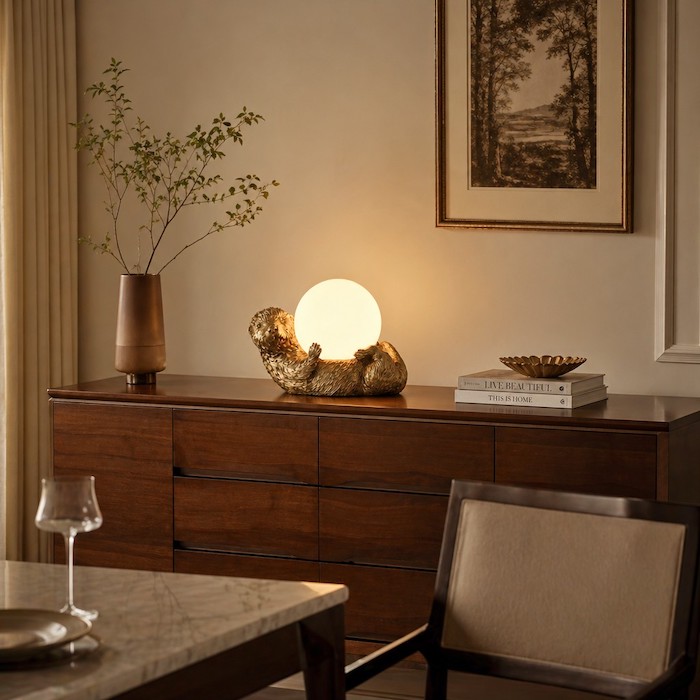
When light passes through a frosted globe, it becomes soft and romantic. It smooths out the textures of your walls and creates a flattering environment for guests. Placing a frosted orb lamp on a glass-topped table or a polished wood surface allows the light to reflect gently, doubling the artistic impact without overwhelming the senses. This soft-focus effect is exactly how high-end hotels and galleries create that immediate sense of calm and sophistication.
The Cedrick Vintage Gold Otter Lamp excels in this area, specifically addressing How Do Light Color Temperature & Brightness Affect Your Space? Its matte frosted glass ensures that the light is always elegant, never aggressive. Whether it’s placed in a dim corner or used as a reading light, it provides that signature "glow" that defines a well-styled home.
Creating a Visual Hierarchy
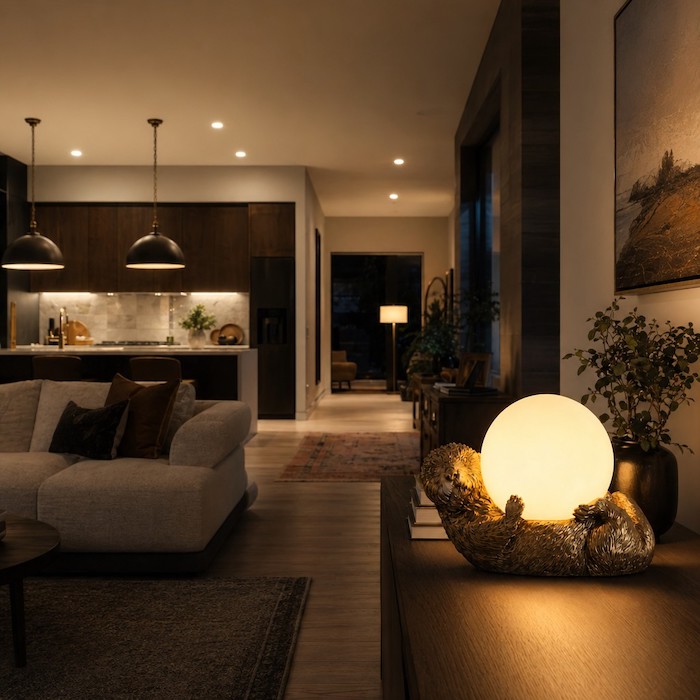
Artistic homes are layered. To achieve this, you need to think about where you want the eye to go first. Designers call this "visual hierarchy." By using varied heights and light intensities, you can guide a person through a room. You might have a dim, warm light in the corner, a medium light on a side table, and a focal point highlighted by a sculptural lamp.
Don't be afraid to let some corners stay dark. This adds depth and makes the illuminated areas feel more precious. A single, beautifully crafted lamp on a pedestal or a small accent table can do more for a room's "vibe" than ten recessed ceiling lights. It creates a "moment" within the room—a place where art and function meet perfectly.
In the end, elevating your home's style is about making bold, individual choices. It’s about moving away from the mass-produced and toward pieces that reflect a sense of character and craftsmanship. When you choose lighting that functions as art, you don't just light up a room; you bring it to life.


