
Ditch the Centered Chandelier: Why Forward-Thinking Designers Are Moving Lighting to the Wall
For decades, residential interior design operated under an unwritten rule: every major room required a central ceiling fixture. Whether it was an ornate crystal chandelier in the dining room or a flush-mount drum lamp in the living area, the center of the ceiling was treated as an sacred axis point. This architectural tradition stemmed from necessity during the early days of electrification when running a single wire down the structural core of a home was the most cost-effective method to achieve basic visibility. Unfortunately, this rigid blueprint became an unquestioned habit, locking layouts into an outdated mold.
Today, forward-thinking interior architects are staging a quiet rebellion against this symmetrical tyranny. They recognize that modern life does not unfold in perfectly centered circles around the middle of a room. We position our lounge zones asymmetrical to enjoy panoramic window views; we push our dining tables closer to fireplaces; we create floating workspaces that adapt to natural daylight patterns. Relying on a heavy, fixed center light source fundamentally limits your layout flexibility, casting awkward vertical glare and leaving the true functional corners of your home stranded in deep shadow.
What is decentered structural lighting?
Decentered structural lighting is an architectural layout technique that abandons central ceiling junction boxes. By relocating the primary illumination source to wall-mounted perimeter points utilizing elongated, posable arm fixtures, designers can cast light horizontally across a room to emphasize true functional living boundaries rather than arbitrary geometric midpoints.
The Hidden Layout Penalty of the Ceiling Chandelier
The moment a heavy, permanent chandelier is wired into the dead center of your ceiling, your furniture arrangement options are instantly compromised. If you attempt to slide your sectional sofa three feet to the left to create a cleaner walking path, the central chandelier immediately looks out of place, casting an uncoordinated pool of light onto an empty floor space while leaving your primary seating area completely dark. This common frustration perfectly illustrates When Linear Lighting Works Better Than Traditional Fixtures, as it allows you to break free from the constraints of fixed, centered wiring and position light exactly where your lifestyle requires it.
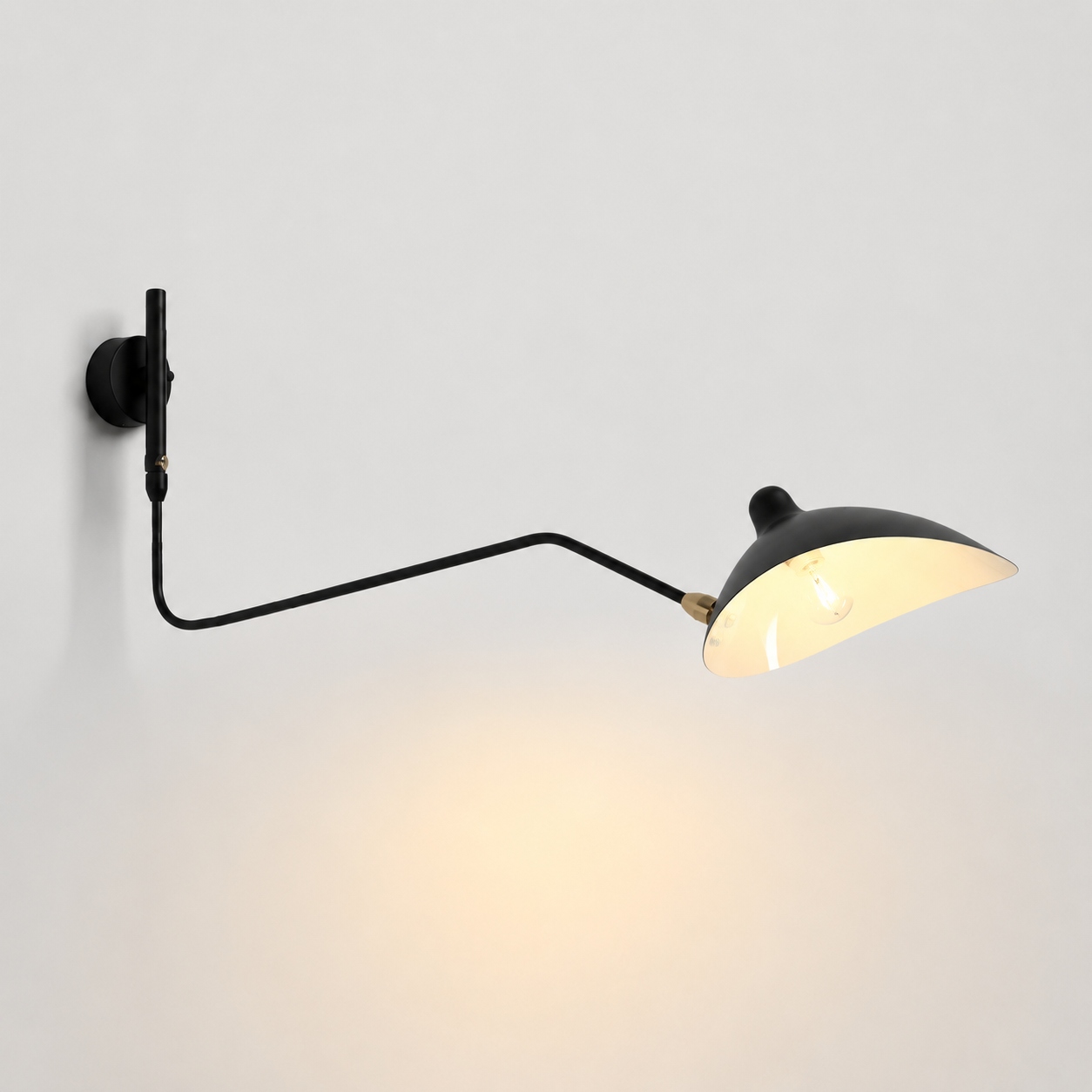
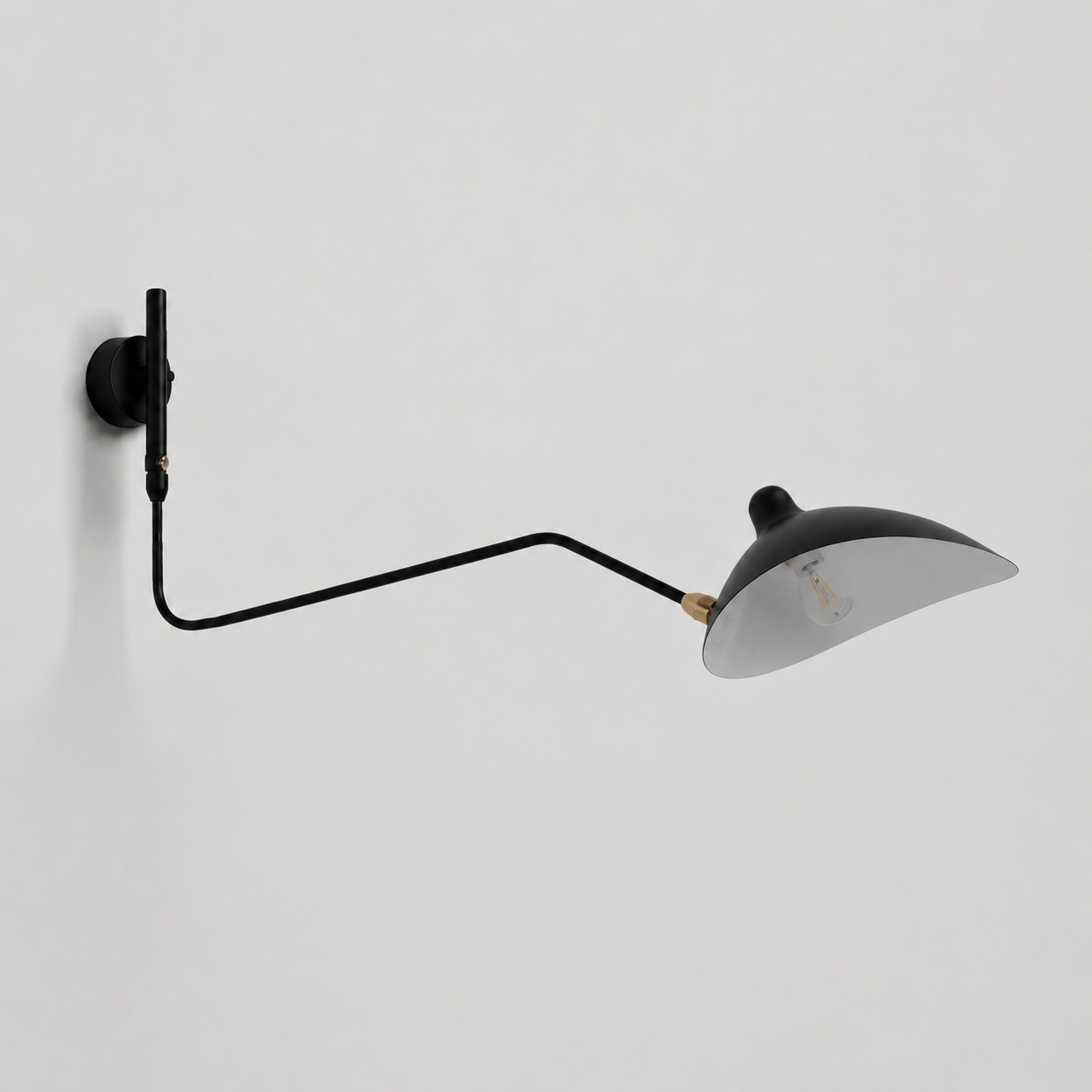
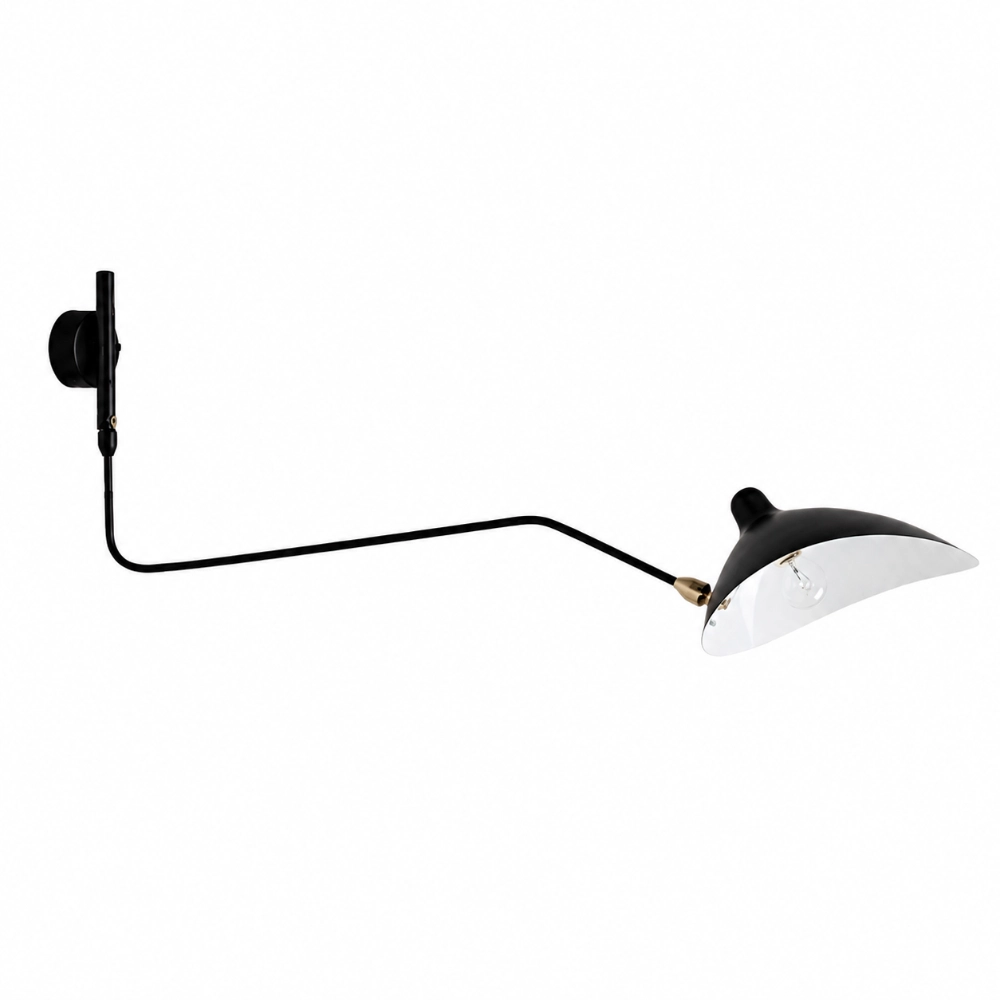
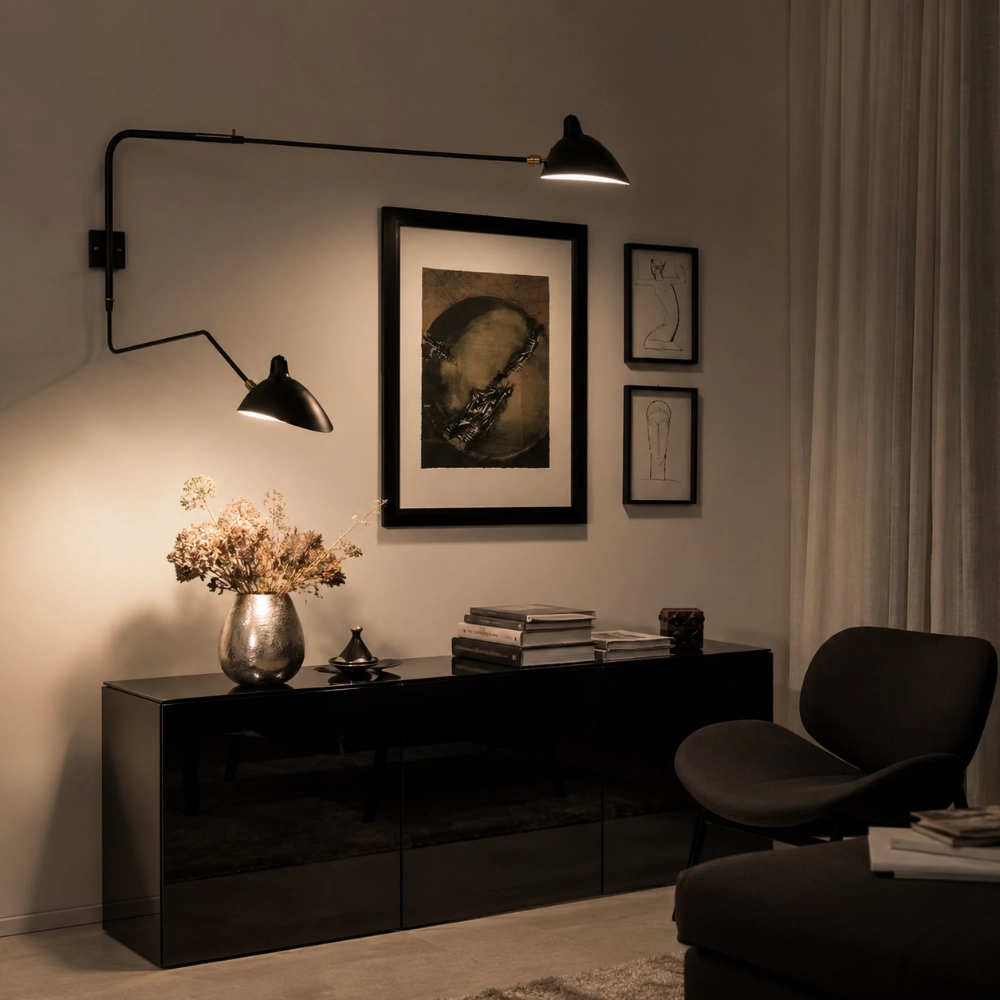
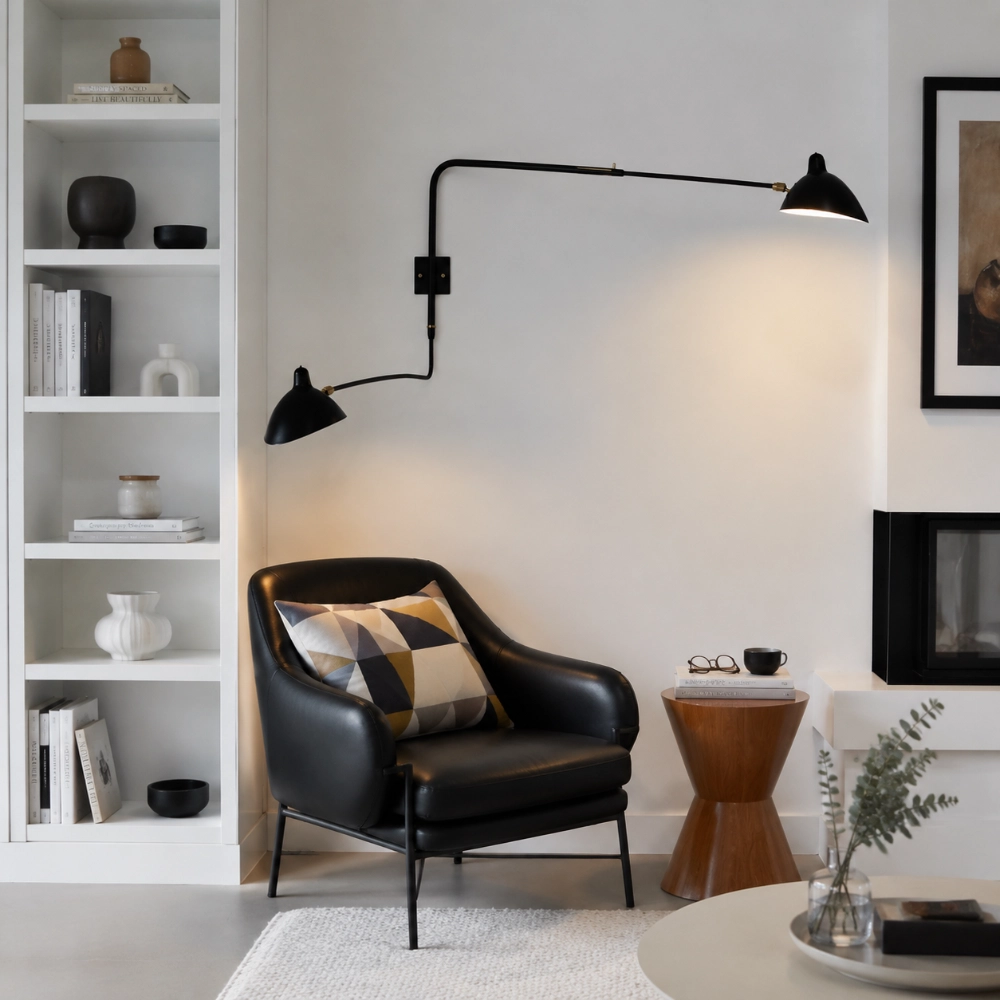
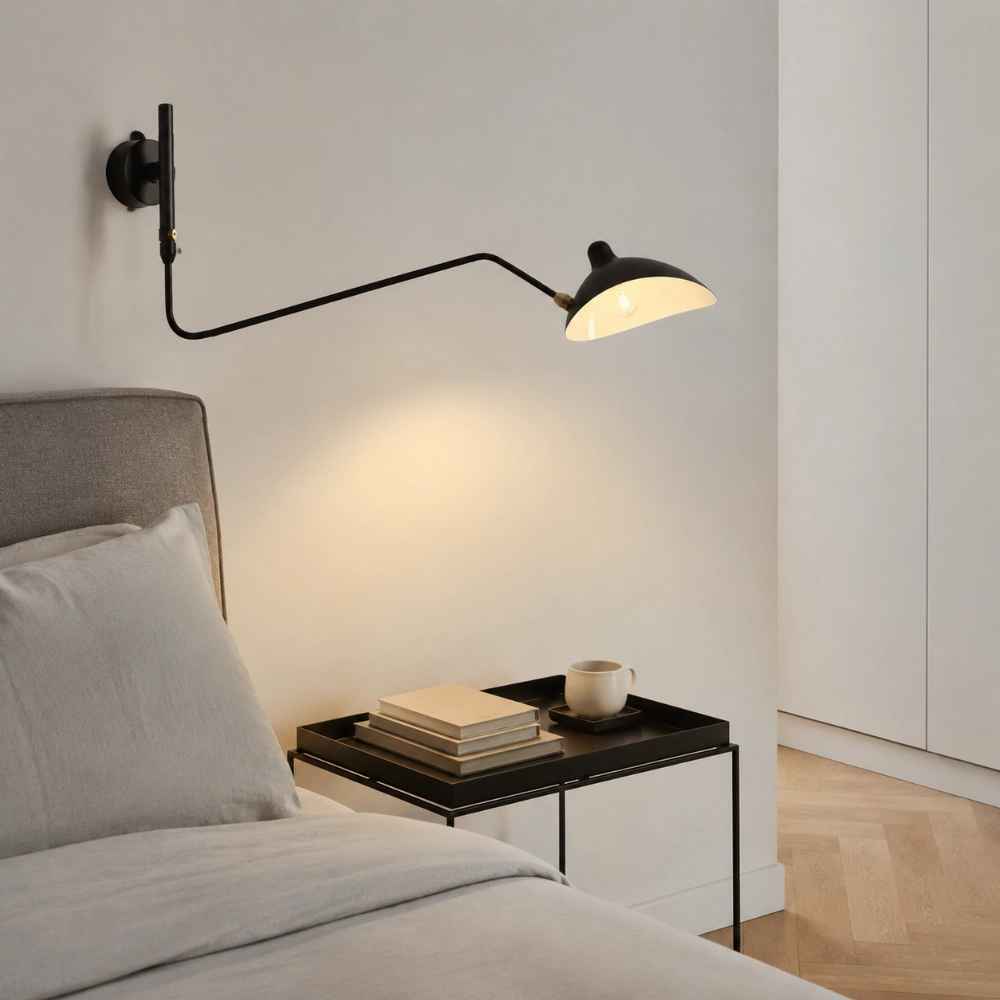
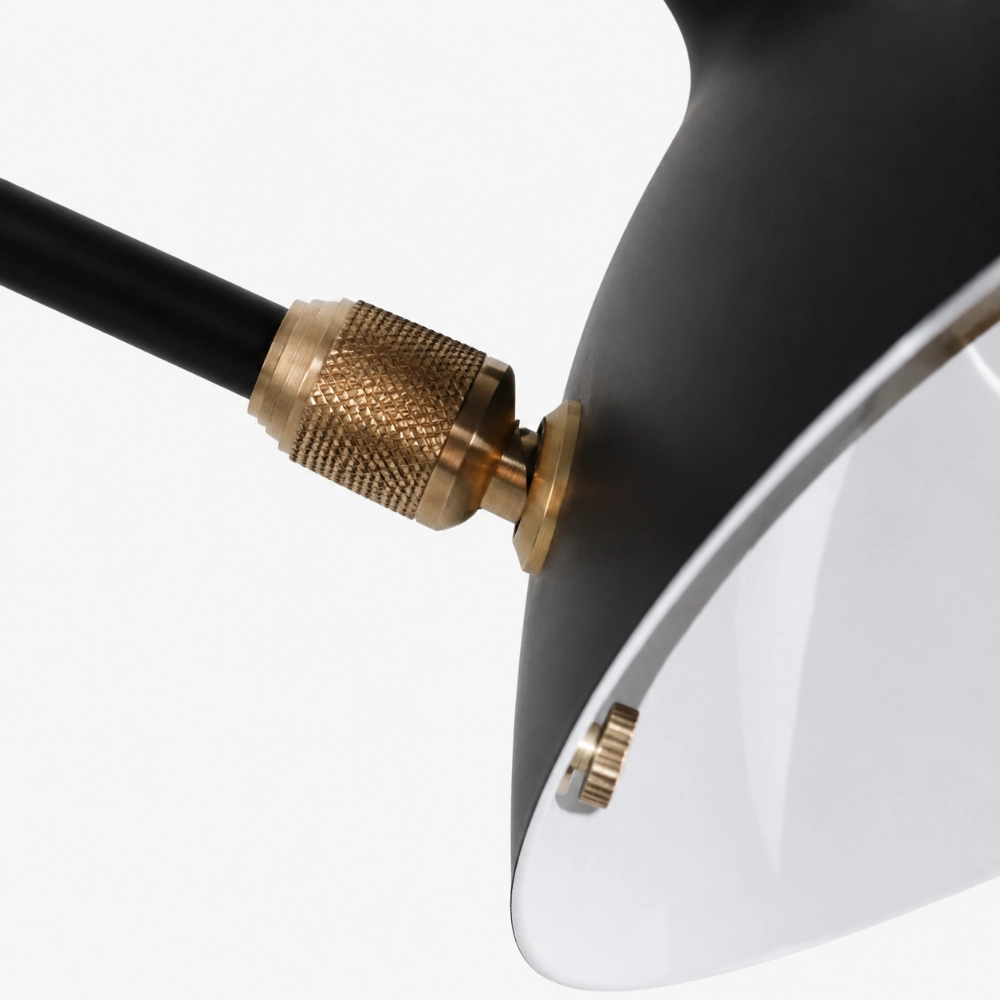
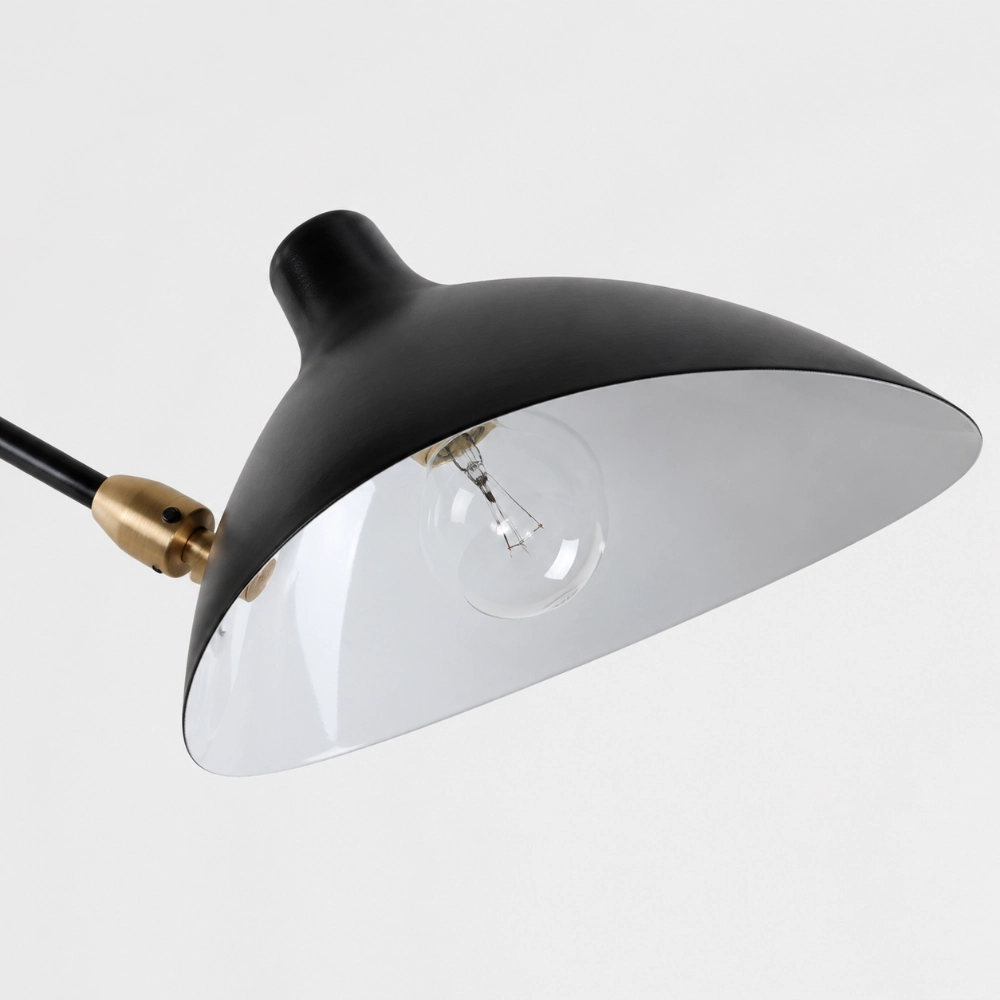
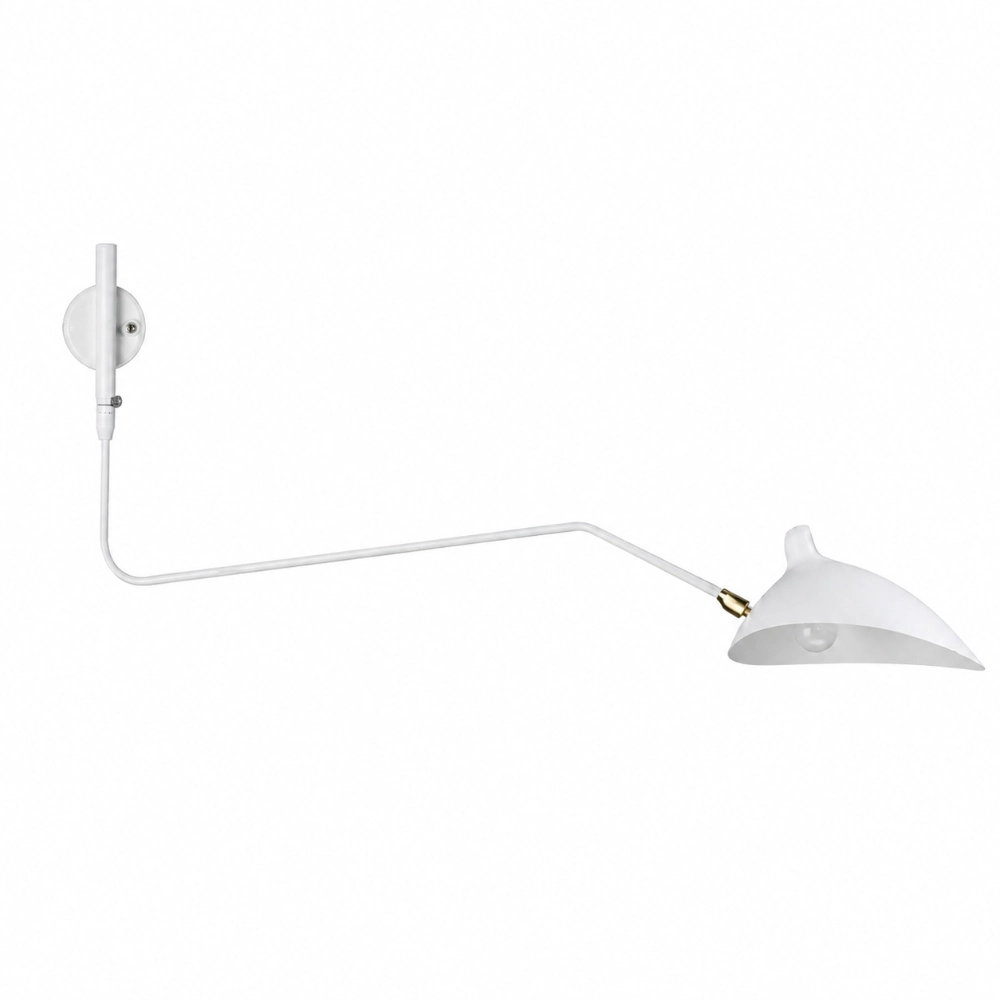
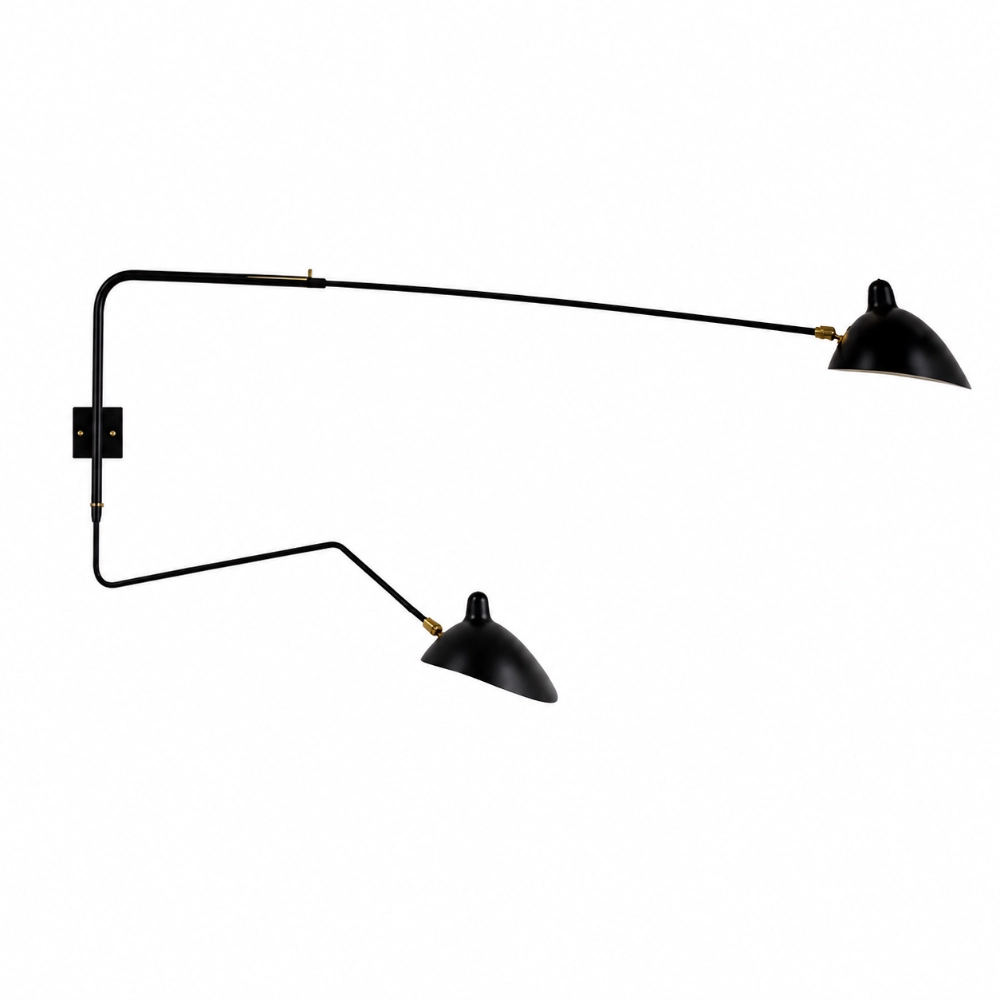
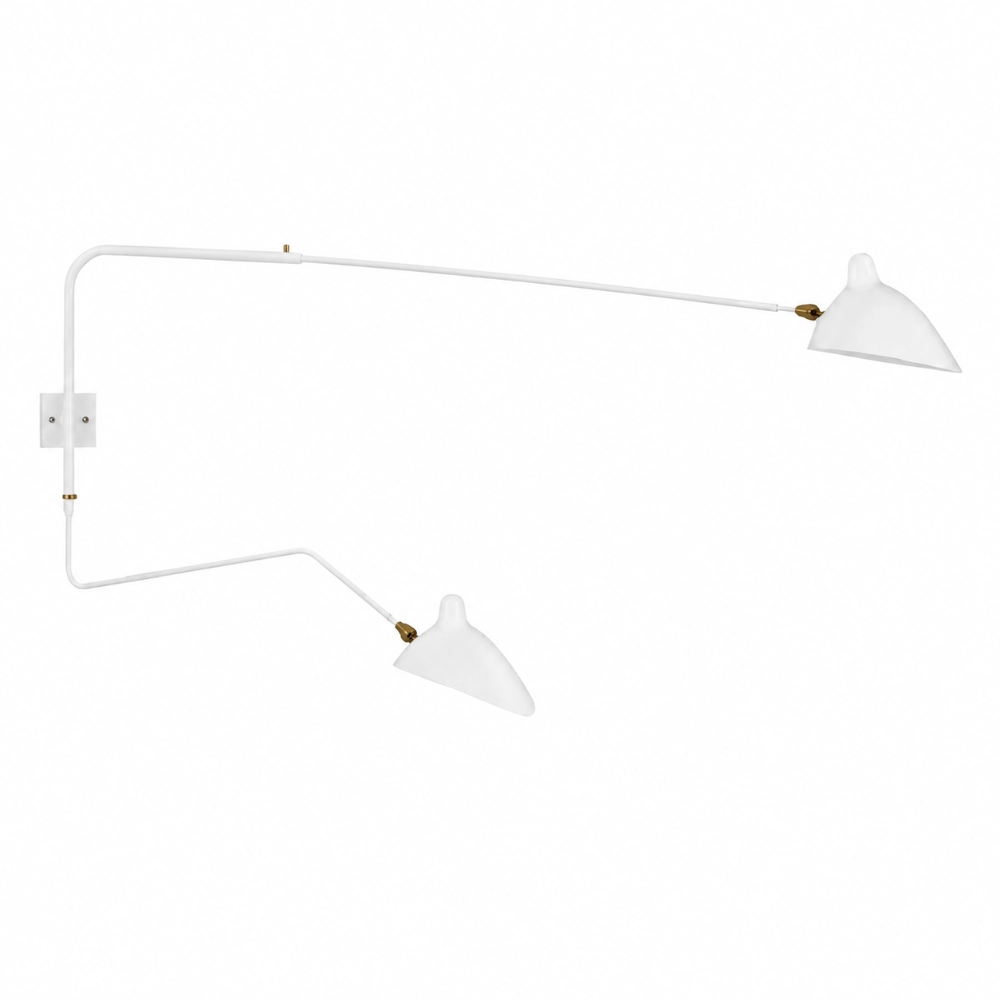
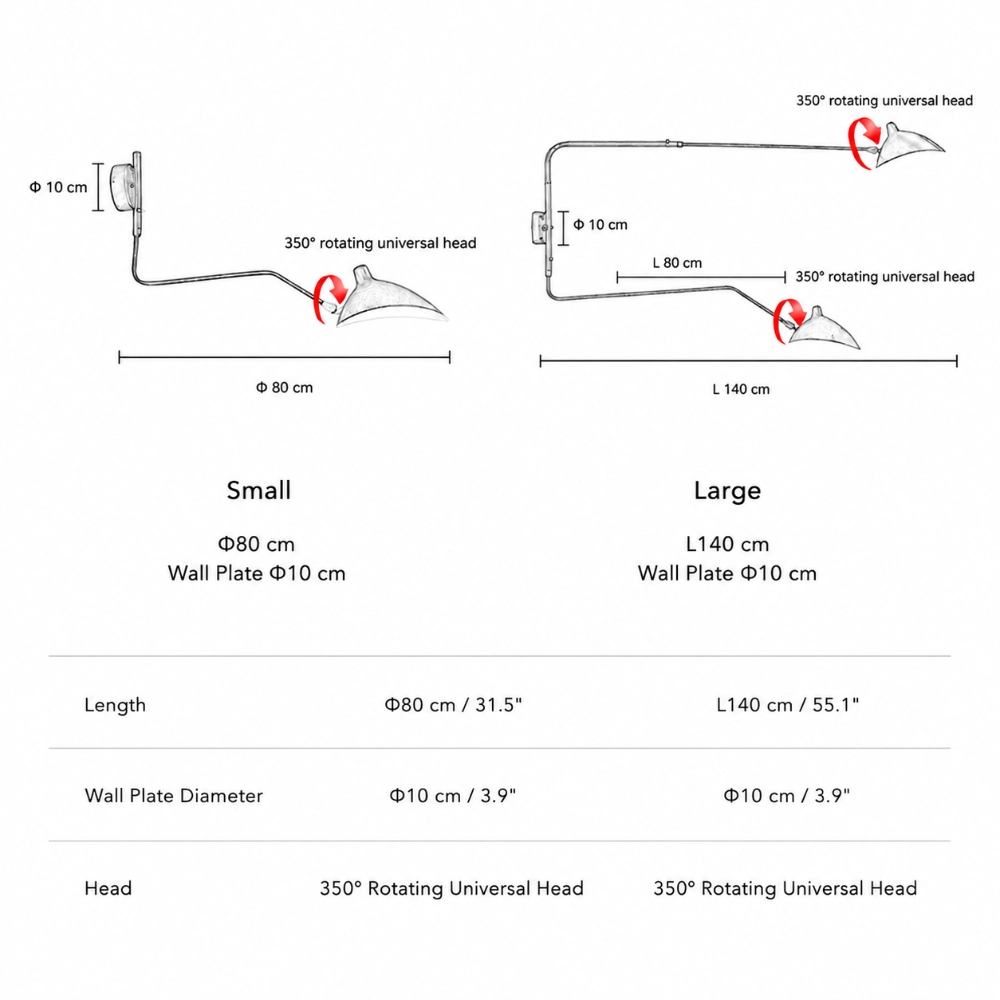
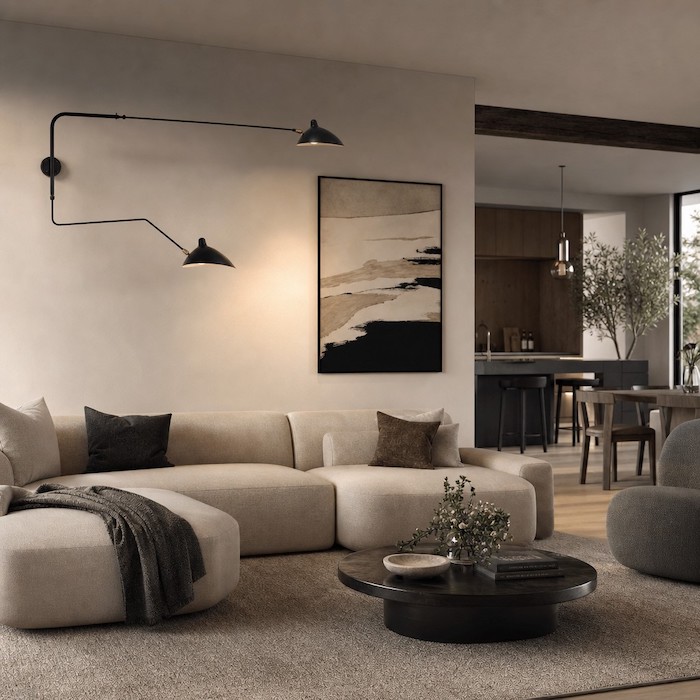
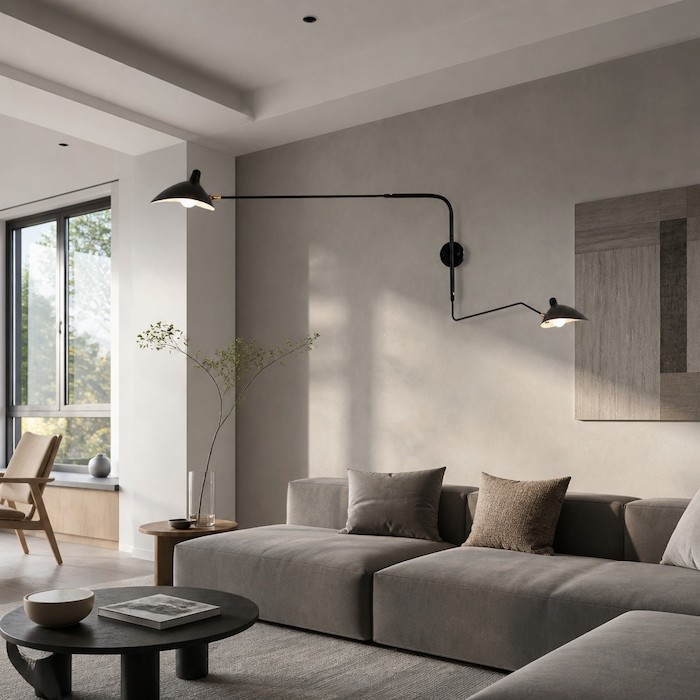
To unlock genuine layout freedom, modern design layouts bypass the ceiling entirely and leverage the expansive real estate of your walls. Integrating a long-reach graphic statement piece like the Industrial wall lamp with adjustable arm allows you to claim total control over your room's spatial boundaries. Instead of your furniture being dictated by an immovable wire in the ceiling, this wall-mounted alternative extends outwards gracefully, adapting effortlessly to wherever you choose to position your lounge seating or host family dinners.
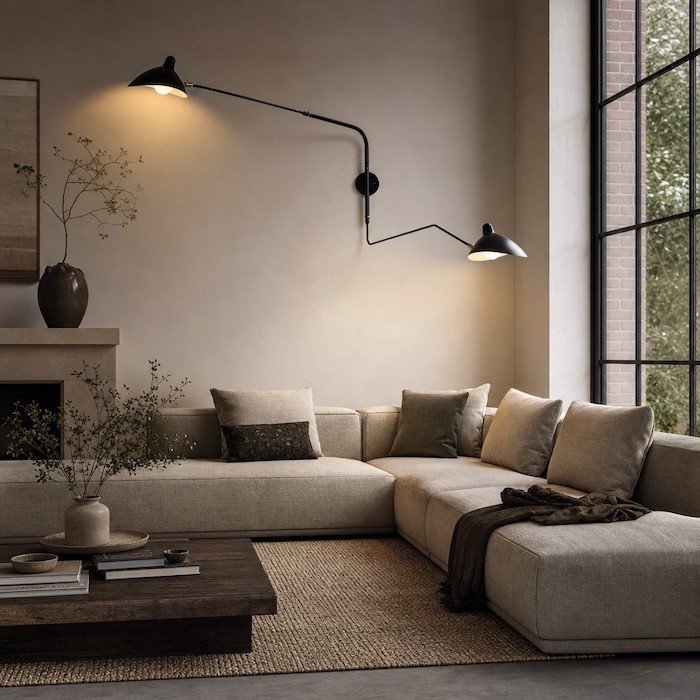
Sculpting Space with Horizontal Illumination Angles
Beyond the practical limitations of furniture placement, central ceiling lighting presents a severe atmospheric downside: it casts unforgiving vertical shadows downward. This overhead angle emphasizes dark circles beneath the eyes, emphasizes dust on tabletops, and washes out the rich textures of your rugs and wall coverings. It creates a flat, harsh environment that mimics a commercial retail store rather than an intimate, upscale home sanctuary.
Why do interior architects prefer wall-mounted lighting angles over ceiling fixtures?
Interior architects prefer wall-mounted lighting angles because horizontal and diagonal illumination wraps gently around furniture and architectural details. This side-angled light distribution enhances three-dimensional depth, softens human facial features, and naturally highlights wall textures to foster a warm, cozy evening atmosphere.
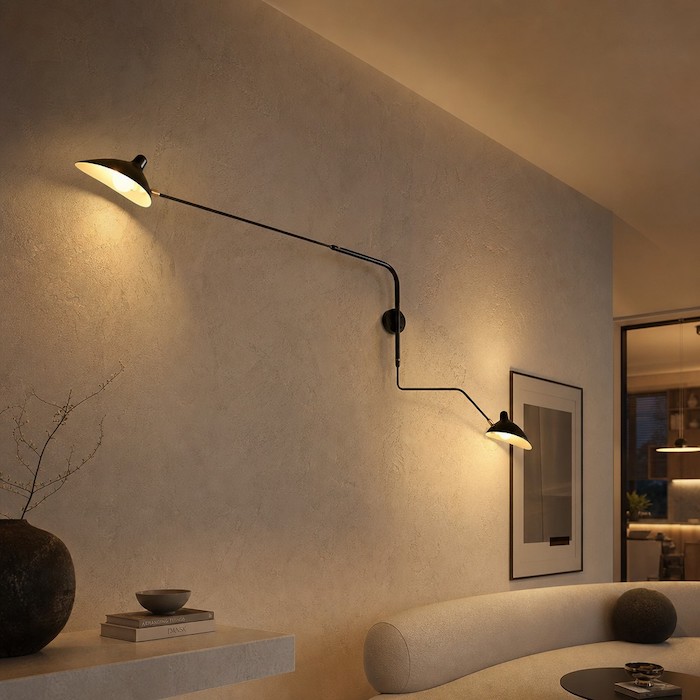
By transitioning your lighting infrastructure onto the wall with a posable fixture like the Industrial wall lamp with adjustable arm, you completely eliminate that clinical overhead glare. The long, slender metal arm acts as an architectural bridge, bringing warm light down into the lived-in zones of the room. This layout choice introduces an appealing sense of drama, casting elongated, soft shadows that mimic the comforting, organic feeling of sitting beside a crackling hearth fire.
The Perimeter Principle
To make a medium-sized room feel infinitely larger, push your primary light sources to the outer perimeter walls. Illuminating the vertical planes of a room pushes the walls out visually, creating an expansive optical illusion of boundless space that central pendants completely fail to achieve.
Embracing the Avant-Garde Beauty of Asymmetry
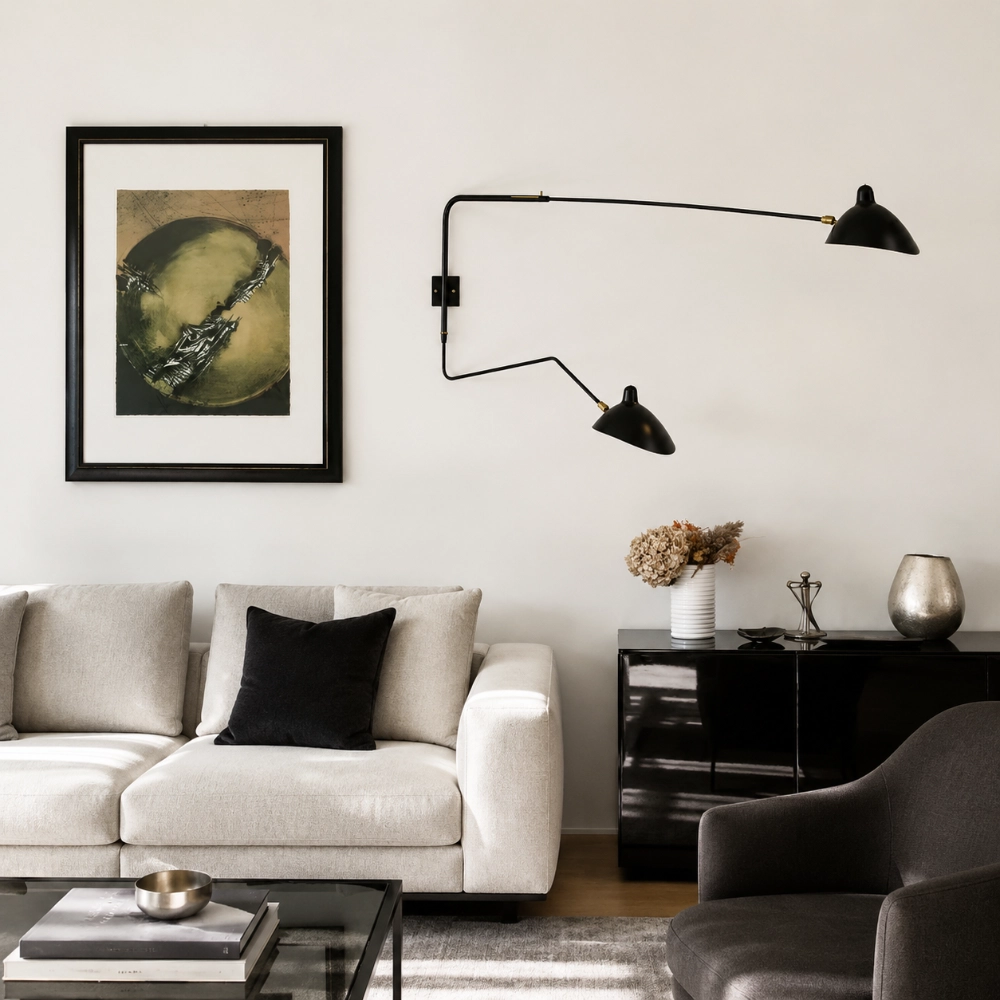
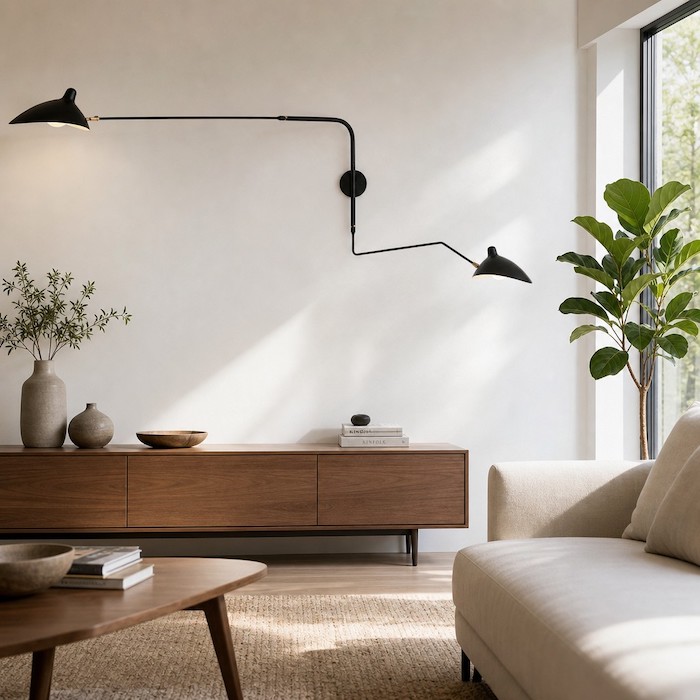
Modern luxury is defined by deliberate imperfection and curated asymmetry. Rigid, perfectly centered rooms often feel sterile, resembling unlivable museum showrooms rather than warm personal spaces. When you deliberately break symmetry by placing a dramatic, extended wall fixture on one side of a room, you instantly introduce a sense of confident, architectural character. It tells the viewer that your home layout is driven by real human movement and creative intent rather than boring cookie-cutter conventions.
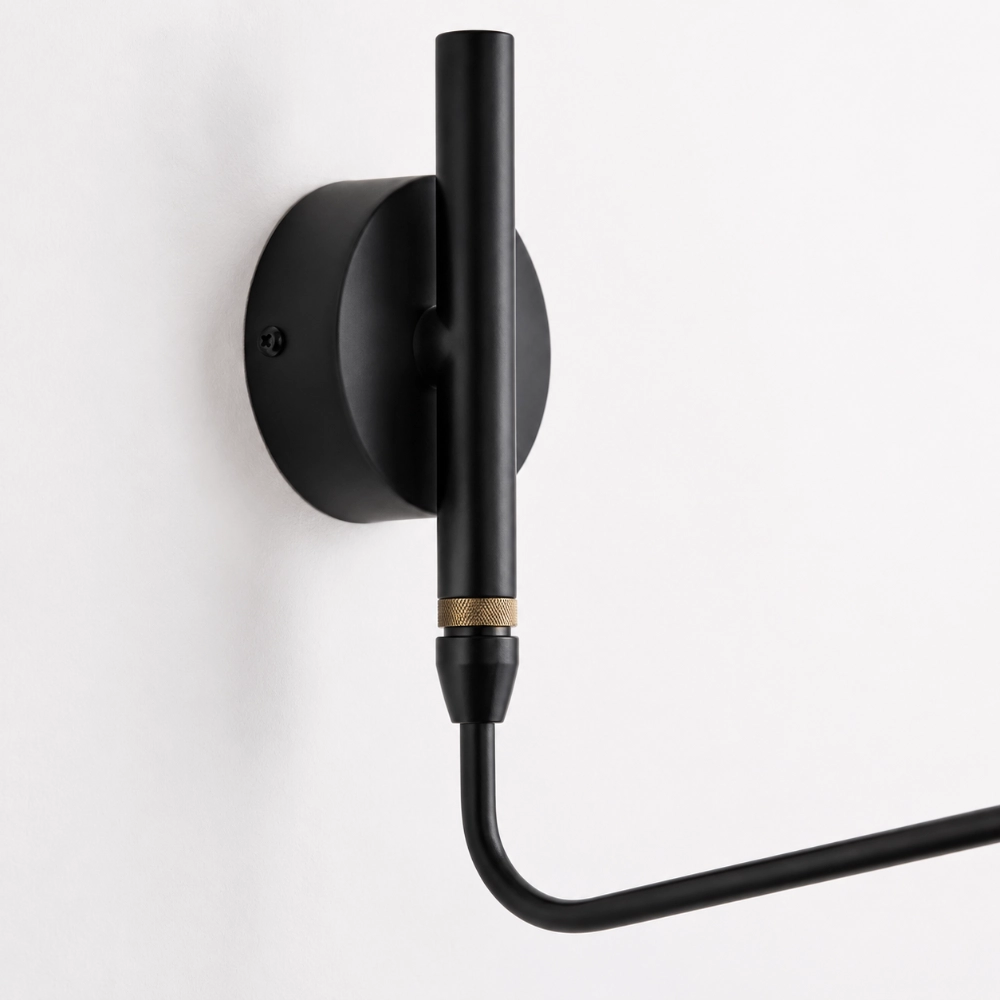
This dynamic aesthetic is exactly why top international design firms frequently specify the Industrial wall lamp with adjustable arm for high-end residential renovations. Its widespread adoption is proof of Why Design Insiders Use Kinetic Sculpture Lighting to Anchor Large Spaces, as these fixtures provide both visual weight and functional flexibility. Its iconic matte-black finish and fluid silhouette serve as an unforgettable sculptural piece during the day, transforming a large blank wall into a masterpiece of contemporary art. When night falls, its rotating shade seamlessly turns to highlight your favorite modern accent chairs or throw a warm, ambient wash across your plaster textures.
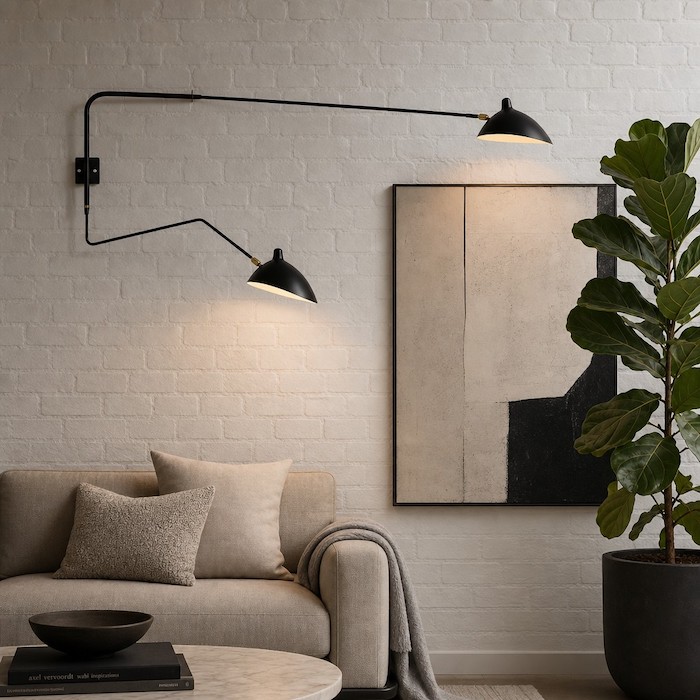
Ditching the centered chandelier is more than just an aesthetic upgrade; it is a declaration of spatial independence. By migrating your light sources to the wall, you liberate your floor plans, banish harsh vertical glare, and wrap your home in a sophisticated, layered atmosphere that honors the true way you live, create, and relax inside your space.
Asymmetric Layout Insights
What should I do with my existing old ceiling wire box?
Cap the wires securely and seal it cleanly with a flat plaster ceiling medallion.
Will an asymmetric wall light make the room look lopsided?
No, balancing it with large artwork or tall indoor plants creates perfect visual weight.
Can this long arm fixture extend over a large dining table?
Yes, its extended structural reach replicates a chandelier without requiring overhead ceiling junction boxes.
Is a single long-arm sconce bright enough for a main living area?
Pairing it with warm table lamps creates a beautifully balanced, layered lighting scheme.
How do I choose the best wall for asymmetric lamp placement?
Mount it on the primary accent wall directly facing your main social seating arrangement.