
The Developer-Grade Antidote: Turn Your Standard Ceiling Fixture Into an Architectural Statement
When you buy a newly constructed or recently renovated house, there is a silent compromise waiting on your ceilings. Developers call it "standard lighting." Designers call it the "builder-grade curse." Typically manifesting as a cheap, glass dome bowl held up by two metal screws, this uninspired fixture is designed to do one thing: pass inspection. It doesn’t tell a story, it doesn't flatter your furniture, and it certainly doesn't make guests stop and look up. Instead, it signals to everyone that your home’s design values stop just above eye level.
Definition: What is Builder-Grade Lighting in American Housing?
Builder-grade lighting refers to mass-produced, low-cost fixtures installed by contractors to minimize construction budgets. Characterized by simple flush glass domes or basic metal trim, these fixtures offer zero optical control, leading to direct bulb glare and uneven light distribution. Upgrading these standard units is one of the fastest, highest-ROI home improvement projects a homeowner can undertake to increase perceived property value.
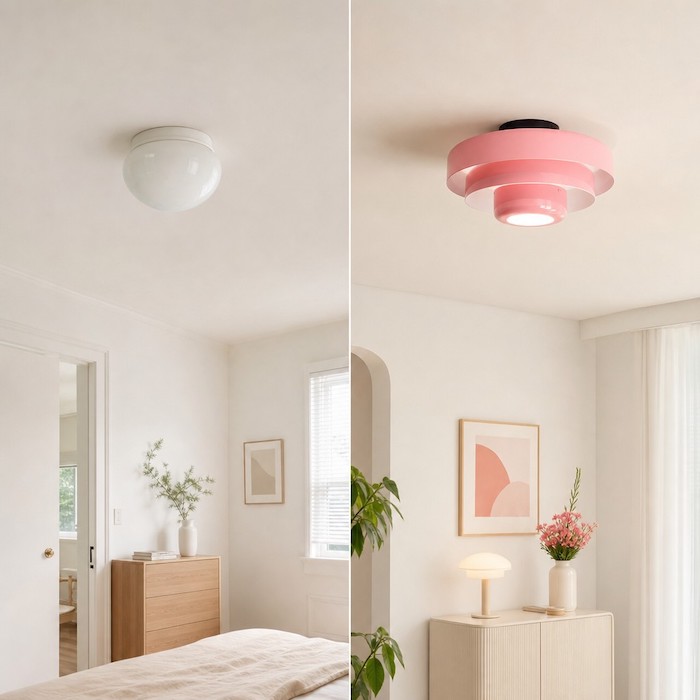
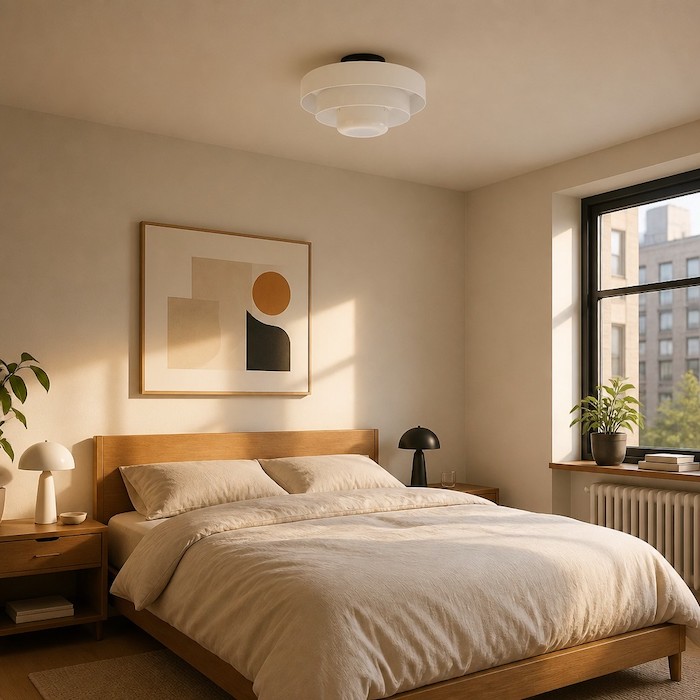
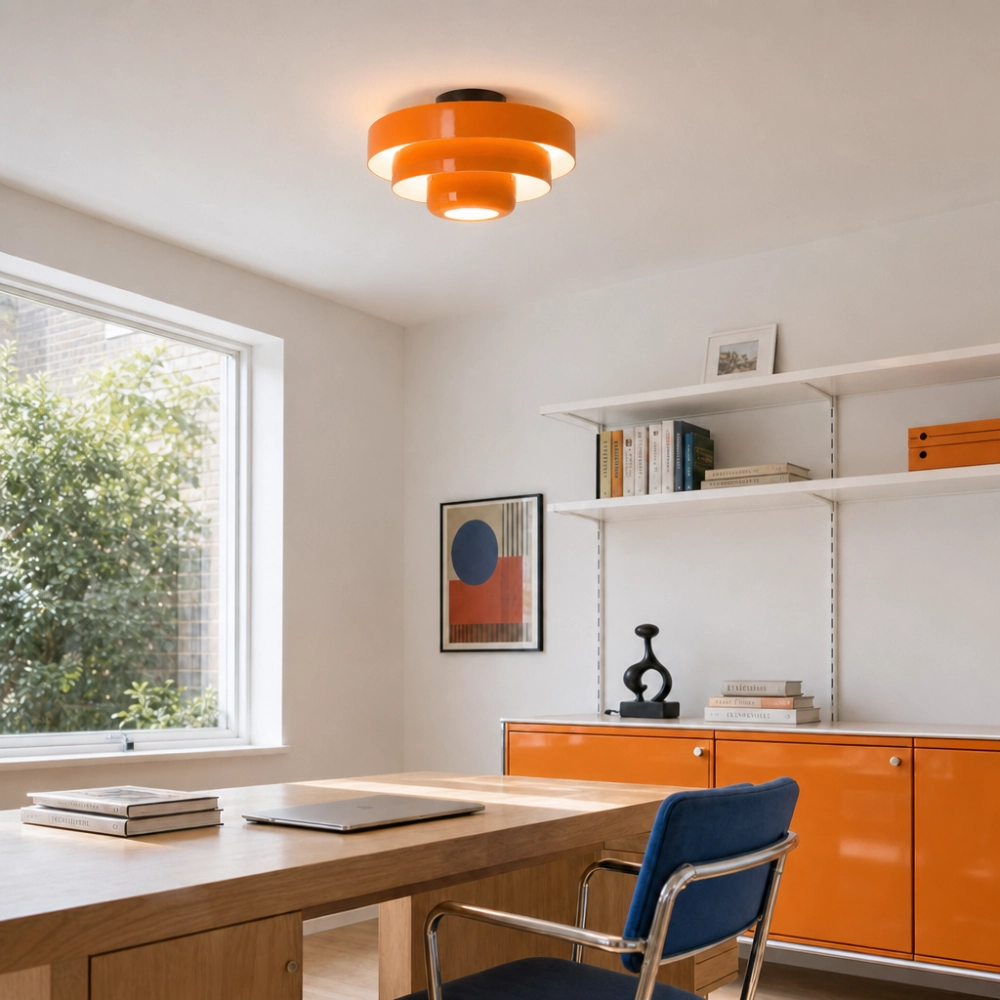
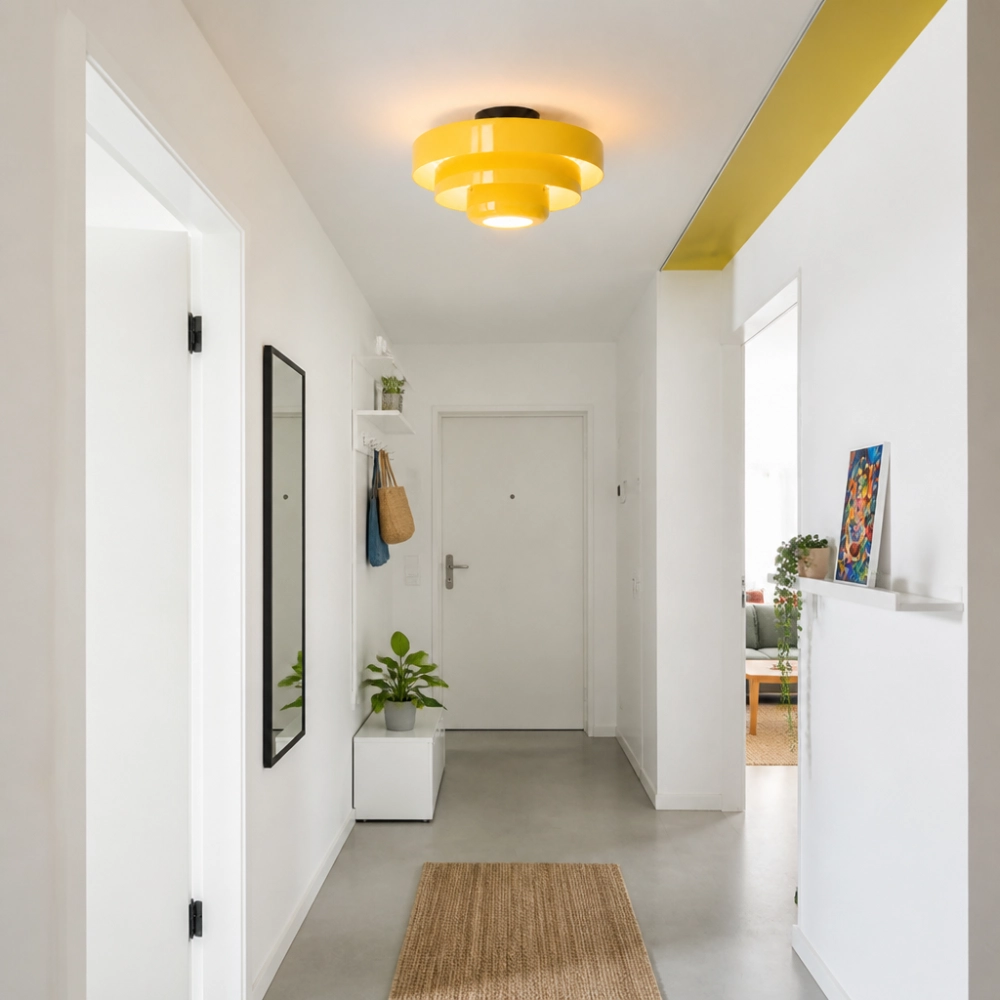
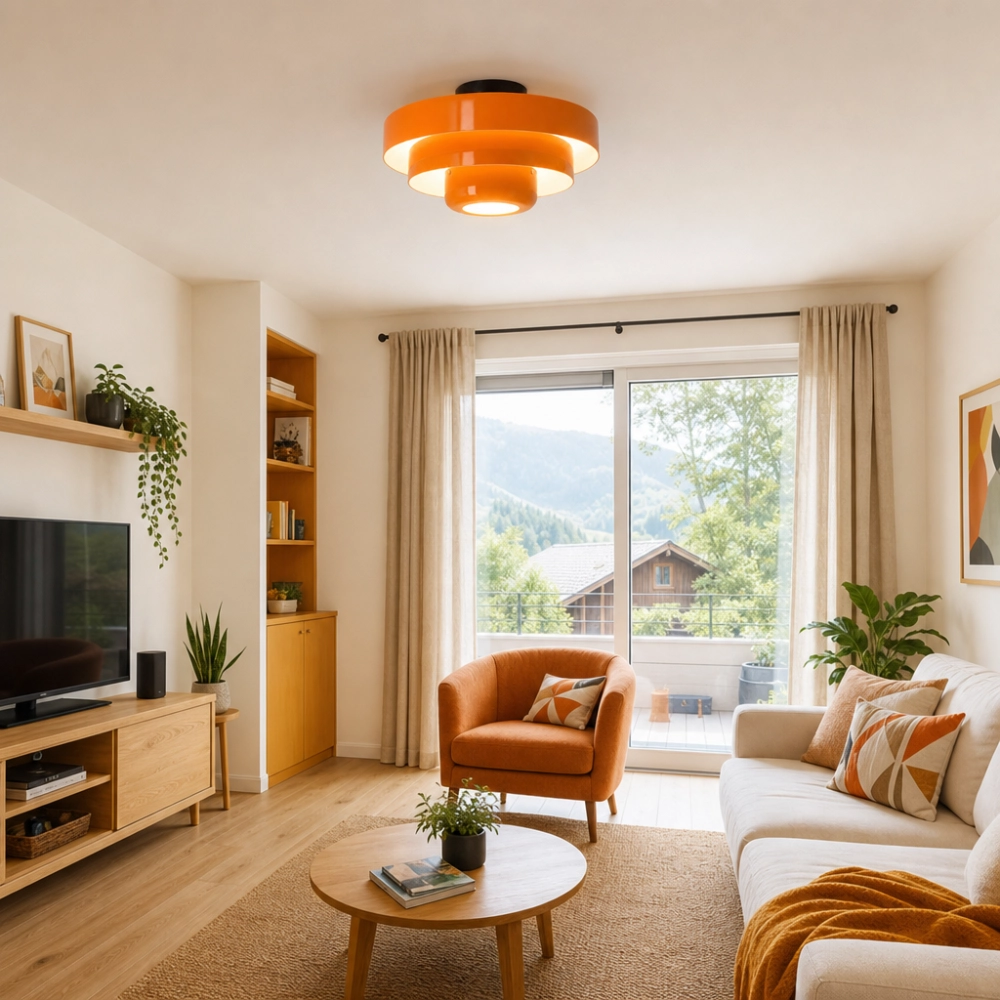
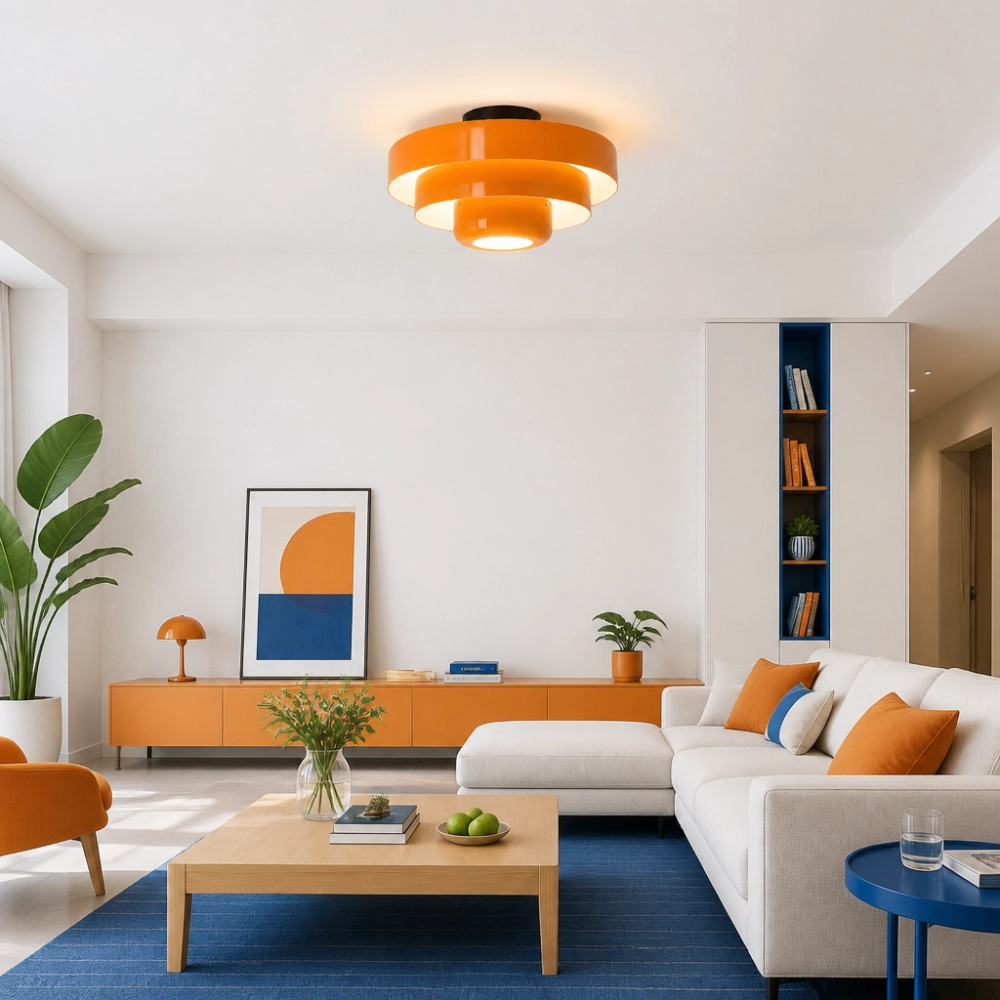
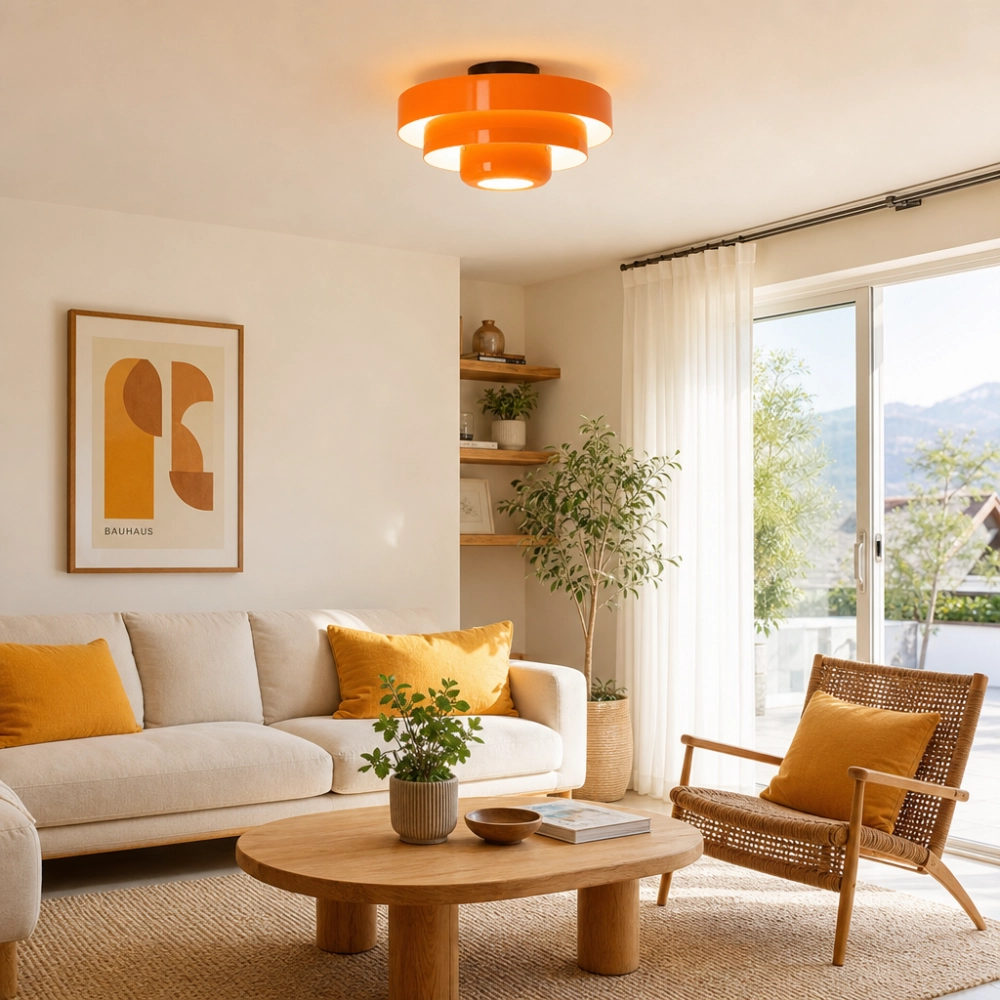
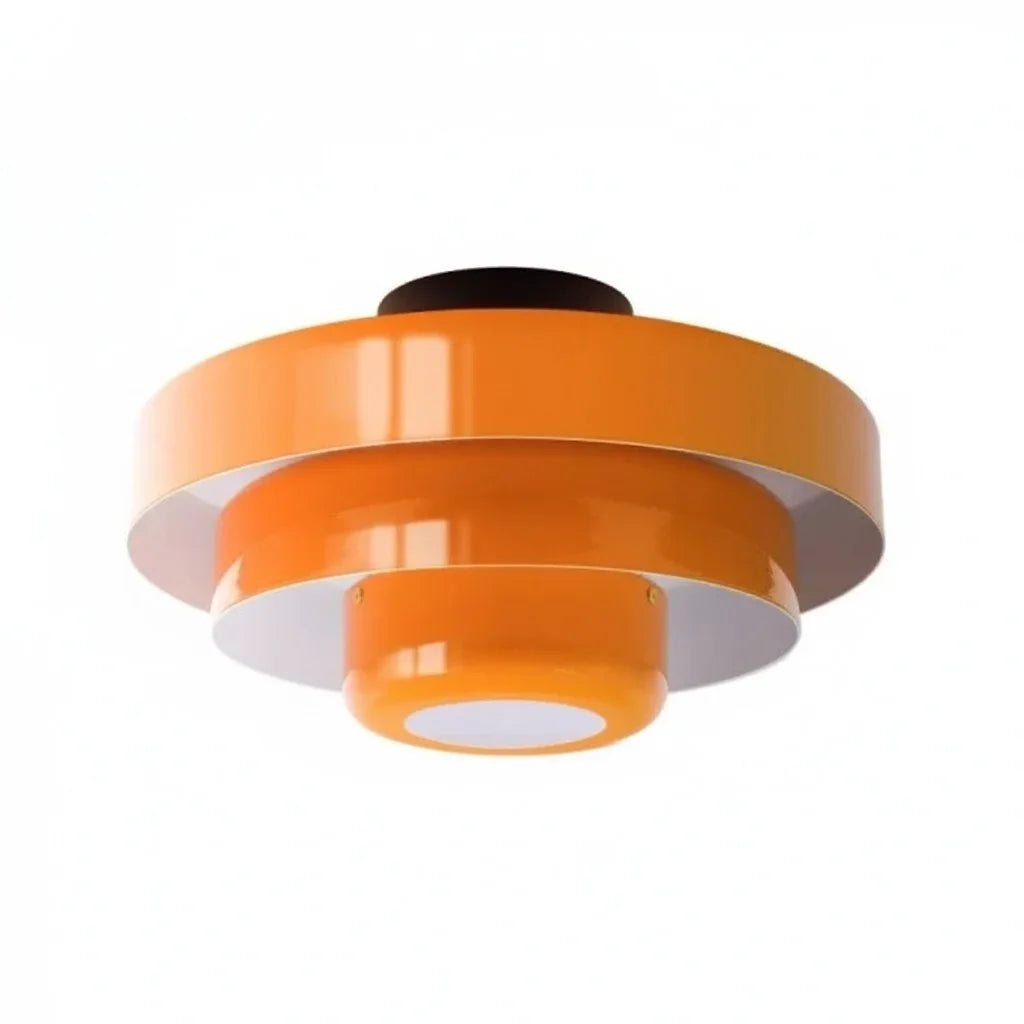
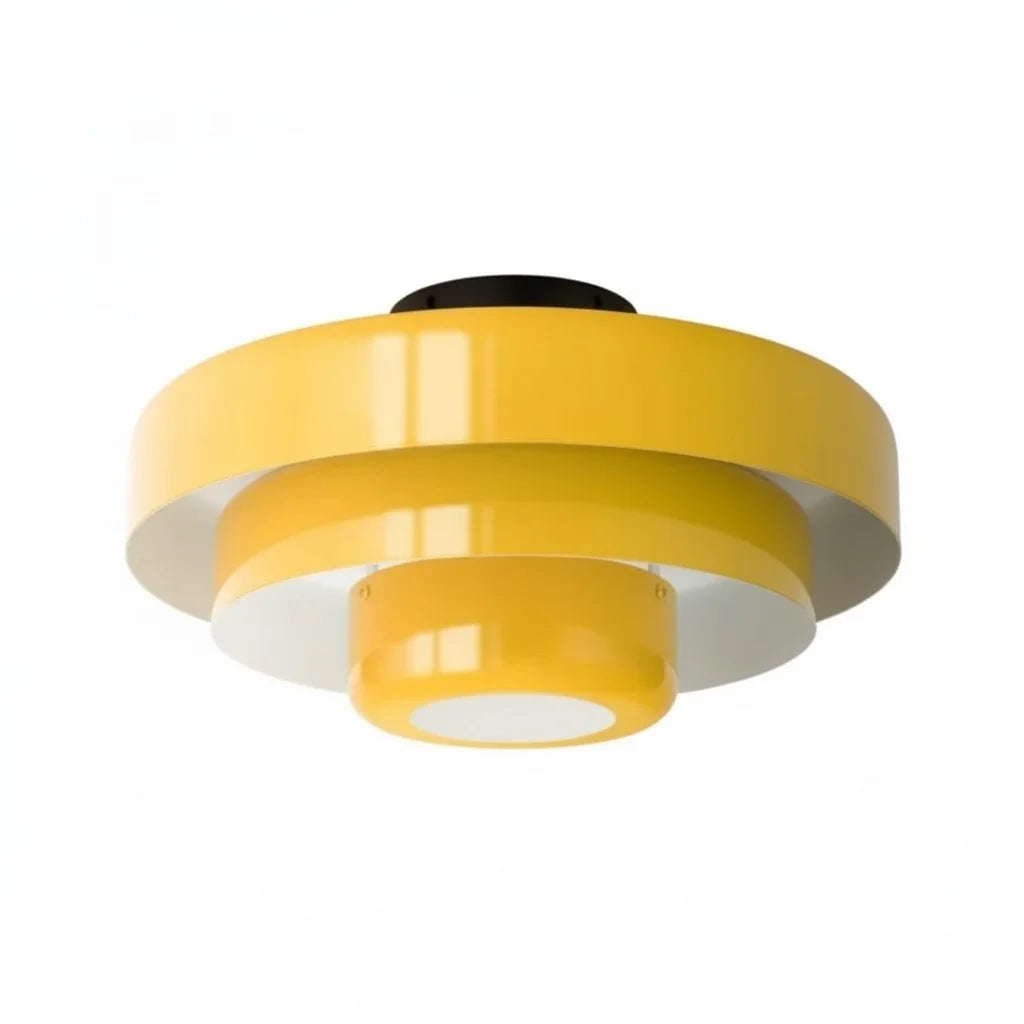
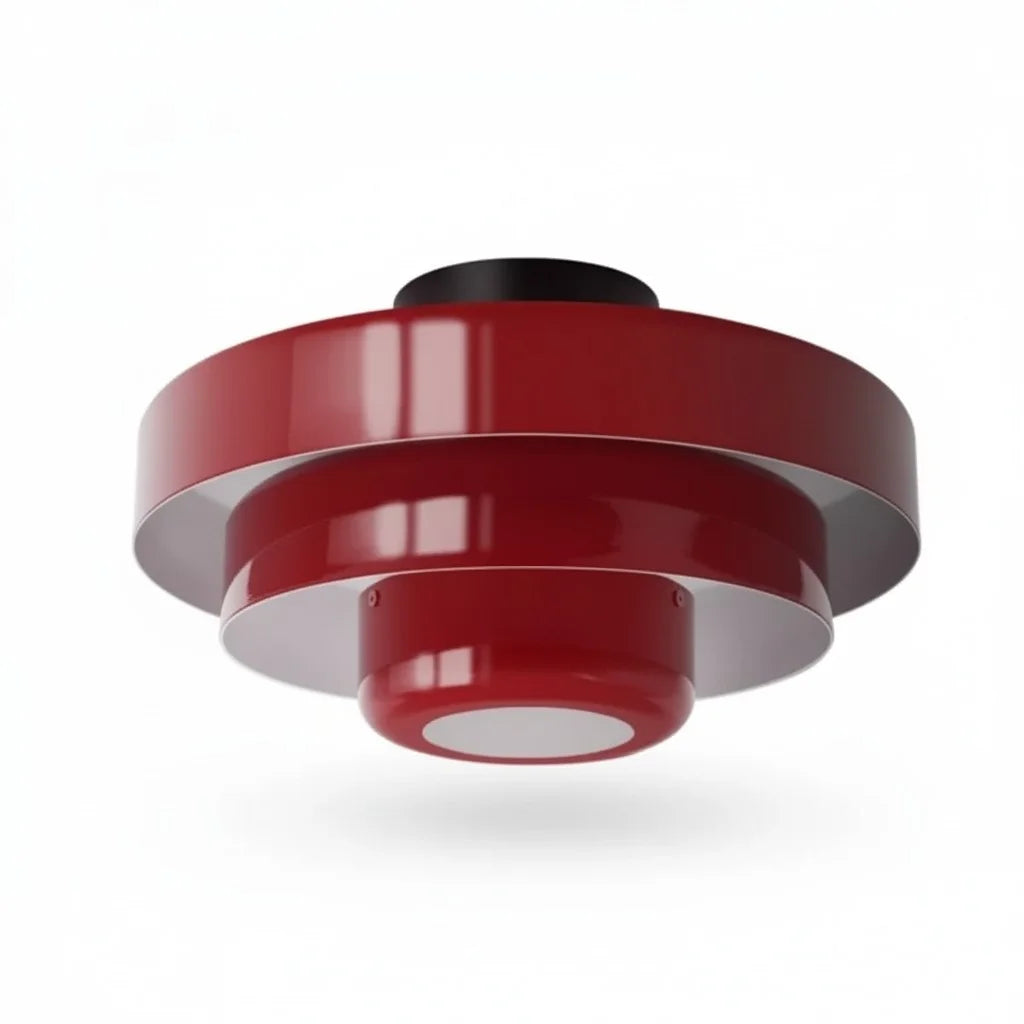
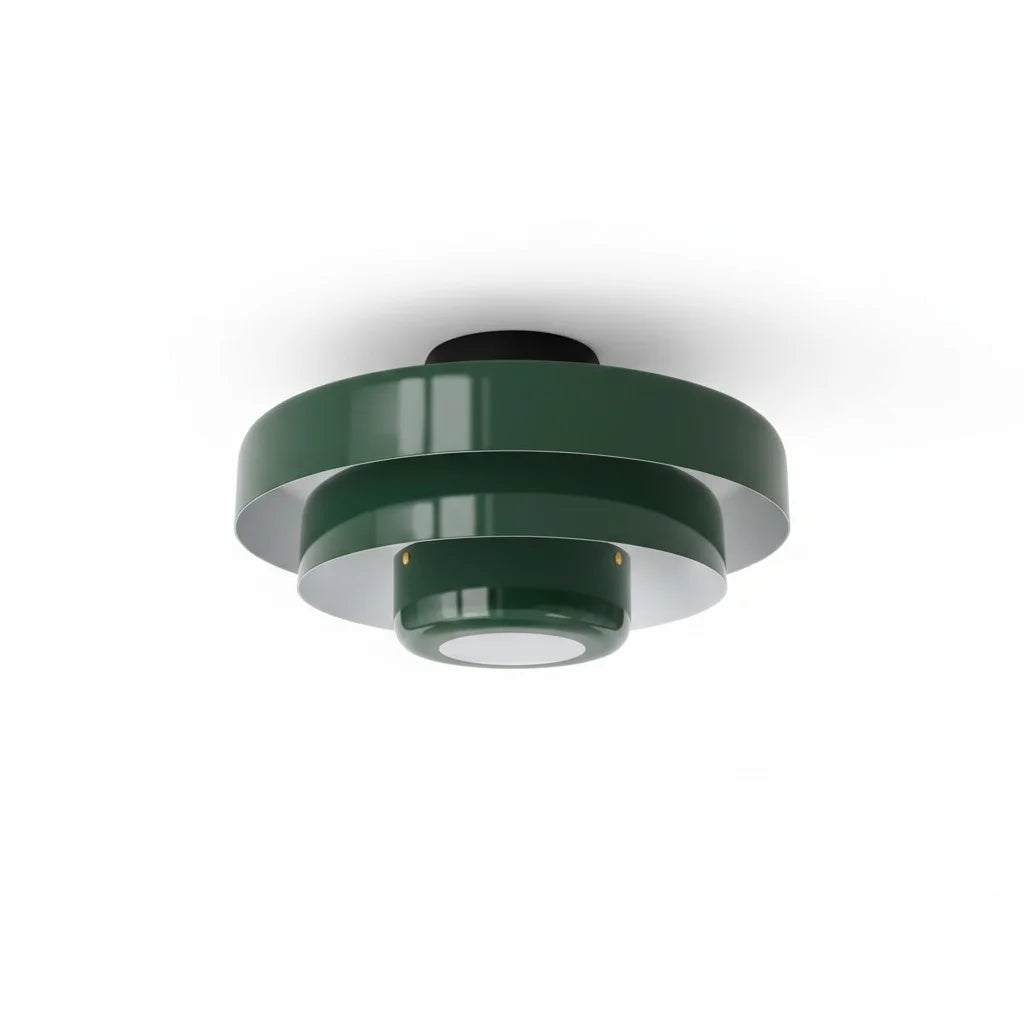
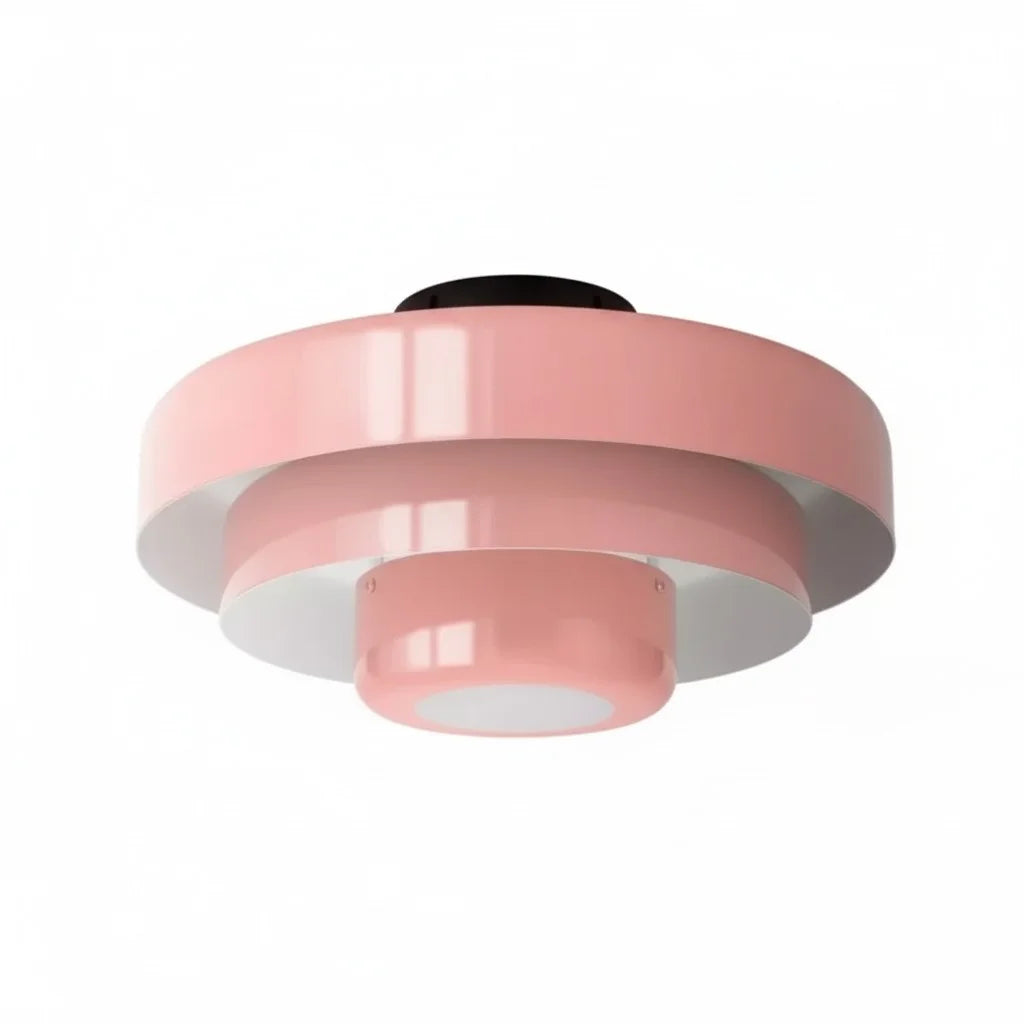
While achieving this custom feel often brings to mind The Role of Modern Pendant Lights in Spatial Layering, you don't actually need a hanging fixture to get that depth. Breaking free from this builder-grade monotony does not require a full ceiling renovation or a messy plastering job. What you need is an intentional design intervention. By replacing that cheap dome with the sculptural silhouette of the Kael Bauhaus Three-Tier Round Macaron Ceiling Light, you turn an overlooked utility into a major focal point. Its clean, layered design instantly upgrades the structural aesthetic of any room, making the home feel custom-designed rather than cookie-cutter.
The Psychology of the Ceiling: Elevating the Fifth Wall
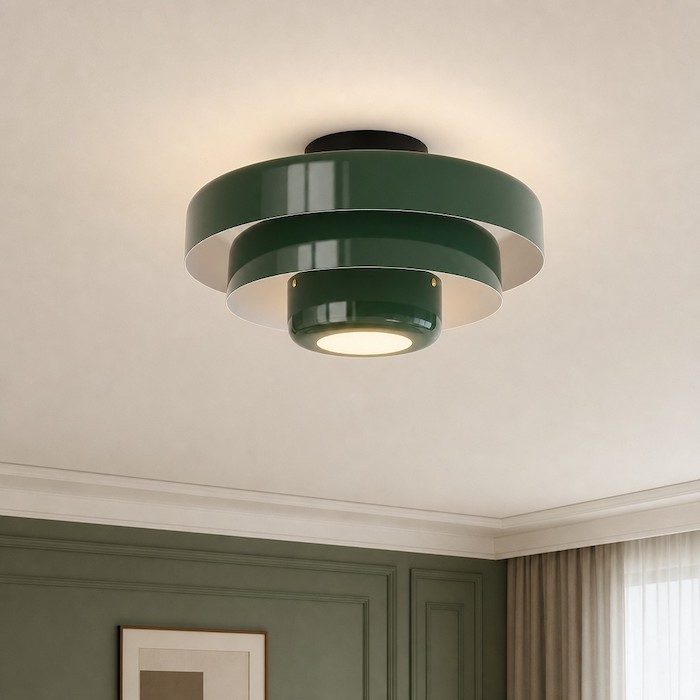
In interior design theory, the ceiling is often referred to as the "fifth wall." It is a massive, unbroken canvas that directly dictates how cozy or cold a room feels. When you leave a standard builder-grade dome on your ceiling, you leave that fifth wall dead. The light flatlines. However, when you install a tiered, structural masterpiece, you introduce architectural gravity. The eye is naturally drawn upward, creating a sense of wonder and visual expansion.
Question: How does structured geometry change the perception of an ordinary room?
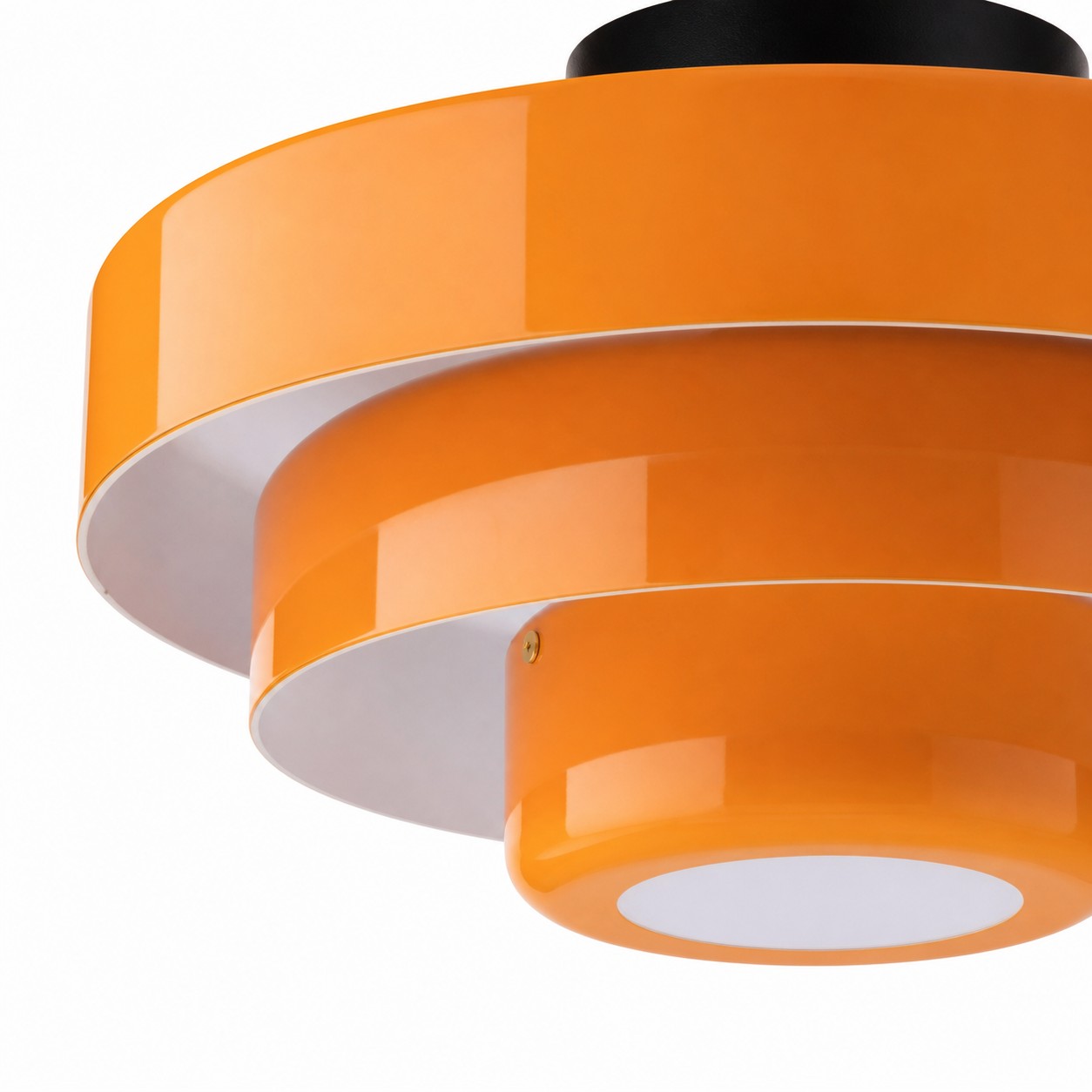
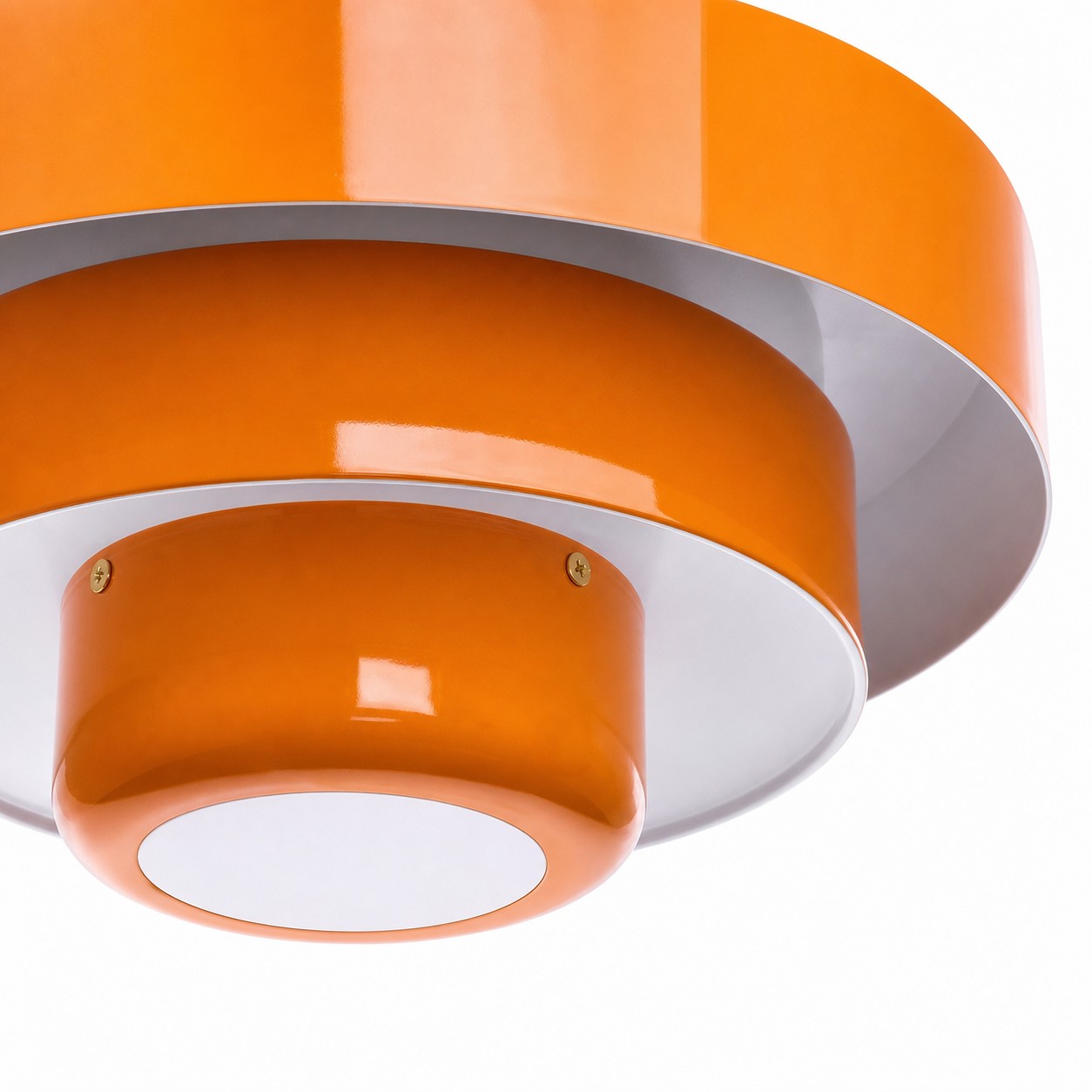
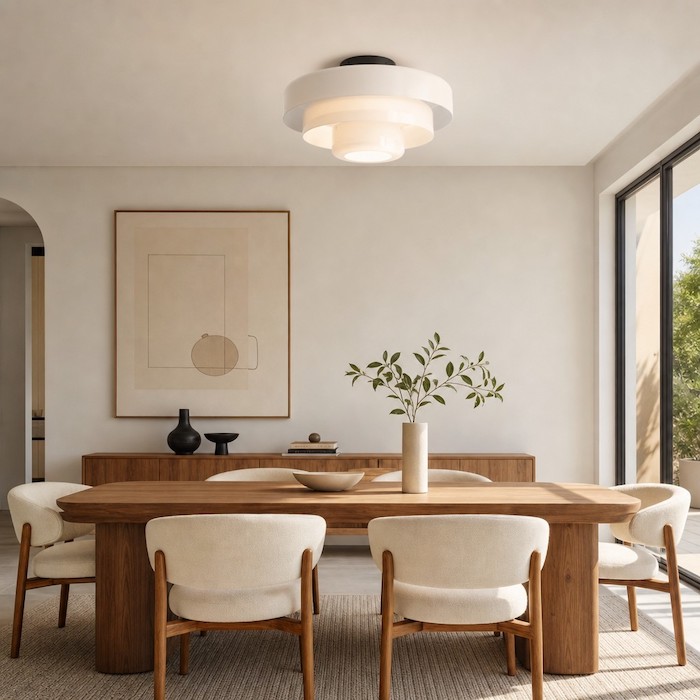
Structured geometric design, such as the concentric rings of the Kael Bauhaus series, introduces visual anchors. These anchors mimic the clean, raw lines found in custom architectural homes. By breaking up the flat white plane of drywalled ceilings with defined, layered shadows, the fixture creates a sense of luxury, depth, and deliberate design intent that cheap dome lights cannot offer.
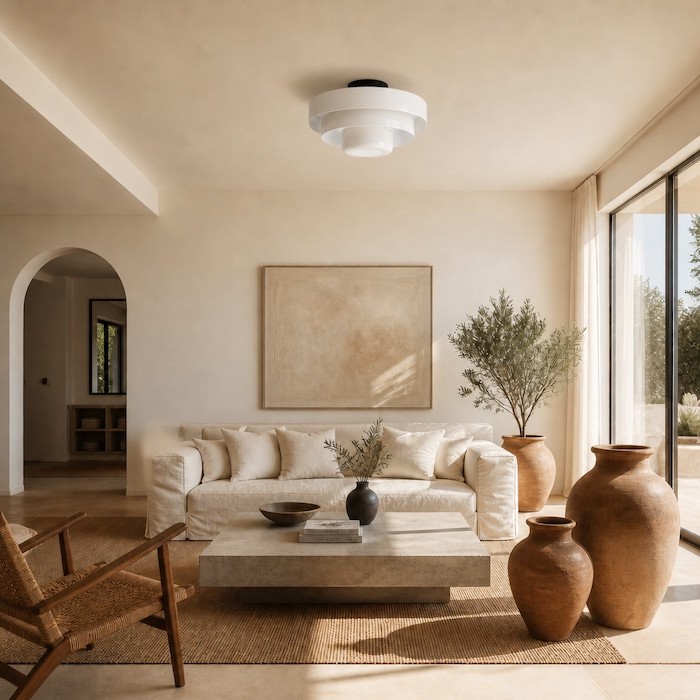
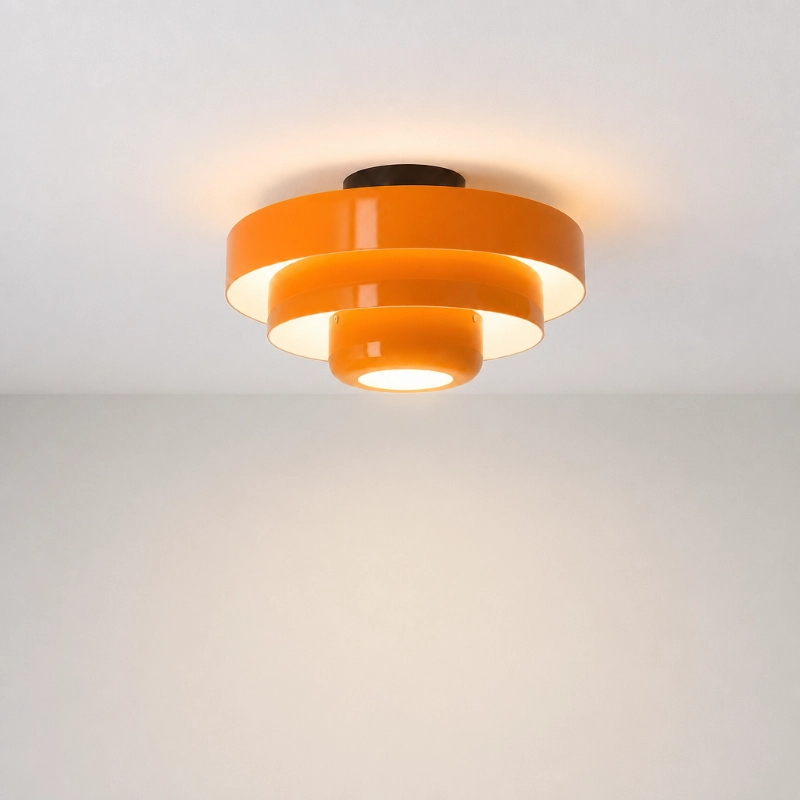
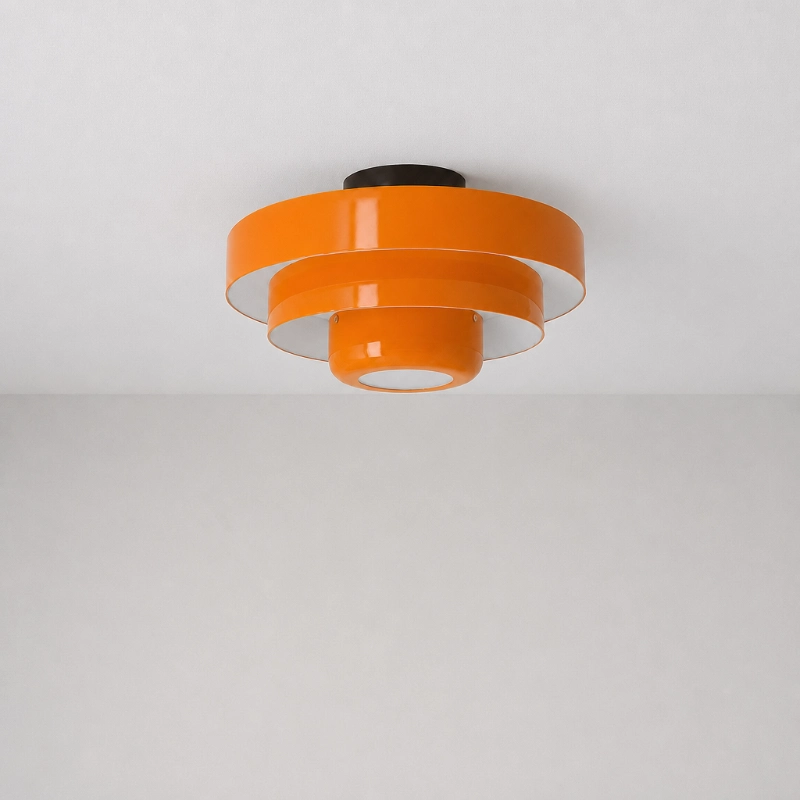
What makes the Kael Bauhaus Deckenleuchte so successful in this role is its balance of softness and structure. The round Macaron-style tiers soften the harsh angles of standard room walls and window frames, while the precise spacing of the three plates maintains a highly organized, modern discipline. It looks expensive because it behaves like structural sculpture, not just an electrical appliance. This thoughtful combination beautifully showcases the impact of Geometric Elements in Contemporary Lighting Design within a modern living space.
Customizing Your Space with True Architectural Finishes
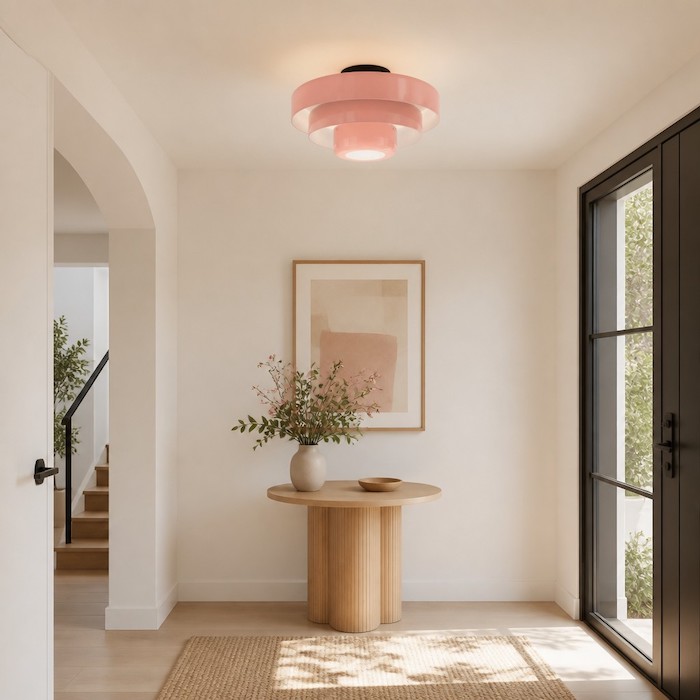
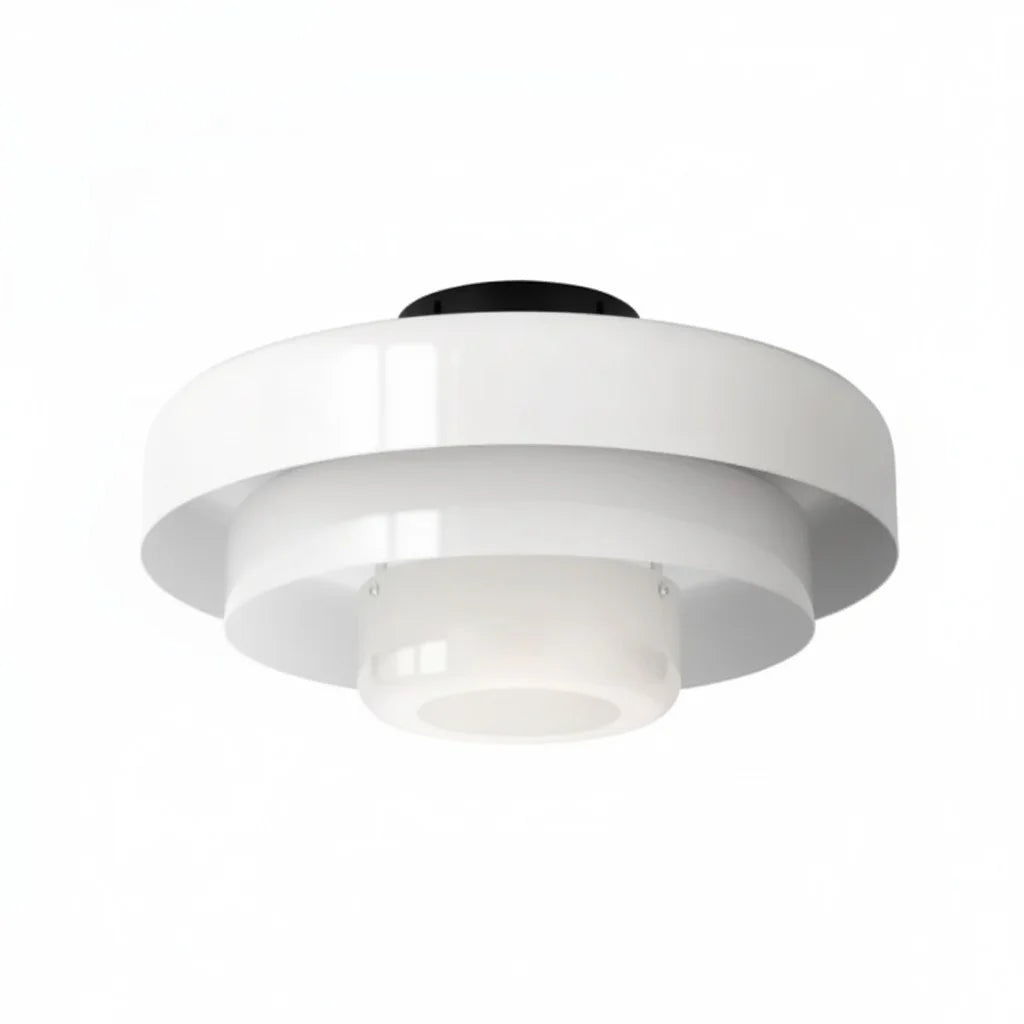
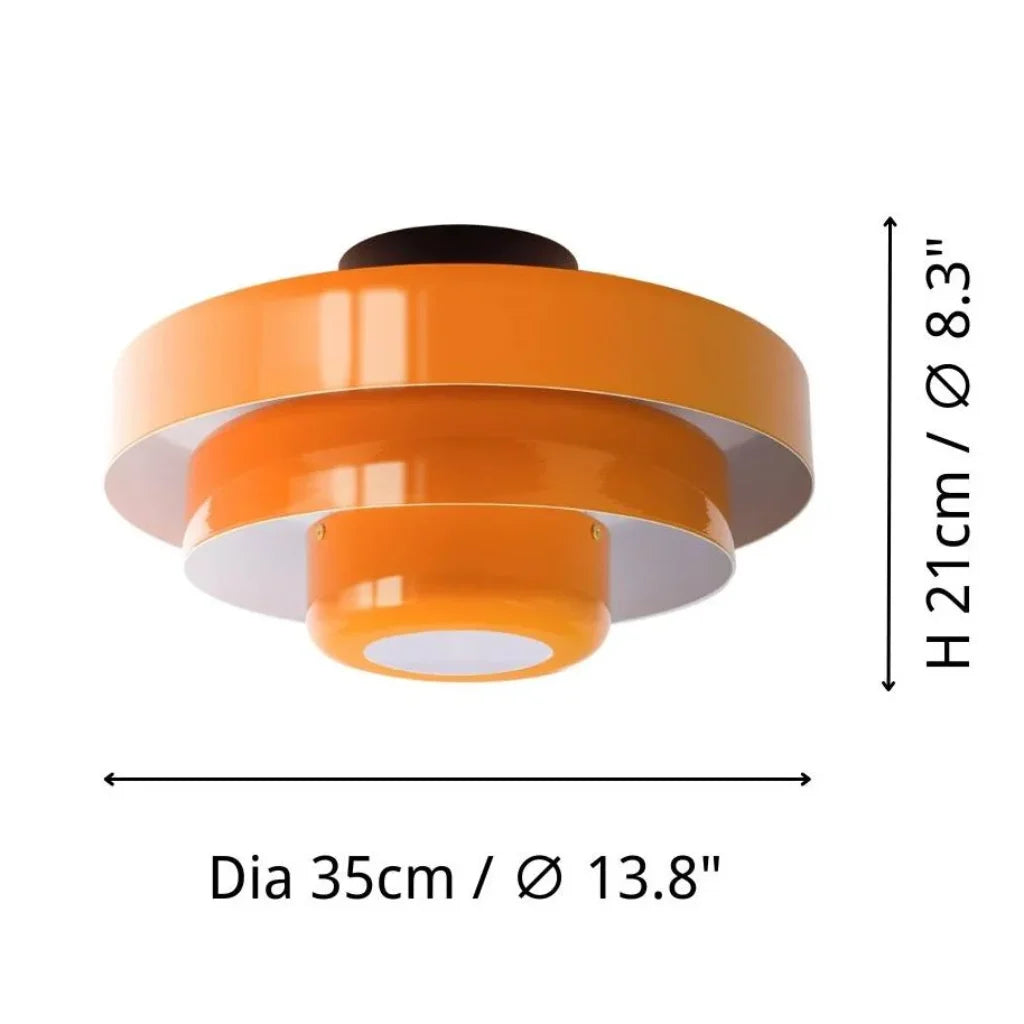
Standard developer fixtures usually come in a highly polished chrome or a generic brushed nickel finish that looks dated within months. The Kael light bypasses these cheap-looking finishes entirely. Instead, it embraces high-quality paint textures in colors tailored to actual design trends: soft pink, green and orange, alongside minimalist white.
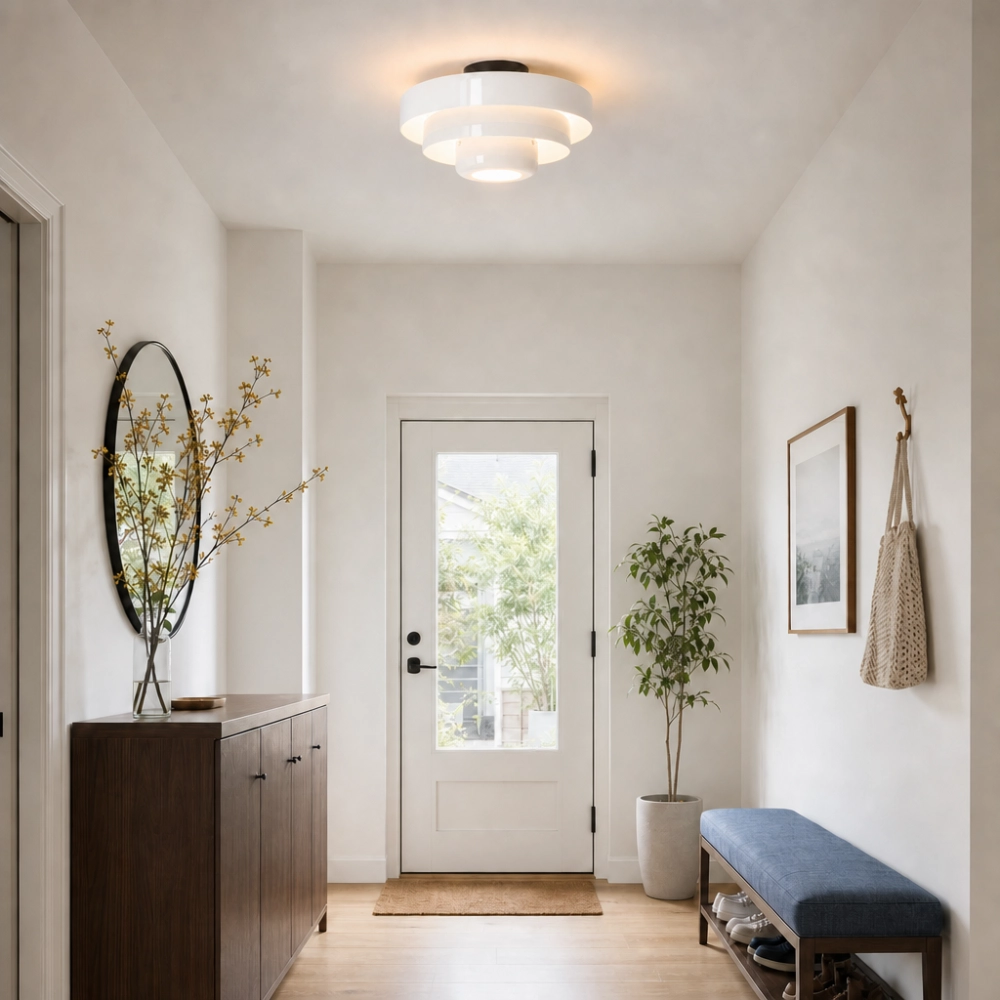
For a sleek, high-end loft look, the white variant of the Kael Bauhaus Three-Tier Light acts like a crisp graphic exclamation point on your ceiling. If you prefer a calm, breezy New Nordic layout, the pink and green finishes provide a soft touch of color that ties together natural wood grains and neutral textiles. These aren't just colors; they are carefully chosen architectural finishes that transform your space from a generic rental unit into a curated designer home.
Upgrading your standard ceiling fixture isn't just about switching out a light; it’s about reclaiming your home's identity. When you swap out a forgettable builder dome for the structured layers of the Kael light, you signal that every square foot of your space has been curated with care. It’s the ultimate antidote to developer shortcuts, proving that high design can live on any ceiling, in any home.